
 Caroline Sarah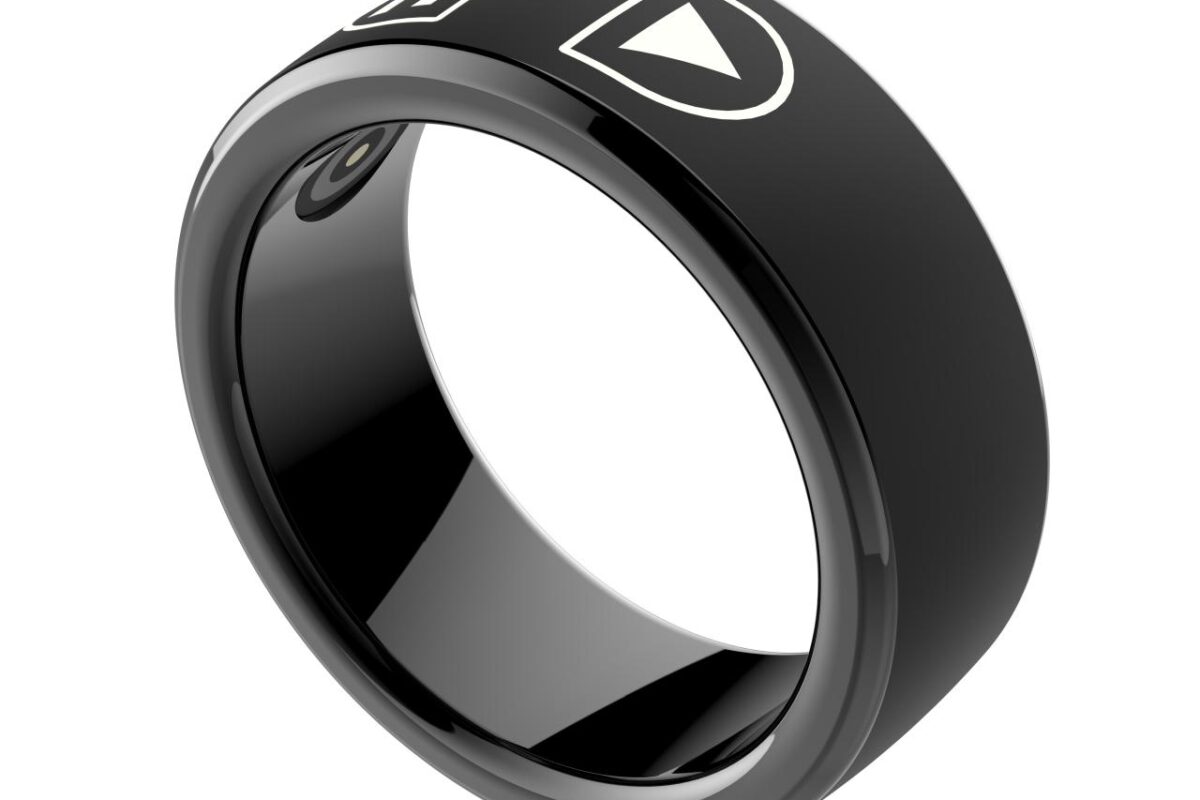
Tracking rings are the latest innovation in personal safety and convenience, merging cutting-edge technology with sleek design. These compact devices harness advanced materials and smart technology, allowing users to stay connected and informed in real-time. As we delve into the world of tracking rings, we uncover their various applications, technological advancements, and the impact they have on our daily lives.
The evolution of tracking rings has led to a surge in their popularity, as they offer a discreet yet powerful way to monitor health, fitness, and even personal safety. With capabilities that range from GPS tracking to health monitoring, these devices are becoming indispensable tools for a range of users, from fitness enthusiasts to those concerned about safety.
Technological advancements that have led to the creation of tracking rings
The evolution of tracking rings is a remarkable journey, showcasing how advancements in materials science and technology have come together to create innovative devices that blend functionality with style. Tracking rings have emerged as a response to the increasing demand for discreet, wearable technology that can help users keep track of personal items, navigate, or even monitor health metrics.
The transformation in materials and technology has played a crucial role in the development of modern tracking devices. Early tracking devices were often bulky and limited in functionality, relying on basic components that required significant power and space. However, advancements in microelectronics and material engineering have paved the way for a new generation of tracking rings that are both lightweight and feature-rich.
Key innovations that contribute to the efficiency and user-friendliness of tracking rings include the miniaturization of GPS modules, the use of Bluetooth Low Energy (BLE) technology, and the integration of advanced sensors. The miniaturization of GPS technology has enabled manufacturers to incorporate precise location tracking within a compact design. This allows users to pinpoint their belongings within a few meters, enhancing the device’s practicality in everyday situations.
Bluetooth Low Energy technology provides a seamless connection between the tracking ring and smartphones or other devices, ensuring real-time updates without compromising battery life. This is particularly important as users expect these devices to operate for extended periods without frequent recharging. Moreover, advancements in battery technology have led to the development of ultra-thin batteries that can fit within the slim profile of a ring, further enhancing its user-friendliness.
Another significant development is the inclusion of advanced sensors that can track various metrics such as heart rate, sleep patterns, and even stress levels. These sensors often utilize piezoelectric materials that can convert mechanical energy into electrical energy, thereby allowing the tracking ring to gather data without the need for an external power source.
Examples of different technologies integrated into tracking rings include:
- GPS Tracking: High-precision location tracking capabilities that offer real-time navigation and item recovery.
- Bluetooth Connectivity: Enabling seamless pairing with smartphones for notifications and alerts while conserving battery life.
- Health Monitoring Sensors: Advanced biometric sensors that monitor health and fitness metrics, making the device a multi-functional accessory.
- Near Field Communication (NFC): Facilitating contactless payments or data transfer, further expanding the usability of the ring.
The combination of these technologies has not only enhanced the functionality of tracking rings but also their appeal, as they can easily blend into everyday fashion without sacrificing technological prowess. As a result, tracking rings are becoming a staple in the wearables market, showcasing how far technology has come in optimizing personal tracking solutions.
Explore the various applications of tracking rings in everyday life.
Tracking rings are becoming increasingly popular as innovative devices that enhance personal safety and convenience. These wearable gadgets, often resembling traditional rings, are embedded with advanced technology such as GPS and sensors, enabling users to monitor their location, health metrics, and even connect with emergency services seamlessly. The potential applications of tracking rings span various aspects of daily life, making them invaluable tools for individuals seeking greater security and efficiency.
Tracking rings significantly enhance personal safety by providing real-time location tracking and emergency alert features. For instance, individuals can use these rings to share their location with family or friends, ensuring that someone always knows where they are. In emergency situations, a simple tap on the ring can send an alert to designated contacts or trigger an alarm, promoting quick responses in critical scenarios. Furthermore, with many tracking rings offering geofencing capabilities, users can set safe zones and receive notifications if they venture outside these boundaries, adding an extra layer of security.
Applications in fitness and health monitoring
Tracking rings are not only about safety—they also play a pivotal role in fitness and health monitoring. These devices can track physical activity levels, heart rate, sleep patterns, and even stress levels, providing users with comprehensive insights into their health. For example, a tracking ring can monitor a user’s daily steps and calories burned, encouraging them to stay active and achieve fitness goals. Additionally, the data collected can be synced with health applications, allowing users to analyze trends over time and make informed decisions about their lifestyle.
In the realm of health, tracking rings can assist individuals with chronic conditions by continuously monitoring vital signs and sending alerts if any metrics fall outside acceptable ranges. For instance, a user with diabetes may use a tracking ring to monitor their blood sugar levels and receive reminders for medication or dietary adjustments.
In specific industries, tracking rings have a variety of potential uses. Their applications can streamline processes and enhance security measures:
- Logistics: Tracking rings can monitor the location of valuable shipments in real-time, reducing theft and loss.
- Security: In high-security environments, tracking rings can be used to ensure that only authorized personnel access sensitive areas.
- Healthcare: Medical professionals can use tracking rings to monitor patients remotely, improving efficiency and response times in emergencies.
- Retail: Stores can implement tracking rings to streamline inventory management and enhance customer experience by offering personalized services.
- Sports: Athletes can utilize tracking rings to monitor performance metrics and adjust training regimens accordingly.
The versatility of tracking rings illustrates their potential to transform daily life across various sectors, reinforcing security and promoting healthier lifestyle choices.
Compare tracking rings with other tracking devices like smartwatches and GPS trackers.
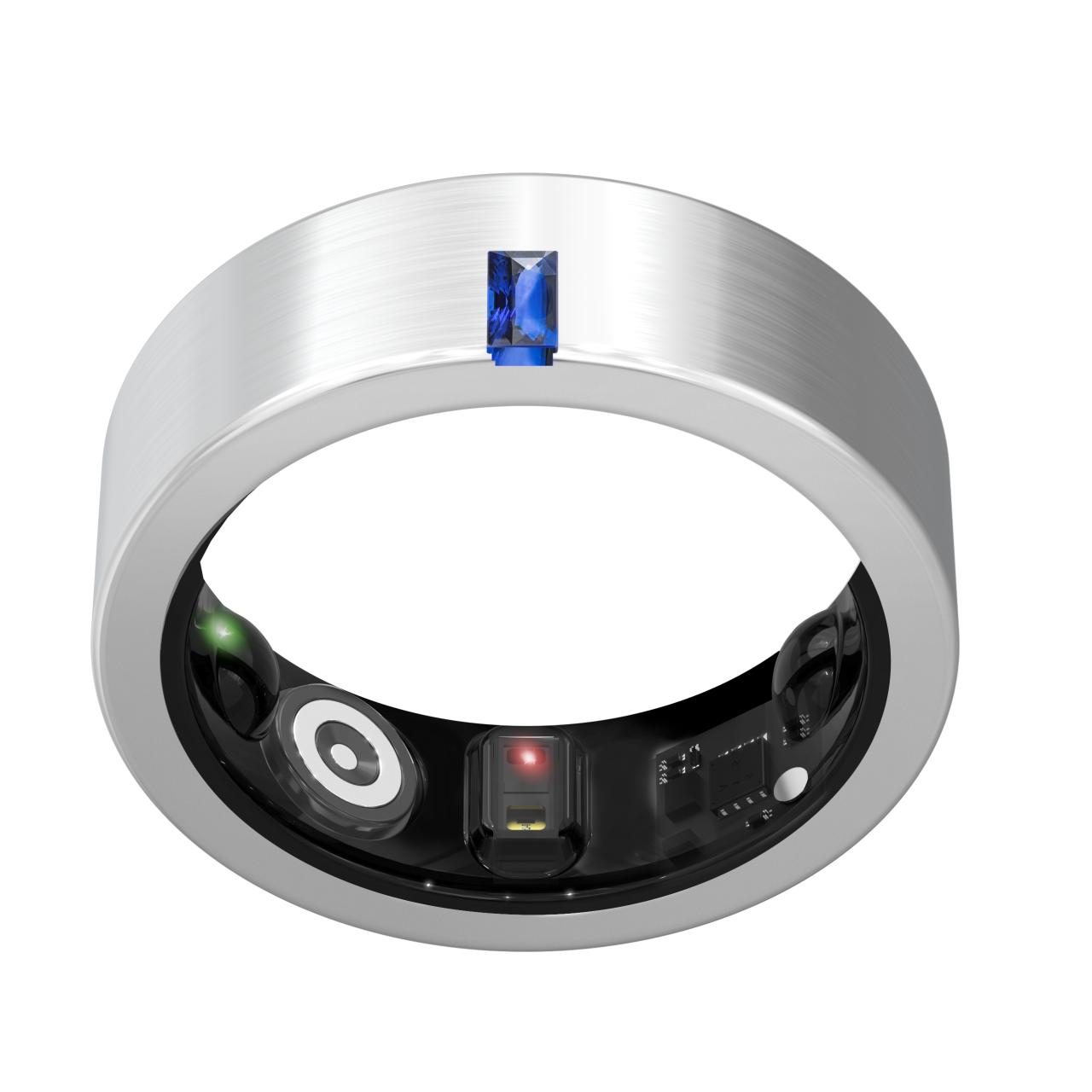
Tracking rings have emerged as a unique category of wearable technology, offering a more discreet and often more convenient alternative to traditional tracking devices like smartwatches and GPS trackers. While all these devices serve the general purpose of tracking, whether it be health data, location, or activity levels, their design, functionality, and target audiences can differ significantly.
One of the primary advantages of tracking rings is their compact and minimalist design. Unlike smartwatches, which can be bulky and often require considerable battery power, tracking rings are lightweight and often made from hypoallergenic materials, making them comfortable for all-day wear. They typically focus on specific functionalities like health tracking, including heart rate monitoring or sleep tracking, without the additional bulk of a screen. Conversely, smartwatches provide a wider range of features, including notifications, calls, and more complex health monitoring systems, but at the cost of battery life and style for some users. GPS trackers, on the other hand, are often designed primarily for location tracking. They may lack the health metrics found in rings and smartwatches, making them less versatile for users interested in overall wellness tracking.
Advantages and Disadvantages of Tracking Rings
When considering the advantages and disadvantages of tracking rings in comparison to smartwatches and GPS trackers, several factors come into play, including ease of use, functionality, and suitability for different target audiences.
- Advantages of Tracking Rings:
- Discreet Design: Tracking rings can be worn without drawing attention, making them a great choice for those who prefer subtlety.
- Lightweight: They are comfortable to wear for extended periods and suitable for various activities.
- Focused Functionality: Rings typically offer core health metrics without the distractions of notifications or apps.
- Disadvantages of Tracking Rings:
- Limited Features: Compared to smartwatches, rings have fewer functions, lacking notifications and advanced app integrations.
- Battery Life: While some smartwatches have advanced battery management, tracking rings often need frequent charging for health functions.
- Target Audience Limitation: They may appeal primarily to fitness enthusiasts or minimalists, leaving out tech-savvy individuals seeking multifunctionality.
In contrast, smartwatches cater to a broader audience, including those who require robust connectivity and multi-functional capabilities. They can serve as personal assistants with messaging, calling, and even mobile payments. GPS trackers, aimed at outdoor enthusiasts or those needing constant location monitoring, provide unique benefits but may lack the health monitoring features found in rings or smartwatches.
The design of these devices further illustrates their intended use. Tracking rings are often sleek and crafted for everyday wear, while smartwatches tend to have bigger displays for easier interaction. GPS trackers might be designed for ruggedness and durability, emphasizing functionality over form. In conclusion, each type of device—tracking rings, smartwatches, and GPS trackers—has its distinct advantages and disadvantages, catering to different user needs and preferences.
Examine the privacy and security concerns surrounding the use of tracking rings.
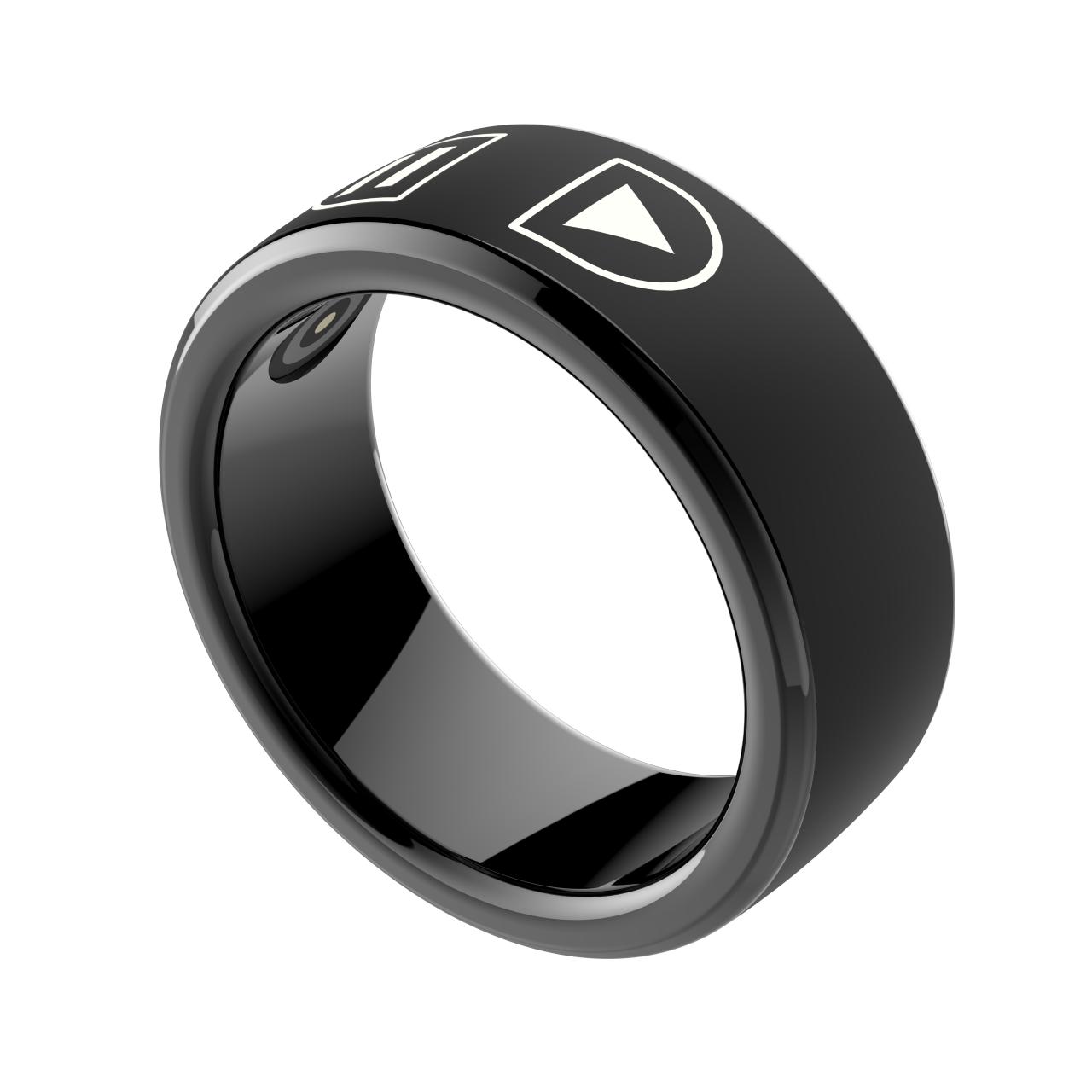
The rise of tracking rings has brought about a wave of enthusiasm due to their ability to monitor health metrics and daily activities. However, this enthusiasm is often tempered by significant privacy and security concerns. These devices collect a plethora of personal data, which raises critical questions regarding how that information is stored, shared, and protected.
The potential risks associated with tracking personal data through these devices are substantial. Many tracking rings function through Bluetooth connectivity, which can expose user data to external threats if not secured properly. Data breaches are a real concern; in 2021, high-profile cases resulted in the exposure of personal information from millions of users through compromised devices. Tracking rings can potentially collect sensitive information such as location data, health statistics, and even payment information if linked to financial accounts.
Strategies to Mitigate Privacy Concerns
To enjoy the benefits of tracking rings while minimizing privacy risks, several strategies can be adopted. Firstly, users should ensure that they only purchase tracking rings from reputable brands that prioritize data security. These companies often implement strong encryption methods and offer clear privacy policies detailing data usage.
Moreover, users should take proactive steps such as:
- Regularly updating firmware: Keeping the tracking ring’s software current can protect against known vulnerabilities.
- Adjusting privacy settings: Users should review and modify the device’s privacy settings to limit data sharing to essential functions only.
- Using two-factor authentication: This additional layer of security can help prevent unauthorized access to user accounts linked to the tracking ring.
- Monitoring data access: Users should be aware of which third-party applications have access to their data and revoke permissions for any that are unnecessary.
User perceptions of privacy concerning tracking rings differ notably from other wearable technologies, such as smartwatches or fitness trackers. Many consumers feel that tracking rings are less invasive due to their discreet nature and the limited amount of visible data interaction. In a survey conducted in 2022, 67% of respondents expressed concerns about data privacy with smartwatches, while only 42% voiced similar worries regarding tracking rings.
The difference in consumer opinions may stem from the perception of how data is used. Smartwatches often have broader functionalities, including app integrations that can lead to more extensive data collection. In contrast, tracking rings typically focus on specific health metrics, which may reassure users about the minimal nature of data captured.
As the technology behind these devices continues to evolve, maintaining a balance between maximizing functionality and ensuring data privacy will be crucial for user confidence and widespread adoption.
Investigate the market trends and consumer demand for tracking rings.
The tracking ring market has seen a significant surge in popularity, driven by advancements in technology and the growing demand for personal security and health monitoring. As consumers become increasingly concerned about their safety and well-being, the appeal of wearable technology, particularly tracking rings, has expanded. These devices are compact, stylish, and offer a level of convenience that traditional tracking devices cannot match, making them a desirable choice for many.
The current landscape for tracking rings is competitive and diverse, with several major players dominating the market. Companies such as Aura, Motiv, and Oura have established themselves as leaders by offering innovative features that cater to health-conscious consumers. Oura Ring, for instance, combines advanced sleep tracking, heart rate monitoring, and activity tracking within a sleek design, appealing to both tech enthusiasts and wellness advocates. The increasing integration of biometric data into everyday wearables has also led to innovations that enhance user experience, driving growth in this sector.
Factors driving the growth of tracking ring technology among consumers
Several factors contribute to the increasing adoption of tracking ring technology. One of the primary drivers is the heightened awareness of personal health and wellness. Consumers are now more inclined to monitor their physical activity, sleep patterns, and overall health, which tracking rings facilitate effectively. Additionally, the rise of the Internet of Things (IoT) has enabled better connectivity between devices, making tracking rings more functional and attractive.
Another factor is the aesthetic appeal of tracking rings. Unlike traditional fitness trackers that often feature bulky designs, tracking rings offer a more discreet and fashionable alternative. This makes them suitable for everyday wear, further encouraging consumer acceptance. Furthermore, as technology becomes more affordable, consumers are more willing to invest in innovative solutions that enhance their lifestyle.
To provide a clearer picture of the market, here is a table showcasing popular tracking rings, their pricing, and features:
| Brand | Model | Price | Key Features |
|---|---|---|---|
| Oura | Oura Ring Generation 3 | $299 | Sleep tracking, heart rate monitoring, activity tracking, temperature sensor |
| Motiv | Motiv Ring | $199 | Activity tracking, sleep tracking, heart rate monitoring, waterproof |
| Aura | Aura Smart Ring | $199 | Fitness tracking, sleep insights, mobile app integration |
| Vera | Vera Ring | $149 | Activity and health tracking, customizable notifications |
The combination of health awareness, design, and affordability forms a solid foundation for future growth in the tracking ring market, as consumers continue to seek devices that enhance both their health and lifestyle.
Identify the future potential of tracking rings in emerging technologies.
The future of tracking rings is poised for significant transformation, particularly with advancements in artificial intelligence (AI) and the Internet of Things (IoT). These technologies are not only revolutionizing how we interact with devices but also how these devices can serve us in our daily lives. Tracking rings, which are compact wearable devices designed to monitor various metrics, will evolve alongside these technologies to become more capable, efficient, and integrated into our lifestyles.
As AI becomes more sophisticated, the capabilities of tracking rings will expand. Predictive analytics, powered by AI algorithms, can make the data collected by these rings more meaningful. For instance, rather than simply tracking your activity levels, the ring could analyze your patterns over time and suggest personalized health goals or activity levels tailored to your lifestyle. This kind of targeted advice could help users enhance productivity and maintain optimal health through tailored recommendations.
Integration of IoT and AI in Tracking Rings
The integration of IoT with tracking rings will play a significant role in their future. By connecting to various smart devices in an ecosystem, tracking rings can offer a seamless user experience. Users can expect the following enhancements in upcoming models:
- Smart Home Integration: Tracking rings could interface with smart home devices, allowing users to control their environment. For example, the ring could adjust lighting or temperature based on the user’s heart rate or activity level.
- Real-Time Health Monitoring: Advanced sensors could provide continuous health metrics such as heart rate, blood oxygen levels, and even stress indicators, transmitting data directly to healthcare providers in real-time.
- Personal Safety Features: Enhanced GPS functionalities could alert emergency contacts if the wearer is in distress or has fallen, providing an extra layer of security.
- Fitness Coaching: With AI, tracking rings can analyze workout data and provide real-time coaching feedback, enhancing the effectiveness of exercise routines.
- Social Connectivity: Integration with social media platforms could allow users to share fitness achievements or challenges, fostering community support and motivation.
The potential for health monitoring capabilities in tracking rings is particularly promising. For example, integrating biometric sensors could allow users to track their sleep patterns, identify irregular heartbeats, or monitor hydration levels. These features would not only empower users to take charge of their health but also alert them to potential issues before they become serious.
“Health is not merely the absence of disease; it’s about maintaining a balance that allows individuals to thrive.”
Take the case of companies like Oura, which have already begun to leverage these technologies. Their rings provide insights into sleep quality, heart rate variability, and recovery status, paving the way for more personalized health interventions. As these technologies develop, they may also collaborate with healthcare providers to offer comprehensive health assessments based on the data collected, creating a feedback loop that enhances user engagement and health outcomes.
Ultimately, as advancements in AI and IoT continue to evolve, tracking rings will become more than just fitness trackers; they will transform into essential health management devices that integrate seamlessly into our daily lives.
Discuss user experiences and testimonials regarding tracking rings.
User experiences with tracking rings provide valuable insights into their functionality and practicality. Many individuals have shared their personal stories, highlighting both the advantages and challenges they encountered while using these innovative devices. As tracking rings gain popularity, it’s essential to examine a range of testimonials to understand how they perform in everyday life.
In various case studies, users have reported a spectrum of experiences with tracking rings. For instance, Emily, a fitness enthusiast, started using a tracking ring to monitor her daily activity levels and sleep patterns. She mentioned, “I love how the ring tracks my steps without needing to carry my phone everywhere. It’s lightweight and comfortable, and the sleep analysis feature has helped me improve my sleep habits.” Emily’s positive experience reflects how tracking rings can enhance fitness routines and promote healthier lifestyles.
On the other hand, some users have faced issues. John, a tech-savvy individual, expressed frustration about the battery life of his tracking ring. He said, “I was excited when I first got it, but I find myself charging it every few days. It’s inconvenient for me.” This highlights a common concern among users who prioritize longer battery life for continuous tracking.
User feedback from diverse demographics
User demographics reveal a broad range of feedback regarding tracking rings. Here are some common experiences:
– Positive experiences:
– Many find tracking rings lightweight and comfortable for all-day wear.
– Users appreciate the discreet nature of rings compared to bulkier fitness trackers.
– The data provided on sleep quality has been instrumental in improving sleep habits for several individuals.
– Negative experiences:
– Some users report connectivity issues with their smartphones, leading to inconsistent data syncing.
– A frequent complaint is the limited battery life, especially for advanced features like heart rate monitoring.
– Certain users have mentioned a learning curve in understanding the app’s interface, which can be overwhelming.
An analysis of user reviews showcases the following common features that users love or dislike:
Features Users Love:
– Sleek design that blends with everyday jewelry.
– Accurate tracking of health metrics, especially activity levels and sleep patterns.
– The convenience of notifications for calls and messages.
Features Users Dislike:
– Short battery life requiring frequent charges.
– Occasional inaccuracies in step counting during high-intensity workouts.
– Limited customization options for display and notifications.
“The ability to track multiple health metrics in a single device is a game changer, but the battery life could use significant improvement.”
Last Recap
In conclusion, tracking rings represent a significant leap forward in how we approach personal safety, health monitoring, and convenience. As technology continues to evolve, the potential applications for tracking rings seem limitless, paving the way for innovations that can enhance our lives even further. Whether you’re looking to boost your fitness routine or ensure peace of mind, tracking rings are poised to be a valuable addition to the wearable tech landscape.
Commonly Asked Questions
What is a tracking ring?
A tracking ring is a wearable device that uses technology to monitor and share location, health, or fitness data in a compact, stylish form.
How do tracking rings work?
Tracking rings typically use Bluetooth technology to connect with smartphones or other devices, providing real-time updates and notifications.
Are tracking rings waterproof?
Many tracking rings are designed to be water-resistant or waterproof, making them suitable for everyday wear, including during exercise or swimming.
Can tracking rings track fitness activities?
Yes, tracking rings often include features that monitor steps, heart rate, and other fitness metrics, helping users achieve their health goals.
Do tracking rings pose privacy concerns?
Like any device that collects personal data, tracking rings can raise privacy concerns, but users can take steps to manage their settings and preferences to enhance security.
How long do tracking rings last on a single charge?
Battery life for tracking rings varies by model, but many can last several days to weeks on a single charge, depending on usage and features.