
 Caroline Sarah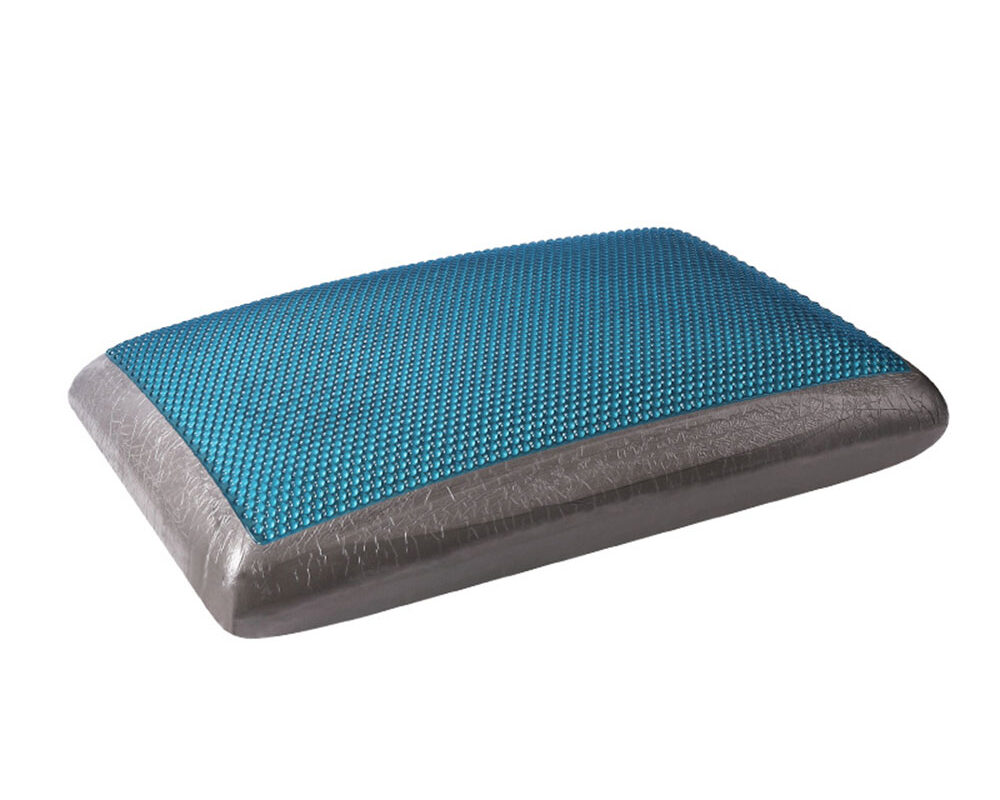
Cooling pillows are revolutionizing the way we experience sleep, bringing comfort and temperature control to the forefront of our nighttime routine. These innovative pillows utilize advanced materials and technologies designed to regulate heat, ensuring that you stay cool and comfortable throughout the night. As more people recognize the benefits of a good night’s sleep, understanding the science behind cooling pillows becomes increasingly important.
From the materials used to the various types available, cooling pillows offer a range of features that can significantly enhance the quality of sleep. They not only address common sleep issues but also provide health benefits that can lead to better overall well-being. Whether you’re a side sleeper, back sleeper, or stomach sleeper, there’s a cooling pillow tailored to meet your specific needs.
Understanding the Science Behind Cooling Pillows
Cooling pillows have gained popularity as an effective solution for those seeking a more comfortable sleep experience. By utilizing advanced materials and technologies, these pillows offer unique benefits that promote better sleep quality. Understanding the science behind cooling pillows reveals how they work, the materials involved, and their positive impact on sleep.
Cooling pillows are typically constructed from a combination of specialized materials designed to regulate temperature and wick away moisture. Common materials include gel-infused memory foam, phase-change materials (PCMs), and breathable fabrics. These components work in unison to provide a cooler sleeping surface, ultimately enhancing comfort throughout the night.
Materials and Technology in Cooling Pillows
The effectiveness of cooling pillows lies in the innovative materials used in their design. The following are key components that contribute to their cooling properties:
- Gel-Infused Memory Foam: This material is infused with cooling gel beads that absorb body heat, dispersing it away from the sleeper. This gel maintains a consistent temperature, preventing overheating.
- Phase-Change Materials (PCMs): PCMs have the ability to absorb, store, and release thermal energy as needed. They transition between solid and liquid states at specific temperatures, providing a continuous cooling effect as they adapt to body heat.
- Bamboo or Microfiber Covers: The outer covers of cooling pillows are often made from breathable materials that promote airflow and wick away moisture. This feature helps to keep the sleeping surface dry and comfortable.
The interplay of these materials helps to regulate temperature during sleep. For instance, gel-infused memory foam supports the contours of the head and neck while simultaneously dispersing heat, resulting in a cooler and more comfortable sleep environment. The moisture-wicking properties of the breathable covers further enhance comfort by keeping the skin dry, which is essential in preventing discomfort due to sweat.
“Cooling pillows can significantly enhance overall sleep quality by maintaining a comfortable temperature throughout the night.”
The impact of using cooling pillows on sleep quality is noteworthy. Studies have shown that maintaining an optimal sleep temperature can lead to deeper and more restful sleep. When the body is kept cool, it can more easily transition into the deeper stages of sleep, which are essential for physical and mental restoration.
Moreover, users of cooling pillows often report reduced tossing and turning, resulting in fewer disruptions during the night. This translates to improved overall sleep satisfaction, as individuals wake up feeling more refreshed and alert.
In summary, the science behind cooling pillows reveals a sophisticated blend of innovative materials and technologies aimed at enhancing sleep comfort and quality. By understanding these components, consumers can make informed choices about their sleep accessories, leading to better rest and overall well-being.
Benefits of Using Cooling Pillows for Sleep
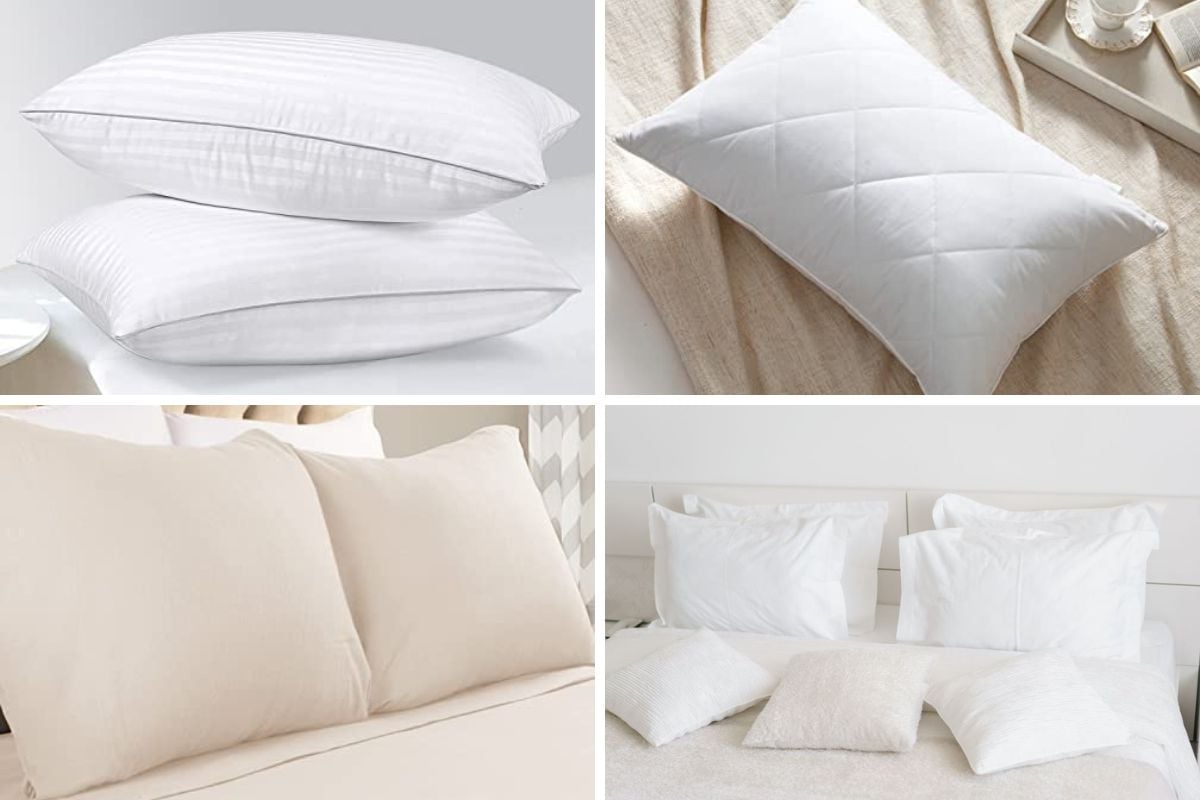
Cooling pillows are designed to help regulate temperature during sleep, offering a comfortable and restful night’s slumber. As many individuals struggle with overheating at night, these pillows provide an innovative solution that caters not just to comfort but also to overall health. The incorporation of advanced materials helps maintain an optimal sleeping temperature, ensuring a more refreshing sleep experience.
The health benefits associated with cooling pillows extend beyond mere comfort. They can significantly alleviate common sleep problems such as insomnia, excessive sweating, and neck pain. By fostering a cooler sleep environment, these pillows help users fall asleep faster and stay asleep longer. Furthermore, they can enhance overall sleep quality, leading to improved daytime alertness and cognitive function.
Alleviation of Common Sleep Problems
Cooling pillows play a pivotal role in addressing several sleep-related issues. Their ability to provide a cooler surface can help regulate body temperature, making it easier to fall asleep and stay asleep. Below are some specific ways these pillows can help alleviate common sleep problems:
- Reduction of Night Sweats: Many people experience night sweats, which can hinder sleep quality. Cooling pillows absorb excess heat and moisture, keeping the sleeping surface dry and comfortable.
- Improvement in Sleep Quality: By maintaining an ideal temperature, cooling pillows can lead to deeper sleep cycles, allowing the body to repair and rejuvenate effectively.
- Relief from Neck Pain: Many cooling pillows are designed with ergonomic features that provide proper neck support while also keeping the user cool, which can reduce stiffness and discomfort upon waking.
- Enhanced Comfort for Sleep Disorders: Individuals suffering from conditions like insomnia or sleep apnea may find relief, as the cooling effect can make it easier to fall asleep and promote longer periods of uninterrupted rest.
“Since switching to a cooling pillow, my night sweats have decreased significantly, and I wake up feeling refreshed rather than groggy.” – Sarah J.
Numerous testimonials from users highlight the positive impact of cooling pillows on their sleep quality. For instance, one user reported that after using a cooling pillow, they experienced a dramatic reduction in the frequency of waking up at night due to discomfort. Their sleep quality improved significantly, leading to increased productivity during the day. Another case study involved a person who had struggled with neck pain for years; after switching to a cooling pillow, they found that both the pain and the frequency of waking during the night were greatly reduced, allowing them to enjoy a more restful sleep.
Cooling pillows not only contribute to a more comfortable sleep experience but also support overall health by addressing various sleep-related challenges. With the right choice, individuals can enhance their sleep quality and wake up rejuvenated, ready to face the day.
Comparing Different Types of Cooling Pillows Available
Cooling pillows are designed to provide a more comfortable sleep experience by regulating temperature throughout the night. With various types available on the market, each offers unique features that cater to different preferences and sleeping styles. Understanding these differences can help you make an informed decision based on your personal needs.
Several types of cooling pillows include gel-infused, memory foam, and breathable materials. Each type provides different cooling technologies to address heat retention, providing a range of comfort options suitable for different sleep positions. Below, we will explore these types in detail and evaluate their pros and cons to help you choose the best one for your sleep habits.
Types of Cooling Pillows
Understanding the characteristics of each type of cooling pillow can aid in selecting the right one for your sleeping position. Here’s a comparison of the most popular types:
| Type of Cooling Pillow | Pros | Cons |
|---|---|---|
| Gel-Infused Pillows |
|
|
| Memory Foam Pillows |
|
|
| Breathable Material Pillows |
|
|
Each type of cooling pillow has its ideal users based on sleeping positions. For instance, gel-infused pillows are perfect for back and side sleepers who need extra support while maintaining a cool temperature. Memory foam pillows work well for those who appreciate contouring, but stomach sleepers should select softer variants to prevent neck strain. Lastly, breathable material pillows are versatile, accommodating all sleep positions, especially for individuals who experience night sweats.
How to Choose the Right Cooling Pillow for Your Needs
Choosing the right cooling pillow can greatly enhance your sleep experience, especially if you tend to get overheated at night. With the variety of options available, it’s essential to understand the key factors that influence comfort and cooling capabilities. This guide will help you navigate your choices and select the perfect pillow tailored to your needs.
When selecting a cooling pillow, several key factors play a significant role in ensuring your comfort and satisfaction. The materials used, your sleeping position, firmness preferences, and even the pillow’s size are all essential considerations. Understanding these factors can help you make a more informed decision.
Key Factors to Consider
When assessing your cooling pillow options, keep the following points in mind to make the best choice for your sleep needs:
- Material: Cooling pillows can be made from various materials, including memory foam, gel-infused foam, latex, and breathable fabrics. Each material offers different levels of support and cooling. For instance, gel-infused foam tends to maintain a cooler temperature compared to standard memory foam.
- Sleeping Position: Your preferred sleeping position—whether you are a side, back, or stomach sleeper—affects the type of cooling pillow that will provide optimal support. Side sleepers may benefit from firmer, thicker pillows, while back and stomach sleepers often require softer, thinner options.
- Firmness Level: The firmness of the pillow is crucial for spinal alignment and overall comfort. Some cooling pillows offer adjustable firmness levels, allowing you to customize the feel based on your preferences.
- Size: Pillows come in various sizes, including standard, queen, and king. Ensure the size fits well with your bed setup and personal comfort preferences.
- Temperature Regulation Features: Look for pillows with advanced cooling technologies such as phase change materials (PCM), which absorb and dissipate heat, or those with moisture-wicking covers to enhance breathability.
Experts suggest considering the following checklist when choosing a cooling pillow. This checklist will help simplify your decision-making process:
- Evaluate the materials used for both the pillow and its cover.
- Consider your sleeping position and how it affects your pillow needs.
- Test firmness preferences to find a balance between support and comfort.
- Determine the appropriate size for your bed and sleeping style.
- Research temperature regulation features to ensure effective cooling.
“A good cooling pillow can significantly affect your sleep quality by keeping you comfortable and preventing overheating.” – Sleep Expert
By focusing on these critical factors and utilizing the provided checklist, you can confidently select a cooling pillow that aligns with your sleep requirements and enhances your overall restfulness.
Maintenance and Care Tips for Cooling Pillows
Taking proper care of your cooling pillow is essential to ensure its longevity and optimal performance. These specialized pillows often contain materials designed to regulate temperature and provide comfort, so maintaining their integrity is key. Below are some helpful tips on how to care for your cooling pillows effectively.
Recommended Care Practices
To prolong the lifespan of your cooling pillow, follow these recommended maintenance tips:
– Regular Cleaning: It’s important to clean your cooling pillow regularly to remove dust mites, allergens, and sweat. Most cooling pillows come with removable covers that can be washed. Check the care label for specific washing instructions.
– Use Mild Detergents: When washing the pillow cover, opt for mild detergents to avoid damaging the cooling material. Avoid bleach or fabric softeners, as they may reduce the pillow’s effectiveness.
– Air Dry: After washing, let your pillow and its cover air dry completely. Avoid using direct sunlight, as excessive heat can affect the cooling properties and shape of the pillow.
– Storage: Store cooling pillows in a dry and well-ventilated area. If you need to stack them, place a breathable cloth between pillows to prevent moisture buildup.
Common Mistakes to Avoid
Ensuring the longevity and effectiveness of your cooling pillow involves avoiding these common mistakes:
– Skipping the Pillow Cover: Not using a cover can lead to the accumulation of sweat and oils, which can degrade the pillow’s materials.
– Hot Water Washing: Washing cooling pillows in hot water can distort their shape and affect cooling capabilities. Always adhere to the temperature guidelines provided.
– Machine Drying: Avoid using a dryer, as the heat can damage the cooling gel or foam. Instead, air dry as mentioned above.
– Ignoring Allergies: Neglecting to clean your pillow regularly can lead to a buildup of allergens, which can trigger allergies and disrupt your sleep quality.
Suitable Cleaning Products
Choosing the right cleaning products for your cooling pillows can make a significant difference in their maintenance. Here are some suitable products:
– Gentle Liquid Detergent: Look for brands that specify they are free from harsh chemicals and dyes.
– Hypoallergenic Cleaners: These are excellent for those with sensitivities, ensuring that your pillow remains allergen-free.
– Non-toxic Stain Remover: If your cooling pillow gets stained, opt for a non-toxic stain remover that’s safe for use on fabrics.
– Baking Soda: This can be sprinkled on the pillow for a natural deodorizing effect. Just vacuum it off after a few hours.
“Regular maintenance not only extends the life of your cooling pillow but also ensures a restful night’s sleep by maintaining optimal hygiene.”
Popular Brands and Their Cooling Pillow Innovations
The cooling pillow market has seen a surge in innovative solutions designed to enhance sleep quality by regulating temperature. Several brands have made a name for themselves through their unique technologies and product offerings that cater to diverse consumer needs. Below, we explore some of the leading brands and the remarkable innovations they’ve introduced to the cooling pillow industry.
Leading Brands and Their Unique Offerings
In this section, we highlight prominent brands in the cooling pillow space, along with the specific technologies that set them apart and their reputation among consumers.
- Tempur-Pedic: Renowned for their memory foam, Tempur-Pedic has integrated cooling gel layers into their pillows. This unique combination ensures that the pillow maintains a comfortable temperature throughout the night, effectively dissipating heat.
- Coop Home Goods: This brand offers adjustable cooling pillows that allow users to customize the fill. Their pillows often utilize a cooling gel-infused memory foam which provides both support and temperature regulation, making them popular among side sleepers.
- Sleep Number: Known for their adjustable air mattresses, Sleep Number also offers cooling pillows featuring a special material that draws heat away from the head and neck. Their innovative designs often focus on breathability and moisture-wicking properties.
- Brookstone: This brand has created several innovative options, including pillows that incorporate phase change materials (PCM) that actively absorb and release heat. This technology enables the pillows to adapt to body temperature changes throughout the night.
- Pillow Cube: Designed specifically for side sleepers, Pillow Cube features a cooling gel layer and a unique shape that provides neck support while promoting airflow, ensuring a cool and comfortable sleep experience.
“The right cooling pillow can significantly enhance your sleep quality by maintaining a comfortable temperature throughout the night.”
Innovative Technologies in Cooling Pillows
Understanding the technologies behind these pillows is essential for assessing their effectiveness. The following are some cutting-edge innovations that have been implemented across various brands:
- Cooling Gel Infusion: Many brands infuse cooling gels into their foam formulations, which helps to dissipate heat and promote a cooler sleeping surface.
- Phase Change Materials (PCM): PCM is used in several high-end cooling pillows, allowing them to absorb, store, and release heat, maintaining a balanced temperature for the sleeper.
- Bamboo and Natural Fibers: Some brands utilize breathable fabrics made from bamboo or other natural fibers, enhancing airflow and moisture-wicking properties to keep the pillow cool.
- Ventilation Channels: Incorporating ventilation channels into the pillow design helps enhance airflow, reducing heat build-up and promoting a cooler night’s sleep.
Brand Reputation and Customer Satisfaction Ratings
When selecting a cooling pillow, brand reputation plays a crucial role in ensuring quality and effectiveness. Below are insights into customer satisfaction and ratings for some of the leading brands:
- Tempur-Pedic: Consistently receives high satisfaction ratings with many users praising the durability and comfort of their pillows, often scoring above 4.5 out of 5 stars in customer reviews.
- Coop Home Goods: Known for their adjustable products, they have garnered a loyal customer base, typically maintaining ratings around 4.7 stars due to their versatility and effective cooling features.
- Sleep Number: This brand enjoys a strong reputation for innovative sleep solutions and frequently receives positive feedback for their quality, averaging around 4.6 stars.
- Brookstone: Although popular, their ratings can vary; however, many users appreciate the unique cooling technologies, generally scoring around 4.4 stars.
- Pillow Cube: Emerging as a favorite among side sleepers, they have received commendations for their design and cooling properties, with ratings typically around 4.5 stars.
The Environmental Impact of Cooling Pillows
As the demand for comfort and better sleep increases, cooling pillows have become a popular choice for many. However, it’s essential to consider their environmental impact, particularly regarding the materials used in their production and their end-of-life disposal. Understanding the sustainability of these products informs consumers and helps promote eco-friendliness in the bedding industry.
Cooling pillows are often made from different materials, each with varying degrees of sustainability. Traditional cooling pillows commonly use synthetic materials like polyurethane foam and gel-infused memory foam, which offer immediate temperature regulation but pose significant environmental concerns. These materials are derived from petroleum, leading to a carbon footprint associated with their production and disposal. In contrast, eco-friendly options utilize biodegradable and renewable resources such as natural latex or organic cotton, reducing their environmental impact significantly.
Comparison of Eco-Friendly Options Versus Traditional Materials
The choice between traditional and eco-friendly cooling pillow materials can affect not only individual health but also the planet’s well-being. Here are key points to consider regarding both types of materials:
– Durability and Longevity: Eco-friendly pillows often have longer lifespans due to their natural properties, which means less frequent replacements compared to synthetic options.
– Biodegradability: Natural materials such as bamboo and organic cotton break down more easily in landfills, minimizing their contribution to waste compared to synthetic counterparts.
– Chemical Off-Gassing: Traditional materials can release harmful volatile organic compounds (VOCs), impacting indoor air quality. Eco-friendly materials generally have lower emissions, benefiting overall health.
– Manufacturing Process: Eco-friendly options tend to use sustainable practices in manufacturing, while traditional materials often involve energy-intensive processes that contribute to pollution.
– Impact on Wildlife: Sourcing natural materials responsibly can help support biodiversity, whereas petroleum-based products typically rely on non-renewable resources that can harm ecosystems.
Recycling and Disposal Methods for Cooling Pillows
Understanding how to properly recycle or dispose of cooling pillows can contribute to reducing their environmental footprint. Many consumers are unaware of the best practices regarding the end-of-life management of these products.
When disposing of traditional cooling pillows, the following points should be considered:
– Check Local Guidelines: Many communities have specific guidelines for recycling or disposing of foam products. It’s essential to consult local waste management services to ensure compliance.
– Recycling Programs: Some manufacturers have take-back schemes where they accept used pillows to recycle the materials responsibly.
– Repurposing: Old cooling pillows can be repurposed for various uses, such as pet bedding, outdoor cushions, or even stuffing for craft projects, prolonging their life cycle.
For eco-friendly pillows, disposal methods may include:
– Composting: Natural latex and cotton pillows can often be composted, breaking down into organic material that enriches the soil.
– Donation: If in good condition, eco-friendly pillows can be donated to shelters or charities, promoting reuse.
– Recycling: Some eco-friendly materials can be recycled through specialized programs, ensuring that the life cycle of the product is extended.
“Choosing eco-friendly cooling pillows not only enhances personal comfort but also contributes to a healthier planet.”
Future Trends in Cooling Pillow Technology
As sleep technology continues to evolve, the quest for a perfect night’s rest has led to innovative advancements in cooling pillow design. Emerging technologies promise to enhance comfort, regulate temperature, and improve overall sleep quality. With a focus on new materials and design science, the future of cooling pillows is bright and full of possibilities.
Recent developments in materials and smart technology are paving the way for more effective cooling pillows. Innovations in phase-change materials actively absorb and release heat, providing a more controlled sleeping environment. Additionally, the integration of smart technology into cooling pillows allows for personalized temperature adjustments based on individual preferences and body temperature fluctuations.
Advancements in Materials and Design
The continuous exploration of materials will play a critical role in enhancing the performance of cooling pillows. The following advancements are expected to shape future designs:
- Graphene-Infused Fabrics: Known for its exceptional thermal conductivity, graphene can dissipate heat efficiently. This innovative material can keep pillows cool while maintaining softness and comfort.
- Gel-Infused Memory Foam: This combination provides excellent support while incorporating cooling gels that regulate temperature. The synergy of these materials promises to reduce heat retention significantly.
- Microfiber Technology: Microfiber fabrics are lightweight and breathable, ensuring better airflow. This improvement allows for moisture-wicking properties that help maintain a comfortable sleeping experience.
As for the design aspects, ergonomic shapes tailored to individual sleeping positions are becoming increasingly popular. Pillows that conform to the head and neck while providing cooling functionality tend to enhance overall sleep quality. Additionally, designs that incorporate adjustable loft and firmness allow users to customize their sleeping experience according to their unique needs.
Industry Predictions on Sleep Technology Trends
Experts in the sleep technology industry are making significant predictions about the role of cooling pillows in the marketplace. Research suggests that the following trends will gain traction:
- Smart Pillows: With integrated sensors that monitor sleep patterns and adjust the pillow’s temperature accordingly, smart pillows will provide a tailored sleep experience based on real-time data.
- Sustainable Materials: The demand for eco-friendly products is rising. Future cooling pillows may focus on using biodegradable and sustainable materials without compromising comfort or effectiveness.
- Personalized Sleep Solutions: Tailor-made products based on individual sleep habits and preferences are on the rise. Cooling pillows will likely become part of customized sleep systems that encompass mattresses, bedding, and sleep accessories.
In summary, the future of cooling pillows is poised for exciting advancements centered around innovative materials, design improvements, and the integration of smart technology. These trends promise to redefine how we think about sleep and comfort, making it possible to achieve a truly restful night’s sleep.
Closure
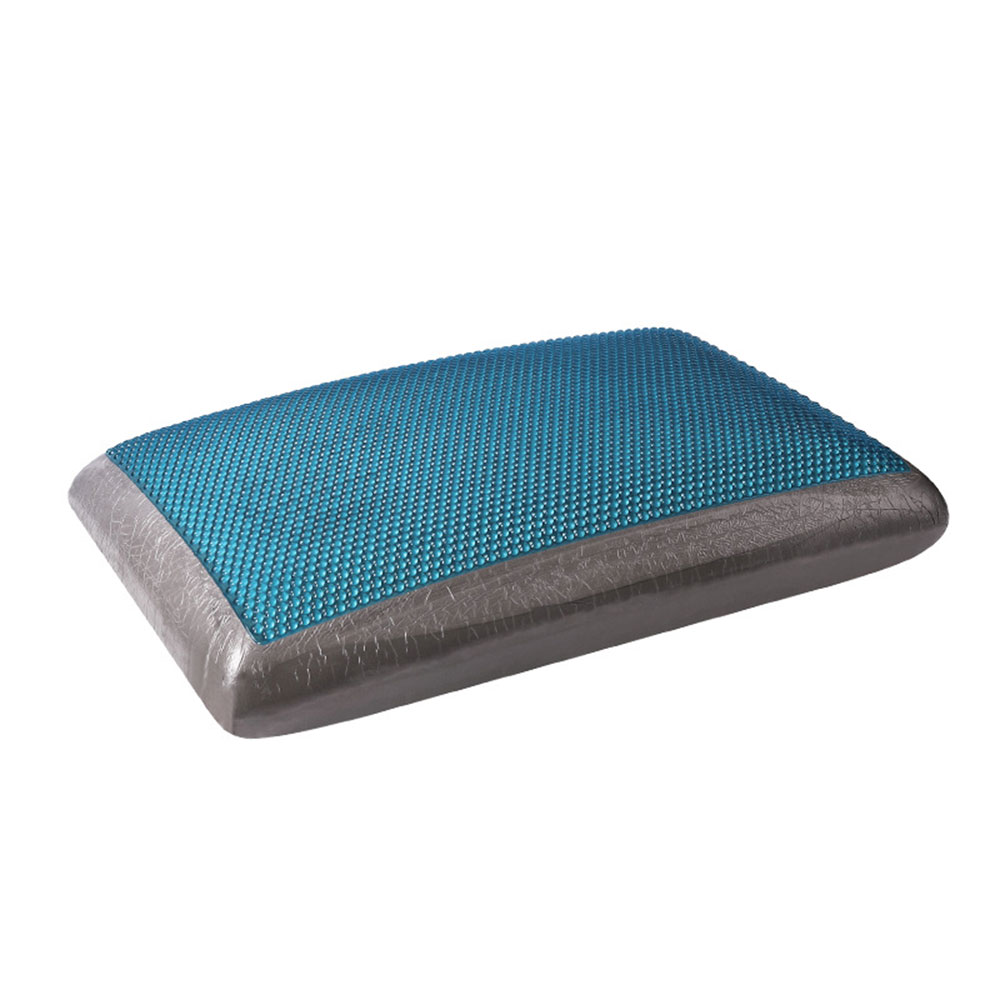
In conclusion, cooling pillows represent a significant advancement in sleep technology, emphasizing the importance of a comfortable and cool sleeping environment. As we explored their benefits, types, and maintenance, it’s clear that investing in a cooling pillow could lead to profound improvements in sleep quality. By staying informed on the best options available and knowing how to care for them, you can ensure that your cooling pillow remains a reliable companion for restful nights and refreshed mornings.
FAQ Explained
What materials are commonly used in cooling pillows?
Cooling pillows often use materials like gel-infused memory foam, breathable fabrics, and phase change materials that absorb and dissipate heat.
How do I know if a cooling pillow is right for me?
Consider your sleeping position, personal temperature preferences, and any specific sleep problems you experience when choosing a cooling pillow.
Can cooling pillows help with allergies?
Yes, many cooling pillows are made from hypoallergenic materials, which can help reduce allergens and improve sleep for allergy sufferers.
How often should I replace my cooling pillow?
It’s recommended to replace cooling pillows every 1-3 years, depending on the wear and tear and the specific materials used.
Are cooling pillows machine washable?
This varies by brand; always check the care label, but many cooling pillows have removable covers that are machine washable.