
 Caroline Sarah
Best sleep position is more than just a matter of preference; it plays a crucial role in ensuring we wake up refreshed and ready to tackle the day. Choosing the right position can significantly affect our overall sleep quality and even our health, impacting everything from spinal alignment to the risk of sleep disorders. By exploring the different sleep positions, we can uncover the benefits and drawbacks of each, allowing us to make informed choices about how we rest.
Understanding how our sleep position influences our bodies is vital. For instance, some positions may help reduce snoring or minimize the risk of sleep apnea, while others may provide relief from chronic pain. This comprehensive look at sleep positions will guide you through the physiological reasons behind each choice and offer tips for creating a sleep environment that supports your preferred position.
Understanding the Importance of Sleep Position for Quality Rest
Choosing the right sleep position can significantly influence the overall quality of rest and our health. Sleep is crucial for recovery, mental clarity, and emotional balance. However, the position we choose to sleep in can either enhance or hinder these restorative processes. With proper alignment and support, our bodies can unwind and rejuvenate, ultimately leading to a more restful night and a productive day.
Various sleep positions can affect our physiology in multiple ways, thus impacting our sleep quality. When we sleep, our bodies undergo a series of restorative processes that require optimal positioning. For instance, sleeping on your back allows for a neutral spine position, which can prevent unnecessary strain on the neck and back. Conversely, side sleeping can enhance breathing patterns and reduce the likelihood of snoring and sleep apnea, which are common problems associated with poor sleep posture.
Physiological Benefits of Sleep Positions
Understanding the physiological implications of different sleep positions can guide us toward making better choices for our nightly rest. Here are the primary sleep positions and their respective benefits:
- Back Sleeping: This position promotes spinal alignment. A supportive pillow can help maintain the natural curvature of the neck, reducing the risk of pain. However, it may exacerbate snoring and sleep apnea for some individuals.
- Side Sleeping: Often recommended for those who snore or suffer from sleep apnea, this position opens up the airways and reduces pressure on the body. It also aids in digestion and can be beneficial for pregnant women, as it improves circulation to the fetus.
- Stomach Sleeping: While not recommended for most, this position can alleviate some cases of snoring. However, it often leads to neck or back pain due to unnatural spinal alignment. If stomach sleeping is preferred, a thinner pillow can help mitigate discomfort.
The relationship between sleep position and conditions like snoring and sleep apnea cannot be overlooked. Snoring occurs when air flows past relaxed tissues in the throat, causing them to vibrate during sleep. This condition can be aggravated by certain sleep positions, particularly when lying on the back. By shifting to a side position, individuals may find that their snoring diminishes, leading to more restful sleep for themselves and their partners.
Sleep apnea, a more severe condition characterized by interrupted breathing during sleep, can also be influenced by sleep posture. Those who sleep on their backs may experience more frequent apneas as gravity pulls the tongue and soft tissue toward the back of the throat, obstructing the airway. Switching to a side position often helps mitigate these episodes, thus promoting healthier sleep patterns.
In summary, prioritizing the right sleep position can yield significant health benefits, enhancing sleep quality and overall well-being. By making informed adjustments to our sleeping habits, we can support better health and a more restorative night’s sleep.
Comparing Different Sleep Positions and Their Benefits
Finding the right sleep position can significantly affect the quality of your rest and overall health. Different sleep positions come with their unique advantages and disadvantages, impacting not just comfort but also spinal alignment, which is crucial for preventing pain and ensuring a good night’s sleep. Below, we compare the three primary sleep positions: side sleeping, back sleeping, and stomach sleeping, highlighting their benefits and who may benefit the most from each.
Side Sleeping
Side sleeping is often touted as the healthiest sleep position, particularly for those who snore or suffer from sleep apnea. This position promotes better spinal alignment by keeping the spine in a neutral position, which helps reduce the risk of back pain. Additionally, it can prevent the collapse of the airways, making it easier to breathe throughout the night.
Benefits of side sleeping include:
-
Improved digestion.
This position helps reduce acid reflux and heartburn by keeping the stomach above the esophagus.
-
Reduced snoring.
By keeping the airways open, side sleeping can minimize snoring and improve sleep quality.
-
Better brain health.
Research suggests that side sleeping may reduce the risk of developing neurological diseases by allowing the brain to clear out toxins more effectively during sleep.
Individuals who might benefit from side sleeping include those who are pregnant, as this position improves circulation to the fetus, and individuals with sleep apnea or snoring issues.
Back Sleeping
Back sleeping is another common position, often recommended for its ability to promote spinal alignment. This position allows the head, neck, and spine to rest in a neutral position, reducing the likelihood of pain. However, back sleeping may not be suitable for everyone, particularly those with certain health conditions.
Benefits of back sleeping include:
-
Spinal alignment.
Maintaining the natural curve of the spine can reduce the risk of developing back pain.
-
Reduced risk of acid reflux.
This position can decrease the likelihood of acid reflux, particularly when the head is elevated.
-
Facilitates circulation.
Proper spinal alignment aids in blood circulation, potentially benefiting overall health.
People who have chronic back pain or suffer from arthritis may find relief in this position. However, those who snore or have sleep apnea may experience worsened symptoms.
Stomach Sleeping
Stomach sleeping is often the least recommended position for healthy sleep. While it may reduce snoring, it can lead to significant strain on the neck and spine, often resulting in discomfort and pain over time. The head is typically turned to one side, which can create misalignment and tension in the neck.
Benefits of stomach sleeping include:
-
Reduced snoring.
Like side sleeping, this position may help some individuals minimize snoring.
-
Comfort for certain individuals.
Some people simply find this position cozy and may struggle to fall asleep in other positions.
However, stomach sleeping is generally discouraged, especially for individuals with neck or back issues, as it can exacerbate pain and discomfort. Those who might benefit from stomach sleeping should consider transitional habits, such as using a thinner pillow or training to switch to side or back sleeping for better long-term health.
Ultimately, the best sleep position varies from person to person, depending on personal comfort and specific health needs. Understanding the impacts of each sleep position can help individuals make informed choices for better sleep quality.
The Role of Sleep Position in Managing Chronic Pain
Chronic pain can significantly disrupt a person’s quality of life, and sleep positions play a crucial role in either alleviating or exacerbating that discomfort. Understanding how to position your body while sleeping can lead to better rest and a reduction in pain levels for those suffering from various chronic conditions.
Different sleep positions can either support spinal alignment or place undue stress on joints and muscles. For those with chronic pain, it is essential to identify positions that promote comfort and minimize tension.
Recommended Sleep Positions for Common Pain Issues
For individuals experiencing specific types of chronic pain, certain sleep positions can be beneficial. Below are common conditions and the recommended positions to help manage pain:
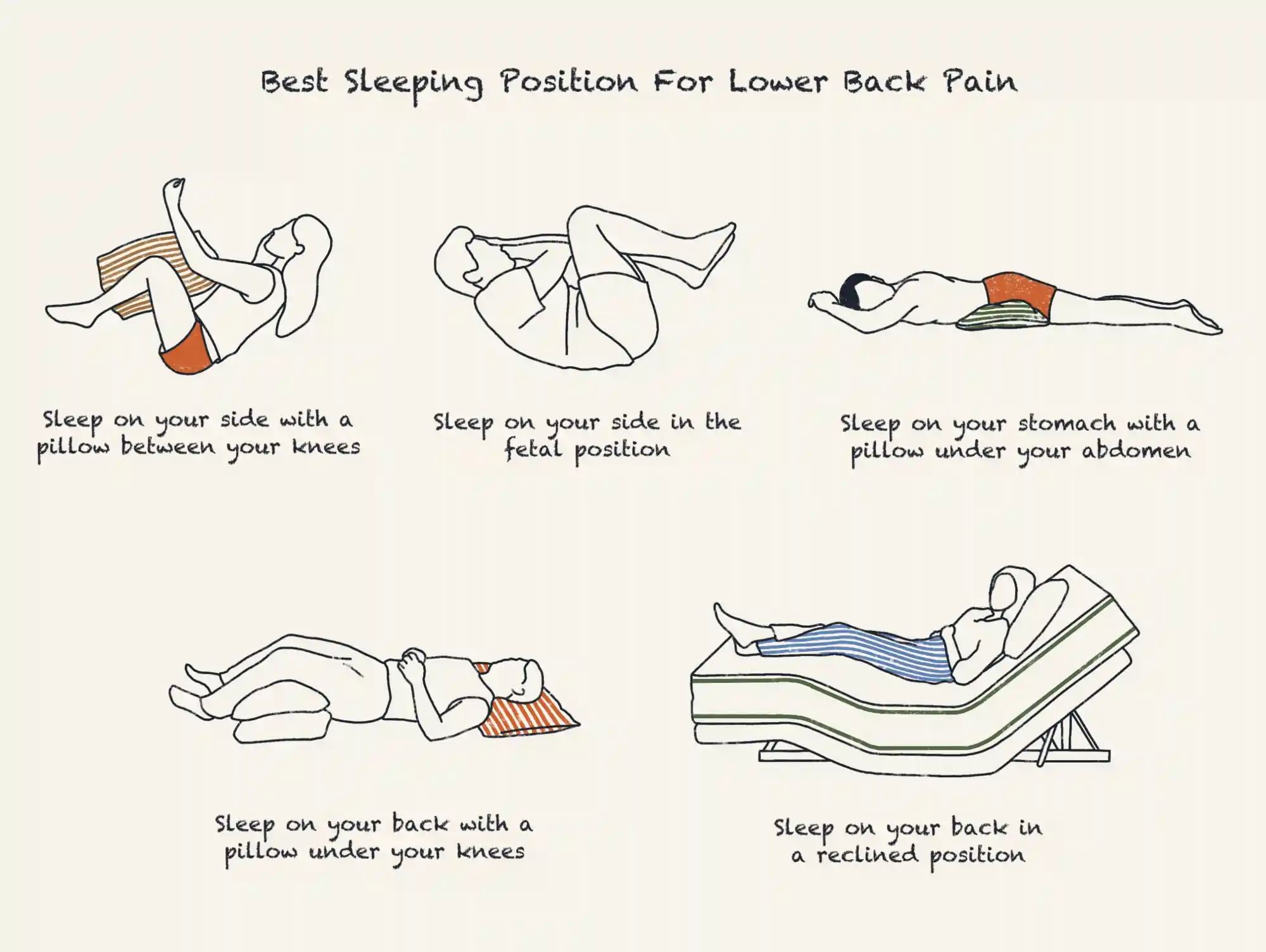
- Lower Back Pain: Sleeping on your side with a pillow between your knees can help maintain spinal alignment. This position reduces pressure on the lower back and can alleviate discomfort. Additionally, lying on your back with a rolled towel under your knees can provide support and keep the spine in a neutral position.
- Neck Pain: For neck pain relief, the back sleeping position is recommended, provided you use a supportive pillow that keeps your head aligned with your spine. Avoid flat pillows that can cause neck strain. Side sleeping can also work if you use a contoured pillow that supports the natural curve of your neck.
- Hip Pain: Similar to lower back pain, sleeping on the side with a pillow between the knees can help by relieving pressure on the hips. Alternatively, back sleeping with a pillow under the knees can also mitigate hip discomfort.
Using the right tools and accessories can significantly enhance comfort for those with chronic pain. Specialty pillows, such as those designed for neck or lumbar support, can make a substantial difference. Mattresses with varying firmness levels cater to individual support needs, ensuring that pressure points are addressed. Additionally, mattress toppers can provide extra cushioning that adapts to the body’s contours, offering relief from discomfort throughout the night.
Incorporating these strategies can promote more restful sleep, essential for managing chronic pain effectively.
The Influence of Sleep Position on Pregnancy Comfort
During pregnancy, sleep can become challenging as the body undergoes numerous changes. As the baby grows, the physical demands on the mother increase, making it essential to find a comfortable sleeping position that promotes rest and health. Recommended sleep positions can significantly enhance comfort and ensure better sleep quality throughout pregnancy.
One of the best sleep positions for pregnant women is lying on the left side, also known as the left lateral position. This position promotes optimal blood flow to the placenta and the baby, enhancing nutrient delivery. Additionally, sleeping on the left side helps alleviate pressure on the liver and allows for better kidney function, reducing swelling in the legs and feet. The right side is also acceptable, but the left side is generally preferred for its health benefits. A supportive body pillow can help maintain this position, providing extra support to the back and abdomen.
As the pregnancy progresses, certain sleep positions carry potential risks. For instance, sleeping on the back during the later stages of pregnancy can lead to the compression of the inferior vena cava, a major vein that carries blood to the heart. This can cause dizziness, shortness of breath, and a decrease in blood flow to the baby. Furthermore, sleeping on the stomach becomes increasingly uncomfortable and impractical as the belly grows. Therefore, it’s crucial to adapt sleeping positions as the pregnancy advances to ensure both mother and baby are comfortable and safe.
Modifying the sleeping environment can also promote better sleep during pregnancy. Here are some practical tips to enhance sleep quality:
- Investing in a firm mattress can provide adequate support and reduce discomfort.
- Using pillows strategically can help maintain a comfortable sleeping position, such as placing one between the knees to alleviate pressure on the hips.
- Keeping the bedroom cool and dark creates a conducive environment for restful sleep.
- Establishing a bedtime routine can signal the body that it’s time to wind down, making it easier to fall asleep.
- Avoiding heavy meals, caffeine, and electronics before bedtime can also improve sleep quality.
Creating a supportive and comfortable sleeping environment is essential for pregnant women to enhance their overall sleep experience.
In summary, understanding the influence of sleep positions and making necessary adjustments in the sleeping environment can significantly impact the comfort and well-being of pregnant women. Prioritizing optimal sleep positions and a cozy sleeping space aids in promoting better sleep during this transformative time.
Cultural Perspectives on Sleep Positions Around the World
Across different cultures, sleep positions are not only about comfort but also deeply intertwined with traditional beliefs and practices. The way individuals sleep can reflect cultural norms, societal values, and even spiritual philosophies. Understanding these perspectives provides insight into how sleep is perceived globally and highlights the diversity in sleep practices.
Many cultures have unique customs surrounding sleep that dictate preferred positions or rituals before bedtime. For instance, in many Asian cultures, sleeping on the back is often seen as a way to ensure that one’s spirit remains undisturbed. In contrast, Latin American countries may encourage sleeping on the right side, symbolizing a connection to positive energies. These practices are often rooted in ancestral beliefs that emphasize harmony and balance in one’s life.
Traditional Beliefs Affecting Sleep Positions
Various cultures have specific customs that influence how people position themselves during sleep. Here are a few notable examples:
- Japanese Culture: It is common for many Japanese to sleep on futons laid out on tatami mats. The practice of sleeping on one’s back is prevalent, as this is believed to align with the philosophy of maintaining good health and spirituality.
- Native American Customs: Many Native American tribes emphasize the importance of connecting with nature and the earth while sleeping. They often prefer to sleep on their sides, sometimes curled up, which is thought to symbolize returning to the womb of Mother Earth.
- Middle Eastern Traditions: In various Middle Eastern cultures, it is customary to sleep on the right side. This practice aligns with Islamic teachings that suggest this position is preferred for health and spiritual reasons.
- Western Sleep Practices: In modern Western societies, the emphasis is often placed on back sleeping due to its alignment with contemporary sleep research, which suggests that this position helps reduce the risk of sleep apnea and promotes spinal health.
“Sleep positions can reflect cultural values and beliefs, showcasing the intricate relationship between rest and identity.”
While some traditional practices align well with modern sleep research, others might present contradictions. For example, the recommendation to sleep on one’s back has been widely supported in medical communities for its health benefits, although some cultures may prefer side-sleeping based on their customs. This divergence exemplifies how cultural perspectives can shape personal habits around sleep, often leading to a rich tapestry of practices influenced by both ancient wisdom and contemporary findings.
Analyzing the Psychological Effects of Sleep Position
The way we sleep can be a fascinating window into our psychological state and personality traits. Sleep positions often reflect our subconscious feelings, emotional well-being, and even how we face the world. Understanding these connections can offer insights into our inner selves and help us make adjustments that could improve our overall mental health.
Research has increasingly shown that sleep positions are not just about comfort; they can reveal much about our psychological profiles. For instance, individuals who sleep in a fetal position, with their knees drawn to their chest, may exhibit characteristics of being sensitive, anxious, or nurturing. On the other hand, those who sleep on their back, arms laid comfortably at their sides, often display confidence and a sense of control. Conversely, people who sleep in a prone position (face down) might be perceived as more defensive or anxious, as this position can subconsciously suggest vulnerability.
Studies Linking Sleep Positions to Emotional Well-Being
Several studies and psychological theories have explored the relationship between sleep positions and mental states. For example, a study published in the journal *Sleep Medicine* discovered that certain sleeping postures correlate with higher levels of anxiety and stress. Participants in this study reported their sleep positions along with feelings of stress and anxiety, revealing a notable trend: those who frequently changed positions during the night tended to experience higher anxiety levels.
Moreover, the *Attachment Theory* suggests that our sleeping postures may be tied to our attachment styles developed in early childhood. Individuals with secure attachments may prefer sleeping positions that reflect openness, while those with anxious attachments might curl up tightly.
Understanding these correlations can be incredibly beneficial. For individuals looking to enhance their mental health through sleep:
- Experiment with different positions: Trying to sleep on your back can promote a sense of confidence, while a switch to your side may offer comfort and security.
- Mindfulness before bed: Reflecting on your thoughts and feelings before sleep can help in choosing a position that fosters emotional stability.
- Gradual adjustments: If you’re accustomed to a certain position, make small changes over time rather than abrupt shifts, which can feel uncomfortable.
“Your sleep position might be a reflection of your emotional state and personality traits.”
Ultimately, being aware of how your sleep position aligns with your mental health can pave the way for better emotional resilience and overall well-being.
Evaluating Sleep Positions for Sleep Disorders
Sleep positions can significantly influence the quality of rest we achieve, particularly for individuals facing sleep disorders such as insomnia and restless leg syndrome (RLS). Understanding how specific positions can either alleviate or exacerbate these conditions is key to improving sleep quality. The right sleeping posture not only impacts comfort but also affects physiological factors like circulation, respiratory function, and overall relaxation.
For those suffering from sleep disorders, the interaction between sleep positions and symptoms is essential to explore. For instance, individuals with insomnia may find that certain positions enforce physical tension or discomfort, thereby hindering their ability to fall asleep. Conversely, individuals with RLS often experience urges to move their legs, which can disrupt sleep patterns. Recognizing the link between body alignment and these disorders can help in adopting more effective strategies for rest.
Strategies for Optimal Sleeping Positions
Identifying the best sleeping position can vary based on individual conditions, but there are general strategies to guide those suffering from sleep disorders. It is important to consider the following approaches when evaluating sleeping postures:
– Side Sleeping: For many individuals, sleeping on the side can alleviate pressure on the spine and improve circulation. This position is particularly beneficial for those with RLS since it allows for more freedom of leg movement.
– Elevating the Legs: For restless leg syndrome, elevating the legs with a pillow can help ease symptoms. This adjustment can reduce blood pooling and minimize discomfort during sleep.
– Back Sleeping: Though this position can be advantageous for spinal alignment, it may not be suitable for those with RLS. Individuals should monitor how their symptoms respond to this posture before fully committing to it.
– Change Positions: Frequent position changes throughout the night can help manage discomfort. Using a body pillow can support this practice, offering comfort and stability.
Consulting healthcare professionals is crucial for personalized advice tailored to individual needs. Doctors or sleep specialists can provide valuable insights and recommend specific positions based on a patient’s unique symptoms and overall health profile. Adopting professional guidance ensures that individuals are aware of how their conditions can affect sleep quality and what specific strategies may work best for them.
“The right sleep position can be a game-changer for those dealing with sleep disorders, providing relief and improving overall sleep quality.”
Creating a Sleep-Friendly Environment Based on Preferred Positions
Designing a sleep-friendly environment is crucial for optimizing rest, especially when considering individual sleeping positions. Each sleeping style, whether side, back, or stomach, has specific needs that can enhance comfort and support. By tailoring your bedroom setup to accommodate these preferences, you can significantly improve your sleep quality.
Understanding the specific requirements of different sleeping positions allows you to make informed choices regarding bedding, pillows, and mattresses. Each element plays a vital role in how your body aligns during sleep, directly affecting your comfort and health. Here’s a breakdown of how to create an environment that caters to various sleeping styles.
Bedding Choices and Recommendations
Selecting the right bedding is essential for ensuring a comfortable sleep experience. The type of sheets, blankets, and mattress covers can influence how well you rest based on your favored position. Here are some key aspects to consider:
- Fitted Sheets: Opt for breathable materials such as cotton or bamboo, which help regulate temperature and wick moisture, ideal for all sleeping positions.
- Blankets and Comforters: Choose lightweight and layered options, allowing for easy temperature control. A duvet with a removable cover can also provide flexibility based on seasonal changes.
- Mattress Protector: A waterproof and breathable mattress protector can safeguard your mattress while ensuring a comfortable sleep surface.
Pillow Types for Different Positions
Pillows are perhaps the most critical aspect of a sleep environment that accommodates different sleeping positions. The right pillow can promote proper alignment of the head, neck, and spine, reducing discomfort and enhancing sleep quality. Here’s a breakdown of suitable pillows for each position:
- Side Sleepers: A thicker, contour pillow supports the head to keep the spine aligned. Memory foam or latex options can provide the right firmness and adaptability.
- Back Sleepers: A medium-loft pillow is ideal, promoting neutral alignment. Look for pillows that offer support without elevating the head too much, such as those filled with down or a combination of materials.
- Stomach Sleepers: A thin, soft pillow is best for stomach sleepers to minimize neck strain. Down or gel pillows typically offer the right amount of support without excessive elevation.
Mattress Recommendations Based on Sleeping Positions
The choice of mattress can significantly affect your sleep quality and overall comfort. Different sleeping positions require different levels of firmness and support:
- Firm Mattresses: Ideal for back and stomach sleepers, as they help maintain spinal alignment and prevent sinking, leading to discomfort.
- Medium-Firm Mattresses: Often the best choice for side sleepers, providing adequate support while allowing for some body contouring to relieve pressure points.
- Adaptive Mattresses: Memory foam or hybrid mattresses can cater to all sleeping positions by offering varied levels of firmness and support, adapting to individual body shapes and movements.
Optimizing Bedroom Conditions
Creating a comfortable sleep environment goes beyond just bedding and mattresses. The overall conditions in the bedroom play a significant role as well. Here are some tips for optimizing your sleep environment:
- Lighting: Use blackout curtains to block out external light, and consider installing dimmable lights to create a relaxing atmosphere as bedtime approaches.
- Temperature: The ideal bedroom temperature for sleep is between 60-67°F (15-19°C). Use fans or air conditioning to maintain a comfortable climate.
- Noise Levels: Sound machines or white noise can help drown out disruptive noises, while earplugs offer a quick solution for light sleepers.
By focusing on these elements and tailoring your sleep environment to your preferred sleeping position, you can create a restful atmosphere that enhances your overall sleep quality.
Creating a Sleep-Friendly Environment Based on Preferred Positions
A restful night’s sleep greatly depends on how well your environment aligns with your preferred sleeping position. Each sleeping posture, whether it be side, back, or stomach, has unique needs that can be satisfied with careful consideration of bedding choices, mattress types, and bedroom conditions. By tailoring your sleep environment to accommodate your body’s preferred alignment, you can significantly enhance your sleep quality.
Designing a sleep environment requires attention to various elements, including the type of mattress, pillows, and the overall ambiance of your bedroom. Each of these factors contributes to a more supportive and comfortable night’s rest, allowing you to wake up feeling rejuvenated.
Bedding Choices for Different Sleeping Positions
Choosing the right bedding is essential for creating a sleep-friendly environment that caters to your sleeping position. The type of mattress and pillows you select can make a significant difference in your comfort level.
For side sleepers, a medium-firm mattress typically provides the right balance of support and cushioning. These mattresses should contour to the body while keeping the spine aligned. Memory foam or latex mattresses are popular choices due to their ability to relieve pressure points. Pair this with a contour pillow designed to cradle the neck and support the head, ensuring the spine remains straight.
Back sleepers benefit from a firmer mattress that provides adequate support for the lower back. Look for a mattress that maintains the natural curvature of the spine. A medium-firm memory foam or hybrid mattress can be ideal. Pillows for back sleepers should be medium-thick to support the neck without pushing the head too far forward, allowing for a neutral spine position.
Stomach sleepers often face challenges as this position can lead to discomfort in the neck and back. A softer, thinner mattress can help alleviate pressure on the spine. Look for a mattress made from soft foam to reduce resistance. A thin, soft pillow or no pillow at all is generally recommended to prevent the neck from being strained in an upward position.
Optimizing Bedroom Conditions for Better Sleep Quality
Creating a conducive sleep environment goes beyond just the bed. The overall conditions in your bedroom play a crucial role. Proper temperature, light levels, and noise control can drastically enhance sleep quality.
Maintaining a cool bedroom temperature, ideally between 60 to 67 degrees Fahrenheit, can help facilitate a better sleeping experience. Cooler environments help lower your body temperature and promote deeper sleep.
Light control is also paramount in optimizing your sleep environment. Using blackout curtains can block external light sources, helping your body produce melatonin, the sleep hormone. Additionally, consider reducing screen time an hour before bed, as the blue light emitted from electronic devices can disrupt your circadian rhythm.
Noise levels can also affect sleep quality. If you live in a noisy area, consider using earplugs or a white noise machine to drown out disruptive sounds. Ensuring your bedroom is clutter-free and aesthetically pleasing can also contribute to a calming atmosphere.
By paying attention to these details, you can create a personalized sleep sanctuary that promotes restorative sleep, tailored specifically to your preferred sleeping position. A sleep-friendly environment not only leads to better sleep but also supports overall health and well-being.
Final Wrap-Up
In conclusion, selecting the best sleep position is key to enhancing not just your sleep quality but also your overall well-being. By recognizing how various positions can impact aspects like chronic pain, pregnancy comfort, and even mental health, you can make adjustments that lead to more restorative nights. Remember, a good night’s sleep is just as important as a balanced diet and regular exercise, so take the time to find what works best for you.
FAQ Resource
What is the best sleep position for back pain?
Sleeping on your back with a pillow under your knees is often recommended for back pain, as it helps maintain natural spinal alignment.
Can sleep position affect snoring?
Yes, sleeping on your side can help reduce snoring compared to sleeping on your back, which may cause the tongue to fall back and obstruct the airway.
What position is best for pregnant women?
The left side is generally considered the best position for pregnant women, as it improves circulation and reduces pressure on the organs.
How can I improve my sleep position?
Using supportive pillows, adjusting your mattress, and practicing relaxation techniques can help you find and maintain a better sleep position.
Does sleep position impact mental health?
Some studies suggest that certain sleep positions may relate to anxiety and stress levels, so adjusting your position could contribute to improved mental well-being.