
 Caroline Sarah
Impact of caffeine on sleep is a fascinating topic that intertwines our daily routines with the science of sleep. For many, caffeine is a beloved companion, boosting alertness and productivity during long work hours or study sessions. However, beneath the surface of this popular stimulant lies a complex relationship with our sleep patterns, one that can lead to unexpected outcomes.
Caffeine works primarily by blocking adenosine receptors in the brain, which are responsible for promoting sleepiness. This interaction not only disrupts our natural sleep cycles but also affects various neurotransmitters that play crucial roles during sleep. As we explore the implications of caffeine across different age groups and its varying effects on sleep quality, we uncover the intricate ways caffeine consumption can influence our well-being and restfulness.
The physiological mechanisms through which caffeine disrupts sleep patterns
Caffeine is a widely consumed stimulant known for its ability to enhance alertness and reduce fatigue. However, its impact on sleep is significant and can be detrimental to sleep quality and patterns. Understanding the physiological mechanisms behind caffeine’s disruptive effects on sleep can help individuals make informed decisions about their caffeine consumption, particularly in relation to sleep hygiene.
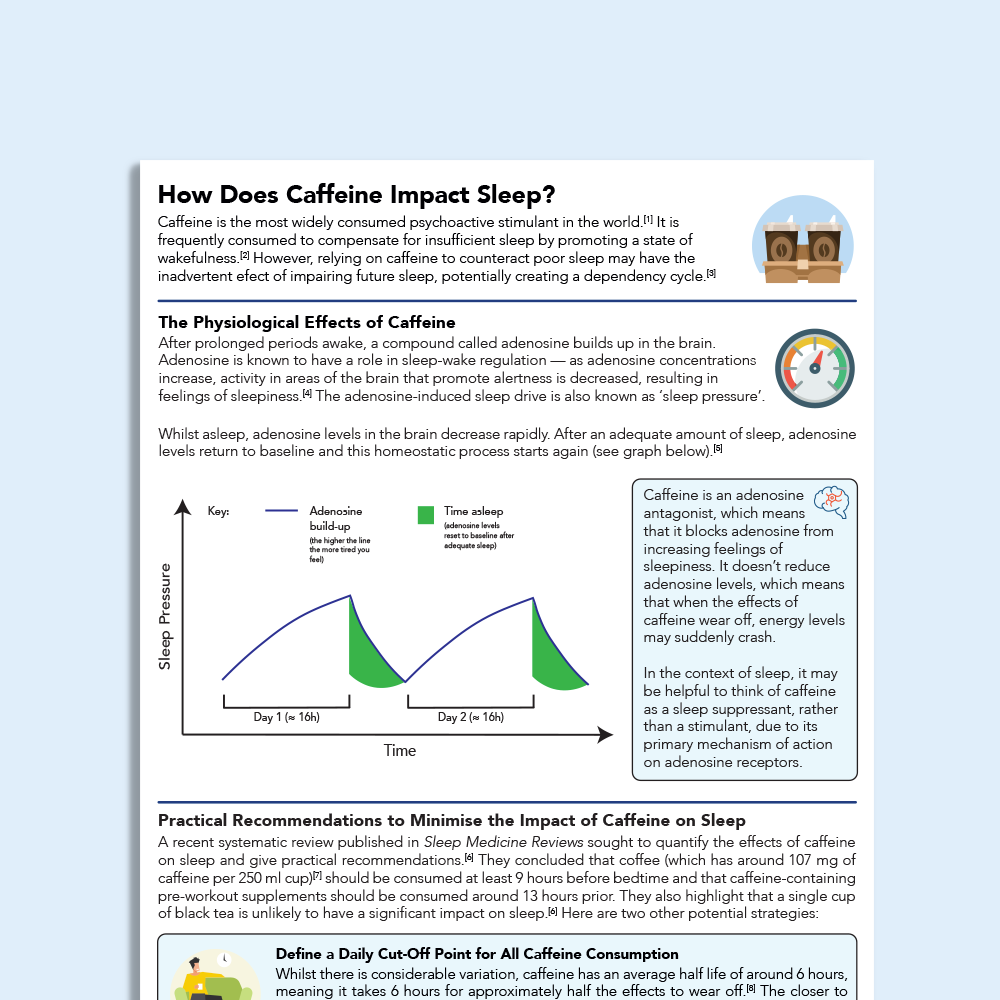
Caffeine primarily affects the body’s adenosine receptors, which play a crucial role in promoting sleep and regulating the sleep-wake cycle. Adenosine is a naturally occurring neurotransmitter that accumulates in the brain throughout the day, promoting a sense of sleepiness as levels increase. When caffeine is consumed, it competes with adenosine for binding to its receptors, specifically the A1 receptors. By blocking these receptors, caffeine effectively inhibits the signaling that would normally lead to sleepiness, resulting in increased alertness and wakefulness. This interaction can lead to prolonged wakefulness and difficulty falling asleep or maintaining sleep, especially when caffeine is consumed later in the day.
Role of neurotransmitters affected by caffeine during sleep
The effects of caffeine extend beyond adenosine receptor antagonism, influencing various neurotransmitters involved in sleep regulation. Notably, caffeine can elevate levels of norepinephrine and dopamine, which contribute to heightened alertness and mood elevation. These neurotransmitters are often linked to the body’s stress response and can lead to increased anxiety and restlessness if caffeine is consumed in excess or too close to bedtime. Additionally, caffeine can suppress the production of GABA (gamma-aminobutyric acid), a neurotransmitter that promotes relaxation and sleep. The inhibition of GABAergic activity can further exacerbate sleep disturbances, making it harder for individuals to achieve the deep, restorative sleep required for optimal health.
The timing of caffeine intake is a pivotal aspect influencing sleep cycles. Caffeine has a half-life of approximately 3 to 7 hours, depending on individual metabolism and genetic factors. Consuming caffeine in the late afternoon or evening can lead to significant disruptions in sleep onset and duration. For instance, a study found that consuming caffeine even six hours before bedtime could reduce total sleep time by an average of one hour. This reduction in sleep can result in cumulative sleep debt, affecting cognitive function, mood, and overall health over time.
To illustrate the impact of timing on sleep quality, consider a scenario where an individual drinks a cup of coffee at 4 PM. Given the half-life of caffeine, traces of the stimulant may still be active in the system by the time they go to bed at 10 PM, potentially leading to difficulty falling asleep. It’s essential for individuals to be mindful of their caffeine consumption schedule, particularly for those who already struggle with sleep issues.
In summary, caffeine disrupts sleep patterns through its interaction with adenosine receptors and its influence on neurotransmitter activity, particularly when consumed close to bedtime. Understanding these mechanisms provides insights into how caffeine affects individuals’ sleep and can guide better choices for improved sleep hygiene.
The effects of caffeine consumption in various age groups on sleep quality
Caffeine, a widely consumed stimulant found in coffee, tea, and many soft drinks, can have varying effects on sleep across different age groups. As individuals progress through various life stages, their ability to metabolize caffeine and the consequences of its consumption on sleep can differ significantly. Understanding these age-related differences is crucial for promoting better sleep hygiene and overall well-being.
Caffeine metabolism across age groups
The way caffeine is processed in the body changes with age, leading to distinct impacts on sleep quality. Here are three important age-related differences in caffeine metabolism:
- Children: Young children metabolize caffeine much faster than adults due to their developing liver enzymes. This rapid processing means that caffeine may not significantly disrupt their sleep patterns early on, but as they grow, this ability diminishes.
- Adults: In adults, caffeine metabolism is relatively stable, but factors such as genetic variations, hormonal changes, and lifestyle choices can affect how quickly caffeine is eliminated from the body. Generally, adults can tolerate moderate caffeine intake, but excessive consumption close to bedtime can lead to sleep disturbances.
- Elderly: As people age, their liver function declines, slowing down caffeine metabolism. This results in caffeine lingering in the system longer, which can contribute to increased wakefulness and poor sleep quality, even from small amounts of caffeine consumed earlier in the day.
Impact of caffeine on sleep in children compared to adults and the elderly
Caffeine’s impact on sleep varies notably between children, adults, and the elderly.
In children, moderate caffeine consumption—often from soft drinks or energy drinks—can lead to behavioral changes and sleep disturbances, particularly if consumed in the afternoon or evening. Research indicates that even small amounts of caffeine can affect their sleep duration and quality, resulting in daytime drowsiness.
In contrast, adults generally experience more pronounced effects of caffeine on sleep. Consumption within six hours of bedtime can lead to difficulty in falling asleep, reduced total sleep time, and altered sleep architecture. For the elderly, the challenges are compounded due to their slower caffeine metabolism. They may find it increasingly difficult to stay asleep, which can lead to fragmented sleep patterns and increased risk of insomnia.
Challenges faced by teenagers regarding caffeine consumption and sleep disturbances
Teenagers are uniquely impacted by caffeine consumption due to their lifestyle habits and developmental stage. Adolescents often indulge in caffeinated beverages to cope with academic pressures and social activities. The following factors highlight the challenges they face:
- Increased caffeine intake: Teens commonly consume energy drinks, which can contain high levels of caffeine, sometimes exceeding the recommended limits. This may lead to acute sleep disturbances and increased anxiety levels.
- Irregular sleep patterns: Teenagers naturally experience shifts in their circadian rhythms, causing them to stay up later and sleep in longer. When paired with caffeine consumption, this can result in chronic sleep deprivation, affecting concentration and mood during the day.
- Social influences: Peer pressure and social norms often encourage high caffeine consumption, making it difficult for teenagers to moderate their intake. This contributes to a cycle of poor sleep and dependence on caffeine to stay alert.
The role of caffeine tolerance in sleep disruption
Regular caffeine consumption can significantly alter the way our bodies react to this stimulant, leading to increased tolerance over time. As individuals continue to consume caffeinated beverages, their bodies adapt to the constant presence of caffeine, diminishing its stimulating effects. This adaptation has nuanced implications for sleep quality, as those who have developed a tolerance may experience altered sleep patterns and difficulty in achieving restorative sleep.
The phenomenon of caffeine tolerance is closely intertwined with the body’s physiological responses. When caffeine is consumed repeatedly, the brain begins to modify its receptor sensitivity to maintain homeostasis. This can result in individuals needing higher doses of caffeine to achieve the same alertness they initially experienced. However, the relationship between caffeine tolerance and sleep disruption extends beyond mere consumption levels.
Withdrawal symptoms and sleep quality
Frequent consumers of caffeine may experience withdrawal symptoms when they suddenly reduce their intake. These symptoms can include headaches, fatigue, irritability, and even disturbances in sleep quality. The rebound effect of withdrawal can significantly impact the duration and quality of sleep, making it more challenging to maintain a regular sleep cycle.
The following points illustrate the connection between caffeine withdrawal and sleep disruption:
- Increased sleep latency: Individuals withdrawing from caffeine may find it takes longer to fall asleep, as the body readjusts to functioning without the stimulant.
- Altered sleep architecture: Withdrawal can lead to disruptions in the natural stages of sleep, particularly REM sleep, which is essential for cognitive function and emotional regulation.
- Heightened daytime sleepiness: As withdrawal symptoms manifest, individuals may experience increased sleepiness during the day, which can create a cycle of further caffeine consumption to combat this fatigue.
For those with a high tolerance, the effects of caffeine may be less pronounced, often leading them to underestimate the impact on their sleep. Conversely, individuals with low caffeine tolerance might experience more acute effects from even small amounts, leading to greater sleep disruption.
Comparing high tolerance and low tolerance effects
Understanding the differences in caffeine’s effects on individuals with varying tolerance levels is crucial. Regular consumers who have built a high tolerance may not initially recognize the negative impact of caffeine on their sleep, as they have adapted to its presence. In contrast, those with low caffeine tolerance may experience pronounced disturbances, such as restlessness or insomnia, after consuming relatively small amounts.
Several factors contribute to these variations:
- Genetic predisposition: Genetic factors play a role in how individuals metabolize caffeine, affecting both tolerance and sensitivity.
- Frequency of consumption: Regular caffeine users may not perceive sleep disturbances as they become accustomed to altered sleep patterns.
- Timing of caffeine intake: For individuals with low tolerance, consuming caffeine later in the day can lead to immediate negative effects on sleep quality, whereas high-tolerance individuals may not notice a significant impact.
Understanding these differences is crucial for developing personalized approaches to caffeine consumption and its potential effects on sleep. With awareness of one’s tolerance level, individuals can make informed choices about their caffeine intake to minimize its disruptive effects on sleep.
The relationship between caffeine intake and sleep disorders
The connection between caffeine and sleep disorders is a critical area of research that highlights how dietary choices can significantly impact sleep quality. Caffeine, a central nervous system stimulant found in coffee, tea, energy drinks, and various medications, is known for its ability to enhance alertness and reduce fatigue. However, its consumption, especially later in the day, can lead to insomnia and exacerbate existing sleep disorders.
Caffeine consumption has been linked to insomnia, with studies showing that individuals who consume high amounts of caffeine often experience longer sleep onset latency and reduced total sleep time. According to a study published in the Journal of Clinical Sleep Medicine, approximately 30% of individuals who consume caffeine regularly report experiencing insomnia symptoms. A case study involving a 45-year-old male who consumed over 600 mg of caffeine daily revealed that he struggled with sleep maintenance insomnia, waking up multiple times during the night. After reducing his caffeine intake to under 200 mg per day, his sleep quality improved significantly, demonstrating the tangible effects of caffeine on sleep disorders.
Caffeine sensitivity in individuals with sleep disorders
Individuals with pre-existing sleep disorders often exhibit heightened sensitivity to caffeine, which can intensify their symptoms. Research indicates that people suffering from insomnia may experience a greater physiological response to caffeine, leading to increased heart rate and heightened alertness. This sensitivity means that even small amounts of caffeine can severely disrupt their sleep patterns. A survey of insomnia patients found that 62% reported that caffeine affected their ability to fall asleep, compared to 24% of individuals without sleep disorders.
Assessing the impact of caffeine on sleep-related issues in clinical settings can be approached using several methods. One common technique involves sleep diaries, where patients record their caffeine intake along with sleep onset times, total sleep duration, and night awakenings. This self-reported data can help healthcare professionals identify patterns and correlations. Additionally, polysomnography, a comprehensive sleep study, can assess sleep architecture in patients with varying levels of caffeine consumption, offering insights into how caffeine affects sleep stages and quality.
Incorporating caffeine restriction protocols in clinical practice can also provide valuable data. For instance, a randomized controlled trial that involved participants reducing caffeine intake for four weeks demonstrated improvements in sleep quality and duration, suggesting effective strategies for managing insomnia symptoms in caffeine-sensitive individuals.
Cultural perspectives on caffeine consumption and sleep habits
Caffeine, a widely consumed psychoactive substance, varies greatly in perception and usage across different cultures. These cultural perspectives often shape not only the frequency and quantity of caffeine intake but also the resulting effects on sleep habits. Understanding these viewpoints provides insight into how caffeine consumption is intertwined with daily routines and overall health, particularly concerning sleep quality.
The impact of caffeine on sleep differs significantly worldwide, influenced by cultural, social, and historical factors. In many Western countries, coffee culture is deeply embedded, with individuals often consuming multiple cups throughout the day. Conversely, in some Asian cultures, tea is the preferred source of caffeine, consumed more mindfully and sometimes associated with relaxation rituals. This variance reflects differing attitudes towards caffeine’s role in daily life and its perceived effects on rest and rejuvenation.
Caffeine consumption patterns across regions
Caffeine consumption patterns reveal notable distinctions between regions, which can correlate with reported sleep quality.
– North America: Coffee is a staple, with many adults consuming an average of 3 cups per day. This high intake often leads to sleep disturbances, as many report difficulties falling asleep or staying asleep after caffeine consumption in the late afternoon or evening.
– Europe: In countries like Italy and France, espresso culture emphasizes small, strong doses of caffeine consumed primarily in social settings. This approach is often coupled with a lifestyle that prioritizes afternoon breaks, resulting in a more balanced relationship with sleep.
– Asia: In Japan, green tea is prevalent, and while it contains caffeine, the focus is on moderation and timing. Many Japanese citizens report high sleep quality, possibly linked to mindful consumption practices and less late-night caffeine intake.
The differences in caffeine consumption and sleep quality can often be illustrated through statistical data, showcasing regional variations.
| Region | Average Daily Caffeine Intake | Reported Sleep Quality |
|---|---|---|
| North America | 3 cups of coffee | 35% report sleep issues |
| Europe | 1-2 cups of coffee/espresso | 20% report sleep issues |
| Asia | 1-2 cups of tea | 15% report sleep issues |
Historical changes in caffeine use have also significantly impacted sleep habits over time. Initially, caffeine was a luxury item, consumed mostly by the elite in various forms, such as tea and coffee. With the industrial revolution and the rise of coffeehouses in Europe, caffeine became more accessible and ingrained in societal routines. As caffeine consumption increased, so did the understanding of its effects on alertness and sleep.
Cultural transitions, such as the rise of 24-hour lifestyles and the global coffee chains’ influence, have led to a marked increase in caffeine consumption. This trend often comes at the cost of sleep quality, especially in urban settings where work demands push individuals to consume caffeine late into the evening. The juxtaposition of caffeine-induced alertness against the need for quality sleep continues to shape health discussions worldwide.
“Understanding the cultural nuances of caffeine consumption is crucial for addressing sleep quality concerns globally.”
The potential benefits of moderating caffeine intake for improved sleep
Caffeine, a widely consumed stimulant, can significantly affect sleep patterns and overall sleep quality. Reducing caffeine intake can lead to better sleep quality, decreased anxiety, and enhanced daytime alertness. This section explores strategies to help individuals moderate their caffeine consumption while maintaining their necessary levels of alertness throughout the day.
Moderating caffeine consumption can be a powerful approach to improve sleep without sacrificing energy levels. Below are some effective strategies that can assist in achieving this balance:
Strategies for Reducing Caffeine Consumption
To successfully reduce caffeine intake while staying alert, it’s essential to adopt strategic practices that integrate alternatives and adjustments into daily routines. Here’s a list of practical strategies:
- Gradual Reduction: Instead of quitting caffeine abruptly, reduce your intake gradually to minimize withdrawal symptoms. This can help maintain energy levels while your body adjusts.
- Swap to Decaf: Choosing decaffeinated versions of your favorite coffee or tea can satisfy cravings while significantly lowering caffeine consumption.
- Limit Late-Day Intake: Avoid caffeine in the afternoon and evening. Reducing caffeine consumption after 2 PM can help improve nighttime sleep.
- Hydration with Water: Drink plenty of water throughout the day. Staying hydrated can help maintain energy levels and reduce the need for caffeine.
- Explore Herbal Teas: Herbal teas like chamomile or peppermint can be refreshing alternatives that promote relaxation and do not contain caffeine.
- Power Naps: Short naps (15-20 minutes) can boost alertness without the need for caffeine. Incorporating these into your day can provide a refreshing reset.
- Physical Activity: Regular exercise can significantly boost energy levels and improve mood, helping to decrease reliance on caffeine for alertness.
Success Stories from Individuals
Many individuals have successfully moderated their caffeine consumption and experienced improvements in their sleep quality. Here are a couple of testimonials that highlight their journeys:
“After reducing my caffeine intake, I noticed that I fell asleep faster and felt more rested in the mornings. I switched to herbal teas in the evenings, and it made a huge difference.” – Sarah, 28
“I thought I needed my morning coffee to stay awake, but after gradually cutting back, I found that a quick walk during my breaks helped me feel energized without the caffeine crash.” – Mike, 35
These stories illustrate how moderation can lead to positive changes in sleep patterns and overall well-being.
Alternative Substances and Practices for Wakefulness
There are several alternatives to caffeine that can help maintain alertness without adversely affecting sleep. These options can be beneficial for those looking to reduce their caffeine intake.
- Adaptogenic Herbs: Herbs like ashwagandha and rhodiola can help manage stress and improve energy levels without causing sleep disturbances.
- Deep Breathing Exercises: Engaging in deep breathing can increase oxygen flow and enhance alertness, making it a great alternative to caffeine.
- Cold Water: Splashing cold water on your face or taking a cold shower can invigorate your senses and enhance alertness naturally.
- Bright Light Exposure: Spending time in natural light or using bright light therapy can help improve mood and energy levels, especially in the morning.
These alternatives can provide the energy boost needed throughout the day while contributing to improved sleep quality. By implementing these strategies and exploring alternatives, individuals can enjoy the benefits of reduced caffeine consumption without compromising their alertness.
Last Recap
In summary, understanding the impact of caffeine on sleep reveals a rich tapestry of physiological responses, age-related differences, and cultural perceptions. As we navigate our caffeine habits, considering moderation can be key to enhancing our sleep quality. By embracing alternative practices and being mindful of our intake, we can strike a balance that promotes alertness during the day while safeguarding our precious sleep at night.
General Inquiries
How long does caffeine affect sleep?
Caffeine can affect sleep for several hours, with a half-life of about 3 to 7 hours, meaning its stimulant effects can linger long after consumption.
Can caffeine cause vivid dreams?
Some people report experiencing more vivid dreams when they consume caffeine, potentially due to disrupted sleep cycles affecting REM sleep.
Is there a safe amount of caffeine for better sleep?
While individual tolerances vary, limiting caffeine intake to no more than 400 mg per day—about four 8-ounce cups of coffee—can help minimize sleep disruptions for most adults.
Do decaffeinated beverages affect sleep?
Decaffeinated beverages typically have low caffeine content and are unlikely to disrupt sleep, though some individuals may still be sensitive to even small amounts.
Can I train my body to tolerate caffeine without affecting sleep?
Building tolerance can occur, but it may lead to an increased risk of withdrawal symptoms, which can negatively impact sleep quality if caffeine is reduced suddenly.