
 Caroline Sarah
Wakeful sets the stage for this enthralling narrative, offering readers a glimpse into a story that is rich in detail and brimming with originality from the outset.
In the realm of psychology, wakefulness is a multifaceted concept that encompasses our state of alertness and awareness, distinguishing it from sleep and various altered states of consciousness. Historically, the understanding of wakefulness has evolved significantly, reflecting changes in psychological theories and research methodologies. In modern times, the relevance of wakefulness continues to be pivotal, particularly as it plays a crucial role in cognitive functions, emotional regulation, and overall mental health. By exploring the intricate relationship between wakefulness and our daily lives, we can uncover insights that have profound implications for both personal well-being and societal dynamics.
The Concept of Wakefulness in Psychology

Wakefulness is a fundamental state of consciousness characterized by high levels of awareness and responsiveness to the environment. In psychological studies, it refers to the state in which an individual is fully alert, capable of cognitive processing, and engaged with their surroundings. The understanding of wakefulness is crucial for various fields within psychology, including developmental, cognitive, and clinical psychology, as it underpins the analysis of behaviors and mental processes.
Historically, the concept of wakefulness has evolved significantly. Early psychological theories, such as those proposed by Wilhelm Wundt, emphasized the distinction between wakefulness and sleep as part of the broader exploration of consciousness. As research progressed, figures like Sigmund Freud highlighted the role of wakeful states in influencing thoughts and behaviors through unconscious processes. In contemporary psychology, the significance of wakefulness is acknowledged in the context of attention, alertness, and the ability to process information effectively.
Differences Between Wakefulness, Sleep, and Altered States of Consciousness
Understanding the differences between wakefulness, sleep, and altered states of consciousness is essential for comprehending human behavior and mental functioning. Each state represents unique physiological and psychological characteristics that influence how individuals experience the world.
Wakefulness is marked by active cognitive engagement, whereas sleep is a restorative state characterized by decreased sensory awareness and reduced responsiveness to external stimuli. During sleep, the brain undergoes various cycles, including REM (Rapid Eye Movement) and non-REM sleep, which are vital for memory consolidation and overall health.
Altered states of consciousness, such as those induced by meditation, drugs, or mental health disorders, diverge significantly from both wakefulness and sleep. These states can involve heightened emotional experiences, dissociation from reality, or a shift in perception. For instance, during a meditative state, an individual might experience profound clarity and focus, which contrasts with the disorientation often associated with sleep.
Key distinctions include:
- Wakefulness: High alertness, active thought processes, and responsiveness to the environment.
- Sleep: Reduced awareness, physiological changes, and varying cycles that facilitate restorative processes.
- Altered States: Variability in perception and consciousness, influenced by external stimuli or internal factors.
“The ability to shift between wakefulness, sleep, and altered states of consciousness plays a crucial role in human adaptability and functioning.”
The Role of Wakefulness in Cognitive Functions
Wakefulness plays a crucial part in how effectively we engage with the world and process information. It directly influences our cognitive abilities, including attention, memory, and learning processes. When we are awake, our brains are active and primed for absorbing new information, which is essential for daily tasks and overall functioning. Understanding the relationship between wakefulness and cognition helps us appreciate the importance of maintaining optimal alertness for efficient mental performance.
The level of wakefulness significantly affects various cognitive tasks. For instance, tasks requiring sustained attention, such as reading or driving, demand a higher state of wakefulness. When individuals are alert, they can process information more quickly and accurately. Conversely, as wakefulness diminishes, so does the quality of cognitive performance. This can lead to slower reaction times and increased chances of making errors.
Impact of Sleep Deprivation on Cognitive Performance
Sleep deprivation has profound effects on cognitive functions, particularly in attention, memory, and learning. A lack of sleep impairs the brain’s ability to focus, making it difficult to concentrate on tasks, leading to decreased productivity. Additionally, sleep is essential for memory consolidation, the process by which short-term memories are transferred into long-term storage. Without adequate sleep, individuals struggle to retain and recall information, which adversely impacts learning outcomes.
Studies have shown that sleep deprivation can reduce alertness and impair decision-making abilities. For example, a common cognitive task like the Stroop test, which measures a person’s ability to inhibit cognitive interference, becomes significantly more challenging when participants are sleep-deprived. Reaction times increase, and error rates rise, demonstrating how a lack of alertness directly correlates with cognitive performance.
Moreover, sleep deprivation has been linked to a decreased ability to learn new information. This effect is particularly evident in students who sacrifice sleep for study time. A study conducted by the University of California, Berkeley, found that sleep-deprived individuals show a marked decrease in the ability to learn new skills compared to their well-rested counterparts.
In summary, maintaining an adequate level of wakefulness through proper sleep is essential for optimal cognitive function. The consequences of sleep deprivation are far-reaching, affecting every aspect of cognitive performance, from attention and memory to learning capacity. It’s vital to prioritize sleep to ensure our cognitive faculties operate at their best.
Wakefulness and Emotional Regulation
The intricate relationship between wakefulness and emotional regulation plays a pivotal role in our everyday experiences. Wakefulness, defined as the state of being alert and aware, directly influences how we perceive and respond to emotional stimuli. This connection is essential for understanding our mood states and managing our emotional well-being effectively.
Different levels of wakefulness significantly impact mood and emotional responses. When an individual is well-rested and fully awake, they typically demonstrate better emotional regulation, enabling them to navigate challenging situations with resilience. In contrast, diminished wakefulness, often due to sleep deprivation or fatigue, can lead to heightened emotional reactivity. This may manifest as irritability, anxiety, or even depressive symptoms. Research indicates that sleep-deprived individuals often struggle with impulse control, leading to impulsive decisions that exacerbate negative emotional states.
Implications of Wakefulness on Mental Health and Emotional Well-Being
The implications of wakefulness on mental health and emotional well-being are profound and multifaceted. Sufficient wakefulness is crucial for maintaining a balanced emotional state and fostering effective coping mechanisms. Below are key aspects that illustrate how wakefulness intersects with mental health:
- Cognitive Functioning: Adequate wakefulness enhances cognitive functioning, allowing individuals to process information efficiently and make reasoned judgments. This heightened cognitive capacity is vital for problem-solving and dealing with stressors.
- Stress Response: Elevated wakefulness supports a more adaptive stress response. When individuals are alert, they can assess situations critically and deploy appropriate coping strategies, reducing the risk of chronic stress and its associated mental health issues.
- Interpersonal Relationships: Emotional regulation is essential for healthy relationships. Individuals who are adequately awake are better able to communicate effectively and empathize with others, fostering positive social interactions that bolster emotional support.
- Mood Stability: Consistent wakefulness contributes to mood stability. The absence of sleep inertia, the grogginess felt after awakening, allows for more consistent emotional responses, reducing the likelihood of mood swings.
“The quality of wakefulness directly influences emotional resilience, highlighting the importance of restorative sleep for mental health.”
In conclusion, without sufficient wakefulness, individuals may face challenges in regulating their emotions, leading to increased vulnerability to mental health issues. Understanding this relationship underscores the necessity of prioritizing sleep and wakefulness for optimal emotional well-being.
Physiological Mechanisms of Wakefulness
The state of wakefulness is primarily regulated by an intricate interplay of biological systems, including neurotransmitters and hormones that work together to maintain alertness and cognitive function. Understanding these mechanisms provides insight into how our bodies transition between wakefulness and sleep, as well as the potential impacts of circadian rhythms on our overall alertness throughout the day.
In the brain, several neurotransmitters play crucial roles in promoting wakefulness. Key players include dopamine, norepinephrine, and serotonin, which are responsible for enhancing arousal and attention. Additionally, the hypothalamus releases orexin (also known as hypocretin), a peptide that stimulates wakefulness and energy expenditure. Hormones such as cortisol, often referred to as the “stress hormone,” also peak during the morning, contributing to heightened alertness. In contrast, during sleep, levels of these neurotransmitters and hormones shift dramatically. For instance, during non-REM sleep, levels of norepinephrine drop significantly, allowing the body to repair and rejuvenate.
Circadian Rhythms and Wakefulness
Circadian rhythms, the natural internal processes that follow a roughly 24-hour cycle, play a vital role in regulating wakefulness and alertness. These rhythms are influenced by external cues such as light and darkness, which help signal to the body when it is time to be awake or asleep. The suprachiasmatic nucleus (SCN) in the hypothalamus serves as the master clock, coordinating the timing of various physiological processes.
The interaction of light with melanopsin-containing retinal ganglion cells sends signals to the SCN, which then influences the release of melatonin, a hormone that promotes sleep. As light levels decrease in the evening, melatonin production increases, signaling the body to prepare for sleep. Conversely, exposure to natural light during the day helps suppress melatonin production, thus promoting wakefulness.
The impact of circadian rhythms on alertness can be observed in various real-life scenarios. For example, individuals who work night shifts often experience a disconnect in their internal clock, leading to difficulties in maintaining wakefulness during non-traditional hours. Research indicates that the misalignment of circadian rhythms can lead to reduced cognitive performance and increased fatigue. This illustrates the essential role that our biological clocks play not only in sleep but also in our overall ability to remain alert and functional throughout the day.
The balance of neurotransmitters and hormones, regulated by circadian rhythms, is essential in determining our state of wakefulness, influencing everything from mood to cognitive performance.
The Impact of Technology on Wakefulness
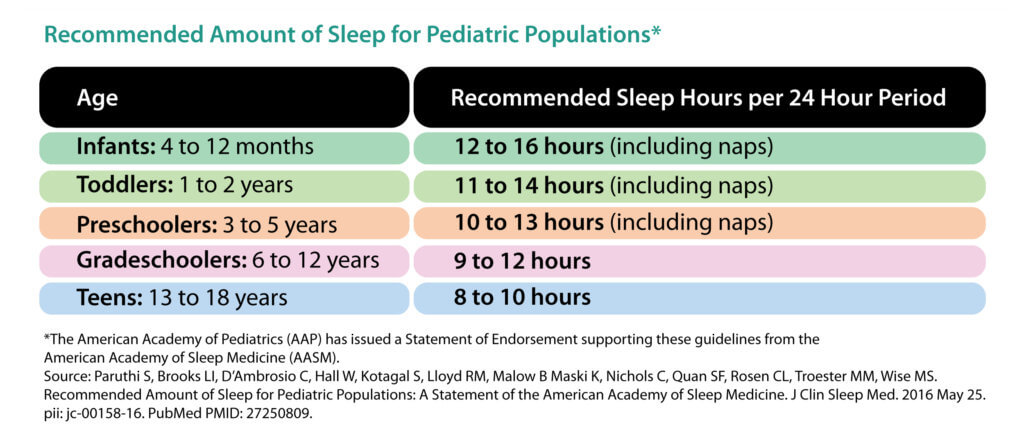
In today’s digital age, the prevalence of screens and digital devices has dramatically influenced our daily lives, including our wakefulness and sleep patterns. The ongoing interaction with technology can lead to disrupted sleep and decreased levels of alertness during the day. Understanding the connection between technology use, particularly screen time, and wakefulness is essential for fostering healthier habits in our increasingly connected world.
Effects of Screen Time on Sleep Patterns
Excessive screen time, especially before bed, has been shown to negatively impact sleep quality and duration. The engagement with digital devices can lead to heightened mental stimulation, making it more difficult to wind down at night. This is further exacerbated by the nature of content consumed, often being stimulating or emotionally charged, which can delay the onset of sleep. It’s crucial to acknowledge the significance of managing screen time and its implications for wakefulness. Here are some strategies that can help promote healthier wakefulness:
- Establishing a digital curfew: Limiting screen use at least an hour before bedtime can help prepare the mind and body for sleep.
- Creating a sleep-friendly environment: Reducing screen visibility in the bedroom by keeping devices out of reach encourages better sleep habits.
- Utilizing blue light filters: Many devices now offer settings that reduce blue light exposure in the evening, which can help mitigate some negative effects on sleep.
- Encouraging alternative activities: Engaging in activities such as reading or meditation in place of screen time can promote relaxation before bed.
Role of Blue Light on Wakeful States and Sleep Quality
Blue light, emitted by screens and artificial lighting, plays a significant role in regulating our circadian rhythms. Exposure to blue light in the evening can suppress the production of melatonin, the hormone responsible for sleep regulation. This suppression leads to increased alertness and difficulty falling asleep, ultimately compromising sleep quality. Research has shown that individuals who use their devices extensively at night often experience shorter sleep duration and impaired cognitive functions the following day.
“The impact of blue light exposure before bedtime is profound, affecting both the quality of sleep and the subsequent levels of wakefulness during the day.”
To illustrate, a study conducted by researchers at Harvard University found that participants who were exposed to blue light for just two hours before sleep experienced a reduction in melatonin production by nearly 50%. Furthermore, they reported poorer sleep quality and increased daytime sleepiness compared to those not exposed to blue light. Recognizing the detrimental effects of blue light can lead to proactive measures, such as adopting blue light blocking glasses or apps that filter blue light emitted by devices. By being mindful of technology use and its implications on wakefulness and sleep, individuals can cultivate healthier lifestyles that prioritize both alertness during the day and restorative sleep at night.
Cultural Perspectives on Wakefulness
Throughout history, diverse cultures have developed unique interpretations of wakefulness and sleep, each influencing daily life and overall well-being. This variation can be seen in how communities value alertness and rest, often dictated by their environmental and social contexts. Understanding these perspectives opens a window into the richness of human experience surrounding sleep and wakefulness.
Cultural beliefs shape attitudes toward sleep and wakefulness in profound ways. For instance, in many Indigenous cultures, sleep is recognized as a vital state that connects individuals to their ancestors and the spiritual world. This contrasts sharply with Western cultures, where productivity often takes precedence over sleep, leading to a more utilitarian view of wakefulness. In Japan, the concept of “inemuri,” or sleeping on the job, indicates a strong work ethic, where being able to sleep briefly in public reflects one’s commitment to work while still valuing the restorative nature of sleep.
Practices to Enhance Wakefulness and Alertness
Various cultures have developed practices aimed at enhancing wakefulness and alertness, integrating natural remedies and lifestyle habits. These practices not only promote alertness but also contribute to overall health and well-being. The following are some notable examples:
- Ayurvedic Practices: In India, Ayurveda emphasizes a balanced lifestyle, where wakefulness can be optimized through Ayurvedic herbs like ashwagandha and practices such as yoga and meditation to align the body’s energies.
- Traditional Chinese Medicine: Chinese culture values Qi, or life energy, believing that practices like tai chi and acupuncture can stimulate energy flow, enhancing wakefulness and alertness.
- Nordic Napping: In Scandinavian countries, the practice of “nappuccino”—a short nap followed by coffee—is popular for boosting alertness and productivity in a culture that recognizes the importance of rest.
- Siestas in Southern Europe: Many Southern European countries integrate afternoon naps into their daily routine, acknowledging the restorative benefits of short sleep periods to maintain energy levels throughout the day.
Cultural practices surrounding wakefulness and sleep reflect a broader understanding of well-being. Embracing these diverse viewpoints can lead to a more holistic appreciation of our relationship with sleep and wakefulness, ultimately fostering healthier lifestyles and improved mental clarity across societies.
Wakefulness in the Context of Mindfulness and Meditation
Mindfulness and meditation represent profound practices that cultivate a state of wakefulness, enhancing our overall awareness and mental clarity. By focusing on the present moment, these practices help individuals develop a deeper connection with their thoughts, emotions, and surroundings. This state of wakefulness is not merely an absence of sleep, but a fuller engagement with life, where one becomes more aware of their internal and external experiences.
Mindfulness is fundamentally about being fully present in the moment, recognizing and accepting one’s thoughts, feelings, and bodily sensations without judgment. This practice aligns closely with the concept of wakefulness, as it requires a heightened state of awareness and attentiveness. By observing our thoughts and feelings rather than reacting to them, we can break free from automatic patterns of behavior, allowing for a more conscious experience of life.
Techniques in Meditation that Enhance Wakeful Awareness
Several techniques in meditation serve to enhance wakeful awareness, enabling individuals to cultivate a mindful state. These techniques encourage individuals to focus their attention, thus promoting greater mental clarity.
One effective technique is focused breathing. This involves concentrating solely on the breath, observing each inhalation and exhalation. This practice helps anchor the mind in the present, reducing distractions and enhancing wakefulness.
Another technique is body scanning. In this practice, individuals mentally scan their body from head to toe, noticing any areas of tension or discomfort. By doing so, practitioners can develop a deeper awareness of their physical state, which fosters an enhanced connection between mind and body.
Mindful walking is also beneficial. In this practice, individuals walk slowly, paying attention to the sensations of their feet touching the ground and the rhythm of their movement. This technique encourages full presence in the act of walking, promoting alertness and awareness.
The benefits of mindfulness practices extend far beyond the meditation cushion, impacting overall wakefulness and mental clarity significantly. Engaging regularly in mindfulness practices can lead to improved concentration and focus. Research indicates that individuals who practice mindfulness regularly report greater clarity in their thoughts and improved problem-solving abilities. This heightened state of awareness translates to daily life, where the ability to respond thoughtfully rather than react impulsively becomes more pronounced.
Additionally, mindfulness practices can reduce stress and anxiety, which often cloud mental clarity. By fostering a sense of calm and presence, individuals find it easier to navigate challenges and make decisions with clarity. Regular practitioners report a significant increase in their overall sense of well-being, as they become more attuned to their emotions and less influenced by external stressors.
In summary, mindfulness and meditation not only promote wakefulness but also enrich mental clarity and emotional health, leading to a more balanced and conscious life experience.
Future Research Directions on Wakefulness
The study of wakefulness is evolving rapidly, revealing new insights into its mechanisms and effects on health, productivity, and overall well-being. As the field progresses, it becomes increasingly important to identify areas for further exploration that can enhance our understanding and application of wakefulness research. Future research can leverage emerging technologies and methodologies that deepen our comprehension of this vital state.
Areas Needing Further Exploration
Multiple aspects of wakefulness merit in-depth investigation. Recent studies have highlighted the potential of various factors influencing wakefulness, including genetics, environmental variables, and lifestyle choices. Key areas for future research include:
- Neurobiology of Wakefulness: Investigating the neural circuits and neurotransmitters involved in wakefulness could provide critical insights into disorders such as insomnia and narcolepsy.
- Impact of Technology: Examining how screen time and digital device usage affect sleep and wakefulness patterns, particularly in younger generations, is essential.
- Sleep-Wake Cycle Regulation: Understanding the intricacies of circadian rhythms and their impact on wakefulness can aid in developing better sleep management strategies.
- Effects of Nutrition: Exploring the relationship between dietary habits and wakefulness may reveal how specific nutrients influence alertness and cognitive performance.
Emerging technologies and methodologies offer exciting avenues for advancing our understanding of wakefulness. Wearable devices equipped with advanced sensors can monitor physiological parameters, such as heart rate variability and sleep patterns, providing real-time data on wakefulness. Moreover, machine learning algorithms can analyze large datasets to identify patterns and correlations that were previously undetectable.
The implications of future findings in wakefulness research are profound. Enhanced understanding of wakefulness could lead to personalized health interventions that improve individual productivity and cognitive performance. For instance, optimizing wakefulness through targeted lifestyle changes may reduce the incidence of burnout, enhance workplace satisfaction, and bolster overall mental health.
Additionally, insights gained from wakefulness studies could inform public health policies aimed at promoting better sleep hygiene and work-life balance, ultimately fostering healthier communities. As researchers continue to peel back the layers of wakefulness, the potential to transform how we manage our daily lives becomes increasingly tangible, paving the way for a future where health, productivity, and well-being are harmoniously intertwined.
Final Review
In summary, the exploration of wakefulness reveals its vital role in shaping our cognitive abilities, emotional health, and even cultural practices. As we navigate through the complexities of modern life, understanding how various factors influence our wakeful states can empower us to enhance our productivity, mental clarity, and emotional resilience. With ongoing research and evolving perspectives, the journey into the science of wakefulness promises to unveil new opportunities for improving our quality of life and fostering a deeper comprehension of the human experience.
FAQ
What is wakefulness?
Wakefulness refers to the state of being alert and aware, distinguishing it from sleep and altered states of consciousness.
How does wakefulness affect memory?
Wakefulness significantly enhances memory retention and recall by optimizing cognitive processes associated with attention and learning.
What factors can disrupt wakefulness?
Factors such as sleep deprivation, excess screen time, and stress can disrupt wakefulness, leading to decreased alertness and cognitive performance.
Can wakefulness be improved?
Yes, wakefulness can be improved through strategies such as maintaining a regular sleep schedule, practicing mindfulness, and managing technology use.
What is the relationship between wakefulness and emotional health?
Higher levels of wakefulness are generally associated with better emotional regulation, which can positively influence mood and mental well-being.