
 Caroline Sarah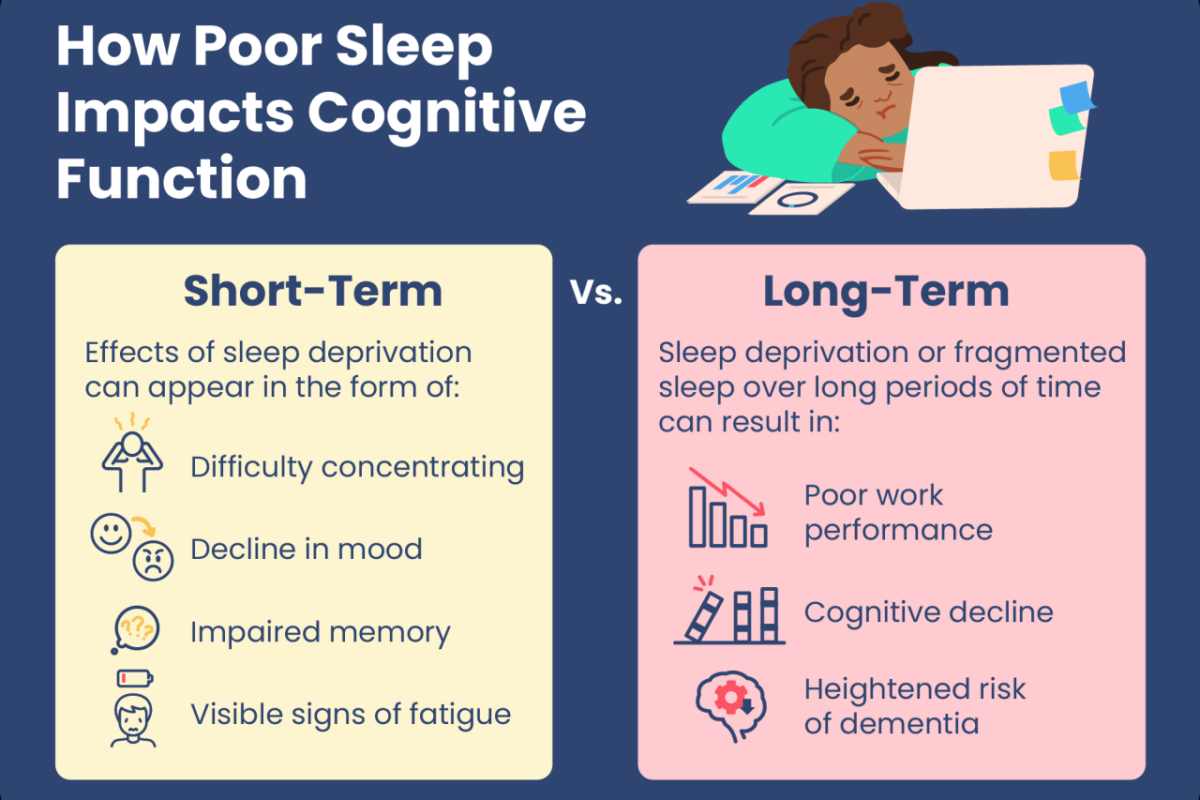
Sleep-deprived individuals often find themselves entangled in a web of challenges that affect both their physical and mental well-being. The ramifications of not getting enough sleep extend far beyond mere fatigue; they permeate various systems in the body and mind, leading to an array of health issues that many may not immediately associate with sleep loss. From hormonal imbalances to mood disorders, the implications of sleep deprivation are profound and deserve thorough exploration.
In today’s fast-paced world, understanding the significance of adequate sleep is more crucial than ever. This exploration will delve into how sleep deprivation can disrupt physiological functions, affect mental health, and reduce productivity. Moreover, it will provide actionable insights on improving sleep hygiene, dietary choices, and the role of technology in sleep quality to foster a healthier lifestyle.
The physiological impact of being sleep-deprived on the human body
Sleep deprivation has become an increasingly common issue in today’s fast-paced society. The impact of insufficient sleep extends beyond mere fatigue, affecting various physiological systems crucial for maintaining overall health. When the body is deprived of sleep, it undergoes numerous changes that can adversely affect both physical and mental well-being.
One of the primary physiological effects of sleep deprivation is its influence on the endocrine system. Sleep is essential for the proper regulation of several hormones, including cortisol, insulin, and ghrelin. Cortisol, often referred to as the stress hormone, is typically elevated in individuals who are sleep-deprived. This elevation can lead to increased stress levels, which may further disrupt sleep patterns and create a vicious cycle. Insulin sensitivity can also be compromised due to lack of sleep, raising the risk of type 2 diabetes. Ghrelin, the hormone that stimulates appetite, tends to increase with sleep deprivation, which can lead to overeating and weight gain.
Long-term health risks associated with chronic sleep deprivation
Chronic sleep deprivation poses significant long-term health risks that can severely impact quality of life. The consequences extend beyond immediate fatigue, affecting cardiovascular health, mental health, and immune function.
Extended periods of insufficient sleep have been linked to a higher incidence of hypertension and heart disease. The American Heart Association notes that individuals who average less than seven hours of sleep per night are at an increased risk of developing cardiovascular issues.
Mental health is also severely impacted by chronic sleep deprivation. Long-term lack of sleep is associated with increased risks of anxiety, depression, and other mood disorders. Inadequate sleep can alter brain function and exacerbate feelings of stress and emotional instability.
Moreover, chronic sleep deprivation weakens the immune system, making individuals more susceptible to infections and illnesses. A study published in the journal Sleep found that individuals who sleep less than seven hours a night are three times more likely to develop a cold compared to those who sleep eight hours or more.
In summary, sleep deprivation significantly affects various bodily systems, disrupting hormonal balances and leading to numerous long-term health risks. Ensuring adequate sleep is crucial for maintaining not only immediate well-being but also long-term health.
The psychological effects of sleep deprivation on mental health
Sleep deprivation is more than just feeling tired; it has profound psychological effects that can disrupt mental health significantly. The link between sleep and mental well-being is well-established, with numerous studies indicating that inadequate sleep can lead to various mood disorders. As individuals struggle to maintain a healthy sleep routine, the repercussions on their mental state can be alarming and far-reaching.
Mood Disorders and Cognitive Decline
The relationship between sleep deprivation and mood disorders is indisputable. Research reveals that individuals lacking sufficient sleep are at a greater risk of developing conditions such as depression and anxiety. For instance, studies have shown that 90% of people suffering from depression report sleep issues, indicating a strong connection between poor sleep quality and mood disturbances. Sleep deprivation affects neurotransmitters and hormones that are vital in regulating mood, leading to heightened irritability, sadness, and emotional instability.
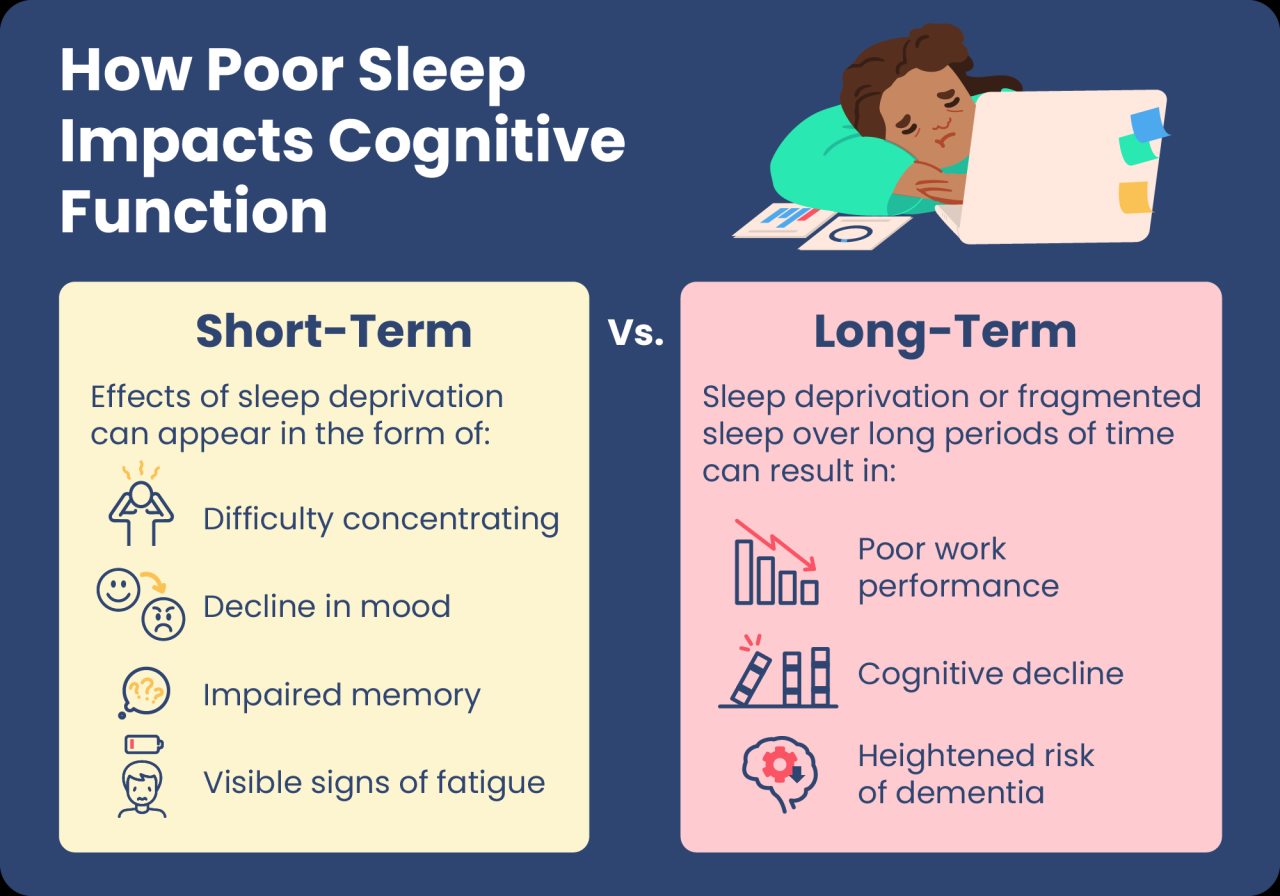
Moreover, cognitive decline is another critical aspect of sleep deprivation that merits attention. Chronic sleep loss can impair cognitive functions, including attention, memory, and decision-making capabilities. A regular sleep pattern is essential for cognitive processes to function optimally, with the brain undergoing restoration and consolidation of memories during sleep. For example, adults who sleep less than six hours a night are more likely to experience cognitive decline as they age, similar to the effects of aging itself. The impact of insufficient sleep on cognitive health is approximately equivalent to aging by a decade, highlighting the urgency of addressing sleep issues.
Stress and anxiety levels are significantly affected by insufficient sleep. When individuals are sleep-deprived, their bodies produce higher levels of cortisol, the primary stress hormone. This increase can lead to a state of heightened anxiety, making it difficult for individuals to cope with daily stressors effectively. As a result, the lack of sleep can create a vicious cycle where anxiety leads to poor sleep, which in turn exacerbates anxiety levels. For instance, a study examining college students found that those with sleep deprivation reported significantly higher stress levels, which negatively affected their academic performance, creating a feedback loop of stress and inadequate sleep.
In summary, the psychological impact of sleep deprivation extends beyond mere fatigue, influencing mood disorders, cognitive decline, and increasing stress and anxiety levels. Prioritizing sleep is essential for maintaining overall mental health and well-being.
The role of sleep hygiene in preventing sleep deprivation
Maintaining good sleep hygiene is essential in preventing sleep deprivation, which can lead to a variety of health issues, including decreased cognitive function and increased stress levels. Sleep hygiene refers to the practices and habits that are conducive to sleeping well on a regular basis. By understanding and implementing these practices, individuals can significantly improve their sleep quality and overall well-being.
Establishing a consistent sleep schedule is a fundamental aspect of sleep hygiene. Going to bed and waking up at the same time every day, even on weekends, helps regulate the body’s internal clock. This regulation leads to more restorative sleep cycles, enabling individuals to wake up feeling refreshed and alert. Consistency in sleep patterns facilitates the release of melatonin, the hormone responsible for regulating sleep-wake cycles, ultimately enhancing sleep quality.
Checklist of Environmental Factors for Better Sleep Quality
The sleep environment plays a crucial role in determining sleep quality. Various factors can either promote or hinder restful sleep. By optimizing these environmental elements, individuals can create a more conducive atmosphere for sleep. Below is a checklist of essential environmental factors to consider:
- Temperature: A cool room, ideally between 60 to 67 degrees Fahrenheit, can help signal to the body that it is time to sleep. Adjusting the thermostat or using fans can achieve this temperature.
- Noise Level: Reducing noise can significantly improve sleep quality. Consider using white noise machines or earplugs to block out disruptive sounds.
- Lighting: A dark room promotes better sleep. Using blackout curtains can prevent external light from disturbing sleep, while dimming lights an hour before bedtime helps facilitate melatonin production.
- Comfortable Bedding: Investing in a good-quality mattress and pillows that support your sleep position can enhance comfort and improve sleep quality.
- Electronics: Limiting the use of electronic devices before bedtime is critical, as the blue light emitted can disrupt melatonin production. Consider establishing a ‘tech-free’ period before sleep.
- Air Quality: Fresh air is essential for a restful night. Ensure proper ventilation in the bedroom, and consider using an air purifier if necessary.
Maintaining these environmental factors can significantly enhance sleep quality and prevent sleep deprivation. By creating a sleep-friendly environment and adhering to a consistent sleep schedule, individuals can promote healthier sleep patterns that contribute to overall well-being.
The correlation between sleep deprivation and productivity in the workplace
Sleep deprivation has become an epidemic in today’s fast-paced work environment. Many employees find themselves sacrificing sleep to meet deadlines or to keep up with demanding schedules, but this practice often leads to a significant decline in productivity. Research has shown that lack of sleep can impair cognitive functions, reduce alertness, and hinder decision-making abilities, ultimately affecting overall workplace performance.
Studies indicate that sleep deprivation can lead to a substantial decrease in work efficiency, with some estimates suggesting that a loss of just one hour of sleep can result in a 20% drop in productivity. When employees are sleep-deprived, they may struggle with concentration, creativity, and critical thinking. This impact is not only felt by the individual but can also affect teamwork and overall workplace morale. The cumulative effect of sleep loss can lead to increased absenteeism and higher turnover rates, which can cost organizations both time and money.
Methods to mitigate the effects of sleep loss on job efficiency
Organizations can take proactive steps to help mitigate the effects of sleep deprivation on their workforce. Implementing strategies that promote healthier sleep habits can lead to improved productivity and well-being among employees. Some methods to consider include:
– Flexible Work Hours: Allowing employees to adjust their work schedules can enable them to prioritize sleep without sacrificing productivity. For example, some companies offer a “core hours” system where employees can choose to start or finish work earlier or later based on their personal sleep needs.
– Sleep Education Programs: Providing workshops or resources that educate employees about the importance of sleep can empower them to prioritize their rest. This may include topics on sleep hygiene, relaxation techniques, and the consequences of sleep deprivation.
– Designated Rest Areas: Creating quiet spaces within the workplace where employees can take short naps can help rejuvenate their energy levels. Studies have shown that even brief power naps can improve alertness and cognitive function.
– Encouraging Breaks: Promoting a culture that values regular breaks can help prevent mental fatigue. Short, frequent pauses during the workday allow employees to recharge, ultimately enhancing focus and performance.
– Health and Wellness Initiatives: Offering access to wellness programs, including stress management and physical fitness activities, can contribute to better sleep quality for employees. A healthy lifestyle is closely linked to improved sleep patterns.
By adopting these methods, employers can create an environment that fosters better sleep habits, leading to more productive and satisfied employees.
The effects of technology use on sleep quality and deprivation
The pervasive use of technology has become an integral part of our daily lives, profoundly affecting many aspects of our well-being, particularly sleep. As we find ourselves increasingly reliant on screens for work, communication, and entertainment, understanding the impact of technology on sleep quality and deprivation is essential. The blue light emitted from our devices is a key factor that disrupts our natural sleep cycles, making it critical to explore its effects.
Impact of Screen Time Before Bed on Sleep
Engaging with screens before bedtime can significantly compromise sleep quality. Research indicates that individuals who use electronic devices—such as smartphones, tablets, and computers—within an hour of bedtime tend to have a more challenging time falling asleep and often experience poorer sleep quality. The mental stimulation from browsing or watching content can delay the body’s natural wind-down process, resulting in longer periods of wakefulness.
The effects of blue light exposure are particularly noteworthy. Blue light, a high-energy visible light that is prevalent in screens, has been shown to interfere with the production of melatonin, a hormone crucial for regulating sleep-wake cycles. When blue light is absorbed, it signals to the brain that it is still daytime, inhibiting melatonin production and delaying the onset of sleep. This phenomenon explains why individuals who indulge in screen time late at night frequently report difficulty in falling asleep or experience fragmented sleep.
To mitigate the adverse effects of technology on sleep, adopting strategic measures is essential. Here are some practical strategies that can help reduce technology use at night:
- Establish a digital curfew: Set a specific time each evening to turn off all devices, ideally at least one hour before bedtime.
- Use blue light filters: Many devices offer settings or applications that reduce blue light emission, which can be effective in minimizing its impact.
- Engage in alternative activities: Replace screen time with relaxing activities such as reading a physical book, practicing meditation, or listening to calming music.
- Create a sleep-friendly environment: Ensure that your bedroom is conducive to sleep by keeping it dark, cool, and quiet, which can counteract the effects of screen exposure.
Implementing these strategies can enhance sleep quality, fostering better overall health and well-being.
The relationship between diet and sleep deprivation
Sleep deprivation can significantly impact overall health, and one of the crucial yet often overlooked factors contributing to sleep quality is diet. What we consume can either enhance our sleep or exacerbate sleep problems. Nutrition plays a vital role in the regulation of sleep patterns and the quality of rest we achieve each night. This topic explores the intricate relationship between diet and sleep deprivation, outlining how certain foods can either help or hinder our ability to get a good night’s sleep.
Nutrition influences sleep patterns
The types of foods we eat can directly affect the quantity and quality of our sleep. Nutrients such as tryptophan, magnesium, and melatonin are vital for promoting restful sleep. Tryptophan, an amino acid found in turkey, dairy products, and nuts, is a precursor to serotonin, which then converts to melatonin, the hormone responsible for regulating sleep cycles. Additionally, magnesium has been shown to relax muscles and promote calmness, making it easier to fall asleep.
“Foods rich in tryptophan and magnesium can significantly improve sleep quality.”
On the flip side, certain foods can disrupt sleep patterns. Caffeine, found in coffee, tea, and chocolate, is a well-known stimulant that can interfere with the ability to fall asleep. Similarly, large meals, particularly those that are fatty or spicy, can lead to discomfort and indigestion, negatively affecting sleep quality. Alcohol, while it may initially induce sleep, ultimately disrupts the sleep cycle and can lead to fragmented rest.
To promote better sleep, incorporating sleep-friendly foods into your diet is essential. Here are some foods that can help improve sleep quality:
- Cherries: A natural source of melatonin.
- Bananas: Rich in potassium and magnesium, which help relax muscles.
- Oats: Contain melatonin and complex carbohydrates that boost serotonin levels.
- Fatty fish: Provides omega-3 fatty acids and vitamin D, which may enhance sleep quality.
- Nuts: Almonds and walnuts are good sources of melatonin and magnesium.
In contrast, the following foods should be avoided to promote better sleep:
- Caffeinated beverages: Stimulate the nervous system and delay sleep onset.
- Heavy, rich foods: Can cause discomfort and indigestion, affecting sleep.
- Spicy foods: May lead to heartburn and disrupt sleep.
- Alcohol: Can disrupt the sleep cycle despite initial sedating effects.
Planning meals that incorporate sleep-promoting foods can foster a healthier sleep environment. Here’s a sample meal plan designed for better rest:
| Meal | Food Items |
|---|---|
| Breakfast | Oatmeal topped with banana and a sprinkle of walnuts |
| Lunch | Grilled salmon with a side of steamed broccoli and quinoa |
| Snack | A small bowl of cherries |
| Dinner | Turkey and spinach salad with sliced avocado |
| Evening Snack | A warm glass of almond milk |
By focusing on nutrient-rich foods that promote relaxation and sleep, individuals can take significant steps toward overcoming sleep deprivation and improving overall health and well-being.
The significance of naps in combating sleep deprivation
Napping is an effective strategy to combat sleep deprivation, offering a quick respite to rejuvenate the mind and body. As modern life demands more from us, many individuals find themselves wrestling with sleep deficits due to busy schedules or restless nights. Naps can serve as a valuable tool to restore energy levels, improve mood, and enhance cognitive function, making them essential in our quest for better overall health.
The benefits of napping extend beyond just a momentary escape from fatigue. Research indicates that short naps can improve alertness, boost learning and memory retention, and even enhance creativity. Studies suggest that a nap of 20-30 minutes can lead to significant increases in performance and attention. Furthermore, napping helps reduce stress and lowers the risk of burnout, thereby contributing to better mental health. A brief period of rest can often refresh the mind to tackle tasks with renewed vigor, making it a powerful ally in times of sleep deprivation.
Optimal duration and timing for power naps
Understanding the right duration and timing for naps is crucial to maximizing their effectiveness. Generally, power naps should be kept short, ideally ranging from 10 to 30 minutes, to avoid entering deeper stages of sleep which can lead to grogginess upon waking. This duration allows for a quick reset without disrupting nighttime sleep patterns.
To fully harness the benefits of napping, timing is equally important. The best window for a nap is typically in the early afternoon, between 1 PM and 3 PM. This period aligns with the natural dip in alertness many experience post-lunch. Napping too late in the day can interfere with nighttime sleep, causing a cycle of sleep deprivation.
Incorporating napping into a daily routine can be achieved with a few simple strategies to ensure it complements rather than disrupts nighttime sleep.
- Designate a specific time for your nap, preferably in the early afternoon.
- Create a restful environment that is dark, quiet, and comfortable.
- Limit your nap to 20-30 minutes to avoid deeper sleep stages.
- Set an alarm to ensure you wake up on time and don’t oversleep.
- Consider using relaxation techniques such as deep breathing to help fall asleep quickly.
By intentionally integrating napping into your day, you can enhance alertness, improve productivity, and combat the effects of sleep deprivation without compromising your nighttime rest.
The societal implications of widespread sleep deprivation
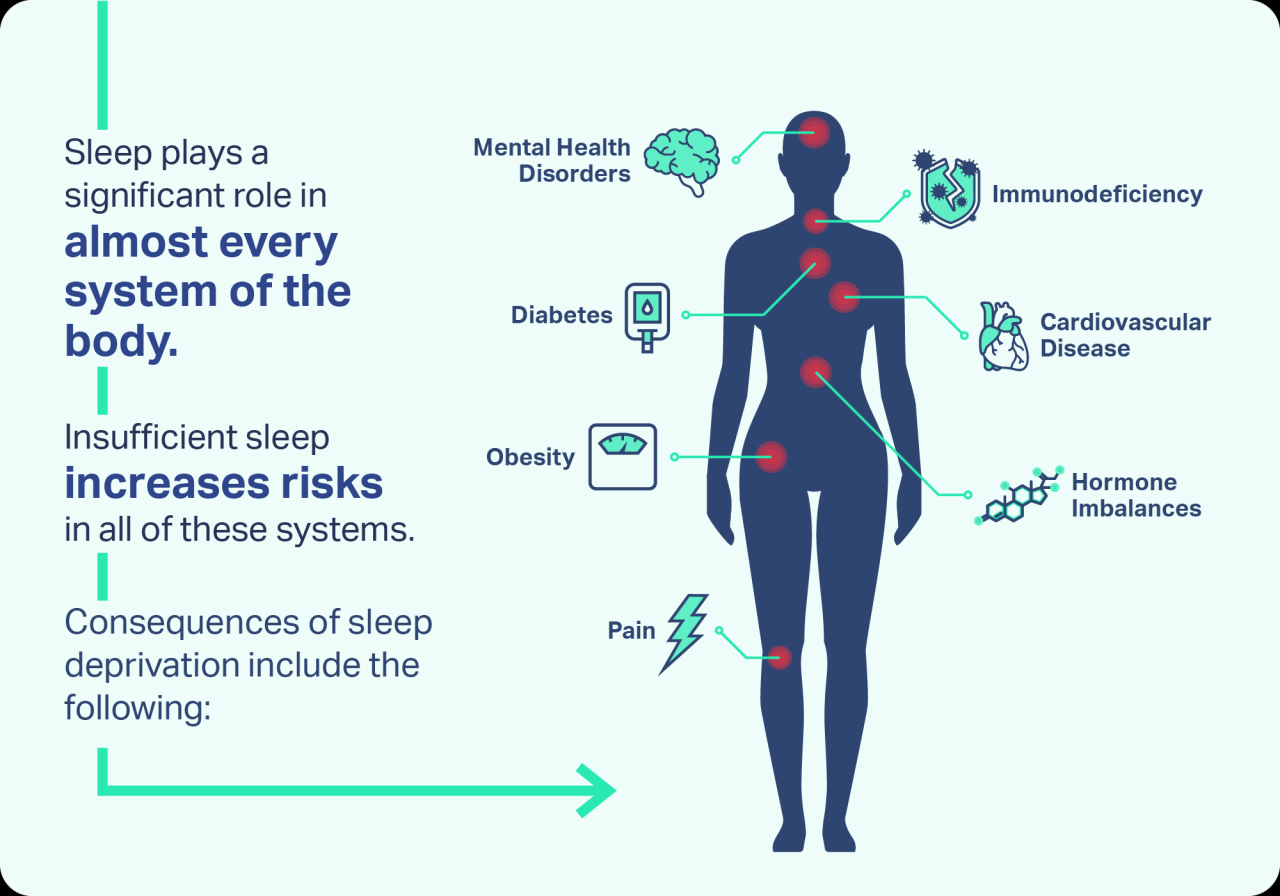
Sleep deprivation has become a prevalent issue in modern society, affecting not just individuals but entire communities. As people struggle to balance work, family, and social obligations, sleep often becomes a low priority. This widespread lack of adequate rest can lead to significant societal consequences, particularly in terms of productivity levels and economic costs associated with health issues.
The impact of sleep deprivation on societal productivity levels is profound. Research indicates that insufficient sleep leads to decreased cognitive function, impaired decision-making, and lower efficiency in tasks. According to a study published in the journal *Sleep*, individuals lacking adequate sleep can experience productivity losses equivalent to 1.2 million workers in the United States alone. This loss can be attributed to increased absenteeism, decreased performance quality, and higher error rates in various sectors. The ripple effect of these issues can hinder organizational growth and innovation, ultimately affecting the economy at large.
Economic costs of sleep-related health issues
The financial implications of sleep deprivation extend beyond lost productivity. Sleep-related health problems, such as obesity, diabetes, and cardiovascular diseases, contribute to elevated healthcare costs. In the U.S., the economic burden of insufficient sleep is estimated to be around $411 billion annually, factoring in healthcare expenses, lost productivity, and increased safety incidents. Employers may see higher insurance premiums due to the increased health risks associated with sleep deprivation.
To illustrate the economic impact further, a report by the CDC highlights that insufficient sleep costs the U.S. around $28 billion in lost productivity due to absenteeism alone. Workplaces are increasingly recognizing the need for policies promoting better sleep hygiene, as investing in employee well-being can yield substantial returns through improved morale and productivity.
Raising awareness about the importance of adequate sleep is crucial for fostering healthier communities. Local initiatives could include educational campaigns that emphasize the significance of sleep for overall well-being. Schools and workplaces can host workshops that provide information on sleep hygiene, while community health fairs can offer resources to promote better sleep habits. Additionally, engaging social media campaigns can help reach broader audiences, encouraging conversations about sleep and its importance.
“Sleep is not an option; it is a necessity for maintaining optimal health.”
Communities can also collaborate with healthcare providers to create programs focused on sleep education, which can further empower individuals to prioritize their rest. By addressing sleep deprivation collectively, society can enhance overall health, productivity, and economic efficiency.
Ending Remarks
In conclusion, navigating the complexities of sleep-deprivation unveils the critical importance of prioritizing sleep in our lives. The effects ripple through our bodies and minds, impacting not just individual health but also societal productivity. By adopting better sleep practices and creating an environment conducive to rest, we can mitigate the risks associated with sleep loss. Now is the time to take control of our sleep habits and invest in a healthier future.
General Inquiries
How many hours of sleep do adults need?
Most adults require between 7 to 9 hours of sleep per night for optimal health.
Can sleep deprivation affect my immune system?
Yes, chronic sleep deprivation can weaken your immune system, making you more susceptible to illnesses.
Is it possible to catch up on sleep?
While you can recover some sleep debt, consistent sleep deprivation can lead to long-term health issues.
What are some signs of sleep deprivation?
Common signs include fatigue, irritability, difficulty concentrating, and mood swings.
Can naps help with sleep deprivation?
Yes, short naps can help alleviate some effects of sleep deprivation, but they shouldn’t replace a full night’s sleep.