
 Caroline Sarah
Sleep apnea, a common yet often overlooked sleep disorder, disrupts the natural rhythm of breathing during sleep. It creates a cycle of interruptions that can lead to serious health issues if left untreated. This condition affects millions, yet many are unaware they suffer from it. Understanding the mechanisms behind sleep apnea and its various forms is crucial to recognizing its symptoms and seeking effective treatment.
As we delve deeper, we will explore the physiological processes that lead to sleep apnea, the symptoms and risk factors that accompany it, and the numerous types that exist. Additionally, we will discuss the implications of sleep apnea on overall health and the available diagnostic methods. By examining treatment options and lifestyle modifications, we aim to equip readers with the knowledge needed to address this pervasive condition.
Understanding the physiological mechanisms of sleep apnea
Sleep apnea is a complex sleep disorder characterized by repeated interruptions in breathing during sleep. This condition leads to decreased oxygen levels and disrupted sleep patterns, significantly impacting overall health. Understanding the biological processes involved in sleep apnea is crucial to grasping how it affects respiratory function during sleep and the role of the brain in regulating these processes.
The physiological basis of sleep apnea involves both mechanical and neurogenic factors. During sleep, especially in rapid eye movement (REM) sleep, the muscles in the throat relax, which can cause a narrowing or complete closure of the upper airway. This obstruction is often exacerbated by anatomical traits, such as a thick neck, large tonsils, or a recessed jaw. When the airway is blocked, the brain senses a drop in oxygen levels, triggering a series of biological responses. Typically, an individual will partially awaken to resume breathing, often without full consciousness, which disrupts the sleep cycle.
Effects on respiratory function during sleep
The impact of sleep apnea on respiratory function is profound. As the airway becomes obstructed, the body experiences apneic events—periods of halted breathing that can last from a few seconds to minutes. The interruptions lead to significant drops in blood oxygen saturation levels, often resulting in hypoxia. This condition puts additional strain on the cardiovascular system, as the heart must work harder to pump oxygenated blood to vital organs.
The repetitive nature of these apneic events leads to fragmented sleep, preventing individuals from reaching the deeper stages of restorative sleep. As a result, a state of chronic sleep deprivation can occur, leading to daytime fatigue, decreased cognitive function, and increased risk for various health issues, such as hypertension, diabetes, and cardiovascular diseases.
The brain plays a crucial role in regulating sleep and breathing patterns. The brainstem houses centers responsible for autonomic functions, including those that control breathing. During sleep, these centers respond to rising carbon dioxide levels and falling oxygen levels by signaling the body to wake briefly and resume normal breathing. This neural regulatory mechanism is vital for maintaining homeostasis but can become maladaptive in sleep apnea. The frequent awakenings disrupt the natural sleep architecture, leading to insufficient restorative sleep and further complicating the individual’s health profile.
In summary, the physiological mechanisms of sleep apnea encompass a complex interplay of anatomical, respiratory, and neurological factors that significantly affect a person’s overall health and quality of life. Understanding these processes provides insight into the importance of early detection and intervention in managing sleep apnea effectively.
Identifying common symptoms and risk factors of sleep apnea
Sleep apnea is a serious medical condition characterized by repeated interruptions in breathing during sleep. Identifying its symptoms and risk factors is crucial for early detection and effective management. Individuals living with sleep apnea often experience a range of symptoms that can significantly impact their daily life and overall health.
The primary symptoms of sleep apnea generally include loud snoring, gasping or choking during sleep, and excessive daytime sleepiness. Many people may not even be aware of their own snoring or breathing interruptions, making it essential for partners or family members to observe these signs. Individuals may also experience morning headaches, difficulty concentrating, irritability, and mood swings. In some cases, they might suffer from high blood pressure, which can develop over time as a result of the condition.
Furthermore, sleep apnea symptoms can vary based on age and gender. For instance, men are statistically more likely to suffer from sleep apnea than women, at least until women reach menopause. After menopause, the risk for women increases, often bringing them to similar levels as men. Children can also be affected, experiencing symptoms like restless sleep, behavioral issues, and poor academic performance due to fatigue.
Demographic and lifestyle-related risk factors
A variety of demographic and lifestyle-related factors contribute to the development of sleep apnea. Understanding these can help in identifying individuals who may be at higher risk. Key risk factors include:
- Age: Sleep apnea is more common in older adults, particularly those over the age of 50.
- Obesity: Excess body weight, particularly around the neck, can contribute to airway obstruction during sleep.
- Gender: Men are more likely to develop sleep apnea compared to women, although this gap narrows after menopause.
- Family History: A family history of sleep apnea can increase the likelihood of developing the condition.
- Smoking: Tobacco use can increase inflammation and fluid retention in the upper airway.
- Alcohol and Sedatives: Consumption of alcohol or sedative medications can relax throat muscles, exacerbating the condition.
Understanding these risk factors is vital, as they can guide individuals toward lifestyle changes that may reduce their chances of developing sleep apnea.
Overall, the interplay of age, weight, gender, and lifestyle choices plays a significant role in both the likelihood of developing sleep apnea and the severity of its symptoms. By recognizing these patterns, individuals can seek medical advice and take proactive steps toward better sleep health.
Exploring the various types of sleep apnea and their characteristics
Sleep apnea is a sleep disorder characterized by repeated interruptions in breathing during sleep. It affects millions of people worldwide and can lead to serious health complications if left untreated. Understanding the different types of sleep apnea is essential for effective diagnosis and treatment. There are three main types: obstructive sleep apnea (OSA), central sleep apnea (CSA), and complex sleep apnea syndrome, which is a combination of the two. Each type has distinct characteristics, causes, and diagnostic methods.
Types of Sleep Apnea
The three primary types of sleep apnea—obstructive, central, and complex—serve as a framework for understanding the disorder’s nuances. Each type is characterized by specific features and underlying causes, which can influence treatment options.
- Obstructive Sleep Apnea (OSA): This is the most common form, where the throat muscles intermittently relax and block the airway during sleep. Characteristics include loud snoring, choking or gasping during sleep, and excessive daytime sleepiness. OSA is often associated with obesity, enlarged tonsils, or anatomical issues in the throat. The diagnosis typically involves a sleep study (polysomnography) to monitor breathing patterns and oxygen levels.
- Central Sleep Apnea (CSA): In contrast to OSA, CSA occurs when the brain fails to send proper signals to the muscles that control breathing. This type is less common and may be linked to medical conditions such as heart failure or stroke. Unique characteristics include pauses in breathing without accompanying airway obstruction. Diagnosis often involves a comprehensive evaluation, including a sleep study and neurological assessment, to identify any underlying conditions affecting the brain’s respiratory control.
- Complex Sleep Apnea Syndrome: Also known as treatment-emergent central sleep apnea, this condition features a combination of obstructive and central apnea. Patients initially diagnosed with OSA may continue to experience breathing interruptions even after treatment with CPAP (Continuous Positive Airway Pressure). The diagnosis is complex and requires careful monitoring during sleep studies to differentiate the types of apneas and assess treatment efficacy.
Understanding these types is crucial for clinicians and patients alike. Accurate diagnosis not only aids in selecting the appropriate treatment but also helps prevent potential complications associated with untreated sleep apnea. Each type presents unique challenges, requiring tailored approaches to management and care.
Analyzing the impact of sleep apnea on overall health and well-being
Sleep apnea is more than just a nighttime nuisance; it poses serious long-term health consequences if left untreated. This condition disrupts normal breathing during sleep, leading to reduced oxygen levels and fragmented sleep. As a result, the overall health and well-being of individuals with sleep apnea can significantly deteriorate, creating a cascade of effects that extend beyond the bedroom.
The long-term health consequences associated with untreated sleep apnea are profound. Individuals may face a higher risk of cardiovascular issues, including hypertension, heart disease, and stroke. Research has shown that the intermittent hypoxia caused by sleep apnea can lead to increased arterial stiffness and inflammation, both of which are risk factors for heart-related conditions. Moreover, untreated sleep apnea has been linked to metabolic disorders, such as insulin resistance and type 2 diabetes. The relationship between sleep apnea and obesity is cyclical; increased weight can exacerbate sleep apnea, while poor sleep can contribute to weight gain, creating a challenging cycle that is hard to break.
Influence on Mental Health and Daily Functioning
Sleep apnea does not only affect physical health but also has significant implications for mental health. The constant fatigue and sleep deprivation that result from this disorder can lead to feelings of irritability, anxiety, and depression. Individuals may find it challenging to concentrate and perform daily tasks, which can impact their work and personal life.
For a deeper understanding of the mental health impacts, consider the following points:
- Increased Risk of Depression: Studies have shown that approximately 30-50% of individuals with sleep apnea may experience depressive symptoms, largely due to disrupted sleep patterns.
- Impaired Cognitive Function: Lack of restorative sleep can lead to difficulties with memory, attention, and decision-making. This cognitive impairment can hinder professional performance and everyday activities.
- Higher Anxiety Levels: The unpredictability of sleep quality can contribute to heightened anxiety levels, making it difficult for individuals to relax or engage in social interactions.
Additionally, the prevalence of comorbidities related to sleep apnea underscores its overarching impact on health. Data indicates that individuals with sleep apnea are:
- Two to four times more likely to develop cardiovascular diseases compared to those without sleep apnea.
- At a higher risk for developing type 2 diabetes, with studies showing that nearly 50% of sleep apnea patients are also diagnosed with this condition.
- More prone to experience liver problems, including fatty liver disease, as sleep apnea can exacerbate liver dysfunction.
“The relationship between sleep apnea and comorbid conditions highlights the critical need for diagnosis and treatment to mitigate long-term health risks.”
The interplay of these conditions not only reinforces the importance of addressing sleep apnea but also illustrates the cascading effects on an individual’s overall health. Untreated sleep apnea can lead to a decline in quality of life, affecting both physical capabilities and emotional stability. Addressing sleep apnea through effective treatment strategies can have a considerable impact on improving overall well-being and reducing the risk of associated health problems.
Reviewing diagnostic methods and procedures for sleep apnea
The diagnosis of sleep apnea involves a comprehensive assessment that includes various tests and procedures tailored to evaluate the patient’s sleep patterns and breathing. These methods aim to identify the presence and severity of the condition, guiding effective treatment options. Accurate diagnosis is crucial as untreated sleep apnea can lead to serious health complications.
One of the primary tools in diagnosing sleep apnea is polysomnography, commonly referred to as a sleep study. This comprehensive test is typically conducted in a specialized sleep center, where patients are monitored overnight while sleeping. During polysomnography, several physiological parameters are recorded, including brain activity, eye movements, heart rate, respiratory effort, oxygen saturation levels, and airflow. This extensive data collection allows healthcare providers to observe sleep stages, identify abnormal breathing patterns, and assess any disruptions in sleep quality.
Role of Polysomnography in Diagnosis
Polysomnography is considered the gold standard for sleep apnea diagnosis. Here are the main components that are assessed during this procedure:
-
Electroencephalogram (EEG):
Measures brain wave activity to determine sleep stages.
-
Electromyogram (EMG):
Records muscle activity, particularly in the chin and legs, to monitor movements during sleep.
-
Electrocardiogram (ECG):
Monitors heart rhythm and rate to detect any cardiovascular issues.
-
Respiratory monitoring:
Tracks airflow and respiratory effort to identify any apneas or hypopneas.
-
Oximetry:
Measures oxygen levels in the blood to assess the impact of breathing interruptions.
Through these measurements, polysomnography can confirm the diagnosis of obstructive sleep apnea, central sleep apnea, or complex sleep apnea syndrome.
Advancements in Portable Monitoring Devices
The emergence of portable monitoring devices has revolutionized the diagnostic landscape of sleep apnea, particularly for patients who may not have access to sleep labs or prefer the comfort of home testing. These devices are smaller, user-friendly, and designed to measure key parameters similar to those recorded in polysomnography, but in a less invasive manner.
Portable monitors typically measure:
-
Oxygen saturation levels:
Through a fingertip oximeter to assess respiratory efficiency.
-
Heart rate variability:
To track cardiovascular health during sleep.
-
Airflow:
Often using a nasal cannula or thermistor to detect breathing interruptions.
-
Respiratory effort:
Measured using belts placed around the chest and abdomen.
While portable monitoring can provide a preliminary assessment and is especially beneficial for diagnosing moderate to severe obstructive sleep apnea, it may not capture all the complexities of a full polysomnography study. Thus, the choice between these methods often depends on the severity of symptoms and the clinical judgment of healthcare providers, ensuring that the diagnostic process remains tailored to individual patient needs.
Evaluating treatment options available for sleep apnea
Sleep apnea is a significant sleep disorder that disrupts normal breathing during sleep, leading to various health complications. Evaluating the treatment options is crucial for managing this condition effectively. The available treatments can be categorized into non-invasive and invasive methods, each with its benefits and drawbacks. Understanding these options can help patients make informed decisions about their care.
Treatment Modalities for Sleep Apnea
There are several treatment modalities for sleep apnea, which can be broadly divided into non-invasive and invasive methods.
Non-invasive Treatments:
These methods are often the first line of defense and include:
- Continuous Positive Airway Pressure (CPAP): This device delivers a steady stream of air through a mask, keeping the airway open during sleep. It is highly effective, with studies showing that over 70% of users experience significant relief from symptoms.
- Oral Appliances: Custom-fitted devices that reposition the jaw and tongue to keep the airway open. They are particularly useful for patients with mild to moderate sleep apnea and are easier to use than CPAP machines.
- Lifestyle Changes: Implementing weight loss, regular exercise, and avoiding alcohol and sedatives can significantly reduce sleep apnea symptoms for some individuals. These changes can decrease the severity of the condition and improve overall health.
Invasive Treatments:
For those who do not respond to non-invasive treatments, surgical options may be considered:
- Uvulopalatopharyngoplasty (UPPP): This surgical procedure removes excess tissue from the throat to widen the airway. While effective for some, it may involve a longer recovery time and potential complications.
- Maxillomandibular Advancement (MMA): This surgery involves repositioning the upper and lower jaw to increase the size of the airway. It is often recommended for patients with severe cases of sleep apnea, particularly those with jaw abnormalities.
- Genioglossus Advancement (GA): This procedure repositions the tongue muscle attachment to prevent airway collapse during sleep. It can be effective when combined with other treatments.
Lifestyle Changes and Their Effectiveness
Lifestyle changes play a pivotal role in managing sleep apnea symptoms. Weight loss has shown remarkable benefits, as even a modest reduction in weight can lead to significant improvements in airway obstruction. Regular exercise can enhance sleep quality and overall health, further aiding in the reduction of sleep apnea severity.
Avoiding alcohol and sedatives is essential since these substances can relax throat muscles, exacerbating the condition. Establishing a consistent sleep routine and sleeping on one’s side rather than the back can also help reduce symptoms.
Implementing lifestyle changes can lead to substantial improvements in sleep apnea symptoms, sometimes eliminating the need for more invasive treatments.
Comparative Overview of Treatment Options
A comprehensive understanding of the pros and cons of various treatment options allows patients to make informed decisions regarding their treatment plan. Below is a comparative table showcasing the different options:
| Treatment Option | Pros | Cons |
|---|---|---|
| CPAP | Highly effective; non-invasive; improves sleep quality | Can be uncomfortable; requires regular maintenance |
| Oral Appliances | Easy to use; portable; less intrusive | May not be effective for severe cases; needs regular adjustment |
| Lifestyle Changes | Natural; no side effects; promotes overall health | Requires commitment; may take time to see results |
| UPPP | Can provide long-term relief; effective for certain cases | Surgical risks; longer recovery; not guaranteed to work |
| MMA | Significant improvement for severe cases; addresses structural issues | Invasive; extensive recovery time; higher cost |
| GA | Less invasive than other surgeries; can improve airway function | Not always effective; may need to be combined with other treatments |
Investigating lifestyle modifications that can help mitigate sleep apnea symptoms
Adopting certain lifestyle modifications can significantly alleviate the symptoms associated with sleep apnea. Sleep apnea is a condition that affects numerous individuals, leading to disrupted sleep and various health complications. By making conscious changes in daily routines and habits, individuals can improve their overall sleep quality and reduce the severity of sleep apnea. Here are some practical lifestyle changes that can help.
Weight Management and Physical Activity
Maintaining a healthy weight is crucial in managing sleep apnea symptoms. Excess weight, particularly around the neck, can contribute to airway obstruction during sleep. Studies indicate that even a modest weight loss of 5-10% can lead to significant improvements in sleep apnea severity. Incorporating regular physical activity into daily routines not only aids in weight management but also enhances overall health. Engaging in aerobic exercises such as walking, swimming, or cycling can boost cardiovascular health and improve sleep quality.
For individuals struggling with weight management, the following strategies can be beneficial:
- Setting realistic weight loss goals, ideally working towards gradual changes rather than drastic shifts.
- Incorporating strength training exercises at least twice a week to build muscle and increase metabolism.
- Consulting a healthcare provider or nutritionist to develop a personalized diet plan that emphasizes whole foods and minimizes processed items.
- Monitoring caloric intake through food diaries or mobile apps to maintain awareness of eating habits.
“A healthy lifestyle not only promotes better sleep but can also significantly reduce the symptoms of sleep apnea.”
Sleep Hygiene Practices
Establishing good sleep hygiene is essential for improving sleep quality and mitigating sleep apnea symptoms. Sleep hygiene refers to a series of habits and practices that promote consistent, uninterrupted sleep. Adopting these practices can create an optimal sleep environment and bolster the body’s natural sleep-wake cycle.
To enhance sleep hygiene, consider the following practices:
- Maintaining a regular sleep schedule by going to bed and waking up at the same time every day, even on weekends.
- Creating a comfortable sleep environment by ensuring the bedroom is dark, quiet, and at a comfortable temperature.
- Avoiding large meals, caffeine, and alcohol close to bedtime, as these can disrupt sleep patterns.
- Engaging in relaxing activities before bed, such as reading, gentle yoga, or meditation, to promote relaxation and mental clarity.
By focusing on weight management, physical activity, and sleep hygiene, individuals can take proactive steps to mitigate the impact of sleep apnea on their lives and improve their overall well-being.
Describing the importance of ongoing research and developments in sleep apnea
Ongoing research and developments in sleep apnea play a crucial role in enhancing our understanding of this condition and improving patient outcomes. With millions affected worldwide, the urgency for innovative solutions and effective therapies has never been greater. Researchers and medical professionals are continuously seeking ways to address the complexities of sleep apnea, leading to significant advancements in diagnosis, treatment, and management strategies.
Emerging trends in sleep apnea research are expanding our knowledge and capabilities in this field. One notable trend is the integration of machine learning and artificial intelligence in sleep study analysis. These technologies can sift through vast amounts of data collected from polysomnography and home sleep apnea tests, identifying patterns that may not be easily discernible to human analysts. As this technology evolves, it has the potential to revolutionize how sleep apnea is diagnosed and monitored.
New therapeutic approaches and technologies
The landscape of treatment options for sleep apnea is also witnessing groundbreaking advancements. Traditional CPAP therapy remains the standard, but researchers are exploring new devices and methods that may offer improved comfort and compliance.
One such approach is the development of adaptive servo-ventilation (ASV), which is designed to adjust airflow based on real-time analysis of the patient’s breathing patterns. This personalized approach has shown promise in treating central sleep apnea and may offer a more tailored treatment experience.
Additionally, advancements in oral appliance therapy are gaining traction. These devices are custom-fitted to help keep the airway open during sleep and have been shown to be effective for many patients, especially those with mild to moderate obstructive sleep apnea. Recent studies are investigating the long-term efficacy of these appliances and their impact on overall health.
Current clinical trials are pivotal in uncovering new insights about sleep apnea. These trials often focus on innovative interventions, such as pharmacological treatments that target the underlying mechanisms of apnea episodes. For example, one ongoing trial is assessing the efficacy of a novel medication that may reduce the frequency of apneic events by enhancing respiratory drive during sleep.
Moreover, trials are also exploring the integration of telemedicine in sleep apnea management, allowing for remote monitoring and follow-up care. This not only increases access to care but also provides valuable data on the effectiveness of treatments over time.
In summary, the ongoing research and developments in sleep apnea are vital for improving patient care and treatment outcomes. The exploration of new technologies and therapies, alongside active clinical trials, represents a promising future for those affected by this condition.
Closure
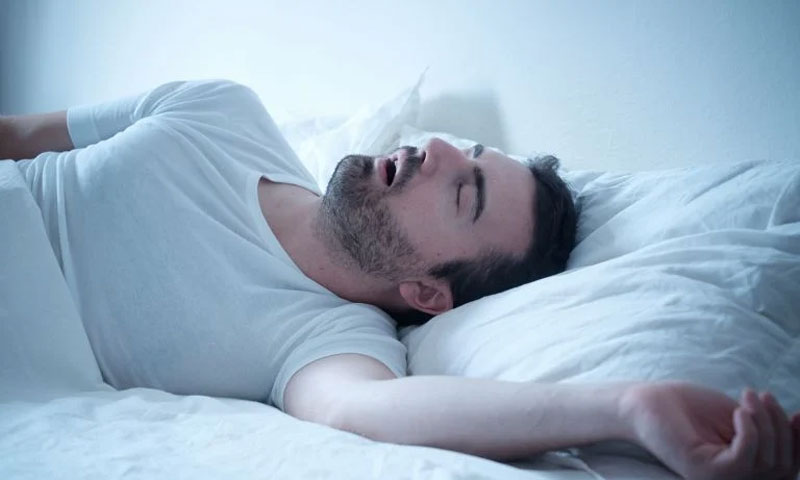
In conclusion, recognizing and addressing sleep apnea is essential for maintaining overall health and well-being. This disorder can significantly impact quality of life, but with the right knowledge and resources, individuals can take proactive steps towards management and treatment. The ongoing research and innovations in this field promise to enhance understanding and improve outcomes for those affected by sleep apnea.
Frequently Asked Questions
What are the main causes of sleep apnea?
The primary causes include obstruction of the airways, neurological issues, and obesity, among other factors.
Can sleep apnea be cured?
While there is no definitive cure, effective management and treatment options can significantly reduce symptoms and improve quality of life.
How can I tell if I have sleep apnea?
Common signs include loud snoring, gasping for air during sleep, excessive daytime sleepiness, and difficulty concentrating.
Is sleep apnea more common in certain demographics?
Yes, it is more prevalent in men, older adults, and those with certain lifestyle factors such as obesity and smoking.
What lifestyle changes can help manage sleep apnea?
Weight loss, regular exercise, avoiding alcohol, and maintaining good sleep hygiene can greatly alleviate symptoms.