 Caroline Sarah
Snoring relief is a topic that resonates with many people, whether they are the ones snoring or the partners trying to sleep through it. Understanding the multifaceted causes of snoring can not only improve sleep quality but also enhance relationships. By exploring various physiological and lifestyle factors, we can uncover effective solutions that lead to quieter nights and more restful slumber.
From nasal obstructions to lifestyle habits, there are numerous elements that contribute to snoring. The good news is that many of these factors can be modified or treated, paving the way for a healthier sleep experience. This discussion will delve into practical changes, home remedies, devices, and medical treatments to help individuals find relief and regain peaceful nights.
Understanding the Causes of Snoring

Snoring is a common yet often overlooked issue that affects millions of people worldwide. It occurs when airflow through the mouth and nose is partially obstructed during sleep, leading to the distinctive sound. Various physiological and lifestyle factors contribute to snoring, ranging from anatomical features to everyday habits that can worsen the condition. Understanding these causes is vital for identifying effective relief options.
Physiological factors play a significant role in snoring. One of the primary contributors is the anatomy of the mouth and throat. Individuals with thick soft palates, elongated uvulas, or enlarged tonsils and adenoids are more likely to snore. Additionally, age-related changes can lead to reduced muscle tone in the throat, increasing the likelihood of airway obstruction. Lifestyle choices such as alcohol consumption, smoking, and obesity also greatly affect snoring. Alcohol relaxes the muscles in the throat, while smoking irritates the airway and can lead to inflammation. Obesity contributes to excess fatty tissue around the neck, which can narrow the airway and exacerbate snoring.
Nasal Obstructions and Sleep Quality
Nasal obstructions significantly impact sleep quality and contribute to snoring. Conditions such as nasal polyps, deviated septum, or chronic sinusitis can block airflow through the nasal passages, forcing individuals to breathe through their mouths during sleep. This shift in breathing patterns can lead to increased vibrations of the throat tissues, heightening the chances of snoring. Furthermore, allergies can cause inflammation and congestion in the nasal passages, further complicating breathing.
Certain health conditions can exacerbate snoring. Sleep apnea, a serious disorder characterized by repeated interruptions in breathing during sleep, is one of the most significant contributors. Individuals with sleep apnea often snore loudly and may experience gasping or choking sensations during the night. Other conditions, such as hypothyroidism, can also lead to weight gain and increased tissue around the neck, further narrowing the airway. Identifying and addressing these health issues is crucial not only for reducing snoring but also for improving overall sleep quality and health.
Lifestyle Changes to Reduce Snoring
Snoring is a common issue that can affect not just the snorer, but also their sleep partners. Making certain lifestyle changes can significantly reduce the occurrence of snoring, leading to better sleep quality for everyone involved. This section will explore specific habits that can be modified, the importance of maintaining a healthy weight, and how substances like alcohol and tobacco play a crucial role in snoring patterns.
Habits to Modify for Better Sleep
Certain daily habits can contribute to snoring. By making conscious choices, individuals can reduce the likelihood of nighttime snoring. Below is a list of habits worth considering:
- Sleep Position: Sleeping on one’s back can lead to the tongue falling back into the throat, narrowing the airway. Opting for side sleeping can alleviate this issue.
- Regular Sleep Schedule: Going to bed and waking up at the same time each day can help regulate the body’s sleep patterns, ensuring deeper sleep and potentially reducing snoring.
- Stay Hydrated: Keeping the throat moist by drinking enough fluids can prevent the airway from becoming sticky, which might reduce snoring.
- Use Humidifiers: Dry air can irritate the throat and nasal membranes. Using a humidifier can add moisture to the air, helping to alleviate snoring.
Importance of Maintaining a Healthy Weight
Weight plays a significant role in snoring patterns. Excess body weight, particularly around the neck, can increase the likelihood of snoring due to the added pressure on the throat. This pressure can cause the airway to become partially blocked during sleep. Maintaining a healthy weight may involve a balanced diet and regular exercise.
Studies show that even a modest weight loss can reduce snoring severity by several decibels.
Effects of Alcohol and Tobacco on Snoring
The consumption of alcohol and tobacco has been shown to exacerbate snoring. Alcohol relaxes the muscles in the throat, increasing the chances of airway obstruction during sleep. Even small amounts can lead to an increase in snoring intensity.
Tobacco use can lead to inflammation of the airway and respiratory tract, further aggravating the snoring condition. Quitting smoking not only benefits overall health but can also lead to a noticeable decrease in snoring.
Research indicates that individuals who quit smoking experience a significant reduction in snoring within a few weeks.
Home Remedies for Snoring Relief
Snoring can disrupt not only your sleep but also that of your partner, leading to fatigue and irritability. Fortunately, several effective home remedies can help alleviate this common issue. These remedies often utilize natural ingredients and methods that promote clearer airways and better sleep quality.
Various natural ingredients are known for their potential benefits in reducing snoring. By incorporating these into your daily routine, you can create an environment conducive to restful sleep. Below are some effective natural remedies and their applications.
Natural Ingredients for Snoring Relief
Understanding the properties of specific natural ingredients can empower individuals to tackle snoring effectively. Here’s a list of ingredients along with their uses:
- Honey: Known for its soothing properties, honey can reduce inflammation in the throat. Consume one tablespoon before bed to promote smoother breathing.
- Peppermint: This aromatic herb can help open nasal passages. Drinking peppermint tea or inhaling steam infused with peppermint oil before sleep can be beneficial.
- Ginger: Ginger acts as a natural decongestant and can help clear your airways. Try adding fresh ginger to tea or meals to gain its benefits.
- Turmeric: This spice has anti-inflammatory properties. Mixing turmeric powder with warm milk and consuming it before bed can help soothe the throat.
- Garlic: Garlic can reduce inflammation in the throat and nose. Including raw garlic in your meals or consuming it in a tea can help alleviate snoring.
Calming Nighttime Routine for Better Sleep
Establishing a calming nighttime routine can significantly impact sleep quality and reduce the likelihood of snoring. Here’s a step-by-step guide to creating an effective bedtime routine:
- Set a Consistent Sleep Schedule: Aim to go to bed and wake up at the same time every day to regulate your body’s internal clock.
- Create a Relaxing Environment: Ensure your bedroom is dark, quiet, and cool. Use blackout curtains, earplugs, or a white noise machine if necessary.
- Wind Down: Spend the last hour before bed engaging in calming activities, such as reading a book or practicing gentle yoga.
- Avoid Screens: Reduce exposure to screens from phones, tablets, and TVs at least 30 minutes before bedtime to promote melatonin production.
- Practice Deep Breathing: Incorporate deep breathing exercises or meditation to help ease tension and prepare your body for sleep.
“Creating a calming nighttime routine not only enhances your sleep quality but also helps reduce snoring by promoting relaxation and proper breathing.”
By integrating these home remedies and establishing a soothing bedtime routine, individuals can effectively combat snoring and enjoy a more restful night’s sleep.
Devices and Tools for Snoring Solutions
Snoring can be a disruptive issue not only for the person snoring but also for their partners and household members. Thankfully, there are various devices and tools designed to address this problem. Here, we will explore different options available on the market, examining their effectiveness and suitability for various individuals.
Comparison of Snoring Relief Devices
A wide range of devices exists to help alleviate snoring. Each type has its unique approach and effectiveness. Understanding these differences is crucial for finding the right solution.
- Nasal Strips: These adhesive strips are placed on the outside of the nose and work by physically opening the nostrils, allowing for easier airflow. They are non-invasive and simple to use.
- Mouthpieces: These custom-fitted devices are designed to reposition the jaw and tongue to keep the airway open. They require a dental consultation for fitting and can be more costly.
- Positional Therapy Products: These devices encourage users to sleep on their sides rather than their backs, which can help reduce snoring caused by airway obstruction.
Pros and Cons of Nasal Strips versus Mouthpieces
Each device type has its own advantages and disadvantages, which can influence a user’s experience and the effectiveness of the solution.
Choosing the right snoring relief device depends on individual preferences, underlying causes of snoring, and comfort levels.
- Pros of Nasal Strips:
- Non-invasive and easy to use.
- Affordable and widely available.
- No need for custom fitting or dental visits.
- Cons of Nasal Strips:
- May not be effective for all types of snoring, especially if the issue is related to the throat.
- Can cause skin irritation for some users.
- Temporary solution; must be used nightly.
- Pros of Mouthpieces:
- More effective for many users as they directly address throat obstruction.
- Custom-fitted for comfort and efficiency.
- Can be a long-term solution rather than a temporary fix.
- Cons of Mouthpieces:
- More expensive than nasal strips and usually require a dental visit.
- Some users may experience discomfort or jaw pain.
- Not suitable for individuals with certain dental issues.
Effectiveness of Positional Therapy Products
Positional therapy aims to modify the sleeping position of snorers, as sleeping on the back can exacerbate snoring by allowing the tongue and soft tissues at the back of the throat to collapse into the airway.
Using positional therapy products can significantly reduce snoring frequency, especially for those whose snoring is positional in nature.
Products designed for this purpose include specialized pillows that support side sleeping and wearable devices that gently nudge users to change their position during the night. Many users report a noticeable reduction in snoring when adopting these measures.
In conclusion, exploring the different types of snoring relief devices can empower individuals to make informed decisions about which solutions may work best for them. Each option has its own set of benefits and drawbacks, and often, a combination of methods may yield the best results for effective snoring relief.
Medical Treatments for Snoring
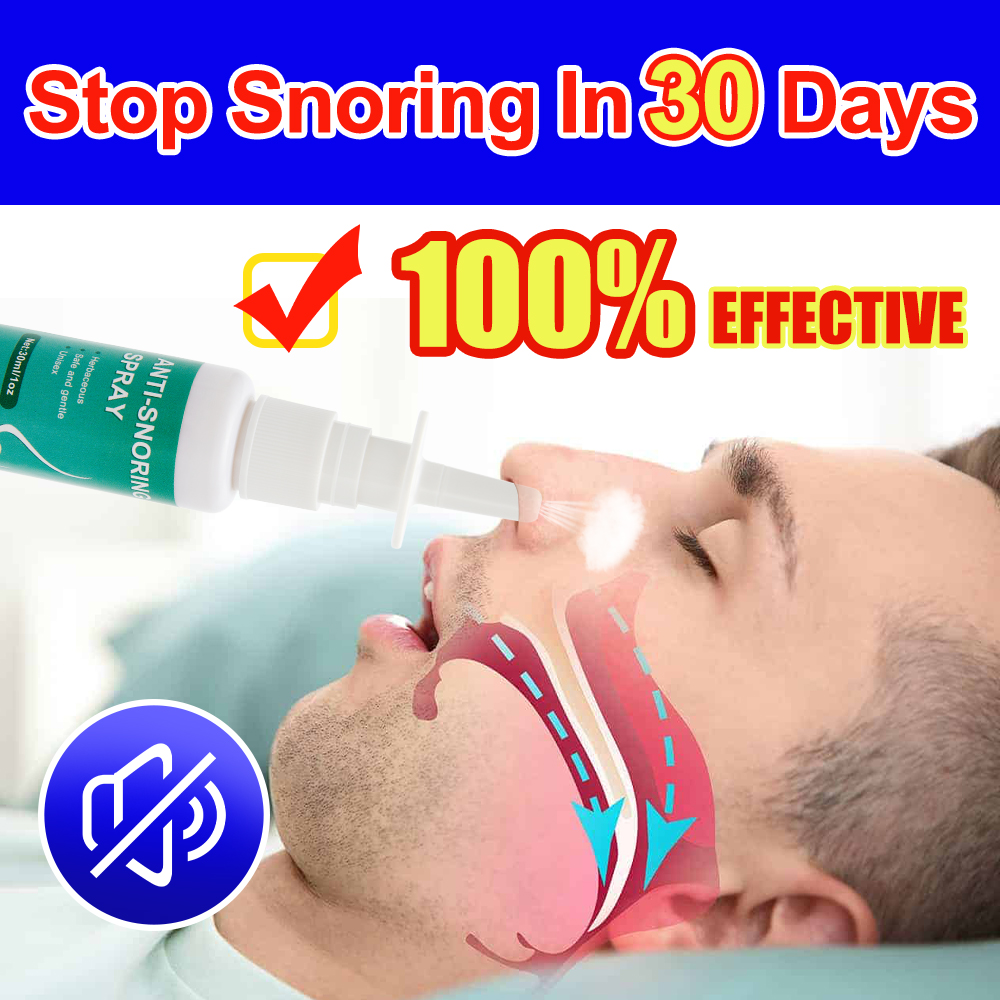
Chronic snoring can significantly impact quality of life, not just for the individual but also for their sleep partner. While lifestyle changes and home remedies can help some people, others may require medical interventions to address underlying issues. This section delves into various medical treatments available for chronic snoring, highlighting procedures performed by ENT specialists and the role of CPAP machines.
Medical Interventions for Chronic Snoring
Various medical interventions are designed to treat chronic snoring, especially when it results from anatomical issues. These treatments often focus on correcting structural problems in the airway. Here are some common medical options:
- Laser-assisted uvulopalatoplasty (LAUP): This outpatient procedure involves using a laser to remove excess tissue from the throat, which can lead to snoring. The goal is to tighten the soft palate and reduce vibrations that cause noise during sleep.
- Somnoplasty: A minimally invasive procedure where radiofrequency energy is applied to the soft palate to shrink tissue. This helps to open the airway and reduce snoring without significant discomfort or downtime.
- Septoplasty: This surgical intervention corrects a deviated septum, which can block airflow through the nasal passages. By improving airflow, snoring may be reduced or eliminated.
ENT Specialist Procedures for Structural Issues
When snoring is linked to structural issues, ENT specialists can conduct a range of procedures to correct anatomical problems within the airway. The following treatments often address common causes of obstructive sleep apnea (OSA) and snoring:
- Turbinate reduction: Enlarged turbinates can obstruct airflow in the nasal passages. This procedure reduces the size of the turbinates, facilitating better airflow and reducing snoring.
- Adenoidectomy: Removing enlarged adenoids can dramatically improve airflow in children, who often snore due to this condition.
- Uvulopalatopharyngoplasty (UPPP): This extensive surgery involves the removal of excess tissue from the throat, including the uvula and soft palate, to widen the airway and alleviate snoring.
Role of CPAP Machines in Treating Snoring
Continuous Positive Airway Pressure (CPAP) machines are widely recognized as an effective treatment for obstructive sleep apnea, which is often associated with chronic snoring. A CPAP machine works by delivering a steady stream of air through a mask worn during sleep, which keeps the airway open.
CPAP therapy not only reduces snoring but also helps prevent serious health issues linked to sleep apnea, such as cardiovascular disease and daytime fatigue.
The effectiveness of CPAP can be life-changing for those suffering from OSA. Patients often report improved sleep quality, reduced snoring, and increased energy levels during the day. Adherence to therapy is crucial, and many modern CPAP machines come equipped with features like data tracking and quiet operation, making them more user-friendly and effective.
The Connection Between Snoring and Sleep Apnea
Snoring is not just an annoying habit; it can indicate a more serious health issue known as sleep apnea. Understanding the relationship between these two conditions is crucial for anyone experiencing disrupted sleep or excessive daytime fatigue. This section delves into how snoring relates to sleep apnea, the symptoms of each, and the health risks associated with untreated sleep apnea.
The correlation between snoring and sleep apnea lies in the way both conditions affect breathing during sleep. Snoring occurs when airflow is partially obstructed in the throat, leading to vibrations of the throat tissues. Sleep apnea, particularly obstructive sleep apnea (OSA), is a more severe condition where breathing repeatedly stops and starts during sleep, often accompanied by loud snoring.
Symptoms of Snoring and Sleep Apnea
Identifying the symptoms is essential for distinguishing between simple snoring and sleep apnea. While snoring can occur on its own, it often coexists with sleep apnea. The following points highlight the symptoms associated with each condition:
- Snoring: Commonly loud and may vary in intensity. It is often more noticeable to partners or family members rather than the person snoring.
- Sleep Apnea: Characterized by episodes of gasping or choking during sleep, excessive daytime sleepiness, difficulty concentrating, morning headaches, and irritability.
Recognizing these symptoms is vital, as untreated sleep apnea poses significant health risks.
Health Risks of Untreated Sleep Apnea
Untreated sleep apnea can lead to various health complications that affect overall wellbeing. The risks associated with ignoring sleep apnea symptoms include:
- Cardiovascular Issues: Increased risk of high blood pressure, heart attack, and stroke due to the strain sleep apnea puts on the heart.
- Metabolic Disturbances: Potential for obesity and type 2 diabetes, as sleep apnea can disrupt insulin regulation.
- Mental Health Problems: Higher likelihood of experiencing depression and anxiety due to disrupted sleep patterns and fatigue.
These health implications highlight the importance of addressing sleep apnea promptly to prevent long-term damage.
When to Seek Professional Help
Understanding when to consult a healthcare professional regarding snoring and sleep disturbances is crucial. Certain indicators suggest that an evaluation for sleep apnea is warranted:
- Persistent Snoring: If snoring continues despite lifestyle changes, it may be time to seek help.
- Daytime Sleepiness: Experiencing excessive sleepiness or fatigue during the day, even after a full night’s sleep, is a warning sign.
- Observed Breathing Interruptions: If a partner notices you stop breathing during sleep, it is imperative to seek medical advice.
Addressing these symptoms early can lead to effective treatment options and improved health outcomes. Sleep is an essential aspect of overall health, and understanding the connection between snoring and sleep apnea is the first step toward better sleep hygiene and wellbeing.
The Impact of Snoring on Relationships
Snoring is often seen as a mere nuisance, but its effects can ripple through relationships, creating tension and discomfort for couples. As sleep becomes disrupted, both partners may experience a decline in emotional well-being, which can lead to misunderstandings and conflict. Recognizing how snoring can affect relationships is the first step toward finding a solution that works for both partners.
When one partner snores, it can lead to a host of issues that affect the overall quality of the relationship. The partner who is kept awake may experience frustration, fatigue, and even resentment, which can strain emotional connections. This disruption often results in sleep deprivation, leading to mood swings and decreased patience. Over time, these factors can create a cycle of irritation and conflict, making it essential to address the issue openly and constructively.
Strategies for Communicating About Snoring Issues
Effective communication is crucial when addressing snoring issues with a partner. It’s important to approach the topic sensitively and avoid placing blame. Here are some strategies to facilitate this conversation:
- Choose the Right Time: Discuss the issue when both partners are calm and relaxed, rather than during a moment of frustration.
- Use “I” Statements: Express feelings using “I” statements to avoid sounding accusatory. For example, “I find it hard to sleep when there’s snoring” instead of “You snore and it keeps me awake.”
- Be Open and Honest: Share how snoring impacts both partners’ sleep and overall well-being, encouraging empathy and understanding.
- Invite Feedback: Allow the partner who snores to share their perspective, fostering a two-way conversation that can lead to collaborative solutions.
Tips for Couples to Manage Sleep Disruptions Caused by Snoring
Managing sleep disruptions caused by snoring can benefit both partners, leading to a healthier relationship. Here are some practical tips to consider:
- Sleep Positions: Encourage the snorer to sleep on their side, as this position can sometimes reduce snoring.
- Use of Nasal Strips: Nasal strips can help open nasal passages, reducing snoring for some individuals.
- Maintain a Sleep Routine: Establishing a consistent sleep schedule can help regulate sleep patterns and improve sleep quality.
- Consider Lifestyle Changes: Weight loss, reduced alcohol consumption, and quitting smoking can significantly decrease snoring for many people.
- Seek Professional Help: If snoring persists, consulting a doctor or sleep specialist may provide insights into underlying conditions and potential treatments.
Addressing snoring collaboratively can lead to a stronger bond and better sleep for both partners.
Latest Research and Innovations in Snoring Relief
Recent advancements in the field of sleep science have shed light on snoring, revealing both its underlying causes and innovative treatment options. Research continues to evolve, focusing on how lifestyle changes, medical devices, and emerging technologies can effectively address this common issue. As the understanding of snoring deepens, new solutions are being introduced that offer promise for millions of people seeking relief.
Ongoing studies have highlighted various factors contributing to snoring, such as anatomical structures, sleep position, and body weight. Researchers have also been exploring innovative treatment methods, aiming to provide customized solutions tailored to individual needs. The following section delves into some of the most exciting recent findings and technological developments in the realm of snoring relief.
Recent Findings in Snoring Research
Recent studies have identified significant correlations between snoring and various health conditions, leading to a more integrated approach in tackling the issue. Below are key findings from recent research:
- Impact of Sleep Apnea: Studies have reinforced the connection between snoring and obstructive sleep apnea (OSA), emphasizing the need for screening and intervention as snoring may be a warning sign of more serious health risks.
- Weight Management: Research has shown that weight loss can significantly reduce snoring in overweight individuals, highlighting the importance of maintaining a healthy body weight for sleep quality.
- Soft Tissue Surgery Innovations: New surgical techniques, such as palatal implants and laser-assisted uvulopalatoplasty, have been developed to decrease the severity of snoring by modifying throat structures.
Emerging Technologies for Snoring Monitoring
The rise of technology has introduced numerous applications and devices aimed at monitoring and reducing snoring. These innovations utilize advanced algorithms and data analytics to provide insights into sleep patterns. Here are some noteworthy developments:
- Smartphone Apps: Various apps are now available that track snoring sounds, provide feedback, and suggest lifestyle modifications based on individual sleep data.
- Wearable Sleep Trackers: Wearables that monitor sleep quality and disturbances offer real-time analysis, helping users identify triggers for their snoring.
- AI-Driven Solutions: Some newer devices utilize artificial intelligence to analyze sleep positions and provide gentle nudges to encourage better alignment, reducing the likelihood of snoring.
Future Directions in Snoring Relief Solutions
The future of snoring relief is promising, driven by ongoing research and technological advancements. The integration of artificial intelligence, personalized medicine, and telehealth solutions are shaping the next generation of treatments. Consider the following trends that are likely to influence the direction of snoring relief:
- Personalized Treatment Plans: With a greater understanding of individual anatomy and sleep behaviors, treatments are moving towards customization to better suit personal needs.
- Telemedicine for Sleep Health: Increased access to remote consultations and monitoring allows patients to receive tailored advice without needing to visit a clinic, making treatment more accessible.
- Collaborative Research Efforts: Ongoing collaborations between universities, healthcare providers, and tech companies aim to fast-track the development of innovative solutions for snoring and sleep apnea.
Last Recap
In conclusion, snoring relief involves a comprehensive approach that includes understanding the root causes, making lifestyle adjustments, and exploring various remedies and treatments. By addressing this common issue, individuals can not only improve their own sleep but also foster better relationships through shared restful nights. Armed with knowledge and practical tips, you can take proactive steps toward achieving the quiet sleep you deserve.
Top FAQs
What are the common causes of snoring?
Common causes include nasal congestion, obesity, alcohol consumption, and sleep position.
Can snoring be a sign of a serious health condition?
Yes, it can indicate conditions like sleep apnea, which requires medical attention.
Do sleep positions affect snoring?
Yes, sleeping on your back often worsens snoring, while side sleeping can help reduce it.
Are there any lifestyle changes that can help with snoring?
Maintaining a healthy weight, avoiding alcohol, and establishing a consistent sleep routine can help.
How can I communicate with my partner about their snoring?
Approach the topic gently and express your concern for their health and your shared sleep quality.