
 Caroline Sarah
Bedding plays a crucial role in our daily comfort and overall well-being. It is not just about aesthetics; the right choice of bedding can significantly influence sleep quality, health, and even mood. From various materials to innovative designs, understanding the options available can transform your sleeping environment into a sanctuary of relaxation.
As we explore the different types of bedding, their impacts on sleep, and the latest trends in design, you’ll discover how to make informed decisions that cater not only to your personal style but also to your comfort and health needs.
Understanding the Different Types of Bedding Available in the Market
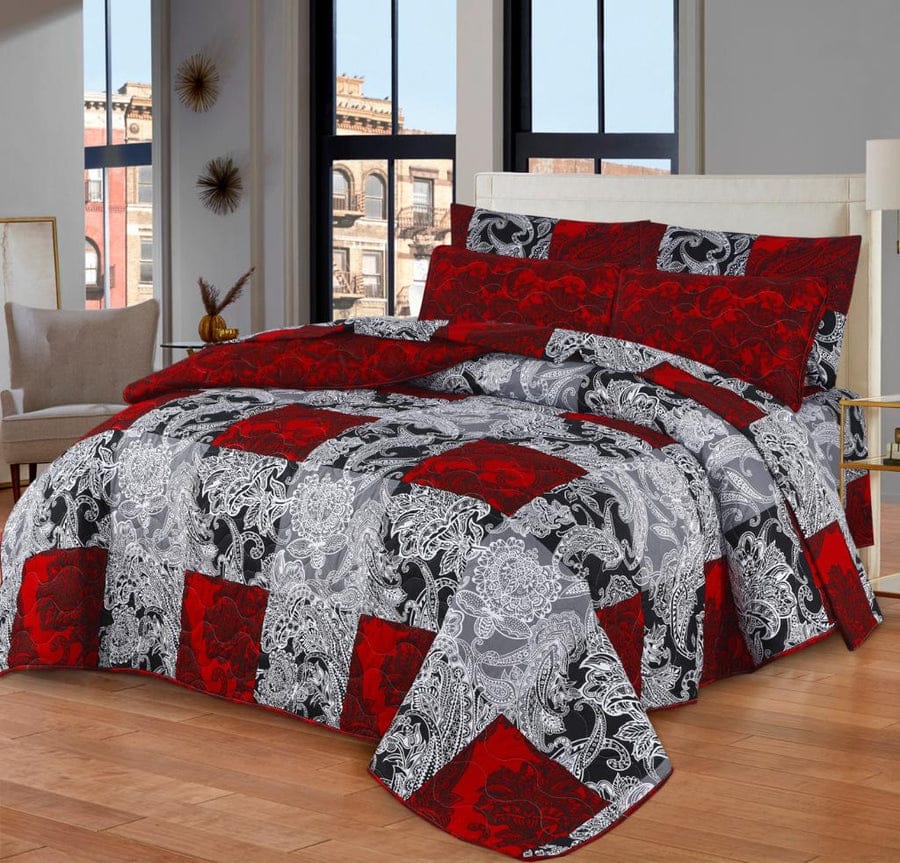
Bedding is more than just a decorative element in your bedroom; it plays a vital role in your overall sleep quality and comfort. Different types of bedding materials have unique properties that can influence how well you sleep. From the fabric that rests against your skin to the filling in your pillows and comforters, each component can make a significant difference. Understanding the various bedding options available helps you make informed decisions that cater to your personal comfort preferences and sleep needs.
The market offers a plethora of bedding materials, each with its unique characteristics that affect sleep quality. For instance, cotton is popular for its breathability, whereas memory foam provides exceptional support. When selecting bedding, consider how each material interacts with your body temperature, moisture levels, and comfort preferences. High-quality bedding can make a notable difference in the quality of your sleep, preventing disturbances caused by heat retention or discomfort. Below are some common types of bedding materials, their characteristics, and how they can impact sleep.
Types of Bedding Materials
When choosing bedding, it’s important to understand the pros and cons of different materials. Here’s a summary of various bedding types and how they affect sleep comfort and health.
| Bedding Type | Pros | Cons |
|---|---|---|
| Cotton |
|
|
| Memory Foam |
|
|
| Silk |
|
|
| Linen |
|
|
The choice of bedding can significantly impact how well you sleep. For example, cotton’s breathability makes it ideal for keeping cool during hot nights, while memory foam’s contouring properties can alleviate pressure points, making it suitable for those with back pain. On the other hand, silk, with its luxurious feel and hypoallergenic nature, can provide a soothing environment for sensitive skin. Linen, known for its moisture-wicking abilities, is preferred in warm climates due to its excellent airflow. Ultimately, understanding the characteristics of each bedding type enables you to select the right combination that enhances your sleep quality.
The Importance of Choosing the Right Bedding for Health and Comfort
Choosing the right bedding is not just about aesthetics or comfort; it’s a crucial aspect of maintaining good health and achieving restorative sleep. The materials and designs we select for our beds can significantly impact our physical well-being, affecting everything from our skin to our posture during sleep. Understanding these implications helps us make informed decisions that foster both comfort and health.
Health Implications of Selecting Appropriate Bedding
The materials used in bedding can have profound effects on our health. For instance, synthetic fibers often found in cheaper mattress covers can trap heat and moisture, creating an ideal environment for dust mites and bacteria. This scenario can lead to respiratory issues, particularly for those with asthma or allergies. Conversely, natural materials such as cotton or linen are breathable and hypoallergenic, reducing the risk of irritation and promoting a healthier sleeping environment.
Bedding choices also influence skin health. Certain fabrics may cause friction against the skin, leading to irritations or allergic reactions, especially for those with sensitive skin. For instance, sleeping on polyester can exacerbate conditions like eczema, while silk or bamboo sheets provide a smoother, gentler feel that can be beneficial for sensitive skin. Moreover, the right bedding can help regulate body temperature, which plays an essential role in preventing night sweats and skin discomfort during the night.
Impact of Bedding on Allergies and Skin Sensitivity
The incidence of allergies related to bedding materials emphasizes the need for careful selection. Dust mites, mold, and pet dander can accumulate in bedding and exacerbate allergic reactions. Choosing hypoallergenic bedding, such as those labeled as resistant to allergens, can significantly minimize exposure. It’s also advisable to wash bedding regularly in hot water to eliminate potential allergens.
For individuals with sensitive skin, the relationship between bedding and skin health is critical. Fabrics such as flannel, which can irritate some skin types, should be avoided in favor of softer alternatives like organic cotton, which is less likely to provoke reactions. Additionally, investing in high-quality, breathable bedding materials can help maintain moisture balance and prevent skin irritations caused by excessive sweating or dryness.
Relationship Between Bedding and Sleep Posture
The choice of bedding has a direct correlation with sleep posture, which is vital for spinal alignment and overall comfort. A mattress that is too firm or too soft can lead to improper alignment of the spine, resulting in discomfort and potential long-term issues such as chronic back pain. Thus, selecting a mattress that provides adequate support while conforming to the body’s natural curves is essential.
Moreover, pillows also play a crucial role in maintaining proper sleep posture. A pillow that is either too high or too flat can strain the neck, leading to discomfort and poor sleep quality. For side sleepers, a thicker pillow can help fill the gap between the shoulder and head, promoting better alignment. Back sleepers, on the other hand, may benefit from a medium-firm pillow that provides support while maintaining the natural curve of the neck.
Investing in bedding that promotes good sleep posture not only enhances comfort but also contributes to overall health by reducing the risk of musculoskeletal disorders. Consistent quality sleep, facilitated by the right bedding, can improve mood, cognitive functions, and even immune response, highlighting the holistic benefits of making thoughtful choices in bedding materials and design.
A Comprehensive Guide to Bedding Care and Maintenance
Bedding care and maintenance are crucial aspects of ensuring a comfortable and hygienic sleeping environment. Properly maintained bedding can enhance the quality of sleep and prolong the life of your linens. By incorporating effective cleaning practices and avoiding common mistakes, you can keep your bedding fresh and inviting.
Regular washing of bedding items such as sheets, pillowcases, and duvet covers is essential for maintaining hygiene. Over time, bedding accumulates dust mites, allergens, sweat, and oils from our skin, which can lead to potential health issues. Washing your bedding at least once a week, or every three to four days for those with allergies, is recommended to eliminate these irritants. The use of hot water can help further sanitize the fabric, but it’s vital to check the care labels before deciding on the water temperature. Additionally, drying bedding thoroughly is just as important; damp fabric can foster the growth of mold and mildew. A clean set of bedding not only benefits physical health by minimizing allergy triggers but also contributes to mental well-being by fostering a sense of cleanliness and comfort.
Best Practices for Cleaning and Maintaining Different Types of Bedding
Different types of bedding materials require tailored care to maintain their quality and extend their lifespan. Below are best practices for various bedding materials:
- Cotton: Wash in warm water with a mild detergent. Avoid bleach as it can weaken fibers over time.
- Linen: Opt for cold water washing and line-dry to retain its natural texture and prevent shrinkage.
- Satin/Silk: Hand wash or machine wash on a gentle cycle using a silk-friendly detergent. Always air dry to maintain luster.
- Down Fill: Use a front-loading washer on a gentle cycle with a down-safe detergent. Ensure it’s thoroughly dried to prevent clumping.
To ensure optimal care, it’s important to avoid common mistakes that can damage bedding or reduce its lifespan. Below are some pitfalls to steer clear of:
- Neglecting to read and follow care labels, which provide necessary washing and drying instructions.
- Washing bedding with items that have zippers or hooks, which can cause snagging and tearing.
- Using too much detergent, resulting in residue build-up and a sticky fabric feel.
- Forgetting to clean pillows and comforters, which can harbor allergens and bacteria.
- Ignoring the need to rotate bedding regularly to prevent uneven wear and fading.
“Regular maintenance of bedding not only promotes hygiene but also enhances the overall sleeping experience.”
Trends in Bedding Design and Aesthetic Choices
In recent years, bedding design has evolved significantly, reflecting not only functional needs but also personal expression and style. Today’s trends showcase a variety of innovative designs, colors, and materials that cater to diverse tastes, transforming bedrooms into personalized sanctuaries of comfort and style. The appeal of bedding goes beyond mere aesthetics; it also plays a crucial role in setting the mood and atmosphere of the bedroom.
The way bedding is chosen can greatly influence the overall ambiance of a space. From minimalistic patterns to vibrant colors, bedding can express individual personality, complement room decor, and evoke specific feelings. For instance, soothing pastel shades might create a calming effect, while bold, geometric patterns can energize a room. This dual purpose of bedding—as both a functional necessity and a design statement—makes it an essential element in home decor.
Current Trends in Bedding Designs and Colors
Bedding trends are constantly evolving, influenced by fashion, culture, and lifestyle changes. Here are some noteworthy trends in bedding designs and colors:
- Natural Materials: There is a growing preference for organic fabrics like cotton, linen, and bamboo, which are not only eco-friendly but also promote comfort and breathability.
- Earth Tones: Shades of beige, terracotta, and muted greens are popular choices, reflecting a desire for a serene and grounded environment.
- Layering Textures: Combining different textures—such as knits, quilts, and woven throws—adds depth and interest to the bedding setup.
- Bold Patterns: Geometric designs, floral prints, and abstract graphics are gaining traction, allowing individuals to make a statement with their bedding.
- Mix and Match: The trend of mixing various patterns and colors is on the rise, encouraging a more personalized and eclectic look.
The influence of these trends on personal style cannot be overstated. Bedding serves as a canvas for homeowners to express their unique personalities and create a specific mood within their bedrooms.
Comparison of Traditional vs. Modern Bedding Styles
Understanding the differences between traditional and modern bedding styles is essential for making informed choices that suit personal preferences and aesthetics. Below is a table comparing these two distinct styles:
| Aspect | Traditional Bedding | Modern Bedding |
|---|---|---|
| Materials | Typically features heavy fabrics like brocade and damask. | Emphasizes lightweight and breathable materials, such as cotton and linen. |
| Patterns | Uses intricate patterns, floral motifs, and rich textures. | Focuses on minimalistic designs, geometric shapes, and bold colors. |
| Color Palette | Often includes deep, rich colors like burgundy, gold, and navy. | Prefers a lighter palette with whites, greys, and earthy tones. |
| Overall Aesthetic | Classic, ornate, and often formal in appearance. | Sleek, simple, and casual with an emphasis on functionality. |
| Decorative Elements | Layered with decorative pillows, bed skirts, and heavy drapery. | Incorporates fewer accessories, focusing on clean lines and open spaces. |
This comparison illustrates how traditional bedding often embraces grandeur and complexity, while modern bedding emphasizes simplicity and comfort. These choices allow individuals to create a sleeping space that resonates with their personal style, preferences, and the desired ambiance of their bedrooms.
Exploring Eco-Friendly Bedding Options for Sustainable Living
As more people become aware of the environmental impact of their purchases, eco-friendly bedding options have gained significant traction. This movement is not just about aesthetics; it reflects a deeper commitment to sustainability and responsible living. Choosing eco-friendly bedding can lead to a more sustainable lifestyle while also improving your sleep environment.
The production of traditional bedding materials often involves harmful chemicals and unsustainable practices. In contrast, eco-friendly bedding is made from materials that are not only better for the planet but also for your health. These materials are often organic, renewable, and biodegradable, ensuring that they leave a minimal carbon footprint.
Overview of Eco-Friendly Materials Used in Bedding Production
Eco-friendly bedding is crafted from a variety of sustainable materials that prioritize environmental health. Some of the most common materials include organic cotton, bamboo, linen, and Tencel. Each of these materials offers unique benefits and contributes to a more sustainable approach to bedding.
– Organic Cotton: Grown without synthetic pesticides or fertilizers, organic cotton minimizes environmental harm and promotes biodiversity. Its softness and breathability make it a popular choice for sheets and pillowcases.
– Bamboo: A rapidly renewable resource, bamboo grows quickly and requires minimal water. Bamboo fibers are naturally hypoallergenic and moisture-wicking, making them ideal for bedding.
– Linen: Made from flax plants, linen is biodegradable and requires less water than cotton. Its durability and cooling properties make it a great option for bedding, especially in warmer climates.
– Tencel: Produced from sustainably sourced wood pulp, Tencel is known for its silky feel and breathability. The production process uses less water and generates less waste compared to conventional fabrics.
Choosing eco-friendly bedding materials helps reduce chemical exposure and promotes a healthier sleep environment.
Benefits of Choosing Sustainable Bedding Options for the Environment
Opting for sustainable bedding options offers several environmental benefits, which extend beyond personal comfort. These choices contribute to conservation efforts and can play a role in combating climate change.
First, sustainable bedding materials often come from renewable sources, thus reducing dependence on fossil fuels and non-renewable resources. Second, the use of eco-friendly practices in production, such as reduced water consumption and lower emissions, helps protect natural ecosystems. Finally, many eco-friendly bedding options are biodegradable, which means they won’t contribute to landfill waste at the end of their life cycle.
Eco-Friendly Bedding Brands That Prioritize Sustainability
Several brands in the bedding industry have made a commitment to sustainability, offering a range of eco-friendly products that reflect both quality and ethical practices. These brands prioritize environmentally friendly materials and sustainable manufacturing processes.
Here is a list of notable eco-friendly bedding brands:
– Coyuchi: Known for its organic cotton and linen bedding, Coyuchi emphasizes transparency and sustainability in its entire production process.
– Boll & Branch: This brand specializes in ethically sourced organic cotton bedding and is committed to fair trade practices.
– Nest Bedding: Offering a variety of organic and natural materials, Nest Bedding focuses on comfort and has a strong commitment to sustainability.
– Avocado Green Mattress: In addition to eco-friendly mattresses, Avocado offers a selection of organic bedding products, highlighting their dedication to environmentally friendly practices.
– Saatva: Known for luxury mattresses, Saatva also provides sustainable bedding options made from organic materials without harmful chemicals.
By choosing these brands, consumers can contribute to a more sustainable future while enjoying quality bedding products.
The Role of Bedding in Enhancing Sleep Quality

The quality of our sleep is significantly influenced by the bedding we choose. Comfortable and supportive bedding can create an ideal sleeping environment, allowing us to unwind and rest effectively. Understanding how bedding contributes to sleep quality can help us make informed choices for a better night’s sleep.
The right bedding serves as a foundation for achieving restful sleep. It can regulate body temperature, provide the necessary support for our spine, and reduce disturbances from movement. Various factors come into play when selecting bedding, including fabric type, fill material, and overall design. This discussion will delve into the essential features that bedding should possess to promote optimal rest and a comparative analysis of different bedding types concerning sleep quality.
Key Features of Bedding for Restful Sleep
When evaluating bedding options, certain features are crucial for ensuring a good night’s sleep. The following list Artikels these essential characteristics:
- Material Breathability: Fabrics like cotton and bamboo allow air circulation, helping to control body temperature and moisture levels.
- Supportive Mattress: A mattress that offers proper support for the spine can prevent discomfort and pain, contributing to uninterrupted sleep.
- Comfort Layer: The top layer of bedding should provide cushioning without sacrificing support, typically achieved through materials like memory foam or latex.
- Allergy Resistance: Bedding that is hypoallergenic can prevent allergic reactions and promote a healthier sleep environment.
- Durability: Quality bedding materials that withstand regular use are vital for maintaining comfort and performance over time.
Comparative Analysis of Sleep Quality on Different Types of Bedding
The type of bedding used can greatly affect sleep quality. A comparative analysis reveals significant differences among various bedding options:
1. Memory Foam: Known for its ability to contour to the body, memory foam mattresses provide excellent support and pressure relief. Studies indicate that individuals using memory foam experience less pain and improved sleep quality.
2. Latex: Natural latex bedding offers a balance between comfort and support. It is resilient and breathable, making it suitable for those who sleep hot. Research shows that latex mattresses can enhance sleep satisfaction due to their responsiveness and support.
3. Innerspring: Traditional innerspring mattresses have a more bouncy feel and offer varying levels of firmness. While some users enjoy the familiar support, others may find them less comfortable, leading to disrupted sleep.
4. Hybrid Mattresses: Combining memory foam and innerspring systems, hybrid mattresses cater to diverse sleep preferences. They provide the contouring benefits of foam while maintaining adequate support from coils, often resulting in higher sleep satisfaction.
5. Bedding Accessories: Pillows and mattress toppers play a crucial role in enhancing overall sleep quality. For example, ergonomic pillows can align the neck and spine, reducing discomfort and promoting deeper sleep.
Choosing the right bedding is not just about comfort; it directly impacts sleep quality and overall well-being.
Customizing Bedding for Seasonal Comfort Needs
Adapting your bedding to the changing seasons is essential for achieving optimal comfort and a good night’s sleep. Different climates bring variations in temperature, humidity, and even allergens, which can significantly impact your sleep quality. By customizing your bedding, you can create a cozy and inviting sleep environment that meets your comfort needs throughout the year.
Selecting the right materials for seasonal bedding is crucial to ensure that you stay comfortable during both the hot summer months and the cold winter nights. The choice of fabrics, thickness of blankets, and even the types of pillows can all contribute to a better sleep experience tailored to the season.
Seasonal Bedding Tips for Different Climates
Understanding your climate is key to choosing the right bedding materials. Here are some practical tips tailored to suit various seasonal needs:
- Spring: Opt for lightweight cotton or linen sheets that breathe well and wick moisture. A medium-weight duvet can provide warmth without overheating.
- Summer: Choose breathable fabrics like bamboo or percale cotton for sheets. Lightweight quilts or a thin blanket can help keep you cool without sacrificing comfort.
- Autumn: Transition to warmer fabrics like flannel or brushed cotton. Layering is effective, so consider a thicker duvet or a quilt to keep cozy on chilly nights.
- Winter: Invest in heavier materials such as down or synthetic fillings for duvets. Fleece or velvet sheets can offer extra warmth, while a mattress pad can add insulation from the cold.
- Humid Climates: Use moisture-wicking materials to prevent dampness. Cotton and bamboo sheets are ideal, paired with light blankets to accommodate warm nights.
- Dry Climates: Opt for thicker, plush bedding that adds warmth and comfort. Materials like wool and flannel can help retain heat and keep you cozy.
Customizing your bedding according to the seasons not only enhances comfort but also promotes better sleep health.
Summary
In conclusion, selecting the right bedding involves more than just picking a beautiful duvet cover; it encompasses health considerations, maintenance practices, and seasonal adaptability. By understanding the various types of bedding and their implications, you can create a restful sleep space that reflects your personal style while promoting well-being.
Clarifying Questions
What materials are best for hypoallergenic bedding?
Natural fibers like cotton, bamboo, and silk are excellent choices for hypoallergenic bedding as they resist dust mites and allergens.
How often should I wash my bedding?
Bedding should be washed every one to two weeks to maintain cleanliness and hygiene.
Can bedding affect sleep temperature?
Yes, the type of bedding material can impact heat retention and breathability, affecting overall sleep temperature.
What are the benefits of eco-friendly bedding?
Eco-friendly bedding is made from sustainable materials, reducing environmental impact while often being free from harmful chemicals.
How do I choose bedding for different seasons?
Select lighter materials like cotton in summer and heavier options like flannel or down in winter to ensure comfort throughout the year.