
 Caroline Sarah
Bedroom comfort is more than just a luxury; it plays a pivotal role in our daily lives, influencing everything from our mood to our productivity. A well-designed bedroom can be a sanctuary that promotes restful sleep, rejuvenates our bodies, and enhances our mental well-being. Imagine walking into a space that not only looks inviting but also feels cozy and nurturing, allowing you to unwind and recharge after a long day. This exploration into the elements that contribute to bedroom comfort will reveal how small changes can lead to significant improvements in your overall quality of life.
As we dive deeper, we will uncover the essential components necessary for creating a comfortable bedroom, the psychological impacts of color and decor, and innovative ideas for maximizing space and integrating technology. By understanding these key factors, you can transform your bedroom into a haven of tranquility and comfort that supports your health and productivity.
The Importance of Bedroom Comfort in Daily Life
Creating a comfortable bedroom environment is essential for promoting overall well-being, both physically and mentally. The bedroom serves as a sanctuary where individuals retreat after a long day, and its comfort level can significantly influence daily life. Factors like the quality of bedding, the room’s temperature, and the ambiance all play crucial roles in determining how well a person can relax and recharge.
Inadequate comfort in the bedroom can lead to a variety of negative outcomes, including poor sleep quality and increased stress. When the bedroom is not conducive to rest, it can disrupt sleep patterns and lead to chronic fatigue. Over time, this can contribute to more severe health issues, including anxiety and depression. Ensuring a comfortable bedroom setup is not just about aesthetics; it directly correlates with how well we function each day.
Connection Between Restful Sleep and Overall Health
Quality sleep is foundational for maintaining good health. Research indicates that a lack of restful sleep can lead to a myriad of health problems, including cardiovascular diseases, obesity, and weakened immune function. When the bedroom is designed for optimal comfort, it enhances the likelihood of achieving restorative sleep.
Factors that contribute to a restful sleep environment include:
- Quality Mattress: A supportive mattress can alleviate pressure points and promote proper alignment of the spine.
- Optimal Temperature: Keeping the room cool, typically between 60 to 67 degrees Fahrenheit, can enhance sleep quality.
- Minimized Noise: Reducing noise levels through soundproofing or using white noise machines can help maintain uninterrupted sleep.
- Light Control: Utilizing blackout curtains can block out excess light, signaling to the body that it’s time to sleep.
Implementing these elements not only promotes better sleep but also positively affects mood and cognitive function. As highlighted in a study published in the journal “Sleep,” individuals who reported higher sleep quality also experienced lower levels of stress and greater emotional well-being.
Impact of Comfort on Productivity and Stress Reduction
A comfortable bedroom can significantly impact daily productivity. When individuals wake up feeling well-rested and rejuvenated, they tend to approach their day with more energy and focus. The state of one’s bedroom can influence how ready one feels to tackle daily challenges.
Research has shown that comfort in personal spaces reduces stress. Here are some elements that contribute to this calming effect:
- Decluttered Space: A tidy environment reduces distractions, promoting clearer thinking and less anxiety.
- Personal Touches: Incorporating personal items, such as photographs or artwork, can create a sense of belonging and comfort.
- Soothing Colors: Paint colors that are soft and neutral can create a serene atmosphere conducive to relaxation.
In conclusion, the comfort of a bedroom is not merely a luxury but a necessity for physical and mental health. Creating a space that encourages restful sleep and minimizes stress can lead to improved overall well-being and enhanced productivity.
Essential Elements for Creating a Comfortable Bedroom
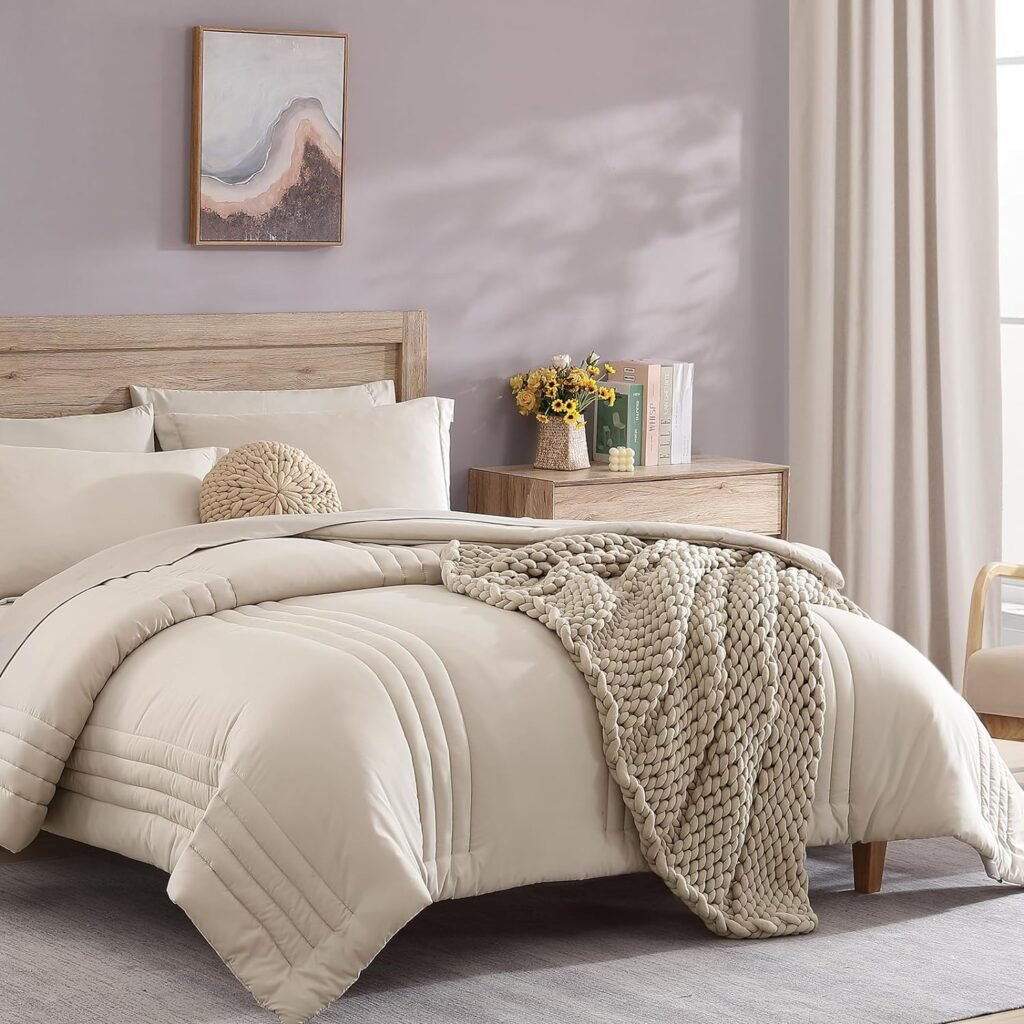
Creating a comfortable bedroom is vital for promoting relaxation and ensuring a good night’s sleep. The bedroom is a personal sanctuary, and its design and elements significantly influence our overall well-being. From the choice of colors to the arrangement of furniture, each detail contributes to the atmosphere of the space. This section will delve into the key components that establish a cozy bedroom environment, highlighting how specific elements can enhance comfort and sleep quality.
Bedding, Mattress Quality, and Pillows
The quality of bedding, the mattress, and pillows plays a crucial role in enhancing sleep quality and overall comfort in the bedroom. High-quality bedding sets the foundation for a restful sleep experience. Soft, breathable materials such as cotton or linen promote airflow and help regulate body temperature throughout the night. Choosing the right sheet thread count can also make a significant difference—generally, 300 to 500 thread count sheets are considered optimum for softness without sacrificing durability.
A good mattress is perhaps the most critical investment for a comfortable bedroom. The mattress should provide the right balance of support and cushioning to accommodate various sleep positions. Memory foam mattresses, for instance, contour to the body and relieve pressure points, making them an ideal choice for those who suffer from back pain or joint issues. In contrast, innerspring mattresses offer firmness and bounce, appealing to those who prefer a more traditional feel. It’s essential to evaluate personal comfort preferences and, if possible, test mattresses in-store to find the best fit.
Pillows are another essential element that directly affects sleep quality. The right pillow can help maintain proper spinal alignment and prevent neck strain. The fill material—whether down, memory foam, or polyester—determines the pillow’s firmness and loft. For example, side sleepers benefit from firmer, higher-loft pillows that fill the space between the head and shoulders, while back sleepers may prefer medium-loft pillows that support the natural curve of the neck.
Room Temperature and Lighting Impact
Both room temperature and lighting significantly influence comfort levels in the bedroom. Maintaining an optimal temperature is crucial for a good night’s sleep; studies suggest that a cooler environment, typically between 60 to 67 degrees Fahrenheit (15 to 19 degrees Celsius), is ideal for most people. A room that’s too hot or too cold can disrupt sleep cycles and lead to restlessness.
In addition to temperature, the type of lighting in a bedroom can affect mood and relaxation. Soft, dimmable lighting, such as warm-toned lamps or string lights, creates a calming atmosphere conducive to winding down. Avoiding harsh, bright lights during the evening encourages the natural production of melatonin, the hormone responsible for sleep. Incorporating blackout curtains or shades can also help block out unwanted light from outside, which is beneficial for achieving deeper sleep and maintaining a consistent sleep schedule.
Creating the perfect bedroom environment involves a careful balance of bedding quality, mattress support, and appropriate room conditions.
The Psychological Impact of Color and Decor on Bedroom Comfort
The bedroom, often considered a sanctuary, plays a crucial role in our overall well-being. The colors we choose and the decor we surround ourselves with can significantly influence our mood and the level of relaxation we experience. Understanding the psychological effects of different color schemes and decor styles can help create a space that fosters comfort and tranquility.
The influence of color in interior design is profound, especially in the bedroom setting. Colors can evoke emotions and set the mood for the space. For instance, soft blues and greens are known to promote calmness, making them ideal for creating a serene atmosphere conducive to relaxation and sleep. Conversely, bold and vibrant colors like red can increase energy levels or induce feelings of anxiety, which may not be suitable for a restful environment. Below is a comparison of common color palettes and their psychological effects:
Comparison of Color Palettes and Their Psychological Effects
Understanding the psychological implications of color can inform better design choices in the bedroom. Below are some prevalent color choices and their associated feelings:
- Soft Blues: Often associated with tranquility and peace, soft blues can help reduce stress and promote restful sleep.
- Pastel Greens: These hues evoke a sense of nature and freshness, contributing to feelings of relaxation and stability.
- Warm Neutrals: Shades of beige, taupe, and soft grays create a cozy atmosphere, fostering a sense of comfort and safety.
- Muted Purples: Lavender and lilac are linked to spirituality and calmness, enhancing the restful nature of the space.
- Deep Reds: While energizing, deep reds might create an uncomfortable atmosphere in a bedroom, potentially leading to increased heart rates.
Personalized decor can significantly enhance feelings of comfort and belonging within the bedroom. When individuals incorporate decor that reflects their personality or memories, it transforms the space into a personal retreat. Items such as family photographs, travel souvenirs, or artisan pieces can establish a connection to one’s identity and experiences, making the room feel more inviting and familiar. The inclusion of personal touches not only makes the space aesthetically pleasing but also encourages a sense of ownership and emotional attachment. For example, a handmade quilt passed down through generations adds warmth and a sense of history, reinforcing the feeling of home.
Moreover, the arrangement and choice of decor can affect the room’s functionality; a clutter-free space with meaningful decor can thrive in comfort while aiding relaxation. Ultimately, a thoughtfully curated bedroom that harmonizes color psychology with personalized decor leads to an enhanced sense of well-being and restful living.
Strategies for Maximizing Space in a Small Bedroom for Comfort
In small bedrooms, creating a comfortable environment while maximizing space is crucial. With limited square footage, it becomes essential to implement organization techniques, choose multifunctional furniture, and design an efficient layout. This guide explores strategies that enhance comfort and functionality without compromising on style.
Organization Techniques to Maximize Space
To effectively manage space in a small bedroom, organization is key. Implementing clever storage solutions can make a significant difference. Here are some strategies that can help:
- Utilize Vertical Space: Install shelves above the bed or desk to store books, decorative items, or personal belongings. This keeps the floor clear and adds visual interest.
- Under-Bed Storage: Use bins or boxes to store seasonal clothing or extra linens under the bed. This area often goes unused and can significantly reduce clutter.
- Closet Organizers: Maximize closet space with hanging organizers, shoe racks, and multi-tiered hangers. This keeps clothing neat and accessible, whilst freeing up floor space.
- Declutter Regularly: Maintain a minimalist approach by regularly assessing what you truly need. Donating or discarding unused items can free up space and create a calmer environment.
Multifunctional Furniture Options
Choosing the right furniture can amplify comfort and functionality in a small space. Multifunctional furniture is not just practical but can also enhance the overall aesthetic of the bedroom. Consider these options:
- Murphy Bed: A wall-mounted bed that folds up when not in use can transform a sleeping area into a living space during the day, providing versatility.
- Storage Ottomans: These can serve as seating, footrests, or bedside tables while also providing hidden storage for blankets or books.
- Convertible Sofas: Perfect for small bedrooms, these can act as seating during the day and transform into a bed at night for guests.
- Desk with Built-In Storage: A desk that incorporates shelves or drawers helps to keep work materials organized without occupying additional floor space.
Designing a Space-Efficient Layout
Creating a layout that promotes ease of movement while maintaining a cozy atmosphere is essential in a small bedroom. An organized layout ensures that the space feels larger and more inviting. Here are some guidelines:
- Bed Placement: Position the bed against the longest wall to maximize open floor space. Consider a corner bed for a cozy nook effect.
- Clear Pathways: Ensure that there is enough space to move around the room comfortably. Avoid overcrowding by leaving pathways clear between furniture.
- Use Light Colors: Light-colored walls and bedding can make a small room feel more open and airy. Pair with mirrors to reflect light and create an illusion of depth.
- Complementary Accessories: Choose decorative elements that enhance comfort without overwhelming the space. For example, use a few carefully selected cushions or a soft throw blanket.
“The key to a comfortable small bedroom is to blend functionality with personal style, making the most of every square inch.”
The Role of Technology in Enhancing Bedroom Comfort
The integration of technology into our living spaces has revolutionized the way we experience comfort, particularly in the bedroom. From smart home devices to innovative gadgets, technology plays a pivotal role in creating a personalized and relaxing environment. This transformation not only enhances convenience but also contributes significantly to our overall well-being and quality of sleep.
Smart Home Devices for Comfort and Convenience
Smart home devices are designed to enhance comfort in various ways. By automating everyday tasks, these technologies provide a seamless living experience. Here are some key innovations that can significantly improve bedroom comfort:
- Adjustable Lighting: Smart lighting systems allow users to customize their environment by controlling brightness and color temperature. For instance, using a warm, dim light in the evening promotes relaxation, while bright, cool light can help energize you in the morning. Brands like LIFX and Philips Hue offer smart bulbs that can be controlled via smartphones or voice commands.
- Temperature Control: Smart thermostats and climate control systems like Nest or Ecobee can optimize bedroom temperatures for comfort. These devices learn your preferences and adjust settings automatically, ensuring ideal sleeping conditions year-round. Maintaining a cooler room temperature is linked to better sleep quality, making this technology essential for restful nights.
- Sleep Tracking: Devices such as the Fitbit or smart mattresses monitor sleep patterns, providing valuable insights into your sleep quality. By analyzing data such as sleep duration and cycles, users can make informed adjustments to their bedtime routines for improved rest. This personalized feedback helps individuals understand what factors affect their sleep and comfort levels.
When integrating these technologies, it’s essential to maintain a cohesive aesthetic in the bedroom. Opt for smart devices that complement your existing décor or can be hidden from view, like smart plugs or outlets. Additionally, use color palettes that blend seamlessly with your room’s design, ensuring that your space remains both functional and visually appealing. Striking the right balance between technology and aesthetics enhances both comfort and style, creating a bedroom that is as beautiful as it is innovative.
Creating a Relaxation Zone in Your Bedroom
Designing a relaxation zone in your bedroom is essential for promoting tranquility and enhancing well-being. This dedicated space provides an escape from the hustle and bustle of daily life, allowing you to unwind and recharge. A well-thought-out relaxation area can transform your bedroom into a sanctuary, where peace and comfort reign supreme.
To create an effective relaxation zone, consider the layout and elements that promote serenity. Select a corner of your bedroom that receives natural light, as it can significantly affect your mood. Arrange comfortable seating options such as a plush armchair or a small loveseat, positioned to face a window or a calming view. This creates an inviting atmosphere that encourages you to sit back and relax. When choosing furniture, opt for soft fabrics and neutral colors that evoke a sense of calm.
Incorporating Key Elements for Relaxation
Integrating various elements into your relaxation zone is vital to create a harmonious environment. These elements should engage the senses and foster a sense of tranquility. Here are several essential components to consider when designing your relaxation area:
- Seating: Comfortable seating options are crucial for inviting you to spend time in this space. Consider adding a bean bag chair, cushion-laden floor pillows, or a cozy chaise lounge that encourages lounging and relaxation.
- Greenery: Adding plants enhances air quality and introduces a touch of nature that promotes relaxation. Ferns, peace lilies, and succulents are low-maintenance options that thrive indoors while providing a sense of calm and peacefulness.
- Calming Scents: Incorporate calming scents through essential oils, scented candles, or incense. Lavender, chamomile, and sandalwood are known for their relaxing properties and can significantly elevate the mood of your relaxation zone. A diffuser can also be a stylish addition for dispersing these scents throughout the space.
Activities that enhance relaxation within this zone can vary widely. Reading a book or listening to soothing music can be incredibly restorative. Engaging in mindfulness practices, like meditation or gentle yoga, can also help ground you and bring a sense of peace. Journaling your thoughts and feelings provides an excellent outlet for stress relief, allowing you to process your day in a tranquil environment.
In summary, a well-designed relaxation zone within your bedroom should cater to your personal preferences and comfort. By thoughtfully incorporating seating, greenery, and calming scents, you can create an oasis of peace that beckons you to unwind, rejuvenate, and reconnect with yourself.
The Relationship Between Bedroom Layout and Comfort
Creating a comfortable bedroom is not solely about choosing the right colors and fabrics; the layout of the space plays a significant role in establishing a serene atmosphere. The arrangement of furniture, the flow of movement, and the overall design directly impact how one experiences comfort within the room. A well-thought-out layout can enhance relaxation, facilitate better sleep, and contribute to an overall sense of well-being.
Furniture placement is crucial in determining both the aesthetics and functionality of a bedroom. The positioning of key elements, such as the bed, wardrobe, and nightstands, can influence the room’s energy flow. A clutter-free environment promotes tranquility, while a chaotic layout can lead to stress. For example, placing the bed in a commanding position, ideally facing the door without being directly in line with it, cultivates a sense of security and control. Additionally, ensuring ample space around the bed allows for easy movement, which further enhances comfort.
Comparison of Various Layout Styles and Their Impact on Comfort
Different bedroom layouts can significantly impact comfort levels by affecting how space is utilized. Understanding these styles can help in choosing the one that best suits personal preferences and needs. Here are some common layout styles and their respective impacts on comfort:
- Traditional Layout: This design typically places the bed against the longest wall with nightstands on either side. It offers symmetry and a classic aesthetic, making the room feel stable and peaceful.
- Corner Bed Layout: Positioning the bed in a corner can maximize floor space and create a cozy nook. This layout often enhances privacy and can make the room feel more intimate.
- Open Layout: In an open layout, the bed is often centrally placed with minimal surrounding furniture. This style promotes a spacious feel and allows for easy movement, contributing to a sense of freedom.
- Feng Shui Layout: This ancient practice emphasizes the flow of energy. Placing the bed away from the door and ensuring symmetry can create a harmonious environment, enhancing relaxation and comfort.
- Multi-Functional Layout: Incorporating furniture that serves multiple purposes, like a bed with storage drawers or a desk that doubles as a nightstand, can optimize space and reduce clutter. This arrangement can lead to a more organized and comfortable living space.
Each layout offers unique advantages that cater to different needs and preferences. Tailoring the bedroom layout to individual lifestyle requirements can make a substantial difference in daily comfort and overall well-being.
“The layout of a bedroom significantly influences one’s ability to relax and unwind, making thoughtful arrangement essential for a peaceful sanctuary.”
Tips for Maintaining a Comfortable Bedroom Environment Year-Round
Creating a comfortable bedroom environment is essential for achieving restful sleep and overall well-being. To maintain a cozy atmosphere throughout the changing seasons, it’s important to focus on practical maintenance tips that address bedding, air quality, and organization. Here are some strategies to keep your bedroom inviting and comfortable.
Seasonal Bedding Changes
Changing your bedding seasonally can significantly enhance comfort. In warmer months, opt for lightweight, breathable fabrics like cotton or linen, which promote airflow and wick away moisture. During colder months, swap in heavier materials such as flannel or thermal bedding that retain heat. This simple switch not only helps regulate body temperature but also extends the life of your bedding.
To keep your bedding fresh and clean, follow these steps:
- Wash sheets every one to two weeks to remove dust mites and allergens.
- Rotate pillows and comforters regularly to ensure even wear.
- Invest in mattress protectors to shield against spills and stains.
Air Quality Management
Maintaining good air quality is crucial for a comfortable bedroom environment. Poor air quality can lead to sleep disturbances, allergies, and discomfort. To manage air quality effectively, consider these recommendations:
- Use an air purifier to filter out dust, pollen, and pet dander.
- Open windows regularly to allow fresh air circulation, weather permitting.
- Incorporate indoor plants like peace lilies or snake plants, which naturally improve air quality.
Decluttering Routines
A clutter-free bedroom contributes to a peaceful atmosphere. Regular decluttering not only creates a visually appealing space but also reduces stress and distractions. Implement the following decluttering routine:
- Set aside 10-15 minutes each week to tidy up surfaces and organize items.
- Evaluate your belongings regularly; consider donating items you no longer use.
- Utilize storage solutions like under-bed bins or decorative baskets to keep items organized.
“A tidy space results in a tidy mind.”
By following these tips for seasonal bedding changes, air quality management, and decluttering routines, you can sustain a comfortable bedroom environment throughout the year. Creating an inviting space not only enhances your sleep quality but also contributes to your overall well-being.
Closing Summary

In conclusion, bedroom comfort is not just about aesthetics; it encompasses a range of factors that contribute to our physical and mental health. By paying attention to elements such as bedding, color schemes, and even technology, you can create a space that fosters relaxation and rejuvenation. Whether you have a sprawling master suite or a cozy nook, the principles of comfort and design can be tailored to meet your needs. So take the insights from this discussion and start crafting your perfect bedroom retreat, because a little comfort goes a long way in enhancing your daily life.
Commonly Asked Questions
What are the best materials for bedding?
Natural materials like cotton, linen, and bamboo are often considered the best for bedding due to their breathability and comfort.
How can I make a small bedroom feel larger?
Use light colors, mirrors, and multifunctional furniture to create an illusion of space in a small bedroom.
What temperature is ideal for sleeping?
The ideal sleeping temperature is generally between 60 to 67 degrees Fahrenheit, as it promotes better sleep quality.
How often should I replace my mattress?
It’s recommended to replace your mattress every 7 to 10 years, or sooner if you notice signs of wear and discomfort.
Can plants improve bedroom comfort?
Yes, certain plants can enhance air quality and add a calming aesthetic, contributing to a more comfortable environment.