
 Caroline Sarah
Bedroom environment plays a vital role in shaping how we unwind and recharge. It’s not just a space for sleep; it’s a personal haven where comfort and style merge to create a sanctuary that reflects our individuality. Exploring the nuances of bedroom design reveals how essential elements like lighting, color, and organization contribute significantly to our overall wellbeing and peace of mind.
From the impact of soft textures to the serene influence of natural elements, understanding the aspects that cultivate a calming atmosphere can transform a simple bedroom into a restful oasis. Each choice we make, from bedding to decor, carries weight in our daily lives, influencing everything from sleep quality to mood.
The Importance of a Comfortable Bedroom Environment

Creating a comfortable bedroom environment is fundamental to one’s overall well-being. The bedroom serves as a personal sanctuary where individuals retreat to escape daily stresses, recharge, and rejuvenate. Its ambiance, decor, and furnishings greatly influence not just physical comfort but also emotional and psychological health. A well-designed bedroom can significantly enhance mood, reduce anxiety, and promote restful sleep—elements that are vital for a healthy lifestyle.
The significance of comfort in a bedroom extends beyond aesthetics. It plays a crucial role in an individual’s mental state. A comfortable environment can help to alleviate feelings of stress and tension. When a bedroom is inviting and cozy, it fosters relaxation, making it easier for individuals to unwind after a long day. Furthermore, the psychological effects of comfort levels can have profound impacts on well-being. Research suggests that environments that are comfortable and personalized can lead to increased levels of happiness and satisfaction. In contrast, a cluttered or uncomfortable space often correlates with feelings of unease and distraction.
The Contribution of Comfort to Sleep Quality
A comfortable bedroom environment is essential for achieving better sleep quality. Sleep is a critical component of health, influencing physical, mental, and emotional well-being. The quality of sleep can be significantly compromised by factors such as noise, light, and temperature, all of which can be managed through thoughtful design and decor. A well-arranged bedroom that considers these elements can create an atmosphere conducive to restorative sleep.
To illustrate the importance of comfort in sleep, consider the following factors that contribute to a good night’s rest:
- Mattress Quality: A supportive and comfortable mattress is paramount. Research indicates that the type of mattress can affect sleep patterns and overall comfort. Choosing a mattress that suits one’s sleeping style—be it firm or plush—can lead to more restful sleep.
- Lighting Control: The ability to control light levels in a bedroom can greatly enhance sleep quality. Blackout curtains or dimmable lights can create an ideal environment for sleep, signaling the body that it’s time to rest.
- Temperature Regulation: Maintaining a comfortable temperature is essential for a good night’s sleep. A cooler room, typically between 60 to 67 degrees Fahrenheit, is often recommended for optimal sleep conditions.
- Personalization: Personal touches, such as favorite colors, photographs, or decor, can enhance comfort levels. A space that reflects personal style can foster feelings of safety and relaxation, encouraging better sleep.
“An inviting bedroom not only enhances comfort but also serves as a critical factor in improving sleep quality, which is essential for maintaining overall health.”
In summary, the importance of a comfortable bedroom environment cannot be overstated. The interplay between physical comfort and psychological well-being highlights the need for intentional design choices that cater to individual preferences and needs. This ultimately leads to better sleep quality, improved mood, and enhanced overall quality of life.
Essential Elements of Bedroom Design for Optimal Relaxation
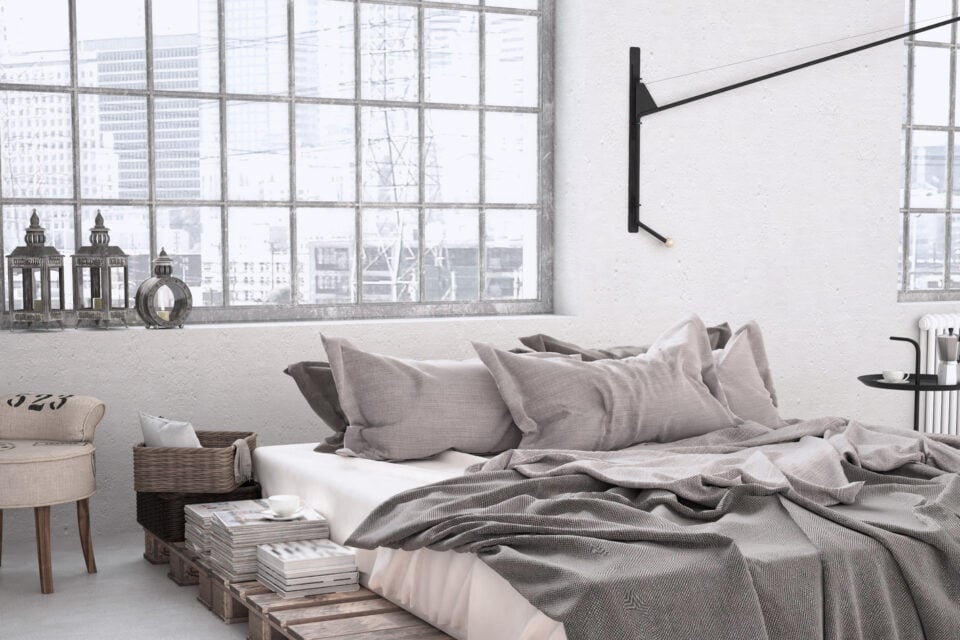
Creating a relaxing bedroom environment involves a thoughtful approach to design that prioritizes comfort and tranquility. The essential elements of bedroom design combine aesthetics and functionality, allowing for a serene space that promotes restful sleep and rejuvenation. When designing your bedroom, consider key factors such as color schemes, furniture layout, and decor to foster an atmosphere of peace and relaxation.
Color Schemes and Their Impact on Mood
Color plays a significant role in influencing mood and creating a calming atmosphere in the bedroom. Soft, neutral colors such as pastel blues, greens, and earthy tones have been found to reduce stress and promote relaxation. These shades evoke a sense of tranquility and can help to lower heart rates, making them ideal for a space meant for rest. In contrast, bold and vibrant colors may energize a space, making it less conducive to relaxation.
When selecting a color palette for your bedroom, consider the following points:
- Soft Blues and Greens: These colors are often associated with nature and serenity. They can create a refreshing, calm environment that soothes the mind.
- Warm Neutrals: Shades like taupe, beige, and soft gray can create a cozy and inviting atmosphere, promoting relaxation and comfort.
- Accent Colors: Adding subtle accents of deeper colors, like muted burgundy or forest green, can enhance the overall aesthetic without overwhelming the senses.
Incorporating these colors into bedding, wall paint, and decor can significantly enhance the bedroom’s relaxing qualities.
Furniture Layout for a Peaceful Atmosphere
The arrangement of furniture in a bedroom is crucial for creating a peaceful environment. A well-thought-out layout can enhance flow, facilitate movement, and contribute to an overall sense of calm. Key considerations for furniture placement include the following:
- Bed Positioning: Place the bed in a position that allows for clear visibility of the door while also ensuring a sense of privacy. This positioning promotes feelings of security.
- Decluttered Spaces: Ensure that furniture is arranged in a way that allows for easy access and movement. Clutter-free spaces contribute to mental clarity and relaxation.
- Purposeful Zones: Create distinct areas within the bedroom, such as a reading nook or a workspace, that cater to different activities without encroaching on the sleeping area.
A harmonious furniture layout not only elevates the aesthetic appeal of the bedroom but also enhances its functional qualities, leading to a more peaceful living environment.
“Designing a bedroom with care can transform it into a sanctuary that nurtures tranquility and rest.”
In summary, the essential elements of bedroom design—color schemes and furniture layout—play integral roles in creating an environment conducive to relaxation. Each aspect should be thoughtfully considered to promote a peaceful and restful atmosphere.
The Role of Lighting in Creating a Cozy Bedroom Environment
Creating a cozy bedroom environment heavily relies on the effective use of lighting. The right lighting can transform a simple room into a serene sanctuary, enhancing comfort and relaxation. Proper lighting not only influences the aesthetics of the space but also plays a crucial role in setting the mood, making it essential to choose appropriate lighting types and techniques.
Different types of lighting serve various functions in a bedroom, significantly affecting the overall ambiance. The three primary categories of lighting include ambient, task, and accent lighting. Ambient lighting provides general illumination, ensuring the room is adequately lit. Common sources include ceiling fixtures, recessed lights, and floor lamps. Task lighting is more focused, ideal for activities like reading or studying, with examples being bedside lamps or reading sconces. Accent lighting is used to highlight specific areas or decor, adding depth and interest to the space, such as wall-mounted art lights or spotlights.
Effective Methods for Layering Light
Layering light is an essential strategy in creating a warm and inviting bedroom atmosphere. By combining different types of lighting, one can achieve a well-balanced and adjustable illumination level. Here are effective methods to layer light in a bedroom:
1. Incorporate Multiple Light Sources: Utilize a combination of ambient, task, and accent lighting. This approach ensures that the room can be lit in various ways, depending on the desired mood.
2. Use Dimmers: Installing dimmer switches allows flexibility in controlling the brightness. Lowering the intensity can create a cozy and intimate environment, perfect for winding down at the end of the day.
3. Select Warm Light Bulbs: Choose bulbs with a warm color temperature (around 2700K to 3000K) to foster a relaxed and inviting atmosphere, as opposed to cool white lights that can feel stark and clinical.
4. Strategic Placement: Position lights in a way that avoids harsh shadows and balances illumination. For instance, placing bedside lamps on either side of the bed provides equal lighting for reading while maintaining visual harmony.
Natural and artificial lighting each have their merits, influencing bedroom mood significantly. Natural light, for instance, promotes a sense of openness and connects inhabitants to the outside world. It can elevate moods, enhance productivity, and provide essential vitamin D. However, it can also be challenging to control, especially during different times of the day.
On the other hand, artificial lighting offers complete control over the environment, allowing for tailored adjustments to suit various activities or times of day. For example, a well-lit bedroom in the morning can stimulate alertness, while softer lighting in the evening encourages relaxation. A combination of both types is often ideal; maximizing natural light during the day and complementing it with thoughtfully designed artificial lighting for the evening creates a balanced and inviting space.
“The right lighting can not only enhance aesthetic appeal but also significantly impact mood and functionality in a bedroom.”
How to Incorporate Personal Style into a Bedroom Environment
Creating a bedroom that reflects personal style while ensuring comfort and functionality can be a rewarding endeavor. The bedroom is often a sanctuary—a space where one unwinds, rejuvenates, and expresses their identity. By thoughtfully integrating personal touches into the decor, individuals can curate an environment that resonates with their tastes while fostering a sense of tranquility.
Personal style significantly influences bedroom decor choices, acting as both a guide and inspiration for the selection of colors, furnishings, and accessories. Whether one leans towards a minimalist aesthetic, bohemian vibes, or eclectic themes, these preferences shape the atmosphere of the room. For instance, a person who favors a serene, calming environment may choose soft hues, organic materials, and understated designs, while someone with a flair for the dramatic might opt for bold colors, striking art pieces, and unique furniture.
Balancing Personal Style with Comfort and Functionality
It’s essential to strike a balance between expressing personal style and ensuring that the bedroom remains comfortable and functional. A well-designed bedroom is a harmonious blend of aesthetics and practicality. Here are some strategies for achieving this balance:
The first step is to prioritize comfort by selecting quality bedding and ergonomic furniture. A beautifully styled bed with plush pillows and a cozy duvet in a favorite color can be a focal point while providing the comfort needed for a good night’s sleep. Layering textures using different materials such as soft throws and textured cushions can enhance both the look and feel of the space.
Next, choose furniture that not only complements personal style but also serves a purpose. For example, a stylish nightstand can double as a storage solution for books and personal items. Opting for multi-functional pieces, like a bench that serves as both seating and storage, can maximize space and functionality while still aligning with individual taste.
Additionally, incorporating unique decorative elements can reflect individuality without compromising relaxation. Here are some ideas:
- Gallery Wall: Create a gallery wall featuring personal photographs or art that resonates with your experiences or aspirations. This personal touch transforms the room into a showcase of memories and creativity.
- Statement Lighting: Select lighting fixtures that reflect your style—think a vintage chandelier for a touch of elegance or quirky pendant lights for a modern flair. Lighting not only serves a functional purpose but also significantly impacts the overall ambiance.
- Personalized Textiles: Use custom-made curtains or throw pillows that feature your favorite patterns or colors, adding a unique touch that ties the room together.
- Indoor Plants: Incorporate greenery with indoor plants that reflect your personality. They not only beautify the space but also improve air quality, creating a refreshing environment.
- Unique Rugs: Choose area rugs that offer a splash of color or pattern, providing comfort underfoot while enhancing the aesthetic of the room.
“Personal style is the thread that weaves together your choices, making your bedroom not just a place to sleep, but a reflection of who you are.”
By thoughtfully combining these elements, anyone can create a bedroom environment that is both a personal haven and a functional retreat. The key is to ensure that each piece contributes to a cohesive look while also serving its purpose, ultimately resulting in a space that feels both uniquely yours and wonderfully inviting.
The Impact of Bedding and Textiles on Bedroom Atmosphere
Creating a serene and inviting bedroom atmosphere hinges largely on the selection of bedding and textiles. The materials chosen play a vital role in not only aesthetic appeal but also in comfort and overall sleep quality. Investing in the right bedding can transform a simple bedroom into a cozy retreat, promoting relaxation and enhancing the mood of the space.
The importance of selecting the right bedding materials for comfort cannot be overstated. High-quality fabrics can significantly impact how restful a night’s sleep is. Materials such as cotton, linen, and bamboo are often recommended due to their breathability and softness against the skin. In contrast, synthetic fabrics may trap heat and moisture, leading to discomfort. The thread count of sheets also plays a crucial role; higher thread counts generally indicate a softer, more durable fabric, which can lead to better sleep experiences.
Textile Options and Their Effects
When it comes to textiles in the bedroom, various options can significantly impact the overall feel and ambiance of the space. The choice of bedding, curtains, and even decorative pillows can create a particular mood. Here are some common textile options and their effects:
- Cotton: Known for its softness and breathability, cotton is an ideal choice for sheets and duvet covers, promoting a cool and comfortable sleep environment.
- Linen: This natural fiber is perfect for those who prefer a relaxed, slightly crumpled look. Linen has excellent moisture-wicking properties, making it suitable for warm climates.
- Bamboo: Eco-friendly and hypoallergenic, bamboo textiles are soft and moisture-absorbent, ideal for sensitive skin. They also regulate temperature well, ensuring comfort throughout the night.
- Luxurious and smooth, silk bedding adds an elegant touch to any bedroom. It helps regulate temperature but requires careful maintenance.
- Microfiber: This synthetic option is budget-friendly, lightweight, and resistant to stains, making it a practical but less breathable choice.
To enhance warmth and coziness, layering textiles is a highly effective approach. By combining various materials and textures, one can create a visually appealing and inviting space. Here are some recommendations for layering:
- Start with a base of high-quality sheets (preferably cotton or bamboo) to ensure comfort against your skin.
- Add a plush duvet or comforter in a heavier fabric, such as down or wool, to provide warmth during colder months.
- Incorporate a lightweight throw blanket made of fleece or an oversized knit for added texture and comfort that can be draped over the foot of the bed.
- Use decorative cushions in different shapes and sizes to add interest and comfort, choosing fabrics that complement your bedding.
- Consider adding a soft area rug under the bed to create a warm and inviting atmosphere, especially in cooler climates.
By thoughtfully selecting bedding and textiles, you can create a bedroom that is not only stylish but also a true haven of comfort and relaxation.
Creating an Organized Bedroom Space for Mental Clarity
An organized bedroom is not merely about aesthetics; it plays a pivotal role in enhancing our mental clarity and overall well-being. The way we arrange our personal spaces significantly influences our thoughts, emotions, and productivity levels. A cluttered room can lead to a cluttered mind, while a tidy, organized environment fosters a tranquil atmosphere that promotes relaxation and focus.
The organization of a bedroom affects the overall environment by creating a sense of control and tranquility. When everything is in its place, it minimizes distractions and allows for a clearer state of mind. An organized space eliminates the chaos that often accompanies disarray, which can be overwhelming, especially for individuals managing stress or anxiety. Studies have shown that individuals who maintain tidy living spaces report higher levels of happiness and lower levels of stress. The process of organizing itself can be therapeutic, providing a constructive outlet for those looking to improve their mental state.
Practical Tips for Decluttering and Maintaining a Tidy Bedroom
To achieve and sustain an organized bedroom, practical strategies are essential. Implementing these tips can help maintain a peaceful environment conducive to mental clarity:
- Regular Decluttering: Set aside time weekly or monthly to go through your belongings. Assess what you really need and consider donating items that are no longer useful to you.
- Utilize Storage Solutions: Invest in bins, baskets, or drawer organizers to keep items neatly stored. Vertical storage options, like shelves, can also free up valuable floor space.
- Create a Cleaning Routine: Establish a daily or weekly cleaning schedule to keep the space consistently presentable. Simple tasks like making your bed or putting clothes away can make a significant difference.
- Designate Specific Areas: Ensure that each item in your bedroom has a designated place. This makes it easier to find things and helps maintain order.
- Limit Decorative Items: While personal touches are important, too many decorative items can contribute to visual clutter. Choose a few cherished pieces that bring you joy.
The psychological benefits of maintaining an organized space are profound. An orderly environment has been linked to improved focus, better sleep quality, and enhanced mood. When the bedroom is clutter-free, it becomes a sanctuary where one can unwind and recharge. According to studies in environmental psychology, an organized area can positively impact cognitive functioning and emotional stability.
“A tidy space leads to a tidy mind.”
An organized bedroom not only enhances productivity but also nurtures mental health, fostering a sense of peace that is essential for personal growth and emotional well-being. By adopting organization practices, individuals can transform their bedrooms into spaces of clarity and serenity, ultimately leading to a more balanced life.
Incorporating Nature into the Bedroom Environment
Bringing natural elements into your bedroom can transform the space into a calming sanctuary that promotes relaxation and well-being. The benefits of incorporating nature are multifaceted, ranging from improved air quality to enhanced mood. By making small adjustments, anyone can create an inviting atmosphere that harmonizes with the natural world.
Integrating plants and other natural elements into your bedroom environment not only beautifies the space but also provides numerous psychological and physiological benefits. Research has shown that the presence of plants can reduce stress, enhance concentration, and aid in better sleep quality. Additionally, indoor plants play a significant role in purifying the air by absorbing toxins and releasing oxygen, making the environment healthier. However, it’s essential to introduce these elements thoughtfully to avoid overwhelming the space.
Methods for Integrating Nature
To effectively incorporate nature into your bedroom without cluttering or overwhelming the area, consider the following methods. These strategies will help create a serene atmosphere while maintaining a clean and organized appearance.
Start by selecting adequate locations for your plants. Opt for spots that receive natural light yet are not too exposed to direct sunlight, which can cause damage. Consider using shelves, window sills, or the tops of dressers to showcase greenery. Choose smaller pots and group plants in clusters to create a cohesive look without taking up too much space.
Utilizing vertical space is another smart approach. Wall-mounted planters or hanging plants can add a touch of nature without sacrificing floor space. This method not only keeps plants out of the way but also creates a stunning visual impact. A simple macramé hanger can elevate a plant and draw the eye upwards, making the room feel larger.
Creating a themed arrangement can also be beneficial. For instance, consider a calming “zen” corner with a small indoor fountain, a few succulents, and stones. This can serve as a peaceful retreat where you can meditate or unwind after a long day.
Examples of Suitable Indoor Plants
Selecting the right indoor plants is crucial for promoting a calming atmosphere. Here are a few options that are not only beautiful but also low-maintenance and perfect for bedrooms:
- Snake Plant (Sansevieria): Known for its air-purifying qualities, the snake plant thrives in low light and requires minimal care. Its upright leaves add a modern touch to any room.
- Pothos (Epipremnum aureum): This versatile plant can be placed in hanging baskets or trained to climb. It is forgiving of neglect and helps reduce indoor pollutants.
- Peace Lily (Spathiphyllum): With its elegant white blooms and ability to thrive in low light, the peace lily is perfect for adding a calming presence. It also improves air quality.
- Lavender (Lavandula): Known for its soothing fragrance, lavender is excellent for promoting relaxation. It thrives in bright light and can be used in small pots on a windowsill.
- Aloe Vera: Apart from its air-purifying properties, aloe vera is easy to care for and has healing qualities. It prefers bright, indirect sunlight, making it ideal for sunny bedrooms.
Incorporating these simple yet impactful elements of nature into your bedroom can significantly enhance your living space, making it a more tranquil and rejuvenating environment.
The Influence of Technology on Bedroom Environments
In today’s digital age, technology plays a pivotal role in shaping our bedroom environments. While it can enhance comfort and relaxation, it can also act as a barrier to restful sleep and overall tranquility. Understanding the dual nature of technology in our personal spaces is essential for optimizing a restful atmosphere conducive to relaxation and rejuvenation.
One major way technology influences relaxation is through the introduction of smart devices designed to enhance comfort. For instance, smart thermostats can regulate room temperature based on personal preferences, creating a more conducive sleeping environment. Additionally, smart lighting systems can adjust brightness and color temperature, promoting a calming ambiance. On the other hand, excessive reliance on technology may hinder relaxation. The blue light emitted by screens from smartphones, tablets, and laptops disrupts the body’s natural circadian rhythm, making it difficult to fall asleep. Research suggests that exposure to screens before bedtime can reduce melatonin production, leading to poor sleep quality and increased fatigue.
The Impact of Screens on Sleep Patterns and Bedroom Ambiance
The presence of screens in the bedroom, whether from televisions, computers, or smartphones, significantly affects sleep patterns and overall ambiance. The allure of binge-watching a favorite show or scrolling through social media can easily intrude into nighttime routines, leading to delayed sleep onset. This not only affects individual sleep patterns but can also disrupt the sleep of partners sharing the space.
Creating a mindful integration of technology in the bedroom is crucial for maintaining a serene environment. Here are some considerations for managing technology effectively:
- Establish a Tech Curfew: Designate a time to turn off all screens at least an hour before bedtime. This helps signal to the body that it is time to wind down.
- Utilize Sleep Mode Features: Many devices come equipped with settings that reduce blue light emission during evening hours. Enable these features to minimize their impact on sleep.
- Create a Charging Station Outside the Bedroom: Place devices in another room to limit their presence and reduce temptation to use them at night.
- Incorporate Relaxation Apps Mindfully: Use guided meditation or sleep aid apps that promote relaxation rather than stimulating content before sleep.
- Opt for Non-Distracting Alarm Clocks: Consider using traditional alarm clocks instead of phones, which can serve as both an alarm and a source of distraction.
Balancing the benefits of technology while mitigating its disruptive effects can lead to a more restful and harmonious bedroom atmosphere. By being intentional about technology use, one can create a sanctuary that fosters relaxation and rejuvenation.
Closing Summary
In conclusion, crafting an optimal bedroom environment is not a mere matter of aesthetics but an essential aspect of enhancing our mental and physical health. By thoughtfully considering each element—from layout to lighting—we can create spaces that promote relaxation and rejuvenation. As we embrace the intersection of personal style and comfort, our bedrooms can evolve into true reflections of ourselves, encouraging restful nights and revitalized days.
FAQ Section
What colors are best for a calming bedroom environment?
Soft, neutral tones like blues, greens, and grays are known to promote relaxation and calmness.
How often should I change my bedding for optimal comfort?
It’s recommended to change bedding at least once a week to maintain hygiene and comfort levels.
Can plants improve my bedroom environment?
Yes, plants can enhance air quality and bring a sense of tranquility, making the space feel more inviting.
What types of lighting are best for a bedroom?
Layered lighting, including ambient, task, and accent lights, provides flexibility and helps create a cozy atmosphere.
How can I declutter my bedroom effectively?
Start small by clearing one area at a time and regularly assess items to determine what you truly need and use.