
 Caroline Sarah
Best bedtime routine for adults is essential for achieving optimal rest and rejuvenation. A well-structured bedtime routine not only promotes better sleep but also helps reduce stress and enhances overall well-being. By signaling to the body that it’s time to unwind, the right routine can transform the way you experience sleep, making it deeper and more restorative.
Establishing a consistent routine can be challenging, especially with various distractions in today’s fast-paced world. However, understanding the psychological and physiological benefits can motivate adults to stick to a regimen that ultimately improves their mental and physical health.
Establishing the Importance of a Bedtime Routine for Adults
Creating a consistent bedtime routine is essential for adults seeking to improve their overall well-being. In our fast-paced lives, where stress and distractions are ubiquitous, taking the time to unwind with a structured routine not only enhances sleep quality but also supports mental health. A dedicated wind-down period can bridge the gap between the hustle of the day and the restorative rest of the night.
The benefits of a bedtime routine extend beyond mere relaxation. Research indicates that having a structured nightly routine can reduce stress levels significantly. According to a study published in the journal *Sleep*, consistent sleep patterns and pre-bedtime rituals are correlated with improved sleep quality and a decrease in insomnia symptoms. The routine acts as a signal to the body, triggering physiological changes that promote relaxation. This is primarily due to the release of melatonin, a hormone responsible for sleep regulation, which is enhanced by a consistent bedtime schedule.
Common Challenges in Maintaining a Bedtime Routine
Despite the numerous benefits, many adults struggle to adhere to a bedtime routine. Various factors can impede this process, creating barriers to effective relaxation and quality sleep. Understanding these challenges is the first step in finding workable solutions.
- Modern Technology: The prevalence of screens in our daily lives can disrupt sleep patterns. The blue light emitted by phones, tablets, and computers inhibits melatonin production, making it hard to wind down. To counteract this, setting a “screen-free” time an hour before bed can be beneficial.
- Stress and Anxiety: Daily stressors can make it difficult to relax. Incorporating mindfulness practices such as meditation or deep-breathing exercises into your routine can help calm the mind and reduce anxiety levels.
- Inconsistent Sleep Schedules: Fluctuating sleep and wake times can confuse the body’s internal clock, making it hard to establish a routine. Maintaining consistent sleep hours throughout the week can help synchronize your body’s natural rhythms.
- Environmental Factors: An uncomfortable sleep environment can hinder relaxation. Ensuring a dark, cool, and quiet bedroom can significantly improve the quality of sleep. Investing in blackout curtains or a white noise machine might be worthwhile.
By acknowledging these common hurdles and implementing practical solutions, adults can effectively cultivate a bedtime routine that fosters better sleep and overall health. Adopting these practices can lead to a more serene transition from the busyness of life to the tranquility of sleep.
Key Components of an Effective Bedtime Routine for Adults
Establishing a consistent bedtime routine can be the key to improving overall sleep quality for adults. A well-structured routine not only helps signal to the body that it’s time to wind down, but also enhances the ability to fall asleep faster and enjoy deeper rest. Essential elements of an effective bedtime routine include a consistent sleep schedule, a calming environment, and the limitation of screen time, all of which contribute to better sleep hygiene.
Creating a bedtime routine requires attention to several key components. These elements set the stage for relaxation and make it easier to transition into sleep. Below are crucial aspects that should be considered when designing a bedtime routine.
Essential Elements of a Bedtime Routine
The following components can significantly enhance the quality of your sleep experience:
- Consistent Sleep Schedule: Going to bed and waking up at the same time every day helps regulate your body’s internal clock. This consistency can ease the difficulty of falling asleep and waking up.
- Calming Environment: Create a peaceful bedroom atmosphere. Consider dim lighting, comfortable bedding, and a cool room temperature to promote relaxation.
- Limiting Screen Time: Reducing exposure to screens at least an hour before bed minimizes blue light exposure, which can interfere with the production of melatonin, the hormone responsible for sleep.
Incorporating calming activities into your routine is equally important. Engaging in relaxing practices not only helps ease the transition from wakefulness to sleep but also creates a positive association with bedtime. Here are some effective calming activities:
- Reading: Pick a calming book that captures your interest but is not overly stimulating. This can help distract your mind from daily stressors.
- Meditation: Practicing mindfulness or meditation can significantly reduce anxiety and promote a sense of peace before sleep. Techniques such as deep breathing can also be beneficial.
- Gentle Stretching: Performing light stretches can relieve muscle tension and signal to the body that it’s time to wind down.
Designing a sample bedtime routine that incorporates these elements can showcase how they work together to promote relaxation. Here’s an example routine:
- 9:00 PM: Begin winding down by dimming the lights and turning off electronic devices.
- 9:15 PM: Engage in a 15-minute session of gentle stretching or yoga to relax the body.
- 9:30 PM: Spend 20-30 minutes reading a calming book in low light.
- 10:00 PM: Practice 10 minutes of meditation or deep breathing to clear the mind.
- 10:15 PM: Prepare for bed by ensuring the room is at a comfortable temperature and the bedding is cozy.
- 10:30 PM: Lights out, allowing for a good night’s sleep.
Incorporating these elements into a nightly routine can make a significant difference in sleep quality. By establishing a calming environment, setting a consistent sleep schedule, and limiting screen time, adults can create a bedtime experience that not only promotes relaxation but also enhances overall well-being.
Customizing Your Bedtime Routine to Fit Personal Preferences
Creating a personalized bedtime routine is essential for promoting better sleep quality and overall well-being. The right routine can help you wind down effectively, setting the stage for restorative sleep. However, what works for one person may not work for another. By understanding how factors such as age, lifestyle, and work schedule influence sleep habits, you can design a bedtime routine that truly caters to your individual needs.
Several factors significantly influence an individual’s ideal bedtime routine. Age plays a pivotal role; younger adults may thrive on different sleep patterns compared to older adults who often require more rest. Lifestyle choices, such as diet, exercise habits, and social activities, also impact how one should wind down before sleep. Additionally, work schedules—whether you’re a night owl, an early riser, or someone who works irregular hours—determine when you should begin your bedtime routine to ensure adequate rest.
Assessing Personal Needs and Preferences
To create an effective bedtime routine, it’s crucial to evaluate your own needs and preferences. This assessment will guide you in choosing activities that genuinely engage you, making it easier to stick to your routine. Consider the following steps to tailor your bedtime activities:
1. Evaluate Your Sleep Goals: Determine how many hours of sleep you need to feel rested. This number may vary based on age and lifestyle. For instance, the National Sleep Foundation recommends 7-9 hours for adults aged 18-64 and 7-8 hours for those over 65.
2. Identify Your Ideal Wind-Down Activities: Think about what activities help you relax. This could include reading, meditation, gentle yoga, or taking a warm bath. Choose activities that you find enjoyable and calming.
3. Consider Your Daily Schedule: Assess your work and social commitments. If you have a demanding job, you may need to start your bedtime routine earlier to accommodate winding down. For example, if you need to wake up at 6 AM, consider starting your routine by 9 PM.
4. Experiment and Adjust: Implement your chosen activities for a week or two, and pay attention to how you feel. Adjust your routine based on your sleep quality and overall mood. Are you still feeling restless or fatigued? It might be time to tweak the activities or their timing.
5. Prioritize Consistency: Aim to go to bed and wake up at the same time, even on weekends. Establishing a consistent schedule helps regulate your body’s internal clock, improving sleep quality over time.
“Personalizing bedtime activities enhances engagement and consistency, making it easier to maintain a healthy sleep schedule.”
By thoughtfully customizing your bedtime routine, you can create a deeply personal and effective approach to preparing your mind and body for sleep. Tailoring your routine ensures that you not only feel relaxed but also look forward to the time you dedicate to yourself each night.
Overcoming Common Barriers to Maintaining a Bedtime Routine
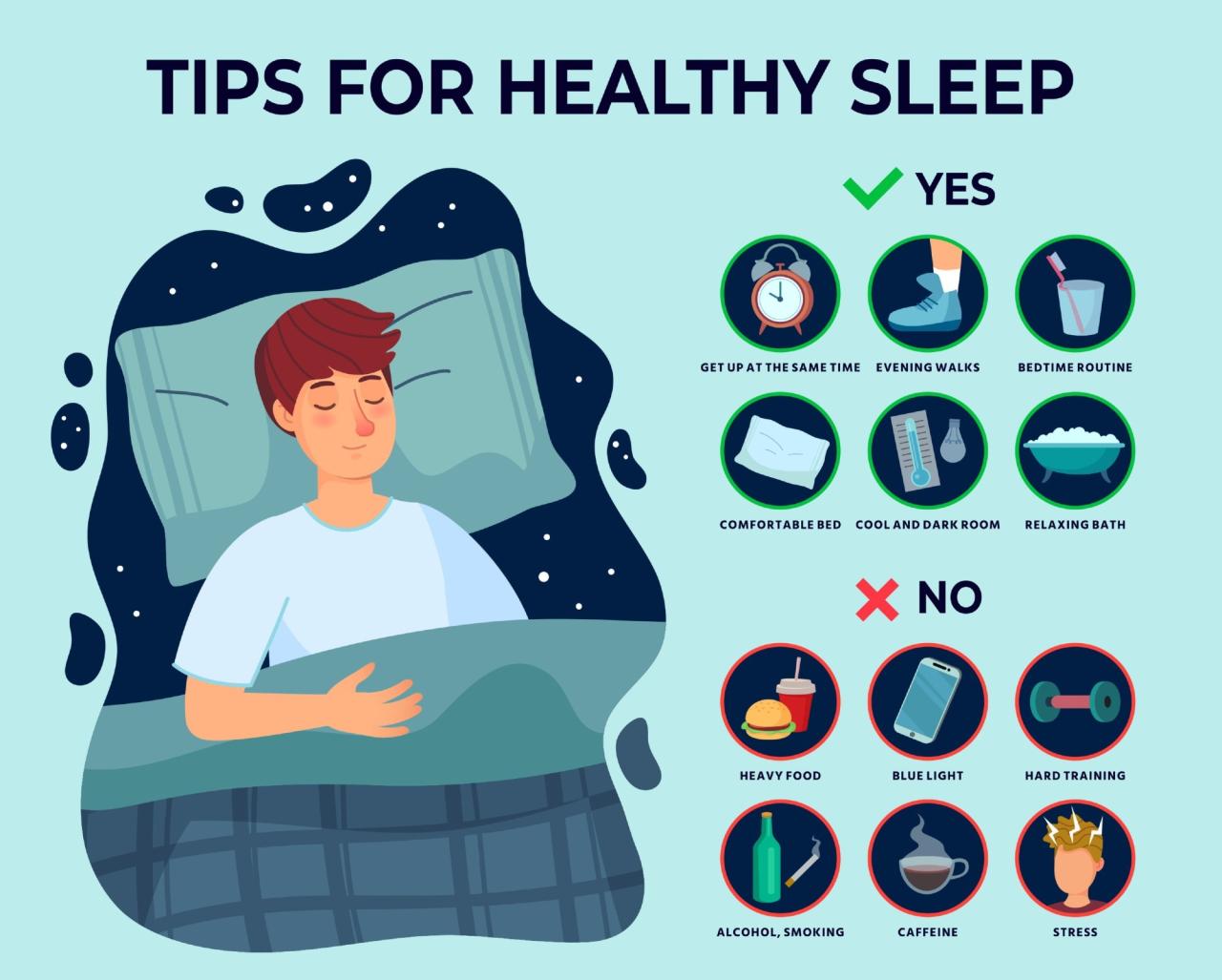
Establishing and maintaining a bedtime routine can be challenging, especially for busy adults juggling work, family, and other responsibilities. Understanding the common barriers that disrupt these routines is essential in finding effective solutions. Many adults face obstacles like work-related stress, family duties, and the temptation of technology that can significantly impact their sleep quality and overall well-being. Recognizing these challenges can pave the way for creating healthier habits that prioritize rest and rejuvenation.
One of the most significant barriers to maintaining a consistent bedtime routine is the overwhelming stress from work and family obligations. Adults often find themselves caught in a cycle of late-night work or caregiving duties that push their bedtime later and later. To combat this, setting clear boundaries between work and personal time is crucial. This involves communicating with colleagues or family members about your availability, as well as designating a specific workspace, if possible.
Strategies for Prioritizing Self-Care
Implementing effective self-care strategies can significantly enhance the ability to stick to a bedtime routine. Here are some methods to consider:
- Establish a Wind-Down Period: Dedicate at least 30 minutes before bed to relax and unwind. This could be reading a book, meditating, or enjoying a warm bath.
- Limit Screen Time: Avoid screens at least an hour before bed to reduce blue light exposure that can interfere with sleep.
- Create a Sleep-Inducing Environment: Make your bedroom a sanctuary for sleep by keeping it dark, cool, and quiet. Consider using blackout curtains or white noise machines.
- Set a Consistent Sleep Schedule: Go to bed and wake up at the same time every day, even on weekends, to regulate your body’s internal clock.
It’s essential to acknowledge that self-care is not a luxury but a necessity for mental and physical health. By prioritizing sleep and setting boundaries, adults can reclaim their evenings and improve their bedtime habits.
“You cannot pour from an empty cup. Take care of yourself first.”
Maintaining a bedtime routine over the long term requires motivation and commitment. It can be helpful to track your progress and celebrate small victories along the way. For instance, using a sleep app can provide insights into your sleep patterns and help you stay accountable to your goals. Additionally, engaging in a sleep challenge with friends or family can create a sense of community and support. Remember, the journey to better sleep is a marathon, not a sprint; patience and persistence are key to long-term success.
Exploring the Connection Between Bedtime Routine and Mental Health

Establishing a consistent bedtime routine can significantly influence mental health, particularly for adults grappling with anxiety and depression. As life becomes increasingly stressful, the need for a calming pre-sleep ritual has never been more essential. A structured bedtime routine not only enhances sleep quality but also fosters emotional stability, making it a vital component in managing mental health effectively.
The relationship between a consistent bedtime routine and mental health is a multifaceted one. Research has shown that individuals who maintain regular sleep patterns experience lower levels of anxiety and depression. According to a study published in the Journal of Clinical Psychiatry, a reliable bedtime routine can contribute to improved sleep hygiene, which, in turn, leads to enhanced mood and emotional resilience. By incorporating calming activities into their nightly rituals, individuals can mitigate stress levels and promote a sense of well-being.
Bedtime Routine as Coping Strategies for Mental Health Challenges
A thoughtfully designed bedtime routine can serve as a powerful coping strategy for managing mental health challenges. The elements of this routine can provide a sense of control and predictability, which are often lacking in daily life. Below are key components that can be integrated into a bedtime routine to promote mental wellness:
- Mindfulness Meditation: Engaging in mindfulness practices, such as deep breathing or guided meditation, can help clear the mind and reduce anxiety. This practice encourages individuals to focus on the present moment, minimizing worries about the past or future.
- Journaling: Writing down thoughts and feelings before bed can be cathartic. Journaling allows individuals to process their emotions and reflect on their day, which can alleviate feelings of overwhelm.
- Reading: Immersing oneself in a good book can serve as a temporary escape from daily stressors. This calming activity can help shift focus away from anxiety-inducing thoughts, promoting relaxation.
- Aromatherapy: Utilizing calming scents like lavender or chamomile through essential oils or candles can create a soothing atmosphere conducive to sleep. Aromatherapy has been linked to reduced stress and improved mood.
The effectiveness of these strategies can be illustrated through personal narratives. For example, consider the story of Sarah, a 32-year-old marketing professional who struggled with anxiety. By implementing a nightly routine that included meditation and journaling, she noticed a significant decrease in her anxiety levels. Within weeks, she reported feeling less overwhelmed and more focused during the day. Similarly, James, a 45-year-old educator, turned to reading as a means to unwind after long days filled with stress. His commitment to a consistent bedtime routine not only improved his sleep quality but also enhanced his overall mood, leading to a more positive outlook on life.
“Consistency in our bedtime routine has the power to reshape our mental landscape, transforming anxious thoughts into a calmer, more peaceful existence.”
Evaluating the Effectiveness of Your Bedtime Routine
Creating a successful bedtime routine is essential for improving sleep quality and overall well-being. To ensure that your routine is effective, it’s crucial to implement a framework that allows you to evaluate its impact and make necessary adjustments. This process not only helps in identifying what works for you but also highlights areas that may need improvement.
To assess the effectiveness of your bedtime routine, start by tracking your sleep quality and overall well-being over a period of time. This will provide valuable insights into how changes you make affect your sleep patterns. Consider using sleep tracking apps or keeping a sleep diary to record important data such as the time you go to bed, the time you wake up, and any interruptions during the night. Additionally, note how rested you feel each morning and any factors that may influence your sleep, such as diet, exercise, and stress levels.
Methods for Tracking Sleep Quality
Monitoring sleep quality can help you understand the effectiveness of your current routine. Here are some methods to track your sleep and overall well-being:
- Sleep Diary: Keep a daily record of your sleep patterns. Note the time you go to bed, when you wake up, and how many times you wake up during the night. Include details about your mood and energy levels throughout the day.
- Sleep Apps: Utilize smartphone applications designed to track sleep cycles, providing data on duration, quality, and patterns over time. Many of these apps offer insights and recommendations based on your specific sleep habits.
- Wearable Technology: Devices like fitness trackers can monitor your sleep quality by measuring movement and heart rate, giving you a comprehensive overview of your sleep stages.
- Regular Self-Assessment: At the end of each week or month, reflect on your sleep quality and overall mood. This self-assessment will help in recognizing patterns related to your bedtime routine.
Adjusting Your Bedtime Routine Based on Feedback
Once you have gathered sufficient data on your sleep quality and overall well-being, it’s time to analyze the information to make informed adjustments to your routine. Here are useful strategies to optimize your bedtime routine based on feedback and experiences:
- Identify Trends: Look for patterns in your sleep diary or app data. For instance, if you notice that you sleep better on nights when you limit screen time, prioritize this habit.
- Experiment with Changes: Test different elements of your routine. Consider altering your bedtime, incorporating relaxation techniques, or changing your evening meals, then track the effects.
- Seek Professional Guidance: If sleep issues persist despite adjustments, consult a sleep specialist or healthcare provider for tailored recommendations and strategies.
- Stay Consistent: Once you find adjustments that work, be consistent with your routine to reinforce positive sleep habits. Consistency helps train your body’s internal clock, leading to better sleep quality.
“By actively engaging in the evaluation and adjustment of your bedtime routine, you create a personalized approach to sleep that enhances your overall well-being.”
Tracking and adjusting your bedtime routine is a dynamic process. By systematically evaluating its effectiveness, you can continually refine your approach, leading to improved sleep quality and a more restorative night’s rest.
Final Thoughts
In conclusion, crafting the best bedtime routine for adults can have a profound impact on both sleep quality and overall mental health. By incorporating calming activities and addressing personal challenges, you can create a sleep environment that not only promotes restfulness but also fosters a sense of well-being. Remember, the journey to better sleep starts with a commitment to your nighttime routine.
Question Bank
What are the benefits of a bedtime routine?
A bedtime routine helps reduce stress, improves sleep quality, and signals your body that it’s time to rest.
How long should a bedtime routine last?
Typically, a bedtime routine should last about 30 minutes to an hour to effectively wind down before sleep.
Can technology aid in bedtime routines?
Yes, certain apps and devices can help track sleep patterns and suggest routines, but it’s important to limit screen time before bed.
What activities are good for a bedtime routine?
Calming activities like reading, meditation, gentle stretching, or listening to soothing music are ideal for promoting relaxation.
How can I personalize my bedtime routine?
Consider your lifestyle, preferences, and any challenges you face. Tailor activities that you enjoy and find relaxing to enhance your routine.