
 Caroline Sarah
Burnout is more than just a buzzword; it’s a reality many face in today’s fast-paced world. As we juggle personal and professional demands, the risk of feeling overwhelmed becomes increasingly prevalent. This condition not only drains our energy but also affects our mental health, relationships, and overall quality of life.
By delving into the multifaceted nature of burnout, we can grasp its historical context, identify the signs and symptoms, and recognize its psychological effects. Whether it’s the relentless grind of corporate life or the pressures of modern parenting, understanding burnout empowers us to take actionable steps towards prevention and recovery.
Understanding the concept of Burnout in modern society
Burnout has become an increasingly prominent issue in today’s fast-paced environment, characterized by chronic stress that leads to physical and emotional exhaustion. As society demands more from individuals, the phenomenon of burnout has manifested across various professional fields and personal lives, impacting overall well-being and productivity.
Burnout is defined as a state of emotional, physical, and mental exhaustion caused by prolonged and excessive stress. Key characteristics include feelings of energy depletion, increased mental distance from one’s job, and reduced professional efficacy. Individuals experiencing burnout may encounter symptoms such as fatigue, irritability, and a sense of helplessness, which can hinder both personal and professional development.
Historical context of Burnout
The concept of burnout was first introduced in the 1970s by psychologist Herbert Freudenberger, who observed the emotional depletion among workers in the helping professions. Over the decades, its understanding has evolved significantly. Initially viewed as a condition related to specific professions, burnout is now recognized as a widespread issue affecting various sectors due to the rise of technology, increased workloads, and the blurring of work-life boundaries.
As society has advanced, the characteristics and causes of burnout have expanded. The introduction of remote work and digital communication tools, while beneficial, has led to constant connectivity and the expectation of immediate responses, further exacerbating stress levels. The rise of social media has also influenced personal expectations and contributed to feelings of inadequacy, which can compound burnout.
Professions most affected by Burnout
Certain professions are particularly susceptible to burnout due to the inherent demands of the roles. Understanding these professions highlights the urgency of addressing burnout as a critical health concern. A few key sectors include:
- Healthcare: Professionals such as nurses and doctors experience high levels of stress due to long hours, emotional demands, and the pressure of making critical decisions that affect patients’ lives.
- Education: Teachers face increasing workloads, classroom management challenges, and emotional demands from students and parents, often leading to feelings of inadequacy and exhaustion.
- Social work: Social workers deal with emotionally heavy situations daily, which can lead to compassion fatigue and burnout as they navigate complex social issues.
- Corporate environments: Employees in high-stakes corporate jobs may encounter relentless pressure to achieve targets, resulting in long hours and diminished work-life balance.
- Creative industries: Artists, writers, and designers can face burnout due to the pressure of constant creativity and the need to meet client expectations in a competitive market.
Burnout’s prevalence in these professions calls for targeted interventions and awareness initiatives to promote mental health and well-being.
“Burnout is not a badge of honor; it is a sign of imbalance in life and work.”
Identifying the signs and symptoms of Burnout
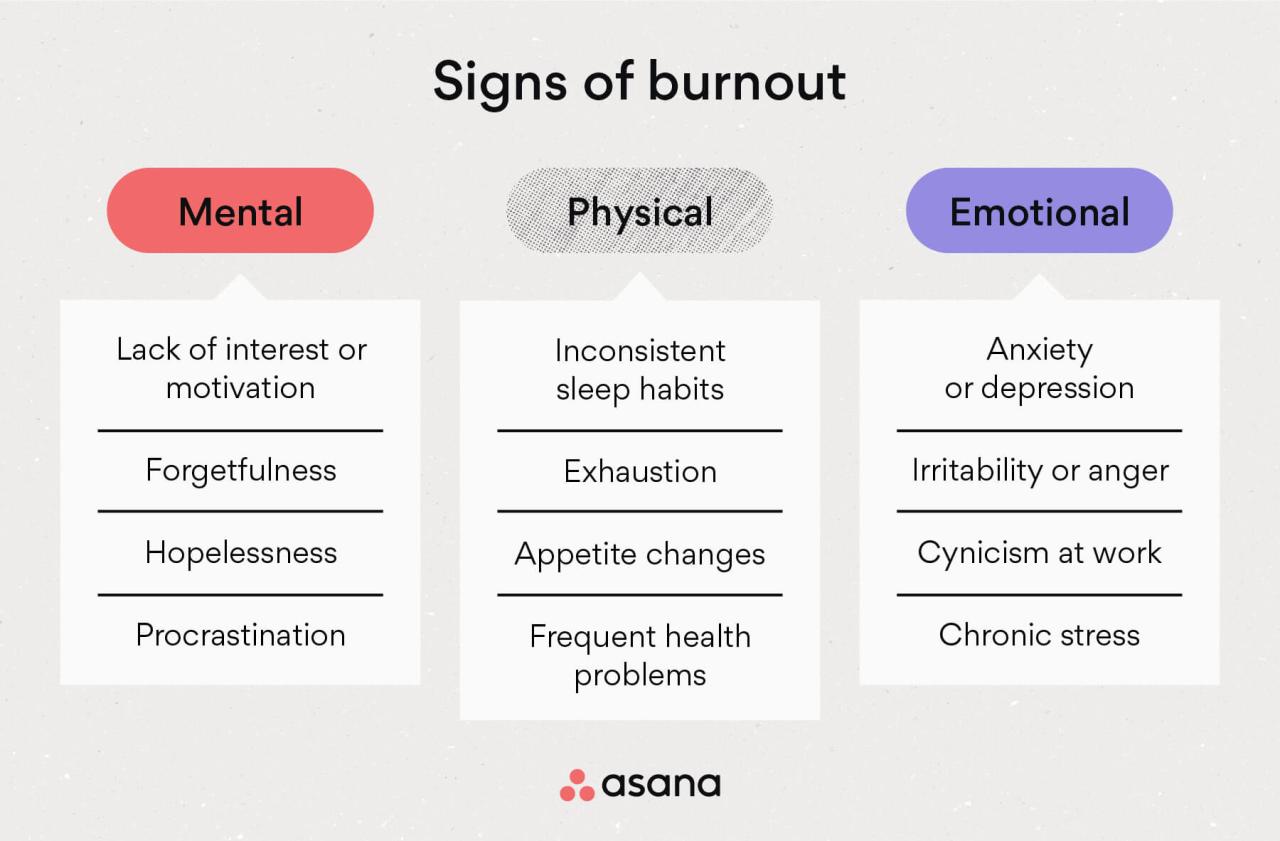
Burnout is a state of physical, emotional, and mental exhaustion that can result from prolonged and excessive stress. Recognizing the symptoms early is crucial for preventing it from escalating into a more serious mental health issue. Understanding the signs allows individuals to take proactive steps and seek support when necessary.
The signs of burnout can manifest in various ways, both physically and emotionally. Identifying these symptoms early can significantly impact one’s well-being and overall quality of life. Some commonly reported symptoms include:
Physical and Emotional Symptoms
Burnout can manifest through a range of symptoms that can be classified into physical and emotional categories. It is important to be aware of these signs to address them promptly.
- Physical Symptoms:
- Chronic fatigue that does not improve with rest
- Frequent headaches and muscle tension
- Sleep disturbances, including insomnia or oversleeping
- Gastrointestinal issues, such as stomachaches or changes in appetite
- Emotional Symptoms:
- Feelings of helplessness and hopelessness
- Increased irritability and mood swings
- Lack of motivation and energy
- Reduced sense of personal accomplishment
Recognizing these symptoms is crucial for taking action before burnout becomes more severe.
Early Warning Signs
Being aware of the early warning signs can help individuals take preventive measures against burnout. It’s essential to listen to your body and mind. Some common early indicators include:
- Increased procrastination and difficulty concentrating
- Feeling overwhelmed by daily tasks
- A sense of detachment from work or personal relationships
- Neglecting self-care routines like exercise and nutrition
Addressing these signs early on can lead to a more balanced lifestyle and improved well-being.
Personal Anecdotes and Case Studies
Understanding symptoms through personal stories can provide valuable insights into the lived experiences of those who have encountered burnout. For instance, consider Sarah, a marketing executive who prided herself on her work ethic. Over time, she noticed persistent fatigue, irritability, and a sense of being overwhelmed. Despite these signs, she continued to push herself, leading to a complete emotional breakdown. This experience illustrates how ignoring early symptoms can escalate into a more severe condition.
In another example, John, a teacher, started experiencing frequent headaches and lack of enthusiasm for his classes. By recognizing these symptoms as signs of burnout early on, he was able to reach out for support and implement changes in his work-life balance, ultimately preventing further deterioration of his mental health.
Recognizing burnout is the first step towards recovery; understanding the symptoms can lead to proactive measures that ensure well-being.
The psychological effects of Burnout on mental health
Burnout is not merely a state of exhaustion; it has profound implications for mental health. As individuals encounter relentless stressors in both personal and professional realms, the psychological impacts can manifest significantly, often intertwining with existing mental health disorders. Understanding this relationship is crucial for both prevention and management of burnout.
Relationship between Burnout and mental health disorders
Burnout is intricately linked to various mental health disorders, particularly anxiety and depression. Research indicates that individuals experiencing burnout often report heightened symptoms of anxiety, as chronic stress can lead to a constant state of worry and nervousness. Similarly, burnout can trigger or exacerbate depressive episodes, resulting in feelings of hopelessness, disinterest, and emotional fatigue.
The cyclical nature of these conditions means that untreated burnout can deepen the severity of these mental health issues, creating a detrimental feedback loop. For instance, a study published in the Journal of Affective Disorders found that employees with burnout reported significantly higher rates of depressive symptoms compared to their non-burned-out counterparts.
Long-term psychological consequences of untreated Burnout
The long-term psychological effects of untreated burnout can be severe and debilitating. Chronic exposure to stress without appropriate coping mechanisms can lead to persistent mental health challenges, including:
- Increased risk of developing chronic anxiety disorders, which may persist long after the initial burnout experience.
- Long-term depressive states that can affect personal relationships, productivity, and overall quality of life.
- Development of personality disorders, particularly those characterized by emotional instability.
- Potential for substance abuse as individuals seek relief from the emotional pain associated with burnout.
Recognizing these consequences is vital for early intervention and treatment strategies.
Societal expectations and the psychological burden of Burnout
Societal expectations significantly contribute to the psychological burden of burnout. In today’s fast-paced world, individuals often feel compelled to meet unrealistic demands set by workplaces, family, and social circles. The pressure to succeed and maintain a facade of perfection can lead to overwhelming stress, fueling feelings of inadequacy and self-doubt.
This societal scrutiny not only exacerbates feelings of burnout but also creates stigma around mental health discussions. People may hesitate to seek help due to fear of being perceived as weak or incompetent. It’s essential to foster a culture that prioritizes mental well-being and encourages open conversations about burnout and its psychological implications.
“Addressing burnout is not just an individual responsibility; it requires a collective effort to reshape societal norms and expectations.”
Strategies for preventing Burnout in personal and professional settings
Burnout is a pervasive issue that can significantly affect both personal well-being and professional productivity. By adopting practical strategies to prevent burnout, individuals can maintain a healthier balance in their lives, while organizations can foster environments that prioritize employee well-being. It’s crucial to recognize the signs of burnout and take proactive measures to foster resilience and fulfillment.
Actionable Tips for Individuals
To effectively prevent burnout in daily life, individuals can adopt a variety of strategies. These tips can help enhance resilience and promote mental well-being:
- Set clear boundaries: Designate specific times for work and personal activities to avoid overlap.
- Prioritize tasks: Use tools like to-do lists or digital planners to focus on what truly matters.
- Practice mindfulness: Engage in mindfulness techniques such as meditation or deep breathing to reduce stress.
- Seek social support: Regularly connect with friends or family to share experiences and feelings.
- Engage in physical activity: Incorporate exercise into your routine to boost mood and energy levels.
Organizational Policies for Work-Life Balance
Organizations play a pivotal role in creating a culture that mitigates burnout. By implementing supportive policies, they can promote a healthy work-life balance:
- Flexible work hours: Offer employees the option to adjust their work schedules to fit their personal lives better.
- Remote work opportunities: Allow employees to work from home, reducing commuting stress and enhancing productivity.
- Regular check-ins: Implement frequent one-on-one meetings to assess employee well-being and workload.
- Encourage time off: Promote the use of vacation days and mental health days to prevent prolonged stress.
- Provide resources: Offer access to mental health resources, such as counseling services or stress management workshops.
Self-Care Practices to Mitigate Stress
Incorporating self-care practices into daily routines is essential for managing stress and preventing burnout. The following practices can significantly enhance well-being:
- Establish a morning routine: Start the day with activities that promote positivity, such as journaling or reading.
- Limit screen time: Reduce time spent on electronic devices, especially before bed, to improve sleep quality.
- Enjoy hobbies: Dedicate time to activities that bring joy, whether it’s painting, gardening, or cooking.
- Maintain a balanced diet: Focus on nutrition to sustain energy levels and improve overall health.
- Practice gratitude: Take a moment each day to reflect on positive experiences and express gratitude, which can shift focus from stressors.
“Preventing burnout requires intentional efforts in both personal and professional realms. By taking proactive steps, we can cultivate resilience and well-being.”
Recovery techniques for individuals experiencing Burnout
Burnout can drain energy and motivation, leaving individuals feeling physically and emotionally exhausted. Recovery from burnout is essential for restoring well-being and regaining enthusiasm for work and life. A combination of therapeutic approaches, self-care practices, and structured breaks can offer a pathway to recovery.
Therapy and Mindfulness
Engaging in therapy can provide a safe space to explore feelings of burnout and develop coping strategies. Cognitive-behavioral therapy (CBT) is particularly effective, as it helps individuals identify negative thought patterns and replace them with healthier ones. Additionally, therapy can guide individuals in setting realistic goals and boundaries.
Mindfulness practices, such as meditation and deep-breathing exercises, play a crucial role in recovery. These techniques help in grounding individuals in the present moment, reducing anxiety and stress levels. Regular mindfulness practice can lead to improved emotional regulation and resilience, enhancing overall mental health.
Importance of Taking Breaks and Vacations
Taking regular breaks and vacations is vital for recovery from burnout. Continuous work without adequate rest leads to diminished productivity and creativity. A brief break can recharge the mind and body, leading to improved focus and efficiency.
Longer vacations allow individuals to disconnect from work-related stressors entirely. They provide opportunities for new experiences, relaxation, and rejuvenation. Engaging in activities that bring joy and satisfaction during these breaks can enhance the recovery process significantly.
Designing a Personal Recovery Plan
A personal recovery plan can be tailored to individual needs, preferences, and lifestyles. Here are key components to consider when creating a recovery plan:
1. Self-Assessment: Reflect on current stress levels, triggers, and symptoms of burnout. Understanding personal thresholds is essential.
2. Set Realistic Goals: Establish achievable short-term and long-term goals that focus on personal well-being and work-life balance.
3. Schedule Regular Breaks: Plan for daily, weekly, and monthly breaks to ensure consistent downtime. Include activities that promote relaxation and joy.
4. Incorporate Mindfulness: Dedicate time each day for mindfulness practices. This could include meditation, yoga, or simple breathing exercises.
5. Seek Professional Support: Consider therapy or counseling as a regular part of the recovery plan. Professional support provides accountability and guidance.
6. Engage in Hobbies: Include time for hobbies and activities that bring personal satisfaction, whether it’s reading, gardening, or sports.
“Rest is not idleness; it is an essential aspect of productivity and creativity.”
Following this structured approach allows individuals to navigate their recovery journey effectively, making adjustments as needed to ensure sustained progress and well-being.
The role of support systems in overcoming Burnout
Building and maintaining a strong support network is crucial when battling burnout. Friends, family, and colleagues can provide the understanding and encouragement necessary to help navigate the challenging emotions and stressors associated with burnout. Their presence can serve as a reminder that you are not alone, and they can offer both practical assistance and emotional support to facilitate recovery.
Effective communication about feelings of burnout is essential in fostering a supportive environment. When expressing these feelings to others, it can be helpful to use clear and specific language. Sharing your experiences openly can lead to deeper connections and increased empathy from those around you. It’s important to articulate not just how you’re feeling, but also what specific types of support you may need. This might include help with tasks, someone to talk to, or simply a listening ear. Establishing boundaries and being honest about your limitations can also pave the way for more meaningful interactions with your support network.
Community resources and support groups
Seeking external support can amplify the benefits of your personal network. Numerous community resources and support groups exist that cater to those experiencing burnout. Engaging with these resources can provide additional perspectives and coping strategies. Here are a few noteworthy options:
- Local Mental Health Organizations: Many communities have mental health organizations that offer workshops, group therapy sessions, and individual counseling specifically aimed at addressing burnout and stress management.
- Employee Assistance Programs (EAP): Many workplaces provide EAPs, which offer confidential counseling and support services for employees dealing with burnout and related issues. This can be a great first step toward professional help.
- Online Support Groups: Virtual communities can also be incredibly beneficial. Websites and platforms like Reddit, Facebook, and specialized forums often host groups where individuals share their burnout experiences, coping mechanisms, and recovery stories.
- Wellness Workshops: Various organizations run workshops focused on mindfulness, stress reduction techniques, and work-life balance, which can be effective in addressing burnout.
Utilizing these resources can help individuals feel less isolated and more empowered to manage their burnout, creating a supportive network that extends beyond just personal relationships.
Support systems play a vital role in overcoming burnout by providing emotional, practical, and informational resources.
The impact of technology on Burnout levels
The rapid evolution of technology has transformed the way we work and communicate, bringing both benefits and challenges. One significant challenge that has emerged is the increased risk of burnout, a state of chronic physical and emotional exhaustion. The omnipresence of technology keeps us constantly connected, leading to an environment conducive to stress and fatigue. Understanding how technology influences burnout levels is essential for navigating modern work dynamics effectively.
Constant Connectivity and Increased Burnout Risks
The integration of technology into everyday work life has blurred the lines between personal and professional time. Employees often find themselves checking emails or responding to messages outside of traditional working hours, which can lead to prolonged stress. The expectation to remain constantly available can contribute significantly to feelings of overwhelm and detachment, essential components of burnout.
The pressure to be perpetually connected can exacerbate feelings of inadequacy and anxiety, ultimately leading to burnout.
Research indicates that individuals who feel tethered to their devices report higher levels of stress and lower job satisfaction. For instance, a study by the American Psychological Association found that 43% of workers who use technology for work feel that they are “always on,” leading to increased mental fatigue and the potential for burnout.
Remote Work versus Traditional Office Settings
The shift towards remote work has introduced a new dynamic in burnout levels compared to traditional office environments. While remote work offers flexibility, it can also lead to isolation and a lack of structured boundaries. Employees may struggle to separate work from personal life, resulting in longer hours and diminished downtime. Conversely, traditional office settings often provide a clearer distinction between work hours and personal time.
In a survey by Buffer, 20% of remote workers cited loneliness as their primary challenge, which can be a significant factor contributing to burnout. Additionally, the lack of in-person interactions may impede the social support networks that are crucial for mitigating stress.
Setting Boundaries with Technology
Establishing boundaries with technology is vital for preventing burnout. It is essential to create designated work hours and adhere to them, ensuring that personal time is respected. Effective strategies for managing technology use include:
- Turning off notifications during non-work hours to reduce distractions.
- Utilizing apps that limit screen time and foster breaks.
- Implementing a ‘digital detox’ period to disconnect from devices regularly.
By consciously managing technology use, individuals can reclaim their time and reduce the risk of burnout.
Establishing clear boundaries not only enhances work-life balance but also promotes mental well-being.
Recognizing the importance of these boundaries can lead to healthier work practices and improved overall job satisfaction.
Exploring the cultural perceptions of Burnout

Burnout is not just a personal experience; it’s also a cultural phenomenon influenced by societal norms, values, and expectations. How different cultures perceive and manage burnout reveals a lot about their priorities and approaches to mental well-being. Understanding these cultural perceptions helps in identifying healthy practices that can promote mental health and alleviate burnout in various professional environments.
Cultural Views on Burnout
Different cultures have unique perspectives on burnout, shaped by their historical, social, and economic contexts. In some cultures, particularly in Western societies, burnout is often recognized as a serious issue, leading to increased awareness and support systems. People in these regions may prioritize work-life balance and mental health care, viewing burnout as a legitimate health concern.
Conversely, in many Eastern cultures, particularly in countries like Japan and South Korea, there is a tendency to minimize the discussion around burnout. The concept of “karoshi,” or death from overwork, exemplifies a societal acceptance of extreme dedication to work, where personal health is often sacrificed for professional success. In these contexts, discussing mental health issues like burnout may carry a stigma, leading individuals to hide their struggles rather than seek help.
Stigma in Professional Environments
The stigma surrounding burnout varies significantly across professional settings. In high-pressure environments, such as finance or technology, admitting to feelings of burnout can be perceived as a weakness. This can discourage employees from voicing their struggles, potentially leading to a culture of silence that exacerbates the problem.
In contrast, some industries, like healthcare, are beginning to acknowledge the prevalence of burnout among professionals. Initiatives aimed at providing support and resources are increasingly being implemented. However, even in these environments, there can still be a reluctance to discuss personal mental health problems openly, reinforcing the stigma associated with burnout.
Cultural Practices Promoting Mental Well-being
Many cultures have developed practices that help promote mental well-being and prevent burnout. These practices often reflect the values and priorities of the society. Here are some notable examples:
- Siesta in Spain: The cultural practice of taking a midday break allows individuals to rest and recharge, which is thought to improve productivity and enhance overall well-being.
- Mindfulness and Meditation in Buddhism: Many Asian cultures emphasize mindfulness and meditation as a way to manage stress and foster mental clarity, aiding in the prevention of burnout.
- Work-life balance initiatives in Scandinavia: Countries like Sweden and Norway are known for their emphasis on work-life balance, with shorter work weeks and generous vacation policies that promote mental health.
- Iceland’s emphasis on leisure: Icelandic culture promotes the idea of leisure and family time, encouraging individuals to engage in hobbies and social activities that counteract the demands of work.
Cultural practices play a crucial role in shaping attitudes toward mental health, providing valuable frameworks for addressing burnout. By examining these practices, societies can learn to cultivate environments that prioritize mental well-being and reduce the stigma associated with burnout.
Final Summary
In conclusion, burnout is a significant issue that requires our attention and understanding. By recognizing its signs, acknowledging its effects, and employing effective strategies, we can foster a healthier, more balanced approach to life. Remember, recovery is possible, and having a supportive network can make all the difference as we navigate the challenges of burnout together.
Commonly Asked Questions
What are the long-term effects of untreated Burnout?
Untreated burnout can lead to chronic stress, anxiety, depression, and even physical health issues like heart disease.
Can Burnout happen to anyone?
Yes, burnout can affect anyone, regardless of profession or personal circumstances, especially in high-demand environments.
How do I talk to my employer about Burnout?
Approach the conversation openly, expressing your feelings and challenges while suggesting possible solutions or accommodations.
Is there a difference between Burnout and stress?
Yes, while stress is often a temporary response to demanding situations, burnout is a chronic condition characterized by emotional exhaustion and detachment.
What role does self-care play in preventing Burnout?
Self-care practices help to recharge your physical and mental health, making you more resilient to stress and reducing the likelihood of burnout.