
 Caroline Sarah
How to create a restful environment is all about transforming your space into a serene sanctuary that promotes relaxation and rejuvenation. In our fast-paced world filled with distractions and stress, establishing a restful environment can significantly enhance your mental and physical well-being. This guide delves into the essential elements and strategies that contribute to a peaceful atmosphere at home and outdoors, making it easier for you to unwind and recharge.
From understanding the key characteristics that define a restful space to incorporating mindfulness practices and natural elements, we will explore various ways to create an oasis of calm. Whether you’re redesigning your living room or cultivating a tranquil garden, this guide is here to help you craft an environment that nurtures your soul and supports your well-being.
Understanding the Concept of a Restful Environment
A restful environment is more than just a space; it embodies a feeling of tranquility that nurtures the mind and body. In today’s relentless pace of life, where stress and distractions are prevalent, creating a sanctuary that fosters relaxation and peace has become essential. This section delves into the core characteristics that define a restful environment and explores its profound impact on our overall well-being.
Characteristics of a Restful Environment
To effectively foster peace and relaxation, certain characteristics define a restful environment. These features contribute significantly to how we experience our surroundings and can enhance our mental and physical health. Below are key characteristics to consider:
- Natural Elements: Incorporating plants, natural light, and earthy colors promotes a connection to nature, which can evoke feelings of calmness and serenity.
- Minimalistic Design: A clutter-free space reduces mental distractions and promotes clarity. Simple, clean lines and functional furniture can enhance the sense of space.
- Comfort: Comfortable seating and soft textures (like cushions and throws) create a welcoming atmosphere that invites relaxation.
- Soothing Sounds: Background sounds such as gentle music, nature sounds, or white noise can mask disruptive noises and enhance tranquility.
- Aromatherapy: Using essential oils or scented candles can engage the olfactory senses and elicit feelings of relaxation and comfort.
Impact on Mental and Physical Well-Being
Creating a restful environment has significant implications for both mental and physical health. Research indicates that well-designed spaces can reduce stress, enhance mood, and even improve productivity. For instance, environments that reduce sensory overload help lower cortisol levels, a hormone associated with stress.
“The design of your environment can influence your mental state and overall health.”
On a physical level, a restful environment can encourage healthier lifestyles. Spaces that promote relaxation can lead to improved sleep, reduced anxiety, and even better immune function due to lowered stress levels. Engaging with a comforting environment encourages self-care routines, such as reading, meditating, or simply unwinding after a long day.
Importance of Creating a Sanctuary
In our fast-paced world, the importance of having a sanctuary cannot be overstated. This sanctuary serves as a refuge from external pressures and chaos. By consciously designing a restful space, individuals can carve out moments of peace amidst the noise of everyday life.
The act of retreating to a personal sanctuary contributes to a stronger mental resilience. It allows individuals to recharge, reflect, and reconnect with their inner selves, fostering a sense of balance and harmony. In essence, a restful environment is an essential investment in health and well-being, offering a buffer against the stresses of modern living.
Identifying Elements of a Restful Space

Creating a restful environment is all about recognizing the specific elements that contribute to a sense of calm and tranquility. By thoughtfully selecting these components, you can craft a space that promotes relaxation, reduces stress, and enhances overall well-being.
Several key factors play a pivotal role in establishing a restful atmosphere. From color choices to material selection, each element works in harmony to create a soothing environment. Additionally, the influence of lighting and sound cannot be overstated, as they significantly impact our mood and relaxation levels.
Essential Elements of a Restful Atmosphere
Understanding the essential elements that contribute to a peaceful space can help you design an area that supports relaxation and rejuvenation. Here are some important components to consider:
- Color Schemes: Soft, muted colors such as pale blues, gentle greens, and warm neutrals evoke feelings of calm. For instance, a light lavender or gentle beige can create a serene backdrop, allowing for a restful ambiance.
- Materials: Natural materials like wood, cotton, and linen promote tranquility. Incorporating elements like bamboo furniture or cotton throws can enhance the tactile comfort of your space.
- Lighting: Soft, warm lighting is essential. Consider using dimmable lights or lamps with warm-toned bulbs to create a cozy atmosphere. Natural light is also important, so arrange your space to maximize sunlight exposure during the day.
- Sound: Ambient sounds, such as soft music or nature sounds, contribute to a peaceful environment. Incorporating elements like a small water fountain or using sound machines can diminish distracting noises and enhance relaxation.
Color Schemes and Materials that Promote Tranquility
The choice of colors and materials significantly influences the emotions associated with a space. Color can impact mood, while materials affect the sensory experience. Here are some examples to illustrate effective combinations:
- Color Schemes: Soft pastels like mint green and pale peach create a gentle and inviting space, while muted earth tones such as taupe and olive green foster a connection with nature.
- Materials: Using organic elements like wood and stone can bring a sense of grounding to the environment. For instance, a reclaimed wood table paired with linen tablecloths exemplifies a harmonious blend of warmth and simplicity.
The Role of Lighting and Sound in Establishing a Calming Space
Lighting and sound are crucial in setting the mood of your space. The right lighting can transform an area from stark to serene, and sound can either enhance or disrupt your peace.
“Lighting is not just about visibility; it creates an emotional atmosphere.”
Consider these aspects:
- Layered Lighting: Incorporating multiple sources of light, such as overhead fixtures, table lamps, and candles, allows for flexibility in adjusting brightness according to the time of day or activity, promoting relaxation.
- Natural Light: Maximizing natural light through the use of sheer curtains or strategically placed mirrors can enhance mood and create an uplifting atmosphere.
- Sound Control: Utilizing sound-absorbing materials like rugs and cushions can help minimize noise. Additionally, integrating soothing soundscapes, such as soft instrumental music or nature sounds, can create a calming background.
Designing a Restful Environment at Home
Creating a restful environment at home is essential for enhancing relaxation and improving overall well-being. A carefully curated space can significantly impact mood and stress levels, contributing to a peaceful lifestyle. By organizing spaces thoughtfully, incorporating elements of nature, and selecting comfortable furniture, you can transform your home into a sanctuary that promotes tranquility.
Organizing Spaces to Enhance Relaxation
Effective organization of spaces plays a crucial role in fostering relaxation. A clutter-free environment can lead to reduced stress and anxiety, paving the way for a more peaceful mindset. Here are several strategies to consider for organizing your home:
- Declutter Regularly: Set aside time each month to clear out items that are no longer needed. A tidy space helps create a sense of calm.
- Create Zones: Designate specific areas in your home for different activities, such as reading, working, or meditating. This helps in mentally distinguishing between tasks and leisure.
- Use Storage Solutions: Invest in storage bins, baskets, and shelves that blend with your decor. Keeping items organized and out of sight enhances visual appeal and reduces distractions.
- Maintain a Minimalist Approach: Limit the number of decorative items to those that truly resonate with you. A minimalist aesthetic can simplify spaces and create a serene atmosphere.
Incorporating Nature into Home Design
Nature has a profound effect on our mental and emotional health, making it a vital component of a restful home environment. Incorporating natural elements can enhance mood and promote relaxation. Consider the following methods to bring nature indoors:
- Houseplants: Adding greenery, such as succulents, ferns, or flowering plants, can improve air quality and create a calming ambiance. Plants also help to connect you with the outdoors.
- Natural Light: Maximize natural light by using sheer curtains or strategically placing mirrors to reflect light. Sunlight is known to boost mood and overall well-being.
- Natural Materials: Utilize materials like wood, stone, and bamboo for furniture and decor. These elements not only provide a warm aesthetic but also evoke a sense of tranquility.
- Outdoor Views: If possible, position your seating areas to face windows that overlook gardens or landscapes. Being able to see nature from within your home promotes relaxation.
Selecting Furniture that Supports Comfort and Ease
Choosing the right furniture is essential for creating a restful environment that encourages relaxation. Comfort should take precedence in your selections, as the right pieces can significantly impact your daily life. Here are some key points to consider when selecting furniture:
- Ergonomic Designs: Opt for chairs and sofas that support proper posture and comfort. Ergonomically designed furniture can help reduce physical strain.
- Soft Textiles: Choose furniture upholstered with soft, inviting fabrics such as cotton, linen, or velvety materials. These textures create a cozy atmosphere.
- Multi-Functional Furniture: Consider pieces that serve multiple purposes, like ottomans that double as storage or a sofa bed for guests. This promotes flexibility and efficiency in your space.
- Scale and Proportion: Ensure that the furniture fits well within the room’s dimensions. Oversized furniture can make a space feel cramped, while appropriately sized pieces enhance flow.
Creating a Restful Outdoor Area
Creating a restful outdoor area can significantly enhance your overall well-being and serve as a personal retreat from the busyness of daily life. With the right elements in place, outdoor spaces can become havens of tranquility and relaxation. This section delves into the essential features that contribute to a peaceful outdoor environment, the benefits of landscaping and gardening, and innovative design ideas for outdoor seating and recreational areas.
Features That Enhance Outdoor Relaxation
A restful outdoor area should incorporate various features that foster a sense of calm and serenity. Here are key elements to consider:
- Natural Elements: Incorporating plants, flowers, and trees can create a soothing backdrop, adding color and life to the space.
- Water Features: The sound of running water from fountains or small ponds contributes to a serene atmosphere, promoting relaxation.
- Lighting: Soft, ambient lighting helps create a cozy environment during the evening, ideal for unwinding after a long day.
- Privacy Screens: Using trellises, hedges, or outdoor curtains can provide a sense of seclusion, making the space feel more intimate.
Benefits of Landscaping and Gardening
Landscaping and gardening are not just aesthetic choices; they play a crucial role in creating a peaceful environment. Engaging with nature through these activities can significantly improve mental health and overall well-being.
- Stress Reduction: Research indicates that spending time in green spaces can lower stress levels and promote feelings of relaxation.
- Enhanced Mood: Gardening activities can elevate mood and foster a sense of accomplishment as plants flourish under your care.
- Connection with Nature: Landscaping allows individuals to connect with the natural world, which can be rejuvenating and refreshing.
- Environmental Benefits: A well-planned garden contributes to biodiversity, supports local wildlife, and helps in soil conservation.
Design Ideas for Outdoor Seating and Recreational Areas
Creating inviting seating and recreational areas can transform your outdoor space into a restful retreat. Thoughtful design enhances the functionality and aesthetic appeal, making it an enjoyable environment for relaxation and socializing.
- Comfortable Seating: Invest in cushioned outdoor furniture or hammocks that encourage lounging and enjoying the surroundings.
- Fire Pits: A fire pit can serve as a focal point for gatherings, providing warmth and ambiance for evening relaxation.
- Zen Gardens: Incorporating a small zen garden with gravel, stones, and minimalistic plants encourages mindfulness and meditation.
- Pathways and Seating Areas: Design meandering pathways that lead to various seating spots, encouraging exploration within your outdoor space.
In creating a restful outdoor area, the combination of natural elements, thoughtful landscaping, and inviting design can transform any space into a personal oasis of peace.
Incorporating Mindfulness Practices into Your Environment
Creating a restful environment goes beyond physical space; it also involves integrating mindfulness practices into your daily routine. Mindfulness is the art of being present and fully engaged in the moment, which can significantly enhance your overall well-being. By incorporating mindfulness into your environment, you can cultivate a sense of peace and clarity that permeates your daily life.
Mindfulness practices can easily be woven into your everyday activities, transforming mundane moments into opportunities for enhanced awareness and tranquility. This can be achieved through simple adjustments that encourage a more mindful approach to living.
Daily Mindfulness Elements
Incorporating mindfulness elements into your daily routine can be achieved in various ways, enriching your environment and enhancing your mental clarity. Here are a few effective strategies:
- Start your day with mindful breathing: Take a few moments each morning to sit still, focus on your breath, and set a positive intention for the day ahead.
- Create a mindful walking practice: Whether you’re walking to work or simply around your home, pay attention to each step, the sensations in your feet, and the rhythm of your breath.
- Engage in mindful eating: Savor each bite of your meals, notice the textures and flavors, and appreciate the nourishment they provide.
- Incorporate gratitude journaling: Spend a few minutes each day writing down things you are grateful for, fostering a positive mindset.
- Set reminders to pause: Use your phone or sticky notes to remind yourself to take short breaks throughout the day to check in with your thoughts and feelings.
Meditation Spaces
Designing a dedicated meditation space within your restful environment can provide a sanctuary for mindfulness practice. A meditation space should feel inviting and calming, allowing you to disconnect from external distractions and focus inward.
To effectively create a meditation space, consider the following elements:
- Choose a quiet area: Select a spot in your home where you can sit undisturbed, ideally away from high-traffic areas.
- Add comfort: Use cushions, a meditation bench, or a yoga mat to create a comfortable seating arrangement.
- Incorporate calming colors: Soft, neutral colors can promote relaxation, while natural light can enhance the serenity of the space.
- Use sensory elements: Consider adding candles, incense, or essential oils to invoke soothing scents that can enhance your meditative experience.
- Personalize it: Include meaningful items such as crystals, photos, or spiritual symbols that resonate with you.
Creating a Sensory Experience
A sensory experience can significantly enhance mindfulness by engaging your senses and anchoring you in the present moment. By curating a sensory environment, you can create a deeper connection to your surroundings.
Consider the following:
- Sound: Introduce gentle sounds into your environment, such as soft music, nature sounds, or Tibetan singing bowls, which can promote calmness and focus.
- Touch: Incorporate soft textiles, such as plush blankets or cushions, to enhance comfort and tactile engagement.
- Scent: Use aromatic candles or essential oil diffusers to fill your space with calming scents like lavender or chamomile, which can aid relaxation.
- Visual elements: Decorate your space with plants, artwork, or calming imagery that inspires tranquility and peace.
- Taste: Keep herbal teas or infused water available to encourage mindful sipping, allowing you to slow down and enjoy the moment.
The Role of Aromatherapy in Establishing Calm
Aromatherapy has gained popularity as a holistic approach to enhancing emotional well-being and promoting relaxation. Utilizing essential oils derived from plants, aromatherapy can significantly influence mood and tranquility. By integrating specific scents into your environment, you can create a soothing atmosphere conducive to calmness and peace.
Essential oils have unique properties that can help reduce stress and anxiety while enhancing relaxation. Incorporating these oils into your daily routine can transform your living space into a restful haven. Understanding the psychological effects of various scents is crucial for creating an environment that fosters serenity.
Essential Oils That Promote Relaxation
There are several essential oils known for their calming effects. Each oil possesses distinct characteristics that contribute to a sense of tranquility. Here are some of the most effective ones:
- Lavender: Renowned for its ability to reduce stress and promote sleep, lavender is often used in sleep aids and relaxation blends.
- Chamomile: With its sweet, apple-like scent, chamomile is effective in alleviating anxiety and encouraging restful sleep.
- Ylang Ylang: This floral oil is known for its mood-enhancing properties and is often used to relieve feelings of tension and stress.
- Bergamot: The citrusy scent of bergamot can elevate mood and reduce feelings of anxiety, making it perfect for diffusing in a calming environment.
- Sandalwood: Sandalwood’s warm, woody aroma promotes a sense of grounding and relaxation, ideal for meditation spaces.
Methods for Integrating Aromatherapy into Various Spaces
Integrating aromatherapy into your environment can be done in several ways, enhancing both your physical space and emotional state. Here are some effective methods:
- Diffusion: Using an essential oil diffuser, you can disperse the calming scents throughout your space, making it a pleasant and relaxing atmosphere.
- Topical Application: Diluting essential oils with a carrier oil and applying them to pulse points can provide direct benefits, helping to soothe and calm the mind.
- Inhalation: Simply inhaling essential oils directly from the bottle or adding a few drops to a cotton ball can quickly elevate your mood and reduce stress.
- Candles: Scented candles can serve as decor while also releasing calming fragrances into the air, creating a multi-sensory experience.
- Baths: Adding essential oils to bathwater can create a spa-like experience, promoting relaxation and comfort.
Psychological Effects of Scents on Mood and Tranquility
The connection between scent and mood is well-documented in psychological research. Scents can evoke powerful emotional responses and memories, which can directly influence one’s state of mind. The following points highlight the psychological effects of aromas:
- Memory Recall: Certain scents can trigger memories of calm and relaxation, helping to transport you to peaceful moments in the past.
- Stress Reduction: Studies show that inhaling soothing scents can lower cortisol levels, a hormone associated with stress.
- Mood Enhancement: Pleasant fragrances can stimulate the release of serotonin and dopamine, neurotransmitters that enhance feelings of happiness and well-being.
- Creating Associations: Regularly using specific scents during meditation or relaxation practices can create a mental association, helping to induce calmness when the scent is present.
“The sense of smell is the most evocative of our senses, capable of bringing to mind long-forgotten memories and feelings.”
Utilizing Technology to Foster a Restful Atmosphere
Creating a restful environment increasingly involves integrating technology into our daily lives. With the right tools and approaches, technology can enhance our relaxation rather than detract from it. This section delves into how to responsibly leverage technology to cultivate a calming atmosphere in your home or workspace.
Using Technology Responsibly to Enhance Relaxation
Incorporating technology into your relaxation routine can be beneficial when done mindfully. The key is to select tools that promote peace and help reduce stress. Here are several strategies to consider:
- Choose devices that offer ambient sounds or white noise, which can mask distracting noises and create a soothing background.
- Utilize smart lighting systems that allow you to adjust brightness and color temperature, creating a warm, inviting environment conducive to relaxation.
- Implementing apps that guide meditation or mindfulness practices can significantly enhance your ability to unwind, offering structured yet flexible sessions tailored to your needs.
- Some smart speakers are equipped with features that allow you to play nature sounds or calming music, which can contribute to a more serene atmosphere.
Apps and Devices that Help Create a Calming Environment
Several modern apps and devices are specifically designed to foster relaxation and promote mental well-being. These tools can serve as effective allies in your quest for tranquility.
- Calm: This app is renowned for its guided meditations, sleep stories, and relaxing music, all aimed at reducing anxiety and enhancing sleep quality.
- Noisli: A web-based tool that lets you mix and match various ambient sounds, helping to create a personalized soundscape ideal for concentration or relaxation.
- Philips Hue Lights: Smart bulbs that can change colors and intensity, allowing you to create the perfect lighting conditions for various activities, from winding down after a long day to energizing your mornings.
- Headspace: Another popular meditation app that offers a range of techniques to manage stress and improve focus, all while fostering a peaceful mindset.
Managing Electronic Distractions for a Peaceful Space
While technology can enhance relaxation, it can also introduce distractions if not managed properly. To maintain a serene environment, consider these practices:
- Establish “tech-free” zones in your home where devices are not allowed, encouraging more mindful interactions and relaxation methods.
- Set specific times to check emails or social media, rather than allowing notifications to disrupt your tranquility throughout the day.
- Utilize features that silence notifications during designated relaxation periods, ensuring that your focus remains on unwinding.
- Engage in digital detoxes periodically to reconnect with the physical world and reduce the mental clutter that technology can sometimes create.
“Technology, when utilized thoughtfully, can enhance our environments, making them more conducive to relaxation and peace.”
By being intentional about how technology is integrated into your relaxation practices, you can create a space that nurtures both your mind and body, ensuring that your restful environment remains a sanctuary.
Personalizing Your Restful Space
Creating a restful environment is not only about incorporating calming colors or soft furnishings; it’s equally vital to inject elements that resonate with your personal style. Personalizing your space allows you to establish a sanctuary that reflects who you are, bringing a unique sense of comfort and peace to your surroundings.
To enhance the tranquility of your restful space, consider adding personal items that evoke positive memories or feelings. These items can serve as reminders of joyful times and encourage a serene atmosphere. They may include photographs, meaningful mementos, or decorative pieces that hold sentimental value.
Incorporating Personal Items
Integrating personal items into your restful environment can significantly elevate its calming effect. Here are examples of items that can enhance your space:
- Framed Photos: Displaying pictures of loved ones, memorable vacations, or significant milestones can create a nostalgic aura, promoting warmth and happiness.
- Mementos: Objects that remind you of meaningful experiences, such as souvenirs from travels or gifts from friends, can provide a sense of connection and grounding.
- Art Pieces: Original artwork or prints that resonate with your taste can add character and inspire creativity, fostering a positive environment.
- Plants: Adding greenery, such as indoor plants or flowers, not only purifies the air but also brings a vibrant touch of nature indoors, enhancing tranquility.
- Books: A small collection of your favorite books can serve as both decorative elements and sources of inspiration during moments of reflection.
To further personalize your restful space, consider adapting it to reflect different seasons or moods. Seasonal changes can influence how you feel, and adjusting your environment accordingly can help maintain a sense of balance and peace.
Adapting to Seasons and Moods
Creating an adaptable restful space allows you to align your environment with the natural rhythms of the year and your internal emotional landscape. Consider the following ideas to make your space versatile:
- Seasonal Decor: Swap out accent pieces like cushions, throws, or artwork to reflect seasonal themes—think warm hues and cozy textiles in fall, bright colors in summer, or minimalist designs in winter.
- Scents: Use essential oils or scented candles that reflect the season. For example, fresh floral scents in spring or warm spice scents in winter can enhance your mood and ambiance.
- Lighting: Adjusting lighting can significantly impact your space. Use brighter lights during the day and softer, warmer lighting in the evening to create a calming atmosphere.
- Color Schemes: Change the color palette of your space according to your mood; calm blues for relaxation, vibrant yellows for energy, or earthy tones for grounding.
- Textures: Incorporate different textures to match the season. Soft, fluffy blankets in winter can create a cozy feel, while lightweight linens in summer keep the space airy and fresh.
By emphasizing personal touches and seasonal adjustments, you can cultivate a restful environment that resonates with your individuality and adapts to your needs, making it a sanctuary tailored to your life.
Wrap-Up
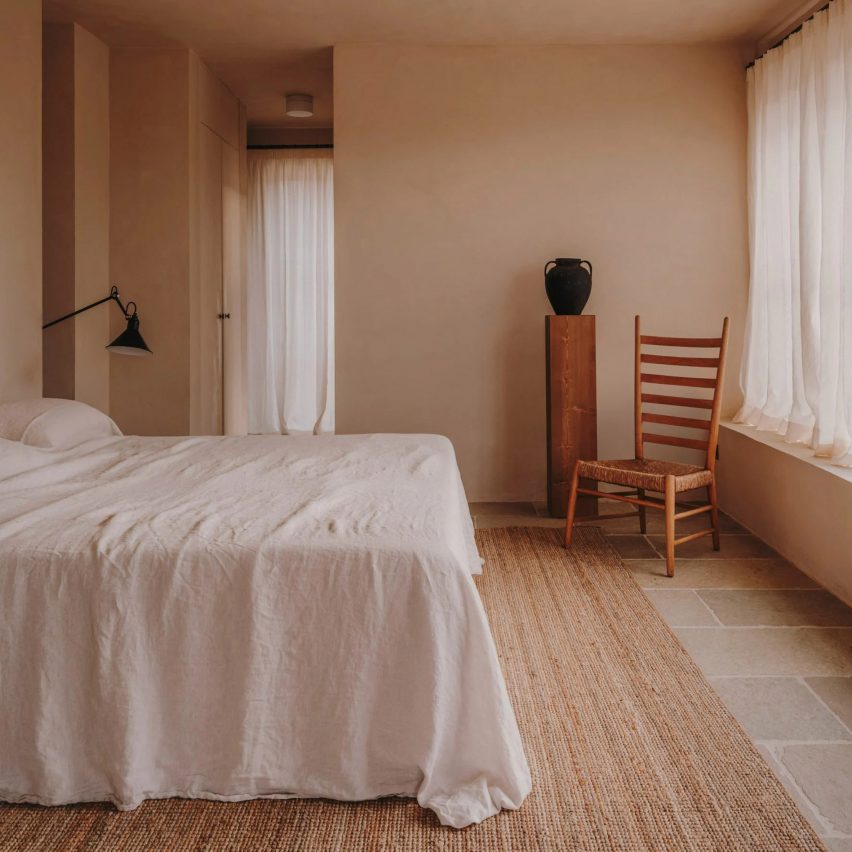
Creating a restful environment is not just about aesthetics; it’s about fostering a sense of peace and tranquility in your daily life. By implementing the strategies discussed, you can design a space that aligns with your personal needs and promotes relaxation. Remember, the goal is to craft a haven where you can escape the chaos of everyday life and find solace in your surroundings.
FAQ Section
What are some quick tips for creating a restful environment?
Start by decluttering your space, using calming colors, and incorporating soft lighting to promote relaxation.
How can I incorporate nature into my restful environment?
Add houseplants, natural materials, or even water features to bring the tranquility of nature indoors.
What role does sound play in a restful environment?
Soft background music, nature sounds, or ambient noise can help mask distractions and create a calming atmosphere.
How often should I refresh my restful space?
Regularly change decor items or reorganize your space to keep the environment feeling fresh and inviting.
Can technology help in creating a restful environment?
Yes, using apps for calming sounds, meditation, or even smart lighting can enhance your relaxation experience.