
 Caroline Sarah
Improve sleep, and you’ll find that it plays a crucial role in enhancing your overall health and vitality. As we delve into the significance of sleep, it becomes evident that getting adequate rest is not just a luxury but a necessity for both physical and mental well-being. Quality sleep supports immune function, manages stress, and sharpens cognitive abilities like memory and concentration. In our fast-paced world, understanding the importance of sleep is more relevant than ever.
Throughout this exploration, we’ll cover common sleep disorders that plague many individuals, natural remedies to enhance sleep quality, and the impact of diet and exercise on restful nights. The goal is to equip you with practical tips and insights to foster a healthier sleep routine. Whether you’re struggling with sleepless nights or simply want to elevate your sleep quality, there’s something here for everyone.
The Importance of Sleep for Overall Health
Sleep is often underrated in its significance to our overall health, yet it plays a pivotal role in both physical and mental well-being. A good night’s sleep serves as a foundation for maintaining optimal immune function and effectively managing stress. Quality sleep is not merely a luxury, but a necessity for the body to recuperate and regenerate. It supports various bodily functions, including hormone regulation, metabolic processes, and cognitive functioning. People who prioritize sleep are more likely to experience improved mood, better emotional resilience, and enhanced overall health.
Adequate sleep is crucial for cognitive functions such as memory and concentration. During sleep, the brain engages in various restorative processes, consolidating memories and processing information from the day. This is particularly important for learning new skills or recalling information. Studies have shown that the brain processes and organizes information while sleeping, making it easier to retrieve it when needed. Lack of sleep can lead to decreased attention span, impaired judgment, and difficulty concentrating. Additionally, chronic sleep deprivation can result in long-term cognitive impairment, affecting problem-solving abilities and creativity. For instance, research indicates that individuals who regularly sleep less than seven hours per night are at a higher risk for memory-related issues, with certain studies suggesting a correlation between sleep deprivation and a 40% increase in the likelihood of cognitive decline.
Statistics underscore the critical impact of sleep deprivation on health. According to the Centers for Disease Control and Prevention (CDC), approximately one in three adults does not get enough sleep, which can lead to serious health consequences. Insufficient sleep has been linked to increased risks of heart disease, diabetes, obesity, and stroke. Furthermore, the World Health Organization (WHO) identifies sleep disorders as a growing health concern that directly affects mental health, contributing to conditions such as anxiety and depression. Sleep deprivation can also lead to decreased life expectancy; a study published in the journal Sleep found that adults who sleep less than six hours per night have a 12% higher risk of death from any cause compared to those who get between seven to eight hours.
Consequences of Sleep Deprivation
The adverse effects of sleep deprivation can manifest in various ways, impacting both physical and mental health. Understanding these consequences is essential for recognizing the importance of sleep in maintaining overall health.
- Impaired Cognitive Function: Reduced ability to think clearly, make decisions, and concentrate.
- Weakened Immune Response: Increased susceptibility to infections due to compromised immune function.
- Heightened Stress Levels: Elevated cortisol levels lead to increased stress and anxiety.
- Increased Risk of Chronic Conditions: Higher likelihood of developing diseases such as heart disease, diabetes, and obesity.
- Emotional Instability: Greater risk of mood swings, irritability, and mental health disorders.
“Sleep is the golden chain that ties health and our bodies together.” – Thomas Dekker
Common Sleep Disorders and Their Effects
Sleep disorders are prevalent issues that affect millions of people worldwide, significantly impacting their daily lives and overall health. Understanding these disorders, including insomnia, sleep apnea, and restless leg syndrome, can help in recognizing their implications on day-to-day functioning and the importance of seeking appropriate treatment.
Types of Sleep Disorders
Sleep disorders encompass a variety of conditions that interfere with the ability to sleep well on a regular basis. The three major sleep disorders include:
- Insomnia: This is characterized by the difficulty in falling asleep, staying asleep, or waking up too early. Insomnia can be acute or chronic and often leads to daytime fatigue, irritability, and difficulty concentrating.
- Sleep Apnea: This disorder involves repeated pauses in breathing during sleep, often leading to significant drops in blood oxygen levels. It can cause fragmented sleep and excessive daytime sleepiness, increasing the risk of cardiovascular problems and other health issues.
- Restless Leg Syndrome (RLS): RLS causes uncomfortable sensations in the legs and an irresistible urge to move them, particularly during periods of rest. This condition can disrupt sleep, leading to fatigue and irritability during the day.
The effects of these sleep disorders extend far beyond just feeling tired. Individuals with insomnia may find it challenging to perform daily tasks, leading to decreased work productivity and increased risk of accidents. Chronic insomnia has been linked to long-term health issues, including anxiety, depression, and weakened immune function.
Sleep apnea, on the other hand, can have severe consequences if left untreated. Individuals who suffer from this disorder may experience high blood pressure, heart disease, and diabetes. The constant interruptions in sleep can lead to memory problems and decreased cognitive function, impacting both personal and professional life.
Restless Leg Syndrome can also severely affect the quality of sleep. Those with RLS often report feeling exhausted during the day due to poor sleep quality. This can lead to decreased performance at work or school and can strain personal relationships due to irritability and mood swings.
Prevalence and Demographics
The prevalence of these sleep disorders varies across different demographics. For instance, insomnia is more common among women and older adults. According to recent studies, approximately 10-15% of adults experience chronic insomnia, with higher rates in women due to hormonal fluctuations.
Sleep apnea predominantly affects men, especially those who are overweight or have a neck circumference greater than 17 inches. It is estimated that about 4% of middle-aged men and 2% of women experience moderate to severe obstructive sleep apnea.
Restless Leg Syndrome affects both genders but is reported more frequently in women. The National Institute of Neurological Disorders and Stroke (NINDS) estimates that RLS affects about 7-10% of the population, with higher rates in individuals over the age of 40.
Understanding the common sleep disorders and their effects is crucial for identifying symptoms and seeking timely intervention. By recognizing these issues, individuals can take proactive steps to improve their sleep quality and, in turn, enhance their overall health and well-being.
Natural Remedies for Improving Sleep Quality
Sleep is essential for overall health and well-being, and natural remedies can be an effective way to enhance sleep quality without relying on pharmaceuticals. Simple lifestyle adjustments and the incorporation of specific herbal supplements can create an ideal environment for restful sleep. Understanding the various natural practices available can empower individuals to take charge of their sleep health and improve their quality of life.
Effectiveness of Meditation, Aromatherapy, and Yoga
Meditation has gained recognition as a powerful tool for reducing stress and promoting relaxation, both of which are critical to achieving restful sleep. Engaging in mindfulness meditation can help calm racing thoughts and focus the mind. Studies have shown that practicing meditation regularly can lead to a significant reduction in insomnia symptoms, allowing for deeper and more restorative sleep cycles.
Aromatherapy utilizes essential oils to create a soothing atmosphere conducive to relaxation. Lavender essential oil, in particular, has shown efficacy in inducing sleepiness and improving sleep quality. Research indicates that inhaling the scent of lavender can lower heart rates and reduce anxiety, fostering an environment that supports sleep. Using a diffuser or applying diluted essential oils to pillows and bedding can enhance the sleep experience.
Yoga is another effective practice that combines physical movement with mindfulness and breath control. Certain yoga poses, particularly restorative poses, can relax the body and reduce tension. A regular yoga practice not only helps improve flexibility and strength but also encourages relaxation, making it easier to transition into sleep. Numerous studies indicate that individuals who practice yoga regularly often experience better sleep quality and reduced insomnia symptoms.
Everyday Foods That Improve Sleep Quality
Incorporating specific foods into your diet can have a positive impact on sleep quality. Certain vitamins, minerals, and compounds found in everyday foods may promote relaxation and improve sleep. Here is a list of foods known for their sleep-enhancing properties:
- Almonds: These nuts are rich in magnesium, which can help relax muscles and nerves, promoting sleep.
- Kiwi: Studies have suggested that eating kiwi can improve sleep onset, duration, and efficiency thanks to its high antioxidant content.
- Fatty fish: Salmon, mackerel, and sardines are high in omega-3 fatty acids and vitamin D, both of which can improve sleep quality.
- Tart cherries: This fruit is a natural source of melatonin, a hormone that regulates sleep-wake cycles, making it beneficial for those struggling with insomnia.
- Oatmeal: Rich in carbohydrates and melatonin, this comforting food can help increase serotonin levels, leading to improved sleep.
Including these foods in your diet can enhance your overall sleep quality, making it easier to drift off and stay asleep throughout the night. Embracing natural remedies can lead to a more restful and rejuvenating sleep experience.
The Role of Sleep Environment in Enhancing Sleep
Creating an optimal sleep environment is essential for improving sleep quality. Various factors in our surroundings can significantly influence how well we sleep. The interplay of light, noise, and temperature can either promote restful slumber or lead to disturbances that hamper our ability to recharge overnight. By understanding how these elements affect sleep, we can take practical steps towards crafting a more conducive sleeping space.
Light, noise, and temperature play pivotal roles in dictating the quality of our sleep. For instance, exposure to bright lights, particularly blue light from screens, can interfere with melatonin production, the hormone responsible for regulating sleep. A cool room temperature, around 60 to 67 degrees Fahrenheit, is generally considered optimal for sleep, as it helps lower body temperature, signaling the body that it’s time to rest. Additionally, excessive noise can prevent deep sleep; hence, soundproofing or using white noise machines can be beneficial in this regard.
Creating an Optimal Sleep Environment
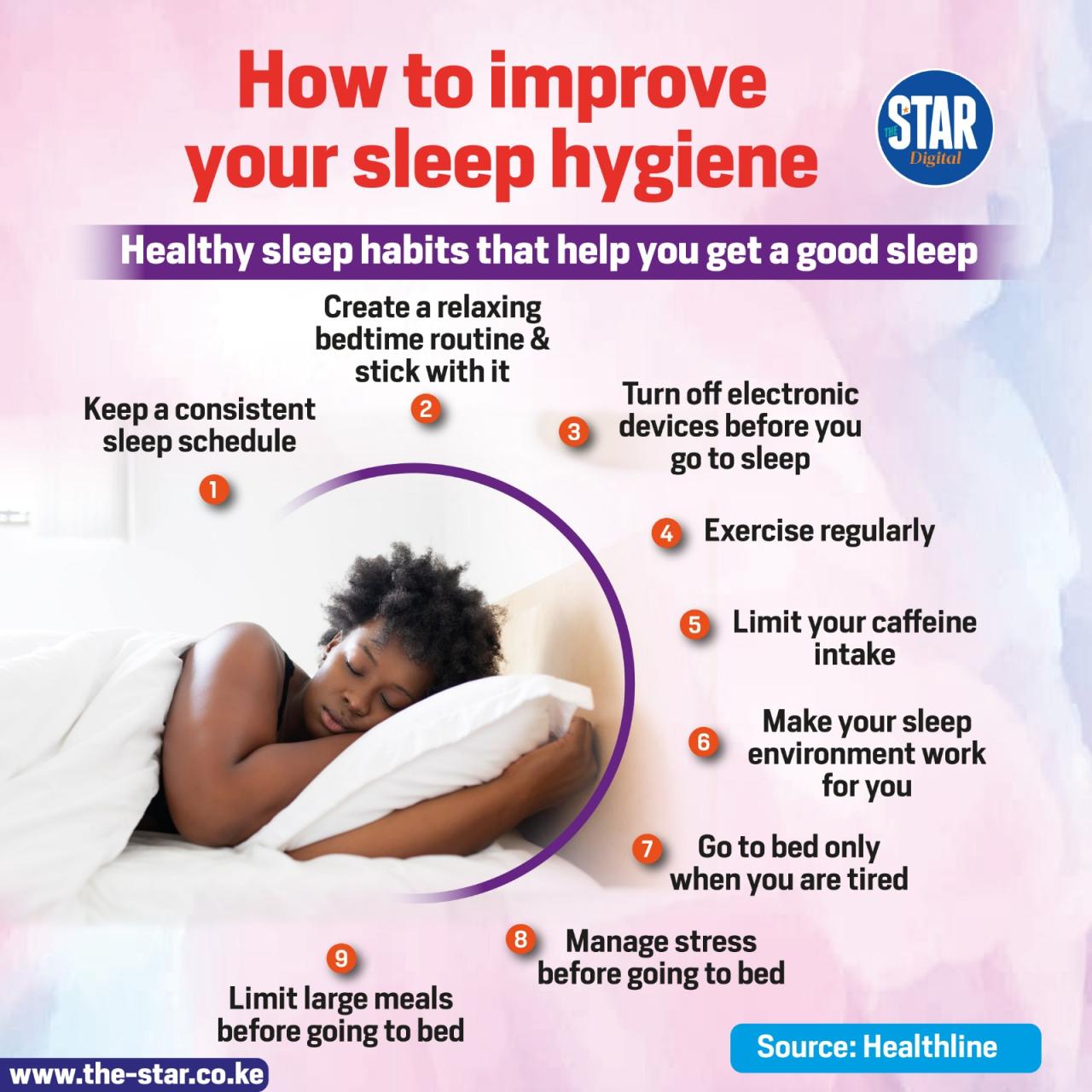
To cultivate a sleep-friendly environment, consider the following practical steps. Begin with managing light exposure by using blackout curtains to keep the room dark. Dimming lights an hour before bedtime can also help prepare your body for sleep.
Noise reduction is equally important. Investing in soundproofing solutions or utilizing earplugs can mitigate disturbances from outside. A white noise machine can drown out sudden noises, creating a more tranquil atmosphere.
Temperature regulation is crucial. Using a fan, air conditioning, or a comfortable thermostat helps maintain the ideal sleeping temperature. Additionally, selecting appropriate bedding materials can enhance comfort—opt for breathable fabrics like cotton or linen that wick moisture and promote airflow.
When it comes to mattresses, different types serve varied needs. Memory foam mattresses contour to the body, offering support and pressure relief, ideal for those with joint pain. In contrast, innerspring mattresses provide a firmer feel and better airflow, catering to those who prefer a bit more bounce. Finally, latex mattresses offer a balance of support and comfort, with natural materials that are hypoallergenic and great for temperature regulation.
Ultimately, creating a harmonious sleep environment involves thoughtful consideration of these factors, ensuring a restful night’s sleep.
Establishing a Relaxing Pre-Sleep Routine
Creating a calming pre-sleep routine is vital for signaling the body that it’s time to wind down and prepare for rest. By incorporating specific activities into this routine, individuals can enhance their sleep quality and overall well-being. Engaging in calming practices helps to transition the mind and body away from the day’s stressors, promoting a more restful night’s sleep.
A consistent sleep schedule plays a significant role in achieving quality rest. Going to bed and waking up at the same time each day helps regulate the body’s internal clock, also known as the circadian rhythm. This rhythm influences various bodily functions, including hormone release and metabolic processes. When individuals maintain a regular sleep pattern, they often find it easier to fall asleep and wake up feeling refreshed. Inconsistent sleep schedules can lead to increased fatigue, mood swings, and difficulty concentrating during the day. Therefore, prioritizing a routine not only aids in sleep but also contributes to overall physical and mental health.
There are several technology-based tools available that can assist in developing better sleep habits. Sleep-tracking apps, such as Sleep Cycle and Calm, help analyze sleep patterns and provide personalized recommendations. These apps can track sleep cycles, offering insights into the duration and quality of sleep, while also suggesting optimal wake-up times based on individual patterns. Wearable devices, like smartwatches or fitness trackers, can also monitor sleep quality, heart rate, and even breathing patterns during the night. By leveraging these tools, users can gain a deeper understanding of their sleep behavior and make necessary adjustments to improve their pre-sleep routine.
Incorporating these elements into a pre-sleep ritual can make a significant difference. Activities such as reading a book, practicing gentle yoga, or enjoying a warm herbal tea can be soothing and conducive to sleep. By creating a personalized routine and utilizing available technology, individuals can pave the way for more restorative sleep experiences.
The Connection Between Diet and Sleep Quality
Diet plays a crucial role in determining the quality of our sleep. While many might focus on sleep hygiene practices like maintaining a consistent sleep schedule or creating a calming bedtime environment, what we consume throughout the day can significantly impact our ability to fall and stay asleep. Certain nutrients can promote restful slumber, while others may disrupt our sleep cycles, affecting our overall well-being.
Specific nutrients and foods play vital roles in enhancing sleep quality. Magnesium, for instance, is known for its calming properties and helps to relax muscles and nerves. Foods rich in magnesium include spinach, nuts, seeds, and whole grains. Tryptophan, an amino acid found in turkey, dairy products, and bananas, can also aid sleep by increasing the production of sleep-regulating hormones like serotonin and melatonin. Conversely, certain foods and substances can hinder sleep. Caffeine, commonly found in coffee, tea, and chocolate, can interfere with the body’s ability to fall asleep if consumed too close to bedtime. High-sugar foods and heavy, fatty meals can lead to discomfort and indigestion, making it difficult to drift off into a peaceful sleep.
Timing of Meals and Its Effects on Sleep Quality
The timing of meals is equally important when considering sleep quality. Eating too close to bedtime can lead to various sleep disturbances due to digestion issues and increased metabolic activity. Ideally, one should aim to have their last meal at least 2-3 hours before bedtime. This allows the body ample time to digest the food, reducing the likelihood of discomfort during the night.
Eating a large meal right before sleep can cause issues like acid reflux or heartburn, which can lead to a restless night. On the other hand, going to bed on an empty stomach can also be problematic; low blood sugar levels may wake you up in the middle of the night. Thus, a light snack, composed of sleep-promoting foods like yogurt or a small portion of nuts, can support a more restful night if consumed about an hour before bedtime.
Comparison of Different Diets and Their Impact on Sleep
Different dietary patterns can have varying effects on sleep quality. Here’s a comparative look at popular diets and their influence on sleep:
- Mediterranean Diet: Rich in fruits, vegetables, whole grains, fish, and healthy fats, this diet is associated with better sleep quality. The anti-inflammatory properties of foods included in this diet may lead to improved sleep patterns.
- Ketogenic Diet: High in fats and low in carbohydrates, some individuals may experience disrupted sleep during the initial adaptation phase due to changes in metabolism. However, once adapted, some people report improved sleep.
- Plant-Based Diet: Consuming a diet primarily consisting of vegetables, fruits, legumes, and whole grains may enhance sleep quality due to its richness in nutrients like magnesium and antioxidants.
In summary, the connection between diet and sleep quality is complex and multifaceted. The right balance of nutrients, strategic meal timing, and understanding how different diets interact with our body’s sleep mechanisms can lead to improved sleep outcomes.
The foods we eat and when we eat them greatly influence our sleep quality and overall health.
The Influence of Physical Activity on Sleep Patterns
Regular physical activity is known to be a cornerstone of a healthy lifestyle, and its influence on sleep patterns is both profound and well-documented. Engaging in regular exercise not only helps manage stress and anxiety levels but also plays a crucial role in enhancing sleep quality and duration. Research indicates that individuals who incorporate physical activity into their daily routines experience deeper sleep, fall asleep faster, and have fewer instances of waking during the night. This connection arises from the body’s natural response to exercise, which helps to regulate circadian rhythms and optimize the sleep-wake cycle.
Types of Exercises for Better Sleep Outcomes
The benefits of physical activity on sleep can be maximized through specific types of exercises. Here’s a closer look at the most effective forms of exercise that can lead to improved sleep quality:
1. Aerobic Exercise: Activities such as running, swimming, cycling, or brisk walking significantly boost cardiovascular health while promoting the release of endorphins. These “feel-good” hormones help to reduce stress and anxiety, making it easier to relax and fall asleep.
2. Yoga and Stretching: Gentle yoga or stretching exercises enhance flexibility and reduce muscle tension. These practices can also lower cortisol levels, the stress hormone, which helps calm the mind and body before bedtime.
3. Strength Training: Incorporating resistance training into your fitness routine can improve sleep quality. Lifting weights or using resistance bands helps build muscle while also promoting the release of growth hormones that aid in recovery and relaxation.
4. Mindful Movement: Tai Chi and Pilates are forms of exercise that focus on breathing and body awareness. These practices not only improve physical well-being but also have a calming effect on the mind, making them ideal before sleep.
5. High-Intensity Interval Training (HIIT): Short bursts of intense exercise followed by rest intervals can lead to better sleep. While the intensity might seem counterintuitive, research shows that HIIT can improve overall sleep duration and efficiency.
Timing workouts effectively is also critical for optimizing sleep. Engaging in vigorous exercise too close to bedtime may lead to heightened energy levels, making it difficult to wind down. Ideally, aim to finish your workout at least 2-3 hours before going to sleep. Conversely, light exercises such as yoga or stretching can be beneficial in the evening, as they promote relaxation and prepare the body for rest.
“Regular physical activity is associated with improved sleep quality, deeper sleep, and reduced insomnia symptoms.”
Understanding Sleep Cycles and Their Importance
Sleep is a complex process that plays a pivotal role in our overall health and well-being. Understanding the various stages of sleep and their functions can provide insight into how our bodies recover and restore throughout the night. Each stage contributes uniquely to physical, mental, and emotional health, making it essential to recognize the importance of sleep cycles in achieving quality rest.
The concept of sleep cycles refers to the progression through different stages of sleep that occur throughout the night, typically lasting about 90 minutes each. These cycles consist of Non-REM (Rapid Eye Movement) and REM sleep, with each stage serving specific functions for recovery and restoration. Non-REM sleep is divided into three stages: Stage 1 is a light sleep where one can be easily awakened; Stage 2 is where heart rate slows, and body temperature drops; Stage 3 involves deep sleep, crucial for physical recovery, growth, and immune function. REM sleep, on the other hand, is vital for cognitive processes, such as memory consolidation and emotional regulation.
Understanding these stages can significantly influence sleep quality. For instance, disruptions in the natural progression through these cycles can lead to feelings of grogginess and fatigue, even after a full night’s sleep. Sleep architecture—how these stages are structured throughout the night—affects how rested and alert we feel during the day.
Benefits of Sleep Tracking
Sleep tracking technology has become increasingly popular, providing valuable insights into personal sleep patterns and quality. By monitoring sleep duration and cycles, individuals can identify trends and make informed adjustments to their sleep habits.
The key benefits of sleep tracking include:
- Awareness of Sleep Quality: Users gain insights into how restful their sleep is, which can help pinpoint issues like insomnia or frequent awakenings.
- Cycle Analysis: Data can reveal how often one enters different sleep stages, allowing for tailored strategies to enhance restorative sleep.
- Habit Identification: Tracking can highlight behaviors that impact sleep negatively, such as caffeine consumption or screen time before bed.
- Motivation for Improvement: By seeing tangible data on their sleep, users may feel more motivated to adopt healthier sleep habits.
Utilizing sleep tracking can empower individuals to take control of their sleep quality, ultimately leading to better overall health and productivity. As sleep science continues to evolve, these tools will likely become even more sophisticated, further enhancing our understanding of sleep cycles and their importance.
Epilogue
In summary, improving sleep is not merely about spending more time in bed; it’s about enhancing the quality of that time. By understanding the various factors that affect sleep—such as environment, routine, and lifestyle choices—you can take actionable steps toward a better night’s rest. Emphasizing the importance of a holistic approach will empower you with the knowledge to transform your sleep patterns and, ultimately, your health.
Expert Answers
How many hours of sleep do adults need?
Adults typically need between 7 to 9 hours of sleep per night for optimal health.
Can sleep affect mental health?
Yes, poor sleep can lead to issues such as anxiety and depression, significantly impacting mental well-being.
What are some signs of sleep deprivation?
Common signs include fatigue, difficulty concentrating, mood changes, and increased susceptibility to illness.
Are naps beneficial for improving sleep?
Short naps can be beneficial, but long or late-day naps may interfere with nighttime sleep quality.
Can technology disrupt sleep quality?
Yes, blue light emitted from screens can hinder the production of melatonin, making it harder to fall asleep.