 Caroline Sarah
Nod off is more than just a phrase; it encapsulates moments of tranquility that can sneak into our daily lives, often at the most unexpected times. As fatigue creeps in, whether during a long meeting, an afternoon class, or a quiet moment on the couch, the act of nodding off serves as both a physiological response and a cultural phenomenon. Understanding this concept opens the door to exploring not just the science behind sleep and napping, but also the social contexts and benefits that come with allowing ourselves to drift into brief slumbers.
From its origins to its implications in various aspects of life, the notion of nodding off invites curiosity about how we can manage our wakefulness and embrace the power of rest. This exploration reveals how the simple act of a quick snooze can enhance creativity, improve productivity, and even foster deeper connections in both personal and professional realms.
Understanding the Concept of ‘Nod Off’
The phrase ‘nod off’ has been ingrained in the vernacular for many years, often associated with those fleeting moments when a person drifts into a light sleep, typically in an unexpected situation. This informal expression captures the essence of fatigue, whether it arises from long hours at work, late-night study sessions, or simply the body’s natural need for rest. Understanding its origin and evolution provides valuable insights into how we relate to sleep and the moments of exhaustion that can catch us off guard.
The term ‘nod off’ likely originated from the physical act of nodding one’s head when falling asleep—an involuntary motion that signals the onset of drowsiness. Over time, it has become a colloquial way to describe the act of dozing off, especially in contexts where one might not be in a comfortable sleeping environment. Physiologically, nodding off is tied to various factors, including sleep deprivation, circadian rhythms, and the body’s need for rejuvenation. Psychologically, stress and mental fatigue can significantly contribute to the likelihood of falling into a light sleep.
Physiological and Psychological Factors
Multiple factors lead to the experience of nodding off, both physiological and psychological in nature. Understanding these can shed light on why and when we find ourselves in such situations.
- Sleep Deprivation: Chronic lack of sleep accumulates, leading to increased drowsiness and a greater likelihood of nodding off during the day.
- Circadian Rhythms: The body’s natural sleep-wake cycle may cause drowsiness at certain times, often in the early afternoon, commonly referred to as the “afternoon slump.”
- Environmental Factors: Comfortable environments, such as a warm room or conducive seating, can enhance the urge to nod off, especially post-meal.
- Mental Fatigue: Engaging in prolonged periods of concentration can lead the brain to seek rest, resulting in nodding off during tasks.
Everyday life offers numerous examples of where people commonly nod off, showcasing the universal experience of fatigue impacting our daily routines. Situations where individuals may find themselves unintentionally dozing off include:
- During Meetings: In lengthy meetings or presentations, boredom and fatigue can lead individuals to nod off, often while trying to maintain composure.
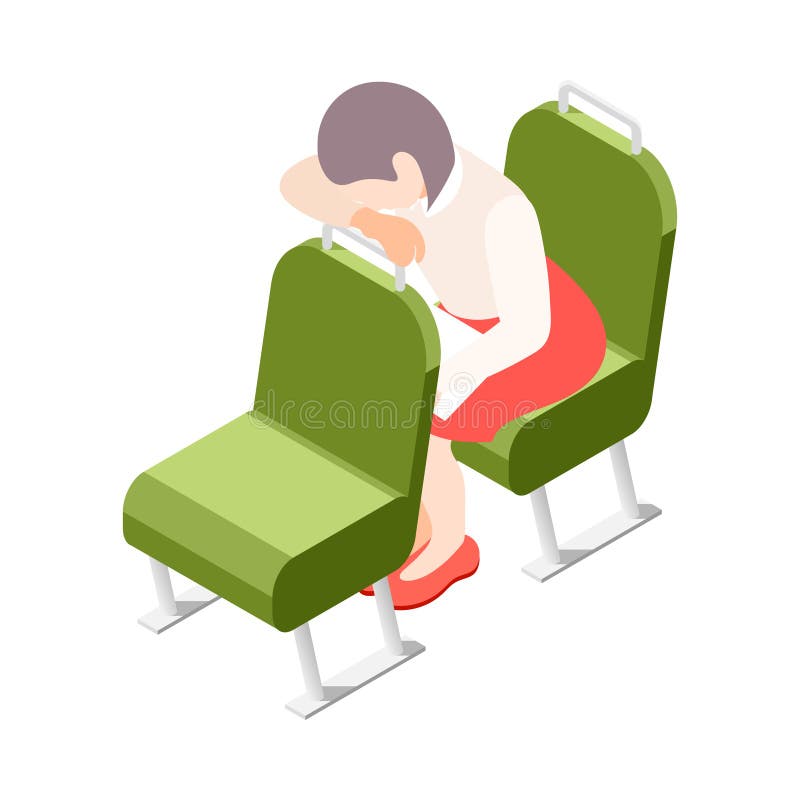
- On Public Transportation: Commuters frequently nod off while traveling on buses or trains, particularly after a long day at work or early morning start.
- While Reading: Engaging with a book or lengthy articles, especially in a cozy setting, can trigger light sleep, especially when one is already tired.
- In Front of the Television: Watching television late at night often results in dozing off, particularly after a long day.
“Understanding the triggers of drowsiness can help manage our schedules better and ensure we are well-rested for our daily tasks.”
The Science Behind Napping and Nodding Off
Napping is often viewed as a luxury or an indulgence, yet it carries significant physiological benefits supported by scientific research. Understanding the science behind this brief slumber reveals how it can enhance cognitive functions and improve overall well-being. This exploration dives into the stages of sleep, the advantages of short naps, and the various types of naps that can effectively combat sleepiness.
Stages of Sleep and Nodding Off
Sleep is divided into several stages, primarily categorized into Non-Rapid Eye Movement (NREM) and Rapid Eye Movement (REM) sleep. The entire sleep cycle typically lasts around 90 minutes, with NREM sleep further divided into three stages:
- Stage 1: This is a light sleep stage, where one can be easily awakened. It lasts for a few minutes and accounts for about 5% of total sleep time.
- Stage 2: This stage marks the onset of true sleep, characterized by a drop in heart rate and body temperature. It comprises approximately 50% of total sleep time.
- Stage 3: Also known as deep sleep, this stage is crucial for physical recovery and growth. It’s difficult to awaken someone in this stage, and it accounts for about 20% of total sleep.
- REM Sleep: This stage is vital for cognitive functions such as memory consolidation and learning, representing about 25% of sleep time.
When nodding off, individuals typically enter the lighter stages of sleep (Stages 1 and 2), providing a quick recharge without going into deep sleep, which can leave one feeling groggy if interrupted.
Benefits of Short Naps
Research indicates that short naps can significantly impact productivity and cognitive performance. Studies suggest that naps of around 20 minutes can enhance alertness and performance without the negative effects associated with longer sleep durations.
- Increased alertness: A brief nap can improve focus and attention, making tasks easier to complete.
- Boosted memory: Napping aids in consolidating memories, enhancing learning and recall.
- Improved mood: Short naps can reduce feelings of fatigue and improve overall mood, leading to better interactions and decision-making.
Research from the NASA Sleep Study found that a 10-minute nap can improve performance on tasks requiring attention, while a 20-minute nap has been shown to increase cognitive abilities and even reaction times.
Types of Naps and Their Effectiveness
Different types of naps can be employed based on individual needs and schedules, each offering unique advantages in combating sleepiness. The following types are commonly recognized:
- Power Nap: Lasting about 10-20 minutes, this quick rest is designed to boost alertness and energy without deep sleep.
- Recovery Nap: Taking a longer nap of around 30-90 minutes can help recover from sleep deprivation and enhance cognitive performance.
- Prophylactic Nap: This type is taken before an anticipated sleep deficit, such as a long shift or travel, and can help prepare the body for upcoming fatigue.
Each type of nap serves its purpose, and understanding the right choice can help individuals maximize their productivity and minimize feelings of drowsiness throughout the day. The effectiveness of these naps can vary significantly among individuals, emphasizing the importance of personal awareness and adaptation to one’s unique sleep needs.
Nodding Off in Different Contexts
Nodding off, a common yet often overlooked phenomenon, can happen in various situations, reflecting our need for rest amidst busy schedules. This behavior can occur at work, during lectures, while commuting, or even in leisurely settings. Each context brings its own implications and cultural perceptions, shedding light on societal attitudes toward napping and the natural need for sleep.
Nodding Off at Work and School
In professional environments and educational institutions, nodding off can carry different connotations. At work, it is frequently viewed as a sign of disinterest or fatigue, potentially affecting one’s career progression. While some workplaces acknowledge the importance of power naps, they remain somewhat of a taboo, especially in cultures that prioritize productivity. In educational settings, teachers may interpret nodding off as disengagement, although research suggests that brief periods of napping can enhance learning and retention among students.
Employers in some progressive companies have started implementing nap rooms to improve employee productivity and well-being.
Cultural Perceptions of Napping
Cultural attitudes towards napping and nodding off vary significantly across the globe. For instance, in countries like Spain and Italy, the tradition of a midday siesta is culturally entrenched, promoting short sleep breaks to recharge. In contrast, many Western cultures tend to stigmatize napping, associating it with laziness or lack of ambition. Understanding these cultural differences can illuminate how societies prioritize rest and recovery, impacting overall health and productivity.
- In Japan, corporate culture has embraced the practice of ‘inemuri,’ where employees napping at their desks is seen as a sign of diligence.
- In contrast, in the United States, napping is often viewed negatively, with many employers focusing solely on output and efficiency.
Age Group Responses to Nodding Off
The tendency to nod off varies significantly among different age groups, influenced by lifestyle, responsibilities, and biological changes. Children and teenagers, for instance, exhibit a natural propensity for sleep, often nodding off during classes or play. Young adults, balancing work and social lives, may struggle with sleep deprivation, leading to increased instances of nodding off. Meanwhile, older adults might nod off more frequently due to age-related changes in sleep patterns and overall energy levels.
Research indicates that adolescents need about 8-10 hours of sleep, yet many only get 6-7 hours due to academic pressures.
- Children: Require ample sleep, often leading to unintentional nodding off during less stimulating activities.
- Young Adults: Juggling various commitments can result in chronic sleep deprivation, prompting nodding off at inopportune times.
- Older Adults: May nod off more frequently due to natural shifts in sleep patterns, often needing shorter, more frequent rest periods.
Tips for Avoiding Unwanted Nodding Off
Nodding off during important tasks can lead to missed opportunities and reduced productivity. To enhance your alertness and maintain focus, it is crucial to adopt strategies that can keep you awake and engaged. Here are some practical tips to help you stay alert and avoid unwanted drowsiness during essential activities.
Maintaining a regular sleep schedule plays a vital role in managing daytime sleepiness. Consistent sleep patterns can help regulate your body’s internal clock, enhancing both the quantity and quality of sleep you receive. This consistency encourages your body to develop a natural rhythm, making it easier to wake up feeling refreshed and ready to tackle the day.
Strategies to Prevent Nodding Off
Implementing effective strategies can significantly help in combating drowsiness. Below are some methods that promote alertness throughout the day:
- Stay Hydrated: Drinking enough water is essential for maintaining energy levels. Dehydration can lead to fatigue, so aim for at least 8 glasses of water daily.
- Take Regular Breaks: Short breaks can rejuvenate your mind. Stepping away from a task for even just five minutes can help refresh your focus.
- Get Moving: Engaging in physical activity, even a brief walk, can stimulate blood flow and increase alertness. Aim for a quick stretch or a few minutes of light exercise during breaks.
- Incorporate Healthy Snacks: Choose snacks that are rich in protein and healthy fats, such as nuts or yogurt, to avoid energy crashes associated with sugary snacks.
- Limit Caffeine Intake: While caffeine can provide a temporary boost, excessive consumption can lead to a crash later. Aim for moderation, and consider timing your caffeine intake strategically.
- Create a Stimulating Environment: Bright lighting and an organized workspace can help keep you alert. Consider using natural light and maintaining a clean, clutter-free area.
Physical activity and nutrition significantly influence energy levels and overall alertness. Regular exercise boosts serotonin and endorphin levels, enhancing your mood and focus. A balanced diet offering a variety of nutrients, especially complex carbohydrates, proteins, and healthy fats, provides sustained energy without the highs and lows associated with processed foods.
Consistent sleep patterns and a well-balanced diet, complemented by regular physical activity, create a robust foundation for alertness and productivity.
The Impact of Nodding Off on Daily Life
Nodding off can have profound implications for various aspects of daily life, affecting personal and professional relationships, as well as raising safety concerns. Understanding these impacts is crucial for fostering a healthier lifestyle and ensuring the well-being of oneself and others.
Effects on Personal and Professional Relationships
The act of nodding off, whether during conversations or meetings, can lead to misunderstandings and feelings of neglect. In personal relationships, it may signal disinterest or fatigue, causing strain and resentment. Friends or partners may interpret a lack of engagement as a lack of care, potentially leading to conflicts.
In professional settings, nodding off can severely impact one’s career. Colleagues may perceive an individual as unmotivated or disrespectful, which can hinder teamwork and collaboration. For example, a study by the American Psychological Association found that employees who appeared disengaged in meetings were often overlooked for promotions. Being alert and present fosters better communication, trust, and productivity, which are essential for a thriving work environment.
Safety Concerns in Specific Scenarios
Nodding off can pose significant safety hazards, particularly in situations requiring full attention and alertness. The following scenarios demonstrate the risks associated with drowsiness:
- Driving: When a driver nods off, even for a moment, the risk of accidents increases dramatically. The National Highway Traffic Safety Administration reports that drowsy driving is responsible for about 100,000 crashes each year in the U.S.
- Operating Machinery: In industrial settings, fatigue can lead to catastrophic accidents. Workers nodding off while operating heavy machinery pose a danger not only to themselves but also to their colleagues. A report from the Occupational Safety and Health Administration highlights that drowsiness accounts for a significant percentage of workplace injuries.
Maintaining alertness in such situations is critical for personal safety and the safety of others. Recognizing the signs of fatigue and taking proactive measures, such as regular breaks, can mitigate these risks effectively.
Long-term Effects of Chronic Nodding Off
Chronic nodding off can lead to long-term health issues compared to individuals who maintain a consistent and healthy sleep routine. The risks associated with sleep deprivation include impaired cognitive function, increased susceptibility to chronic diseases, and diminished emotional well-being.
- Cognitive Decline: Persistent fatigue affects memory and decision-making abilities. Research indicates that individuals who regularly nod off during the day may experience accelerated cognitive decline over time.
- Health Risks: Chronic sleep disruption is linked to serious health conditions such as obesity, diabetes, and cardiovascular disease. According to the Centers for Disease Control and Prevention, adults who do not get adequate sleep face a higher risk of these ailments.
- Emotional Disturbances: Those who nod off frequently may also experience mood swings and increased irritability. Studies show that insufficient sleep can lead to heightened anxiety and depression, impacting overall quality of life.
The contrast between the effects on those who nod off regularly and those who prioritize their sleep is stark. A healthy sleep routine not only enhances daily functioning but also contributes to long-term health and well-being.
Cultural and Historical References to Nodding Off
Throughout history, the act of nodding off has found itself woven into the fabric of literature, folklore, and the lives of prominent figures. Cultural narratives have often portrayed slumber as a symbol of vulnerability or an escape from reality, while historical personalities have embraced napping as a means to enhance their creativity and productivity. These references not only highlight the universal nature of napping but also showcase how societal views on sleep have evolved over time.
Literary and Folklore Representations
Nodding off features prominently in literature and folklore, often serving as a metaphor for various human experiences. Many characters in classic literature are depicted as falling asleep in pivotal moments, suggesting a deeper meaning behind their slumber. For instance, in “The Odyssey,” Odysseus encounters the Lotus-Eaters, whose enchanting flowers induce a forgetful slumber, representing escapism. Similarly, in fairy tales like “Sleeping Beauty,” deep sleep symbolizes a transition or a moment of vulnerability that leads to awakening and transformation.
Moreover, folklore from various cultures illustrates the significance of napping. For example, in Japanese culture, the concept of “inemuri” celebrates the act of sleeping in public as a sign of diligence and hard work, rather than laziness. This acceptance contrasts markedly with Western norms, where public napping has often been stigmatized. These narratives reflect the complex relationship individuals and societies have with sleep, portraying it as both a necessary indulgence and an opportunity for rejuvenation.
Historical Figures Known for Napping
Many historical figures have been known for their napping habits, which often contributed to their success. Figures like Winston Churchill and Thomas Edison famously incorporated power naps into their routines, believing that short periods of rest could invigorate their minds and enhance productivity. Churchill, for instance, claimed that his naps allowed him to work late into the night, offering a competitive edge in his political career.
Edison, too, advocated for napping, often stating that a short sleep could lead to bursts of creativity. His innovation was fueled by the belief that rest was essential for maintaining focus and generating new ideas. Similarly, the famous artist Salvador Dalí would take “naps” that bordered on the surreal, using the state between sleep and wakefulness to inspire his creative process. The recognition of these figures’ napping habits underscores the notion that rest can be a strategic element in achieving great accomplishments.
Anecdotes from Various Cultures
Cultural anecdotes surrounding napping highlight societal acceptance and its significance across different regions. In Spain, the traditional siesta is a well-known practice that encourages midday napping, seen as a necessary break for revitalization. This cultural norm allows individuals to recharge during the hottest part of the day, fostering a balanced lifestyle.
In contrast, in Italy, the practice of “riposo” serves a similar purpose, where businesses may close for a few hours to allow workers to rest. This cultural appreciation for napping suggests a collective understanding of the benefits of rest, promoting well-being and productivity.
In some African cultures, midday naps are woven into the communal schedule, often accompanied by storytelling and socialization, highlighting how rest can foster community connectivity. These anecdotes illustrate the varied perspectives on napping, celebrating its role as a form of self-care and community bonding across the globe.
Harnessing the Power of Nodding Off for Creativity
Nodding off, or taking brief moments of rest, can serve as a powerful catalyst for creativity. During these short periods of downtime, the mind often wanders, leading to unexpected insights and innovative ideas. This phenomenon is rooted in the brain’s ability to process information subconsciously, allowing for enhanced problem-solving and creative thinking.
Research has shown that even short naps can significantly boost cognitive function, including memory retention and creativity. When the brain is allowed to relax, it can make connections between seemingly unrelated ideas, fostering a unique creative output. This section delves into techniques and practices that can maximize creativity through mindful nodding off.
Techniques for Enhancing Creativity Through Short Rest Periods
Incorporating short periods of rest into your daily routine requires deliberate intention and strategy. Here are several techniques that can be utilized to tap into the creativity-enhancing benefits of nodding off:
- Power Naps: A 10-20 minute nap can help refresh the mind without entering deep sleep stages. This brief rest can lead to clearer thoughts and newfound inspiration when returning to creative tasks.
- Mindful Breathing: Before napping, engaging in a few minutes of mindful breathing can help clear the mind, creating space for creative thoughts to emerge. This practice prepares the brain for imaginative exploration.
- Creative Visualization: While resting, visualize a project or problem you’re working on. This can lead to breakthroughs as your subconscious works through challenges in the background.
- Scheduled Downtime: Set specific times for short breaks throughout the day, ensuring that your mind gets regular intervals of rest. This consistent practice can lead to sustained creative energy.
The integration of naps into the routines of several successful creatives underscores the effectiveness of these techniques. Notable figures such as Salvador Dalí and Thomas Edison famously utilized naps to enhance their work. Dalí, for instance, would take a short nap while holding a key in his hand; when he fell asleep, the key would drop, waking him up and often leading to a burst of artistic inspiration. Similarly, Edison believed that naps were essential for maintaining his inventive mind, often working late into the night and taking naps throughout his day.
“Creativity requires the courage to let go of certainties.” – Erich Fromm
The practice of nodding off is not just a luxury, but a valuable tool that can lead to enhanced creativity and innovative problem-solving across various artistic and professional endeavors. Embracing these small moments of rest can significantly impact the creative process and overall output.
Closing Notes
In summary, nodding off is a multifaceted experience that intertwines with our daily routines, cultural perceptions, and even our creativity. Recognizing the moments when we might be tempted to nod off allows us to harness its potential benefits while being mindful of its implications for safety and relationships. By embracing the art of napping and understanding our body’s signals, we can enrich our lives and optimize our performance, making nodding off not just a fleeting moment, but a meaningful practice in our quest for balance and inspiration.
Clarifying Questions
What does it mean to nod off?
Nodding off refers to the act of falling into a light sleep, often unintentionally, usually due to fatigue or boredom.
Is nodding off harmful?
While occasional nodding off can be harmless and even beneficial, chronic instances, especially in risky situations like driving, can be dangerous.
How long should a nap be to feel refreshed?
A nap of 10 to 20 minutes is ideal for a quick boost of alertness, while longer naps of 90 minutes can allow for a full sleep cycle.
Can nodding off improve creativity?
Yes, brief moments of rest can lead to enhanced creativity and problem-solving by allowing the brain to process and reorganize information.
What should I do if I find myself nodding off regularly?
If you frequently nod off, consider evaluating your sleep schedule, stress levels, and overall health to ensure you’re getting enough restorative sleep at night.