
 Caroline Sarah
Shift work disorder is a condition that arises from working non-traditional hours, leading to significant disruption in sleep patterns and overall health. As more industries adopt 24-hour operations, understanding the psychological and physiological effects of this disorder becomes increasingly important. Those affected often struggle with irregular sleep schedules, which can lead to heightened anxiety, depression, and various long-term health issues. This overview will explore the multifaceted impact of shift work disorder on individuals’ mental and physical well-being, providing insights into effective management strategies.
From the challenges of maintaining proper nutrition to the importance of social support, navigating the complexities of shift work can be daunting. However, with the right tools and strategies, individuals can mitigate the adverse effects and lead healthier, more balanced lives despite their unconventional schedules.
Shift work disorder and its psychological implications
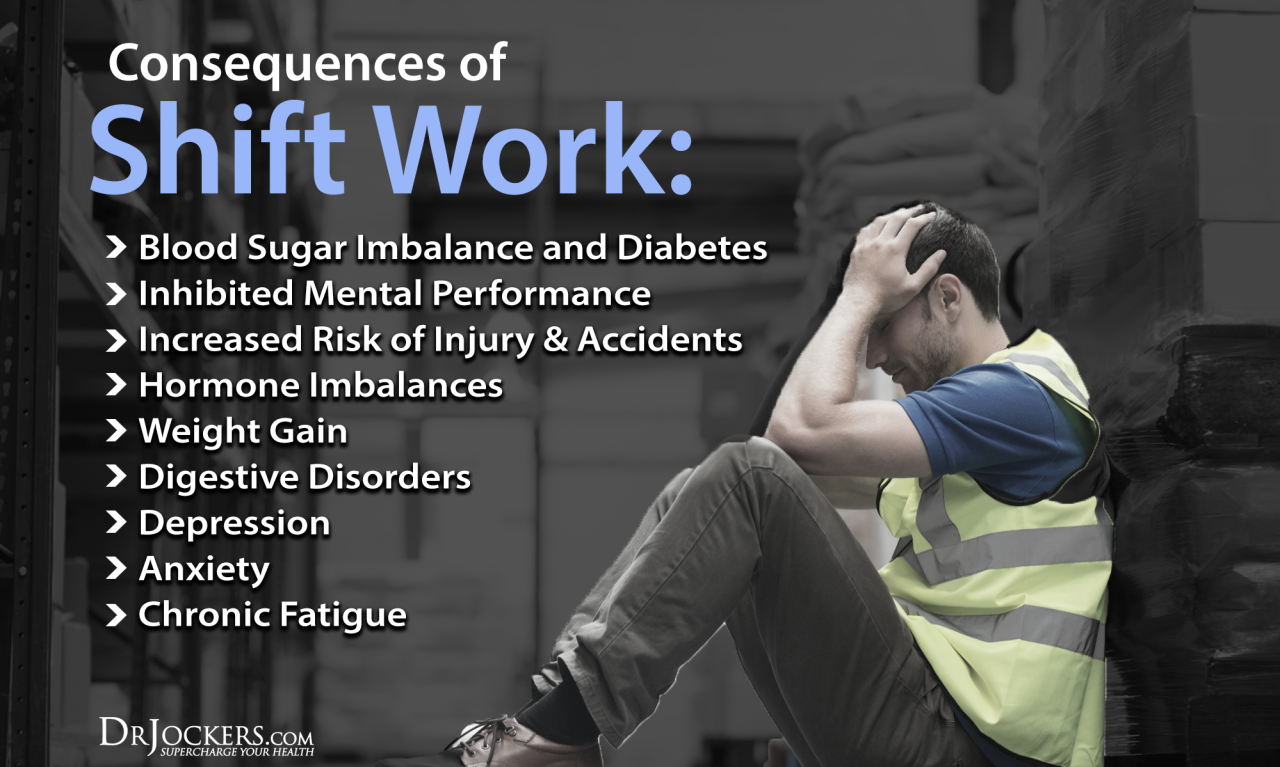
Shift work disorder (SWD) arises from the misalignment between the body’s circadian rhythms and an individual’s work schedule, particularly those who work non-traditional hours. This misalignment can lead to a host of psychological implications, primarily due to irregular sleep patterns. Sleep is crucial for mental health, and when it is disrupted, the consequences can be severe. Individuals with SWD often experience fragmented sleep, reduced sleep duration, and inconsistent sleep quality. This results in daytime fatigue, irritability, and difficulty concentrating, which can adversely affect both personal and professional life.
The psychological effects of irregular sleep patterns caused by shift work disorder are far-reaching. Chronic sleep deprivation can lead to impairments in cognitive function, emotional regulation, and overall psychological well-being. Research has shown that individuals working night shifts or rotating schedules are at a higher risk of developing anxiety and depressive disorders. The constant battle against exhaustion and the struggle to maintain social relationships can foster feelings of isolation and helplessness. For example, a study published in the journal “Sleep Medicine” found that shift workers had a 25% increased risk of mood disorders compared to those with regular sleep patterns. This was attributed to both the direct effects of sleep deprivation and the stress associated with managing a disrupted lifestyle.
Correlation between shift work disorder and anxiety or depression
The relationship between shift work disorder and mental health challenges such as anxiety and depression is significant. The irregular sleep patterns associated with SWD lead to alterations in hormone levels, particularly cortisol, which is linked to stress responses. Elevated cortisol levels can perpetuate anxiety and depressive symptoms, creating a vicious cycle for affected individuals. Furthermore, the social isolation often felt by shift workers can exacerbate feelings of loneliness and depression. Many shift workers miss out on social events and family gatherings, leading to strained relationships and a lack of support systems.
To combat these psychological challenges, several coping mechanisms can be effective for shift workers. Implementing strategies to create a conducive sleep environment is crucial. This can include:
- Using blackout curtains to block light during daytime sleep.
- Employing white noise machines or earplugs to minimize disturbances.
- Practicing relaxation techniques such as deep breathing or meditation before sleep.
Additionally, maintaining a healthy lifestyle plays a significant role in managing the psychological impacts of SWD. Regular exercise, a balanced diet, and staying hydrated can enhance overall well-being and mitigate symptoms of anxiety and depression. Support groups or counseling can also provide a sense of community and understanding among those facing similar challenges, which is invaluable for emotional support.
In summary, shift work disorder significantly impacts psychological health due to disrupted sleep patterns and lifestyle changes. Understanding these implications and employing effective coping strategies is essential for maintaining mental well-being amidst the challenges of shift work.
The physiological impact of shift work disorder on health
Shift work disorder (SWD) significantly impacts an individual’s health, primarily due to the disruption of circadian rhythms. These rhythms dictate various physiological processes, influencing sleep patterns, hormonal levels, and metabolic functions. When individuals work irregular hours, their body’s natural clock is thrown off balance, leading to a range of physiological complications that can contribute to long-term health issues.
Disrupted circadian rhythms can lead to various physiological complications, as the body’s systems struggle to adapt to an unnatural cycle. This misalignment can result in hormonal imbalances, particularly in hormones like melatonin, cortisol, and insulin, which are crucial for regulating sleep, stress response, and metabolism, respectively. Furthermore, research has indicated that this disruption may increase oxidative stress, causing cellular damage and inflammation.
Relationship with chronic health conditions
The connection between shift work disorder and chronic health conditions is well documented, highlighting the risks faced by those engaged in irregular working hours. Numerous studies have identified a correlation between SWD and conditions such as obesity and cardiovascular diseases. This relationship can be attributed to several factors, which can be summarized as follows:
- Disrupted sleep patterns lead to increased appetite and cravings for high-calorie foods, contributing to weight gain.
- Alterations in cortisol levels due to stress from irregular shifts can promote fat accumulation around the abdomen, further increasing the risk of obesity.
- Shift workers often engage in sedentary lifestyles due to irregular hours, making it difficult to maintain a healthy weight.
- Cardiovascular health can suffer due to chronic sleep deprivation, leading to issues such as hypertension and increased heart rate.
Shift work disorder is also linked to specific symptoms that manifest due to prolonged exposure to irregular schedules. Individuals often experience a range of physical and mental health issues, which may include:
- Chronic fatigue and excessive daytime sleepiness, making it difficult to concentrate and perform daily tasks.
- Gastrointestinal issues, including indigestion, acid reflux, and irregular bowel habits, often referred to as “shift work syndrome.”
- Increased susceptibility to mental health disorders, such as anxiety and depression, driven by isolation and lifestyle changes.
- Heightened risk of metabolic syndrome, characterized by a cluster of conditions such as high blood pressure, elevated blood sugar, excess body fat around the waist, and abnormal cholesterol levels.
The physiological impact of shift work disorder is profound, affecting not only sleep patterns but also contributing to significant health risks over time.
Strategies to manage shift work disorder effectively
Managing shift work disorder (SWD) requires a multifaceted approach that encompasses lifestyle adjustments, effective communication with employers, and a strong emphasis on sleep hygiene. Implementing these strategies can significantly improve the quality of life for those who work non-standard hours, ensuring they maintain their health and productivity.
Lifestyle changes and management strategies
Making specific lifestyle changes can help mitigate the effects of SWD. Below is a list of strategies that individuals can adopt to enhance their well-being while navigating shift work schedules:
- Establish a consistent sleep schedule: Going to bed and waking up at the same time each day, even on days off, helps regulate your body’s internal clock.
- Limit exposure to bright light before sleep: Use blackout curtains and avoid screens at least an hour before bedtime to signal to your body it’s time to wind down.
- Utilize naps strategically: Short naps before or during shifts can help improve alertness and performance, but they should be timed carefully to avoid sleep inertia.
- Adopt a healthy diet: Eating balanced meals at regular intervals can help maintain energy levels. Incorporate whole grains, lean proteins, and plenty of fruits and vegetables.
- Engage in regular physical activity: Regular exercise promotes better sleep and overall health. Short workouts during breaks can also refresh you during shifts.
- Stay hydrated: Drink plenty of water throughout your shift to maintain energy and focus, while minimizing caffeine intake as it can disrupt sleep patterns.
The significance of sleep hygiene
Maintaining good sleep hygiene is critical for individuals with SWD. Sleep hygiene practices contribute significantly to the quality of rest one gets, which in turn affects overall health and functioning. Here are key elements of sleep hygiene that can alleviate symptoms:
- Create a conducive sleep environment: Keep the bedroom cool, quiet, and dark. Consider using white noise machines or earplugs to block out distractions.
- Limit caffeine and alcohol: Avoid consumption several hours before bedtime as both can disrupt sleep cycles and reduce sleep quality.
- Develop a relaxing pre-sleep routine: Engage in calming activities such as reading, gentle stretching, or taking a warm bath to signal to your body that it’s time to sleep.
- Keep a sleep diary: Track your sleep patterns to identify what works and what doesn’t. This can help you make informed adjustments to improve your rest.
Communicating with employers regarding scheduling
Effective communication with employers about scheduling needs is essential for managing SWD. Here are methods that can facilitate this dialogue:
- Prepare a clear explanation: Articulate how your shift work affects your health and performance, emphasizing the need for accommodations.
- Suggest flexible scheduling: Propose alternatives such as rotating shifts less frequently or adjusting start times to better align with your sleep needs.
- Highlight potential benefits: Explain how accommodating your scheduling needs can lead to increased productivity and reduced absenteeism, benefiting both you and the employer.
- Document your requests: Keep a record of all communications regarding scheduling changes, as this can help in future discussions and negotiations.
- Be proactive: Regularly check in with your employer about your schedule and any ongoing accommodations; maintaining open lines of communication can foster a supportive work environment.
The role of nutrition in managing shift work disorder
Shift work disorder can significantly impact an individual’s daily functioning and overall health. One of the critical yet often overlooked aspects of managing this condition is proper nutrition. Dietary choices play a vital role in influencing energy levels and maintaining general well-being for those working non-traditional hours. Understanding how what and when we eat can affect our physical and mental state is essential for shift workers aiming to improve their quality of life.
Nutrition can directly influence energy levels, mood, and cognitive function in shift workers. Consuming balanced meals rich in nutrients can help stabilize energy throughout the work shift, preventing fatigue and promoting alertness. Conversely, poor dietary choices, such as those high in sugars and unhealthy fats, can lead to energy crashes and diminished focus. The right nutrition not only supports physical health but also enhances mental clarity, which is crucial for those in demanding work situations.
Meal timing and composition for shift workers
Meal timing and composition are particularly important for individuals experiencing shift work disorder. Properly timed meals can help align the body’s internal clock, or circadian rhythm, with work hours. Eating at regular intervals throughout the shift can prevent metabolism from slowing down and maintain consistent energy levels.
Key considerations for meal timing and composition include:
- High-protein meals: Incorporating lean proteins such as chicken, fish, or legumes can help sustain energy levels and keep hunger at bay. Protein-rich foods are known for providing longer-lasting energy compared to simple carbohydrates.
- Complex carbohydrates: Foods such as whole grains, fruits, and vegetables provide essential nutrients and fiber, promoting prolonged energy release. These foods stabilize blood sugar levels, preventing spikes and crashes.
- Healthy fats: Including sources of omega-3 and omega-6 fatty acids, such as nuts, seeds, and avocados, can support brain function and improve mood, which is especially beneficial during overnight shifts.
- Hydration: Maintaining hydration is crucial for cognitive function and overall health. Shift workers should aim to drink water consistently throughout their shifts to stay alert and energized.
In addition to meal timing, having healthy snacks readily available can help manage energy dips during shifts. Here are some snack options that are beneficial for those working non-traditional hours:
- Greek yogurt with fruit: This combination provides protein and natural sugars for a quick energy boost.
- Nuts and seeds: A handful of mixed nuts or seeds offers healthy fats and protein, making for a satisfying snack that fuels the body.
- Vegetable sticks with hummus: Fresh veggies like carrots or bell peppers paired with hummus provide essential vitamins and fiber.
- Whole grain crackers with cheese: This provides a good mix of carbohydrates and protein to keep energy levels stable.
By making informed dietary choices, shift workers can better manage their health and optimize their performance during non-traditional hours. Focusing on meal timing and nutritious snacks can create a more sustainable work-life balance, contributing to overall well-being.
Social dynamics and support systems for shift workers
Shift work can often lead to feelings of isolation and distress, making social support systems crucial for those affected by shift work disorder. These systems not only provide emotional comfort but also practical assistance that can significantly improve the quality of life for shift workers. Understanding the implications of shift work on relationships and community resources can help mitigate the adverse effects of this disorder.
Social support plays a significant role in helping shift workers manage their unique challenges. The emotional and psychological support from family and friends can create a buffer against the effects of sleep deprivation and irregular working hours. Engaging in open communication about the difficulties faced can foster understanding and compassion among loved ones. Moreover, social gatherings and shared activities can help shift workers reconnect with their social circle, offering a refreshing break from their demanding schedules.
Impacts of shift work schedules on relationships
Shift work can strain relationships with family and friends due to altered availability and communication patterns. Here are key aspects of how these dynamics can shift:
- Reduced quality time: Family members may find it challenging to spend time together, leading to feelings of disconnect.
- Misunderstandings: Partners and friends may not fully grasp the fatigue or stress faced by shift workers, potentially breeding resentment or frustration.
- Altered social interactions: Shift workers often miss social events or gatherings, which can lead to feelings of exclusion from peer groups.
- Support system fatigue: Constantly relying on family or friends for emotional support can lead to caregiver fatigue, making it essential to diversify support sources.
Community resources and support groups tailored for individuals facing shift work disorder can be invaluable. These organizations typically offer structured environments where shift workers can share experiences and coping strategies, fostering a sense of belonging. Some benefits of these resources include:
- Access to information: Workshops and seminars can educate shift workers about managing their disorder effectively.
- Peer support: Connecting with others who understand similar struggles can alleviate feelings of isolation.
- Resource sharing: Support groups often provide information on local services, counseling, and wellness activities specifically designed for shift workers.
- Networking opportunities: Building connections within these groups can lead to friendships and professional contacts that may enhance social engagement.
Community resources may include local health services, non-profit organizations, and online forums. These platforms offer a valuable space for sharing tips on coping with shift work disorder and finding encouragement from those facing similar challenges. By leveraging these supports, shift workers can better navigate their unique circumstances, leading to improved well-being and a more balanced life.
Technological advancements and their role in shift work management
With the rise of shift work, understanding how technology can support the unique needs of these workers is essential. Technological innovations, particularly in wearable devices and mobile applications, are transforming the landscape of shift work management. These advancements play a pivotal role in monitoring health, regulating sleep patterns, and optimizing schedules, ultimately helping workers achieve a more balanced lifestyle.
Impact of wearable technology on sleep tracking and health monitoring
Wearable technology has emerged as a crucial tool for shift workers, allowing them to monitor their health and sleep patterns more effectively. Devices such as smartwatches and fitness trackers are equipped with sensors that can track sleep quality, heart rate, and physical activity levels.
The significance of these technologies lies in their ability to provide real-time feedback and insights. For instance, many devices use algorithms to analyze sleep stages, helping users identify patterns and make necessary adjustments to their routines. This data can be instrumental for shift workers who need to adapt their sleep schedules to irregular hours.
“Wearable technology empowers shift workers to take control of their health by providing actionable insights into their sleep and activity levels.”
Additionally, some wearable devices offer features like guided breathing exercises and sleep reminders, which can promote better relaxation and prepare the body for rest. As a result, shift workers can enhance their overall well-being by leveraging wearable tech.
Applications and tools for managing schedules and improving sleep
Numerous applications and tools are specifically designed to assist shift workers in managing their schedules and improving their sleep quality. These tools can help workers balance their professional and personal lives more effectively.
Among the popular applications available, some notable ones include:
- Sleep Cycle: This app analyzes sleep patterns and wakes users during their lightest sleep phase, making it easier to feel refreshed even after shorter sleep durations.
- Shift Work Schedule: This app allows workers to input their shifts and receive reminders, helping them stay organized and avoid conflicts.
- Pillow: This sleep tracking app uses sound analysis to provide insights into sleep quality and helps users establish better sleep habits.
By utilizing these applications, shift workers can gain better control over their schedules, leading to improved job performance and health outcomes.
Technology’s role in creating a balanced lifestyle
The integration of technology in the lives of shift workers extends beyond just monitoring health. It can also assist in creating a more balanced lifestyle by fostering better self-management practices. For example, time management apps can help set priorities and allocate time effectively, ensuring that workers spend their off-hours engaging in personal activities and social interactions.
Moreover, virtual platforms enable shift workers to connect with communities facing similar challenges. Online forums and social media groups provide a space for sharing experiences and coping strategies, further supporting mental well-being.
“Technology can bridge the gap between work and personal life for shift workers, promoting a holistic approach to health and productivity.”
In summary, the advancements in technology are vital for shift workers, providing essential tools for health monitoring, schedule management, and lifestyle balance. These innovations help enhance the quality of life, allowing individuals to navigate the demands of shift work more effectively.
The importance of workplace policies in addressing shift work disorder

Workplace policies play a crucial role in the health and well-being of shift workers, who often face unique challenges due to their irregular schedules. Effective policies can create a supportive environment that mitigates the negative impacts of shift work disorder (SWD). Organizations that prioritize the health of their employees not only enhance productivity but also demonstrate a commitment to employee welfare, which can improve morale and retention.
Policies that are directly tailored to the needs of shift workers can significantly influence their well-being. For instance, flexible scheduling and adequate rest periods can help reduce fatigue and improve alertness. Organizations can implement best practices that include:
Best practices for supporting shift workers
Creating a culture that acknowledges and addresses the challenges of shift work is essential. Employers can adopt several strategies to support their employees:
- Implementing flexible schedules that allow workers to choose shifts based on their personal needs can lead to better work-life balance.
- Offering training on sleep hygiene and the effects of shift work can empower employees to manage their health proactively.
- Establishing a buddy system where workers can support each other during shifts can foster a sense of community and shared responsibility.
- Providing access to mental health resources and counseling can help employees cope with the psychological impacts of shift work.
- Creating an ergonomic work environment with adequate light and breaks can minimize physical strain and fatigue.
These best practices not only enhance employee satisfaction but also reduce absenteeism and improve overall productivity.
Legal implications of scheduling and employee health
In many jurisdictions, employers have a legal obligation to ensure the health and safety of their employees, which includes addressing the consequences of shift work. Failure to provide reasonable accommodations for shift workers can lead to legal repercussions and liability issues. It’s important for organizations to stay informed about labor laws and regulations that pertain to scheduling and employee welfare.
For instance, the Fair Labor Standards Act (FLSA) in the United States requires that employers provide a safe work environment. This includes taking into consideration how shift patterns can affect workers’ health. Employers who ignore the impact of long shifts or inadequate break times may face penalties or lawsuits from employees experiencing adverse health effects related to SWD.
Moreover, organizations that proactively address shift work disorder can protect themselves legally while demonstrating ethical responsibility. By implementing robust policies that prioritize the health of shift workers, businesses can not only enhance their reputation but also foster a more engaged and productive workforce.
Conclusion
In summary, shift work disorder poses significant challenges that affect both psychological and physiological health. By addressing factors such as sleep hygiene, nutrition, and social support, individuals can take proactive steps to manage their well-being effectively. Organizations also play a crucial role in supporting their employees through appropriate policies and practices. With increased awareness and the right strategies in place, those dealing with shift work disorder can find a path to improved health and a better quality of life.
Common Queries
What are the symptoms of shift work disorder?
Symptoms include insomnia, excessive sleepiness, irritability, and difficulty concentrating.
Can shift work disorder be treated?
Treatment options include lifestyle changes, cognitive behavioral therapy, and medications to manage sleep issues.
Is shift work disorder just a sleep problem?
No, it also affects mental health and increases the risk of chronic conditions.
How can I improve sleep as a shift worker?
Maintain a consistent sleep schedule, create a dark and quiet sleep environment, and avoid caffeine before bedtime.
Are there specific diets recommended for shift workers?
A balanced diet rich in whole foods, with attention to meal timing, can support energy levels and health.