 Caroline Sarah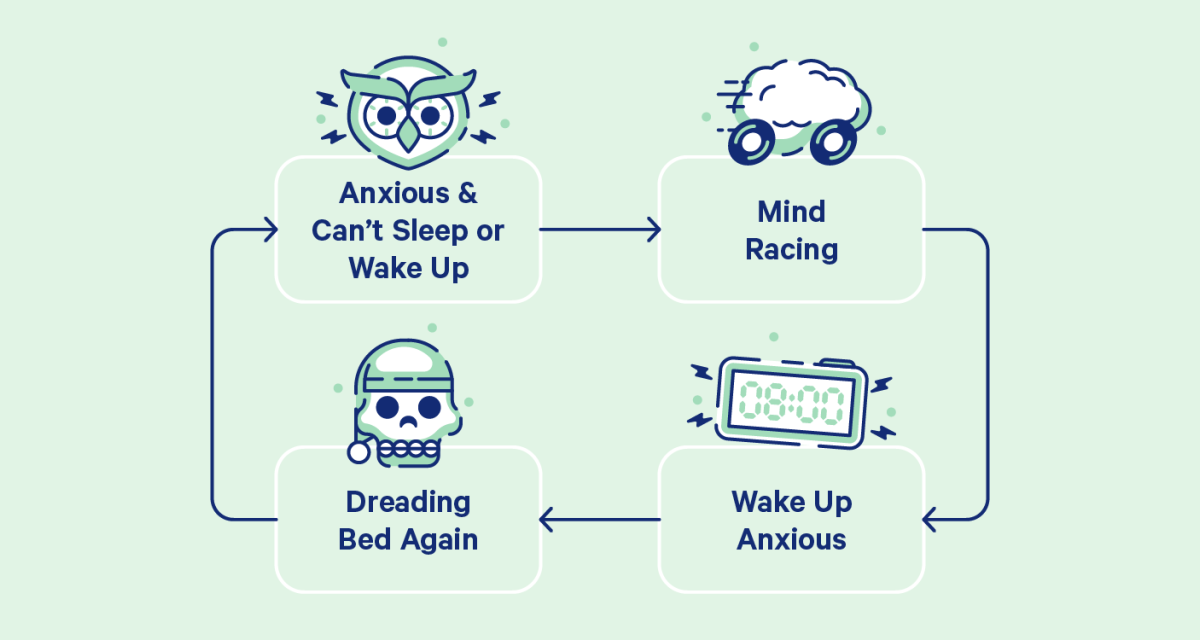
Sleep anxiety can be a daunting challenge, affecting countless individuals as they seek a peaceful night’s rest. This condition encompasses both psychological and physiological dimensions, manifesting as an overwhelming fear or apprehension surrounding sleep. As we delve into the intricacies of sleep anxiety, we will explore its symptoms, contributing factors, and the significant impact it can have on daily life.
From racing thoughts and physical tension at bedtime to the exhaustion that lingers throughout the day, recognizing the signs of sleep anxiety is the first step toward effective management. Moreover, understanding the interplay between personal experiences and environmental influences can shed light on why some individuals are more prone to these sleepless nights than others.
Understanding the concept of sleep anxiety
Sleep anxiety, often characterized as a heightened state of worry or fear surrounding the act of sleeping, manifests both psychologically and physiologically. Individuals with sleep anxiety may dread bedtime, fearing they will be unable to fall asleep or sustain sleep throughout the night. This condition can escalate into a cycle where anxiety about sleep itself leads to a decreased ability to sleep, creating a feedback loop that is challenging to break. Psychologically, sleep anxiety can provoke feelings of restlessness, unease, and distress, while physiologically, it can trigger the body’s stress response, leading to increased heart rate, shallow breathing, and muscle tension.
Common symptoms associated with sleep anxiety can vary from person to person, but they typically include difficulty falling asleep, frequent awakenings during the night, or waking up too early and being unable to return to sleep. Additionally, individuals may experience racing thoughts, excessive worrying about sleep-related issues, or a feeling of dread as bedtime approaches. Other physical symptoms can include perspiration, rapid heartbeat, tension headaches, and gastrointestinal discomfort. These experiences can significantly impact daily functioning, leading to fatigue, irritability, and decreased cognitive performance.
Several factors contribute to the development of sleep anxiety, encompassing both environmental and personal influences. Environmental factors can include noise disturbances, uncomfortable sleeping conditions, or stressors in one’s living environment, such as work-related pressures or family conflicts. Personal influences might involve past experiences of sleep disturbances, mental health conditions like generalized anxiety disorder or depression, and even lifestyle choices, such as excessive caffeine consumption or irregular sleep schedules. Additionally, the pressure to achieve quality sleep, often amplified by societal expectations and media portrayals of ideal rest, can also exacerbate anxiety surrounding sleep.
Understanding these components is crucial for addressing sleep anxiety effectively, as it allows individuals to recognize the roots of their distress and seek appropriate interventions or coping mechanisms tailored to their specific needs.
The impact of sleep anxiety on daily life
Sleep anxiety can significantly disrupt an individual’s daily routine and overall quality of life. It often manifests as an overwhelming fear of not being able to fall asleep or stay asleep, leading to a cycle of worry that can permeate various aspects of daily functioning. For many people, the anticipation of sleepless nights creates a constant state of anxiety, which can affect their ability to focus, engage socially, and maintain a healthy lifestyle.
The effects of sleep anxiety can be far-reaching, influencing a person’s emotional stability, cognitive ability, and physical health. A lack of restful sleep can lead to fatigue, irritability, and decreased motivation, which may interfere with work performance and personal relationships. This chronic state of sleep deprivation can also lead to more serious health issues, including anxiety disorders, depression, and cardiovascular problems, which further complicates an individual’s well-being.
Influence on relationships and social interactions
Sleep anxiety can have profound implications for personal relationships and social dynamics. When an individual is grappling with sleeplessness, they often feel irritable and less capable of effectively communicating with others. This can lead to misunderstandings and conflicts with family members or friends, resulting in strain on these relationships.
The following points illustrate how sleep anxiety can impact interpersonal connections:
- Withdrawal from social activities: Individuals may choose to avoid social gatherings due to fatigue or anxiety about how they will perform in social situations.
- Difficulty in communication: Sleep-deprived individuals may struggle to articulate their thoughts clearly, leading to frustrations in conversations and decreased ability to engage meaningfully with others.
- Increased irritability: Chronic fatigue can heighten emotional responses, causing individuals to react more negatively to minor issues, which can lead to conflicts in relationships.
Additionally, the fear of not obtaining adequate rest can create a cycle of isolation, as individuals may shy away from inviting friends over or participating in activities that could lead to late nights. This isolation can further exacerbate feelings of anxiety and depression, creating a challenging situation that can be hard to break free from.
Long-term consequences of untreated sleep anxiety on physical health
Untreated sleep anxiety can lead to a host of long-term health issues, affecting both psychological and physical well-being. Over time, chronic lack of sleep can result in serious medical conditions, such as obesity, diabetes, and hypertension.
Key long-term effects include:
- Mental Health Issues: Ongoing sleep anxiety can escalate into chronic anxiety disorders or depression, which can have devastating effects on one’s quality of life.
- Impaired Cognitive Function: Persistent sleep deprivation negatively impacts memory, decision-making abilities, and overall cognitive performance, making daily tasks challenging.
- Heart Health: Research indicates that inadequate sleep is linked to increased risks of heart disease and stroke, ultimately affecting long-term physical health outcomes.
The relationship between sleep and health cannot be overstated; insufficient sleep can compromise not only mental but also physical health, leading to significant long-term consequences.
In summary, sleep anxiety not only disrupts individual lives but also has lasting effects on relationships and physical health, highlighting the importance of addressing this issue proactively. By understanding these impacts, individuals can seek appropriate treatments and support systems to mitigate these challenges.
Techniques for managing sleep anxiety effectively
Sleep anxiety can disrupt the natural rhythms of restful slumber, leading to a cycle that is both frustrating and exhausting. Fortunately, there are several techniques that can effectively mitigate these feelings of anxiety and promote a more peaceful night’s sleep. Implementing strategies that focus on relaxation and establishing consistency in bedtime routines can significantly improve sleep quality and overall well-being.
Effective Techniques for Managing Sleep Anxiety
A variety of methods can be employed to manage sleep anxiety, each catering to different preferences and needs. Understanding these techniques allows individuals to choose those that resonate most with them. Here are five effective techniques:
- Deep Breathing Exercises: This technique involves focusing on slow, deliberate breaths to calm the mind and body. Research indicates that deep breathing can lower anxiety levels by reducing heart rate and promoting relaxation.
- Progressive Muscle Relaxation (PMR): PMR entails tensing and then relaxing each muscle group, starting from the toes and moving upwards. Studies have shown that this method not only reduces muscle tension but also alleviates anxiety symptoms.
- Mindfulness Meditation: Practicing mindfulness helps individuals stay grounded in the present moment, diminishing worries about the past or future. Scientific evidence supports mindfulness as an effective strategy for reducing anxiety and enhancing overall sleep quality.
- Cognitive Behavioral Therapy (CBT): CBT is a structured approach that helps individuals identify and challenge unhealthy thought patterns contributing to sleep anxiety. Research has demonstrated its effectiveness in improving sleep outcomes.
- Aromatherapy: Utilizing essential oils, such as lavender and chamomile, can create a calming environment conducive to sleep. Studies suggest that specific scents can lower anxiety levels and enhance relaxation.
Importance of Establishing a Bedtime Routine
Creating a consistent bedtime routine is vital in combating sleep anxiety. A well-structured routine signals to the body that it is time to wind down, allowing for a smoother transition into sleep. Engaging in calming activities before bed can significantly reduce anxiety levels and enhance sleep quality. This routine may include steps like dimming lights, reading a book, or taking a warm bath, all of which can foster a sense of security and relaxation.
Relaxation Techniques and Their Effectiveness
The following table highlights various relaxation techniques alongside their effectiveness, based on research findings. This can serve as a quick reference for those seeking to incorporate relaxation methods into their bedtime routines.
| Technique | Effectiveness | Research Reference |
|---|---|---|
| Deep Breathing Exercises | High | American Psychological Association, 2020 |
| Progressive Muscle Relaxation | Moderate to High | Journal of Clinical Psychology, 2018 |
| Mindfulness Meditation | High | Frontiers in Human Neuroscience, 2017 |
| Cognitive Behavioral Therapy | Very High | Sleep Medicine Reviews, 2019 |
| Aromatherapy | Moderate | International Journal of Nursing Studies, 2016 |
Establishing a consistent bedtime routine not only prepares the mind and body for sleep but also significantly reduces symptoms of sleep anxiety.
The role of therapy in addressing sleep anxiety
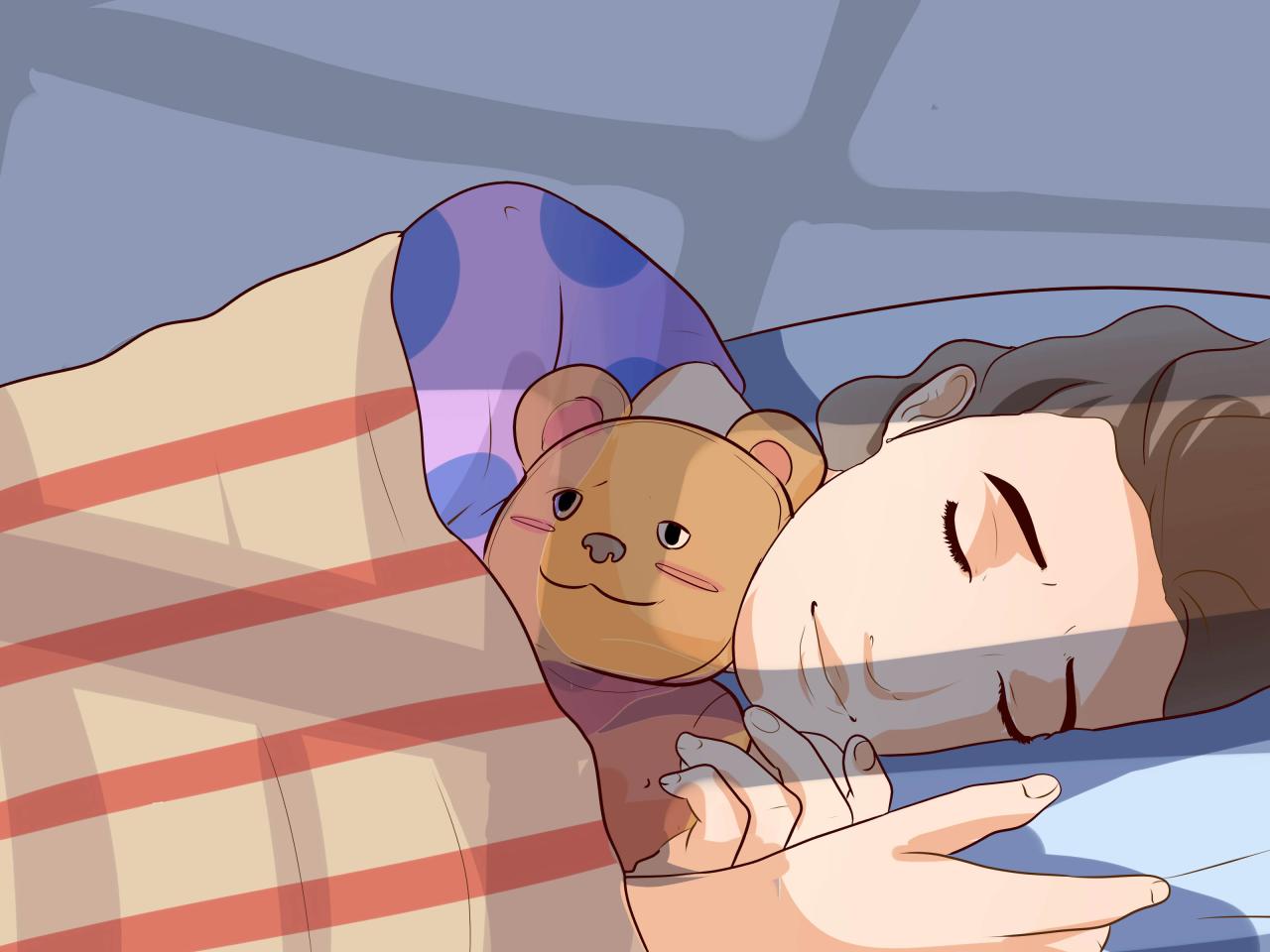
Sleep anxiety can significantly disrupt one’s quality of life, leading to a vicious cycle of sleeplessness and heightened anxiety. Therapy provides a structured environment where individuals can explore their fears and develop coping mechanisms. Utilizing various therapeutic approaches, one can effectively address the root causes of sleep anxiety and develop healthier sleep patterns.
Cognitive-Behavioral Therapy (CBT) is one of the primary methods for treating sleep anxiety. This approach focuses on identifying and changing negative thought patterns and behaviors that contribute to anxiety around sleep. By challenging irrational beliefs about sleep and replacing them with more constructive thoughts, patients can reduce their anxiety levels. CBT for insomnia (CBT-I) is particularly effective, often combining cognitive restructuring with behavioral techniques such as sleep restriction and stimulus control.
Another therapeutic approach is mindfulness-based therapy, which encourages individuals to focus on the present moment and accept their thoughts and feelings without judgment. This method can help patients develop a more relaxed mindset towards sleep, minimizing pre-sleep anxiety. Additionally, exposure therapy can be beneficial, where individuals gradually face their fears related to sleep, thereby reducing avoidance behaviors that can exacerbate anxiety.
Seeking professional help can lead to numerous benefits. Therapists provide tailored strategies that are based on individual needs, which can lead to significant improvements in sleep patterns. Research has shown that those who undergo therapy for sleep anxiety often report better sleep quality and reduced nighttime awakenings. Moreover, therapy can equip individuals with lifelong skills to manage anxiety, making them more resilient to future sleep-related challenges.
While self-help strategies such as practicing good sleep hygiene and relaxation techniques can be useful, they may not address underlying psychological issues effectively. Therapy is particularly beneficial in scenarios where anxiety is persistent and interferes with daily functioning. For instance, individuals who find themselves lying awake for hours or experiencing panic attacks at bedtime may require a more structured therapeutic approach to break the cycle of anxiety and insomnia.
By working with a qualified therapist, individuals struggling with sleep anxiety can uncover the underlying causes of their distress and develop personalized strategies to enhance their sleep quality and overall well-being.
Lifestyle changes to enhance sleep quality
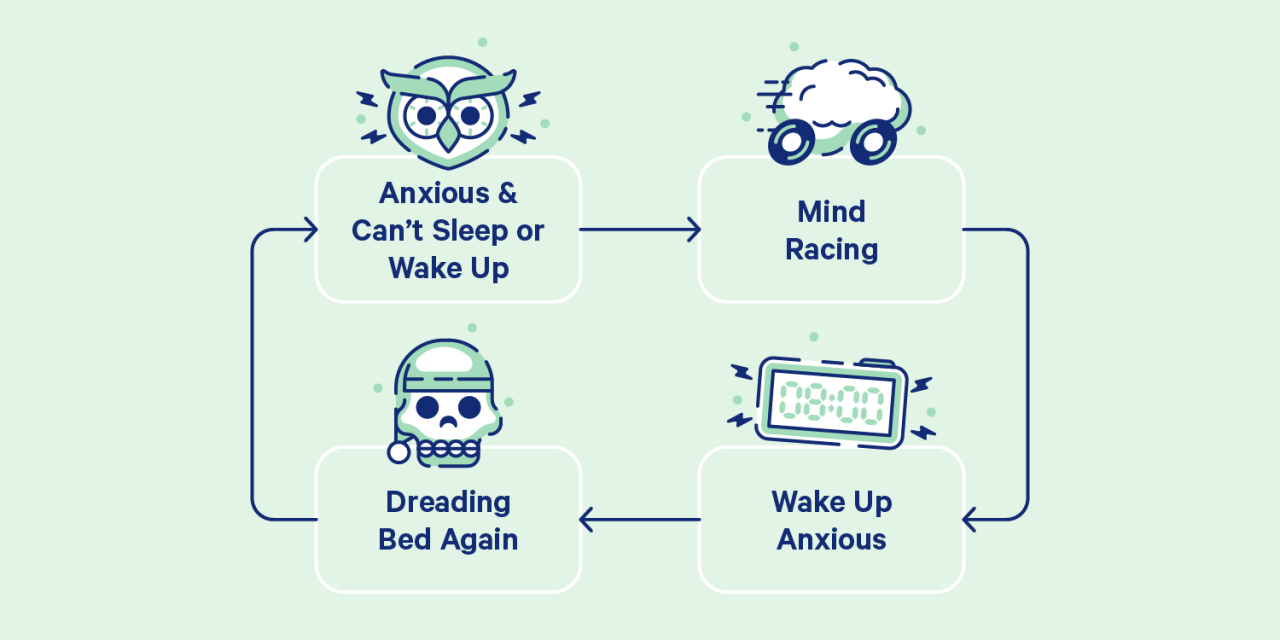
Many individuals struggling with sleep anxiety can benefit from making certain lifestyle adjustments that directly impact their sleep quality. By incorporating healthy habits into daily routines, it’s possible to foster a more restful sleep environment and improve overall well-being. These changes can help to reduce anxiety levels and promote a more peaceful night’s sleep, essential for mental and physical health.
Diet, exercise, and screen time play crucial roles in determining sleep patterns. Consuming a balanced diet rich in vitamins and minerals can foster better sleep. Foods like leafy greens, whole grains, and fatty fish are known to support the production of sleep hormones. Conversely, high caffeine and sugar intake can lead to restlessness and insomnia. Regular physical activity has also been linked to improved sleep quality; it helps to relieve stress and anxiety, making it easier to fall and stay asleep. However, exercising too close to bedtime may have the opposite effect, as it can energize the body and delay sleep onset. Lastly, excessive screen time, particularly before bed, can disrupt the body’s natural sleep-wake cycle due to the blue light emitted by devices, which inhibits the production of melatonin, the hormone responsible for sleep.
To effectively combat sleep anxiety and improve sleep quality, here are practical lifestyle changes to consider:
Actionable tips for better sleep
Incorporating the following tips into daily life can significantly enhance sleep quality:
- Maintain a consistent sleep schedule by going to bed and waking up at the same time every day, even on weekends. This helps regulate your body’s internal clock.
- Establish a relaxing bedtime routine, such as reading a book, practicing mindfulness, or taking a warm bath, to signal to your body that it’s time to wind down.
- Limit caffeine and nicotine intake, particularly in the hours leading up to bedtime, as these stimulants can interfere with your ability to fall asleep.
- Incorporate physical activity into your daily routine, aiming for at least 30 minutes of moderate exercise most days; this can improve sleep quality if done at the right time.
- Create a comfortable sleep environment by keeping your bedroom cool, dark, and quiet. Consider using blackout curtains or white noise machines if necessary.
- Limit screen time in the hour before bed; this can be achieved by putting away devices and choosing non-screen activities instead.
- Be cautious about heavy meals before bedtime. Aim to finish eating at least a couple of hours before going to sleep to avoid digestive issues that might interrupt your rest.
- Stay hydrated during the day, but reduce fluid intake in the evening to minimize nighttime bathroom visits that can disrupt sleep.
- Consider natural sleep aids like herbal teas (e.g., chamomile, valerian root) or supplements (e.g., melatonin), but consult with a healthcare professional before starting any new regimen.
- Practice relaxation techniques, such as deep breathing, yoga, or meditation, to help manage anxiety and prepare your mind for sleep.
The influence of technology on sleep anxiety
Modern technology plays a pivotal role in our daily lives, offering both convenience and connection. However, this innovation often comes at the cost of our sleep quality. Many individuals experience heightened sleep anxiety due to their interactions with various devices and applications designed to enhance their lives. The blue light emitted by screens, constant notifications, and an overwhelming amount of social media content can create an environment where restful sleep feels unattainable.
The relationship between technology and sleep anxiety is complex. On one hand, devices like smartphones and tablets provide access to information and entertainment, but the same devices can be detrimental to sleep. The pervasive nature of technology encourages late-night usage, which leads to disrupted circadian rhythms and difficulty winding down. According to a study published in the Journal of Clinical Sleep Medicine, exposure to screens before bedtime can significantly reduce melatonin production, making it more challenging to fall asleep.
Examples of Devices and Applications
Several specific technologies exemplify how modern devices can either worsen or improve sleep anxiety. Below are examples showcasing their effects:
1. Smartphones: The pervasive use of smartphones, particularly late at night, often leads to increased anxiety due to social media interactions or news consumption. The constant barrage of notifications can keep the mind active, preventing relaxation.
2. Fitness Trackers: Devices like fitness bands or smartwatches can help track sleep patterns, providing insights into sleep quality. However, obsessively monitoring sleep can lead to increased anxiety over sleep performance.
3. Sleep Apps: Applications designed for sleep meditation or soundscapes can help alleviate anxiety. For instance, apps like Calm or Headspace offer guided meditations that promote relaxation before sleep.
4. Smart Home Devices: Technologies such as smart lights and thermostats can create a more conducive sleep environment. Dim lighting and optimal temperatures can directly improve sleep quality.
The table below summarizes various sleep-related technologies and their effectiveness in managing sleep anxiety:
| Device/App | Effect on Sleep Anxiety | Effectiveness Rating (1-5) |
|---|---|---|
| Smartphones | Increased anxiety from notifications | 1 |
| Fitness Trackers | Mixed, can cause performance anxiety | 3 |
| Sleep Meditation Apps | Decrease anxiety through relaxation techniques | 5 |
| Smart Home Devices | Enhance sleep environment, reduce anxiety | 4 |
The integration of technology into our lives presents both challenges and opportunities regarding sleep anxiety. By understanding how different devices impact our sleep, individuals can take proactive measures to cultivate a healthier sleep environment.
The relationship between sleep anxiety and specific populations
Sleep anxiety affects individuals across all age groups, manifesting uniquely in children, adults, and the elderly. Understanding these differences is crucial for developing effective management strategies. Each population faces distinct challenges and experiences varying symptoms, which necessitates tailored approaches to address their specific needs.
Sleep anxiety in children often presents as difficulty falling asleep, nightmares, or fear of the dark, which can stem from various factors, including parental stress, trauma, or changes in routine. Children may express their anxiety through behavioral issues during the day, such as irritability or difficulty concentrating in school. As for adults, sleep anxiety frequently manifests in the form of racing thoughts, excessive worry about the consequences of poor sleep, and physical symptoms like increased heart rate or restlessness. Adults might also struggle with sleep due to work-related stress, familial responsibilities, or mental health disorders such as anxiety or depression. In the elderly, sleep anxiety can be compounded by medical conditions, medications, and age-related changes in sleep patterns. Older individuals may experience fragmented sleep, leading to further anxiety about their health and well-being.
Challenges faced by specific populations
Each population encounters unique challenges that exacerbate their sleep anxiety.
For children, the primary challenges include:
- Inability to verbalize feelings: Children may not have the language skills to express their fears, leading to increased anxiety.
- Parental influence: A child’s sleep patterns can be influenced by their parents’ anxiety or sleep issues.
- Environmental factors: Changes in the home environment, such as moving to a new house or parental separation, can heighten anxiety.
Adults deal with:
- Work-life balance: Juggling career and personal responsibilities can lead to increased stress and anxiety about sleep.
- Health concerns: Chronic health issues and medication side effects may contribute to sleep anxiety.
- Perfectionism: Many adults feel pressure to perform at work, leading to anxiety that disrupts their sleep.
For the elderly, the challenges include:
- Physical ailments: Chronic pain or health conditions can lead to discomfort, making it hard to relax and sleep.
- Isolation: Feelings of loneliness can increase anxiety and exacerbate sleep issues.
- Cognitive decline: Conditions like dementia can affect sleep patterns and increase anxiety about safety during the night.
Strategies for addressing sleep anxiety
Tailored strategies can help each population effectively manage sleep anxiety.
For children, strategies include:
- Creating a calming bedtime routine: Engaging in relaxing activities before bed can help signal that it’s time to sleep.
- Using a nightlight: This can alleviate fears of the dark and provide a sense of security.
- Encouraging open communication: Parents should create a safe space for children to express their fears.
Adults might benefit from:
- Practicing mindfulness and relaxation techniques: Activities like meditation or deep breathing exercises can reduce anxiety.
- Establishing a consistent sleep schedule: Going to bed and waking up at the same time each day reinforces the body’s natural sleep-wake cycle.
- Limiting screen time before bed: Reducing exposure to screens can help improve sleep quality.
For the elderly, effective strategies can include:
- Encouraging regular physical activity: Exercise can enhance sleep quality and reduce anxiety levels.
- Maintaining a sleep diary: Keeping track of sleep patterns can help identify triggers of sleep anxiety.
- Consulting healthcare professionals: Regular check-ups can help manage health issues that impact sleep.
By understanding the unique manifestations of sleep anxiety and implementing tailored strategies, individuals across all ages can work towards achieving a more restful night’s sleep.
Final Review
In summary, addressing sleep anxiety is crucial for reclaiming both restful nights and fulfilling days. By implementing effective techniques, considering therapeutic options, and making mindful lifestyle changes, individuals can take significant strides towards overcoming this pervasive challenge. Ultimately, the journey toward better sleep is not only about managing anxiety but also about fostering a holistic approach to well-being.
Commonly Asked Questions
What are the main symptoms of sleep anxiety?
Common symptoms include difficulty falling asleep, frequent awakenings, racing thoughts, physical tension, and heightened worries about sleep itself.
Can sleep anxiety affect my physical health?
Yes, untreated sleep anxiety can lead to various health issues, including chronic fatigue, weakened immune function, and increased susceptibility to mental health disorders.
Are there specific relaxation techniques recommended for sleep anxiety?
Techniques such as deep breathing, progressive muscle relaxation, and mindfulness meditation have been shown to be effective in managing sleep anxiety.
How can technology help with sleep anxiety?
Certain apps and devices, like sleep trackers and guided meditation apps, can assist in managing sleep anxiety by providing insights and relaxation tools.
Is it common for children to experience sleep anxiety?
Yes, children can experience sleep anxiety, often manifesting in bedtime resistance or fears of the dark, and may require tailored strategies for management.