
 Caroline Sarah
Sleep efficiency plays a crucial role in our overall well-being, often overlooked in the hustle and bustle of daily life. It’s not just about the number of hours you spend in bed but how effectively you utilize that time for restorative sleep. Understanding sleep efficiency can illuminate why some people wake up feeling refreshed while others struggle with fatigue and mood swings. In this exploration, we’ll journey through the significance of sleep efficiency, its contributing factors, and ways to enhance it for a better quality of life.
The importance of sleep efficiency cannot be overstated; it impacts not only physical health but also mental clarity and emotional stability. Poor sleep efficiency can lead to a cascade of health issues, from decreased immune function to heightened anxiety. By examining the various elements that influence sleep quality—from lifestyle choices to environmental factors—we can begin to grasp how to maximize our nightly rest.
Understanding the Importance of Sleep Efficiency
Sleep efficiency, the ratio of time spent sleeping to the time spent in bed, plays a crucial role in determining the quality of rest and overall health. It is not only about the number of hours one sleeps but also about how effectively that sleep restores the body and mind. High sleep efficiency indicates that a person is quickly able to fall and stay asleep, leading to restorative sleep cycles. Conversely, low sleep efficiency suggests fragmented or restless sleep, which can have a cascading effect on various aspects of life, including physical health, mental well-being, and daily functioning.
The significance of sleep efficiency cannot be overstated. Studies reveal that individuals with high sleep efficiency are more likely to experience improved cognitive function, better mood stability, and enhanced physical performance. Sleep efficiency directly influences how well the body can repair itself, regulate hormones, and maintain a robust immune system. For example, consistent low sleep efficiency has been linked to increased risks of obesity, diabetes, cardiovascular diseases, and even mental health disorders such as anxiety and depression.
Impact of Poor Sleep Efficiency on Well-Being
Poor sleep efficiency can lead to a myriad of health problems, affecting both physical and mental well-being. When individuals experience fragmented sleep, they often report:
- Increased fatigue during the day, which can impair concentration and productivity.
- Heightened stress levels, as the body struggles to cope with the lack of restorative sleep.
- Higher susceptibility to illnesses, as the immune system does not function optimally without sufficient quality sleep.
- Imbalances in mood regulation, leading to irritability and emotional instability.
The correlation between sleep and mental health is profound. For instance, individuals suffering from insomnia commonly report feelings of anxiety and depression, which can be exacerbated by poor sleep efficiency. It creates a vicious cycle, where the lack of sleep leads to mental distress, which in turn further disrupts sleep patterns.
Factors Contributing to Sleep Efficiency
Multiple factors influence sleep efficiency, and they often interrelate, creating a complex web that affects individual sleep quality. Key contributors include:
- Sleep Environment: A comfortable, dark, and quiet bedroom enhances the likelihood of uninterrupted sleep.
- Sleep Hygiene Practices: Maintaining a consistent sleep schedule, along with avoiding stimulants before bedtime, fosters better sleep quality.
- Stress and Anxiety Levels: High levels of stress or anxiety can lead to racing thoughts and restlessness, undermining sleep efficiency.
- Physical Health: Conditions such as sleep apnea or chronic pain can significantly disrupt sleep patterns, leading to lower sleep efficiency.
Understanding these factors is essential for individuals aiming to improve their sleep efficiency. By identifying and addressing the elements that negatively impact sleep, one can work towards achieving more restorative rest and enhancing overall health.
Factors Influencing Sleep Efficiency
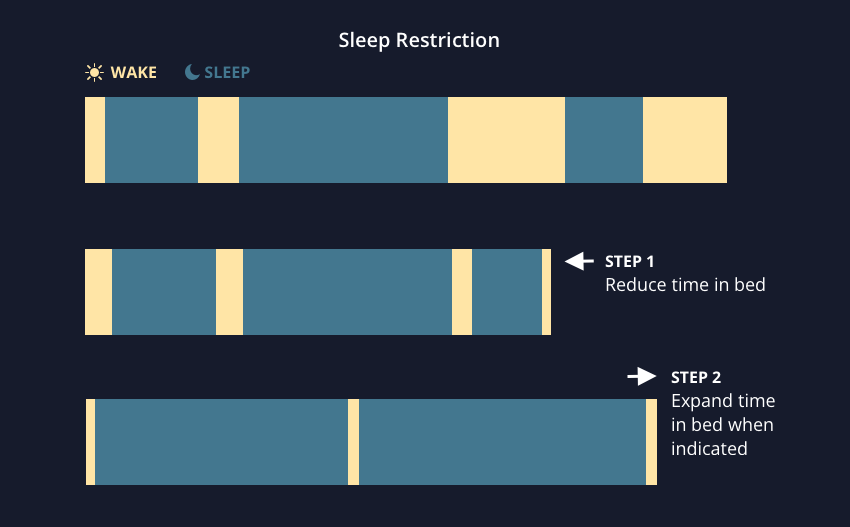
Sleep efficiency is influenced by a variety of environmental and lifestyle factors that can either enhance or hinder the quality of rest. Understanding these factors can help individuals make informed choices to improve their overall sleep quality. Factors like room temperature, noise levels, and even the choice of bedding can significantly affect how well we sleep. Furthermore, lifestyle habits, including diet, exercise, and screen time before bed, play a crucial role in determining sleep efficiency.
Environmental and Lifestyle Influences
Several environmental elements directly impact sleep efficiency. A quiet, dark, and cool room is generally conducive to better sleep, while excessive noise, light pollution, and uncomfortable temperatures can disrupt sleep patterns. For instance, a bedroom temperature of around 60-67°F (15-19°C) is considered optimal for sleep. Additionally, the type of mattress and pillows used can affect comfort levels and lead to better or poorer sleep quality.
Diet and exercise also play significant roles in sleep quality. Consuming heavy meals or caffeine close to bedtime can lead to restlessness and hinder the body’s ability to enter deeper sleep stages. Conversely, a balanced diet rich in sleep-promoting nutrients—such as magnesium and tryptophan—can enhance sleep quality. Regular physical activity tends to improve sleep efficiency, but exercising too close to bedtime may hinder the ability to fall asleep quickly.
Screen time before bed is another critical factor. The blue light emitted from phones, tablets, and computers can interfere with the production of melatonin, the hormone responsible for regulating sleep. Engaging in activities like scrolling through social media or watching TV right before bed may lead to prolonged wakefulness and reduce overall sleep efficiency.
To facilitate better sleep efficiency, it’s essential to develop habits that foster restorative sleep. Below is a list of habits that enhance or hinder sleep efficiency:
Habits Impacting Sleep Efficiency
A balanced approach to daily activities can significantly affect how well we sleep. Here are some key habits to consider:
- Enhancing Habits:
- Establishing a regular sleep schedule by going to bed and waking up at the same time each day.
- Creating a relaxing bedtime routine to signal to the body that it’s time to unwind.
- Limiting caffeine and alcohol intake in the hours leading up to bedtime.
- Engaging in regular physical activity during the day.
- Optimizing the sleep environment by keeping it dark, quiet, and cool.
- Hindering Habits:
- Excessive screen time before bed due to blue light interference.
- Consuming large meals or stimulants right before sleep.
- Napping excessively during the day, which may disrupt nighttime sleep.
- Engaging in stressful activities or discussions right before bedtime.
- Ignoring signs of sleep deprivation and not prioritizing sleep.
Improving sleep efficiency is about creating a balance between conducive environmental factors and healthy lifestyle choices.
Measuring Sleep Efficiency
Understanding sleep efficiency is crucial for evaluating the quality of your sleep. Sleep efficiency is defined as the ratio of total sleep time to the total time spent in bed. A higher percentage indicates better sleep quality, making it an essential metric for anyone looking to improve their rest. Various tools and techniques are available to measure this important aspect of sleep, ranging from simple methods to advanced technologies.
Multiple techniques are employed to measure sleep efficiency, each varying in complexity and accuracy. Traditional methods include sleep diaries, where individuals manually record their sleep patterns, providing insights into their sleep habits. However, these can be subjective and influenced by memory biases. More advanced methods involve polysomnography, a comprehensive sleep study conducted in a sleep lab, which monitors brain waves, heart rate, and breathing patterns. This method is highly accurate but also expensive and typically reserved for clinical assessments.
Technologies and Devices for Tracking Sleep Patterns
With advancements in technology, several devices have emerged to help individuals monitor their sleep efficiency more conveniently. These tools largely fall into categories such as wearables, smartphone apps, and bedside devices. Each type offers unique benefits and limitations.
| Device Type | Pros | Cons |
|---|---|---|
| Wearable Devices (e.g., fitness trackers) |
|
|
| Smartphone Apps |
|
|
| Bedside Devices (e.g., sleep monitors) |
|
|
By utilizing these various tools and technologies, individuals can gain valuable insights into their sleep patterns, enabling them to make more informed decisions for improving sleep efficiency. Tracking sleep efficiency not only enhances overall health but also contributes to better daily performance and well-being. As the landscape of sleep technology continues to evolve, the ability to monitor and improve sleep is more accessible than ever.
Sleep Efficiency Across Different Age Groups
Sleep efficiency, defined as the ratio of total sleep time to the total time spent in bed, serves as a vital indicator of sleep quality across various age groups. Understanding how sleep efficiency varies among children, adults, and the elderly can shed light on the distinct sleep needs and patterns inherent to each demographic.
In children, sleep efficiency tends to be notably high. They require a substantial amount of sleep—often between 9 to 14 hours per night, depending on their age. This is essential for their growth and cognitive development. Research shows that children frequently achieve a sleep efficiency rate around 85-90%, largely due to their ability to fall asleep quickly and maintain longer stretches of deep sleep. As children transition into adolescence, their sleep patterns begin to shift. Teenagers typically experience a decrease in sleep efficiency, which can drop to approximately 75-80%. This is often attributed to the biological changes that alter their circadian rhythms, coupled with external factors like academic and social pressures leading to late bedtimes.
The adult age group generally requires about 7 to 9 hours of sleep, with efficiency rates averaging 80-85%. Many adults face challenges such as stress, lifestyle choices, and health issues that can lead to fragmented sleep, reducing their overall sleep efficiency. Various studies indicate that adults in the 30-50 age range report lower sleep efficiency, often due to responsibilities like work and family. The National Sleep Foundation highlights that about 35% of adults report insufficient sleep, contributing to lower efficiency rates.
In the elderly population, the need for sleep may remain around 7-8 hours, yet sleep efficiency often declines to approximately 70-75%. Factors such as chronic health problems, medication side effects, and changes in sleep architecture contribute to this decline. Older adults frequently experience lighter sleep and more awakenings throughout the night, which further impacts their sleep quality.
Statistical data illustrates these variations effectively: according to the Centers for Disease Control and Prevention (CDC), only 24% of older adults report getting sufficient sleep, highlighting the challenges they face in maintaining sleep efficiency as they age.
Overall, understanding these differences in sleep efficiency among age groups is crucial for developing targeted interventions that promote better sleep health throughout the lifespan.
Strategies to Improve Sleep Efficiency

Maintaining effective sleep efficiency can significantly enhance overall well-being and productivity. By focusing on optimizing the quality of sleep rather than merely the quantity, individuals can experience improved cognitive function, mood stability, and physical health. Several strategies can be implemented to promote better sleep, ensuring a more restorative experience each night.
Establishing a bedtime routine is crucial for signaling to the body that it is time to wind down. A consistent routine helps regulate the body’s internal clock, making it easier to fall asleep and wake up refreshed. Below are strategies that can be integrated into an effective bedtime routine to enhance sleep efficiency:
Creating an Effective Bedtime Routine
Establishing a structured bedtime routine involves several key components that collectively promote relaxation and prepare the mind and body for rest. Here’s a step-by-step guide:
1. Set a Regular Sleep Schedule: Aim to go to bed and wake up at the same time every day, even on weekends. This consistency reinforces your body’s circadian rhythm.
2. Limit Screen Time Before Bed: Minimize exposure to screens from phones, tablets, or computers at least 30 minutes before sleeping. The blue light emitted can disrupt melatonin production, which is vital for sleep.
3. Create a Relaxing Environment: Dim the lights, lower the room temperature, and ensure your sleeping area is quiet and comfortable. Consider using blackout curtains and sound machines to block out disturbances.
4. Engage in Calming Activities: Before bed, indulge in relaxing activities like reading a book, practicing gentle stretches, or meditating. Activities that promote relaxation can help ease the transition to sleep.
5. Avoid Stimulants: Stay away from caffeine and nicotine in the hours leading up to bedtime, as these can interfere with the ability to fall asleep.
6. Limit Fluid Intake: To avoid waking up in the middle of the night for bathroom trips, limit your fluid intake in the evening.
7. Consider a Sleep-Inducing Snack: If you’re mildly hungry, a light snack such as a banana or a small bowl of oatmeal can boost serotonin production, which may help induce sleep.
“Sleep is vital for our physical health, emotional well-being, and cognitive function. Prioritizing a consistent and calming bedtime routine can significantly enhance sleep efficiency.” – Sleep Expert
By implementing these strategies, individuals can greatly improve their sleep quality and efficiency, leading to a more energized and productive day ahead. The key lies in consistency and creating a conducive environment that promotes relaxation and restful sleep.
The Role of Mental Health in Sleep Efficiency
Mental health plays a significant role in determining sleep efficiency, as various mental health conditions can lead to disruptions in sleep patterns. These disruptions can create a vicious cycle, where poor sleep exacerbates mental health issues, and in turn, those issues further impair sleep quality. Understanding this interconnectedness is crucial for improving both mental health and sleep efficiency.
Mental health conditions such as anxiety and depression have been shown to adversely affect sleep quality. Individuals suffering from anxiety often experience racing thoughts and heightened arousal, which can make it difficult to fall asleep or stay asleep. Similarly, depression is frequently associated with changes in sleep patterns, including insomnia or excessive sleeping, both of which can lower sleep efficiency. Research indicates that people with anxiety disorders are three to four times more likely to report sleep disturbances than those without such conditions. This connection underscores the importance of addressing mental health as part of a comprehensive approach to enhancing sleep quality.
Relationship Between Anxiety, Depression, and Sleep Quality
The relationship between anxiety, depression, and sleep quality is complex and multifaceted. Poor sleep can heighten feelings of anxiety and sadness, which, in turn, may lead to more severe sleep disruptions. For instance, a study found that around 80% of individuals diagnosed with chronic insomnia also exhibited symptoms of anxiety or depression. The interplay can manifest in various ways, including:
- Anxiety: Individuals may experience heightened worry about sleep itself, leading to performance anxiety that makes it even harder to fall asleep.
- Depression: Low energy and motivation can result in disrupted sleep schedules, contributing to a consistent lack of restorative sleep.
- Sleep Disorders: Conditions such as sleep apnea can affect both mental health and sleep quality, creating a cyclical pattern of problems.
Coping mechanisms can play an essential role in improving sleep efficiency for individuals facing mental health challenges. Strategies include establishing a consistent sleep schedule, creating a calming bedtime routine, and practicing relaxation techniques such as mindfulness or deep breathing exercises. Cognitive Behavioral Therapy for Insomnia (CBT-I) has also shown promise in helping individuals with anxiety or depression enhance their sleep quality. Engaging in regular physical activity during the day can further promote better sleep and mitigate some of the adverse effects of mental health issues on sleep efficiency.
Sleep Efficiency and Chronic Conditions
Chronic health conditions can significantly impact sleep efficiency, leading to a cycle that exacerbates both sleep issues and the conditions themselves. Understanding this relationship is crucial for effective management of these illnesses and improving overall quality of life.
Numerous chronic conditions have been linked to poor sleep efficiency. For instance, diabetes is often characterized by fluctuations in blood sugar levels that can disrupt sleep patterns. Similarly, individuals with hypertension may experience difficulty sleeping due to anxiety or medication side effects. Obesity adds another layer; studies indicate that excess weight can lead to sleep apnea, a condition where breathing stops temporarily during sleep, severely affecting sleep quality.
The connection between sleep efficiency and chronic conditions is multifaceted. When individuals with these conditions improve their sleep efficiency, they often see a positive impact on their health management. Enhanced sleep can lead to better glucose control in diabetics, lower blood pressure in those with hypertension, and weight management for obese individuals. Improved sleep hygiene, such as maintaining a consistent sleep schedule and creating a restful environment, can facilitate better sleep efficiency.
Impact of Sleep Efficiency on Chronic Conditions
Several chronic conditions can be directly influenced by sleep efficiency. Here are some key points highlighting their interrelationship:
- Diabetes: Inadequate sleep can affect insulin sensitivity and glucose metabolism, leading to complications.
- Hypertension: Quality sleep plays a vital role in regulating blood pressure; poor sleep can lead to elevated levels.
- Obesity: Lack of sleep influences hormones that regulate appetite, potentially leading to weight gain.
Improving sleep efficiency may include lifestyle changes such as regular exercise, dietary adjustments, and stress management techniques. These modifications not only enhance sleep quality but can also lead to significant health improvements.
Thus, prioritizing sleep efficiency can serve as a vital strategy in the management of chronic health conditions, highlighting the importance of a well-rounded approach to health.
The Future of Sleep Efficiency Research
As we move forward, the landscape of sleep efficiency research is evolving rapidly, driven by technological advancements and a deeper understanding of sleep mechanics. Current trends indicate a shift towards personalized sleep solutions, leveraging data analytics and artificial intelligence to tailor interventions that suit individual needs. This approach not only enhances the effectiveness of sleep strategies but also opens new avenues for improving overall sleep quality.
Emerging technologies are poised to play a significant role in sleep improvement. Wearable devices, such as sleep trackers, are becoming increasingly sophisticated, enabling real-time monitoring of sleep patterns. These devices collect data on various metrics, including heart rate, movement, and environmental factors like light and noise levels. Insights gained from this data can lead to actionable strategies, promoting better sleep hygiene and efficiency. Furthermore, applications utilizing machine learning algorithms can analyze user data to provide personalized recommendations, establishing a proactive approach to managing sleep.
Technological Innovations in Sleep Efficiency
The integration of technology in sleep research is fostering innovative solutions to common sleep challenges. The following highlights key advancements that are shaping the future of sleep efficiency:
- Smart Sleep Environments: The evolution of smart home technology is creating sleep-friendly environments. Devices like smart thermostats and adjustable lighting can adapt according to sleep cycles, enhancing comfort and promoting deeper sleep.
- Sleep Apps: Numerous mobile applications are designed to assist users in improving their sleep quality. These apps often feature guided meditations, sleep sounds, and sleep tracking capabilities to help users establish better routines.
- Digital Cognitive Behavioral Therapy (CBT): CBT for insomnia is becoming increasingly available through digital platforms, providing effective treatment options for those struggling with sleep issues without the need for in-person therapy.
- Neurotechnology: Advanced neurofeedback devices are being developed to train individuals to enhance their brain activity for improved sleep quality, showcasing a promising intersection of neuroscience and sleep research.
Despite these advances, several gaps in current research need to be addressed to maximize the potential of sleep efficiency technologies. One significant gap is the lack of long-term studies that evaluate the sustained effectiveness of these emerging technologies. Additionally, more research is needed on how environmental and lifestyle factors interact with technological interventions to influence sleep efficiency. Understanding these dynamics will be crucial in formulating comprehensive strategies that accommodate diverse populations and their unique sleep needs, ensuring inclusive and effective sleep solutions.
Conclusive Thoughts
In summary, enhancing sleep efficiency is vital for a healthier, happier life. By understanding its nuances and the factors that influence it, we can adopt strategies that promote better rest. Whether it’s creating a calming bedtime routine or being mindful of our screen time, small changes can yield significant improvements. As we continue to explore sleep efficiency, we pave the way for innovations and insights that can further enhance our sleep quality, ultimately transforming our daily lives.
FAQ
What is sleep efficiency?
Sleep efficiency is the ratio of time spent asleep to the total time spent in bed, indicating how effectively you sleep.
How can I measure my sleep efficiency?
You can measure sleep efficiency using sleep tracking devices or apps that monitor your sleep patterns and duration.
What are the signs of low sleep efficiency?
Signs include waking up frequently at night, feeling tired after a full night’s sleep, and difficulty concentrating during the day.
Can sleep efficiency affect my mental health?
Yes, poor sleep efficiency can lead to increased stress, anxiety, and depression, while improving it can enhance mental clarity and emotional well-being.
What lifestyle changes can improve sleep efficiency?
Regular exercise, a balanced diet, and establishing a consistent sleep schedule can significantly enhance sleep efficiency.