
 Caroline Sarah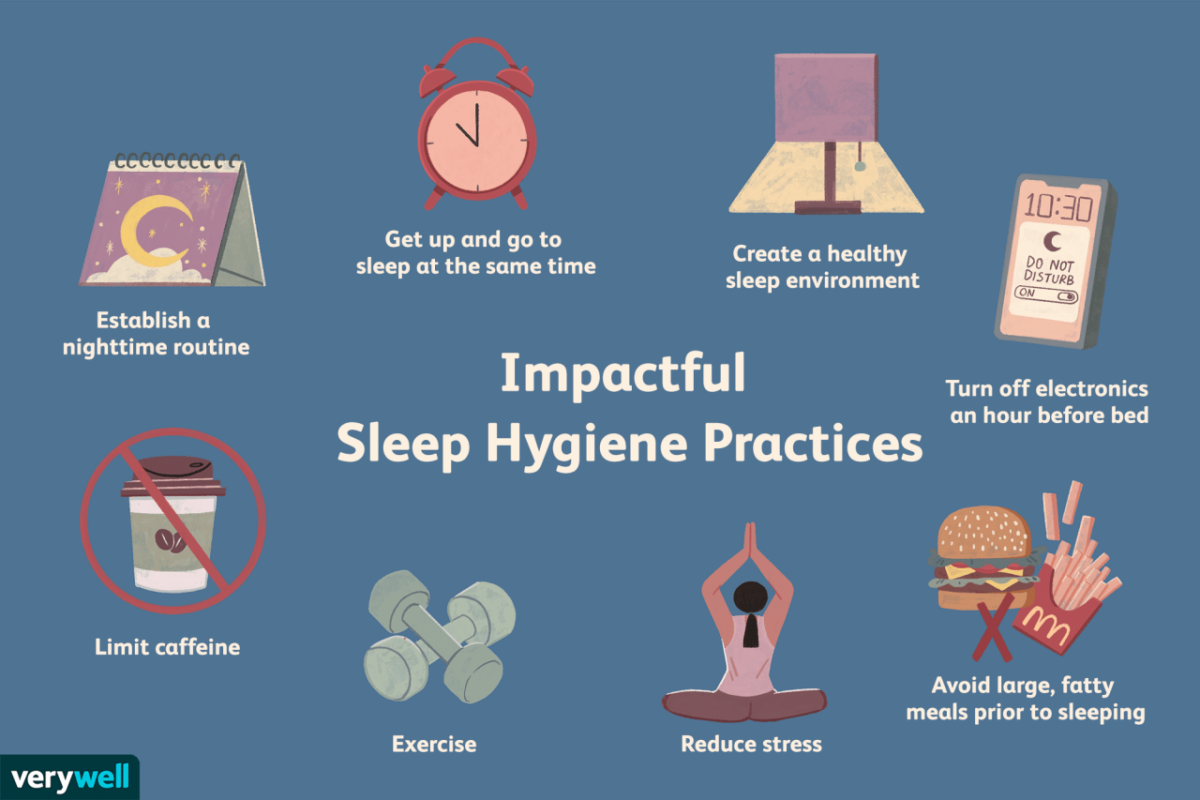
Sleep hygiene is not just about getting enough sleep; it encompasses a set of practices and habits that can significantly enhance your overall health and well-being. Poor sleep hygiene can lead to a cascade of issues, affecting everything from mental health to productivity. As we delve into the world of sleep hygiene, we discover how small changes in our nightly routines can make a monumental difference in our daily lives.
Understanding the importance of maintaining good sleep hygiene practices is crucial in today’s fast-paced world. Factors such as consistent sleep schedules, creating an optimal sleep environment, and managing technology use can all contribute to improved sleep quality. This exploration aims to shed light on these essential practices, offering insights that can help you cultivate a restful night’s sleep and, ultimately, a healthier life.
The Importance of Sleep Hygiene in Daily Life
Sleep hygiene encompasses the practices and habits that are conducive to sleeping well on a regular basis. It plays a pivotal role in maintaining overall health and well-being. Good sleep hygiene contributes to physical health, emotional stability, and cognitive functions, while poor sleep practices can lead to a myriad of health issues. Adopting sound sleep habits can promote restorative sleep, which is essential for the body to repair and rejuvenate itself.
The impact of sleep hygiene on productivity is profound. With adequate and quality sleep, individuals experience heightened alertness, improved concentration, and better decision-making capabilities. Sleep deprivation can lead to cognitive impairments, making tasks that require focus and critical thinking significantly more challenging. Moreover, various studies have shown that individuals who prioritize good sleep hygiene tend to perform better in their professional roles and maintain healthier interpersonal relationships, both of which are essential for a balanced life.
Impact of Poor Sleep Hygiene on Mental Health
The consequences of neglecting sleep hygiene can extend far beyond mere tiredness. Poor sleep patterns and insufficient rest have been linked to several mental health challenges. Understanding these impacts can illuminate the necessity of addressing sleep habits for overall psychological well-being.
The following points illustrate how inadequate sleep hygiene can negatively affect mental health:
-
Increased Anxiety and Stress:
Poor sleep can lead to heightened levels of cortisol, the stress hormone, which exacerbates feelings of anxiety and tension.
-
Depression Symptoms:
Chronic sleep issues are often correlated with the onset or worsening of depressive symptoms, as sleep deprivation can alter mood-regulating neurotransmitters.
-
Cognitive Decline:
Insufficient sleep can impair memory and cognitive function, contributing to problems with focus, learning, and emotional regulation.
By acknowledging the importance of sleep hygiene, individuals can take proactive steps toward improving their mental health, productivity, and overall quality of life. Recognizing the deep-rooted connection between sleep habits and mental well-being is crucial for sustaining a healthy lifestyle.
Key Principles of Effective Sleep Hygiene
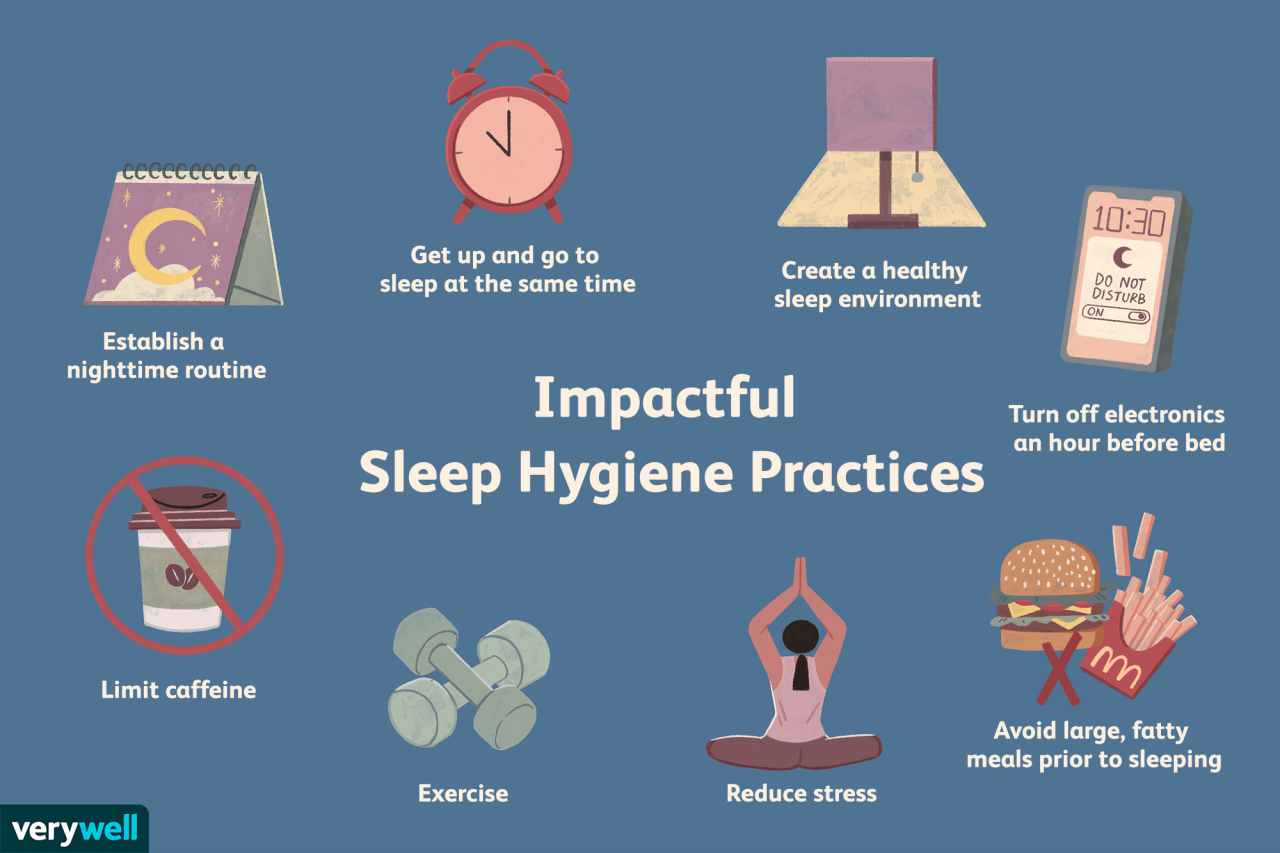
Establishing good sleep hygiene is essential for enhancing the quality of sleep and overall well-being. By adopting specific habits and creating a conducive sleeping environment, individuals can significantly improve their sleep patterns. This section Artikels essential practices that can lead to better sleep hygiene.
Essential Practices for Better Sleep Hygiene
Implementing effective sleep hygiene involves a set of practices that work synergistically to enhance sleep quality. Here are five key practices:
- Consistent Sleep Schedule: Going to bed and waking up at the same time every day helps regulate the body’s internal clock, making it easier to fall asleep and wake up feeling refreshed.
- Creating a Relaxing Bedtime Routine: Engaging in calming activities before bed, such as reading or meditating, signals the body that it’s time to wind down and prepare for sleep.
- Limiting Exposure to Screens: Reducing screen time at least an hour before bedtime minimizes blue light exposure, which can interfere with the production of melatonin, a hormone that promotes sleep.
- Physical Activity: Regular physical activity can help you fall asleep faster and enjoy deeper sleep, but it’s best to avoid vigorous exercise close to bedtime.
- Mindful Consumption of Food and Drink: Avoiding heavy meals, caffeine, and alcohol close to bedtime can improve sleep quality by preventing discomfort and minimizing disruptions during sleep.
Influence of Environmental Factors on Sleep Quality
The sleeping environment plays a crucial role in determining sleep quality. Factors such as light, noise, and room temperature can significantly impact how well you sleep.
Light exposure can either promote wakefulness or signal the body to rest, depending on its timing and intensity. Natural light during the day is beneficial for regulating sleep-wake cycles, while excessive artificial light in the evening can hinder the ability to fall asleep.
Noise levels are another important factor; continuous or disruptive sounds can prevent reaching deeper sleep stages. Finding ways to minimize disruptive noises, such as using white noise machines or earplugs, can assist in achieving a restful sleep.
Room temperature also affects sleep comfort, with cooler environments generally being more conducive to sleep. Experts often recommend maintaining a bedroom temperature between 60-67°F (15-19°C) to promote optimal sleep conditions.
Common Sleep Hygiene Practices and Their Benefits
Understanding the benefits of various sleep hygiene practices can motivate individuals to adopt them consistently. The following table summarizes common practices alongside their associated benefits:
| Sleep Hygiene Practice | Benefits |
|---|---|
| Consistent Sleep Schedule | Regulates circadian rhythm, enhances sleep quality. |
| Relaxing Bedtime Routine | Promotes relaxation, decreases sleep onset time. |
| Limiting Screen Time | Reduces melatonin disruption, aids in falling asleep. |
| Physical Activity | Improves sleep duration and quality, enhances mood. |
| Mindful Consumption | Prevents discomfort, minimizes sleep disruptions. |
Common Sleep Disorders Related to Poor Sleep Hygiene

Poor sleep hygiene can significantly impact the quality of sleep, leading to a myriad of sleep disorders. Among these disorders, insomnia and sleep apnea are particularly notable due to their prevalence and the profound effects they can have on overall health. Understanding the relationship between sleep hygiene and these disorders can help individuals adopt better practices for improved sleep quality.
Insomnia and Its Connection to Sleep Hygiene
Insomnia is characterized by difficulty falling asleep, staying asleep, or waking up too early and not being able to go back to sleep. Symptoms often include fatigue, mood disturbances, and difficulty concentrating. Poor sleep hygiene practices, such as irregular sleep schedules, excessive screen time before bed, and an uncomfortable sleep environment, can exacerbate insomnia symptoms.
To combat insomnia, various treatment options are available:
- Cognitive Behavioral Therapy for Insomnia (CBT-I): This is a structured program that helps individuals identify and replace thoughts and behaviors that cause or worsen sleep problems.
- Medication: Doctors may prescribe sleep aids, such as benzodiazepines or non-benzodiazepine sleep medications, for short-term management.
- Sleep Hygiene Education: Educating individuals about the importance of good sleep practices, such as maintaining a consistent sleep schedule and creating a calming bedtime routine.
By addressing sleep hygiene, individuals can significantly improve their chances of overcoming insomnia and achieving restful sleep.
Sleep Apnea and Sleep Hygiene Practices
Sleep apnea is a serious sleep disorder characterized by repeated interruptions in breathing during sleep. These interruptions can lead to reduced oxygen levels and disrupt sleep cycles, causing excessive daytime sleepiness and other health issues. While treatment typically involves medical interventions like Continuous Positive Airway Pressure (CPAP) therapy, good sleep hygiene can also help alleviate symptoms.
Effective sleep hygiene practices for managing sleep apnea include:
- Sleeping on one’s side: This can help keep the airways open compared to sleeping on the back.
- Avoiding alcohol and sedatives before bedtime: These substances relax the throat muscles, which can worsen apnea.
- Maintaining a healthy weight: Excess weight can contribute to airway obstruction, so weight loss can improve symptoms.
- Establishing a regular sleep routine: Going to bed and waking up at the same time every day helps regulate the body’s internal clock.
Implementing these practices can support other treatments for sleep apnea, enhancing overall sleep quality and health.
Prevalence of Sleep Disorders Linked to Inadequate Sleep Hygiene
The prevalence of sleep disorders due to poor sleep hygiene is alarming. Recent statistics indicate that approximately 30% of adults experience insomnia at some point in their lives, with many not seeking treatment. Furthermore, it is estimated that around 22 million Americans suffer from sleep apnea, a significant number of whom may not be aware of their condition.
According to a study published in the Journal of Clinical Sleep Medicine, poor sleep hygiene practices contribute to approximately 50% of sleep disorders. This highlights the critical need for awareness and education regarding healthy sleep habits to mitigate the impact of these disorders on public health.
“Improving sleep hygiene can lead to better health outcomes and a reduction in the prevalence of sleep disorders.”
Investing in better sleep practices is an essential step toward achieving a healthier lifestyle and enhancing overall well-being.
Strategies for Improving Sleep Hygiene Habits
Establishing effective sleep hygiene habits is essential for enhancing the quality of sleep and promoting overall well-being. By adopting specific strategies, individuals can create an environment and routine that fosters restful nights. This section Artikels practical steps to develop a bedtime routine, lists recommended activities for optimal sleep preparation, and highlights mindfulness techniques that can be seamlessly integrated into a sleep hygiene routine.
Developing a Bedtime Routine
A well-structured bedtime routine can significantly improve sleep quality. Creating consistency signals to your body that it’s time to wind down. The following step-by-step guide helps establish a calming routine leading up to bedtime:
- Set a consistent bedtime: Aim to go to bed and wake up at the same times each day, even on weekends.
- Limit screen time: Avoid screens for at least one hour before bed to reduce blue light exposure.
- Create a wind-down period: Designate 30 minutes to unwind with relaxing activities such as reading or gentle stretching.
- Prepare your sleep environment: Ensure your bedroom is cool, dark, and quiet. Consider blackout curtains and white noise machines if needed.
- Incorporate light stretching or yoga: Gentle movements help release tension, preparing your body for rest.
Recommended Activities and Timing
Engaging in specific activities before bedtime enhances relaxation and promotes better sleep. The following list Artikels recommended activities along with their optimal timing for effective sleep preparation:
- 8:00 PM – Limit caffeine intake: Avoid consuming caffeinated beverages and stimulants.
- 8:30 PM – Dim the lights: Lowering the lighting helps signal to your brain that it’s time to relax.
- 8:45 PM – Practice mindfulness: Spend 10-15 minutes on mindfulness exercises or meditation.
- 9:00 PM – Read a book: Choose calming literature that allows your mind to ease into relaxation.
- 9:30 PM – Prepare for bed: Brush your teeth, wash your face, and change into comfortable sleepwear.
- 9:45 PM – Engage in breathing exercises: Focus on deep breathing to further calm your mind and body.
- 10:00 PM – Sleep: Aim to be in bed with the lights off to ensure adequate sleep duration.
Incorporating Mindfulness Techniques
Mindfulness techniques can be a powerful addition to a sleep hygiene routine. These practices help reduce stress and promote relaxation, making it easier to fall asleep. Here are effective mindfulness techniques to incorporate:
“Mindfulness is the practice of being present and fully engaged without judgment.”
- Deep breathing: Focus on inhaling deeply through the nose and exhaling slowly through the mouth. Aim for a count of four on each inhale and exhale.
- Body scan meditation: Lie down comfortably and mentally scan your body from head to toe, acknowledging and releasing tension in each area.
- Guided imagery: Visualize a peaceful scene, such as a beach or forest, engaging all senses to enhance relaxation.
- Progressive muscle relaxation: Tense and then relax each muscle group in your body, starting from your toes and moving up to your head.
The Role of Technology and Sleep Hygiene
The advent of technology has significantly shaped our daily routines, but its impact on sleep is a double-edged sword. While technology offers conveniences and entertainment, it can also compromise sleep hygiene by disrupting our natural sleep patterns. Understanding the influence of screens and devices on sleep can help individuals make informed choices to enhance their rest quality.
Impact of Screens and Devices on Sleep Hygiene
The blue light emitted from screens—such as smartphones, tablets, and computers—has been shown to interfere with the production of melatonin, the hormone responsible for regulating sleep. This disruption can lead to difficulties in falling asleep and maintaining restful sleep. Furthermore, engaging with stimulating content, whether social media or video games, can keep the mind active when it should be winding down.
To mitigate these effects, consider the following alternatives:
- Establish a tech-free zone in the bedroom to create a calming environment conducive to sleep.
- Designate a specific time to unplug from devices at least an hour before bedtime.
- Engage in relaxing activities such as reading a book or practicing mindfulness instead of scrolling through screens.
Effectiveness of Sleep-Tracking Apps
Sleep-tracking apps have gained popularity as tools to enhance sleep hygiene by providing valuable insights into sleep patterns. These apps often utilize motion sensors and heart rate monitors to gather data, allowing users to identify trends and make adjustments as needed. Users can gain an understanding of how their behaviors influence their sleep quality, leading to more informed choices.
The advantages of these apps include:
- Personalized feedback on sleep cycles, helping users identify optimal sleep durations.
- Integration with health data to correlate lifestyle factors such as diet and exercise with sleep quality.
- Encouragement of accountability by setting sleep goals and tracking progress over time.
However, it’s important to recognize potential drawbacks. Over-reliance on technology can lead to increased anxiety about sleep, and some users may find themselves overly focused on the data rather than improving their routines.
Benefits and Drawbacks of Blue Light Filters
Blue light filters are designed to reduce the amount of blue light emitted by devices, potentially aiding sleep hygiene by minimizing melatonin suppression in the evening. Many devices come with built-in settings or apps that allow users to activate these filters, providing a warmer screen appearance that is less harsh on the eyes before bed.
The benefits of using blue light filters include:
- Reduction of eye strain during evening use, making it more comfortable to engage with devices.
- Potential improvement in sleep onset and overall sleep quality when used consistently.
Conversely, the drawbacks might involve:
- Users may perceive a false sense of security, believing that the filter alone is sufficient to counteract poor sleep habits.
- Not all blue light filters are equally effective; some may not adequately reduce blue light exposure.
“The balance of technology use and sleep hygiene is crucial for maintaining overall well-being.”
The Impact of Diet and Exercise on Sleep Hygiene
Maintaining a healthy sleep routine goes beyond just setting a bedtime and creating a restful environment; it also involves what we consume and how active we are throughout the day. The right foods and regular exercise can significantly enhance sleep quality, while certain dietary choices and a sedentary lifestyle may disrupt it. Understanding these connections is key to fostering better sleep hygiene.
Certain foods and beverages can have profound effects on sleep quality. For instance, high-caffeine drinks such as coffee, energy drinks, and even some sodas can stimulate the nervous system, leading to difficulties in falling asleep. Similarly, heavy meals, especially those rich in fats or spicy ingredients, can cause discomfort and disrupt sleep. On the flip side, foods rich in tryptophan, magnesium, and melatonin can promote relaxation and improve sleep quality.
Foods to Avoid Before Bedtime
It’s essential to be mindful of what you eat in the hours leading up to sleep. The following table highlights common foods to avoid before bedtime and offers healthier alternatives that can encourage better sleep hygiene.
| Foods to Avoid | Healthier Alternatives |
|---|---|
| Caffeinated beverages (coffee, tea, energy drinks) | Herbal tea (chamomile, peppermint) |
| Spicy foods | Mild dishes (vegetable soup, steamed vegetables) |
| Chocolate and sweets | Nuts (almonds, walnuts) |
| Alcohol | Warm milk or banana smoothie |
| Heavy or greasy foods | Whole-grain crackers with cheese |
Regular physical activity plays a crucial role in promoting better sleep hygiene practices. Engaging in exercise helps regulate the body’s internal clock and can lead to longer and deeper sleep. Physical activity increases the body temperature and, upon cooling down, may signal to the body that it’s time to rest. Furthermore, those who participate in regular exercise are often less likely to suffer from sleep disorders like insomnia and sleep apnea.
Incorporating exercise into your daily routine doesn’t require intense workouts; even moderate activities such as walking, yoga, or cycling can yield positive effects on sleep quality. A consistent exercise schedule, ideally completed several hours before bedtime, can also support the natural sleep cycle and improve overall well-being.
The combination of a balanced diet and regular exercise forms a strong foundation for effective sleep hygiene.
Cultural Perspectives on Sleep Hygiene
Sleep is a universal necessity, yet the ways in which it is approached vary significantly across cultures. Understanding these cultural perspectives can shed light on diverse practices and beliefs regarding sleep hygiene, ultimately influencing individual habits and attitudes towards rest. By examining these cultural dimensions, one can appreciate the rich tapestry of sleep practices that exist around the globe.
Cultural attitudes toward sleep significantly shape personal sleep hygiene habits. For example, in collectivist societies, such as Japan, sleep is often viewed as a communal activity where families may co-sleep, emphasizing the importance of social bonds and emotional security. Conversely, in more individualistic cultures like the United States, personal sleep space is prioritized, leading to different practices surrounding sleep environments. These varying cultural factors can influence not only how sleep is approached but also the techniques employed to improve sleep quality.
Unique Traditional Practices for Improving Sleep Quality
Many cultures have developed unique practices aimed at enhancing sleep quality. Here are three notable examples:
- Ayurvedic Sleep Rituals (India): In Ayurveda, sleep is viewed as a vital component of health. Traditional practices include establishing a consistent bedtime, using herbal teas like chamomile or valerian root, and performing calming rituals such as abhyanga (self-massage) to promote relaxation before sleep.
- Siestas (Spain and Latin America): The siesta is a long-standing cultural practice that encourages a midday break, allowing individuals to recharge. This afternoon nap is believed to enhance productivity and well-being, promoting a culture that values rest as integral to daily life.
- Sound Therapy (China): In traditional Chinese medicine, sound therapy using instruments like gongs or wind chimes is believed to harmonize the body’s energy and promote deep relaxation. This practice aligns with the concept of “Qi” and is often incorporated into evening routines to foster a peaceful sleep environment.
These traditional practices illustrate how cultural heritage and beliefs directly influence sleep hygiene and highlight the importance of understanding diverse approaches to sleep health.
The Connection Between Stress Management and Sleep Hygiene
Stress can significantly disrupt sleep patterns and overall sleep hygiene. When an individual experiences stress, the body enters a state of heightened alertness, which can lead to difficulties falling asleep or staying asleep. Stress triggers the release of hormones like cortisol and adrenaline, which can keep the mind racing and the body tense. To combat this cycle, effective stress management techniques are essential for improving sleep quality and maintaining good sleep hygiene.
Stress management techniques are vital in mitigating the adverse effects of stress on sleep. A few effective methods include:
Relaxation Techniques for Improved Sleep Hygiene
Implementing relaxation techniques can create a calming bedtime routine, which signals to your body that it’s time to wind down. Here are several techniques that can help improve sleep hygiene:
- Deep Breathing Exercises: Focusing on deep, slow breaths can help calm the nervous system and reduce tension. Inhale deeply through the nose, hold for a few seconds, and exhale slowly through the mouth.
- Meditation: Practicing mindfulness or guided meditation can help clear the mind of racing thoughts. Even a short session before bed can promote relaxation and improve sleep onset.
- Progressive Muscle Relaxation: This technique involves tensing and then relaxing each muscle group in the body, which can release physical tension and lead to a more restful state.
- Gentle Yoga or Stretching: Engaging in light yoga or stretching can help release built-up tension in the body and prepare the muscles for sleep.
- Visualization: Imagining a peaceful scene or recalling a pleasant memory can create a mental escape from daily stresses and promote relaxation.
Creating a structured approach to stress reduction can profoundly enhance sleep hygiene. A comprehensive stress-reduction plan may include the following components:
Comprehensive Stress-Reduction Plan for Sleep Hygiene
Implementing a well-rounded plan to manage stress effectively not only fosters a sense of calm but also promotes better sleep hygiene. Below are key elements to consider:
- Consistent Sleep Schedule: Stick to a regular sleep routine by going to bed and waking up at the same time every day, even on weekends. This helps regulate the body’s internal clock.
- Limit Stimulants: Reduce caffeine and nicotine intake, especially in the hours leading up to bedtime, as they can increase feelings of anxiety and disrupt sleep patterns.
- Establish a Wind-Down Routine: Allocate at least 30 minutes before sleep for relaxation activities, such as reading or taking a warm bath, signaling to the body that it’s time to rest.
- Physical Activity: Engage in regular physical exercise, as it has been shown to reduce stress levels and improve sleep quality. Aim for at least 30 minutes of moderate exercise most days.
- Limit Screen Time: Reduce exposure to screens in the evening, as the blue light emitted can interfere with melatonin production, making it harder to fall asleep.
Summary
In conclusion, prioritizing sleep hygiene is an investment in your overall health and productivity. By recognizing the impact of sleep on various aspects of life, embracing effective practices, and addressing common sleep disorders, you can foster a better sleep environment. Remember, small adjustments can lead to significant improvements in your quality of life, making sleep hygiene a vital component of daily wellness strategies.
Essential FAQs
What is sleep hygiene?
Sleep hygiene refers to a set of practices and habits that promote better sleep quality and overall health.
How does diet affect sleep hygiene?
Certain foods and beverages can either enhance or hinder sleep quality, influencing how well you rest.
Can exercise improve sleep hygiene?
Yes, regular physical activity can help regulate sleep patterns and improve sleep quality.
What role does technology play in sleep hygiene?
Excessive screen time and exposure to blue light before bed can negatively impact sleep quality.
How can stress management affect sleep?
Effectively managing stress can significantly improve your sleep quality and hygiene practices.