
 Caroline Sarah
Sleep latency is an essential concept that determines how quickly you transition from wakefulness to sleep. This period can greatly influence your overall sleep quality, as it reflects not just how tired you are but also how well your body prepares for rest. Understanding sleep latency helps to unravel the complexities of the sleep cycle and highlights its significance in maintaining our health and well-being.
During sleep latency, various physiological processes take place that signal the body to wind down. Factors such as age, lifestyle choices, and mental health can significantly affect this transition time, leading to prolonged sleep latency and potentially impacting your daily life. By examining the interplay of these factors, we can better appreciate the importance of optimizing sleep latency for improved sleep health.
Sleep latency and its significance in the sleep cycle
Sleep latency refers to the duration it takes for an individual to transition from full wakefulness to sleep. It serves as a critical measure of sleep quality and is an essential component of the overall sleep cycle. Understanding sleep latency is vital because it can significantly impact restorative processes during sleep. For instance, a shorter sleep latency is generally indicative of a healthy sleep pattern, suggesting that the body is efficiently shifting from wakefulness to sleep. Conversely, prolonged sleep latency can flag underlying issues that may detract from the overall quality of sleep.
During sleep latency, several physiological processes occur that are essential for the transition to sleep. The body begins to undergo a series of changes, primarily governed by the circadian rhythm and homeostatic sleep drive. Initially, there is a decline in physiological arousal, marked by a decrease in heart rate, blood pressure, and body temperature. Neurotransmitters like gamma-aminobutyric acid (GABA) increase, promoting relaxation, while hormones such as melatonin are released, signaling that it is time to sleep. This phase is characterized by the quieting of the mind and body, paving the way for the onset of sleep stages, including light sleep (NREM) and deep sleep.
Prolonged sleep latency can have substantial implications for health and well-being. When individuals frequently take longer than 20 minutes to fall asleep, they may experience a cascade of negative effects on their mental and physical health. Chronic sleep latency can lead to increased fatigue, impaired cognitive function, and heightened stress levels. Furthermore, prolonged sleep latency is associated with various health risks, including cardiovascular diseases, obesity, and mood disorders. Studies have shown that individuals with insomnia, who often experience extended sleep latency, are more likely to develop anxiety and depression.
Chronic sleep latency can lead to increased fatigue, impaired cognitive function, and heightened stress levels.
In conclusion, sleep latency is a significant indicator of overall sleep quality and health. By understanding its physiological processes and implications, we can better appreciate the importance of achieving restful and restorative sleep.
Factors influencing sleep latency in individuals
Sleep latency refers to the time it takes for an individual to transition from full wakefulness to sleep. It is a crucial aspect of sleep health and can be influenced by a variety of factors. Understanding these factors is essential for improving sleep quality and overall well-being. This discussion focuses on three major influences on sleep latency: lifestyle choices, psychological factors, and environmental conditions.
Lifestyle choices affecting sleep latency
Caffeine and alcohol consumption are two significant lifestyle factors that can drastically impact sleep latency.
Caffeine, a stimulant found in coffee, tea, and various energy drinks, can prolong sleep latency due to its ability to increase alertness and reduce feelings of tiredness. Consuming caffeine close to bedtime can lead to difficulties in falling asleep, often extending the time it takes for individuals to transition into sleep. It is generally recommended to avoid caffeine at least six hours before sleep for optimal results.
On the other hand, alcohol, although it may initially induce feelings of drowsiness, often disrupts the sleep cycle and can lead to fragmented sleep. While it might shorten the time to fall asleep, the subsequent sleep quality can be significantly reduced, leading to increased wakefulness during the night, which ultimately affects overall sleep latency.
To illustrate, a study indicated that individuals who consumed alcohol regularly experienced a decrease in overall sleep efficiency and increased sleep disturbances, highlighting the paradox of reduced latency but poor sleep quality.
Psychological factors impacting sleep latency
Stress and anxiety are pivotal psychological factors that can exacerbate sleep latency. When individuals experience high levels of stress or anxiety, their minds often remain active, making it challenging to relax and transition into sleep.
The body’s stress response triggers the release of hormones such as cortisol, which keep the body alert and ready to react. This physiological response can lead to prolonged periods of wakefulness as the mind races with worries or concerns. For instance, someone facing significant work-related stress may find themselves lying awake, unable to quiet their thoughts, which can extend sleep latency to upwards of 30 minutes or more.
Moreover, anxiety disorders can significantly affect sleep patterns. Individuals with generalized anxiety disorder often report longer sleep latencies compared to those without such conditions. According to research, the prevalence of insomnia symptoms is notably higher in those experiencing chronic anxiety, underscoring the direct link between mental health and sleep latency.
“Stress and anxiety not only affect the duration of the time it takes to fall asleep but can also compromise the quality of sleep itself.”
Both lifestyle choices, such as caffeine and alcohol consumption, and psychological factors like stress and anxiety play a vital role in determining sleep latency. Acknowledging and addressing these factors is essential for achieving better sleep health and overall well-being.
Measuring sleep latency
Measuring sleep latency is essential in understanding how quickly an individual transitions from wakefulness to sleep. It provides insights into overall sleep health and can indicate potential sleep disorders. Various methods exist for measuring sleep latency, each with unique features and applications.
Methods for measuring sleep latency
Several techniques are utilized to assess sleep latency, allowing researchers and clinicians to gather valuable data about an individual’s sleep patterns. The following methods are commonly used:
- Multiple Sleep Latency Test (MSLT): This clinical test is conducted in a sleep lab where the individual takes several scheduled naps throughout the day. Each nap is monitored to determine how quickly the person falls asleep. MSLT is particularly useful for diagnosing conditions like narcolepsy.
- Actigraphy: This method involves wearing a wristwatch-like device that records movement over an extended period, typically a week or more. The data collected helps estimate sleep onset and duration, providing a good indication of sleep latency in a naturalistic setting.
- Sleep Diaries: Individuals maintain a daily log of their sleep patterns, including the time they go to bed, the time they wake up, and any naps taken. Though subjective, sleep diaries can offer insights into sleep latency when analyzed over time and correlate with other measurement methods.
Importance of polysomnography in evaluating sleep latency
Polysomnography (PSG) is often considered the gold standard for evaluating sleep latency and overall sleep architecture. This comprehensive test records various physiological parameters during sleep, including brain waves, oxygen levels, heart rate, and eye movements.
Polysomnography provides a detailed analysis of sleep stages and the time taken to transition from wakefulness to sleep, making it invaluable in diagnosing sleep disorders.
The importance of PSG lies in its ability to identify specific sleep disturbances, such as sleep apnea or periodic limb movement disorder, which can significantly affect sleep latency. By analyzing the results of a PSG, healthcare professionals can develop targeted interventions to improve sleep quality.
Overview of wearable sleep trackers and their effectiveness
Wearable sleep trackers have gained popularity as accessible tools for monitoring sleep patterns, including sleep latency. These devices, often worn on the wrist or placed under the mattress, utilize motion sensors and heart rate monitors to estimate sleep stages and overall sleep quality.
While wearable trackers can provide a general overview of sleep patterns, their accuracy in measuring sleep latency may vary. Many devices use algorithms to infer sleep onset based on movement and physiological signals, which can lead to discrepancies when compared to clinical methods like PSG.
Despite potential inaccuracies, wearable sleep trackers can be effective for individuals looking to improve their sleep habits and track trends over time.
The effectiveness of these devices largely depends on the quality of the technology used and the specific algorithms employed. Some studies have shown that while wearables are generally reliable for tracking total sleep time, their precision in gauging sleep latency can be less dependable. Users should be aware of these limitations when using such tools for personal health monitoring.
Sleep latency across different age groups
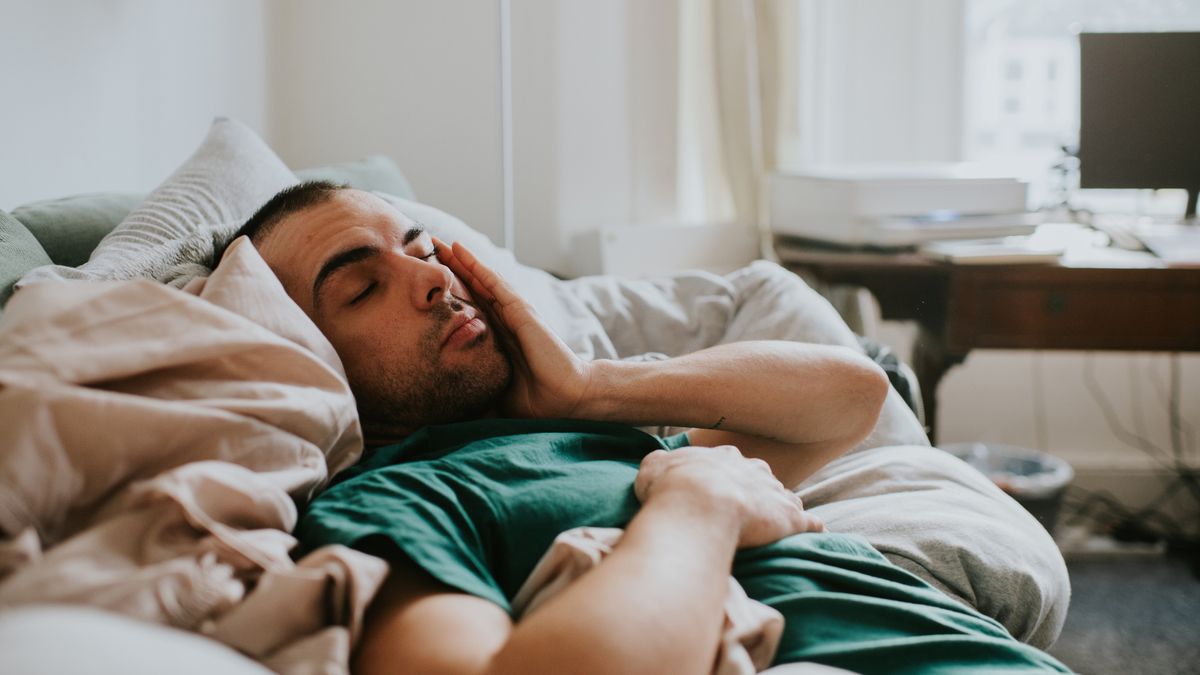
Sleep latency, the time it takes to fall asleep after lights out, varies significantly across different age groups. Understanding these differences can help in addressing sleep disorders and improving overall sleep quality. Children, adults, and the elderly experience distinct patterns and challenges that influence how quickly they transition into sleep.
In children, sleep latency is typically shorter, averaging around 10 to 20 minutes. For example, toddlers often fall asleep almost immediately after being put to bed due to their high activity levels during the day coupled with a lack of stressors that can impede relaxation. As children grow, factors like increased academic pressure and screen time can extend sleep latency.
In contrast, adults generally experience sleep latency ranging from 20 to 30 minutes. This variation can stem from various lifestyle factors, including stress, anxiety, and consumption of stimulants like caffeine. Due to work commitments and social obligations, adults may find themselves experiencing heightened nighttime anxiety, which can prolong the time it takes to fall asleep.
The elderly often experience the longest sleep latency, which can extend beyond 30 minutes on average. This demographic is more likely to face medical conditions, such as chronic pain or insomnia, which disrupt sleep patterns. Additionally, age-related changes in circadian rhythms contribute to earlier sleep onset and waking up in the middle of the night, thereby increasing overall sleep latency.
Changes in sleep patterns and circadian rhythms with age
As individuals age, significant shifts occur in both sleep patterns and circadian rhythms. These changes can impact sleep quality and duration.
In children, sleep is typically deep and restorative, with more time spent in rapid eye movement (REM) sleep, crucial for development. As they reach adolescence, a shift towards eveningness often occurs, causing them to prefer later bedtime and wake times due to hormonal changes.
Adults maintain a relatively stable sleep pattern, though life stressors and lifestyle choices can introduce variability. The circadian rhythm in adults aligns closely with societal norms, making it easier to adhere to regular sleep schedules.
For the elderly, the natural decline in melatonin production paired with the aging process results in an advanced sleep phase, leading to earlier bedtimes. The architecture of sleep also changes, with less time spent in deep sleep stages and more frequent awakenings during the night. This can result in feelings of fatigue during the day, despite having sufficient sleep duration.
Understanding how sleep latency and circadian rhythms evolve with age is crucial for tailoring effective sleep interventions. By recognizing the unique needs and challenges faced by each age group, healthcare professionals can design targeted strategies to mitigate sleep difficulties, thereby improving overall health and well-being.
“Tailoring sleep interventions to match age-related changes can enhance sleep quality and duration, ultimately supporting better health outcomes.”
The relationship between sleep latency and sleep disorders

Sleep latency, defined as the duration it takes to transition from full wakefulness to sleep, holds significant implications for various sleep disorders. Increased sleep latency can serve as an indicator of underlying issues, impacting both the quality and quantity of sleep. Understanding the relationship between sleep latency and specific sleep disorders is essential for identifying and addressing sleep-related problems effectively.
Insomnia and Sleep Apnea
Two prominent sleep disorders that exhibit a clear connection with increased sleep latency are insomnia and sleep apnea. Insomnia is characterized by difficulty initiating or maintaining sleep, often leading to prolonged sleep latency. Individuals with insomnia may lie awake for extended periods, which can be frustrating and exacerbate daytime fatigue. On the other hand, sleep apnea involves repeated interruptions in breathing during sleep, which can also contribute to longer sleep latency as individuals struggle to fall asleep or stay asleep due to frequent awakenings.
Common symptoms that may indicate an issue with sleep latency include:
- Persistent difficulty falling asleep, taking more than 30 minutes to do so.
- Frequent awakenings throughout the night, disrupting the sleep cycle.
- Daytime drowsiness or lack of energy, often stemming from poor sleep quality.
- Difficulty concentrating or irritability, which may result from inadequate rest.
Addressing prolonged sleep latency often requires a multifaceted approach tailored to the specific disorder. Treatment options may include:
- Cognitive Behavioral Therapy for Insomnia (CBT-I): This structured program helps individuals identify and change thoughts and behaviors that contribute to insomnia, improving sleep onset and maintenance.
- Continuous Positive Airway Pressure (CPAP) therapy: For individuals with sleep apnea, CPAP machines can help keep the airway open during sleep, reducing the frequency of interruptions and improving sleep quality.
- Medications: While not the first line of treatment, certain medications may be prescribed to help manage insomnia or sleep apnea symptoms, promoting a quicker transition to sleep.
“Understanding the specific relationship between sleep latency and sleep disorders can lead to more effective treatment strategies and improved overall sleep health.”
Strategies to reduce sleep latency
Sleep latency refers to the time it takes to transition from full wakefulness to sleep. It can significantly impact overall sleep quality and daytime functioning. Implementing effective strategies can lead to faster sleep onset and improve the overall sleep experience.
Sleep hygiene practices play a crucial role in reducing sleep latency. These practices create an optimal environment and routine that signals to the body that it is time to sleep. Here are some lifestyle changes that can enhance sleep latency:
Lifestyle Changes to Improve Sleep Latency
Making conscious adjustments to daily habits can drastically improve the time it takes to fall asleep. The following points highlight key changes that can facilitate quicker sleep onset:
- Establish a consistent sleep schedule by going to bed and waking up at the same time every day, even on weekends.
- Limit exposure to screens (phones, tablets, computers) at least one hour before bedtime, as blue light can interfere with melatonin production.
- Create a relaxing pre-sleep routine, such as reading, gentle stretching, or listening to calming music, to help signal the body that it is time to wind down.
- Avoid large meals, caffeine, and alcohol close to bedtime, as these can disrupt sleep patterns and delay sleep onset.
- Keep the bedroom cool, dark, and quiet, utilizing blackout curtains and white noise machines if necessary to create a conducive sleep environment.
Importance of Sleep Hygiene Practices
Sleep hygiene encompasses various practices that contribute to better sleep quality and decreased sleep latency. Implementing these practices is essential for creating a restful environment:
- Maintain a comfortable mattress and pillows, as physical comfort is integral to falling asleep quickly.
- Limit naps during the day, particularly in the late afternoon or evening, which can interfere with nighttime sleep.
- Engage in regular physical activity, but avoid vigorous exercise close to bedtime, as this can stimulate the body instead of calming it.
- Utilize the bedroom primarily for sleep and intimacy, avoiding activities like work or watching television that can create mental associations with wakefulness.
Effective Relaxation Techniques to Reduce Sleep Latency
Incorporating relaxation techniques can greatly aid in reducing sleep latency by calming the mind and body before sleep. Several methods have proven effective in promoting faster sleep onset:
- Practice deep breathing exercises to lower stress levels and prepare the body for rest.
- Explore progressive muscle relaxation, which involves tensing and then relaxing each muscle group to release physical tension.
- Try mindfulness meditation, which focuses on the present moment and helps clear the mind of racing thoughts that can hinder sleep.
- Utilize guided imagery techniques, envisioning a peaceful scene or experience to divert the mind from stressors and promote relaxation.
By adopting these lifestyle changes, practicing proper sleep hygiene, and utilizing relaxation techniques, one can effectively reduce sleep latency and enhance overall sleep quality.
Cultural perspectives on sleep latency
Sleep latency, the time it takes to fall asleep, varies significantly across cultures, reflecting diverse beliefs and practices surrounding sleep. These cultural perspectives influence how societies manage sleep onset and prioritize rest, shaping the sleep habits of individuals within those cultures. Understanding these differences provides insight into the broader context of sleep and its impact on health and productivity.
Traditional practices for improving sleep onset
Various cultures have developed traditional practices aimed at enhancing sleep onset, often rooted in historical beliefs about health, wellness, and the natural world. These practices range from rituals and herbal remedies to specific sleeping arrangements.
- Ayurvedic practices (India): In Ayurveda, the ancient Indian system of medicine, sleep is considered essential for maintaining balance in the body. Practices such as massage with warm oils, meditation, and the use of calming herbal teas, like chamomile or ashwagandha, are common methods to promote relaxation and reduce sleep latency.
- Chinese medicine: Traditional Chinese Medicine (TCM) emphasizes the importance of calming the mind and balancing energy (Qi). Techniques such as acupuncture, herbal remedies, and Qi Gong exercises are often employed to improve sleep quality and facilitate quicker sleep onset. The use of calming teas, like chrysanthemum and goji berries, also plays a role in nightly rituals.
- Indigenous practices (Various cultures): Many indigenous cultures have unique customs that promote restful sleep. For instance, certain Native American tribes practice storytelling or communal singing as a way to wind down, creating a peaceful atmosphere conducive to sleep. In some indigenous Australian cultures, dreaming practices are integral to cultural identity and community bonding, often leading to enhanced sleep experiences.
Contemporary approaches to sleep latency management
In today’s globalized society, contemporary approaches to managing sleep latency have emerged that blend traditional practices with modern science. Different cultures adopt various strategies to address sleep challenges, reflecting a mix of historical wisdom and current research.
- Technology and sleep aids: In Western cultures, the use of sleep tracking devices and mobile applications has grown significantly. These tools provide data on sleep patterns, enabling users to identify factors influencing their sleep latency. Many also resort to supplements, such as melatonin, to regulate sleep cycles.
- Mindfulness and meditation: Mindfulness practices, such as yoga and meditation, have gained popularity worldwide as effective ways to reduce stress and anxiety, factors that commonly contribute to prolonged sleep latency. Many cultures have adopted these practices, integrating them into daily routines to foster better sleep habits.
- Environmental adjustments: Across cultures, there is a growing awareness of the impact of the sleep environment on latency. Practices include optimizing bedroom conditions with comfortable bedding, blackout curtains, and white noise machines, which are now common in both Eastern and Western settings.
“Understanding cultural perspectives on sleep latency reveals how deeply societal values and traditions shape our sleep practices and health.”
Future research directions on sleep latency
As we look ahead, the landscape of sleep latency research is set to evolve significantly. Emerging areas are beginning to shed light on the intricate factors influencing how quickly we transition into sleep. These developments hold the promise of enhancing our understanding of sleep disorders and improving overall sleep quality.
One of the most exciting frontiers in sleep latency research is the incorporation of technology to gather real-time data on sleep habits. Advanced wearables and mobile applications have the potential to track various physiological parameters, providing deeper insights into the factors that affect sleep onset. Additionally, machine learning algorithms can analyze this data to identify patterns and correlations previously overlooked in traditional studies.
Technological advancements influencing sleep latency studies
The intersection of technology and sleep research is paving the way for innovative methodologies that could revolutionize our understanding of sleep latency. By leveraging cutting-edge tools, researchers can gather more comprehensive data and enhance their analyses. Some noteworthy advancements include:
- Wearable devices: Smartwatches and fitness trackers equipped with sleep monitoring features can capture data on heart rate, movement, and even blood oxygen levels, offering insights into sleep latency.
- Mobile applications: Apps designed for tracking sleep patterns can help individuals record their sleep habits, providing researchers with valuable longitudinal data to study trends and variations in sleep latency.
- Artificial intelligence: AI algorithms can analyze vast datasets, enabling researchers to identify complex relationships between variables that affect sleep latency, such as lifestyle choices and environmental factors.
- Virtual reality: Emerging research into VR environments as tools for relaxation and sleep initiation could provide exciting new interventions for individuals struggling with sleep latency.
Implications of genetic factors in sleep latency research
Genetic research is increasingly demonstrating its relevance to sleep latency, revealing how individual differences in genetics can influence sleep patterns. Understanding the genetic underpinnings can help in tailoring personalized interventions for better sleep. Some key areas of exploration include:
- Gene-environment interactions: Research is revealing how genetic predispositions can interact with environmental factors, such as stress and lifestyle, to influence sleep latency.
- Heritability of sleep traits: Studies investigating the heritability of sleep latency suggest that genetics play a significant role in determining how quickly individuals fall asleep.
- Genetic markers: Identifying specific genetic markers associated with sleep latency could lead to breakthroughs in predicting and treating sleep disorders.
- Pharmacogenomics: Understanding genetic variations may help in developing targeted medications that improve sleep onset, offering a more effective approach to managing sleep latency-related issues.
Summary
In conclusion, sleep latency is a crucial aspect of our sleep experience that deserves attention. By understanding the factors that influence it, the methods of measurement, and the implications for different age groups and health conditions, we can take actionable steps to reduce sleep latency. Embracing healthy sleep habits and being mindful of lifestyle choices can pave the way for restful nights and energized days.
FAQ Explained
What is sleep latency?
Sleep latency refers to the time it takes to transition from being fully awake to falling asleep.
How does caffeine influence sleep latency?
Caffeine can significantly increase sleep latency as it is a stimulant that keeps you awake.
Can sleep anxiety affect sleep latency?
Yes, anxiety can prolong sleep latency by making it harder to relax and fall asleep.
What tools can I use to measure sleep latency?
Common tools include polysomnography, sleep diaries, and wearable sleep trackers.
How do sleep patterns change with age?
As people age, they may experience changes in sleep patterns, including increased sleep latency and lighter sleep stages.
What are some effective relaxation techniques to reduce sleep latency?
Techniques such as deep breathing, meditation, and progressive muscle relaxation can help reduce sleep latency.
Is sleep latency linked to any sleep disorders?
Yes, disorders like insomnia and sleep apnea often correlate with increased sleep latency.
Are there cultural differences in managing sleep latency?
Yes, different cultures employ various traditional practices and modern approaches to influence sleep latency and onset.