
 Caroline Sarah
Sleep position plays a vital role in our overall health, yet many of us might not realize just how much it affects our physical well-being. Whether you’re a side sleeper, back sleeper, or stomach sleeper, your choice of position can influence everything from back pain to snoring. This exploration into the importance of sleep positions unveils various health impacts and offers insights into how adjusting your sleep habits can lead to better rest and improved quality of life.
By understanding the nuances of different sleep positions, we can take proactive steps toward enhancing our sleep quality. From cultural influences to the right bedding choices, this discussion delves into what makes a good sleep position and how each position uniquely affects our health and comfort levels.
The Importance of Sleep Positions for Overall Health
Sleep positions play a crucial role in determining the quality of our rest and overall health. The way we lie down during sleep can impact not just comfort but also physical well-being, influencing everything from spinal alignment to respiratory function. Understanding the significance of sleep positions can help individuals make informed choices about their sleeping habits, leading to better health outcomes.
Different sleep positions can have distinct effects on various health aspects. For instance, studies have shown that certain positions can alleviate or exacerbate common health issues. Here are some notable examples highlighting how different sleep positions may impact health:
Impact of Different Sleep Positions on Health
It is essential to recognize how sleep positions can affect specific health issues, including back pain, sleep apnea, and snoring. Each position carries its own set of consequences, and understanding these can lead to improved health and well-being.
- Back Sleepers: Sleeping on the back is often recommended for spinal alignment. It can help maintain the natural curve of the spine, reducing the risk of back pain. According to the American Chiropractic Association, individuals who sleep on their backs are less likely to experience discomfort compared to side or stomach sleepers. However, it may increase the likelihood of snoring and sleep apnea due to airway obstruction.
- Side Sleepers: This position is beneficial for reducing acid reflux and improving digestion. Research from the Journal of Clinical Gastroenterology indicates that sleeping on the left side can decrease gastroesophageal reflux symptoms. Additionally, it can help reduce snoring, making it a favorable choice for those who share a bed with partners.
- Stomach Sleepers: While this position may provide temporary comfort, it is often linked to increased neck and back pain due to awkward spinal alignment. Studies suggest that stomach sleepers are at a higher risk for developing spinal issues, as this position can strain the neck and lower back. The Sleep Foundation notes that stomach sleeping may also contribute to nerve compression and discomfort.
“Proper sleep positions can significantly influence physical health, affecting conditions like back pain and sleep apnea, which are prevalent in modern society.”
Understanding the relationship between sleep positions and common health issues is crucial for effective sleep management. By adjusting sleep habits and positions, individuals can take proactive steps towards better health and overall well-being.
Analyzing Common Sleep Positions and Their Effects
Understanding sleep positions is essential for improving sleep quality and overall health. Various positions can influence our comfort, spinal alignment, and even the quality of our sleep. By examining the main sleep positions—back, side, and stomach sleeping—we can better understand their potential benefits and drawbacks, as well as their physiological effects.
Common Sleep Positions and Their Impact
Each sleep position presents unique advantages and disadvantages that can affect sleep quality and health. Here is a breakdown of the three primary sleep positions:
Back Sleeping
Back sleeping is often regarded as one of the best positions for spinal alignment. However, it can also lead to certain issues.
– Benefits:
– Promotes neutral spine alignment, which can reduce back pain.
– Minimizes the risk of developing acid reflux when the head is elevated.
– Drawbacks:
– May contribute to snoring and obstructive sleep apnea.
– Can lead to increased pressure on the lower back for some individuals.
Physiological effects associated with back sleeping include:
1. Enhanced spinal support due to even distribution of body weight.
2. Potential respiratory issues for those who experience sleep apnea.
Side Sleeping
Side sleeping is the most popular position, often recommended for its health benefits.
– Benefits:
– Reduces the likelihood of snoring and improves breathing.
– Encourages healthy digestion and can alleviate heartburn.
– Drawbacks:
– May lead to shoulder pain or discomfort over time.
– Can cause facial wrinkles due to pressure on the skin.
Physiological effects tied to side sleeping encompass:
1. Improved circulation, particularly on the left side, which can enhance blood flow to vital organs.
2. Decreased risk of sleep apnea due to the alignment of the airway.
Stomach Sleeping
Stomach sleeping is less common and often considered the least favorable position.
– Benefits:
– Can minimize snoring for some individuals.
– May relieve pressure on the spine for those who have specific back conditions.
– Drawbacks:
– Frequently leads to neck strain due to head rotation.
– Can cause discomfort in the lower back and joints due to misalignment.
The physiological consequences of stomach sleeping include:
1. Increased pressure on the neck and spine, which can lead to chronic pain.
2. Higher likelihood of nerve compression, resulting in numbness or tingling.
Studies have shown that sleep positions can significantly impact sleep quality. For instance, research published in the *Journal of Clinical Sleep Medicine* highlights how side sleeping is associated with a reduced incidence of sleep apnea, resulting in better overall sleep quality. Additionally, a study in *Sleep Health* indicated that individuals who sleep on their backs reported higher levels of discomfort and sleep disturbances compared to those who side sleep.
In summary, while each position has its merits, understanding their effects on the body can guide individuals in choosing the most suitable sleeping style for their health needs. The choice of sleep position can have profound implications for well-being and quality of life.
Cultural Differences in Preferred Sleep Positions
Cultural backgrounds significantly influence sleep positions and preferences, reflecting deeper societal norms and values related to rest. These variations can be fascinating, revealing how sleep habits are intertwined with cultural beliefs, family dynamics, and even health practices. Understanding these distinctions not only helps in appreciating the diversity of human behavior but also sheds light on the implications for individual well-being.
Cultural backgrounds shape not just daily routines but also the way individuals approach sleep. For instance, the preferred sleep positions can vary dramatically across cultures, which might be influenced by factors like climate, social structures, and traditional beliefs. Here are specific examples from three different cultures that illustrate these variations and their significance:
Examples of Cultural Influences on Sleep Positions
The following points highlight how different cultures approach sleep, reflecting their unique societal norms and practices:
- Japanese Culture: In Japan, many people sleep on futons placed directly on the tatami mat. This traditional practice often leads to a preference for lying flat on one’s back, which aligns with the minimalistic lifestyle and the space-saving nature of Japanese homes. This position is thought to promote better spinal alignment and comfort on the firm surface.
- Indian Culture: In India, co-sleeping is quite common, especially among families. Parents and children often share the same sleeping space, leading to a preference for positions that allow close proximity. The prevalent practice of sleeping on one’s side, often curled up, is believed to foster familial bonds and security, reflecting the communal nature of Indian society.
- Scandinavian Culture: In countries such as Sweden and Norway, a trend exists where individuals often sleep in separate beds, even within the same room. This practice allows for personal space and comfort, resulting in a common preference for sleeping on one’s side or in a fetal position. This reflects values of independence and personal autonomy prevalent in Scandinavian societies.
The significance of these cultural variations is profound as they reveal how societal norms related to sleep can influence individual health and well-being. For instance, the close proximity of family members in Indian culture can lead to feeling safer and more secure, which may improve sleep quality. Conversely, the independence emphasized in Scandinavia may promote better sleep hygiene but could also lead to feelings of isolation for some individuals.
In addition to comfort and security, there are potential health implications tied to culturally influenced sleep positions. For example, sleeping on one’s back, as seen in Japanese culture, is often associated with lower instances of sleep apnea, while side-sleeping, common in Indian and Scandinavian cultures, can alleviate issues related to snoring and acid reflux. Understanding these nuanced relationships between culture and sleep can help professionals in health and wellness fields to provide better personalized advice and care, respecting the diversity of practices while promoting optimal health outcomes.
The Role of Mattress and Pillow in Sleep Position Comfort
Selecting the right mattress and pillow is crucial for maintaining optimal sleep positions and ensuring a good night’s rest. These components play a significant role in how well the body is supported during sleep, impacting overall comfort and spinal alignment. Choosing the appropriate bedding can help alleviate discomfort, reduce pain, and improve sleep quality.
The importance of mattresses and pillows cannot be overstated when it comes to achieving restful sleep. A supportive mattress prevents excessive sinking or pressure on specific areas of the body, while a suitable pillow keeps the head and neck aligned with the spine. The right combination can enhance comfort based on individual sleep positions, whether one sleeps on their back, side, or stomach.
Choosing the Right Mattress and Pillow Based on Sleep Position
Understanding how to select the right mattress and pillow based on sleep position is vital for optimal comfort. Here are some considerations for selecting supportive bedding:
1. Back Sleepers:
– A medium-firm mattress is often recommended to support the natural curvature of the spine.
– A contour or memory foam pillow can provide additional neck support, keeping the head properly aligned.
2. Side Sleepers:
– A softer mattress can help cushion the shoulders and hips, reducing pressure points.
– A thicker pillow is essential for filling the gap between the head and the mattress, ensuring proper spinal alignment.
3. Stomach Sleepers:
– A firmer mattress helps prevent excessive sinking while sleeping on the stomach.
– A thin, soft pillow or no pillow at all is typically best to keep the neck aligned and prevent strain.
The materials and designs of mattresses and pillows can also significantly influence comfort levels. Memory foam, latex, and hybrid options provide different types of support and pressure relief. It’s essential to consider personal preferences and any specific health concerns when making a selection.
| Mattress Type | Best for Sleep Position | Key Features |
|---|---|---|
| Memory Foam | Back & Side Sleepers | Contour support, pressure relief, motion isolation |
| Innerspring | Back Sleepers | Firm support, good airflow, bounce |
| Latex | All Sleep Positions | Responsive support, durability, cooling properties |
| Hybrid | Side Sleepers | Combination of foam and coils, balanced support |
| Adjustable | All Sleep Positions | Customizable firmness, versatile support |
Choosing the right mattress and pillow according to sleep position is essential for achieving restorative sleep. Quality materials and thoughtful designs can significantly enhance comfort and support, leading to better health outcomes and improved sleep quality.
Adjusting Sleep Positions to Alleviate Discomfort
Many people struggle with discomfort during sleep, often due to poor sleeping positions. Adjusting your sleep position can significantly improve your sleep quality and overall well-being. It’s essential to understand that altering sleep positions takes time and patience, but with the right strategies and tools, you can make the transition smoother and more effective.
Gradually changing your sleep position can help alleviate discomfort and enhance sleep quality. It’s advisable to begin this process incrementally, allowing your body to adjust naturally. Here are some methods and products that can assist you in transitioning to a healthier sleep position.
Techniques for Transitioning Sleep Positions
Implementing the following techniques can support your journey toward a more comfortable sleep posture:
1. Use Supportive Pillows: Select pillows that align with your desired sleep position. For side sleepers, a thicker pillow can help fill the gap between the head and shoulder, while back sleepers may benefit from a flatter pillow to maintain neck alignment.
2. Gradual Position Change: If you’re accustomed to sleeping on your back but want to shift to your side, start by resting on your side for part of the night. Gradually increase the duration as you become more comfortable.
3. Body Pillows: These can be particularly helpful for side sleepers. By placing a body pillow in front of you, you can prevent rolling onto your back and provide additional support to your legs and hips.
4. Adjustable Mattresses: Consider investing in a mattress that allows you to adjust the firmness or incline. This can help you find a position that minimizes discomfort while providing optimal support.
5. Sleep Position Trainers: There are devices designed to prevent you from rolling onto your back during sleep, encouraging side sleeping which can alleviate snoring and improve sleep quality.
Real-Life Success Stories
Hearing about others’ experiences can provide motivation and insight into how adjusting sleep positions can lead to better sleep outcomes. Here are some testimonials:
– Emily, a 34-year-old marketing professional, struggled with neck pain for years due to her back-sleeping habit. After experimenting with a side-sleeping position, supported by a high-quality memory foam pillow, she found significant relief. “I never realized how much my sleeping position was affecting my life. Switching to my side has made a world of difference!”
– Mark, a 45-year-old teacher, often woke up with lower back pain. By incorporating a body pillow and gradually shifting to a side position, he reported improved sleep quality. “The first few nights were tough, but now I wake up feeling refreshed and without pain.”
– Jessica, a 29-year-old nurse, dealt with frequent insomnia attributed to her back-sleeping. After investing in an adjustable mattress, she was able to incline her head slightly, drastically improving her breathing and comfort. “Now, I can actually fall asleep and stay asleep, which has changed my entire routine.”
Transitioning to a healthier sleep position can take time, but with the right techniques and support, individuals can experience significant improvements in sleep quality and comfort. Incorporating these methods can lead to better rest and overall health.
The Impact of Sleep Position on Sleep Disorders
Sleep position plays a critical role in determining the quality of rest and can significantly influence various sleep disorders. The way an individual sleeps affects breathing patterns, circulation, and spine alignment, which can exacerbate or alleviate sleep disorders like sleep apnea and insomnia. Understanding how different positions impact these conditions can empower individuals to make informed choices for better sleep health.
Certain sleep disorders are closely linked to specific sleep positions. For instance, individuals with obstructive sleep apnea may experience worsening symptoms when sleeping on their backs, as gravity can cause the tongue and soft tissues in the throat to collapse, obstructing airflow. Conversely, sleeping on one’s side often helps keep the airways open, reducing the severity of apnea episodes. Similarly, people suffering from insomnia may find that certain positions contribute to discomfort or restlessness, thereby exacerbating their difficulty in falling or staying asleep.
Recommended Sleep Positions for Common Sleep Disorders
Identifying appropriate sleep positions can be beneficial for individuals coping with specific sleep disorders. Here are some recommendations based on prevalent conditions:
For those with sleep apnea, selecting the right position can significantly improve breathing patterns during sleep. Here are some professional recommendations:
- Side Sleeping: Lying on the left or right side can enhance airflow and reduce the chances of an airway obstruction.
- Elevated Position: Using a wedge pillow or adjustable bed may help keep the upper body elevated, further promoting better airflow.
Individuals experiencing insomnia should consider how their sleep position affects their comfort and ability to relax:
- Fetal Position: Curling up in a fetal position can provide a sense of security and warmth, which may help in reducing anxiety.
- Back Position with Support: Sleeping on the back with proper lumbar support can maintain spinal alignment without causing discomfort.
For those with chronic back pain, it’s crucial to find a position that minimizes strain:
- On Your Side with a Pillow: Placing a pillow between the knees while lying on the side can help maintain hip alignment.
- On Your Back with Knees Elevated: Lying on the back with a pillow under the knees can relieve pressure on the lower back.
Choosing the right sleep position can not only help manage sleep disorders but also improve overall sleep quality, allowing for a more restorative night’s rest.
As individuals explore different positions, they should pay attention to how their body responds and consider adjusting their sleep environment to support optimal rest. A consistent sleep routine, combined with mindful positioning, can lead to significant improvements in managing sleep disorders.
Sleep Position Modifications for Pregnant Women
Pregnancy brings about numerous physical changes, and one of the aspects that many expectant mothers may not consider is their sleep position. Adjusting sleep positions during pregnancy is vital for the health of both the mother and the developing baby. As the body undergoes transformations, certain positions can enhance comfort and minimize risks associated with pregnancy.
The significance of sleep position adjustments during pregnancy is rooted in ensuring optimal blood flow, minimizing pressure on organs, and supporting the growing uterus. The most favorable sleeping position can change as the pregnancy progresses, and understanding these changes is crucial for both the mother’s and baby’s well-being.
Safe Sleep Positions at Different Stages of Pregnancy
The following guidelines Artikel the safest sleep positions for pregnant women throughout their pregnancy, emphasizing the benefits of each position for both the mother and the baby.
- First Trimester: During the early stages, most women can sleep in their preferred position. However, side sleeping, particularly on the left side, can enhance blood flow to the uterus and fetus.
- Second Trimester: As the uterus expands, sleeping on the left side becomes increasingly important. This position helps optimize the delivery of nutrients and oxygen to the placenta while reducing swelling in the legs and feet.
- Third Trimester: It’s recommended to maintain a left-side sleeping position to avoid pressure on the inferior vena cava, a major vein that can be compressed when lying on the back. This can lead to decreased blood flow to the heart and baby.
The benefits of these specific sleep positions extend beyond comfort. They promote better circulation, reduce the chances of complications such as gestational hypertension, and support the overall health of the fetus.
Sleeping on the left side is often recommended during pregnancy to enhance blood flow and reduce pressure on internal organs.
Positioning pillows can also significantly enhance comfort. A body pillow or wedge pillow can support the back and abdomen, enabling better alignment and reducing discomfort during sleep. Overall, these modifications play a vital role in promoting a healthy pregnancy and ensuring both mother and baby receive the rest they need.
The Relationship Between Sleep Position and Personality Traits
Research has increasingly delved into the intriguing link between sleep positions and personality traits. While the correlation may not be definitive, several psychological studies suggest that the way individuals prefer to sleep can reflect their character and behavioral tendencies. Understanding these relationships can provide fascinating insights into personal habits and social behaviors.
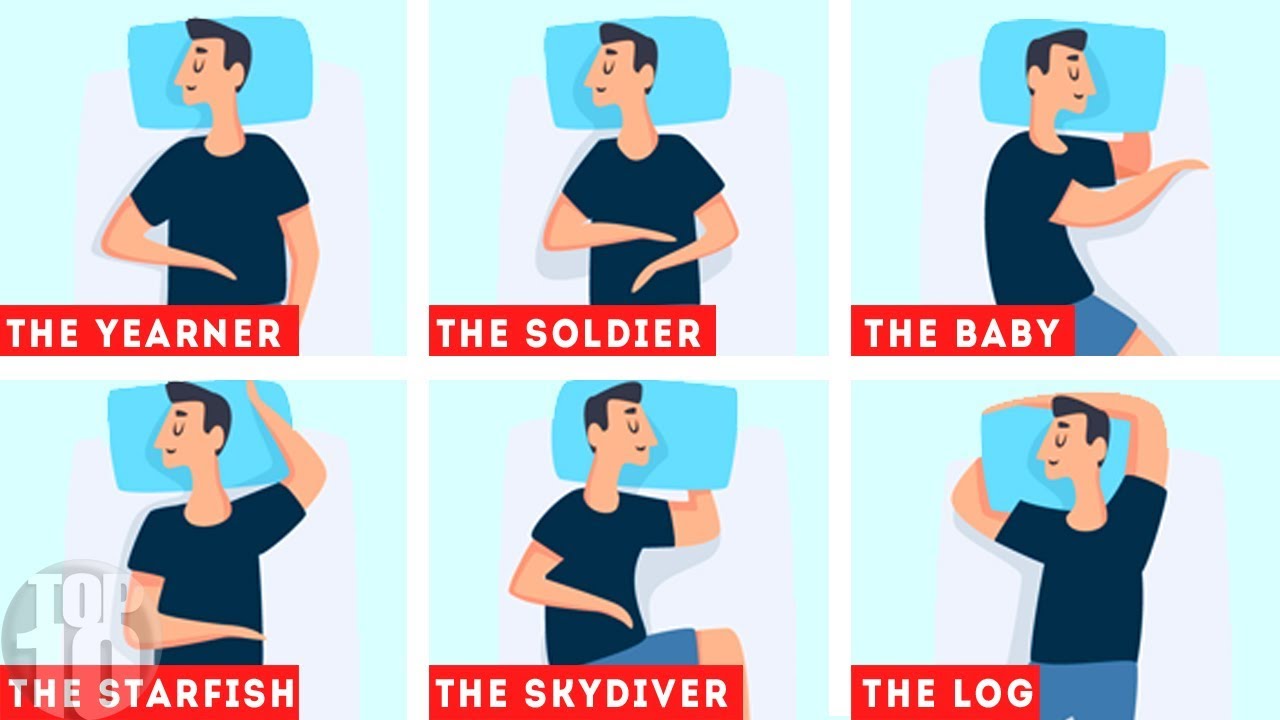
Numerous studies have attempted to establish connections between specific sleep positions and distinct personality characteristics. Sleep positions are often categorized into a few common types: fetal, log, yearner, soldier, and freefall. Each position has been hypothesized to correlate with various personality traits. For instance, a study published in the Journal of Personality and Social Psychology found that people who sleep in the fetal position may be more anxious and sensitive, often seeking comfort and security. In contrast, those who sleep like a log—on their side with arms at their sides—tend to be more easygoing and social.
Personality Traits Linked to Sleep Positions
Exploring the nuances of how personality traits can align with specific sleep positions helps us understand human behavior more deeply. The following list Artikels various sleep positions and their associated personality traits, based on psychological theories and studies:
- Fetal Position: Individuals who curl up in the fetal position often exhibit higher levels of anxiety and may display a more guarded personality. They tend to be sensitive and may require emotional comfort.
- Log Position: Those who sleep on their side with arms relaxed by their sides are generally considered sociable and easygoing. They are open to new experiences and enjoy camaraderie.
- Yearner Position: People who sleep with their arms extended out may be indecisive, yet they are also open and welcoming. This position suggests a strong desire for connection with others.
- Soldier Position: Sleeping on the back with arms at the sides indicates discipline and a calm demeanor. Such individuals are often reserved and value order and structure in their lives.
- Freefall Position: Those who sleep face down with arms around the pillow are often perceived as outgoing but can also be sensitive to criticism. They enjoy being in control of their surroundings.
Research has shown that demographic factors such as age, gender, and cultural background can influence sleeping behaviors and the personality traits associated with them. For example, a survey conducted by the Sleep Foundation revealed that younger individuals were more likely to adopt freefall positions, potentially reflecting their more adventurous and carefree nature. In contrast, older participants tended to prefer the soldier position, highlighting a shift towards stability and composure in later life.
In summary, while these correlations between sleep positions and personality traits provide interesting insights, it is essential to remember that individual differences exist. Personality is complex, and various factors contribute to our behavioral patterns beyond sleep positions.
Ultimate Conclusion
In summary, sleep position is not just a matter of comfort but has far-reaching implications for our health and well-being. Adjusting how we sleep can alleviate various ailments, enhance sleep quality, and even reflect our personality traits. By being mindful of our sleep habits and making informed choices, we can significantly improve our health and embrace a more restful night’s sleep.
FAQ Summary
What is the best sleep position for back pain?
Sleeping on your side with a pillow between your legs can help alleviate back pain by maintaining proper spinal alignment.
Can sleep position affect snoring?
Yes, sleeping on your back can worsen snoring, while side sleeping often reduces it.
Is it safe to sleep on your stomach?
While some people find stomach sleeping comfortable, it can strain the neck and spine, leading to discomfort over time.
How does sleep position vary across cultures?
Different cultures may emphasize various sleep positions due to societal norms and sleeping arrangements, influencing comfort and health outcomes.
What are the best sleep positions for pregnant women?
Pregnant women are generally advised to sleep on their sides, particularly the left side, to improve blood circulation and reduce pressure on the baby.