
 Caroline Sarah
Sleep satisfaction is a key component of our overall health that often goes overlooked. It influences not only how we feel physically but also how we perform mentally and emotionally. As we navigate our busy lives, the quality of our sleep can significantly affect our daily functioning, productivity, and even our relationships. Understanding what contributes to sleep satisfaction is essential for improving our well-being.
This exploration of sleep satisfaction delves into various factors including the influence of our environment, lifestyle choices, and psychological aspects that shape our sleep experiences. From the impact of technology on our nightly routines to the role of cultural beliefs about sleep, each element plays a critical part in how we perceive our rest. By examining these components, we can gain a clearer picture of what it truly means to achieve satisfying sleep.
Understanding sleep satisfaction and its importance to overall health
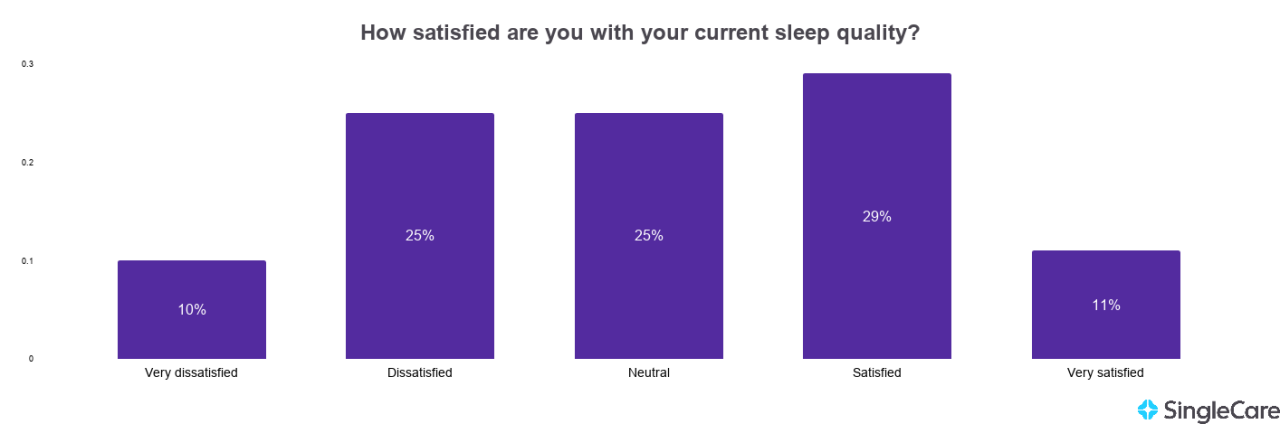
Sleep satisfaction refers to an individual’s perceived quality of their sleep, which encompasses how restful, restorative, and fulfilling their sleep experience is. It plays a critical role in overall health, influencing both physical and mental well-being. Achieving a high level of sleep satisfaction not only contributes to feeling well-rested but also impacts various aspects of daily life, from mood and cognitive functions to physical health outcomes.
Sleep satisfaction significantly affects physical health. For instance, studies have shown that poor sleep quality is associated with a variety of health issues, including obesity, diabetes, cardiovascular diseases, and weakened immune response. A lack of restorative sleep can lead to an increase in inflammation and stress hormones, which may further exacerbate these conditions. Additionally, sleep plays a crucial role in muscle recovery and growth, highlighting its importance for individuals engaging in physical activities.
From a mental health perspective, sleep satisfaction is equally critical. Inadequate sleep can lead to mood disturbances, anxiety, and depression. Research indicates that individuals with sleep disorders are more likely to experience mental health issues. Conversely, improving sleep quality can enhance emotional regulation and resilience, making individuals better equipped to handle stressors.
Components contributing to sleep satisfaction
Several components contribute to an individual’s perception of sleep satisfaction, and understanding these elements can help in improving sleep quality. The factors include:
- Sleep Duration: The amount of sleep one gets each night is fundamental. Adults typically require 7-9 hours of sleep for optimal functioning.
- Sleep Quality: This refers to how restful and uninterrupted the sleep is. Frequent awakenings or a feeling of being unrefreshed upon waking can diminish sleep satisfaction.
- Sleep Environment: Factors such as noise, light, and room temperature significantly impact sleep quality. A comfortable mattress and pillows also contribute to a better sleep experience.
- Sleep Routine: Consistency in sleep schedules helps in regulating the body’s internal clock, leading to improved sleep quality.
- Emotional and Mental State: Anxiety, stress, and other mental health issues can adversely affect one’s ability to fall asleep and stay asleep.
Improving these components can lead to a significant enhancement in sleep satisfaction, which in turn positively influences overall health.
The impact of sleep quality on daily functioning and productivity is profound. When individuals experience poor sleep, their cognitive functions—such as attention, memory, and decision-making abilities—are impaired. This impairment can manifest in the workplace, leading to decreased productivity, increased errors, and difficulty in concentrating. For example, a study found that individuals who slept poorly were more likely to perform suboptimally at work, which can have a cascading effect on job performance and career progression.
Additionally, poor sleep satisfaction can affect interpersonal relationships. Irritability and mood swings resulting from insufficient rest can lead to misunderstandings and conflicts with colleagues and loved ones. Therefore, prioritizing sleep satisfaction is essential not just for personal health but also for maintaining harmonious relationships and achieving success in various endeavors.
Factors influencing sleep satisfaction in different demographics
Sleep satisfaction is a critical aspect of overall well-being, yet it varies significantly across different demographic groups. Factors such as age, gender, and cultural background play pivotal roles in shaping how individuals experience and perceive their sleep quality. Understanding these differences can guide approaches to enhance sleep satisfaction tailored to specific needs and lifestyle choices.
Age-related Sleep Satisfaction Variations
Sleep patterns and satisfaction can drastically change across various age groups, influenced by biological changes and lifestyle adjustments.
- Children and Adolescents: Young individuals often require more sleep for growth and cognitive development, yet studies indicate that many do not get the recommended amount. A survey by the National Sleep Foundation found that only 15% of high school students reported getting enough sleep on school nights, leading to poor academic performance and increased stress.
- Adults: For adults, sleep satisfaction can be influenced by work-related stress, parenting, and lifestyle choices. Research indicates that about 30% of adults experience insomnia, affecting their overall satisfaction with sleep. Factors such as irregular work hours, technology use before bed, and dietary habits contribute significantly to this decline.
- Seniors: Older adults often face challenges such as health issues and changes in sleep architecture, leading to decreased sleep quality. According to a study published in the Journal of Clinical Sleep Medicine, about 50% of seniors report difficulties with sleep, with many waking multiple times during the night. This can be exacerbated by medications and underlying health conditions.
Gender Differences in Sleep Satisfaction
Gender plays a crucial role in sleep quality and satisfaction, with distinct differences observed in sleep patterns between men and women.
- Women: Hormonal fluctuations throughout life stages, such as menstruation, pregnancy, and menopause, can significantly affect women’s sleep quality. The American Academy of Sleep Medicine reports that women are more likely than men to experience insomnia and sleep disturbances, impacting their sleep satisfaction.
- Men: While men may experience fewer sleep disorders, studies show they often report lower sleep satisfaction due to lifestyle choices, such as alcohol consumption and lack of physical activity. A survey by the Sleep Research Society found that men are less likely to prioritize sleep hygiene practices compared to women.
Cultural Influences on Sleep Satisfaction
Cultural background significantly impacts sleep habits, norms, and satisfaction levels across different communities.
- Western Cultures: In many Western societies, the emphasis on productivity often leads individuals to deprioritize sleep, with studies indicating that about 35% of adults report insufficient sleep. This culture of “busyness” can contribute to chronic sleep deprivation.
- Eastern Cultures: In contrast, cultures in parts of Asia may place a higher value on rest, often incorporating afternoon naps into daily routines. Research indicates that these practices can enhance overall sleep satisfaction, with individuals reporting higher levels of well-being and productivity.
- Indigenous Cultures: Many indigenous populations have unique sleep practices that emphasize harmony with nature, often resulting in higher sleep satisfaction levels. A study of Native American communities highlighted that communal living and reduced screen time contribute to better sleep quality.
“Sleep satisfaction is not merely about the quantity of sleep but the quality and its alignment with an individual’s lifestyle and cultural values.”
The relationship between sleep environment and satisfaction levels
Creating the right sleep environment is crucial for achieving optimal sleep satisfaction. A well-structured sleep setting not only promotes better sleep quality but also enhances overall well-being. By understanding the elements that contribute to a serene sleep environment, individuals can significantly improve their sleep experience.
The ideal sleep environment integrates various factors, including light, noise, and temperature, that directly influence sleep quality. Each of these elements plays a vital role, affecting how quickly one can fall asleep and how restful their sleep will be throughout the night. A conducive sleep environment minimizes disturbances and promotes relaxation, which is essential for restorative sleep.
Key elements of an optimal sleep environment
To illustrate the significance of various factors in the sleep environment, it is essential to recognize how they contribute to sleep satisfaction. Below is an overview of critical elements and their impact on sleep quality:
- Light: Excessive light exposure, especially blue light from screens, can disrupt the natural sleep-wake cycle by inhibiting melatonin production. Ideally, a dark environment encourages deeper sleep.
- Noise: Continuous or sudden noises can interrupt sleep cycles, leading to fragmented sleep. A quiet environment, or the use of white noise machines, can enhance sleep continuity.
- Temperature: The body requires a cooler environment to initiate sleep. An optimal bedroom temperature around 60 to 67 degrees Fahrenheit is recommended for promoting restful sleep.
The following table summarizes the optimal features of a sleep environment compared to common sleep disruptors, showcasing how each aspect affects sleep quality.
| Feature | Optimal Conditions | Common Disruptors |
|---|---|---|
| Light | Dark, blackout curtains or no light | Bright lights, especially blue light from devices |
| Noise | Quiet or controlled white noise | Loud sounds, traffic, or unpredictable noises |
| Temperature | Cool, around 60-67°F (15-19°C) | Too hot or too cold environments |
“Creating a sleep-friendly environment is not just about comfort; it is essential for achieving restorative sleep that contributes to overall health.”
Psychological factors affecting sleep satisfaction

Stress, anxiety, and depression significantly impact sleep satisfaction, often leading to a cycle of poor sleep and worsening mental health. When individuals experience heightened levels of stress or anxiety, their bodies enter a state of hyperarousal, making it challenging to relax and fall asleep. Depression can further exacerbate this issue, resulting in disrupted sleep patterns and a lack of restorative rest. Understanding these psychological factors is essential for improving sleep quality and overall well-being.
Impact of Stress, Anxiety, and Depression on Sleep
The interplay between mental health and sleep is complex. Stress triggers the release of cortisol, a hormone that can interfere with the sleep-wake cycle. Anxiety often leads to racing thoughts that keep individuals awake at night, while depression can cause fatigue during the day, making it harder to maintain a healthy sleep routine.
- Stress can lead to insomnia, where individuals find it difficult to fall or stay asleep, leading to daytime fatigue and irritability.
- Anxiety can cause sleep disturbances such as nightmares or frequent awakenings, resulting in fragmented sleep and a decrease in overall sleep satisfaction.
- Depression can alter sleep architecture, leading to an imbalance in REM and non-REM sleep, which is crucial for emotional and cognitive health.
Strategies for Managing Psychological Factors
To improve sleep quality, it is crucial to implement strategies that address the psychological factors interfering with sleep. These strategies can foster a more conducive environment for restful sleep.
- Practicing mindfulness and relaxation techniques, such as deep breathing or meditation, can help mitigate stress and calm an anxious mind.
- Establishing a consistent sleep schedule reinforces the body’s natural circadian rhythm, improving sleep quality over time.
- Engaging in regular physical activity can reduce symptoms of anxiety and depression, which in turn may enhance sleep satisfaction.
- Seeking cognitive-behavioral therapy (CBT) can provide effective coping mechanisms for managing stress, anxiety, and depression.
The Importance of Mental Health Support
Mental health support plays a pivotal role in enhancing sleep satisfaction. Professional help can provide individuals with the tools needed to navigate their psychological challenges effectively.
“Addressing mental health is not just about coping with issues; it’s about thriving in life, which directly influences sleep quality.”
- Access to therapy or counseling can lead to improved emotional regulation, reducing the impact of stress and anxiety on sleep.
- Support groups can provide a safe space for individuals to share experiences and learn from one another, fostering a sense of community and belonging.
- Medication, when prescribed, can stabilize mood disorders that significantly disrupt sleep patterns, leading to a more restful night’s sleep.
The role of technology in enhancing or hindering sleep satisfaction
In today’s fast-paced digital world, technology plays a dual role in our lives, especially concerning sleep satisfaction. While devices like smartphones and tablets offer the convenience of connectivity and entertainment, they can also significantly disrupt our sleep patterns and overall sleep quality. Understanding this duality is essential for optimizing our nighttime routines and achieving better sleep satisfaction.
The impact of technology on sleep can be profound. Excessive use of smartphones and tablets, particularly before bedtime, is linked to increased alertness due to blue light exposure. This type of light interferes with melatonin production, making it harder to fall asleep. Studies have shown that individuals who spend a considerable amount of time on screens before bed often experience delayed sleep onset and reduced sleep quality. Moreover, the stimulating content found on these devices can lead to increased anxiety and restlessness, further hindering sleep satisfaction.
Impact of Devices on Sleep Patterns
The role of devices in altering sleep patterns is significant, as various studies demonstrate several adverse effects of screen time on sleep quality. Here are the key impacts of devices on sleep:
- Blue Light Exposure: This light emitted from screens can suppress melatonin production, delaying sleep onset.
- Content Consumption: Engaging with stimulating or distressing content can elevate heart rates and anxiety levels, making it difficult to unwind.
- Notifications and Alerts: Frequent notifications can interrupt relaxation and create stress, further impacting sleep quality.
To combat these issues, many people turn to technology aimed at improving sleep hygiene. Sleep tracking apps and wearable devices help monitor sleep patterns, providing valuable insights into sleep quality and duration. These tools can promote better sleep habits by helping individuals identify factors that disrupt their sleep and suggesting strategies for improvement. For instance, some apps offer guided meditations or soothing sounds that can facilitate relaxation and prepare the mind for sleep.
Methods to Use Technology for Better Sleep
Utilizing technology to enhance sleep satisfaction involves implementing certain practices that leverage its benefits while minimizing its drawbacks. Here are some methods to consider:
- Sleep Tracking Apps: These applications can analyze sleep cycles and provide feedback on how to improve sleep hygiene.
- Smart Home Devices: Devices like smart thermostats can create a comfortable sleep environment by regulating room temperature.
- Digital Detox: Setting a technology curfew by limiting screen time at least an hour before bed can improve sleep onset time.
While technology can play a significant role in enhancing sleep satisfaction, creating a technology-free bedtime routine is equally important. A well-structured routine can help signal to your body that it’s time to relax and prepare for sleep. Here are some tips for establishing such a routine:
Creating a Technology-Free Bedtime Routine
A calming bedtime routine can greatly enhance sleep quality, promoting relaxation and preparing the body for rest. Consider the following elements for a technology-free approach:
- Wind Down Time: Dedicate at least 30 minutes before bed to relax without screens. Engage in activities like reading a book or practicing gentle yoga.
- Aromatherapy: Using essential oils like lavender can create a peaceful atmosphere conducive to sleep.
- Consistent Sleep Schedule: Going to bed and waking up at the same time daily helps regulate the body’s internal clock.
In summary, while technology can hinder sleep satisfaction through disruptive patterns, it can also provide tools for improvement. An informed approach to using technology, combined with a commitment to a technology-free bedtime routine, can significantly enhance overall sleep quality. Each person’s needs may vary, so it’s essential to experiment and find a balance that works for you.
The impact of sleep disorders on sleep satisfaction
Sleep disorders are not just a nuisance; they can significantly affect an individual’s overall sleep satisfaction and quality of life. These disorders can disrupt the natural sleep cycle, leading to insufficient restorative sleep and causing a variety of emotional, cognitive, and physical issues. Understanding the implications of these disorders is crucial for improving sleep satisfaction and well-being.
Common sleep disorders and their effects on sleep satisfaction
A variety of sleep disorders can adversely affect sleep satisfaction. Among the most prevalent are insomnia, sleep apnea, restless legs syndrome (RLS), and narcolepsy. Each of these conditions has distinct characteristics and consequences:
- Insomnia: This disorder is characterized by the inability to fall asleep or stay asleep. Individuals with insomnia often experience frustration and fatigue, leading to diminished daytime performance and overall dissatisfaction with sleep.
- Sleep apnea: This condition involves intermittent breathing interruptions during sleep, often resulting in numerous awakenings and poor sleep quality. Those affected may experience excessive daytime sleepiness and heightened risk of cardiovascular issues.
- Restless legs syndrome (RLS): RLS is marked by uncomfortable sensations in the legs, often accompanied by an irresistible urge to move them. This can lead to difficulty falling asleep and frequent awakenings, thereby reducing sleep satisfaction.
- Narcolepsy: This neurological disorder causes overwhelming daytime drowsiness and sudden sleep attacks. Individuals may struggle with maintaining regular sleep patterns, leading to persistent fatigue and challenges in daily functioning.
Treatment options for sleep disorders
Effective treatment options are available for managing sleep disorders, which can significantly enhance sleep satisfaction. Treatment approaches may vary based on the specific disorder but often include:
- Cognitive Behavioral Therapy for Insomnia (CBT-I): This structured program helps individuals identify and change thoughts and behaviors that contribute to insomnia. Studies show it can be more effective in the long term than medication.
- Continuous Positive Airway Pressure (CPAP) therapy: For those with sleep apnea, CPAP machines provide a constant flow of air to keep airways open during sleep, improving both sleep quality and satisfaction.
- Medications: Various medications, including sleep aids and dopaminergic agents, can be prescribed to manage symptoms of RLS and narcolepsy. While effective, they should be used under medical supervision due to potential side effects.
- Lifestyle changes: Encouraging regular sleep schedules, good sleep hygiene, and physical activity can help alleviate symptoms across multiple sleep disorders, leading to improved sleep quality.
Importance of awareness and education about sleep disorders
Raising awareness about sleep disorders is crucial for improving overall sleep satisfaction. By understanding these conditions, individuals can recognize symptoms, seek appropriate treatment, and adopt healthier sleep practices. Educational initiatives can empower people to take proactive steps towards better sleep and can significantly reduce stigma surrounding sleep disorders.
“The more informed you are about sleep disorders, the better equipped you are to manage them and enhance your sleep satisfaction.”
Community programs, workshops, and resources focused on sleep health can make a meaningful difference. When individuals are educated about sleep disorders, they can engage in healthier behaviors, seek timely medical advice, and benefit from supportive networks, ultimately leading to higher levels of sleep satisfaction.
Cultural differences in perceptions of sleep satisfaction
Sleep plays a crucial role in overall well-being, yet perceptions of sleep satisfaction can vary significantly across cultures. Different beliefs, practices, and social norms shape how communities understand the importance of sleep and how they approach it in their daily lives. This diversity in attitudes towards sleep can influence individual behaviors, lifestyle choices, and ultimately, the quality of sleep experienced by individuals within those cultures.
Understanding the impact of cultural differences on sleep satisfaction involves examining traditional sleep practices and their implications. Various cultures have distinct views on the quantity and quality of sleep, often influenced by environmental, social, and economic factors. These practices not only reflect cultural values but also play a significant role in determining the sleep satisfaction of individuals within those societies.
Traditional sleep practices across cultures
Across the globe, traditional sleep practices reveal the unique relationship different cultures have with sleep. These practices can have a profound impact on how individuals perceive sleep satisfaction. Here are a few noteworthy examples:
- Siesta in Spanish-speaking countries: In many Latin American countries and parts of Spain, the tradition of taking a midday nap, or siesta, is prevalent. This practice is rooted in the desire to combat the heat of the day and is associated with enhanced productivity and well-being, leading to higher sleep satisfaction among those who embrace it.
- Co-sleeping in Asia: In several Asian cultures, co-sleeping, or sharing a bed with family members, is a common practice. This not only fosters a sense of closeness and security but also has implications for sleep patterns and satisfaction, as shared warmth and comfort can lead to a more restful sleep experience.
- Nightly rituals in indigenous cultures: Many indigenous cultures place a strong emphasis on nightly rituals before sleep, such as storytelling or communal gatherings. These practices help transition individuals into a state of restfulness, promoting a deeper sense of sleep satisfaction and community bonding.
Cultural attitudes towards sleep can significantly influence behavior and lifestyle choices. For instance, in cultures that prioritize hard work and productivity, such as in some Western societies, there may be a tendency to sacrifice sleep for work commitments. This approach often leads to sleep deprivation and lower overall satisfaction. Conversely, cultures that celebrate rest as integral to health tend to foster habits that promote better sleep quality.
“Embracing cultural traditions surrounding sleep can enhance sleep satisfaction and overall well-being.”
These examples illustrate how cultural beliefs and practices shape the perception of sleep and its value in daily life. Understanding these differences can provide insight into the diverse approaches to sleep satisfaction worldwide, highlighting the importance of cultural context in addressing sleep health.
Practical strategies to improve personal sleep satisfaction
Enhancing sleep satisfaction involves a combination of lifestyle changes, consistent habits, and relaxation techniques that promote better overall sleep quality. By implementing these strategies, individuals can create an environment conducive to restful and restorative sleep.
Establishing a consistent sleep schedule is vital for improving sleep satisfaction. The body’s internal clock, or circadian rhythm, thrives on regularity. When sleep patterns are consistent, it becomes easier to fall asleep and wake up refreshed. Disrupting this rhythm can lead to difficulties in sleeping, negatively affecting mood, cognitive function, and overall well-being.
Importance of Consistent Sleep Schedule
Maintaining a regular sleep schedule helps reinforce the natural sleep-wake cycle. This practice not only aids in falling asleep faster but also improves the quality of sleep. Here are the benefits of a consistent sleep schedule:
- Regulates hormone levels that control sleep and wakefulness.
- Enhances mood stability and cognitive performance throughout the day.
- Reduces the risk of sleep disorders like insomnia.
- Promotes a more energized feeling upon waking.
Establishing a regular sleep routine is key. Going to bed and waking up at the same time every day, even on weekends, fosters better sleep hygiene.
Relaxation Techniques for Better Sleep Quality
Implementing relaxation techniques before bedtime can significantly enhance sleep quality. These methods help reduce stress and anxiety, preparing the mind and body for restful sleep. Below are several effective relaxation techniques:
- Deep Breathing: Engage in deep breathing exercises by inhaling slowly through the nose, holding for a few seconds, and exhaling through the mouth. This practice calms the nervous system.
- Progressive Muscle Relaxation: Tense and then relax each muscle group in the body, starting from the toes and working up to the head. This technique helps relieve physical tension.
- Meditation: Practice mindfulness or guided meditation to clear the mind of distractions and reduce anxiety. Even a few minutes of meditation can lead to a more peaceful state before sleep.
- Gentle Yoga: Incorporating gentle stretches or yoga poses before bedtime can help release tension and promote relaxation.
- Aromatherapy: Utilize calming scents such as lavender or chamomile through essential oils or candles to create a soothing atmosphere.
Incorporating these strategies into daily routines can lead to improved sleep satisfaction, allowing individuals to wake up refreshed and ready to face the day.
Wrap-Up
In conclusion, enhancing sleep satisfaction is a multifaceted endeavor that involves understanding our personal needs and the various factors influencing our sleep quality. By adopting practical strategies, being mindful of our sleep environment, and addressing psychological factors, we can improve not only our sleep but also our overall health. As we continue to learn about the importance of sleep satisfaction, we can take meaningful steps towards a more restorative and fulfilling life.
FAQ Guide
What is sleep satisfaction?
Sleep satisfaction refers to how content individuals feel about the quality and quantity of their sleep.
How does sleep satisfaction affect daily life?
High sleep satisfaction can lead to improved mood, better cognitive function, and enhanced productivity, while low satisfaction may result in fatigue and irritability.
Can sleep satisfaction vary by age?
Yes, sleep satisfaction can vary significantly across age groups, with younger adults often experiencing different challenges than older adults.
How do dietary choices impact sleep satisfaction?
A balanced diet can enhance sleep quality, while certain foods and drinks, such as caffeine or heavy meals before bed, can disrupt it.
What are some effective relaxation techniques for better sleep?
Techniques such as deep breathing, meditation, and yoga can promote relaxation and improve sleep satisfaction.
How does technology influence sleep?
Excessive use of screens before bedtime can interfere with natural sleep patterns, but technology can also be used positively, such as through sleep tracking apps.