
 Caroline Sarah
Sleep supplements have gained popularity as a natural way to enhance sleep quality and combat common sleep disturbances. From busy professionals to parents juggling multiple responsibilities, many are in search of effective solutions to improve their nightly rest. Understanding how these supplements work can help individuals make informed choices about their sleep health.
Various sleep supplements, such as melatonin, valerian root, and magnesium, are known for their roles in promoting relaxation and supporting the body’s natural sleep cycles. By addressing issues like insomnia and sleep apnea, sleep supplements offer potential benefits for those struggling with sleep-related problems. This exploration of sleep supplements not only highlights their mechanisms but also delves into the science behind their effectiveness, providing insights that are essential for anyone looking to improve their sleep experience.
Sleep supplements and their role in enhancing sleep quality
Sleep supplements play a significant role in improving sleep quality and are often utilized by individuals seeking better rest. With the increasing prevalence of sleep disorders, many are turning to these supplements as natural aids to facilitate restful sleep. Understanding the mechanisms through which these supplements operate can provide insights into their effectiveness and the potential benefits for those struggling with sleep issues.
Sleep supplements can enhance sleep quality through various mechanisms, such as promoting relaxation, reducing anxiety, and regulating sleep cycles. These supplements often contain natural ingredients that work synergistically to support the body’s sleep-wake cycle, making it easier to fall asleep and stay asleep. For example, some ingredients can increase the production of melatonin, a hormone that regulates sleep patterns, while others can provide calming effects that reduce the time it takes to fall asleep.
Common Types of Sleep Supplements
Several types of sleep supplements are widely used, each with unique ingredients and effects on sleep. Here are three common types:
- Melatonin: This hormone, naturally produced by the pineal gland, is crucial for regulating sleep cycles. Melatonin supplements can be beneficial for individuals with insomnia or those experiencing jet lag, as they help signal the body that it is time to sleep. Studies indicate that melatonin supplementation can improve sleep onset and duration.
- Valerian Root: A herbal remedy known for its calming properties, valerian root can help reduce anxiety and promote relaxation. It is often used to treat insomnia and has been shown to improve sleep quality by decreasing the time it takes to fall asleep and enhancing overall sleep satisfaction.
- L-Theanine: An amino acid commonly found in tea leaves, L-theanine is known for its ability to promote relaxation without sedation. It can help improve sleep quality by reducing stress and anxiety levels, making it easier for individuals to unwind before bedtime.
Sleep supplements can provide substantial benefits for individuals with sleep disorders like insomnia or sleep apnea. For those suffering from insomnia, these supplements can help restore a more regular sleep pattern and improve overall sleep quality. Similarly, individuals with sleep apnea may find that certain supplements help alleviate anxiety around sleep, enabling them to relax and potentially reduce the frequency of sleep disturbances.
Incorporating sleep supplements into a nightly routine can lead to significant improvements in sleep quality and overall well-being.
The science behind sleep supplements and their ingredients
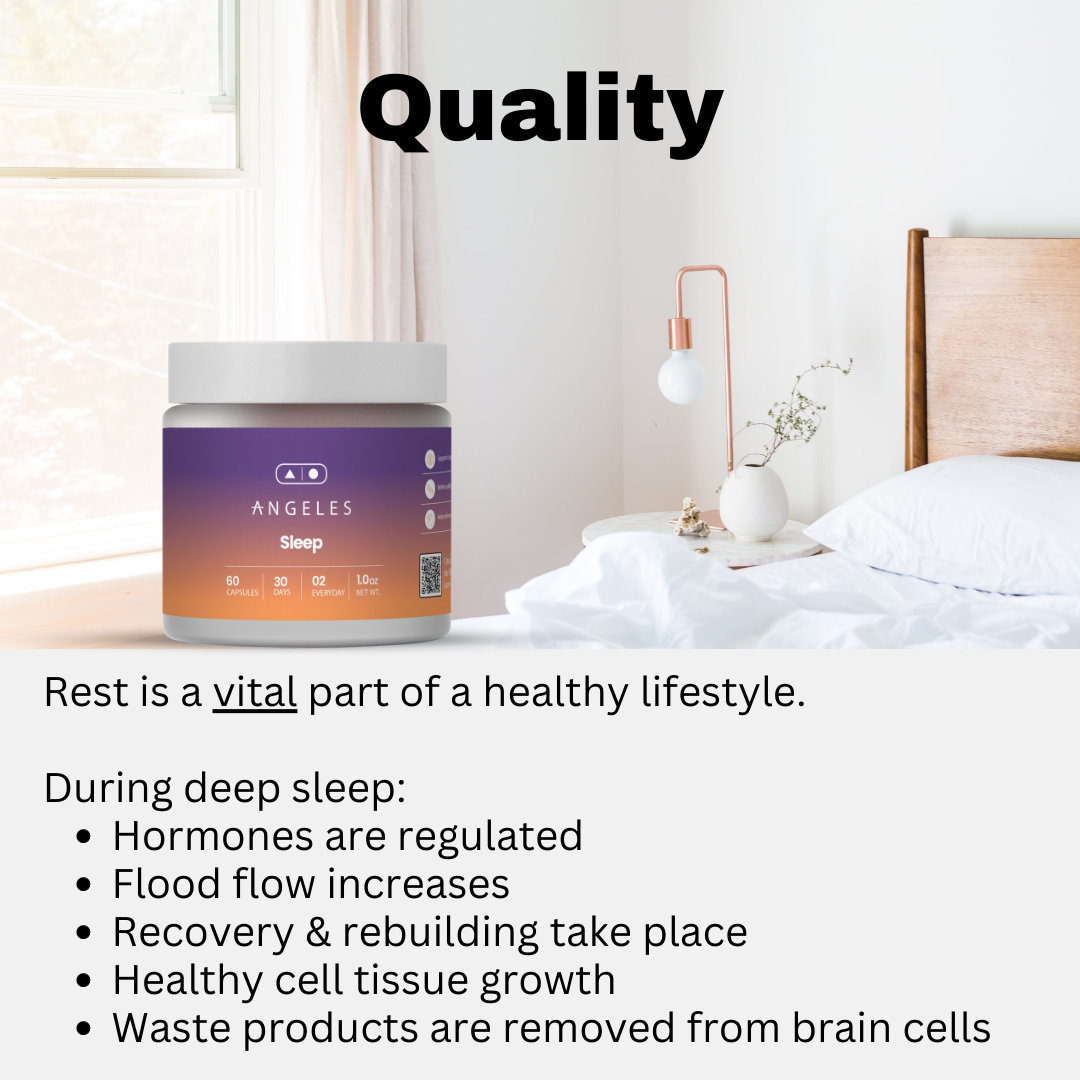
Sleep supplements have gained popularity as more individuals seek natural solutions for insomnia and sleep disturbances. These supplements often contain ingredients that have been studied for their potential benefits in promoting sleep. Understanding the scientific research behind these ingredients can help individuals make informed decisions about their use.
Melatonin, often referred to as the “sleep hormone,” plays a significant role in regulating the sleep-wake cycle. Research indicates that supplementing with melatonin can improve sleep onset, duration, and overall sleep quality, particularly in individuals with insomnia or jet lag. A study published in the journal *Sleep Medicine Reviews* concluded that melatonin supplementation can reduce sleep latency and increase total sleep time, especially in older adults who may have diminished endogenous melatonin production. The typical dosage ranges from 0.5 mg to 5 mg, taken about 30-60 minutes before bedtime. Individual needs may vary, with some individuals responding better to lower doses.
Valerian root is another well-known sleep aid, derived from the roots of the Valeriana officinalis plant. It has been used for centuries as a natural remedy for insomnia. Scientific studies have shown that valerian root may be effective in improving sleep quality and reducing the time it takes to fall asleep. A systematic review published in the *American Journal of Medicine* highlighted that valerian root can help decrease sleep latency and improve overall sleep quality. The recommended dosage typically ranges from 300 mg to 600 mg of valerian extract, taken 30 minutes to 2 hours before sleep. However, potential side effects can include mild gastrointestinal discomfort and headaches.
Magnesium is an essential mineral that plays a crucial role in numerous bodily functions, including sleep regulation. Research indicates that magnesium deficiency may be linked to sleep disturbances. A study published in the *Journal of Research in Medical Sciences* found that magnesium supplementation can improve sleep quality and increase sleep duration, particularly in individuals experiencing insomnia. The recommended dosage for magnesium supplements varies, but it generally ranges from 200 mg to 400 mg per day. Factors such as age, dietary intake, and individual health conditions may influence the appropriate dosage.
Potential side effects for these supplements can vary. While melatonin is generally considered safe for short-term use, prolonged use may disrupt the natural circadian rhythm. Valerian root can cause drowsiness, so caution is advised when driving or operating machinery. Magnesium supplementation can lead to gastrointestinal upset or diarrhea if taken in excessive amounts, especially in individuals with pre-existing kidney conditions. Thus, it is crucial to consult with a healthcare provider to determine the most suitable supplement and dosage tailored to individual needs.
Comparing natural sleep supplements to over-the-counter medications
Natural sleep supplements and over-the-counter (OTC) sleep medications serve a similar purpose: to help individuals achieve restful sleep. However, they differ significantly in terms of effectiveness, safety, and side effects. Understanding these differences is crucial for anyone seeking to improve their sleep quality, especially when deciding between natural options and conventional medications.
Natural sleep supplements are often derived from herbs, amino acids, or dietary components that promote relaxation and support the body’s natural sleep-wake cycle. Common examples include melatonin, valerian root, and chamomile. In contrast, OTC medications usually contain synthetic compounds designed to induce sleep quickly. Drugs like diphenhydramine and doxylamine are frequently used as sleep aids, but they work by blocking histamine receptors in the brain, leading to drowsiness.
Effectiveness, Safety, and Side Effects
When comparing the effectiveness of natural sleep supplements to OTC medications, it’s important to recognize that while OTC medications may provide quicker results, they do not always address the underlying issues that cause insomnia. For instance, melatonin is known to help regulate circadian rhythms, making it effective for sleep disturbances related to shift work or jet lag. In terms of safety, natural supplements typically have fewer side effects and a lower risk of dependency or tolerance, which are common concerns with many OTC sleep aids.
The side effects associated with OTC medications can be significant. Diphenhydramine, commonly found in products like Benadryl, can cause dry mouth, dizziness, and prolonged drowsiness the following day. Furthermore, long-term use can lead to cognitive impairments and increased risk of falls, especially in older adults. Conversely, natural supplements like valerian root may cause mild digestive upset in some individuals but are generally well-tolerated.
To illustrate the differences further, here are some popular OTC sleep medications along with their active ingredients and effects:
- Diphenhydramine (found in Benadryl): Causes drowsiness by acting as an antihistamine but may lead to unwanted side effects like dry mouth and confusion.
- Doxylamine (found in Unisom): Similar to diphenhydramine, it promotes sleep but carries risks of next-day drowsiness and potential dependency.
- Melatonin (often found in natural supplement form): A hormone that regulates the sleep-wake cycle, effective for insomnia related to sleep timing.
Personal experiences reveal a shift towards natural supplements for sleep improvement. Many individuals report feeling more refreshed upon waking after switching from OTC medications to natural options. For instance, a user named Sarah shared her journey of transitioning from doxylamine to melatonin. Initially, she relied on the medication for its immediate effects, but soon faced issues with grogginess the next day. After trying melatonin, she noticed not only did she fall asleep faster, but she also felt more alert during the day.
In summary, while OTC sleep medications may offer quick solutions for sleep issues, they often come with significant side effects and risks, particularly when used long-term. Natural sleep supplements present a safer alternative for many, promoting restful sleep without the drawbacks associated with synthetic medications.
The impact of lifestyle on the effectiveness of sleep supplements
The effectiveness of sleep supplements extends beyond their ingredients; it is significantly influenced by one’s lifestyle choices. Factors such as diet, exercise, and stress levels play a crucial role in determining how well these supplements aid in achieving restorative sleep. Understanding these relationships can enhance the overall efficacy of sleep aids and promote a better night’s rest.
Diet is one of the primary lifestyle factors that can impact sleep quality. Consuming a balanced diet rich in nutrients like magnesium, potassium, and vitamins can support sleep health. Foods like leafy greens, nuts, and fish have been shown to improve sleep quality. On the other hand, high sugar and caffeine intake, especially in the hours leading up to bedtime, can counteract the effects of sleep supplements by causing restlessness or waking during the night.
Importance of a consistent sleep routine
Establishing a consistent sleep routine is vital when using sleep supplements. Regular sleep patterns signal the body when to wind down, enhancing the effectiveness of supplements. A routine that includes going to bed and waking up at the same time each day helps regulate the body’s internal clock, making it easier to fall asleep and wake up refreshed.
A consistent routine may include the following practices:
- Setting a bedtime that allows for 7-9 hours of sleep.
- Creating a relaxing pre-sleep ritual, such as reading or meditating.
- Avoiding screen time an hour before bed to reduce blue light exposure, which can interfere with melatonin production.
- Limiting naps during the day to ensure nighttime sleep is more restorative.
Strategies to optimize sleep hygiene
Optimizing sleep hygiene can significantly enhance the effects of sleep supplements. Good sleep hygiene practices can create an environment conducive to sleep and maximize the supplements’ benefits.
Effective strategies include:
- Maintaining a cool and dark sleeping environment to promote the production of melatonin.
- Choosing comfortable bedding and pillows to support restful sleep.
- Implementing relaxation techniques such as deep breathing or yoga to reduce stress before bed.
- Limiting food and drink intake close to bedtime to prevent sleep disturbances from digestion.
Sleep hygiene is not just about the habits surrounding sleep but also involves creating a sanctuary for rest. Incorporating these strategies can lead to improved sleep quality and overall wellbeing, complementing the function of sleep supplements effectively.
Safety and potential risks associated with sleep supplement use
Sleep supplements have gained popularity as a means to address sleep disturbances and improve overall sleep quality. However, like any other supplement or medication, they carry potential risks and side effects that users should be aware of. While many may perceive these supplements as natural and safe alternatives to prescription medications, the reality is more complex. Understanding the safety profiles, potential risks, and the importance of consulting healthcare professionals is essential for anyone considering sleep supplements.
Sleep supplements come in various forms, including melatonin, valerian root, magnesium, and herbal blends. Each of these has its safety considerations and possible side effects. Common side effects associated with sleep supplements can include drowsiness, dizziness, gastrointestinal disturbances, and headaches. Some individuals may also experience allergic reactions or sensitivity to certain ingredients.
Comparative safety profiles of sleep supplements
Evaluating the safety profiles of different sleep supplements reveals notable differences in their effects and potential interactions.
– Melatonin: Often regarded as one of the safest options, melatonin can cause daytime drowsiness, mood changes, and increased anxiety in some people. It may also interact with blood thinners, immune suppressants, and other medications affecting hormonal levels.
– Valerian Root: This herbal supplement can lead to side effects like headache, dizziness, and gastrointestinal upset. While generally considered safe for short-term use, it may interact with sedatives and other medications that affect the central nervous system.
– Magnesium: While typically safe, excessive magnesium intake can result in nausea, diarrhea, and abdominal cramping. It interacts with certain medications, including antibiotics and muscle relaxants.
– Herbal Blends: Many commercial sleep supplements contain a mix of ingredients, which can complicate safety assessments. The risk of allergic reactions increases with multiple components, and specific herb-drug interactions should be considered.
It is vital to consult healthcare professionals before starting any sleep supplement regimen. A healthcare provider can assess individual health needs, existing medical conditions, and potential interactions with prescribed medications. This step is particularly crucial for individuals who are pregnant, nursing, or have chronic health issues.
In summary, while sleep supplements can be effective for enhancing sleep quality, their associated risks necessitate a cautious approach. Proper understanding and medical guidance can help mitigate potential dangers and lead to safer, more effective use of these products.
Personalizing sleep supplement use based on individual needs
Finding the right sleep supplement can be a game changer for achieving restorative sleep. However, the journey to personalized sleep support requires understanding your unique sleep patterns, preferences, and health conditions. This guide will help you choose the right supplement tailored to your individual needs, ensuring a more effective approach to improving your sleep quality.
Understanding how various factors affect your sleep will aid in selecting the most suitable sleep supplement. It’s essential to consider aspects such as age, weight, lifestyle, and any pre-existing health conditions. The following key factors should guide your choice of sleep aids:
Key Factors to Consider When Selecting a Sleep Supplement
Identifying the right sleep supplement involves careful evaluation of several important criteria. The following elements are crucial in shaping your decision:
- Age: Different age groups may respond differently to sleep supplements. For example, older adults may benefit more from supplements that contain melatonin, which naturally declines with age. Conversely, younger individuals may find herbal supplements like chamomile or valerian root effective.
- Weight: Body weight can influence how a supplement is metabolized. Heavier individuals may require higher doses to achieve the desired effect, while lighter individuals might need less.
- Existing Health Conditions: Those with chronic conditions such as diabetes or cardiovascular issues must consult a healthcare professional before choosing a supplement, as some ingredients may interact negatively with medications or exacerbate symptoms.
- Sleep Patterns: Tracking your sleep cycles can help you identify if you struggle with falling asleep, staying asleep, or waking too early. Different supplements target various aspects of sleep, making this information vital for selection.
- Personal Preferences: Some individuals may prefer natural remedies, while others might favor pharmaceuticals. Understanding what you’re comfortable with can streamline the selection process.
Tracking the effectiveness of your chosen sleep supplement over time is crucial for ensuring optimal sleep health. Here are some tips for monitoring your progress:
Monitoring the Effectiveness of Sleep Supplements
Establishing a consistent routine for evaluating how well your sleep supplement works can lead to better sleep quality. Consider the following strategies:
- Keep a Sleep Diary: Document your sleep patterns, including the time you go to bed, wake up, and any nighttime disruptions. This information can help you spot trends and highlight improvements or declines in sleep quality.
- Rate Your Sleep: On a scale of 1 to 10, assess your sleep quality each morning. Noting changes in your ratings can reveal the effectiveness of the supplement.
- Adjust Dosage as Needed: If you notice little to no effect after a few weeks, consider adjusting the dosage or trying a different supplement. Always follow professional guidance when making these changes.
- Consult Healthcare Professionals: Regular check-ins with a doctor or sleep specialist can provide insights into your sleep health and help you refine your supplement strategy based on your evolving needs.
By personalizing your approach to sleep supplements based on these factors and monitoring their effectiveness, you can significantly enhance your chances of achieving better sleep and overall well-being.
The future of sleep supplements and emerging trends
As the demand for sleep supplements continues to rise, innovation within this sector is rapidly evolving. With an increasing understanding of sleep science, manufacturers are exploring new ingredients, formulations, and delivery methods that cater to diverse consumer needs. This shift not only reflects current trends but also anticipates future preferences, paving the way for a new era of sleep aids that are as effective as they are appealing.
New Ingredients and Formulations
Recent advancements in the field of sleep supplements have introduced unique ingredients that go beyond traditional melatonin. Notable compounds such as ashwagandha, L-theanine, and magnesium are gaining popularity due to their calming properties. For instance, ashwagandha, an adaptogen, helps the body manage stress, which can significantly improve sleep quality. The exploration of blends that combine various ingredients is also gaining traction, offering synergistic effects that enhance overall efficacy.
The methods of delivery for these supplements are also becoming more diverse. Gummies, teas, and capsules are common, but there is a noticeable shift towards more convenient forms. For example, sleep patches are emerging as a novel delivery system, allowing for transdermal absorption of active ingredients. This trend highlights consumer preferences for ease of use and portability, making it easier to integrate sleep aids into daily routines.
Influence of Technology on Sleep Supplement Development
Technology plays a pivotal role in shaping the future of sleep supplements, particularly through the integration of sleep-tracking devices. Wearable gadgets like smartwatches and fitness bands provide crucial data on sleep patterns, allowing users to monitor their progress and adjust their supplement intake accordingly. By analyzing sleep cycles, duration, and quality, manufacturers can tailor their products to meet specific needs.
Companies are now leveraging data from these devices to develop formulations that target common sleep disturbances, such as insomnia or restless leg syndrome. This data-driven approach not only enhances the effectiveness of supplements but also builds trust between consumers and brands.
Potential for Personalized Sleep Supplements
Personalization in sleep supplements is on the horizon, driven by advancements in genetic testing and individual sleep profiles. This customization allows for the formulation of supplements that consider unique genetic markers affecting sleep quality. For example, genetic variations in how individuals metabolize melatonin can lead to personalized dosing recommendations, enhancing the effectiveness of treatment.
Furthermore, companies are beginning to offer tailored solutions based on individual assessments, which may include lifestyle factors and sleep preferences. This trend signifies a move toward a more holistic approach, addressing the unique needs of each person rather than adopting a one-size-fits-all solution.
The future of sleep supplements is set to be defined by innovation in ingredients, the integration of technology, and a personalized approach, ensuring that consumers can find effective solutions tailored to their specific sleep challenges.
Conclusive Thoughts
In conclusion, sleep supplements present a promising option for enhancing sleep quality and addressing various sleep disorders. As we navigate the world of sleep aids, it’s crucial to consider personal needs, lifestyle factors, and safety guidelines. By combining the right supplements with healthy sleep practices, individuals can unlock the restful nights they desire, paving the way for improved overall well-being.
FAQ Explained
What are sleep supplements made from?
Sleep supplements can be derived from natural sources like herbs, amino acids, and minerals, or they may contain synthetic compounds designed to mimic the effects of natural sleep aids.
How long does it take for sleep supplements to work?
Many sleep supplements may take about 30 minutes to an hour to start showing effects, but individual responses can vary based on factors like dosage and the specific supplement used.
Can I take sleep supplements every night?
While some sleep supplements may be safe for nightly use, it’s essential to consult a healthcare professional to determine the right approach for your individual circumstances.
Are there any age restrictions for using sleep supplements?
Age restrictions can vary by supplement; however, it’s generally recommended that children and young adults consult a healthcare provider before using sleep aids.
What should I do if sleep supplements don’t work for me?
If sleep supplements are ineffective, consider discussing your sleep patterns and concerns with a healthcare professional to explore alternative solutions or underlying issues.