
 Caroline Sarah
With Sleep training for babies at the forefront, this topic is essential for parents seeking peaceful nights for themselves and their little ones. Sleep training is not just about getting infants to sleep through the night; it’s about establishing a healthy sleep routine that fosters growth and emotional well-being. As parents navigate this journey, understanding the various methods and their impacts can be quite overwhelming, yet incredibly rewarding.
This overview will delve into the fundamental principles of sleep training, exploring different methods and their historical contexts. Parents will find insights into age-appropriate techniques and learn how to create a personalized sleep training plan. By addressing common concerns and misconceptions, this guide seeks to empower parents to make informed decisions that suit their child’s unique needs, ultimately leading to restful nights for the whole family.
Understanding the Concept of Sleep Training for Babies
Sleep training is a method utilized by parents to teach their babies how to fall asleep independently and develop healthy sleep patterns. The fundamental principles of sleep training revolve around establishing a consistent bedtime routine, minimizing nighttime awakenings, and fostering self-soothing techniques in infants. By implementing sleep training, parents can enhance not only their baby’s sleep quality but also improve their own well-being. Healthy sleep patterns are crucial for a baby’s physical and cognitive development, influencing everything from mood regulation to learning capabilities.
Different sleep training approaches have evolved over time, reflecting various parenting philosophies and cultural attitudes towards sleep. Historical contexts show that practices such as the Ferber Method, developed in the 1980s, advocate allowing babies to cry for limited intervals to encourage self-soothing. Conversely, the No Tears method promotes gentle techniques, focusing on comforting the baby without letting them cry. The evolution of these methodologies illustrates a shift from rigid approaches to more flexible styles, accommodating the diverse needs and temperaments of infants.
Psychological and Physiological Effects of Sleep Training
Understanding the impacts of sleep training on infants is essential for parents. Sleep training can lead to significant psychological benefits, including improved mood and emotional regulation. Babies who sleep well are generally happier and more alert, as adequate sleep is directly linked to cognitive functions. Conversely, sleep deprivation can lead to irritability and difficulties in behavior as the infant grows.
Physiologically, consistent sleep training ensures that infants experience uninterrupted sleep cycles, which are crucial for growth hormone release and overall development. This uninterrupted sleep is vital for brain maturation and the development of the nervous system, highlighting the importance of a solid sleep foundation.
Furthermore, sleep training can aid in reducing the incidence of sleep-related issues, such as night terrors and sleep anxiety, which can hinder a child’s ability to rest peacefully. As babies learn to self-soothe, they develop healthier sleep habits, which can have long-term benefits extending well into childhood.
In summary, sleep training serves as a vital tool for nurturing healthy sleep habits in babies, fostering both psychological well-being and physiological development. By choosing the right approach that aligns with their family values, parents can create a positive sleep environment that benefits everyone involved.
Identifying Age-Appropriate Sleep Training Techniques

Introducing sleep training to babies is a crucial decision often influenced by various factors, including the child’s age, temperament, and specific family circumstances. Generally, sleep training can be introduced around 4 to 6 months of age, as this is when most infants start to develop more regular sleep patterns and can self-soothe. However, parents should assess their child’s readiness, considering aspects like developmental milestones and individual temperament, before embarking on training methods.
As babies grow, their sleep needs and behaviors evolve. Different techniques may work better at distinct developmental stages, from newborns to toddlers. Understanding these stages helps parents choose methods that resonate with their child’s current capabilities and emotional state, ensuring a smoother transition to independent sleep.
Age-Specific Techniques
The choice of sleep training technique should align with the child’s age and emotional maturity. Here are age-appropriate methods for various stages:
- Newborns (0-3 months): At this stage, sleep training may be less about formal techniques and more about establishing a sleep routine. Parents can focus on creating a calm sleep environment, introducing consistent bedtime rituals like gentle rocking or soothing sounds.
- Infants (4-6 months): Techniques such as the “Ferber Method” or “Chair Method” are often introduced here. The Ferber Method involves letting babies cry for increasingly longer intervals before comforting them, while the Chair Method is about gradually moving further away from the crib each night.
- Older Infants (7-12 months): By this age, babies can often self-soothe. Parents may consider the “No Tears” approach, which involves comforting the child without letting them cry, or gradually reducing nighttime feedings to promote longer sleep stretches.
- Toddlers (1-3 years): At this stage, consistency is key. Techniques like setting clear boundaries with rewards for staying in bed can be effective, as well as the “Gradual Sleep Training” method, which involves slowly reducing parental presence during bedtime.
Real-life examples illustrate the effectiveness of adapting techniques based on age and temperament. For instance, the Johnson family introduced the Ferber method when their daughter turned 5 months old. Initial resistance transformed into successful self-soothing after several nights. In contrast, the Smiths opted for a gentler approach with their sensitive toddler, opting for the No Tears method, which aligned better with their child’s emotional needs, resulting in a smoother bedtime experience.
“Adapting sleep training techniques to fit your child’s developmental stage can significantly enhance the effectiveness of the process.”
Addressing Common Concerns and Misconceptions
Many parents grapple with uncertainties when it comes to sleep training for their babies. The journey can be emotionally intense, and various fears often stem from well-meaning advice or anecdotal experiences. Understanding these concerns is crucial for parents considering sleep training, as it can help them navigate the process with clarity and confidence.
One prevalent fear among parents is the belief that sleep training may harm their baby’s emotional well-being. This concern often arises from the misconception that allowing a child to cry during sleep training will lead to long-term emotional distress. However, numerous studies and expert opinions indicate that sleep training, when done respectfully and with appropriate methods, can actually foster healthier sleep patterns. Pediatricians and child psychologists emphasize that children are quite resilient and can adapt positively to structured sleep routines, provided that these routines are implemented with love and consistency.
Common Misconceptions about Sleep Training
Understanding the common misconceptions surrounding sleep training is essential for any parent. Below are some frequently held beliefs that often lead to confusion and concern:
- Sleep training means letting your baby cry it out: While some methods involve allowing the baby to cry, many approaches focus on gentle techniques that prioritize comfort and reassurance.
- Sleep training is harmful: Experts argue that sleep training can lead to better sleep for both the baby and the parents, reducing stress and improving family dynamics.
- All babies will respond the same way: Each child is unique, and methods should be tailored to fit individual needs and temperaments.
- Sleep trained babies are less attached to their parents: Healthy sleep habits do not diminish a child’s emotional bond with their caregivers; in fact, a well-rested child may be more engaged and happier.
The long-term effects of sleep training on emotional and physical health have been assessed in various studies, showing positive outcomes when done correctly. Babies who learn to self-soothe and establish healthy sleep habits tend to have better emotional regulation and fewer behavioral problems as they grow. Pediatricians often highlight the importance of sleep for overall development and well-being.
“Sleep training is not just about teaching a child to sleep; it’s about helping them develop skills for self-regulation that will benefit them throughout life.” – Dr. Sarah Johnson, Pediatrician
In addition to emotional health, experts underscore the physical benefits associated with sleep training. Well-rested babies exhibit improved growth patterns, better cognitive development, and enhanced immune function. Effective sleep training can lead to a more conducive environment for learning and developing healthy habits as children age.
“A well-rested child is a happier child. Sleep training, when approached with care, can transform both the child’s and the parents’ lives.” – Dr. Mark Williams, Child Psychologist
It is essential for parents to equip themselves with reliable information and support as they consider sleep training for their babies. Doing so can help dispel fears and misconceptions, guiding them toward implementing effective strategies that promote positive sleep habits.
Creating a Sleep Training Plan That Works
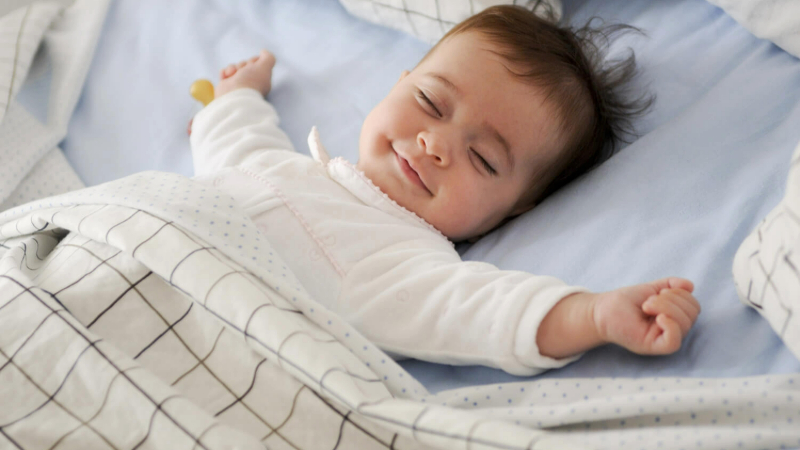
Designing an effective sleep training plan for your baby is crucial for fostering healthy sleep habits that can last a lifetime. A personalized approach can ensure that both the baby and parents adapt comfortably to the new sleep routine. By creating a clear plan and adhering to it, parents can facilitate smoother transitions for their little ones as they learn to fall asleep independently.
A successful sleep training plan hinges on the principle of consistency. Maintaining a routine helps signal to your baby that it’s time to wind down and prepares them for sleep. Establishing a set schedule not only aids in regulating your baby’s internal clock but also reduces confusion or anxiety around sleep time. Here is a step-by-step guide to help you create a personalized sleep training plan.
Step-by-Step Guide to Creating a Sleep Training Plan
Begin by evaluating your baby’s current sleep habits and identifying patterns. This will serve as the foundation for your customized plan. The following steps can guide you in crafting your approach:
- Assess Your Baby’s Needs: Understand your baby’s age, developmental stage, and any sleep challenges they may have. This can include frequent awakenings or difficulty falling asleep.
- Select a Sleep Training Method: Research different approaches, such as the Ferber method, the No Tears method, or the Chair method, to find one that aligns with your parenting style and your baby’s temperament.
- Create a Comfortable Sleep Environment: Ensure that the baby’s sleep space is conducive to rest. This includes a darkened room, white noise machines if necessary, and a suitable temperature.
- Establish a Bedtime Routine: Develop calming pre-sleep rituals that signal it’s time for bed, such as a warm bath, reading a story, or gentle rocking.
- Set a Consistent Sleep Schedule: Choose regular nap times and bedtime to help regulate your baby’s circadian rhythm. Babies thrive on predictability, so aim to put your baby down at the same time each day.
In the sleep training process, consistency is key. Repeating the same steps each night helps your baby learn to associate those actions with sleep. Here’s a sample schedule that illustrates a typical day for sleep training:
Sample Sleep Training Schedule
Adapting your daily routine to fit a sleep training schedule is essential for success. Here’s an example that you can modify based on your baby’s specific needs:
| Time | Activity |
|---|---|
| 7:00 AM | Wake up and feed |
| 9:00 AM | Morning nap (1-1.5 hours) |
| 10:30 AM | Playtime and feed |
| 1:00 PM | Afternoon nap (1-1.5 hours) |
| 2:30 PM | Playtime and feed |
| 5:00 PM | Short evening nap (30-45 minutes) |
| 6:00 PM | Dinner and wind-down activities |
| 7:00 PM | Bedtime routine (bath, story, lullabies) |
| 7:30 PM | Put baby to sleep |
Utilizing this schedule can establish a rhythm that your baby can learn to anticipate. Remember, every baby is different, and adjustments may be necessary as you progress through the sleep training journey.
The key to successful sleep training lies in consistency and patience. Stick to your plan, and allow your baby the time they need to adjust.
Monitoring Progress and Making Adjustments
During sleep training, understanding your baby’s progress is crucial. Parents often feel overwhelmed, unsure if their methods are effective or if their baby is adapting well. By monitoring sleep patterns and making necessary adjustments, parents can create a positive sleep environment that benefits both them and their baby.
Monitoring your baby’s sleep progress involves observing various aspects of their sleep habits. This means paying attention to how long they sleep, how many times they wake up, and how quickly they fall asleep. Keeping track of these variables can help identify patterns that signify whether the sleep training approach is working or if adjustments are needed.
Tracking Sleep Patterns
Documenting your baby’s sleep can provide valuable insights into their behavior and needs. By maintaining a sleep log, parents can see trends that might not be obvious day-to-day. This log should ideally include:
- The time your baby goes to bed and wakes up
- The duration of sleep (including naps)
- Frequency of nighttime awakenings
- Time taken to fall asleep
- Any notable changes in mood or behavior after sleep
Each of these points plays a vital role in understanding your baby’s sleep. For instance, if a baby consistently takes longer to fall asleep, it may indicate that they are overtired or not ready for bed yet.
If the chosen sleep training method does not seem to yield positive results after a few weeks, it may be necessary to reevaluate the approach. Signs that adjustments may be needed include increased fussiness at bedtime, prolonged night awakenings, or difficulty in settling down. Parents should consider:
- Adjusting the bedtime routine to a calmer, more soothing sequence
- Changing sleep environment factors, such as light or noise levels
- Revising the sleep schedule to align more closely with the baby’s natural sleep patterns
- Trying different sleep training techniques, such as gradual sleep training versus cry-it-out methods
Each baby is unique, and what works for one may not work for another. It’s important to stay flexible and responsive to your baby’s cues.
Documenting sleep patterns not only helps in identifying effective strategies but also provides reassurance during the sleep training process.
As you document and adjust your approach, remember that patience is key. It can take time for babies to adapt to new routines, and consistent monitoring will help you fine-tune your strategy for better results.
Evaluating Different Sleep Training Methods
Sleep training is an essential aspect of parenting that helps establish a healthy sleep routine for babies. With various methods available, parents often find themselves navigating through a sea of advice to determine the best approach for their little ones. The methods have different philosophies and techniques, which can affect not only the baby’s sleep patterns but also the parent’s stress levels during the process. This section provides a detailed overview of popular sleep training methods, their effectiveness, and a comparative analysis to aid parents in making informed decisions.
Overview of Popular Sleep Training Methods
Several sleep training methods have gained popularity among parents, each offering a unique approach. Understanding these methods helps in assessing their effectiveness and suitability for individual situations.
- Ferber Method: Also known as graduated extinction, this method involves letting the baby cry for progressively longer intervals before offering comfort. This technique aims to teach the child self-soothing skills while gradually reducing parental intervention.
- Chair Method: This method emphasizes gradual separation by having the parent sit in a chair next to the crib as the baby falls asleep. Over time, the parent moves further away from the crib until they are no longer present, helping the baby learn to self-soothe while still providing comfort.
- No Tears Approach: This gentle method advocates for comforting the baby without allowing them to cry. Techniques may include patting, shushing, or picking the baby up to soothe them, making it a preferred option for parents who are uncomfortable with letting their child cry.
Effectiveness of Sleep Training Methods
The effectiveness of sleep training methods can vary based on individual circumstances, parental preferences, and the baby’s temperament. Research and parental experiences often serve as guides to assess these methods.
Research indicates that sleep training can reduce sleep disruptions and improve overall sleep quality for both infants and parents.
- Ferber Method: Studies suggest that this method can lead to significant improvements in sleep patterns within a week or two. Parents have reported success in achieving longer sleep durations for their babies, although it may be emotionally challenging due to the crying involved.
- Chair Method: This approach is often viewed as effective for parents who want a middle ground. It may take longer than the Ferber Method, but many parents find it less stressful as it allows for gradual distancing from the baby.
- No Tears Approach: While this method may not yield immediate results, many parents appreciate its gentle nature. Research indicates that it can be effective in promoting secure attachments, although it may require more patience and time for noticeable results.
Comparison of Sleep Training Methods
The following table summarizes the pros and cons of each sleep training method, aiding parents in making a choice that aligns with their values and their baby’s needs.
| Method | Pros | Cons |
|---|---|---|
| Ferber Method |
|
|
| Chair Method |
|
|
| No Tears Approach |
|
|
Evaluating Different Sleep Training Methods
Sleep training is a critical aspect of parenting that can significantly affect both a baby’s well-being and a parent’s sanity. Various methods have emerged, each with its unique approach to helping infants and toddlers develop healthy sleep habits. Understanding these methods can assist parents in making informed decisions that best suit their family’s needs.
Overview of Popular Sleep Training Methods
There are several popular sleep training methods, each offering different strategies for helping babies learn to self-soothe and develop a consistent sleep routine. The most commonly discussed methods include the Ferber Method, the Chair Method, and the No Tears Approach.
The Ferber Method, often termed as “graduated extinction,” involves allowing the baby to cry for progressively longer intervals before comforting them. It aims to teach children to self-soothe and fall asleep independently. In contrast, the Chair Method involves gradually moving farther away from the crib each night, reducing the level of parental intervention until the child can sleep independently. Lastly, the No Tears Approach emphasizes gentle techniques, where parents soothe their babies without letting them cry, often involving strategies like patting, shushing, or nursing until the child falls asleep.
Effectiveness of Each Method
When evaluating the effectiveness of these methods, it’s essential to consider existing research and the varied experiences of parents. Studies have shown that the Ferber Method can lead to quicker sleep improvements for many children, often resulting in significant reductions in nighttime awakenings within a week. However, some parents find the method emotionally challenging due to the crying involved.
Comparatively, parents using the Chair Method report a more gradual transition, which may feel less stressful but can take longer to yield results. The No Tears Approach tends to be favored by parents who are uncomfortable with any crying, although it may require more hands-on effort and time to achieve the same level of independence in sleep.
Comparison of Sleep Training Methods
To facilitate a clearer understanding of these methods, the following comparison table summarizes the pros and cons of each approach:
| Method | Pros | Cons |
|---|---|---|
| Ferber Method |
|
|
| Chair Method |
|
|
| No Tears Approach |
|
|
“Choosing a sleep training method is a personal decision that should align with the family’s values and the child’s temperament.”
Closure
In conclusion, sleep training for babies is a pivotal step in fostering a nurturing environment where both parents and infants can thrive. From understanding various methodologies to creating a tailored sleep plan, the journey is filled with learning and adaptability. With patience and consistency, parents can pave the way for their children to develop healthy sleep habits that will benefit them for years to come, ensuring everyone enjoys the peaceful slumber they deserve.
FAQ Guide
What is the best age to start sleep training?
The best age to start sleep training is typically around 4 to 6 months when babies are developmentally ready to learn self-soothing skills.
Will sleep training harm my baby’s emotional health?
Research indicates that when done correctly, sleep training does not harm a baby’s emotional health and can actually lead to improved sleep patterns and emotional regulation.
How long does sleep training usually take?
The duration of sleep training varies by method and individual baby, but many parents see improvements within a few days to a few weeks.
What if my baby cries during sleep training?
Crying is a normal part of the process, as babies learn to self-soothe; however, parents can monitor and comfort their baby as needed without fully intervening.
Can I still breastfeed while sleep training?
Yes, many parents continue breastfeeding during sleep training, though it’s essential to find a balance that supports both feeding and sleep routines.