
 Caroline Sarah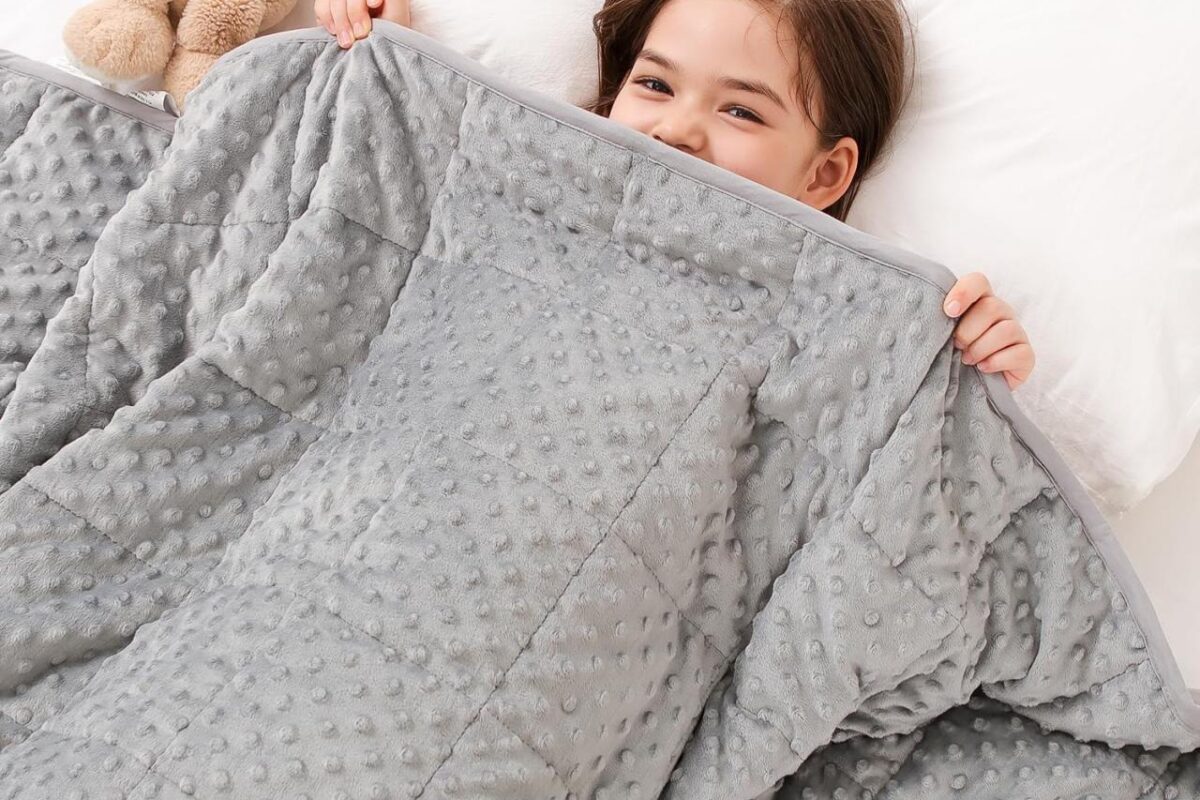
Weighted blankets have become the go-to solution for those seeking a restful night’s sleep and a soothing escape from daily stress. Originating from therapeutic settings, these cozy companions have evolved into popular home essentials, bridging the gap between comfort and mental health support. As more people recognize their benefits for anxiety and sleep, the conversation around weighted blankets continues to expand, inviting curiosity about their origins and effectiveness.
This guide delves into the fascinating history of weighted blankets, the science behind their calming effects, and practical tips for choosing the right one for your needs. From understanding how they work to addressing common misconceptions, you’ll gain insight into how a weighted blanket can enhance your nightly routine.
The history and evolution of weighted blankets in modern therapy
Weighted blankets have a rich history rooted in therapeutic practices that date back several decades. Initially developed for use in clinical settings, these blankets were designed to provide deep pressure stimulation, which is known to promote relaxation and a sense of security. The concept of using weight as a calming mechanism has its origins in sensory integration therapy, aimed primarily at children with autism and other sensory processing disorders. Over time, the benefits of weighted blankets have expanded beyond clinical use, infiltrating the mainstream market and becoming a staple in households around the world.
The popularity of weighted blankets has surged in recent years, attributed to a growing awareness of mental health and the importance of self-care. As more individuals seek effective solutions for anxiety, insomnia, and other stress-related conditions, weighted blankets have emerged as a favored option among consumers. This transition into everyday use can be linked to the increasing influence of wellness culture and the availability of various designs and materials that cater to diverse preferences.
Origins and initial uses in therapy settings
Weighted blankets were first introduced in the 1990s as part of sensory integration therapy. They were initially utilized by occupational therapists to provide calming effects for individuals struggling with anxiety and hyperactivity. The pressure from the blankets offered a grounding sensation similar to being hugged or held, which has shown to help reduce anxiety levels.
In addition to their therapeutic application, weighted blankets have found significance in various cultures. For instance, in some Asian societies, heavy quilts or blankets have been traditionally used to provide warmth and comfort, enhancing the feeling of safety during sleep. In Western countries, the adoption of weighted blankets has led to their incorporation into sleep hygiene practices, reflecting a broader cultural shift towards prioritizing mental health and well-being.
Growth in popularity and mainstream adoption
The recent surge in popularity of weighted blankets can be attributed to several factors, including social media influence and the endorsement of wellness experts. Many influencers and mental health advocates have shared their positive experiences with weighted blankets, showcasing their effectiveness in managing stress and sleep disorders. As a result, consumers have become more receptive to incorporating these therapeutic tools into their daily lives.
The retail market has responded by offering a myriad of options, catering to different styles, weights, and materials. Brands have capitalized on the trend by creating customizable blankets that appeal to a wider audience, making them accessible for various budgets. The movement has also highlighted the importance of sensory-friendly products, encouraging manufacturers to prioritize comfort and quality in their designs.
“The calming effects of deep pressure stimulation provided by weighted blankets can significantly enhance sleep quality and overall mental health.”
In conclusion, weighted blankets have evolved from specialized therapeutic tools into widely recognized products that contribute to better mental health and well-being. They hold a significant place in modern therapy, offering comfort and relief to a diverse range of individuals.
The science behind how weighted blankets work for anxiety and sleep improvement
Weighted blankets have gained popularity for their unique ability to promote relaxation and enhance sleep quality. By incorporating deep pressure stimulation, these blankets offer a comforting embrace that can significantly reduce feelings of anxiety and improve overall sleep hygiene. Understanding the underlying scientific principles can help us appreciate their effectiveness in managing stress and fostering a restful night’s sleep.
The mechanism behind weighted blankets can be primarily attributed to deep pressure stimulation (DPS), which refers to the gentle and even pressure applied to the body. This stimulation activates the parasympathetic nervous system, signaling the body to relax and reduce its stress response. When using a weighted blanket, the body experiences a calming effect that lowers heart rate and decreases levels of cortisol, the stress hormone. As a result, users often report feeling more secure and safe, which can lead to a decrease in anxiety levels.
Physiological and psychological benefits of weighted blankets
Utilizing weighted blankets offers both physiological and psychological benefits that contribute to their effectiveness in alleviating anxiety. Some key benefits include:
- Reduced anxiety levels: The comforting weight of the blanket can mimic the sensation of being hugged, which is known to lower anxiety and promote feelings of safety.
- Improved sleep quality: By fostering a deeper state of relaxation, weighted blankets can help users achieve a better quality of sleep, allowing for more restorative rest.
- Enhanced mood: The release of serotonin and melatonin, triggered by the calming effect of weight, can lead to improved mood and emotional stability.
- Lower heart rate: The pressure provided by the blanket can help slow the heart rate, leading to a more relaxed state, conducive to sleep.
- Decreased insomnia symptoms: Many individuals report a reduction in insomnia symptoms after incorporating weighted blankets into their nightly routine.
Recent scientific studies have provided compelling evidence supporting the effectiveness of weighted blankets in promoting better sleep. Research conducted by the Journal of Clinical Sleep Medicine found that individuals using weighted blankets experienced significant improvements in sleep quality, along with a notable reduction in anxiety levels. Participants reported falling asleep faster and experiencing less nighttime awakenings. Additionally, a study published in the Occupational Therapy in Mental Health journal highlighted that weighted blankets were effective in reducing anxiety in adults, making them a valuable tool in anxiety management and sleep aids.
Weighted blankets have been shown to not only improve sleep quality but also to reduce anxiety levels significantly, making them a powerful resource for those struggling with sleep disorders.
Different types of weighted blankets available on the market today
Weighted blankets have gained immense popularity for their ability to provide comfort and reduce anxiety, making them a preferred choice for many individuals seeking better sleep and relaxation. With various types available, it’s essential to understand the differences in materials, fillings, and features to make an informed decision.
Different materials and fillings used in weighted blankets impact both comfort and usability. Common materials include cotton, fleece, and bamboo, each offering unique benefits. Cotton is breathable and soft, making it suitable for year-round use, while fleece provides warmth and coziness, ideal for colder climates. Bamboo, known for its moisture-wicking properties, is perfect for those who tend to sleep hot. Fillings can range from glass beads to plastic pellets, affecting the blanket’s weight distribution and overall feel. Glass beads are often preferred for their compactness and even weight distribution, while plastic pellets may not conform as nicely to the body.
Comparison of Brand Features
A variety of brands offer weighted blankets with distinct features that cater to different preferences. Understanding these unique aspects can help shoppers choose the right product for their needs. Here are several key features to consider:
– Weight distribution: Some brands use specialized stitching techniques to ensure even weight distribution across the blanket, enhancing comfort and effectiveness.
– Washability: Not all weighted blankets are machine washable, so it’s crucial to check if the brand offers removable covers or if the entire blanket can be washed.
– Sizes and weights: Brands typically offer a range of sizes and weights to accommodate different body types and sleeping preferences.
Here is a comparison table highlighting the specifications of popular weighted blankets currently available:
| Brand | Material | Weight Options | Washability | Key Features |
|---|---|---|---|---|
| YnM | 100% cotton | 5 to 30 lbs | Machine washable cover | 7-layer design for optimal weight distribution |
| Gravity Blanket | Microfiber | 15 to 35 lbs | Machine washable cover | Premium glass beads for better weight distribution |
| Luna | Bamboo and cotton blend | 15 to 25 lbs | Machine washable | Eco-friendly materials and hypoallergenic |
| Bearaby | Organic cotton | 15 to 35 lbs | Spot clean only | Hand-knit for a unique, breathable experience |
In summary, the variety of weighted blankets available today offers consumers the ability to find a product that suits their specific needs. From materials and fillings to unique brand features, understanding these differences allows for a more personalized and effective choice.
Guidelines for choosing the right weighted blanket for individual needs
Choosing the right weighted blanket can significantly enhance sleep quality and overall comfort. With a variety of options available, it’s essential to understand personal needs and preferences to make an informed decision. This guide will help you navigate through the critical factors that contribute to selecting the perfect weighted blanket tailored to your individual requirements.
Determining the ideal weight of a weighted blanket is crucial for maximizing its benefits. Generally, it is recommended to choose a blanket that is approximately 10% of your body weight. This guideline ensures proper pressure and comfort, promoting relaxation and a sense of security. For instance, if you weigh 150 pounds, a blanket weighing around 15 pounds would be suitable. However, personal preferences also play a role; some individuals may prefer a heavier or lighter feel based on their unique comfort levels.
Size considerations for various sleeping situations
Selecting the right size of a weighted blanket is just as important as its weight. There are multiple sizes available, suitable for different sleeping arrangements, whether you share a bed or sleep solo. The standard sizes typically include twin, full, queen, and king.
An appropriate size ensures that the blanket provides uniform pressure and coverage. For shared beds, a larger blanket is advisable to accommodate both sleepers without compromising comfort. Here’s how different sizes fit various sleeping situations:
- Twin Size: Ideal for children, daybeds, or individuals who prefer a smaller blanket.
- Full Size: Suitable for single sleepers who move around during the night, providing ample coverage.
- Queen Size: A great option for couples sharing a bed, ensuring both have enough space for comfort.
- King Size: Perfect for larger beds or if one partner prefers a significantly larger blanket for added comfort.
Before making a purchase, it is essential to consider various factors that can significantly impact your experience with a weighted blanket. Here’s a checklist to guide your decision-making process:
Factors to consider when selecting a weighted blanket
When choosing a weighted blanket, keep in mind the following aspects to ensure you find the best match for your needs:
- Material: Look for breathable fabrics such as cotton or bamboo for comfort. Some blankets come with removable covers for easy washing.
- Weight: As mentioned, select a weight approximately 10% of your body weight, adjusting based on personal preference.
- Intended Use: Consider whether the blanket is for sleep, relaxation, or therapeutic purposes. This can influence the material and weight you choose.
- Fill Type: Opt for glass beads, plastic pellets, or organic materials based on your preference for feel and warmth.
- Care Instructions: Ensure that the blanket is easy to maintain, especially if you plan on using it frequently.
Choosing the right weighted blanket is a personal journey that can lead to enhanced comfort, reduced anxiety, and improved sleep quality.
Common misconceptions and myths surrounding the use of weighted blankets
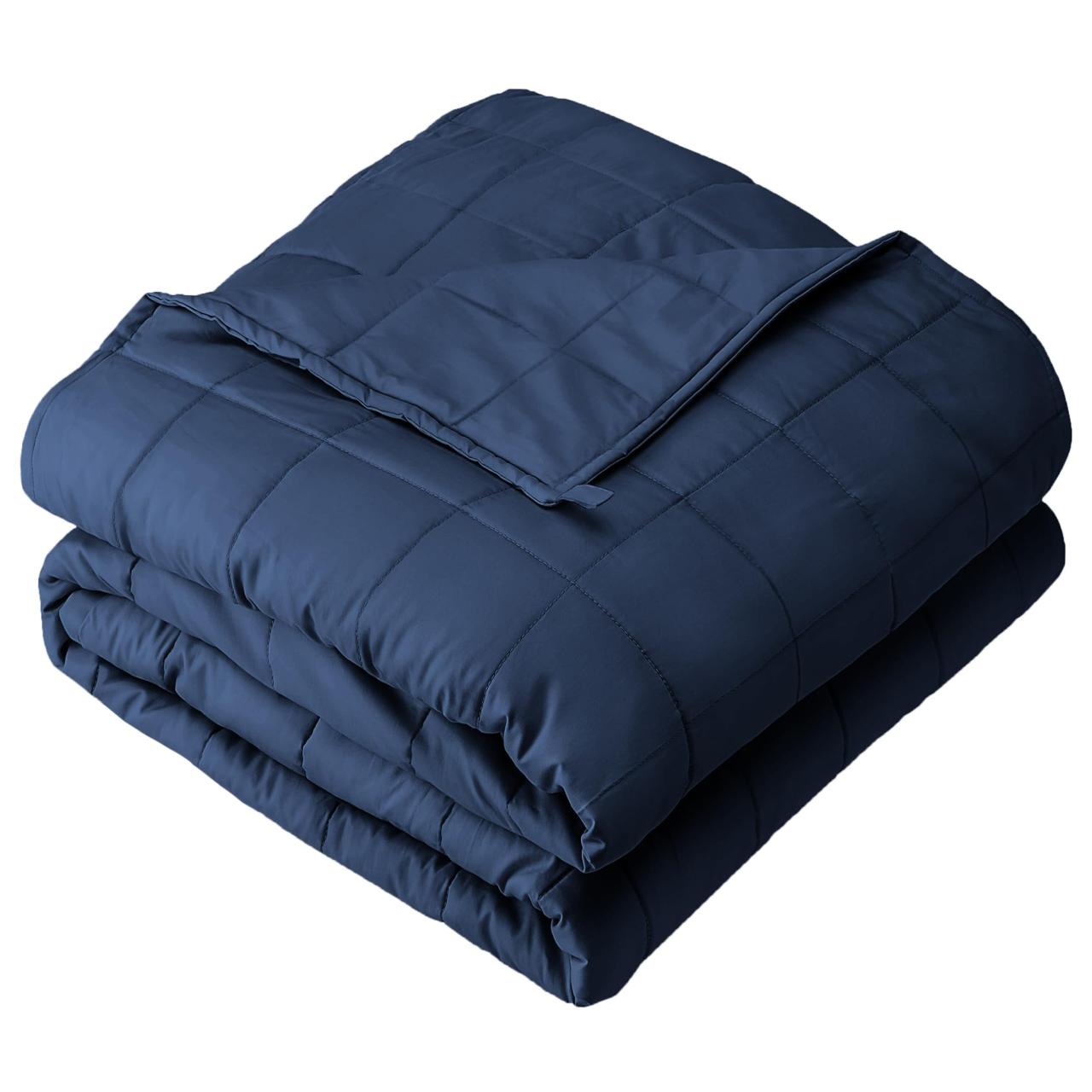
Weighted blankets have gained popularity for their soothing effects and potential benefits for anxiety and sleep disorders. However, several misconceptions linger regarding their safety, effectiveness, and overall use. Understanding these myths is essential for making informed decisions about incorporating a weighted blanket into your sleep routine.
One common myth is that weighted blankets are unsafe for children. This belief stems from the concern that the weight might pose a suffocation risk or lead to overheating. However, studies indicate that weighted blankets, when used appropriately, can safely benefit children, especially those with sensory processing disorders or anxiety. It’s essential to choose the right weight—generally, around 10% of the child’s body weight—and ensure proper supervision during use.
Differences between weighted blankets and other types of blankets
Weighted blankets have distinct features that set them apart from traditional blankets or comforters. These unique properties contribute to their therapeutic benefits. Here are some key differences to note:
- Weight Distribution: Weighted blankets contain evenly distributed materials such as glass beads or plastic pellets, adding significant weight that provides deep pressure stimulation.
- Therapeutic Purpose: While regular blankets aim primarily to keep warm, weighted blankets are designed to promote relaxation by simulating a comforting hug, which can reduce cortisol levels and enhance serotonin production.
- Material Variations: Weighted blankets often use breathable fabrics to prevent overheating, unlike typical blankets that may trap heat, leading to discomfort during sleep.
- Size and Customization: Weighted blankets come in various sizes and weights tailored to individual preferences and body types, offering a personalized experience that regular blankets do not provide.
Many people have shared experiences that debunk common myths about weighted blankets. For instance, one user reported feeling claustrophobic initially, believing the blanket would feel too heavy. However, after using it for a week, they discovered that the gentle pressure actually helped them fall asleep faster and improved their overall sleep quality. Another individual shared how they hesitated to use a weighted blanket due to concerns about their child’s safety. Once they consulted with a pediatrician and chose a blanket specifically designed for children, their child experienced fewer night terrors and anxiety episodes.
“The deep pressure from the weighted blanket feels like a warm hug, allowing me to drift into sleep more peacefully.”
Understanding these misconceptions and the true benefits of weighted blankets can help individuals make informed choices about their use, ultimately enhancing their sleep and relaxation experiences.
Tips for integrating a weighted blanket into a nightly routine effectively
Introducing a weighted blanket into your nightly routine can significantly enhance your sleep quality and overall relaxation. It’s essential to approach this transition thoughtfully to maximize comfort and the benefits of using the blanket. Adapting your routine gradually will help your body acclimate to the sensation of the added weight, promoting a deeper and more restful sleep.
Gradual Introduction of a Weighted Blanket
To ensure a smooth transition when incorporating a weighted blanket, it’s advisable to start with shorter periods of use. This method allows your body to adjust to the weight and pressure gradually. Consider the following steps for effective integration:
- Begin by using the blanket for 20-30 minutes each night before bed, gradually increasing the duration as you become accustomed to the weight.
- Initially, consider using the blanket during relaxation activities, such as reading or watching TV, so you can associate the blanket with comfort and calmness.
- Pay attention to how your body responds. If you feel discomfort or overheating, adjust the duration or consider lighter options until you find a suitable weight.
Pairing Weighted Blankets with Other Sleep Aids
Combining a weighted blanket with other sleep aids can enhance your relaxation routine, making it more effective. This synergy can amplify the calming effects, creating a more conducive sleep environment. Here are a few suggestions:
- Use calming essential oils, like lavender or chamomile, in a diffuser to promote a soothing atmosphere alongside your weighted blanket.
- Incorporate calming sounds or white noise machines to mask disruptive noises, allowing you to focus on the comforting sensation of the blanket.
- Consider practicing mindfulness or breathing exercises while nestled under your weighted blanket to deepen your state of relaxation.
Maintaining a Consistent Bedtime Routine
Establishing and sticking to a consistent bedtime routine is crucial when using a weighted blanket. This routine signals to your body that it’s time to wind down, enhancing the overall effectiveness of the blanket in promoting sleep. Here are some practices to consider for your routine:
- Set a fixed bedtime and wake-up time to regulate your body’s internal clock, facilitating better sleep patterns.
- Engage in calming pre-sleep activities, such as gentle stretching or reading, to signal to your body it’s time to relax before bed.
- Avoid screens and bright lights at least an hour before bedtime to help your body prepare for sleep, allowing the weighted blanket to work more effectively.
Maintaining a consistent bedtime routine while using a weighted blanket can significantly enhance your sleep quality and overall relaxation.
Potential side effects and considerations when using weighted blankets
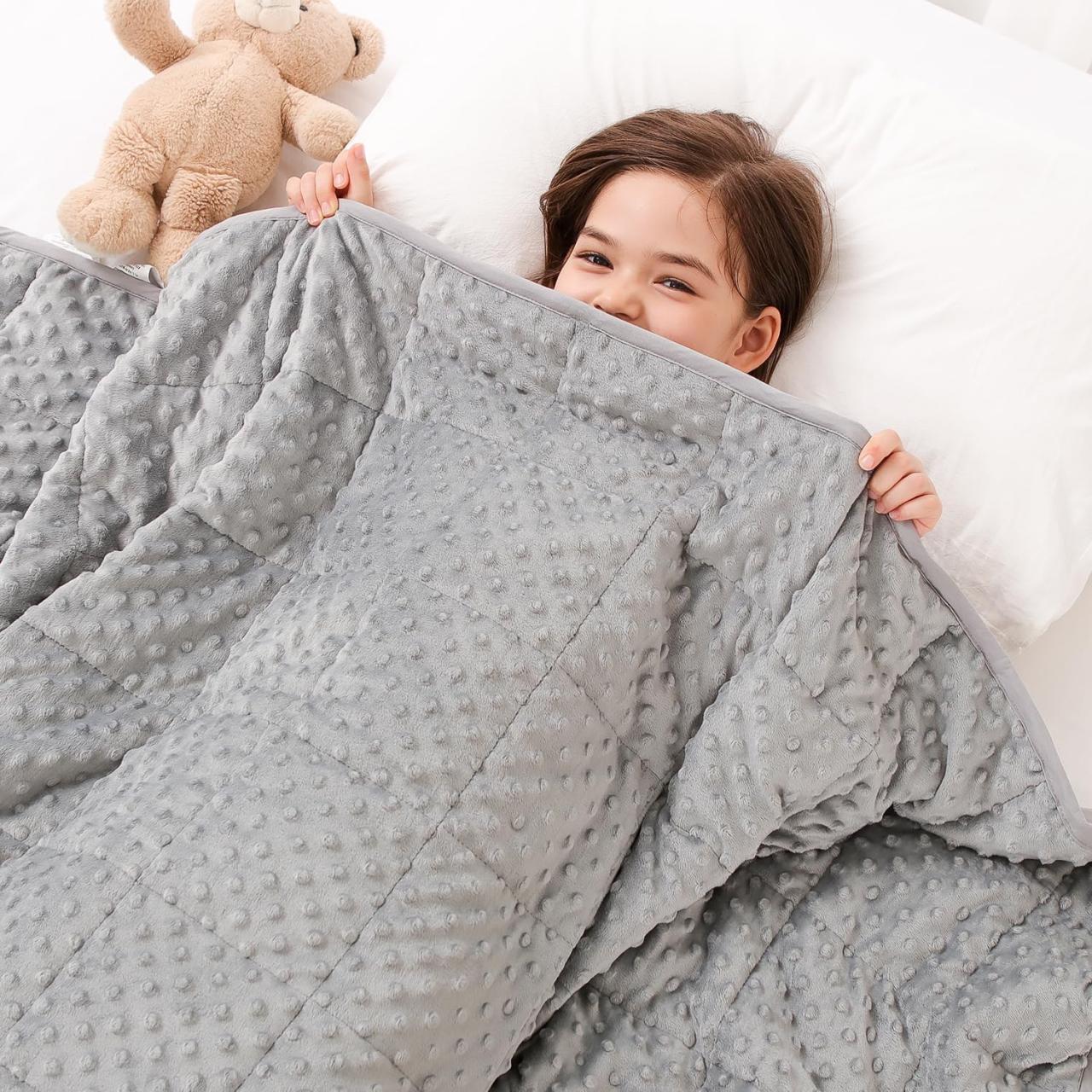
Weighted blankets have gained popularity for their ability to help users feel relaxed and sleep better. However, it is essential to recognize that they are not suitable for everyone and may come with certain side effects. Understanding these potential discomforts can help users make informed decisions about their use.
Some individuals may experience discomfort when using weighted blankets, especially if they are not accustomed to the added weight. This discomfort can manifest as overheating, restricted movement, or feelings of being trapped, particularly for those who are claustrophobic. Additionally, heavy blankets can potentially strain the muscles and joints, especially if the weight exceeds the recommended guideline of about 10% of one’s body weight.
Specific populations that should approach the use of weighted blankets with caution
Certain groups of people should consider their unique circumstances before incorporating weighted blankets into their routine. These groups include:
- Young children: Children under the age of two should not use weighted blankets due to the risk of suffocation or overheating. Even for older children, the blanket’s weight should be carefully selected to ensure safety.
- Individuals with respiratory issues: Those suffering from asthma or other respiratory conditions should approach weighted blankets cautiously, as the additional weight may make breathing feel more difficult.
- Those with mobility limitations: Individuals who have difficulty moving or may struggle to adjust the blanket can find it challenging and uncomfortable, potentially leading to feelings of anxiety.
- Pregnant women: Expectant mothers should consult their healthcare providers before using weighted blankets, as changes in body temperature and comfort during pregnancy can vary significantly.
- People with certain medical conditions: Individuals with circulatory problems, like diabetes or blood clots, should seek medical advice prior to using weighted blankets, as the pressure may exacerbate their conditions.
It’s crucial for users to take specific precautions when first using a weighted blanket to ensure a safe and pleasant experience. Here are some recommended precautions:
- Start with shorter usage periods to gauge comfort levels, gradually increasing the time as needed.
- Choose a blanket that weighs approximately 10% of your body weight to avoid excessive pressure.
- Consider environmental factors such as room temperature to prevent overheating.
- Test the blanket in a safe setting, preferably when you have the ability to adjust your position easily.
- Consult a healthcare professional if you have existing medical conditions or concerns prior to use.
“Weighted blankets may provide comfort, but awareness of their effects on individual health is paramount.”
Personalizing the weighted blanket experience through accessories and modifications
Weighted blankets have gained popularity for their calming effects and ability to enhance sleep quality. To elevate this experience, consider personalizing your weighted blanket with accessories and modifications that reflect your unique taste and meet your specific needs. From stylish covers to practical adjustments for various settings, there are numerous ways to tailor your weighted blanket experience.
One significant way to enhance the functionality and comfort of a weighted blanket is through the use of accessories. Here are some popular options:
Accessories for Enhancing the Weighted Blanket Experience
Personalizing your weighted blanket can make it not only more comfortable but also visually appealing. Here are some accessories that can enhance the overall experience:
- Weighted Blanket Covers: These are designed to fit over your weighted blanket, adding an extra layer of softness and protection. Covers come in a variety of materials such as cotton, fleece, or minky, and can be easily removed for washing.
- Duvet Covers: Using a duvet cover allows for a quick change in aesthetic. Opt for colors and patterns that match your bedroom decor or personal style, creating a cozy and inviting atmosphere.
- Cooling Liners: For those who tend to overheat at night, a cooling liner can be a game-changer. These liners are made from breathable materials that help regulate temperature while still providing the comforting weight of the blanket.
- Pillow and Cushion Accessories: Complement your weighted blanket with matching or coordinated pillows and cushions, enhancing both support and style for a restful setting.
Adjusting the usability of a weighted blanket is also essential for different environments, such as at home or on the go. Here are some effective methods to tailor its use:
Modifications for Various Settings
The versatility of weighted blankets allows them to be used in various settings, and making a few modifications can enhance their usability. Here are practical ideas for adapting your weighted blanket:
- Travel-Friendly Options: Select a lightweight, portable weighted blanket that can easily be packed in luggage or a tote. These usually come with carrying bags for convenience.
- Different Size Choices: Consider using smaller, lap-sized weighted blankets for travel or in a car. They provide comfort without the bulkiness of a full-sized blanket.
- Layering Techniques: When using your weighted blanket at home, try layering it with lighter blankets to adjust the overall weight and warmth according to your comfort level.
- Seasonal Adaptations: Personalize your blanket for different seasons by using materials that suit the climate. For instance, use a heavier weighted blanket in winter and switch to a lighter option during warmer months.
“Personalizing your weighted blanket enhances not only comfort but also your overall sleep experience.”
Ultimate Conclusion
In summary, weighted blankets offer a unique blend of comfort and therapeutic benefits, making them a worthwhile addition to any sleep routine. As we’ve explored, their history, functionality, and versatility highlight their importance in modern wellness practices. Whether you’re looking to alleviate anxiety or simply improve your sleep, a weighted blanket might just be the comforting ally you need for a better night’s rest.
Clarifying Questions
Are weighted blankets safe for children?
Yes, weighted blankets can be safe for children, but it’s important to ensure they are appropriately weighted and used under adult supervision.
Can I wash my weighted blanket?
Most weighted blankets can be machine washed, but always check the care instructions specific to your blanket to avoid damage.
How do I know what weight to choose?
A common guideline is to select a blanket that is about 10% of your body weight, but personal comfort preferences also play a key role.
Can weighted blankets help with insomnia?
Many users report improved sleep quality and reduced insomnia symptoms when using weighted blankets, thanks to the calming effects of deep pressure stimulation.
Are there any side effects of using a weighted blanket?
Some users may experience initial discomfort or overheating; it’s essential to choose the right weight and material for your comfort.