
 Caroline Sarah
Why am I so tired all the time? This question resonates with many, as chronic fatigue has become a common complaint in our fast-paced society. It’s not just about a lack of sleep; various factors intertwine to contribute to our energy levels and overall well-being.
This exploration will delve into the intricate relationship between sleep quality, nutrition, psychological factors, physical activity, chronic illnesses, lifestyle habits, circadian rhythms, and hydration. By understanding these elements, we can uncover practical solutions to combat fatigue and enhance our daily energy levels.
The Impact of Sleep Quality on Daily Fatigue
Sleep quality plays a crucial role in determining how rested and energetic we feel throughout the day. While it may seem obvious that getting enough sleep is important, the quality of that sleep is equally vital. Poor sleep quality can lead to persistent feelings of tiredness, affecting both physical and mental performance. Factors such as interruptions during the night, uncomfortable sleeping conditions, and underlying health issues can significantly impair the overall restorative effect of sleep, leaving individuals feeling fatigued and lethargic even after what appears to be a sufficient amount of sleep.
The sleep cycle consists of several stages that contribute to the overall restfulness of sleep. These stages are broadly categorized into Non-Rapid Eye Movement (NREM) sleep and Rapid Eye Movement (REM) sleep. The NREM stage is further divided into three phases: N1, N2, and N3. Each stage serves its unique purpose in restoring the body.
During N1, which is the lightest stage of sleep, the body begins to relax, and brain waves start to slow down. This stage usually lasts a few minutes. N2 follows, where heart rate slows down, and body temperature drops, making it harder to wake up. This stage is crucial for memory consolidation and learning. N3, often referred to as deep sleep or slow-wave sleep, is essential for physical recovery and growth. Here, the body repairs tissues, builds bone and muscle, and strengthens the immune system. Finally, REM sleep, characterized by rapid eye movements and increased brain activity, is critical for emotional regulation and memory processing.
If individuals are frequently waking up during these sleep stages, or if they are not spending enough time in the deeper stages of sleep, they may experience chronic fatigue. Common sleep disorders that can hinder sleep quality include sleep apnea, insomnia, restless legs syndrome, and narcolepsy. Sleep apnea, for instance, involves brief interruptions in breathing during sleep, leading to frequent awakenings and a decrease in sleep quality, thereby causing excessive daytime sleepiness. Insomnia presents as difficulty falling or staying asleep, and those with restless legs syndrome often experience uncomfortable sensations in their legs, causing them to move and disrupting their sleep.
Addressing these issues requires a holistic approach, including lifestyle changes, medical interventions, and sometimes cognitive behavioral therapy, to improve sleep quality and, consequently, daytime energy levels.
The Role of Nutrition in Energy Levels
Our daily energy levels are significantly influenced by the foods we consume. Nutrition plays a critical role in determining how energetic or fatigued we feel throughout the day. A well-balanced diet can boost energy levels, while poor dietary choices can lead to feelings of tiredness. Understanding the connection between nutrition and energy can help us make better food choices that support our daily activities.
Dietary choices affect our energy levels through various mechanisms, such as blood sugar regulation and nutrient availability. Foods high in refined sugars may lead to quick spikes in energy followed by crashes, resulting in fatigue. On the other hand, whole foods rich in complex carbohydrates, proteins, and healthy fats provide sustained energy. It’s essential to recognize which foods can enhance our vitality and which might contribute to our fatigue.
Foods That Impact Energy Levels
The foods we eat can either enhance or deplete our energy. Here are some categories to consider when evaluating your diet:
Foods That Boost Energy: Including certain nutrient-rich foods in your diet can have a positive impact on your energy levels. These foods are often rich in vitamins, minerals, and healthy fats that support metabolism and energy production.
- Whole grains: Foods like brown rice, quinoa, and oats are rich in complex carbohydrates that provide lasting energy.
- Nuts and seeds: Almonds, walnuts, flaxseeds, and chia seeds are packed with healthy fats, protein, and fiber, which help maintain energy levels.
- Fruits and vegetables: Fresh produce such as bananas, berries, spinach, and sweet potatoes are rich in vitamins, minerals, and antioxidants that aid energy production.
- Lean proteins: Chicken, fish, and legumes provide essential amino acids that are important for muscle function and energy metabolism.
- Legumes: Beans, lentils, and peas offer fiber and protein, promoting steady energy release throughout the day.
Foods That Contribute to Tiredness: Certain foods can drain your energy and lead to feelings of fatigue. It’s crucial to identify and limit these items in your diet.
- Refined sugars: Foods high in sugar, like candies and pastries, can lead to energy spikes followed by crashes.
- Highly processed foods: Chips, fast food, and instant meals often lack essential nutrients and can contribute to fatigue.
- Excessive caffeine: While caffeine can provide a temporary energy boost, overconsumption can disrupt sleep patterns and ultimately lead to tiredness.
- Alcohol: Alcoholic beverages can impair sleep quality, leading to fatigue the next day.
- High-fat and fried foods: Foods that are high in unhealthy fats can slow digestion and make you feel sluggish.
Comparison of High-Energy Foods Versus Low-Energy Foods
Understanding the differences between high-energy and low-energy foods can help you make more informed choices. The following table summarizes key comparisons:
| High-Energy Foods | Low-Energy Foods |
|---|---|
| Whole grains (brown rice, quinoa) | White bread and pastries |
| Nuts and seeds (almonds, chia) | Chips and junk food |
| Fruits (bananas, berries) | Processed sweets |
| Lean proteins (chicken, fish) | Fatty meats and processed meats |
| Legumes (beans, lentils) | Instant meals and microwave dinners |
“Choosing the right foods is vital for maintaining optimal energy levels throughout the day.”
Psychological Factors Contributing to Constant Tiredness
Constant tiredness is not solely a physical issue; it often deeply intertwines with psychological factors. Mental health problems such as anxiety and depression can significantly affect energy levels, leading to a persistent sense of fatigue. These conditions can manifest in various ways, making even routine activities feel overwhelming. Recognizing the psychological underpinnings of fatigue is essential for addressing the root causes and finding effective solutions.
Mental Health Issues and Physical Fatigue
Mental health disorders like anxiety and depression can lead to chronic tiredness through a variety of mechanisms. Individuals suffering from anxiety may experience hyperarousal, which keeps the body in a state of heightened alertness. This constant state of vigilance can drain energy reserves quickly. On the other hand, depression often leads to a lack of motivation and lower energy levels, as individuals may struggle to engage in activities they once found enjoyable. This psychological drain can result in a cycle where fatigue exacerbates mental health issues, and the mental health issues, in turn, contribute to further fatigue.
“Fatigue is often a symptom of an underlying mental health condition rather than a standalone issue.”
Importance of Stress Management
Effective stress management is crucial in alleviating feelings of tiredness caused by psychological factors. Stress often accumulates and affects both mental and physical health, leading to fatigue. By incorporating stress reduction techniques into daily routines, individuals can improve their energy levels and overall well-being.
Some effective stress management techniques include:
- Mindfulness and Meditation: These practices help calm the mind, reducing anxiety and improving focus.
- Physical Exercise: Regular physical activity can enhance mood and increase energy, serving as a natural stress reliever.
- Time Management: Organizing tasks and setting priorities can reduce feelings of being overwhelmed, contributing to lower stress levels.
- Social Support: Engaging with friends and family can provide emotional relief and strengthen coping mechanisms.
Methods to Improve Mental Well-Being
Enhancing mental well-being can have a direct positive impact on energy levels. Implementing certain strategies can help individuals manage their mental health better, leading to reduced fatigue.
Key methods to consider include:
- Therapy and Counseling: Professional support can provide effective coping strategies for dealing with anxiety and depression.
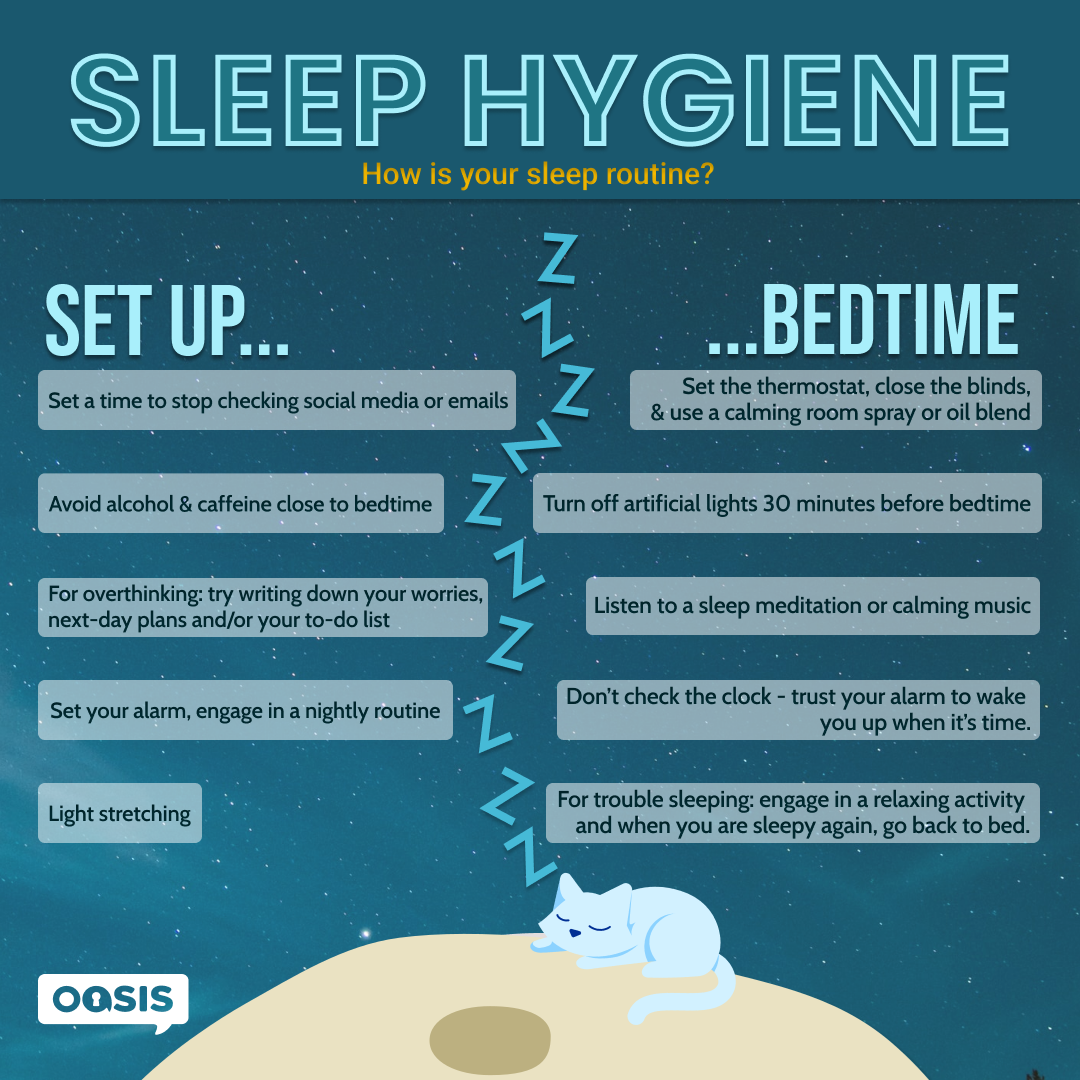
- Healthy Sleep Hygiene: Establishing a regular sleep routine and creating a restful environment can significantly improve sleep quality.
- Balanced Nutrition: Eating a well-balanced diet rich in vitamins and minerals can support brain health and energy levels.
- Journaling: Writing down thoughts and feelings can help process emotions and reduce mental clutter, leading to clearer thinking.
The Influence of Physical Activity on Energy
Engaging in regular physical activity is one of the most effective ways to enhance energy levels and reduce feelings of fatigue. Exercise not only strengthens the body but also improves mood and overall well-being. When we move our bodies, we stimulate various physiological processes that contribute to increased energy. This section explores the transformative effects of exercise on energy levels and provides suitable routines for various fitness levels.
Benefits of Regular Exercise on Energy Levels
Regular exercise can significantly improve energy levels and decrease fatigue through several mechanisms. Firstly, physical activity promotes better circulation, allowing oxygen and nutrients to be delivered more efficiently to tissues, which enhances overall energy production. Additionally, exercise stimulates the release of endorphins, the “feel-good” hormones, leading to improved mood and reduced perceptions of fatigue. Importantly, consistent physical activity can improve sleep quality, allowing for better recovery and rejuvenation during rest periods.
To illustrate the differences in energy levels between sedentary and active lifestyles, the following chart provides a comparison of the two:
| Lifestyle | Energy Levels | Fatigue Sensation | Overall Well-Being |
|---|---|---|---|
| Sedentary | Low | High | Lower |
| Active | High | Low | Higher |
Exercise Routines for Various Fitness Levels
Incorporating physical activity into daily routines doesn’t have to be overwhelming. Here are some exercise routines suitable for different fitness levels that can help combat tiredness:
For Beginners:
– Walking: A simple 20-30 minute daily walk can gradually increase energy levels.
– Stretching: Gentle stretching can relieve tension and improve circulation.
For Intermediate:
– Yoga: A 30-minute yoga session can enhance flexibility, reduce stress, and boost energy.
– Cycling: Riding a stationary bike for 30 minutes can elevate heart rate and invigorate.
For Advanced:
– High-Intensity Interval Training (HIIT): Short bursts of intense exercise followed by brief rest periods can boost endurance and energy rapidly.
– Weight Training: Engaging in resistance training can improve muscle strength and overall energy levels over time.
Incorporating these activities into your routine can help break the cycle of fatigue and increase overall energy. The key is to find activities that you enjoy and make them a regular part of your life.
The Connection Between Chronic Illness and Fatigue

Many people experiencing chronic fatigue often find that their tiredness isn’t just a matter of lack of sleep or overexertion. Chronic illnesses such as diabetes, fibromyalgia, and autoimmune disorders can significantly contribute to constant feelings of exhaustion. Understanding the connection between these health conditions and fatigue is crucial in addressing the complexities of energy levels in patients.
Chronic health conditions can lead to fatigue through various mechanisms including inflammation, hormonal imbalances, and the body’s increased energy expenditure in managing disease symptoms. For instance, individuals with autoimmune disorders may experience ongoing inflammation, which can deplete energy. Similarly, diabetes can disrupt normal energy metabolism, leading to feelings of tiredness. Proper medical management of these conditions is essential to mitigate fatigue and improve overall quality of life.
The Importance of Medical Management
Effective management of chronic health conditions can lead to significant improvements in energy levels and overall well-being. This management may involve medication, lifestyle changes, and regular monitoring by healthcare professionals. Here are some critical aspects of managing chronic conditions to combat fatigue:
- Medication Adherence: Consistently taking prescribed medications can stabilize symptoms, reducing fatigue.
- Regular Check-ups: Frequent consultations with healthcare providers can help monitor complications and adjust treatment plans as necessary.
- Nutrition and Exercise: A balanced diet and tailored exercise regimens can enhance energy levels and reduce fatigue symptoms.
- Support Systems: Engaging with support groups and mental health professionals can provide emotional relief, which can also help in managing fatigue.
“Managing my rheumatoid arthritis with medication and physical therapy has drastically improved my energy levels and quality of life.” – Sarah, 34
Real-life stories illustrate the importance of addressing chronic illness to combat fatigue effectively. For example, John, a 45-year-old with diabetes, found that after strictly adhering to his medication regimen and implementing a healthier diet, he no longer experienced the debilitating fatigue he once had. Similarly, Leah, a 29-year-old diagnosed with fibromyalgia, shared that by working closely with her healthcare team and integrating mindfulness practices, she observed a notable decrease in her feelings of tiredness. These testimonials highlight how proactive management of chronic health conditions can directly influence energy levels and overall vitality.
Lifestyle Habits That Contribute to Feeling Tired
Many people often find themselves grappling with fatigue, unaware that their daily habits might be the culprits behind their exhaustion. Factors such as lifestyle choices, work routines, and leisure activities can significantly impact our energy levels. By identifying these habits, we can take proactive steps to enhance our well-being and combat that persistent tiredness.
A closer look at how we manage our daily activities reveals several habits that may inadvertently sap our energy. For instance, excessive screen time, whether from work or recreational use, can strain our eyes and disrupt our sleep patterns. Similarly, maintaining a poor work-life balance can lead to constant stress, which in turn diminishes our overall energy levels. Understanding these factors is crucial for anyone looking to improve their vitality and productivity.
Daily Habits Impacting Energy Levels
Recognizing specific habits that drain energy is essential for anyone seeking to boost their overall vitality. These behaviors can be subtle yet pervasive, often leading to a cumulative effect that leaves individuals feeling drained over time. Below are some lifestyle habits that may contribute to feelings of tiredness:
- Insufficient Sleep: Regularly getting less than the recommended 7-9 hours of sleep can lead to chronic fatigue.
- Poor Nutrition: A diet lacking in essential nutrients can leave you feeling lethargic and weak.
- Inadequate Hydration: Not drinking enough water can result in dehydration, significantly affecting energy levels.
- Excessive Screen Time: Spending too much time on screens can lead to eye strain and interrupted sleep cycles.
- Neglecting Physical Activity: A sedentary lifestyle can contribute to feelings of tiredness and sluggishness.
- Poor Work-Life Balance: Constantly prioritizing work over personal time can lead to burnout and fatigue.
By addressing these lifestyle habits, individuals can take significant steps toward improving their daily energy management. Adopting healthier practices can lead to enhanced focus, motivation, and overall well-being.
“The key to energy management lies in the balance between work, rest, and leisure.”
Implementing changes in our routines doesn’t need to be overwhelming. Here are some actionable steps to enhance daily habits for better energy management:
- Establish a consistent sleep schedule, going to bed and waking up at the same time each day.
- Incorporate a balanced diet rich in fruits, vegetables, whole grains, and lean proteins.
- Set reminders to drink water throughout the day to stay adequately hydrated.
- Limit screen time, especially before bed, to improve sleep quality.
- Engage in regular physical activity, aiming for at least 30 minutes of exercise most days.
- Set boundaries between work and personal time to reduce stress and promote relaxation.
By making these adjustments, you can pave the way toward a more energized and fulfilling life.
Understanding the Circadian Rhythm and Its Effects on Tiredness
The circadian rhythm plays a pivotal role in regulating our sleep patterns, influencing how refreshed we feel upon waking and how alert we are during the day. This internal clock, which operates on a roughly 24-hour cycle, is primarily driven by environmental cues such as light and temperature. When our circadian rhythms are in sync with our daily activities, we generally experience optimal energy levels and alertness. However, disruptions to this natural cycle can lead to feelings of chronic tiredness and fatigue.
Disruptions to the circadian rhythm can occur due to various factors, including irregular sleep schedules, excessive exposure to artificial light in the evening, or even lifestyle choices such as shift work. These interruptions can confuse the body, leading to a misalignment between when we should be awake and when we actually are. As a result, individuals may experience difficulty falling asleep at night, waking up too early, or feeling excessively sleepy during the day, all of which contribute to chronic tiredness.
Practical Tips for Aligning Daily Routines with Natural Circadian Rhythms
Aligning your daily routine with your circadian rhythms can significantly enhance your energy levels. Here are some practical tips to help you stay in tune with your body’s natural clock:
1. Maintain a Consistent Sleep Schedule: Go to bed and wake up at the same time every day, even on weekends. This helps regulate your body’s clock and can improve the quality of your sleep.
2. Limit Light Exposure Before Bed: Reduce exposure to screens and bright lights at least an hour before sleep. This can help your body produce melatonin, the hormone responsible for sleepiness.
3. Take Advantage of Natural Light: Spend time outdoors during daylight hours. Natural light exposure, especially in the morning, can help reinforce your circadian rhythm and improve your mood and alertness.
4. Avoid Stimulants and Heavy Meals at Night: Consuming caffeine or large meals too close to bedtime can disrupt your ability to fall asleep. Aim to finish eating several hours before sleep.
5. Incorporate Physical Activity: Regular physical activity can help you fall asleep faster and enjoy deeper sleep. Try to fit in workouts earlier in the day rather than close to bedtime.
Aligning your lifestyle with your circadian rhythm can lead to improved sleep quality and reduced feelings of tiredness.
Being mindful of these factors can help better align your daily habits with your body’s natural rhythms, ultimately reducing feelings of chronic tiredness and enhancing overall well-being. By fostering a routine that respects your circadian rhythm, you can unlock a more energized and productive lifestyle.
The Importance of Hydration for Maintaining Energy Levels
Staying hydrated is crucial for sustaining energy levels and combating fatigue. Our bodies rely on water to function properly, and even mild dehydration can lead to feelings of tiredness and lethargy. When the body lacks sufficient fluids, it can cause a decrease in blood volume, leading to reduced oxygen delivery to muscles and organs, ultimately resulting in decreased physical and mental performance.
Dehydration can significantly impact how we feel on a day-to-day basis. Studies have shown that losing as little as 1-2% of body weight in water can lead to fatigue, impaired focus, and reduced endurance. For individuals engaging in physical activity, the effects can be even more pronounced. Hydration is essential not just for athletes, but for everyone seeking to maintain a healthy energy level throughout the day.
Daily Hydration Goals Based on Factors
Understanding daily hydration needs is important for maintaining energy levels. These goals can vary based on factors such as age, gender, body weight, and activity level. Here are some general guidelines for daily water intake:
| Factor | Daily Hydration Goal |
|---|---|
| Average Adult | About 2.7 liters (91 ounces) for women, 3.7 liters (125 ounces) for men |
| Active Individuals | Increase by 1.5 to 2.5 liters (50 to 85 ounces) depending on exercise intensity |
| Older Adults | At least 2.5 liters (85 ounces) due to decreased thirst sensation |
| Children | Approximately 1.5 to 2 liters (50 to 68 ounces) based on age and activity level |
In addition to meeting hydration goals, it is essential to implement effective strategies for increasing water intake throughout the day. Here are a few tips that can help ensure adequate hydration:
Drinking water consistently throughout the day is more effective than consuming large amounts at once.
To facilitate better hydration, consider the following strategies:
- Carry a reusable water bottle with you to track your intake.
- Set reminders on your phone to drink water at regular intervals.
- Infuse water with fruits or herbs for added flavor and variety.
- Drink a glass of water before each meal to establish a routine.
- Replace sugary drinks with water to save calories and improve hydration.
Final Review
In conclusion, recognizing the multifaceted reasons behind constant tiredness is essential to reclaiming our energy. By addressing sleep quality, nutritious diets, mental health, physical activity, chronic conditions, and daily habits, we can make significant strides toward a more vibrant and energetic life. So let’s take the first steps together toward a refreshed and revitalized you!
Essential Questionnaire
What are common causes of fatigue?
Fatigue can stem from various sources including poor sleep, nutritional deficiencies, stress, and underlying medical conditions.
How many hours of sleep do I need?
Most adults require between 7 to 9 hours of sleep per night for optimal functioning and energy levels.
Can exercise really help with fatigue?
Yes, regular exercise boosts energy levels and enhances overall mood, helping to combat feelings of fatigue.
What foods should I avoid to reduce tiredness?
Highly processed foods, sugary snacks, and excessive caffeine can lead to energy crashes and increased fatigue.
How can I improve my sleep hygiene?
Establish a regular sleep schedule, create a calming bedtime routine, and limit screen time before bed to enhance sleep quality.