
 Caroline Sarah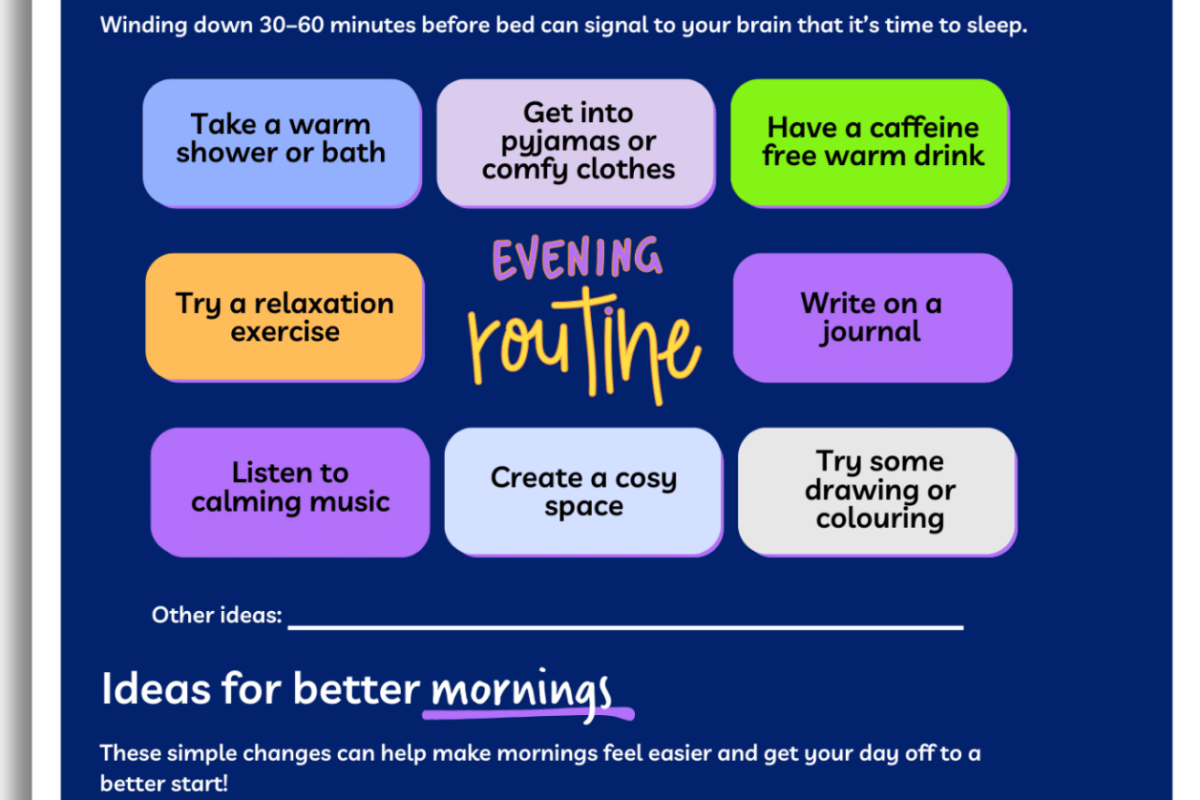
Wind down, a phrase we often hear but may not fully understand, encapsulates the essential practice of easing into a state of relaxation at the end of our busy days. In today’s fast-paced world, the significance of winding down has gained prominence as more people recognize its impact on overall well-being. It’s not just about shutting off the lights; it’s about creating a sanctuary for the mind and body to decompress after the hustle and bustle of daily life.
This practice can be transformative, offering a plethora of psychological benefits, including reduced stress, improved mood, and enhanced sleep quality. By engaging in simple yet effective activities such as reading, meditating, or enjoying a warm bath, individuals can cultivate a peaceful transition from the chaos of the day to a restful night. This introduction sets the stage for exploring how we can better incorporate winding down into our routines for improved mental health and emotional balance.
Understanding the Concept of Wind Down in Daily Life
The concept of “wind down” refers to the process of gradually easing into a state of relaxation and calmness at the end of the day. In our fast-paced lives, where we often juggle multiple responsibilities, taking time to wind down is essential for both mental and physical well-being. This practice not only helps to transition from the busyness of the day to a more tranquil evening but also enhances overall life satisfaction. Winding down can look different for everyone, tailored to suit individual preferences and lifestyles.
Engaging in a wind down routine signals to our bodies that the day is coming to a close. This ritual can significantly affect how we experience our evenings and ultimately, our sleep quality. Research indicates that winding down effectively can lead to reduced stress levels, improved mood, and greater emotional resilience. Establishing a consistent routine aids in regulating our circadian rhythms, making it easier to fall asleep and wake up refreshed. Additionally, dedicating time to unwind can help mitigate anxiety and foster a sense of control over our lives, which is particularly beneficial in today’s high-stress environment.
Common Activities for Effective Wind Down
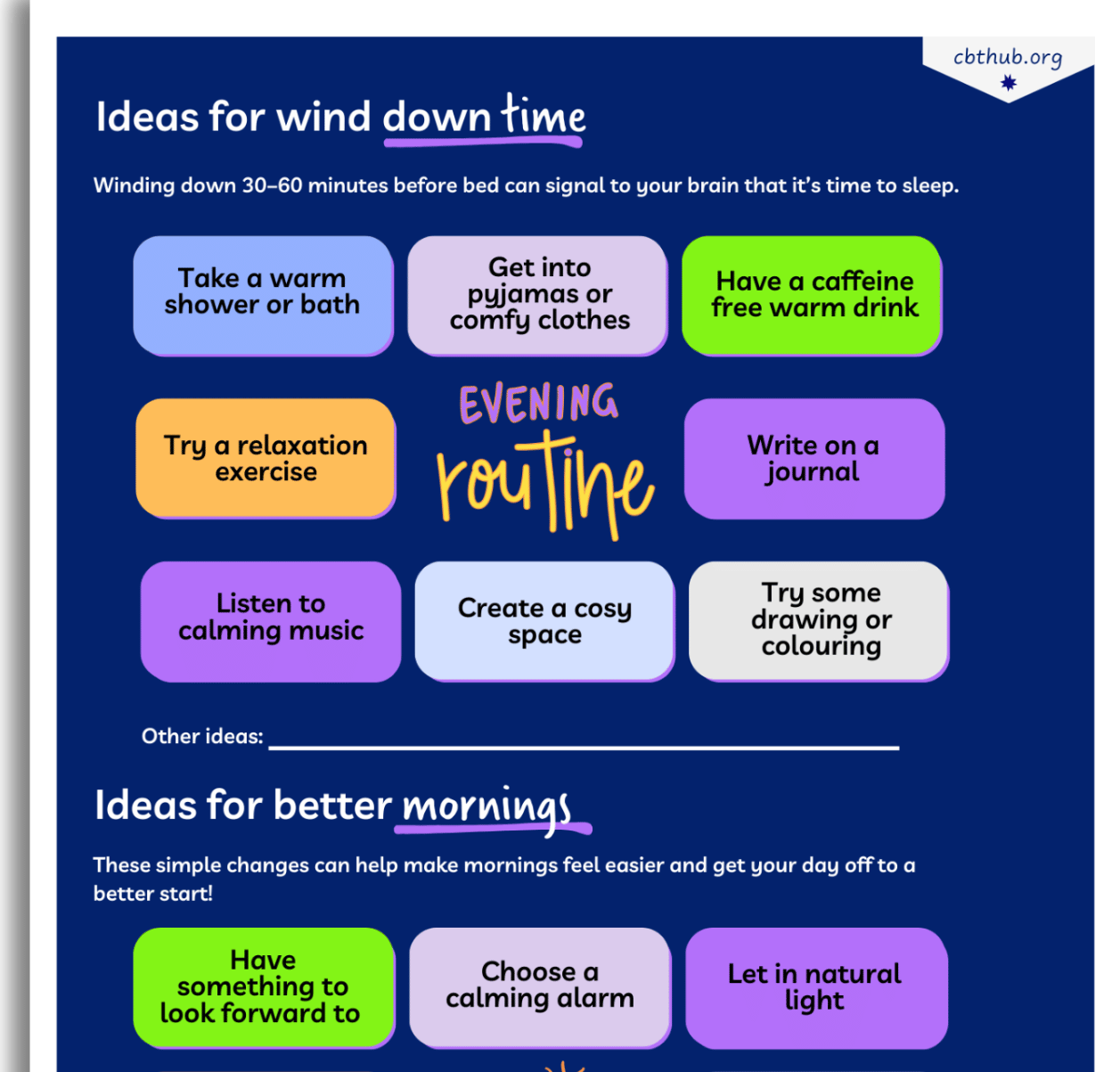
Incorporating specific activities into your wind down routine can greatly enhance its benefits. These activities typically promote relaxation and disengagement from the demands of the day. Here are some popular practices that people adopt to wind down effectively:
- Reading: Immersing oneself in a good book can transport the mind away from daily stresses. This activity not only entertains but also stimulates creativity and imagination.
- Meditation and Deep Breathing: Taking a few minutes to meditate or practice deep breathing exercises can significantly reduce anxiety levels and cultivate a sense of peace.
- Gentle Yoga or Stretching: Engaging in light physical activity, such as yoga or stretching, helps release tension built up during the day and prepares the body for restful sleep.
- Listening to Music: Calming music can serve as a powerful tool to unwind, as it can alter mood and create a soothing environment.
- Journaling: Writing down thoughts, feelings, or daily reflections can foster emotional release and clarity, allowing one to process the day’s events.
- Aromatherapy: Utilizing essential oils, like lavender or chamomile, can enhance relaxation through scent, creating a calming atmosphere in your space.
Each of these activities contributes uniquely to the winding down process, making it essential to find what resonates best with you. Implementing a wind down routine can transform not just your evenings but ultimately improve your overall quality of life by promoting better sleep and reducing stress.
The Role of Wind Down Rituals in Mental Health
Creating an effective wind down ritual is essential for promoting mental health and emotional well-being. As our lives become increasingly fast-paced and stressful, establishing a calming routine before bedtime can significantly impact our overall mental state. Engaging in specific wind down rituals helps transition the mind and body from the busyness of the day to the tranquility needed for restful sleep. This practice not only enhances the quality of sleep but also contributes to improved mood, reduced anxiety, and a greater sense of peace.
A wind down routine comprises various practices designed to calm the mind and prepare the body for sleep. These rituals can significantly enhance emotional well-being by fostering a sense of order and control. Incorporating calming activities into your nightly routine can signal to your brain that it’s time to relax and recharge. Research indicates that structured evening habits can lead to better sleep quality, which in turn supports mental health. Below are some effective practices that serve as calming rituals before sleep.
Calming Practices for Wind Down Rituals
Understanding the significance of incorporating calming practices into your nightly routine can greatly enhance your emotional well-being. Below are various activities that can help create a soothing environment and promote relaxation:
- Reading: Engaging in a good book, particularly fiction, can transport you into another world, allowing your mind to escape daily stressors. Aim for lighter, non-stimulating material to avoid sleep disruption.
- Mindfulness Meditation: Practicing mindfulness before bed can reduce anxiety and promote emotional regulation. Focus on your breathing and observe your thoughts without judgment, allowing them to pass by like clouds.
- Gentle Yoga or Stretching: Light stretching or a short yoga session can relieve tension accumulated in the body throughout the day. This physical relaxation helps to quiet the mind and prepare for sleep.
- Aromatherapy: Utilizing essential oils like lavender or chamomile in a diffuser can create a calming atmosphere. These scents are known for their relaxing properties, enhancing mood and reducing anxiety.
- Journaling: Writing down your thoughts, feelings, or gratitude before bed can help clear your mind. This practice allows you to reflect on the day, which can diminish stress and anxiety related to unresolved issues.
- Listening to Soothing Music: Soft, calming music or nature sounds can create a tranquil environment. This auditory stimulation encourages relaxation and can help signal to your brain that it’s time to wind down.
Establishing a personalized wind down routine can be transformative for emotional well-being. Everyone’s needs and preferences are different, which is why it’s essential to tailor your rituals to what feels right for you. Creating a consistent routine helps establish a sense of predictability that can reduce anxiety and promote better sleep hygiene. Consider experimenting with various techniques to discover what resonates most with your lifestyle and emotional needs.
The essence of a wind down ritual is to create a space where you can unwind and let go of the day’s stressors. By taking the time to engage in these practices, you are actively investing in your mental health, creating a sanctuary of calm that fosters resilience against daily challenges. Establishing and maintaining these rituals not only enhances your sleep quality but also cultivates a more peaceful and balanced mindset.
Wind Down Techniques for Enhanced Sleep Quality
Creating a conducive environment for sleep starts with effective wind down techniques. These methods help to transition the body and mind from the busyness of the day to a restful state, ultimately enhancing sleep quality. Engaging in a consistent wind down routine can signal to your body that it’s time to relax, helping to alleviate stress and prepare for a good night’s sleep.
Different relaxation methods can be employed to aid in this process, each with varying levels of effectiveness depending on individual preferences and lifestyles. The goal is to find techniques that resonate personally while promoting relaxation. Here’s a closer look at a variety of wind down techniques that have been shown to help improve sleep quality.
Relaxation Methods for Improved Sleep
The following methods have been recognized for their effectiveness in encouraging relaxation before bedtime. Incorporating these techniques into your nightly routine can help calm the mind and prepare the body for restorative sleep.
- Meditation: This ancient practice focuses on achieving a mentally clear and emotionally calm state. Techniques such as mindfulness meditation or guided imagery can be particularly effective in reducing anxiety and promoting a sense of peace, which is vital for sleep.
- Reading: Engaging in a good book can serve as an excellent distraction from daily stressors. Choosing light fiction or non-stressful material helps in winding down without overstimulating the mind.
- Breathing Exercises: Deep breathing techniques can lower heart rate and blood pressure, inducing a state of calmness. Simple exercises like the 4-7-8 technique, where you inhale for four seconds, hold for seven, and exhale for eight, can effectively reduce stress and promote sleep readiness.
- Gentle Stretching or Yoga: Performing gentle stretches or restorative yoga poses can relieve physical tension and promote relaxation. These practices also help in increasing blood circulation and reducing muscle stiffness, making it easier to fall asleep.
- Aromatherapy: Utilizing essential oils like lavender or chamomile through diffusers or pillow sprays can create a calming atmosphere. The soothing scents can significantly enhance feelings of tranquility and aid in sleep onset.
- Listening to Calming Music or Nature Sounds: Soft music or sounds such as rain or ocean waves can create a peaceful environment conducive to sleep. This auditory stimulation can help to drown out distractions and encourage relaxation.
Incorporating a combination of these techniques can lead to a more effective wind down process, improving overall sleep quality. Tailoring your routine to include methods that work best for you is essential, as individual responses to relaxation techniques can vary significantly. The emphasis should always be on creating a personalized and enjoyable transition to sleep that fits your lifestyle.
The Impact of Technology on the Wind Down Process
Modern technology has profoundly influenced how individuals wind down at the end of the day. With the advent of smartphones, tablets, and various streaming platforms, we find ourselves in an era where relaxation and entertainment are just a click away. However, this convenience comes with both benefits and drawbacks, significantly shaping our wind down routines.
The positive impact of technology on the wind down process is evident in the accessibility of relaxation tools and resources. For instance, meditation apps like Headspace and Calm provide guided sessions that help users unwind and de-stress. Similarly, streaming services offer a plethora of relaxing content, such as nature documentaries or calming music playlists, which can enhance the winding down experience. Furthermore, social media can foster connections and allow for light-hearted interactions, diverting the mind from daily stresses.
Conversely, excessive screen time can hinder the ability to relax effectively. Engaging with bright screens and stimulating content before bed can lead to increased alertness and difficulty falling asleep. Studies have shown that blue light emitted from devices can disrupt the circadian rhythm, making it challenging to achieve a restful state. Moreover, the constant influx of notifications and messages can create a sense of urgency and anxiety, further complicating the wind down process.
To mitigate the negative effects of technology during the wind down period, implementing specific strategies can be beneficial. Establishing a technology-free zone in the evening is one effective method, which encourages more traditional forms of relaxation such as reading or journaling. Creating boundaries around device usage, such as turning off screens at least an hour before bedtime, can also help the body transition into a state of restfulness.
Another practical strategy involves utilizing features such as “Do Not Disturb” mode or setting specific times for checking messages and notifications. Engaging in calming activities that do not involve screens, like practicing deep breathing exercises or gentle yoga, can enhance relaxation and prepare the mind for sleep.
By balancing technology usage and embracing alternative relaxation methods, individuals can create a calming wind down routine that promotes better sleep and overall well-being.
Creating an Ideal Environment for Winding Down
Creating a peaceful and tranquil environment is essential for effectively winding down after a long day. The atmosphere in which we relax can significantly influence our ability to decompress, leading to better sleep and overall well-being. By thoughtfully curating your surroundings, you can enhance your relaxation experience and promote a sense of calm. This segment will explore the key elements needed to establish a conducive environment for winding down, focusing on lighting, scents, and sounds that contribute to a relaxing atmosphere.
To create a relaxing environment, several essential elements should be considered. The right lighting can greatly affect your mood and sense of tranquility. Soft, warm lights are generally more soothing than bright, harsh overhead fixtures. Dimmed lamps or candles can create a cozy ambiance that encourages relaxation. Additionally, incorporating calming scents through essential oils, candles, or incense can evoke positive feelings and memories. Scents such as lavender, chamomile, and sandalwood are known for their calming properties. Lastly, sounds play a critical role in setting the mood. Gentle music, nature sounds like ocean waves or birds chirping, and white noise can drown out distractions and create a soothing background that promotes relaxation.
Essential Elements for a Relaxing Environment
When considering how to optimize your space for winding down, the following aspects are crucial: lighting options, scent choices, and soundscapes, each contributing in unique ways to enhance your relaxation.
- Lighting: Soft, ambient lighting can have a profound effect on your mood. Options include:
- Dimmer switches to adjust brightness
- Table lamps with warm-toned bulbs
- Candles for a gentle flickering glow
- Fairy lights for a whimsical touch
- Scents: Aromatic elements can evoke feelings of relaxation. Popular choices include:
- Lavender – promotes calming effects and aids sleep
- Chamomile – known for its soothing properties
- Jasmine – helps reduce anxiety and promotes relaxation
- Sandalwood – provides a grounding scent that calms the mind
- Sounds: The auditory landscape of your environment can either soothe or agitate. Consider:
- Soft instrumental music for a tranquil backdrop
- Nature sounds such as rain or forest ambiance
- White noise machines to mask disruptive sounds
- Guided meditation audio to promote mindfulness
| Environmental Setup | Relaxation Effect |
|---|---|
| Dimmed lighting with candles | Creates a cozy, intimate space that encourages unwinding. |
| Aromatherapy diffuser with lavender oil | Promotes calmness and reduces anxiety, helping to ease the mind. |
| Soft instrumental music playing in the background | Helps to alleviate stress and shift focus away from daily worries. |
| Comfortable seating with soft blankets | Encourages physical relaxation and a feeling of safety and comfort. |
Creating a serene environment for winding down not only enhances relaxation but also contributes to better mental and physical health.
Wind Down Activities for Different Lifestyle Needs
Wind down activities play a crucial role in helping individuals transition from the busyness of their day to a more relaxed state, allowing time to decompress and recharge. These activities vary significantly based on lifestyle needs, age, profession, and personal interests, ensuring that everyone can find a suitable way to destress. Tailoring wind down routines to fit distinct lifestyle requirements enhances their effectiveness and enjoyment.
Age, profession, and personal interests significantly influence the choice of wind down activities. For example, younger adults may gravitate towards social activities like group workouts or game nights, while older adults might prefer quieter activities such as reading or gentle yoga. Similarly, professionals in high-stress jobs may seek more intensive relaxation methods like mindfulness meditation, whereas those in less demanding roles might enjoy leisurely walks or arts and crafts. Understanding these differences helps individuals select the activities that resonate best with their daily experiences and emotional needs.
Examples of Wind Down Activities
Selecting the right wind down activities is essential for maximizing relaxation and fostering connections. Below are various strategies tailored to different lifestyle needs:
- Mindfulness Meditation: A calming practice ideal for professionals needing to decompress from work stress. This can involve guided sessions or simply focusing on breath for a few minutes.
- Creative Arts: Engaging in painting, drawing, or crafting can be therapeutic for those who express themselves creatively. These activities provide a fulfilling outlet, reducing anxiety and promoting relaxation.
- Gentle Yoga or Stretching: Suitable for all ages, especially beneficial for older adults or those recovering from physical exertion. Practicing yoga helps improve flexibility and mental clarity.
- Family Board Game Night: A wonderful way to bond and unwind with loved ones, fostering communication and laughter.
- Nature Walks: Perfect for families and individuals alike, stepping outside for a walk encourages physical activity while experiencing the tranquility of nature.
Family-friendly wind down strategies focus on creating shared experiences that nurture relationships while allowing everyone to relax. Activities like cooking together, having a family movie night complete with homemade snacks, or stargazing in the backyard can strengthen familial bonds. Such collective experiences create a safe space for open conversations, fostering unity and communication among family members.
“Wind down activities not only promote relaxation but also enhance our social connections, making them vital for emotional well-being.”
Exploring Cultural Perspectives on Winding Down

Different cultures have distinct ways of approaching the concept of winding down and relaxation. These practices reflect the values, beliefs, and environmental contexts of each culture, offering a rich tapestry of methods that individuals can adopt for personal tranquility. Understanding these diverse rituals not only enhances awareness of global practices but can also inspire individuals to incorporate new techniques into their own winding down routines.
In many cultures, winding down includes rituals that signify the end of the day or the transition from a busy lifestyle to a state of peace and rest. For instance, in Japan, the practice of “Shinrin-yoku,” or forest bathing, emphasizes the importance of nature in relaxation. This involves immersing oneself in the forest environment, which has been shown to reduce stress levels and improve overall well-being. Participants engage their senses fully—listening to the sounds of nature, observing the varied shades of green, and breathing in the fresh, aromatic air—all of which contribute to a deep sense of relaxation.
Rituals from Various Cultures
Exploring various cultural rituals reveals a rich spectrum of practices aimed at facilitating relaxation. Each of these rituals showcases unique approaches to ending the day and promotes a sense of calm.
- Tea Ceremony (Japan): The Japanese tea ceremony is a meticulous ritual centered around the preparation and consumption of matcha—a powdered green tea. This practice emphasizes mindfulness, allowing participants to savor each moment as they engage in a thoughtful process that ultimately leads to tranquility.
- Sauna (Finland): In Finland, the sauna is more than just a hot room; it serves as a social and spiritual space where individuals can unwind and reflect. The ritual often includes a cooling off period outside, which enhances relaxation and fosters connection through shared experience.
- Evening Prayer or Meditation (Middle East): In many Middle Eastern cultures, the practice of evening prayers or meditation serves as a way to wind down. This time for reflection and spiritual connection promotes a sense of peace and closure for the day, which can be incredibly grounding.
- Family Dinner (Italy): In Italy, the evening meal is often a long, leisurely affair that encourages family bonding. This communal approach to dining helps individuals decompress and reconnect with loved ones, reinforcing both emotional well-being and relaxation.
These rituals highlight how winding down can take many forms, each contributing to a holistic approach to well-being. By observing and embracing these practices, individuals can create a personal wind down routine that resonates with their own values and preferences.
Incorporating cultural practices into personal wind down routines allows for a more enriching experience. For instance, adopting elements of the Japanese tea ceremony can transform a simple cup of tea into a meditative ritual. Similarly, integrating family dinners inspired by Italian culture can foster deeper connections and relaxation. By appreciating diverse cultural perspectives, individuals can curate personalized routines that not only help in unwinding but also celebrate the beautiful variety of human experience.
Closing Summary
In conclusion, wind down rituals are not just modern trends but essential elements for achieving a balanced life. By integrating a variety of techniques and creating an ideal environment, individuals can enhance their ability to relax and recharge. Embracing the diverse cultural perspectives on winding down also enriches our approaches, allowing us to find personalized practices that resonate deeply with our lifestyles. Ultimately, the journey to better mental health and well-being starts with a simple act of winding down.
FAQ Corner
What are some effective wind down activities?
Common wind down activities include reading, taking a warm bath, practicing meditation or yoga, and listening to soothing music.
How long should I spend winding down each night?
It is generally recommended to spend at least 30 minutes to an hour winding down before bed to allow your body and mind to relax.
Can winding down improve my sleep quality?
Yes, establishing a calming wind down routine can significantly enhance sleep quality by preparing your mind and body for rest.
Are there any foods that can help me wind down?
Foods rich in magnesium, such as bananas or almonds, and herbal teas like chamomile can help promote relaxation.
Is it okay to use my phone while winding down?
While some apps can aid relaxation, excessive screen time can hinder the winding down process; it’s best to limit usage.