
 Caroline Sarah
Slow-wave sleep, often referred to as deep sleep, is a crucial phase of our nightly rest that plays a vital role in maintaining our overall health and well-being. During this phase, the body undergoes significant restorative processes, and brain activity shifts in ways that are essential for memory and learning. Understanding the intricacies of slow-wave sleep can illuminate its profound impact on everything from our physical health to our emotional stability.
This sleep stage is characterized by the slowest brain waves and is integral to the sleep cycle, occurring primarily in the first half of the night. Physiologically, it is marked by reduced heart rate, lower blood pressure, and restorative functions that repair tissues and synthesize proteins. By diving deeper into the mechanics and effects of slow-wave sleep, we can appreciate why it is often hailed as the cornerstone of restorative sleep.
Understanding the Importance of Slow-Wave Sleep
Slow-wave sleep (SWS), often referred to as deep sleep, plays a crucial role in maintaining our physical and mental well-being. This phase of sleep is characterized by slow brain waves, decreased heart rate, and reduced metabolic activity. During this time, the body engages in vital processes that support recovery, growth, and overall health. It is during slow-wave sleep that the body undergoes significant restorative processes, making it one of the most critical stages of the sleep cycle for rejuvenation and health maintenance.
Slow-wave sleep is essential for various physiological processes that are fundamental to our body’s functioning. During this stage, the body promotes tissue growth and repair, strengthens the immune system, and consolidates memories. Growth hormone is released predominantly during this phase, facilitating cell growth and regeneration. Additionally, SWS plays a significant role in clearing metabolic waste from the brain, which is crucial for maintaining cognitive function and preventing neurodegenerative disorders. This cleansing process is part of the glymphatic system, which operates more efficiently during sleep, particularly in slow-wave phases. Studies have shown that individuals who experience disruptions in slow-wave sleep may be at a higher risk for conditions such as Alzheimer’s disease and other forms of dementia.
Stages of Sleep and Slow-Wave Sleep’s Role
To comprehend the significance of slow-wave sleep, one must first understand the stages of the sleep cycle. Sleep is generally divided into two main categories: non-REM (Rapid Eye Movement) and REM sleep. Non-REM sleep is further divided into three stages, with slow-wave sleep occurring in stages N3, also known as deep sleep. The sleep cycle typically progresses as follows:
1. Stage N1: This is the lightest stage of sleep, during which a person can be easily awakened. It lasts only a few minutes and serves as the transition from wakefulness to sleep.
2. Stage N2: This stage accounts for the largest portion of sleep. During N2, heart rate slows, and body temperature decreases, preparing the body for deeper sleep.
3. Stage N3: This stage is where slow-wave sleep occurs. It is characterized by the presence of delta waves, which are slow brain waves that signify deep sleep. This stage is vital for physical restoration and is where the body performs essential repair and recovery functions.
4. REM Sleep: Following slow-wave sleep, the body enters the REM stage, characterized by increased brain activity, vivid dreaming, and temporary muscle paralysis. This stage is crucial for cognitive functions such as learning and memory consolidation.
It is important to note that an average sleep cycle lasts about 90 minutes, with individuals experiencing multiple cycles per night. Slow-wave sleep occurs predominantly in the first half of the night, emphasizing its importance in the initial phases of sleep. The quality and quantity of slow-wave sleep can be influenced by factors such as stress, lifestyle, and sleep disorders, making it essential to prioritize healthy sleep habits to ensure adequate restorative sleep.
The Impact of Slow-Wave Sleep on Memory and Learning
Slow-wave sleep (SWS) plays a crucial role in the processes of memory formation and learning. This phase of sleep, characterized by deep, restorative patterns of brain activity, has been linked to the enhancement of both memory retention and cognitive performance. As we delve into the impact of slow-wave sleep on memory consolidation, it becomes evident that a good night’s sleep is not just vital for physical health but also essential for intellectual growth.
During slow-wave sleep, the brain engages in a unique process that facilitates memory consolidation. This phase is where information acquired during the day is transferred from short-term storage areas in the hippocampus to long-term storage regions in the cortex. This transition is vital for creating lasting memories of facts and experiences. Neurons in the brain exhibit synchronized firing patterns during SWS, which are thought to reinforce the synaptic connections established during wakefulness. This process is often referred to as “offline processing,” as it allows the brain to strengthen and refine the information learned without external interference.
Research Studies Linking Slow-Wave Sleep with Learning Outcomes
Numerous studies have validated the connection between slow-wave sleep and memory performance. One notable study by Diekelmann and Born (2010) examined how sleep influences the consolidation of declarative memory. Participants who engaged in learning tasks followed by a night of sleep exhibited significantly better recall after waking than those who remained awake. This finding highlights that sleep, particularly slow-wave sleep, is critical for solidifying new knowledge.
Another compelling piece of research conducted by Pushkar et al. (2014) illustrated the impact of slow-wave sleep on procedural memory. In this study, participants learned a motor task, and those who obtained adequate slow-wave sleep afterward demonstrated superior performance on the task the following day. The researchers emphasized that the quality and duration of SWS were strong predictors of improved skills and learning retention.
The effects of slow-wave sleep differ significantly when comparing short-term memory retention to long-term memory consolidation. Short-term memories, which are initially stored in the hippocampus, can be easily lost if SWS is disrupted. In contrast, long-term memories, stored throughout the cortex, benefit from the deep sleep that allows for this transfer of information. The brain’s ability to process and integrate information during slow-wave sleep is essential for transforming fleeting memories into enduring knowledge, reinforcing the notion that sleep is a vital component of effective learning.
Factors Affecting Slow-Wave Sleep Quality
Slow-wave sleep (SWS) is a crucial stage of sleep essential for physical restoration and memory consolidation. Understanding various factors that impact its quality can help individuals maximize their restorative sleep. Lifestyle choices, sleep disorders, and age-related changes all play significant roles in the state of slow-wave sleep.
Lifestyle Choices Impacting Slow-Wave Sleep
A multitude of lifestyle choices can either enhance or diminish the quality of slow-wave sleep. Certain habits are particularly influential.
- Physical Activity: Regular exercise has been proven to improve sleep quality and increase the duration of slow-wave sleep. Engaging in moderate aerobic exercise, such as brisk walking or cycling, is beneficial. However, exercising too close to bedtime can have an adverse effect due to increased adrenaline levels.
- Dietary Habits: Consuming a balanced diet rich in whole foods, fruits, vegetables, and lean proteins can enhance sleep quality. Foods containing tryptophan, such as turkey and nuts, promote better sleep. Conversely, high sugar and heavy, fatty foods can disrupt sleep patterns and reduce SWS.
- Caffeine and Alcohol Consumption: Stimulants like caffeine can significantly hinder slow-wave sleep if consumed later in the day. While alcohol may initially induce sleepiness, it often disrupts the sleep cycle, particularly during the second half of the night, leading to reduced SWS.
- Sleep Environment: A conducive sleep environment contributes to quality SWS. This includes a comfortable mattress, a dark, quiet room, and an optimal temperature. Excessive noise or light can prevent deep sleep.
Common Sleep Disorders Interfering with Slow-Wave Sleep
Certain sleep disorders can severely disrupt slow-wave sleep, leading to various health issues over time. Recognizing these conditions is essential for seeking appropriate treatment.
- Insomnia: Characterized by difficulty in falling or staying asleep, insomnia can reduce the overall amount of slow-wave sleep.
- Sleep Apnea: This disorder involves repeated interruptions in breathing, leading to frequent awakenings that significantly decrease slow-wave sleep quality.
- Restless Legs Syndrome (RLS): RLS can cause uncomfortable sensations in the legs, prompting movements that disrupt sleep and hinder SWS.
- Narcolepsy: This neurological disorder affects the regulation of sleep-wake cycles, often resulting in fragmented sleep and diminished slow-wave sleep.
Impact of Age on Slow-Wave Sleep Patterns and Quality
Age is a pivotal factor that significantly influences slow-wave sleep patterns and quality. As individuals age, the proportion and intensity of slow-wave sleep generally decline.
In children and young adults, SWS is typically abundant, facilitating growth and cognitive development. However, studies show that as people reach middle age and beyond, there is a notable decrease in both the duration and depth of slow-wave sleep. For instance, adults over 60 may experience half the amount of slow-wave sleep compared to their younger counterparts.
“The decline in slow-wave sleep is associated with various age-related changes, including alterations in brain structure and function.”
Overall, older adults may find themselves waking more often during the night, leading to a fragmented sleep experience that affects their overall health and well-being. This shift highlights the need for tailored sleep hygiene practices aimed at improving sleep quality in aging populations.
Techniques to Enhance Slow-Wave Sleep
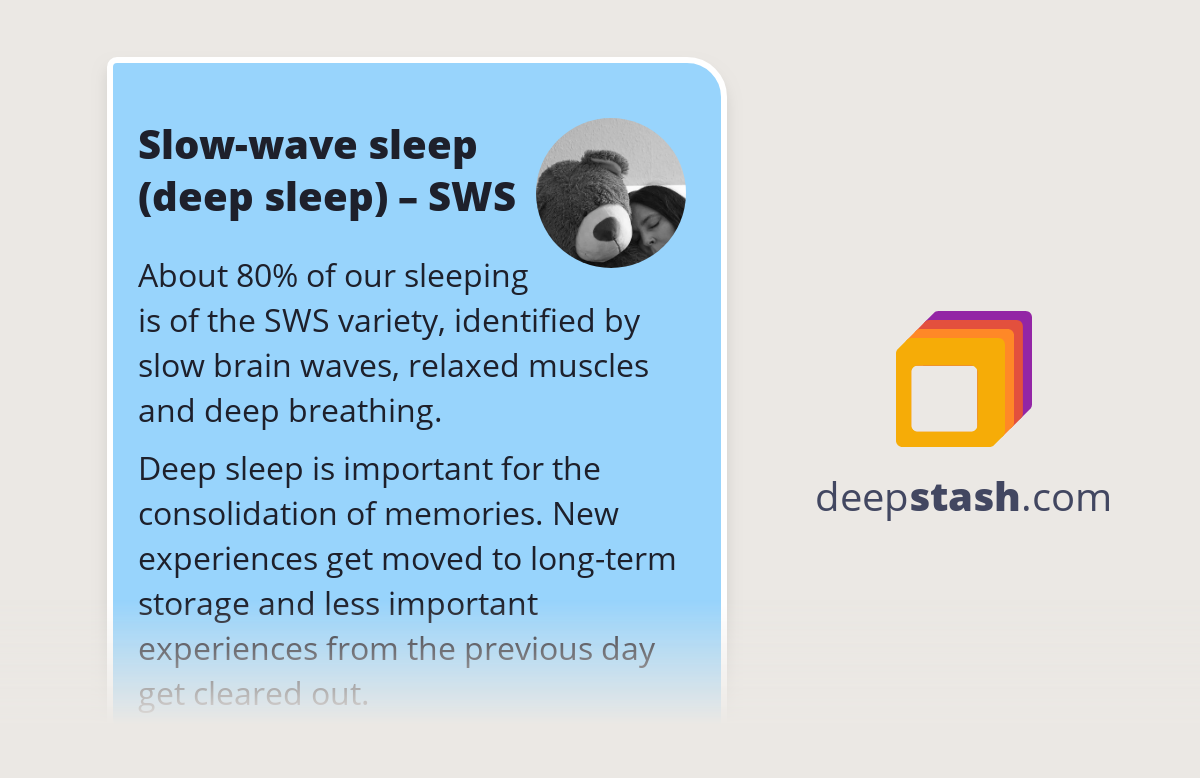
Enhancing slow-wave sleep (SWS) is crucial for overall health, as this sleep stage is vital for physical restoration, memory consolidation, and overall well-being. Utilizing effective techniques can significantly improve the quality of SWS, leading to better cognitive function and physical health. Below, we explore practical methods to promote SWS, highlighting their significance and providing a comparative overview for easy understanding.
Practical Techniques for Promoting Slow-Wave Sleep
A variety of methods can be employed to enhance slow-wave sleep. These techniques range from simple sleep hygiene practices to dietary changes and relaxation exercises. Understanding which strategies resonate with individual needs can lead to significant improvements in sleep quality. Here are some effective methods:
- Sleep Hygiene Practices: Maintaining a consistent sleep schedule, creating a comfortable sleep environment, and limiting exposure to screens before bedtime are essential. A dark, cool, and quiet room promotes uninterrupted sleep, thus enhancing SWS.
- Relaxation Exercises: Techniques like deep breathing, progressive muscle relaxation, and mindfulness meditation help reduce stress and anxiety, allowing the body to enter deeper sleep stages more easily.
- Dietary Changes: Consuming foods rich in magnesium, potassium, and calcium, along with limiting caffeine and heavy meals before bedtime, can enhance the body’s ability to achieve slow-wave sleep. Foods such as almonds, bananas, and leafy greens are effective in promoting better sleep.
To provide a clearer comparison of the techniques mentioned, the following table summarizes these methods along with their primary benefits:
| Technique | Description | Benefits |
|---|---|---|
| Sleep Hygiene Practices | Establishing a regular sleep schedule and optimizing sleep environment. | Improved sleep onset and quality, leading to more SWS. |
| Relaxation Exercises | Incorporating mindfulness, breathing exercises, and gentle stretching. | Reduced stress and better transition into deep sleep stages. |
| Dietary Changes | Adjusting nutrient intake and avoiding stimulants before sleep. | Enhanced body’s natural sleep processes, promoting longer SWS duration. |
Role of Technology and Sleep Tracking Devices
Technology plays a significant role in improving slow-wave sleep by providing insights into sleep patterns and quality. Sleep tracking devices, such as wearable fitness trackers and smartwatches, monitor various parameters including heart rate, movement, and sleep stages. By analyzing this data, users can identify habits that positively or negatively affect their slow-wave sleep.
For instance, many of these devices offer personalized feedback and recommendations based on sleep data. Users may receive alerts about irregular sleep patterns or suggestions for better sleep hygiene practices. Additionally, some devices integrate features like guided sleep meditation or ambient sounds designed to enhance relaxation, making it easier to transition into slow-wave sleep.
Overall, leveraging technology not only encourages awareness about sleep habits but also empowers individuals to take actionable steps towards optimizing their sleep quality, particularly SWS. By combining traditional methods with modern technology, individuals can create a robust strategy to enhance their sleep experience.
The Relationship Between Slow-Wave Sleep and Physical Health
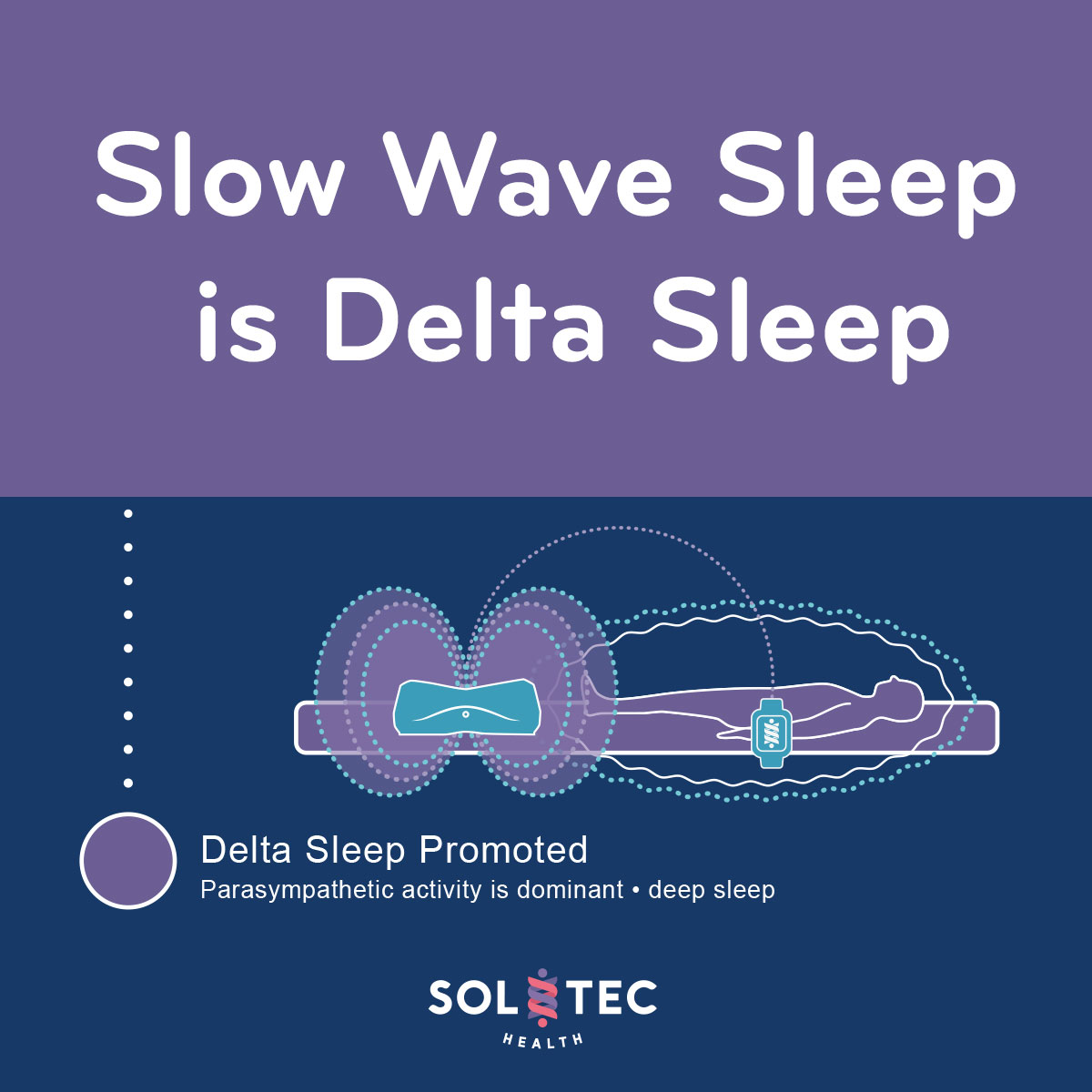
Slow-wave sleep (SWS), also known as deep sleep, plays a vital role in maintaining physical health. This phase of sleep is characterized by slow brainwaves, relaxed muscles, and decreased heart rate, making it essential for recovery and overall well-being. During SWS, the body undergoes numerous restorative processes that impact various aspects of health, including immune function, metabolic regulation, and cardiovascular health. Disruptions in slow-wave sleep can lead to a cascade of health issues, emphasizing the importance of quality sleep for physical health outcomes.
SWS contributes significantly to physical health by facilitating essential biological processes. During this phase, the body repairs tissues, synthesizes proteins, and releases growth hormones, which are crucial for physical recovery and muscle growth. Furthermore, SWS has been shown to enhance immune function, helping the body combat infections and inflammation. Research indicates that individuals who experience poor slow-wave sleep quality are at an increased risk for various chronic health conditions. Chronic sleep deprivation or disruptions in deep sleep can lead to metabolic disorders, obesity, diabetes, cardiovascular diseases, and even mental health issues.
Chronic Health Conditions Linked to Poor Slow-Wave Sleep Quality
The relationship between inadequate slow-wave sleep and chronic health conditions is well-documented. Poor SWS quality is associated with several long-term health issues, including:
- Obesity: Lack of deep sleep can disrupt the hormones that regulate appetite, leading to increased hunger and weight gain.
- Diabetes: Insufficient slow-wave sleep is linked to insulin resistance, a precursor to type 2 diabetes.
- Cardiovascular Diseases: Chronic sleep deprivation affects blood pressure and heart rate, contributing to an elevated risk of heart disease.
- Depression and Anxiety: Poor sleep quality can exacerbate mental health conditions, creating a vicious cycle of sleep disturbances and emotional distress.
The implications of these conditions are significant, as they can lead to a diminished quality of life and increased healthcare costs. Addressing sleep quality is paramount for preventing and managing these chronic health issues.
Influence of Exercise on Slow-Wave Sleep Cycles
Physical activity has a profound effect on sleep quality, particularly on slow-wave sleep. Engaging in regular exercise promotes deeper sleep and can help stabilize sleep patterns. A variety of factors contribute to this relationship, including the timing, type, and intensity of exercise.
Moderate aerobic exercises, such as brisk walking or cycling, have been shown to improve both the duration and quality of slow-wave sleep. In contrast, vigorous exercise conducted too close to bedtime may temporarily raise adrenaline levels and body temperature, potentially hindering the ability to fall asleep.
Research indicates that individuals who incorporate regular exercise into their daily routines often report better sleep quality, which includes longer durations of SWS. For example, a study revealed that older adults who engaged in regular resistance training experienced significant improvements in the quality of their slow-wave sleep compared to those who remained sedentary.
“Regular exercise not only enhances physical fitness but also significantly improves sleep quality, leading to more restorative slow-wave sleep.”
In summary, promoting slow-wave sleep through good sleep hygiene and regular physical activity is essential for maintaining optimal physical health and preventing chronic health conditions. Understanding this relationship can empower individuals to make lifestyle choices that enhance their overall well-being.
Slow-Wave Sleep and Emotional Well-being
The relationship between slow-wave sleep (SWS) and emotional well-being is increasingly recognized in both psychological and physiological research. Slow-wave sleep, a critical phase of deep sleep, plays a vital role in various cognitive functions, including memory consolidation and emotional regulation. Understanding how this type of sleep influences our emotional health can illuminate pathways to better mental wellness.
Research indicates that slow-wave sleep contributes significantly to emotional regulation by reinforcing the neural pathways involved in processing emotions. During SWS, the brain undergoes restorative processes, including the clearance of metabolic waste and the release of growth hormones, which are essential for emotional stability. The connection between slow-wave sleep and the amygdala—the brain region responsible for processing emotions—has been well-documented. When individuals experience sufficient SWS, they tend to exhibit better emotional resilience and stability. Conversely, insufficient SWS can disrupt these processes, leading to heightened emotional reactivity and difficulty managing stress.
Symptoms of Emotional Distress from Insufficient Slow-Wave Sleep
Emotional distress as a result of inadequate slow-wave sleep can manifest in various ways. Recognizing these symptoms is crucial for addressing mental health effectively. The following list Artikels common indicators of emotional distress that may arise from insufficient SWS:
- Increased Anxiety: A lack of deep sleep can lead to feelings of increased anxiety and a heightened state of worry.
- Depressive Symptoms: Insufficient slow-wave sleep is often linked to mood disorders, including depression, characterized by persistent sadness and loss of interest.
- Irritability: Emotional irritability and mood swings can be exacerbated by poor sleep quality, affecting daily interactions.
- Difficulty Concentrating: Cognitive functions such as memory recall and focus can diminish, leading to challenges in everyday tasks.
- Heightened Stress Response: An impaired ability to cope with stress can result, causing disproportionate reactions to daily challenges.
Therapeutic Approaches for Sleep Improvement and Emotional Health
Improving sleep quality, particularly increasing slow-wave sleep, is paramount for enhancing emotional well-being. Various therapeutic approaches exist to facilitate this improvement. Integrating sleep hygiene practices into daily routines can significantly impact emotional health. The following methodologies may be beneficial:
- Cognitive Behavioral Therapy for Insomnia (CBT-I): This evidence-based approach helps individuals modify thoughts and behaviors that disrupt sleep, promoting longer and more restorative sleep cycles.
- Mindfulness and Relaxation Techniques: Practices such as meditation, yoga, and deep-breathing exercises can enhance relaxation, supporting deeper sleep and emotional resilience.
- Consistent Sleep Schedule: Maintaining regular sleep and wake times reinforces circadian rhythms, facilitating better sleep quality and emotional stability.
- Environmental Adjustments: Creating a conducive sleep environment—such as reducing noise, avoiding screens before bedtime, and maintaining a comfortable room temperature—can enhance the body’s ability to enter slow-wave sleep.
- Physical Activity: Regular exercise can contribute to improved sleep quality, aiding in the development of emotional well-being through increased endorphin levels and reduction in stress.
Outcome Summary
In summary, slow-wave sleep is a key component of our sleep architecture that significantly influences various aspects of health, memory, and emotional resilience. By prioritizing this deep sleep phase, we can enhance not only our cognitive functions but also our physical health and emotional balance. As we embrace techniques to improve slow-wave sleep, we take crucial steps towards a healthier, more fulfilling life.
Questions Often Asked
What are the benefits of slow-wave sleep?
Slow-wave sleep promotes tissue repair, supports immune function, aids in memory consolidation, and contributes to emotional regulation.
Can lifestyle changes improve slow-wave sleep?
Yes, lifestyle changes such as maintaining a consistent sleep schedule, reducing caffeine, and engaging in regular physical activity can enhance slow-wave sleep quality.
How does age affect slow-wave sleep?
As we age, the amount and quality of slow-wave sleep typically decrease, often leading to poorer sleep patterns and increased health issues.
Is it possible to track slow-wave sleep?
Yes, many sleep tracking devices and apps can monitor sleep stages, including slow-wave sleep, helping individuals understand their sleep patterns better.
What role does slow-wave sleep play in emotional health?
Slow-wave sleep is crucial for emotional regulation; insufficient deep sleep can lead to increased stress, anxiety, and mood disorders.