
 Caroline Sarah
Napping habits have woven their way into the fabric of daily life, offering a respite from the hustle and bustle of our busy schedules. It’s not just about catching a few Z’s; it’s a practice steeped in science and culture that can profoundly impact our well-being and productivity. This exploration will delve into the physiological processes behind napping, cultural perspectives, age-related patterns, productivity implications, effective strategies, common myths, and future trends surrounding this often-overlooked aspect of rest.
From understanding the stages of sleep that occur during a nap to examining how different societies embrace this practice, we will uncover how these habits vary across the globe and the reasons behind them. Whether you’re a seasoned napper or just curious about the benefits of a midday snooze, this discussion aims to enlighten and inspire a deeper appreciation for the art of napping.
The Science Behind Napping Habits
Napping is a common practice that many people embrace to recharge during the day. However, the physiological processes that occur during a nap are intricate and fascinating, revealing a lot about how our bodies and minds function. Understanding these processes can help us appreciate the importance of napping for overall well-being.
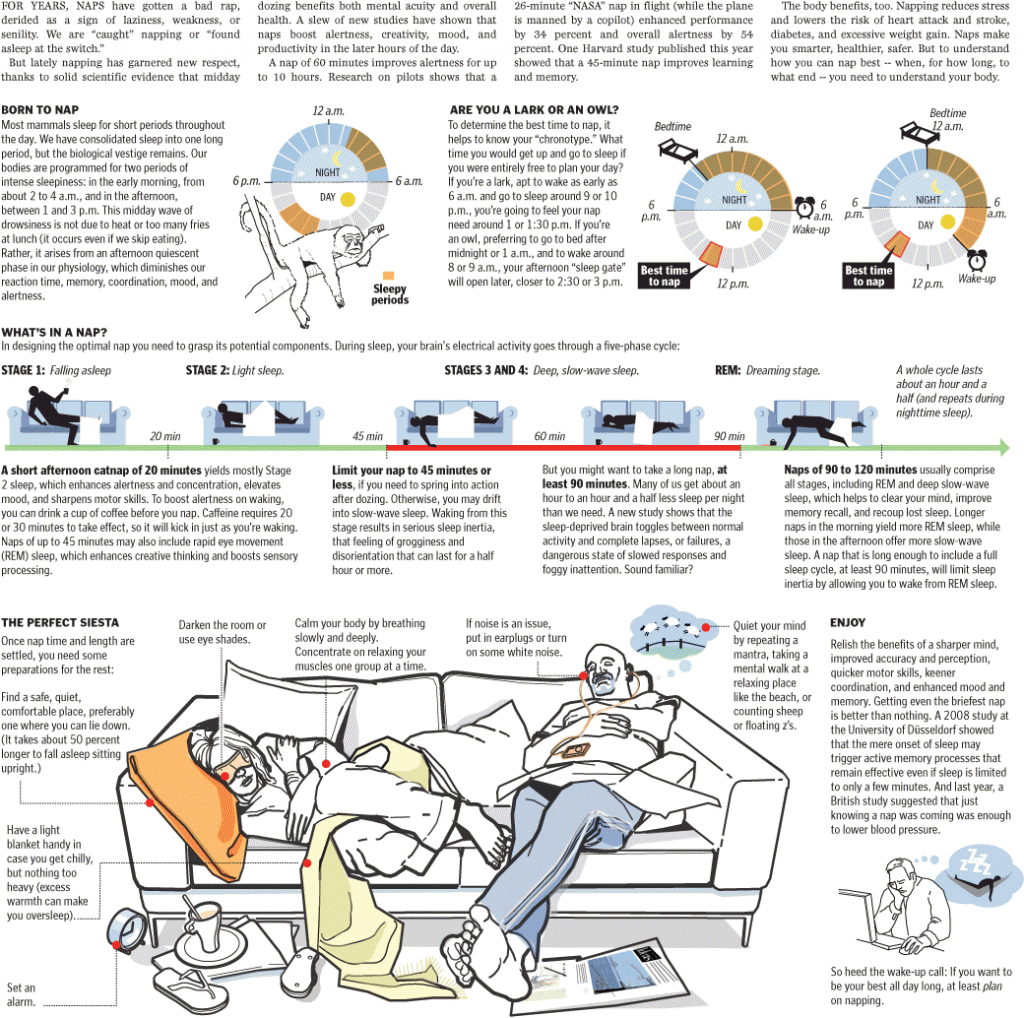
When we nap, our bodies enter different stages of sleep, each with unique characteristics and benefits. The most commonly recognized stages of sleep include light sleep, deep sleep, and REM (Rapid Eye Movement) sleep. Initially, as we drift off into a nap, we enter light sleep, which serves as a transition phase. During this stage, our heart rate slows, and our body temperature decreases. This light sleep can last anywhere from a few minutes to around 30 minutes.
The next stage, deep sleep, is crucial for physical restoration. During deep sleep, the body focuses on repairing tissues, building bone and muscle, and bolstering the immune system. This phase is associated with a significant drop in heart rate and breathing, allowing the body to engage in restorative processes. Although deep sleep is typically achieved after longer sleep periods, even short naps can induce a brief phase of deep sleep, which provides a quick boost in energy and recovery.
Finally, the REM stage occurs, which is most prominent in longer naps. During REM sleep, brain activity increases, and vivid dreaming often occurs. This stage is essential for cognitive functions, including memory consolidation, problem-solving skills, and emotional regulation. Napping that includes REM sleep can significantly enhance learning and creativity, making it a powerful tool for improving performance in various tasks.
Napping positively influences cognitive functions and mood regulation. Research indicates that a short nap of around 10 to 20 minutes can enhance alertness and concentration, making it easier to focus and retain information. Additionally, napping can help reduce stress and alleviate feelings of fatigue. For instance, a study found that participants who took a midday nap reported lower levels of tension and improved mood after waking. This rejuvenation contributes to a more positive outlook and increased productivity throughout the day.
In summary, napping involves complex physiological processes that benefit our bodies and minds. By understanding the stages of sleep that occur during a nap and their significance, we can better appreciate how napping can be an effective strategy to enhance cognitive functions and regulate mood.
Cultural Perspectives on Napping Practices
Napping is not merely a personal habit but a cultural phenomenon that varies significantly around the world. Different societies embrace unique napping customs, integrating them into their daily routines. The view of naps can reflect cultural attitudes toward work, productivity, and relaxation. Exploring these diverse perspectives reveals how napping practices are influenced by historical, social, and environmental factors.
In many cultures, napping is seen as a necessary pause amidst the busyness of daily life. Countries such as Spain, Japan, and Italy incorporate napping in various ways. These practices often stem from historical habits and societal expectations that prioritize rest and rejuvenation.
Napping Customs in Spain, Japan, and Italy
Spanish culture has a well-known tradition of the siesta, a mid-afternoon break that encourages individuals to rest after lunch. This practice is deeply ingrained in Spanish life; many shops and businesses still close during this period, allowing people to recharge before continuing their day. The siesta is viewed as an essential component of maintaining a balanced lifestyle, promoting not only personal well-being but also productivity in the long run.
In contrast, Japan offers the concept of “inemuri,” which translates to “being present while sleeping.” This practice is widely accepted in both workplace and public settings. It reflects the cultural values of dedication and hard work, where taking a nap in the office is often seen as a sign of commitment rather than laziness. Public spaces like trains and parks are common spots for quick naps, illustrating how napping is integrated into the fast-paced Japanese lifestyle.
Italy also has its own unique approach to napping, particularly during the “riposo.” Similar to the Spanish siesta, this practice involves a break after lunch, typically lasting a few hours. Many Italians return home to enjoy a leisurely meal and a short nap, reinforcing the importance of family and relaxation. The riposo is not just for personal benefit; it fosters social connections as families gather together during this time, creating a communal atmosphere that strengthens family bonds.
Historical perspectives on napping reveal how attitudes have evolved over time. In ancient Rome, noblemen often indulged in afternoon rest, which was a sign of wealth and leisure. In contrast, during the Industrial Revolution, the focus shifted toward productivity, often deeming naps as unproductive. However, with recent studies highlighting the health benefits of napping, such as improved cognitive function and stress reduction, many societies are re-embracing the practice as a necessary part of a balanced life.
In summary, cultural attitudes toward napping play a significant role in how societies integrate this practice into their daily routines. Whether through the siesta in Spain, the inemuri in Japan, or the riposo in Italy, these customs reflect broader values and historical shifts within each culture, emphasizing the importance of rest in achieving a harmonious lifestyle.
The Impact of Age on Napping Patterns
Napping habits significantly evolve as individuals progress through different life stages. From the high-frequency napping seen in infants to the more sporadic habits of older adults, age plays a crucial role in determining when and how often people nap. Understanding these changes can shed light on the underlying physiological and psychological factors that influence sleep behavior across the lifespan.
Napping patterns can vary greatly from childhood to older adulthood, reflecting changes in energy levels, lifestyle demands, and biological needs. Infants typically require multiple naps throughout the day as they spend a significant amount of time sleeping—up to 16-18 hours daily. This extensive sleep is essential for their growth and brain development, as their bodies and brains are rapidly maturing. As children grow, their napping frequency decreases, often transitioning to a single nap when they reach toddler age. This shift correlates with an increase in daytime activity and engagement with their environment.
In contrast, older adults often experience a resurgence in the need for naps, although the reasons differ. Many elderly individuals face challenges such as insomnia, fragmented sleep patterns at night, and health issues that can contribute to increased daytime sleepiness. Consequently, naps can act as restorative periods that help manage fatigue and improve overall well-being. However, the length and timing of these naps may vary, as older adults might take shorter naps earlier in the day to avoid interfering with their nighttime sleep.
Differences in Napping Needs Between Infants and Elderly Individuals
It is important to understand the contrasting reasons for the napping needs of infants and elderly individuals.
- Biological Necessity: Infants require substantial sleep for growth and cognitive development, while older adults may nap to compensate for sleep deficits or health-related issues.
- Sleep Architecture: Infants experience different sleep stages, often transitioning quickly between REM and non-REM sleep. In contrast, older adults frequently have less deep sleep, leading to more fragmented nights.
- Energy Levels: Infants naturally exhibit higher energy levels, necessitating frequent rest, whereas older adults may experience fatigue and decreased stamina, prompting the need for periodic naps throughout the day.
Lifestyle factors also significantly influence napping frequency and duration across different age groups. For working adults, busy schedules and social commitments can lead to irregular sleep patterns, which may result in increased reliance on naps to mitigate fatigue. On the other hand, retired individuals may have more flexibility in their daily routines, allowing for longer or more frequent naps. Additionally, cultural attitudes toward napping can vary widely; in some cultures, midday naps are an accepted practice, while in others, they may be perceived as unproductive.
In essence, the evolution of napping habits through the ages reflects a complex interplay of biological needs and lifestyle factors, highlighting the importance of understanding how these elements change over time.
Napping and Productivity

Napping is often seen as a luxury or a guilty pleasure, but its impact on productivity in work environments is increasingly recognized. With the fast-paced demands of modern work life, the ability to recharge through napping can be a game-changer. Studies have shown that a well-timed nap can enhance cognitive function, improve mood, and boost overall productivity, making it a vital component of workplace wellness strategies.
Research indicates that napping has a direct correlation with productivity levels. A short nap can help to counter fatigue and increase alertness, leading to better focus on tasks. For instance, a study from NASA found that a 10-minute power nap improved performance in pilots and astronauts. This improvement can be attributed to the brain’s ability to consolidate information during sleep, allowing for better decision-making and problem-solving skills. By taking a nap, employees can return to their tasks with renewed energy, ultimately translating into enhanced productivity and performance.
Implications of Power Naps on Employee Performance and Creativity
The concept of a power nap—typically a brief nap lasting 10 to 30 minutes—has gained traction as an effective way to enhance employee performance. Power naps not only improve alertness but also significantly boost creativity. When individuals nap, their brain processes information, leading to enhanced connections and innovative thought processes. This cognitive boost can be particularly beneficial in fields that require creative thinking and problem-solving, such as marketing and design.
Work environments that encourage power naps often see a notable increase in employee satisfaction and retention. A relaxed state fosters a more positive workplace culture, which can lead to increased collaboration and communication among team members. Furthermore, companies like Google and Zappos have integrated nap rooms into their office layouts, emphasizing the importance of short breaks for mental health and productivity.
To maximize the benefits of napping, it’s essential to consider the optimal duration of naps based on various professions. The following table Artikels recommended nap durations for different job roles to achieve peak productivity levels:
| Profession | Optimal Nap Duration | Benefits |
|---|---|---|
| Software Developers | 20 minutes | Enhances focus and reduces coding errors. |
| Healthcare Workers | 30 minutes | Boosts alertness, reducing the risk of errors in patient care. |
| Sales Representatives | 15 minutes | Increases energy levels for client interactions. |
| Creative Professionals | 25 minutes | Enhances brainstorming and creative output. |
| Teachers | 20 minutes | Improves engagement and patience in the classroom. |
In summary, incorporating napping into the work routine can lead to significant improvements in productivity and creativity. As organizations continue to recognize the value of employee well-being, power naps may become a standard practice that fosters a more productive and innovative workplace.
Strategies for Effective Napping
Napping can be an effective way to recharge and boost productivity throughout the day. However, not all naps are created equal, and certain strategies can significantly enhance the quality of your nap experience. By implementing some thoughtful techniques and optimizing your environment, you can ensure that your napping sessions are restorative and refreshing.
The environment plays a crucial role in achieving an effective nap. Factors such as lighting, noise levels, and overall comfort can either facilitate or hinder your ability to fall asleep quickly and enjoy a deep sleep. A dimly lit room with minimal distractions is ideal for napping. If natural light is unavoidable, consider using blackout curtains or an eye mask to create a more conducive atmosphere. Additionally, controlling noise levels is essential; using white noise machines or earplugs can help mask disruptive sounds.
Techniques for Better Napping
To further improve your napping experience, various techniques can be implemented. These methods focus on both timing and practice to help maximize the benefits of napping.
Here are some effective strategies:
- Limit Nap Duration: Aim for a power nap of about 10 to 20 minutes, which can enhance alertness without causing sleep inertia.
- Set a Schedule: Choose a regular time for napping, ideally in the early afternoon, to align with natural circadian rhythms.
- Practice Relaxation Techniques: Engage in deep breathing, meditation, or light stretching before napping to help calm the mind and body.
- Stay Hydrated: Drink water before your nap to avoid dehydration, which can lead to fatigue.
- Create a Comfortable Space: Use a pillow and blanket to enhance comfort, making it easier to fall asleep quickly.
In addition to these techniques, leveraging technology can also aid in establishing effective napping routines. Several tools and apps are available to assist with napping schedules and reminders:
- Sleep Cycle: This app tracks your sleep patterns and provides optimal nap times based on your natural cycles.
- Pill Reminder: Set reminders for napping schedules to help you stick to your routine.
- Calm: Offers guided meditation sessions to help you relax before napping.
- Alarm Apps: Use apps like Clock or Alarmy to set gentle alarms that wake you up without jarring you awake.
Effective naps can improve mood, cognitive function, and overall productivity when done correctly.
Napping Myths and Misconceptions
Napping is often a topic filled with various myths and misconceptions that can lead to misunderstandings about its benefits and drawbacks. Many people have preconceived notions that can hinder their ability to enjoy the positive effects of restful naps. This section will debunk some of the most common myths surrounding napping and explore the potential health risks associated with poor napping habits.
One prevalent myth is that napping is a sign of laziness. In reality, short naps can enhance alertness and productivity. Research shows that even a brief 20-minute nap can improve performance in tasks requiring attention and cognitive function. Another misconception is that napping disrupts nighttime sleep. While this can be true for long or poorly timed naps, a well-planned nap can actually complement nighttime sleep by reducing sleep pressure and improving overall well-being.
Health Risks Associated with Poor Napping Habits
While napping can be beneficial, poor napping habits can lead to several health risks. For instance, long naps taken in the late afternoon or evening can interfere with nighttime sleep patterns, potentially leading to insomnia. This, in turn, can cause fatigue, mood swings, and decreased cognitive performance. Chronic sleep deprivation can have serious long-term effects, including an increased risk of cardiovascular diseases, obesity, and diabetes.
To mitigate these risks, it is essential to establish healthy napping practices. Short naps of 20 to 30 minutes are generally recommended, as they can enhance alertness without causing grogginess. Timing is also crucial; napping early in the afternoon is usually best to avoid disrupting nighttime sleep. Creating a comfortable and quiet environment for napping can optimize the benefits while minimizing adverse effects.
“Short naps can serve as a quick recharge for the brain, but excessive or poorly timed naps can lead to sleep inertia and negatively affect nighttime sleep.” – Dr. Sarah Mednick, sleep researcher.
By understanding these myths and the potential health risks of poor napping habits, individuals can make informed decisions that promote better sleep health and overall productivity.
The Future of Napping
As our lives become increasingly fast-paced, the culture surrounding napping is evolving in fascinating ways. No longer seen merely as a luxury, napping is gaining recognition as a vital component of overall well-being, leading to innovative trends and solutions that cater to urban lifestyles. From dedicated nap spaces in busy cities to the integration of technology in our napping routines, the future of napping is looking both promising and practical.
The emergence of nap spaces in urban areas reflects the growing acknowledgment of the importance of rest. Businesses and public places are beginning to understand that providing a space for people to recharge can boost productivity and improve mental health. For example, companies like Nap York in New York City offer comfortable pod-like structures where individuals can enjoy short naps in a serene environment. Such spaces are often equipped with sound machines, dim lighting, and cozy bedding to facilitate restful sleep. Additionally, some workplaces are incorporating nap rooms as part of their wellness programs, recognizing that a brief period of rest can enhance focus and creativity.
Technological advancements are significantly impacting how individuals approach napping. Smart beds, such as those offered by companies like Sleep Number, adjust firmness and temperature based on individual preferences, creating an ideal napping environment. Furthermore, wearables like smartwatches and fitness trackers now include features that monitor sleep patterns, enabling users to optimize their napping habits. These devices provide insights into sleep quality and can even suggest the best times for a power nap based on personal data. Innovations like these not only enhance the napping experience but also foster a deeper understanding of individual sleep needs.
To better illustrate the contrast between traditional napping practices and modern innovations, the following table compares key aspects:
| Aspect | Traditional Napping Practices | Modern Innovations |
|---|---|---|
| Location | Home, quiet corners | Dedicated nap pods, smart beds |
| Duration | Varied, often unstructured | Timed, optimized based on data |
| Environment | Soft blankets, pillows | Adjustable settings, ambient features |
| Technology | Minimal, if any | Wearable tech, sleep apps |
| Awareness | Social stigma around napping | Cultural acceptance, wellness recognition |
In summary, the future of napping is characterized by a blend of cultural shifts and technological advancements aimed at enhancing the quality and effectiveness of rest. As societies continue to prioritize mental health and well-being, we can expect napping to become an integral part of urban life, supported by innovative solutions that cater to our modern needs.
Last Recap
In conclusion, napping habits represent a fascinating intersection of science, culture, and personal well-being. As we’ve seen, the benefits of napping extend far beyond simply feeling rested; they encompass enhanced cognitive function, mood regulation, and increased productivity. Whether you choose to indulge in a quick power nap or explore the evolving trends in napping culture, embracing the practice can lead to a healthier and more balanced lifestyle.
Essential Questionnaire
How long should a nap ideally be?
The ideal nap duration typically ranges from 10 to 30 minutes for a quick boost in energy, while longer naps of about 90 minutes allow for a full sleep cycle.
Can napping help with sleep deprivation?
Yes, napping can help alleviate the effects of sleep deprivation by providing a temporary energy boost and improving alertness, but it shouldn’t replace a full night’s sleep.
Is there an optimal time to take a nap?
The best time to nap is usually in the afternoon, between 1 PM and 3 PM, when energy levels naturally dip for most people.
Are there any health risks associated with napping?
While napping can be beneficial, excessively long naps or poor napping habits may lead to sleep inertia, grogginess, and disruptions in nighttime sleep patterns.
Do different age groups have different napping needs?
Yes, infants typically need several naps throughout the day, while older adults often benefit from shorter, less frequent naps due to lifestyle changes and sleep patterns.