
 Caroline Sarah
Circadian rhythm, the internal clock that governs our sleep-wake cycle, plays a pivotal role in our overall health and well-being. From regulating sleep patterns to influencing mood and metabolic health, these rhythms are essential for optimal functioning. Our bodies are naturally attuned to the 24-hour cycle of day and night, which means that light exposure and environmental cues significantly affect how we feel and perform throughout the day.
When circadian rhythms are in sync, we experience better sleep quality and enhanced cognitive functions. However, disruptions, whether from shift work, excessive screen time, or irregular meal patterns, can lead to a cascade of health issues, including insomnia, obesity, and even mood disorders. By understanding the mechanisms that regulate these rhythms, we can take proactive steps to align our lifestyles with the natural cycles of our environment.
{Circadian rhythms play a crucial role in human health and well-being.}
Circadian rhythms are innate biological processes that follow a roughly 24-hour cycle, influencing various physiological functions in the human body. These rhythms are primarily regulated by the brain’s suprachiasmatic nucleus (SCN), which responds to environmental cues such as light and dark, helping to synchronize our internal clocks with the external world. This synchronization is essential for maintaining optimal health and well-being, as disruptions can lead to a range of health issues, particularly concerning sleep patterns.
Circadian rhythms influence sleep patterns by regulating the production of melatonin, a hormone that promotes sleep. During the evening, as darkness sets in, the SCN signals the pineal gland to release melatonin, thereby inducing sleepiness. Conversely, exposure to natural light in the morning helps suppress melatonin production, promoting wakefulness. This cyclical pattern establishes a regular sleep-wake cycle, known as the circadian cycle, which is crucial for restorative sleep and overall health. When the cycle is disrupted—such as through shift work or irregular sleeping habits—it can lead to sleep disorders, fatigue, and impaired cognitive function.
{Physiological mechanisms regulating circadian rhythms}
The physiological mechanisms that regulate circadian rhythms are complex and involve several key players in the body. The SCN, located in the hypothalamus, is the master clock that orchestrates the rhythm. It receives input from specialized photoreceptor cells in the retina that detect light, allowing the body to adapt to changes in the environment. The SCN communicates with peripheral clocks found in nearly every cell of the body, coordinating various physiological processes such as hormone secretion, metabolism, and immune function.
One of the most important components of circadian biology is the expression of clock genes, which produce proteins that feedback to regulate their own expression, thus creating a rhythmic cycle. The most widely studied clock genes include *Clock*, *Bmal1*, *Period*, and *Cryptochrome*. These genes play a fundamental role in maintaining the 24-hour cycle of biological functions, ensuring that processes such as cell regeneration, digestion, and temperature regulation occur at optimal times.
Disruptions to circadian rhythms can have profound effects on health. For example, shift work has been linked to an increased risk of various health issues, including cardiovascular disease, obesity, and diabetes. Studies show that individuals who work night shifts often experience poor sleep quality, higher levels of stress, and metabolic disturbances. Additionally, exposure to artificial light at night can alter melatonin secretion, making it harder to fall asleep and stay asleep, leading to chronic sleep deprivation. Furthermore, research suggests a connection between circadian misalignment and mental health disorders, including depression and anxiety.
In summary, the intricate relationship between circadian rhythms and health underscores the importance of maintaining a regular sleep-wake schedule aligned with natural light patterns. The physiological mechanisms that govern these rhythms are critical for ensuring overall well-being, and disruptions can lead to significant health consequences.
The impact of light exposure on circadian rhythms is significant and multifaceted.
Natural and artificial light profoundly influence our body’s circadian rhythms, which are essential for regulating sleep-wake cycles and various physiological processes. These rhythms are governed by an internal clock, primarily located in the suprachiasmatic nucleus (SCN) of the brain. Light exposure, particularly during the evening or nighttime, can disrupt this clock, leading to various health issues, including sleep disorders, mood changes, and metabolic disturbances. Understanding the effects of light on our circadian rhythms can help us optimize our sleep patterns and overall well-being.
Light exposure is the primary cue that synchronizes our internal clock to the external environment. Natural light, especially blue light, plays a crucial role in signaling the SCN. During daylight, the presence of bright blue wavelengths boosts alertness and cognitive function. This effect is primarily due to the suppression of melatonin production, a hormone that promotes sleep. Conversely, as daylight diminishes, melatonin levels rise, signaling to the body that it’s time to wind down. This intricate interplay between light and melatonin is vital for maintaining a healthy sleep-wake cycle.
Sources of Light and Their Effects on Circadian Rhythms
Different types of light sources can significantly impact circadian rhythms. Each source affects melatonin production and, consequently, sleep quality to varying degrees. The following table summarizes the characteristics of various light sources and their effects:
| Light Source | Color Temperature (Kelvin) | Effect on Circadian Rhythms |
|---|---|---|
| Natural sunlight | 5000-6500 K | Enhances alertness and mood; suppresses melatonin during the day. |
| Fluorescent lighting | 4000-6500 K | Can suppress melatonin; effects vary based on intensity and duration of exposure. |
| Incandescent bulbs | 2500-3000 K | Less effective in suppressing melatonin; warmer light promotes relaxation. |
| LED lights (blue spectrum) | 5000-6500 K | Significantly suppresses melatonin; should be managed during evening hours. |
| Smartphone screens | Various | High blue light emission can interfere with sleep if used before bedtime. |
In summary, the impact of light exposure on circadian rhythms is substantial and multifactorial. Understanding these effects allows individuals to make informed choices about their environment, optimizing light exposure to align with natural circadian rhythms and promote better sleep and overall health.
Shift work presents unique challenges to maintaining healthy circadian rhythms.
Shift work disrupts the natural circadian rhythms that regulate our bodies’ sleep-wake cycles. This disruption can lead to various health issues, including sleep disorders, metabolic problems, and decreased cognitive function. Many people working non-traditional hours often struggle to find a balance between their work obligations and their health, making it crucial to understand the effects of shift work on sleep quality and overall well-being. This discussion delves into how shift work impacts health outcomes and provides strategies for better alignment of circadian rhythms.
Effects of Shift Work on Sleep Quality and Health Outcomes
The unique demands of shift work can lead to significant challenges in maintaining adequate sleep quality. Research indicates that shift workers often experience shorter sleep durations and poorer sleep quality compared to their day-working counterparts. A study published in the Journal of Clinical Sleep Medicine highlights that night shift workers are more likely to suffer from insomnia and excessive daytime sleepiness, which can impair job performance and safety.
The impact of poor sleep is not limited to fatigue; it can also affect physical health. Chronic sleep deprivation is associated with an increased risk of cardiovascular diseases, obesity, and diabetes. Shift workers are particularly at risk for metabolic syndrome, a cluster of conditions that increase the risk of heart disease and stroke. Additionally, the disruption of circadian rhythms can lead to hormonal imbalances, affecting appetite regulation and energy expenditure.
To illustrate these challenges, consider the case of a nurse who regularly worked night shifts. She reported significant difficulty in maintaining a healthy sleep pattern and often felt fatigued during her shifts. After consulting with a sleep specialist, she learned about the importance of sleep hygiene and developed a structured sleep schedule that allowed her to maximize her rest during the day. Over time, she noticed improvements in both her sleep quality and overall health.
Strategies for Better Alignment of Circadian Rhythms
Implementing effective strategies can significantly improve the health and well-being of shift workers. Here are some practical approaches that can help in aligning circadian rhythms:
1. Consistent Sleep Schedule: Adopting a regular sleep schedule, even on days off, helps train the body’s internal clock. Going to bed and waking up at the same time daily can enhance sleep quality.
2. Light Exposure Management: Exposure to bright light during night shifts and minimizing light exposure in the morning can help signal the body when to be awake or asleep. Utilizing blackout curtains can be beneficial for daytime sleep.
3. Napping: Short naps before or during shifts can boost alertness and performance. A 20-30 minute nap can recharge the body without leading to sleep inertia.
4. Healthy Diet: Eating balanced meals at regular intervals can help maintain energy levels. Shift workers should avoid heavy meals close to bedtime to enhance sleep quality.
5. Physical Activity: Regular exercise is known to improve sleep quality. Incorporating physical activity into breaks or before shifts can positively influence energy levels and sleep.
Understanding and implementing these strategies can help shift workers not only manage their schedules but also improve their overall health.
Case Studies of Successful Adaptation
Several individuals have successfully adapted their lifestyles while working non-traditional hours. For instance, a firefighter who worked rotating shifts struggled with sleep deprivation. After learning about the impact of sleep on performance and health, he implemented a regimen that included exercise and strict sleep hygiene practices. He created a dark sleeping environment and invested in a sleep mask. Over several months, he reported a significant reduction in fatigue and an overall increase in job satisfaction.
Another notable case is that of a software developer who transitioned to remote work with flexible hours. Initially, he worked erratic hours but soon established a routine that aligned with his natural sleep preferences. By prioritizing regular sleep and taking advantage of technology to manage his tasks, he successfully maintained high productivity levels while feeling more rested and healthier.
These examples highlight that with the right strategies and a commitment to health, shift workers can maintain a healthy lifestyle and effectively manage the challenges posed by non-traditional work hours.
The relationship between circadian rhythms and dietary habits is an important area of study.
The synchronization of our biological clock, or circadian rhythm, plays a crucial role in regulating various physiological processes, including metabolism and eating behaviors. Recent research highlights how meal timing, in conjunction with our natural circadian rhythms, can significantly influence metabolic health and overall well-being. Understanding this relationship can help us make informed dietary choices that align with our body’s internal clock.
Meal timing is a vital factor that can impact circadian rhythms and metabolic health. When we eat can be just as important as what we eat. Consuming meals when our body is naturally inclined to process food—typically during daylight hours—can enhance metabolic function. Studies have shown that eating late at night can disrupt the normal circadian cycle, leading to insulin resistance and increased fat storage. This misalignment can result in various health issues, such as obesity, type 2 diabetes, and cardiovascular disease. Conversely, adhering to a meal schedule that aligns with our circadian rhythms may improve metabolic markers, enhance energy levels, and support weight management.
Dietary patterns and their potential effects on circadian alignment
Different dietary patterns influence circadian alignment in unique ways. The Mediterranean diet, rich in whole grains, fruits, vegetables, healthy fats, and lean proteins, has been associated with improved metabolic health and better circadian rhythm synchronization. This diet encourages regular meal timing and promotes foods that are high in antioxidants and anti-inflammatory properties, which can help mitigate the negative effects of circadian misalignment.
On the other hand, a Western-style diet, characterized by high sugar, refined carbohydrates, and unhealthy fats, tends to promote irregular eating patterns and disrupt circadian rhythms. Such dietary habits can lead to poor metabolic outcomes, including increased risk of metabolic syndrome. Research indicates that diets with a strong focus on timing, such as intermittent fasting, may also support circadian rhythm alignment by limiting eating windows and promoting metabolic flexibility.
To support the regulation of circadian rhythms, incorporating certain foods into your diet can make a significant difference. Foods rich in specific nutrients can enhance the functions of our biological clock. The following list Artikels some of these beneficial foods:
- Fatty fish – Rich in omega-3 fatty acids, they help regulate sleep patterns and reduce inflammation.
- Whole grains – Foods like brown rice and quinoa provide complex carbohydrates that help balance blood sugar levels throughout the day.
- Fruits and vegetables – Particularly those high in antioxidants, such as berries and leafy greens, can combat oxidative stress and support overall health.
- Nuts and seeds – Almonds and flaxseeds are good sources of magnesium, which aids in better sleep quality and circadian rhythm regulation.
- Dairy products – Foods like yogurt are not only rich in probiotics but also contain calcium, which may play a role in melatonin production.
- Herbal teas – Chamomile and peppermint teas can promote relaxation and improve sleep quality, aligning with natural circadian cycles.
Integrating these foods into your diet can help support a healthy circadian rhythm, contributing to better overall metabolic health and wellness.
Circadian rhythm disorders can significantly impact quality of life.
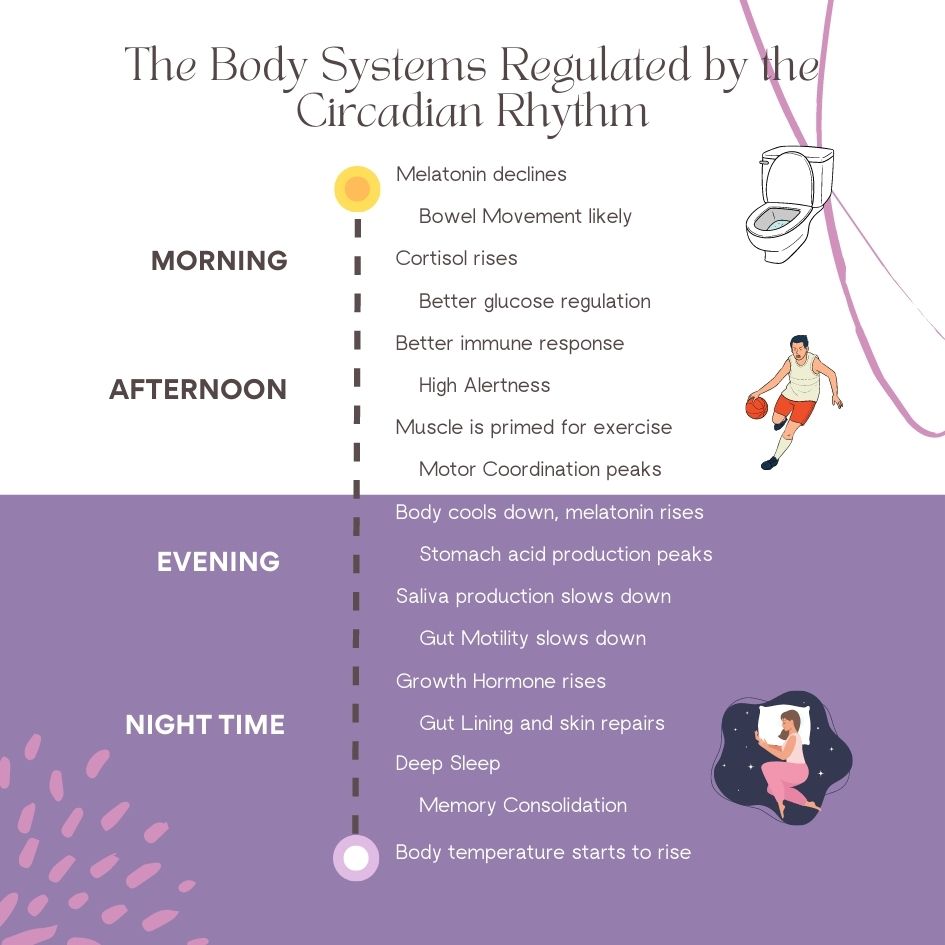
Circadian rhythm disorders can disrupt the natural sleep-wake cycles that are essential for maintaining optimal health and well-being. These disorders can lead to a range of symptoms that affect an individual’s quality of life, including chronic fatigue, mood disturbances, and cognitive impairments. Understanding the various types of circadian rhythm sleep disorders and their treatment options is crucial for anyone affected by these conditions.
Types of Circadian Rhythm Sleep Disorders and Their Symptoms
Circadian rhythm sleep disorders encompass a variety of conditions, each with distinct symptoms that can severely impact daily functioning. Below are some of the principal types of these disorders along with their specific symptoms:
- Delayed Sleep Phase Disorder (DSPD): Individuals with DSPD find it difficult to fall asleep until very late at night and consequently have trouble waking up in the morning. Symptoms include excessive daytime sleepiness, difficulty concentrating, and irritability.
- Advanced Sleep Phase Disorder (ASPD): This disorder is characterized by an early sleep onset and early awakening. Symptoms often include difficulty staying awake in the evening and waking up too early, which can lead to sleep deprivation and mood disturbances.
- Non-24-Hour Sleep-Wake Disorder: Common among blind individuals, this disorder results in a sleep-wake cycle that does not align with the 24-hour day. Symptoms can include fluctuating sleep times, excessive daytime sleepiness, and difficulty maintaining a regular schedule.
- Shift Work Disorder: This disorder affects those who work non-traditional hours, leading to sleep disruption and misalignment with the natural circadian rhythm. Symptoms may include insomnia, excessive fatigue, and decreased performance at work.
- Jet Lag Disorder: Occurring after long-distance travel across multiple time zones, jet lag can cause symptoms such as insomnia, daytime fatigue, and gastrointestinal issues as the body struggles to adjust to the new time zone.
Addressing these disorders can have a profound impact on overall well-being.
Treatment Options for Circadian Rhythm Disorders
Treatment for circadian rhythm disorders typically involves a combination of lifestyle changes, behavioral strategies, and, in some cases, medication. Effective approaches may include:
- Light Therapy: Exposure to bright light at specific times can help reset the circadian clock, particularly useful for those with DSPD or Non-24-Hour Sleep-Wake Disorder.
- Cognitive Behavioral Therapy for Insomnia (CBT-I): This therapy aims to address the thoughts and behaviors that contribute to sleep disturbances, providing individuals with coping strategies to improve sleep.
- Chronotherapy: Gradual adjustments to sleep schedules can help realign circadian rhythms, especially for those with DSPD or ASPD.
- Medication: In some cases, doctors may prescribe melatonin or other sleep aids to assist in regulating sleep patterns.
- Sleep Hygiene Practices: Encouraging consistent sleep schedules, creating a restful sleep environment, and minimizing screen time before bed can enhance sleep quality.
Testimonials on Improvements from Circadian Rhythm Disorders
Many individuals have shared their success stories after addressing their circadian rhythm disorders.
“After struggling with Delayed Sleep Phase Disorder for years, I started light therapy and gradually shifted my sleep schedule. Now, I can wake up refreshed and ready for the day!”
“Using CBT-I techniques transformed my sleep patterns. I no longer feel like a zombie during the day; I’ve regained my energy and focus!”
“Adjusting my work hours and practicing good sleep hygiene has made a world of difference. I used to dread waking up, but now I feel in control of my sleep.”
The journey to improving sleep quality is unique for each individual, but with the right approaches, many have found effective ways to conquer their circadian rhythm disorders and enhance their quality of life.
Animals also demonstrate fascinating circadian rhythms that offer insight into biological processes.
Circadian rhythms in animals present a captivating dimension of biological timing that often diverges significantly from human patterns. These rhythms govern not only sleep and wake cycles but also influence feeding, reproduction, and migratory behaviors. Understanding these variations can shed light on evolutionary adaptations across different species and ecosystems.
One notable difference between animal and human circadian rhythms lies in their adaptation to specific ecological niches. While humans typically follow a 24-hour cycle driven by sunlight, many animals have developed unique rhythms that cater to their survival strategies. Some species exhibit nocturnal behavior, allowing them to hunt or forage during the night when competition is lower and predators are less active. In contrast, diurnal animals, including humans, are active during daylight hours, benefiting from the visibility and warmth of the sun.
Examples of Animal Adaptations Based on Circadian Rhythms
Circadian rhythms have led to remarkable adaptations in various ecosystems. Here are some examples that highlight these strategies:
- Desert Animals: Species like the kangaroo rat are primarily active at night to avoid the daytime heat. Their circadian rhythms align with cooler temperatures, minimizing water loss and energy expenditure.
- Marine Life: Many fish and marine mammals exhibit vertical migration patterns, moving to the surface at night to feed and descending during the day to evade predators. This behavior is driven by the circadian rhythms that synchronize with light availability.
- Bird Migration: Birds such as the Arctic tern utilize circadian rhythms to time their migratory journeys. These rhythms ensure they travel during optimal weather conditions and feeding opportunities, significantly impacting their breeding and feeding success.
- Insects: Certain moth species are attracted to light at night due to their circadian cycles. This behavior enhances their mating opportunities and feeding on night-blooming flowers.
The evolutionary significance of circadian rhythms becomes clear when considering survival and reproduction. Animals have developed these internal clocks to optimize foraging, mating, and predator avoidance. By synchronizing daily activities with environmental changes, species enhance their chances of survival. For instance, the timing of reproduction in many animals is often linked to seasonal changes in day length, ensuring that offspring are born during periods of abundant resources.
“Circadian rhythms are nature’s way of providing timing cues that enhance survival and reproductive success.”
Final Review
In summary, the study of circadian rhythms reveals their profound impact on various aspects of health. By recognizing the influence of light exposure, work schedules, and dietary habits, individuals can make informed choices to improve their circadian alignment. Addressing disturbances in these rhythms is crucial, not only for enhancing sleep quality but also for promoting overall health and well-being. Embracing the natural rhythms of our bodies can lead to a happier, healthier life.
FAQ Overview
What are circadian rhythms?
Circadian rhythms are biological processes that follow a roughly 24-hour cycle, regulating sleep, hormone release, and other bodily functions.
How do I know if my circadian rhythm is disrupted?
Signs of a disrupted circadian rhythm include difficulty falling asleep, waking up frequently during the night, and feeling excessively tired during the day.
Can I reset my circadian rhythm?
Yes, you can reset your circadian rhythm by maintaining a consistent sleep schedule, reducing light exposure before bedtime, and getting natural light exposure during the day.
How does aging affect circadian rhythms?
Aging can lead to changes in circadian rhythms, often resulting in earlier sleep and wake times, as well as increased difficulty maintaining sleep.
Are there supplements that can help with circadian rhythm issues?
Melatonin supplements may help regulate sleep-wake cycles, especially for those experiencing sleep disturbances related to circadian rhythm disruptions.