
 Caroline Sarah
Pillows are more than just soft supports for our heads; they have a fascinating history and play a crucial role in our sleep quality. From ancient times when they were made of stone or wood to today’s luxurious memory foam options, pillows have evolved tremendously in both design and function. They reflect cultural variations, preferences, and innovations that speak to the heart of comfort.
In this exploration, we delve into the science behind pillow ergonomics, the different types of pillows available, and the psychological impact they have on our overall well-being. By understanding the materials, designs, and care required for different pillow types, we can enhance our sleep experiences and, ultimately, our daily lives.
The Evolution of Pillows Throughout History
Pillows have been an essential component of human comfort and culture for centuries, serving not only functional purposes but also embodying the social and artistic expressions of various civilizations. From the rudimentary forms used in ancient societies to the elaborate designs of today, pillows have evolved significantly, reflecting changes in materials, techniques, and cultural significance across different eras.
Throughout history, pillows have been made from a variety of materials, each contributing to the comfort and utility of these items. In ancient Egypt, for example, pillows were often crafted from wood, stone, or clay, designed to support the head while sleeping. These hard materials were believed to help maintain alignment and protect against pests. Moving to ancient China, silk and feathers became popular, as they offered increased softness and comfort. The use of down feathers was a significant innovation, allowing for a lightweight yet supportive cushion. In medieval Europe, pillows began to be stuffed with straw, hay, or down, with the introduction of cotton in the Renaissance period marking a notable shift towards softer bedding options. By the 19th century, the introduction of synthetic materials such as polyester and memory foam revolutionized pillow design, allowing for enhanced support and adaptability to individual sleep needs.
Cultural variations in pillow design and usage illustrate the diversity of human experience and preferences. In Japan, traditional *tatami* mats often paired with *zabuton* cushions reflect a minimalist aesthetic, prioritizing simplicity and functionality. Conversely, in the Middle East, ornate pillows adorned with rich fabrics and intricate patterns signify luxury and hospitality, often used in social settings. In many Western cultures, the modern pillow has transformed into a symbol of comfort and personal preference, available in various shapes and sizes, including the popular memory foam and gel-infused varieties.
The evolution of pillows not only showcases material advancements but also highlights cultural distinctions that shape our sleeping environments and comfort preferences. Understanding this rich history can inform our choices today as we seek both comfort and cultural resonance in our bedding.
The Science of Sleep and Pillow Ergonomics
The design of pillows plays a crucial role in influencing sleep quality and overall health. Pillows that are not aligned with the natural curvature of the spine can lead to discomfort, poor sleep posture, and even long-term health issues. Understanding the science behind pillow ergonomics can help individuals choose the right pillow for their specific sleep needs, thereby improving sleep quality and health outcomes.
Pillow firmness and shape are essential factors in determining how well a pillow supports the head and neck during sleep. Firmer pillows provide better support for individuals who sleep on their back or stomach, while softer pillows may be preferable for side sleepers, as they allow for better contouring and cushioning. The shape of the pillow can also significantly affect comfort; for instance, contoured pillows are designed to cradle the neck and maintain proper alignment, which can reduce the risk of waking up with neck pain. According to a study published in the *Journal of Chiropractic Medicine*, the optimal pillow height for maintaining neck alignment varies among individuals, typically ranging between 4 to 6 inches for side sleepers and around 2 to 4 inches for back sleepers.
Pillow Materials and Their Impact on Sleep Health
Pillow materials can significantly influence sleep health, affecting not only comfort but also factors like temperature regulation and allergen resistance. Various materials offer distinct advantages:
1. Memory Foam: This material conforms to the shape of the head and neck, providing personalized support that can alleviate pressure points. However, it may retain heat, potentially causing discomfort for hot sleepers.
2. Latex: Natural latex pillows offer excellent support and are hypoallergenic. They tend to be more breathable than memory foam, making them favorable for those who sleep hot.
3. Down and Feather: These pillows are known for their softness and luxurious feel. They can be fluffed and adjusted for height, but may not provide the necessary support for people with neck issues.
4. Buckwheat Hulls: These pillows conform well to the shape of the head and neck and promote airflow, which helps regulate temperature. They are also adjustable, offering customizable support.
5. Polyester: Often more affordable, polyester pillows can vary widely in quality. While they are lightweight and easy to maintain, they may not provide adequate support over time, leading to potential neck and back pain.
Choosing the right pillow material is crucial for achieving optimal sleep health and comfort.
In summary, the right pillow can greatly enhance sleep quality. Selecting a pillow based on firmness, shape, and material can help maintain proper neck alignment and reduce the risk of discomfort, ensuring a restful night’s sleep.
Types of Pillows and Their Specific Benefits
When it comes to achieving a good night’s sleep, the type of pillow you choose plays a crucial role. Different materials and designs cater to various sleep positions and personal preferences, making it essential to find the right one for your needs. This discussion will explore the unique characteristics and advantages of various pillow types, specifically focusing on memory foam, latex, and down pillows.
Memory Foam Pillows
Memory foam pillows are known for their ability to contour to the shape of your head and neck, providing personalized support. They are particularly beneficial for back and side sleepers. The material adapts to your body heat, ensuring a comfortable fit and promoting proper spinal alignment.
- Advantages for Sleep Positions: Memory foam pillows provide ideal support for back and side sleepers, as they help maintain the natural curve of the spine.
- Recommended for: Those with neck pain or who prefer a pillow that conforms to their personal shape. Popular products include the Tempur-Pedic TEMPUR-Neck Pillow and the Coop Home Goods Adjustable Pillow.
- Allergy Considerations: Many memory foam pillows are hypoallergenic and resistant to dust mites, making them a good choice for allergy sufferers.
Latex Pillows
Latex pillows are made from natural or synthetic latex foam. They are known for their durability, breathability, and firm support. These pillows are often recommended for stomach sleepers, as they provide a flatter surface that prevents neck strain.
- Advantages for Sleep Positions: Latex pillows offer a supportive yet soft feel, making them suitable for stomach sleepers while also benefiting back sleepers who prefer a firmer pillow.
- Recommended for: Individuals who enjoy a cooler sleep environment and require durable, long-lasting pillows. The Talalay Latex Pillow and the Dunlopillo Latex Pillow are popular options.
- Allergy Considerations: Natural latex is resistant to mold and dust mites, making it an excellent choice for allergy-prone sleepers.
Down Pillows
Down pillows, filled with the soft feathers from ducks or geese, are renowned for their plush feel and luxurious comfort. They offer a unique combination of softness and support, making them a favored option for various sleeping positions.
- Advantages for Sleep Positions: Down pillows are flexible and can be easily molded to suit back, side, or stomach sleepers, providing adaptable support.
- Recommended for: Those seeking a soft, plush pillow that can be customized for comfort. Popular choices include the Pacific Coast Feather Company Down Pillow and the Brookstone BioSense Pillow.
- Allergy Considerations: For allergy sufferers, hypoallergenic down alternatives made from synthetic materials are available, offering similar comfort without the allergens.
Choosing the right pillow is not just about comfort; it directly impacts sleep quality and overall health. Each pillow type caters to different preferences and sleeping styles.
DIY Pillow Making
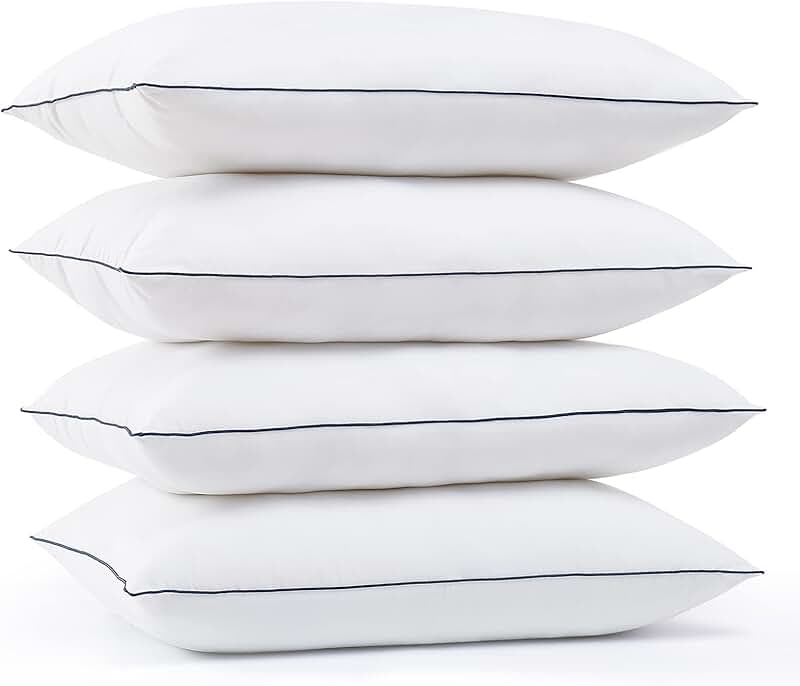
Creating your own pillows can be a delightful and rewarding project. Whether you’re looking to add a personal touch to your home décor or you want a specific comfort level, making pillows from scratch allows for endless possibilities. This guide will walk you through the essentials of DIY pillow making, including the materials and tools you’ll need, as well as tips for choosing the perfect filling for a personalized experience.
Materials and Tools for DIY Pillows
Before diving into the pillow-making process, it’s essential to gather the right materials and tools. This will ensure that your end product not only looks good but also feels great. Here’s a list of what you will need:
- Fabric: Choose cotton, linen, or even fleece for varied textures and aesthetics.
- Filling: Options include polyester fiberfill, memory foam, or natural fillings like down or feathers.
- Thread: Ensure it matches your fabric for a seamless look.
- Sewing Machine: A basic machine will suffice, but a serger can provide a professional finish.
- Scissors: Fabric scissors are ideal for clean cuts.
- Measuring Tape: Accurate measurements are critical for a perfect fit.
- Pins: Pinning will help you keep your fabric in place while sewing.
- Iron: Use this to smooth out your fabric before and after sewing.
Choosing the right filling is pivotal in achieving the desired comfort for your pillows. The filling not only affects the pillow’s firmness, but it also impacts its shape retention and overall feel.
The most common choices for pillow filling include polyester fiberfill, down and feathers, and memory foam. Polyester fiberfill is affordable, hypoallergenic, and easy to care for, making it a popular choice for home projects. Down and feather fillings, while luxurious and soft, require regular fluffing and are generally more expensive. Memory foam offers excellent support for those seeking a firm and contouring cushion, ideal for neck or lumbar support. When selecting a filling, consider your comfort preferences, any allergies, and how much maintenance you’re willing to perform.
“The right filling transforms a simple pillow into a personalized comfort accessory.”
As a final touch, always think about the purpose of the pillow. Decorative pillows may benefit from lighter fill that keeps their shape, while functional pillows used for sleeping or support should prioritize comfort and durability. By thoughtfully selecting your materials and filling, your DIY pillows will not only enhance your living space but also cater to your individual comfort needs.
Maintenance and Care for Different Pillow Types
Proper maintenance and care for your pillows is essential to ensure their longevity and to maintain a healthy sleeping environment. Different types of pillows, such as memory foam, down, and synthetic, require specific care routines to keep them in optimal condition. This section will provide best practices for washing and maintaining various pillow types, as well as signs indicating when it may be time to replace your pillow.
Washing and Maintaining Pillows
Each pillow type has unique care requirements. For memory foam pillows, it is crucial to avoid washing them in a machine, as this can damage the foam structure. Instead, spot cleaning with a mild detergent and water is recommended. To maintain their shape, memory foam pillows should be air-dried completely before putting them back in a pillowcase.
Down pillows benefit from regular fluffing to maintain their loft. Washing down pillows can be done in a machine using a gentle cycle with cold water and a mild detergent. It is essential to dry them thoroughly on low heat, preferably with dryer balls, to prevent clumping. Synthetic pillows can typically withstand machine washing and drying; however, always check the care tag.
Signs to Replace a Pillow
Recognizing when to replace your pillow is vital for your comfort and health. Over time, pillows can become worn and less effective, leading to poor sleep quality. Some common signs that indicate it may be time for a replacement include:
- Visible lumps or uneven surfaces: If your pillow has developed lumps or feels uneven, it may no longer provide adequate support.
- Persistent odors: Foul smells can indicate the presence of bacteria or mold, which is a sign that the pillow should be replaced.
- Allergy symptoms: Increased sneezing or allergy flare-ups at night can suggest that your pillow has accumulated dust mites or other allergens.
- Loss of support: If you find yourself waking up with neck or shoulder pain, it may indicate that your pillow is no longer providing the necessary support.
- Age of the pillow: Generally, pillows should be replaced every 1-2 years, depending on the material and usage.
Checklist for Optimal Pillow Condition
To keep your pillows in optimal condition over time, consider the following checklist:
- Regularly fluff and shake pillows to maintain loft.
- Utilize pillow protectors to guard against dust mites and spills.
- Wash pillows according to the care instructions every few months.
- Replace pillows every 1-2 years, or sooner if signs of wear are evident.
- Store pillows in a cool, dry place to prevent moisture buildup.
Taking these steps will not only extend the life of your pillows but also contribute to a healthier sleep environment.
The Psychological Impact of Pillows on Sleep Quality
The aesthetic and functional aspects of pillows play a significant role in enhancing sleep quality, impacting not only physical comfort but also influencing mental wellbeing. A well-chosen pillow can create a soothing sleep environment that contributes to relaxation and improved mood. This segment explores how the visual appeal of pillows, their comfort level, and their ability to personalize a sleep space can affect one’s overall sleep experience and psychological health.
Aesthetic Influence on Mood and Relaxation
The visual characteristics of pillows, such as color, texture, and design, can greatly influence one’s mood and the overall ambiance of a bedroom. Bright and lively colors may instill a sense of energy and positivity, while soft, neutral tones can evoke calmness and serenity. Additionally, the texture of a pillow contributes to tactile comfort, which can enhance feelings of relaxation.
Choosing pillows that align with personal style preferences creates a more personalized and inviting sleep environment. A cozy and well-decorated bedroom fosters a sense of belonging, leading to reduced stress levels. For instance, a beautifully arranged bed with plush pillows can evoke feelings of comfort and security, which are essential for a restful night’s sleep.
Connection Between Pillow Comfort and Mental Wellbeing
The comfort provided by pillows directly correlates with the quality of sleep and mental wellbeing. A pillow that supports the head and neck appropriately can alleviate physical discomfort, enabling deeper sleep cycles. Quality sleep is crucial for mental clarity, emotional regulation, and overall psychological health. Research indicates that inadequate sleep can lead to increased anxiety, irritability, and even depression.
Furthermore, the act of setting up a sleep environment tailored to one’s preferences, including selecting the right pillow, can have positive psychological effects. Individuals who take the time to curate their bedrooms for comfort often experience a greater sense of control over their sleep quality. This control can mitigate feelings of helplessness and promote a healthier mindset.
In essence, a well-chosen pillow not only enhances physical comfort but also contributes to a peaceful sleep environment that nurtures mental health. The right pillow can lead to improved rest and a more balanced emotional state, representing a small yet significant element in the broader context of sleep quality and psychological wellbeing.
Innovative Pillow Technologies of the Future
As technology continues to evolve, the pillow industry is not left behind. Emerging trends are paving the way for innovative features that are set to enhance sleep experiences significantly. Smart pillows equipped with built-in technologies are becoming more commonplace, promising a sleep environment that adapts to individual needs and preferences. These advancements are not merely about comfort; they integrate health-focused features that can monitor sleep patterns, adjust firmness, and even provide personalized soundscapes for relaxation.
The impact of technology on traditional pillow manufacturing has been profound. With advancements in materials science, pillows are now being created from high-tech fabrics that offer enhanced breathability, moisture-wicking capabilities, and improved support. This evolution signifies a departure from conventional materials like cotton and polyester to more sophisticated options like memory foam infused with cooling gels or breathable mesh layers. Such materials can dynamically respond to body heat and pressure, ensuring a more personalized and comfortable sleep experience.
Smart Pillow Features
The integration of technology into pillows has led to a variety of innovative features designed to enhance sleep quality. These include:
- Sleep Tracking: Smart pillows can track sleep patterns, providing users with valuable insights about their sleep quality through integrated sensors. This data can help users make informed decisions about their sleep habits.
- Adjustable Support: Many modern pillows come with adjustable fillings or air chambers that allow users to customize the firmness and height according to their preference, ensuring optimal neck and spine alignment.
- Sound and Vibration: Some smart pillows are equipped with sound systems that produce white noise or soothing music, while others offer gentle vibrations to help users fall asleep or wake up without disturbing their partners.
- Temperature Control: Innovative cooling technologies are being built into pillows, helping to regulate temperature for a more comfortable sleep throughout the night.
The shift towards these sophisticated features is reshaping consumer expectations and creating new standards for what pillows can offer. As the industry embraces these emerging trends, the future of sleep is becoming more personalized and technology-driven, leading to better overall health and well-being.
Conclusion
In conclusion, pillows are a significant element of our sleep environment, influencing not just comfort but also our health and mood. As we have seen, choosing the right pillow involves understanding its historical context, scientific principles, and personal preferences. Whether you prefer a plush down pillow or a supportive memory foam option, the right choice can lead to improved sleep quality and a rejuvenated start to your day.
Top FAQs
How often should I replace my pillow?
It’s generally recommended to replace pillows every 1 to 2 years, depending on the material and wear.
Can pillows cause neck pain?
Yes, the wrong type of pillow can lead to neck pain by not supporting proper spinal alignment during sleep.
What is the best pillow for side sleepers?
A thicker, firmer pillow that maintains neck alignment is typically best for side sleepers.
Are there hypoallergenic pillow options?
Yes, there are many hypoallergenic pillows made from materials designed to resist allergens, such as latex and certain synthetic fibers.
How should I wash my pillows?
Most pillows can be machine washed on a gentle cycle; however, always check the care label for specific instructions.