
 Caroline Sarah
Comfortable mattress is essential for a good night’s sleep, playing a critical role in how well we rest and recover each night. A well-chosen mattress can greatly enhance sleep quality, leading to improved overall health and well-being.
This guide delves into the significance of mattress comfort, the various types available, and key factors to consider when making a choice. By understanding these elements, you can ensure that your mattress provides the support and comfort you need for a rejuvenating sleep.
Understanding the importance of a comfortable mattress
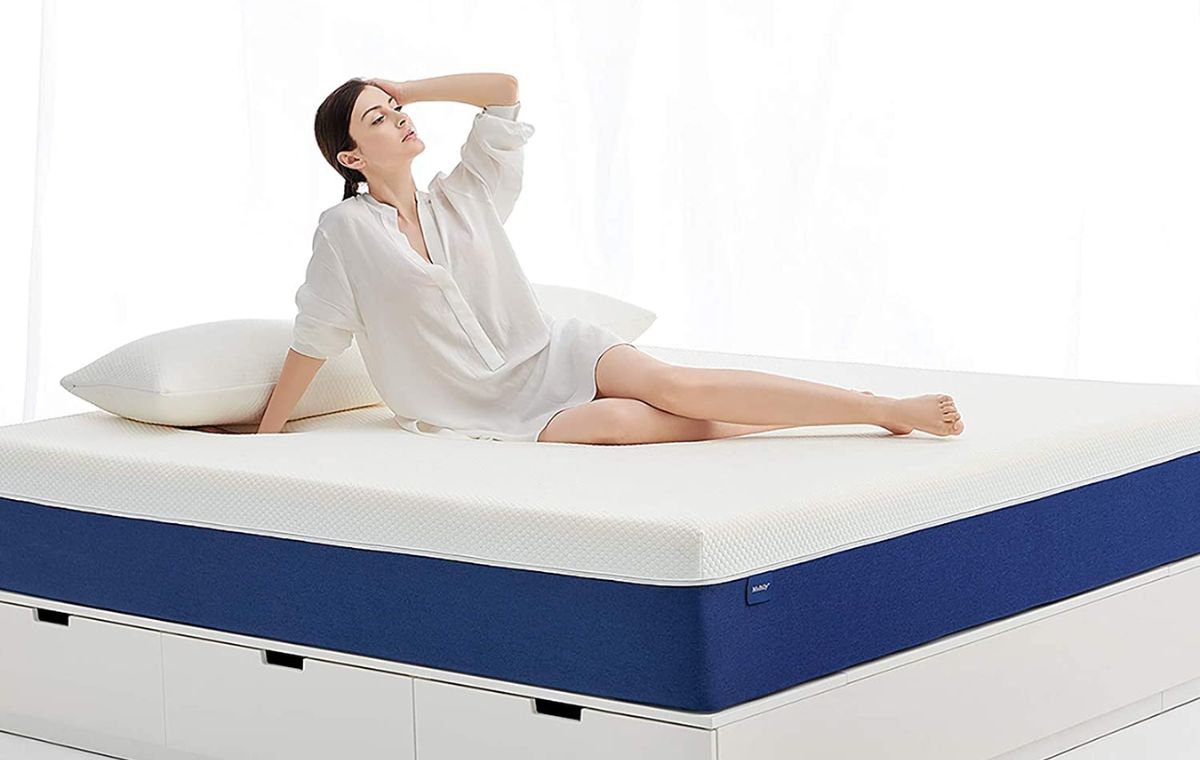
A comfortable mattress is essential for achieving a good night’s sleep, which is often overlooked in our fast-paced lives. The quality of the mattress directly influences not only how well we sleep but also our overall health and well-being. Prioritizing mattress comfort is a key step toward ensuring restorative sleep and maintaining a vibrant lifestyle.
The impact of a comfortable mattress on sleep quality cannot be understated. Studies show that sleeping on a suitable mattress significantly reduces sleep disturbances and improves sleep duration. A mattress that offers adequate support helps align the spine and reduces the likelihood of waking up with aches or pains. This results in deeper sleep cycles, allowing the body to go through essential restorative processes during the night.
Relationship between mattress comfort and overall health
Having an appropriate mattress contributes to various aspects of overall health. Poor sleep quality can lead to a myriad of health issues, including obesity, heart disease, and weakened immune function. On the other hand, a comfortable mattress fosters better sleep hygiene, thereby promoting physical health, mental clarity, and emotional stability. The following points illustrate how mattress comfort influences health:
- Reduced Stress Levels: A comfortable mattress can alleviate stress, leading to a calmer mind and body, which is crucial for mental health.
- Improved Posture: A supportive mattress encourages proper spine alignment, reducing the risk of chronic pain and discomfort.
- Enhanced Productivity: Quality sleep translates into better focus and productivity during waking hours, positively impacting professional and personal life.
- Better Mood Regulation: Consistent, restful sleep helps regulate mood and emotional responses, contributing to overall mental well-being.
Key features that contribute to mattress comfort
Several features define the comfort level of a mattress, affecting individual preferences and sleep quality. Understanding these features can help in selecting the ideal mattress tailored to one’s needs. Key aspects to consider include:
- Material Quality: Gel-infused memory foam, latex, or hybrid designs can offer varying levels of comfort and support, significantly affecting sleep experience.
- Firmness Level: The firmness of the mattress plays a crucial role; while some might prefer a firmer surface for back support, others may opt for plush softness for pressure relief.
- Cooling Properties: Mattresses with breathable materials or cooling technologies help maintain an optimal sleep temperature, which is essential for uninterrupted sleep.
- Motion Isolation: For couples, a mattress that absorbs motion can prevent disturbances caused by movement, ensuring each partner enjoys undisturbed sleep.
“A comfortable mattress is not just a luxury; it is a fundamental part of achieving a healthy lifestyle.”
The different types of mattresses available today
In the ever-evolving world of sleep, the variety of mattresses available caters to diverse preferences and needs. Understanding the different types of mattresses can significantly enhance your comfort during sleep, ensuring a restful night. Each mattress type offers unique features, comfort levels, and benefits, making it essential to choose one that aligns with your sleeping habits and preferences.
Overview of Mattress Types
The four primary types of mattresses dominate the market today: memory foam, innerspring, latex, and hybrid. Each type has its own characteristics that can affect comfort, support, and durability, making it vital for consumers to understand their differences before making a purchase.
Memory Foam Mattresses
Memory foam mattresses are known for their ability to contour to the body, providing personalized support. They are made from viscoelastic foam that absorbs weight and pressure.
Memory foam adapts to your body’s shape, promoting proper alignment and reducing pressure points.
The comfort level is often rated as medium to firm, depending on the density of the foam.
Pros:
- Excellent pressure relief, which is beneficial for side sleepers.
- Reduces motion transfer, ideal for couples.
- Hypoallergenic properties make it suitable for allergy sufferers.
Cons:
- Can retain heat, making it uncomfortable for hot sleepers.
- Some may find it too soft or lacking in bounce.
- Off-gassing odors may occur upon unboxing.
Innerspring Mattresses
Innerspring mattresses are constructed with a system of coils to provide support, often topped with layers of foam or padding for comfort. They are widely recognized for their traditional feel and bounce.
Innerspring mattresses offer a classic sleeping experience with a combination of support and comfort.
The comfort level varies from soft to firm, depending on the coil configuration and additional materials used.
Pros:
- Good airflow, which helps with temperature regulation.
- Firm support, suitable for back sleepers.
- Widely available at various price points.
Cons:
- May create pressure points for side sleepers.
- Tends to transfer motion, which can disturb partners.
- Durability can be an issue, especially with lower-quality models.
Latex Mattresses
Latex mattresses are made from natural or synthetic rubber and are known for their durability and responsiveness. They provide a buoyant feel and are often favored for their eco-friendly properties.
Latex mattresses strike a balance between comfort and support while being environmentally conscious.
The firmness can range from medium to firm, depending on the type of latex used.
Pros:
- Excellent durability, often outlasting other mattress types.
- Resilient and responsive, offering good support.
- Natural latex is antimicrobial and resistant to dust mites.
Cons:
- Can be heavier and difficult to move.
- Higher price point compared to other types.
- Some may find it too firm without additional padding.
Hybrid Mattresses
Hybrid mattresses combine elements from innerspring and foam mattresses, featuring a coil support system along with layers of memory foam or latex. This design aims to provide the best of both worlds.
Hybrid mattresses offer a versatile sleeping experience, catering to various comfort preferences.
The comfort level is usually medium, balancing support and cushioning effectively.
Pros:
- Combines the support of coils with the comfort of foam.
- Good airflow, reducing heat retention.
- Accommodates a variety of sleeping positions.
Cons:
- Can be more expensive than traditional mattresses.
- Weight can make them cumbersome to handle.
- Quality varies significantly among brands.
Understanding the distinctions among these mattress types can help you make an informed decision that leads to a better night’s sleep. Each type has its unique attributes, ensuring that there is something for everyone.
Factors to consider when choosing a comfortable mattress
When it comes to selecting a comfortable mattress, several personal and financial factors can significantly influence your choice. A mattress that provides the right level of comfort and support can drastically improve sleep quality, which is essential for overall health and well-being. Understanding these factors is key to making an informed decision that will lead to a restful night’s sleep.
Personal factors affecting mattress comfort
To find the perfect mattress, consider personal characteristics such as body weight and sleeping position, as these can greatly impact comfort levels. A mattress that works for one person may not suit another due to differences in these factors.
- Body Weight: Heavier individuals may require a firmer mattress to prevent sinking too deeply, which can cause discomfort. Conversely, lighter sleepers might find a softer mattress provides the necessary cushioning and support.
- Sleeping Position: Different positions—such as back, side, or stomach sleeping—demand different levels of support. Side sleepers often benefit from softer mattresses that allow for pressure relief on hips and shoulders, while back and stomach sleepers generally need firmer support to maintain spinal alignment.
Importance of firmness in relation to comfort
Firmness is a crucial aspect to consider when selecting a mattress, as it directly influences comfort and support. A common scale ranges from soft to firm, each providing different benefits.
- Soft Mattresses: These mattresses offer more cushioning, ideal for those who prefer a plush feel or sleep on their side, promoting pressure relief.
- Medium Firm Mattresses: Often seen as a balanced option, these mattresses suit a wide variety of sleepers and provide a blend of support and comfort.
- Firm Mattresses: Recommended for stomach sleepers and individuals who require more support to prevent back pain, ensuring proper spinal alignment.
Choosing the right firmness level can mean the difference between waking up refreshed or with aches and pains.
Impact of budget on mattress selection
Budget plays a significant role in mattress selection, influencing choices regarding materials, brands, and overall quality. A well-allocated budget can lead to a more satisfying purchase.
- Entry-Level Mattresses: Typically priced lower, these options may not provide adequate durability or comfort. They often use lower-quality materials, which can lead to quicker wear and tear.
- Mid-Range Mattresses: Offering a balance of quality and affordability, these mattresses often employ better materials and construction, providing increased comfort and longevity compared to entry-level options.
- High-End Mattresses: While more expensive, these mattresses often feature advanced materials and enhanced design for superior comfort and support, often backed by extensive warranties.
Investing in a quality mattress can lead to better sleep and long-term health benefits, making it a worthwhile expense.
The role of mattress materials in achieving comfort
The comfort of a mattress is significantly influenced by the materials used in its construction. Each material has unique properties that contribute to support, pressure relief, and overall sleep quality. Understanding these materials can help consumers make informed choices when selecting a mattress that meets their comfort needs.
Different mattress materials play a crucial role in not only enhancing comfort but also regulating temperature during sleep. Temperature regulation is vital for a restful night’s sleep, as it helps maintain an ideal sleeping environment. Several materials used in mattresses excel in this area, ensuring that body heat is managed effectively, preventing overheating or excessive coolness throughout the night.
Common mattress materials and their effects
The following materials are commonly found in comfortable mattresses, each offering specific benefits that contribute to overall comfort:
- Memory Foam: Known for its ability to contour to the body, memory foam provides excellent pressure relief and support. It absorbs movement, making it ideal for couples. However, it can retain heat, which might be mitigated by incorporating cooling gels.
- Latex: Natural latex is breathable and resilient, offering a responsive feel. It maintains a cooler sleeping surface due to its open-cell structure, which promotes airflow, making it a great choice for warm sleepers.
- Innerspring: Traditional innerspring mattresses feature coils that provide support and bounce. They often include layers of foam or pillow tops for added comfort. The space between coils allows for airflow, helping to regulate temperature effectively.
- Hybrid: Combining the benefits of innerspring and foam, hybrid mattresses typically consist of a coil support system topped with layers of foam or latex. This design offers support, comfort, and better temperature control.
Temperature regulation in mattress materials
Temperature regulation in mattresses is essential for comfort during sleep. The following aspects illustrate how different materials help manage body heat:
- Cooling Gel Memory Foam: This innovation combines the pressure-relieving properties of memory foam with cooling gel to dissipate heat, allowing for a more comfortable sleep experience.
- Phase Change Materials (PCMs): Incorporating PCMs into mattresses allows them to absorb, store, and release heat when needed, maintaining a consistent temperature throughout the night.
- Bamboo and Tencel Fabrics: These fabrics are known for their moisture-wicking properties, helping to keep the surface dry and cool. They are often used as covers for mattresses to enhance breathability.
Examples of high-quality materials
High-quality materials can significantly enhance mattress comfort and durability. Some notable examples include:
- Talalay Latex: This type of latex is known for its softness and uniformity, providing a plush feel without sacrificing support. It’s also hypoallergenic and resistant to dust mites.
- High-Density Foam: Used in premium mattresses, high-density foam offers better durability and support, ensuring that the mattress maintains its shape and comfort over time.
- Individually Wrapped Coils: These coils move independently, providing targeted support and reducing motion transfer, enhancing sleep quality for partners.
“The right materials in a mattress can transform your sleep experience, ensuring you wake refreshed and ready to tackle the day.”
How to test a mattress for comfort before purchasing
When it comes to buying a mattress, ensuring comfort should be your top priority. The right mattress can significantly impact your sleep quality, health, and overall well-being. To make an informed decision, it’s essential to know how to properly test a mattress in-store and consider factors like return policies and trial periods.
Guideline for evaluating mattress comfort during in-store testing
Testing a mattress in-store requires a systematic approach to ensure you’re making a well-informed choice. Start by spending a few minutes on each mattress you’re considering. Pay attention to how your body feels while lying down. Here are key aspects to evaluate:
- Body Support: Ensure the mattress supports your spine’s natural alignment. When lying on your back, your head, shoulders, and hips should be aligned. For side sleepers, the mattress should cushion the shoulders and hips without creating gaps.
- Pressure Relief: Notice if any pressure points develop, especially around the shoulders, hips, and lower back. A good mattress should provide comfort without forcing your joints into awkward positions.
- Firmness Level: Everyone has different preferences for firmness. Test various levels—from soft to firm—to find what feels best for you, keeping in mind that a supportive feel does not always mean a hard surface.
- Temperature Regulation: Some mattresses retain heat. If possible, inquire about breathable materials or cooling technologies that help maintain a comfortable temperature throughout the night.
Importance of taking time to lie on a mattress before buying
Rushing through mattress testing can lead to regrettable purchases. It’s crucial to take your time to truly gauge comfort.
“Spending at least 10 to 15 minutes on each mattress can help you better assess whether it meets your comfort needs.”
While lying down, adjust your position as you would during sleep. This helps in understanding how the mattress performs across different sleeping styles. Don’t hesitate to sit up, change positions, or even bounce slightly to feel how the mattress responds.
Significance of return policies and trial periods in mattress purchases
Before finalizing your purchase, always check the store’s return policy and available trial period. Many retailers offer a trial period that allows you to test the mattress in your home for a specified duration.
“A good trial period typically ranges from 30 to 100 nights, giving you ample time to adapt to the mattress and determine its comfort level.”
Understanding the return policy is equally essential. It should allow for returns or exchanges without excessive fees or complications. This safety net can offer peace of mind, knowing that if the mattress doesn’t work out, you have options to find one that suits your needs.
By adhering to these guidelines, you can confidently choose a mattress that provides the comfort and support necessary for a good night’s sleep.
Common myths about comfortable mattresses debunked
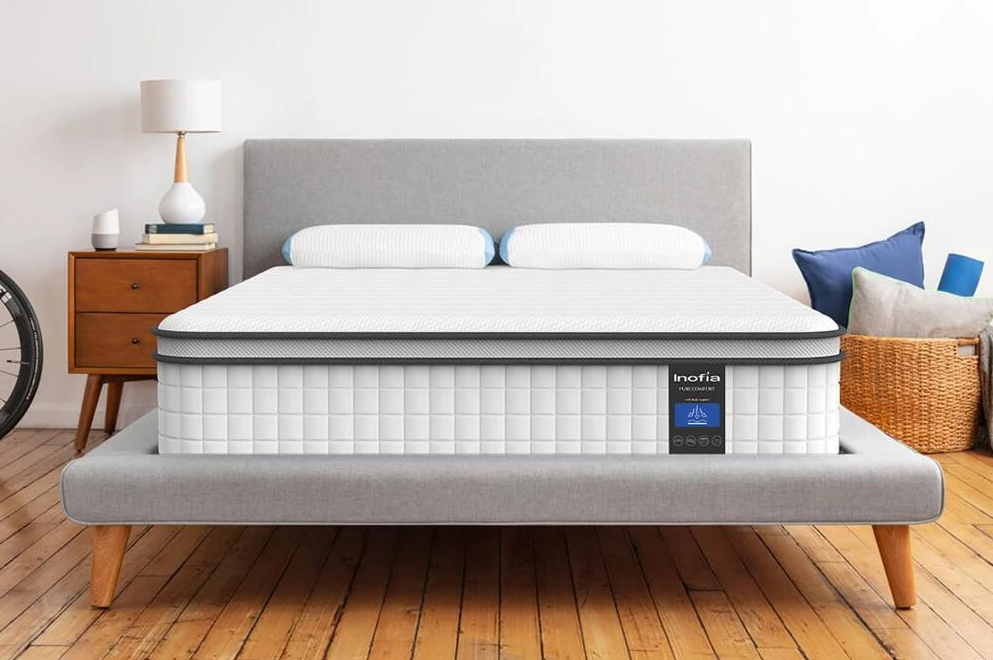
Many people hold misconceptions about what makes a mattress comfortable, often leading to misguided purchasing decisions. By addressing these prevalent myths, buyers can make more informed choices that enhance their sleep quality and overall well-being.
Understanding the truth behind these myths can significantly impact your mattress shopping experience. Misleading beliefs can not only confuse potential buyers but also steer them towards options that may not meet their needs. Below, several common myths about comfortable mattresses are clarified to help you navigate the mattress market with confidence.
Misconceptions About Firmness and Comfort
One of the most common myths is that a firmer mattress is always better for back support. However, comfort is subjective and varies with individual preferences. A mattress that is too firm can lead to discomfort, especially for side sleepers who require more cushioning for their shoulders and hips.
Choosing a mattress should focus on personal comfort rather than a universal standard of firmness.
It’s important to consider the following points regarding firmness and comfort:
- Different sleeping positions require different levels of support and cushioning.
- Pillow top mattresses provide additional comfort without sacrificing support.
- Body weight impacts how firmness feels; lighter individuals may prefer softer mattresses, while heavier individuals may opt for firmer options.
Price Equals Quality
Another prevalent myth is that higher-priced mattresses are always more comfortable and of better quality. While it’s true that premium brands often invest in better materials and technology, many affordable mattresses also deliver excellent comfort and support.
Price doesn’t always correlate with comfort; many budget-friendly options provide exceptional sleep experiences.
Key insights regarding price and mattress quality include:
- Brands often charge more for marketing rather than superior comfort.
- Consumer reports show mattresses priced under $600 can still receive high ratings for comfort and durability.
- Online mattress companies frequently offer competitive pricing due to lower overhead costs.
Memory Foam Causes Overheating
A common belief is that memory foam mattresses trap heat and cause overheating during sleep. While older memory foam models may have this issue, advancements in technology, such as cooling gel-infused foam and open-cell structures, have improved breathability and temperature regulation.
Modern memory foam mattresses are designed to keep you cool and comfortable throughout the night.
Important facts about memory foam include:
- Many memory foam mattresses now feature breathable covers that enhance airflow.
- Cooling technologies, including gel layers and phase-change materials, combat heat retention.
- Reviews indicate that many sleepers find modern memory foam comfortable without experiencing excess heat.
All Mattresses Are the Same
Some consumers believe that all mattresses provide the same level of comfort, missing the nuances that exist across different brands and types. Each mattress type—innerspring, latex, memory foam, and hybrid—offers unique benefits that cater to various preferences and needs.
Understanding the differences between mattress types is crucial for selecting the right option for your personal comfort.
Here’s a quick overview of various mattress types and their characteristics:
- Innerspring mattresses offer a traditional feel and are often more breathable.
- Latex mattresses provide excellent bounce and resilience, making them a good choice for combination sleepers.
- Hybrid mattresses combine innerspring support with foam comfort for a balanced feel.
The impact of mattress maintenance on comfort
Regular maintenance of your mattress is crucial for ensuring lasting comfort and support. A well-maintained mattress not only enhances your sleep experience but also extends the lifespan of your investment. Over time, neglect can lead to wear and tear, diminishing the quality of sleep and causing discomfort. Understanding the significance of keeping your mattress in top condition can greatly influence your overall well-being and sleep quality.
Prolonging Mattress Comfort Through Maintenance
Routine maintenance practices play a vital role in sustaining the comfort level of your mattress. By adhering to a few simple steps, you can ensure that your mattress remains both comfortable and supportive. Key maintenance activities include regular rotation and flipping of the mattress, which helps to distribute wear evenly and prevent sagging.
Additionally, keeping the mattress clean can significantly impact comfort. Dust mites, allergens, and stains not only create an unhealthy sleep environment but can also affect the mattress’s integrity. Regularly vacuuming the mattress surface can help eliminate dust and debris. Furthermore, using a protective cover can prevent stains and spills from penetrating the material.
Regular maintenance can significantly enhance your sleep quality and prolong the lifespan of your mattress.
Cleaning Methods to Enhance Mattress Longevity
Implementing effective cleaning methods is essential for maintaining a mattress’s comfort and extending its longevity. A few recommended cleaning practices include:
- Spot Cleaning: Use a mild detergent mixed with water to treat stains immediately. Dab the affected area gently with a cloth rather than scrubbing, which can damage the material.
- Deodorizing: Sprinkle baking soda over the surface of the mattress and let it sit for several hours. This helps absorb odors and moisture. Vacuum it off afterward for a fresh scent.
- Deep Cleaning: Every six months, consider deep cleaning your mattress. This may involve removing the mattress cover (if applicable) and washing it according to the manufacturer’s instructions.
- Using Mattress Protectors: Investing in a quality mattress protector can shield your mattress from spills, dust mites, and allergens, enhancing its lifespan and comfort.
Maintaining cleanliness and proper care not only contributes to the comfort of the mattress but also creates a healthier sleeping environment.
Signs Indicating Need for Mattress Replacement
Despite diligent maintenance, there comes a time when even the best mattresses need to be replaced. Being aware of the signs that indicate it’s time for a new mattress is crucial for ensuring a good night’s sleep. Some key indicators include:
- Visible Sagging: If you notice sagging or indentations where you typically sleep, it may indicate that the mattress has lost its support.
- Increased Allergies: If you experience increased allergy symptoms such as sneezing or congestion, it may be due to accumulated dust mites or allergens within the mattress.
- Persistent Discomfort: Frequent aches and pains upon waking, particularly in the back or neck, can signal that your mattress no longer provides adequate support.
- Old Age: Most mattresses have a lifespan of 7 to 10 years. If your mattress is approaching or exceeds this age, it’s worth considering a replacement.
Being attentive to these signs can help you maintain optimal comfort and support, ensuring a restful night’s sleep.
Recommendations for maximizing comfort on a mattress
Creating a comfortable sleeping environment is crucial for a good night’s rest. While having a high-quality mattress is important, several factors influence overall comfort. By adjusting your bedroom environment, incorporating the right accessories, and ensuring proper bed frame support, you can enhance your sleeping experience significantly.
Adjusting bedroom environment for comfort
The ambiance of your bedroom plays a vital role in how comfortable your mattress feels. A few adjustments can create a more restful space. Consider these elements:
- Room Temperature: Keeping your bedroom cool, ideally between 60-67°F (15-19°C), can promote better sleep quality. Adjusting the thermostat or using fans can help maintain this temperature.
- Lighting: Dim lighting in the evening helps signal to your body that it’s time to wind down. Consider using blackout curtains to block out light and promote a darker sleeping environment.
- Noise Levels: Minimizing noise can greatly enhance comfort. Using earplugs or a white noise machine can help drown out disruptive sounds.
- Air Quality: Keeping the air fresh and clean can improve sleep. Use air purifiers or ensure proper ventilation to reduce allergens.
Accessories that enhance mattress comfort
Adding the right accessories can significantly boost the comfort level of your mattress. Here are some key items to consider:
- Mattress Toppers: A good quality mattress topper can add extra cushioning and support, helping relieve pressure points. Options vary from memory foam to latex, each providing different levels of support.
- Pillows: Selecting the right pillow is equally crucial. A pillow that aligns with your sleeping position—whether you’re a side, back, or stomach sleeper—will enhance neck and spine alignment.
- Bed Sheets: Soft, breathable sheets made of materials like cotton or bamboo can add to the cozy feel of your mattress, allowing for a more comfortable sleep.
- Weighted Blankets: Using a weighted blanket can provide a sense of security and comfort, which may reduce anxiety and improve sleep quality.
Proper bed frame support for mattress comfort
The bed frame you choose plays a significant role in how well your mattress performs. A suitable frame ensures adequate support and prolongs the life of your mattress. Here are some important considerations:
- Type of Frame: A solid platform bed or a slatted frame provides excellent support. Ensure slats are no more than 3 inches apart to prevent sagging.
- Center Support: For larger mattresses, such as queen or king sizes, having a center support beam is crucial to prevent sagging and maintain mattress integrity.
- Compatibility: Make sure the bed frame is compatible with your specific mattress type. For example, an innerspring mattress often requires different support compared to a memory foam mattress.
“Investing in the right accessories and ensuring proper support can transform your mattress experience, making it a key element for restful nights.”
Concluding Remarks
In summary, selecting the right comfortable mattress is crucial for ensuring both quality sleep and overall health. With the right information and careful consideration of your personal needs, you can make an informed decision that enhances your sleep experience.
Key Questions Answered
How often should I replace my mattress?
It’s recommended to replace your mattress every 7-10 years, depending on its condition and your comfort level.
Does a more expensive mattress guarantee better comfort?
Not necessarily; comfort is subjective and depends on personal preference, so it’s vital to test mattresses regardless of price.
Can a mattress affect my posture?
Yes, a supportive mattress can help maintain proper alignment and reduce strain on your body, positively impacting your posture.
Are mattress toppers worth it?
Yes, mattress toppers can enhance comfort and support, making an older mattress feel more comfortable for a fraction of the cost of a new one.
What firmness level is best for side sleepers?
Medium to medium-soft mattresses are generally recommended for side sleepers to provide adequate cushioning for the shoulders and hips.