
 Caroline Sarah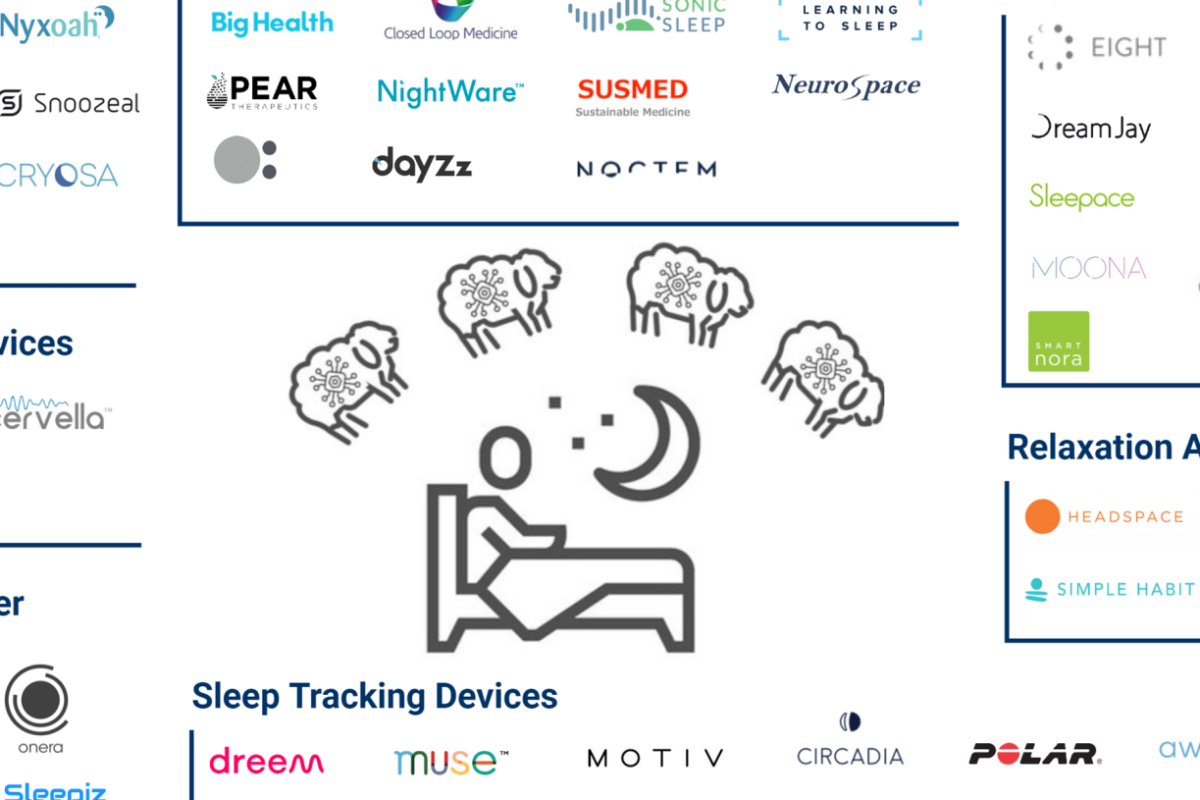
Sleep tech has emerged as a fascinating intersection of health and technology, reshaping how we approach rest and rejuvenation. As we delve into this realm, we uncover the layers of innovation that have transformed our understanding of sleep and the tools we use to enhance it.
From sleep tracking devices that provide insights into our nightly patterns to smart home technologies that create optimal sleep environments, the advancements in sleep tech are revolutionizing our sleep experiences. Over recent years, key players have developed groundbreaking solutions that not only address sleep disorders but also promote overall sleep quality, making this an exciting area of exploration.
Exploring the Evolution of Sleep Technology in Recent Years
The evolution of sleep technology has seen remarkable advancements over the past decade, driven by an increasing awareness of the importance of sleep for overall health and well-being. As stress levels rise and sleep disorders become more prevalent, the demand for effective sleep solutions has led to innovation across the industry. This evolution is characterized by the integration of technology into sleep-related products and services, enhancing the way we understand and improve our sleep quality.
Significant developments in sleep technology have shaped the industry landscape, transforming traditional sleep aids into sophisticated, tech-driven solutions. One of the most notable advancements is the rise of wearable sleep trackers, such as smartwatches and fitness bands, which use sensors to monitor sleep patterns, heart rate, and even blood oxygen levels. Companies like Fitbit and Apple have pioneered this space, providing users with detailed insights into their sleep cycles and overall health metrics. These devices have democratized sleep data, making it accessible to the general public and empowering individuals to take charge of their sleep health.
Another significant change is the emergence of smart mattresses and sleep environments. Brands like Sleep Number and Tempur-Pedic have introduced mattresses that can adjust firmness, temperature, and other factors to optimize sleep conditions. These innovations often integrate with apps that provide personalized recommendations based on collected data, tailoring the sleep experience to individual needs.
Main Players and Innovations in Sleep Technology
In the past decade, several key players have emerged, each contributing unique innovations to the sleep technology market. The following are some pivotal companies and their notable contributions:
- Sleep Number: Known for their adjustable air mattresses, they have integrated technology that tracks sleep patterns and offers real-time adjustments for optimal comfort.
- Oura Ring: This smart ring monitors sleep quality, readiness, and overall health metrics with an emphasis on providing actionable insights.
- Eight Sleep: Their smart mattress offers features like temperature regulation and sleep tracking, enhancing both comfort and data collection for users.
- Philips: A leader in sleep therapy solutions, they have developed devices such as CPAP machines for sleep apnea and smart sleep lights to improve sleep hygiene.
- Headspace and Calm: These meditation apps have incorporated sleep aids, including guided meditations and soothing sounds, to help users relax and fall asleep more easily.
The convergence of health technology with sleep science has opened new avenues for research and product development, leading to a deeper understanding of sleep disorders and more effective treatments. The focus on personalized sleep solutions continues to shape the future of this industry, ultimately aiming to revolutionize how individuals approach their sleep health.
The Role of Sleep Tracking Devices in Enhancing Sleep Quality
Sleep tracking devices have gained popularity as tools to help individuals monitor and improve their sleep patterns. These devices often come in various forms, including wearables like smartwatches, fitness bands, and even under-mattress sensors. By analyzing sleep data, they provide insights into sleep quality, duration, and cycles, allowing users to make informed decisions about their sleep habits. The technological features incorporated into these devices typically include heart rate monitoring, movement tracking, and sometimes even sleep stage analysis through advanced algorithms and sensors.
Sleep trackers function by collecting data related to physiological parameters while the user sleeps. Most devices utilize accelerometers to detect movement, while some more advanced models integrate heart rate sensors and even oxygen saturation monitoring. The data is then analyzed using algorithms, which categorize sleep into different stages: light, deep, and REM sleep. Users can access this data through mobile applications, presenting them with visual representations of their sleeping patterns and offering personalized recommendations for improvement. This capability has turned sleep tracking into a modern approach to understanding and enhancing sleep quality.
Benefits and Limitations of Sleep Tracking Devices
The use of sleep tracking devices offers numerous advantages, but there are also limitations worth considering.
The benefits include:
- Increased Awareness: By providing detailed insights into sleep habits, users become more aware of their sleep patterns, which can lead to positive behavioral changes.
- Personalized Recommendations: Many devices offer tailored advice based on collected data, helping users adopt better sleep routines.
- Health Monitoring: Sleep trackers can also monitor heart rate and other health metrics, serving as a comprehensive health tool.
- Motivation for Better Sleep: With gamification features, users may find motivation to improve their sleep hygiene and establish healthier habits.
- Nightly Sleep Analysis: The ability to analyze sleep stages can help users understand the effects of lifestyle choices on sleep quality.
Despite these advantages, sleep tracking devices do come with limitations:
- Accuracy Issues: The precision of sleep stage tracking can vary among devices, leading to potential misinterpretations of sleep quality.
- Dependency on Technology: Some users may become overly reliant on data, which can induce anxiety regarding sleep performance.
- Battery Life Concerns: Many wearables require regular charging, which can lead to interruptions in data tracking if the device runs out of power.
- Privacy Concerns: Collecting sensitive health data raises questions about data security and privacy.
- Limited Insights: While they offer valuable data, these devices cannot replace professional medical advice for serious sleep disorders.
Comparison of Different Brands and Models
When choosing a sleep tracking device, various brands and models stand out due to their unique functionalities. For instance, the Oura Ring is renowned for its comprehensive health monitoring capabilities in a sleek, unobtrusive design. It tracks sleep stages, heart rate, and even body temperature, providing users with a holistic view of their health.
On the other hand, the Fitbit Charge series offers excellent features like sleep score, heart rate variability, and an easy-to-use app interface. Users appreciate the social aspects that allow them to join challenges with friends, making it a more engaging experience.
The Apple Watch, while primarily a fitness tracker, includes advanced sleep tracking capabilities with detailed sleep stage analysis and integration with other Apple health products. Its seamless connection with iOS devices enhances user experience, offering personalized insights directly on the watch face.
In contrast, the Withings Sleep Tracking Mat provides a different approach, using under-mattress sensors to monitor sleep without wearing anything on the body. This device is favored by those who dislike wearing a tracker and appreciate the simplicity of a non-intrusive option.
By evaluating the unique functionalities of these brands, users can select a device that best suits their individual needs and preferences, ultimately leading to improved sleep quality and overall well-being.
Understanding the Impact of Sleep Tech on Sleep Disorders
Sleep technology is revolutionizing the approach to diagnosing and treating sleep disorders. As awareness of the crucial role sleep plays in overall health increases, innovations in sleep tech are providing enhanced solutions for individuals struggling with conditions like insomnia and sleep apnea. This transformation is not merely about convenience; it significantly improves the accuracy of diagnoses and the effectiveness of treatments.
One of the most notable advancements in sleep technology includes wearable devices and apps that monitor sleep patterns, providing real-time data to both users and healthcare providers. These technologies utilize sensors to track movements, heart rate, and even oxygen levels during sleep. For instance, devices like the Oura Ring and the Fitbit provide insights into sleep stages, enabling users to understand their sleep quality. On a clinical level, polysomnography has evolved, allowing remote monitoring of patients’ sleep conditions in the comfort of their homes, often leading to more accurate diagnoses without the need for overnight stays in sleep clinics.
Technologies in Therapeutic Applications
The effectiveness of sleep tech in managing conditions like insomnia and sleep apnea is evident through various therapeutic applications. Cognitive Behavioral Therapy for Insomnia (CBT-I) apps, such as Sleepio and CBT-iCoach, provide personalized treatment plans through interactive sessions and sleep diaries. These applications help users identify their sleep patterns and develop healthier habits, proving effective for long-term management of insomnia.
In the case of sleep apnea, Continuous Positive Airway Pressure (CPAP) machines have undergone significant advancements, incorporating smart technology to adjust airflow based on real-time feedback from the user’s breathing patterns. Devices like ResMed AirSense 10 not only provide therapy but also connect to mobile applications to track usage and efficacy, allowing for better adherence to treatment plans.
The integration of artificial intelligence and machine learning into sleep tech further enhances its effectiveness. For example, AI-driven applications can analyze sleep data and provide tailored recommendations, significantly improving outcomes for individuals struggling with sleep disorders. According to studies, patients utilizing these technologies report higher satisfaction and better control over their sleep conditions.
The impact of sleep technology on diagnosing and managing sleep disorders is substantial. By leveraging advanced tools and applications, individuals can gain deeper insights into their sleep health and access more effective treatment options, ultimately leading to improved quality of life.
The Future of Sleep Tech
As we advance into an era defined by rapid innovation, sleep technology stands at the forefront of improvements aimed at enhancing sleep quality and overall health. Emerging trends highlight the blend of technology with personalized health insights, paving the way for solutions that are not only effective but also tailored to individual needs. This sector is becoming increasingly focused on integration with lifestyle, mental health, and overall wellness, indicating a holistic approach to sleep health.
Emerging Trends and Potential Breakthroughs
The landscape of sleep technology is being transformed by a variety of emerging trends that are expected to reshape the industry. Key areas of development include:
- Wearable Sleep Trackers: These devices are evolving from simple sleep monitors to advanced tools that provide insights into sleep stages, heart rates, and even blood oxygen levels. Future iterations could leverage AI to predict sleep disruptions before they occur.
- Smart Mattresses: Combining comfort with technology, smart mattresses can adjust their firmness based on your sleeping position and movements throughout the night, promoting better spine alignment and reducing discomfort.
- Sleep Apps with AI Integration: Personalized sleep coaching through apps that utilize AI to analyze your sleep patterns and suggest tailored solutions, such as optimal sleep routines or relaxation techniques, will likely gain traction.
- Sound and Light Therapy: Innovations in sound and light technology can create environments conducive to sleep, using specific frequencies and wavelengths to enhance relaxation and minimize disturbances.
These innovations highlight a shift towards more user-centric designs with predictive capabilities, ensuring that technology not only responds to user behavior but anticipates needs as well.
AI and machine learning are set to revolutionize sleep technology, enabling the creation of deeply personalized and responsive sleep solutions.
AI and machine learning are poised to significantly influence future developments in sleep technology, providing enhanced predictive analytics for sleep patterns. By analyzing vast amounts of data from users, these technologies can identify trends and anomalies that may be indicative of underlying health issues. For instance, machine learning algorithms can detect subtle changes in sleep patterns that may precede insomnia or sleep apnea, prompting early intervention.
Moreover, AI can enable personalized sleep environments through smart home integrations. Imagine a scenario where your home automatically adjusts temperature, humidity, and light based on your historical sleep data, promoting optimal conditions for rest. These systems could also learn your preferences over time, adjusting to provide a consistently tailored experience.
Additionally, AI-driven chatbots and virtual health assistants can offer real-time advice and support, guiding users through sleep hygiene practices or suggesting relaxation techniques based on individual preferences and sleep history. As these technologies evolve, we may see an increase in collaborative efforts between sleep tech companies and healthcare providers, aiming to create comprehensive solutions that not only monitor but also improve health outcomes related to sleep. The future of sleep tech is not just about tracking but about creating a symbiotic relationship between technology and health, allowing individuals to take charge of their sleep like never before.
Analyzing the Intersection of Wearable Technology and Sleep Improvement
Wearable technology has made significant strides in recent years, particularly in the realm of sleep improvement. Devices such as smartwatches and fitness trackers play a pivotal role in enhancing sleep hygiene by providing users with valuable insights into their sleep patterns, quality, and overall health. With the integration of sensors and advanced algorithms, wearables facilitate a more informed approach to achieving better sleep.
The contribution of wearables to sleep hygiene is multifaceted. Not only do they track sleep duration and efficiency, but they also monitor various factors that can influence sleep quality, such as heart rate variability, movement, and even environmental conditions like noise and light exposure. This data allows users to identify patterns and make adjustments to their sleep environment or routines, ultimately fostering better habits.
Comparison of Wearable Tech Features for Sleep Monitoring
When evaluating wearable technology for sleep improvement, several features stand out. Each device may offer unique capabilities that cater to different user needs. Understanding these features can help individuals make informed decisions about which wearable aligns best with their sleep goals.
It’s essential to compare various devices based on their specific functionalities. Here’s a look at some of the standout features of popular sleep-monitoring wearables:
- Heart Rate Monitoring: Many wearables, such as the Apple Watch and Fitbit, use optical sensors to continuously measure heart rate, providing insights into how the heart rate varies during different sleep stages.
- Sleep Staging: Devices like the Oura Ring and WHOOP strap can distinguish between light, deep, and REM sleep, offering a comprehensive view of sleep quality.
- Sleep Score: Several wearables provide an overall sleep score, which aggregates various metrics into a single score that reflects the quality of sleep, making it easier for users to track their progress.
- Smart Alarms: Some devices, including the Garmin Vivosmart, feature smart alarms that wake users during light sleep, ensuring a more refreshing wake-up experience.
- Environmental Sensors: Advanced wearables like the Fitbit Sense monitor room temperature and air quality, which can significantly impact sleep quality.
The user experience with wearables in sleep management often highlights both the benefits and areas for improvement. Many users appreciate the immediate feedback and actionable insights offered by their devices. For instance, the ability to recognize patterns in sleep habits empowers users to modify their pre-sleep routines, such as limiting screen time or adjusting bedtime.
Feedback from users indicates that wearables can motivate healthier lifestyle choices. Many report feeling more accountable when they see their sleep data, leading to improved sleep hygiene practices. However, some users express concerns about the accuracy of sleep tracking, noting discrepancies between their perceived sleep and what the device reports.
“While wearables provide valuable insights, personal perception of sleep quality remains crucial.”
Moreover, the engagement aspect of wearables, such as gamified sleep challenges or community support features, can enhance motivation and foster a sense of camaraderie among users striving for better sleep. However, it’s important for users to remember that while wearables can assist in sleep management, they should complement, not replace, professional medical advice when dealing with significant sleep disorders.
The Psychological Effects of Using Sleep Technology
The increasing reliance on sleep technology has sparked a compelling conversation about its mental health implications. While these devices offer valuable insights into sleep patterns and quality, they can also introduce psychological challenges. Many users may find themselves overly fixated on the data, which can lead to unintended anxiety regarding sleep performance and overall health.
The relationship between anxiety, sleep tracking, and performance is particularly noteworthy. Sleep technology often provides detailed analytics that can be both enlightening and overwhelming. For instance, a person who tracks their sleep might notice fluctuations in their sleep quality based on various factors, such as stress or caffeine intake. This awareness can lead to increased anxiety, especially if they interpret their data as a predictor of their daily performance. A study by the American Psychological Association revealed that individuals who obsess over their sleep data might experience heightened stress levels, which ironically can further disrupt their sleep.
An overreliance on sleep tech can lead to sleep disturbances, as users may develop a compulsive need to monitor their sleep every night. For example, a person may begin to feel anxious about going to bed without checking their sleep stats, leading to a cycle of worry that affects their ability to fall asleep. This pattern can create a paradox where the effort to improve sleep quality through technology actually results in poorer sleep due to anxiety.
Moreover, excessive screen time associated with these devices can contribute to sleep disturbances. The blue light emitted from screens can interfere with melatonin production, making it harder to fall asleep and stay asleep. Therefore, while sleep tech can be beneficial in understanding one’s sleep habits, it is essential to strike a balance and mitigate any potential negative psychological effects.
Excessive focus on sleep data can trigger anxiety that further disrupts sleep quality.
The Integration of Smart Home Devices for Optimized Sleep Environments
Smart home technology has revolutionized the way we create conducive environments for sleep. By leveraging interconnected devices, individuals can enhance their sleeping conditions, ultimately improving both the quality and duration of their rest. These technologies work together to adjust the atmosphere in the bedroom, ensuring it is perfectly tailored to each person’s preferences and needs.
One of the key facets of smart home technology for sleep optimization is the ability to control various environmental factors such as lighting, temperature, and sound. Each of these elements plays a critical role in creating a relaxing space conducive to falling and staying asleep. Smart lighting systems, for instance, can mimic natural circadian rhythms by gradually dimming as bedtime approaches. These systems often include color temperature adjustments, transitioning from bright blue hues during the day to warmer, softer tones in the evening, which signal the body to wind down.
Temperature control is another vital aspect of an optimal sleep environment. Smart thermostats, like the Nest Learning Thermostat or Ecobee SmartThermostat, can be programmed to maintain the ideal sleep temperature—typically between 60 to 67 degrees Fahrenheit for most individuals—while also accommodating personal preferences. These devices can learn individual routines and adjust settings automatically, ensuring that the bedroom is at the right temperature by the time you slip under the covers.
Sound management is equally important for quality sleep, and smart home devices excel in this area too. White noise machines or sound systems connected to smart assistants can create soothing soundscapes that drown out disruptive noises, such as traffic or loud neighbors. Many of these devices also offer customizable soundtracks or nature sounds, contributing to a serene environment that promotes relaxation.
When comparing various smart home solutions, several options stand out for their positive impact on sleep quality. For instance, Philips Hue Smart Bulbs and LIFX Lights are popular choices for smart lighting, allowing users to customize their sleep environments with ease. These systems integrate with voice assistants like Amazon Alexa or Google Assistant, enabling effortless control. For climate control, the aforementioned Nest and Ecobee thermostats are widely regarded as industry leaders, offering intuitive features and reliability.
In terms of sound, products like the Hatch Rest and LectroFan offer exceptional capabilities for creating a peaceful auditory environment. The Hatch Rest, in particular, combines a sound machine with a night light and is controllable via smartphone, making it ideal for children’s rooms or for those who enjoy a multi-functional device.
In summary, the integration of smart home devices not only enhances comfort and convenience but also plays a crucial role in promoting better sleep. By managing lighting, temperature, and sound seamlessly, these technologies ensure an environment that supports restful sleep, ultimately leading to improved overall health and well-being.
Ethical Considerations Surrounding Sleep Tech and Data Privacy
As the sleep tech industry continues to evolve, it brings with it a host of ethical concerns, particularly regarding user data privacy and consent. Wearable sleep trackers, smart mattresses, and various sleep-related apps collect vast amounts of personal data, often without users fully understanding the implications. The potential for misuse of this data raises significant ethical questions that need to be addressed urgently.
A major concern in the realm of sleep tech is the lack of clear consent and data privacy protocols. Many users may unknowingly agree to terms that allow companies to collect and utilize sensitive information about their sleep patterns, health metrics, and even personal habits. This “data harvesting” trend can lead to invasive marketing practices, where companies tailor advertisements based on users’ sleep behavior and lifestyle choices. Furthermore, if this data is shared with third parties, it raises additional ethical dilemmas regarding user consent and awareness.
Concerns Regarding User Data Privacy
The nature of the data collected by sleep tech devices is often highly personal and sensitive, necessitating stringent privacy measures. Key concerns include:
- Informed Consent: Users frequently do not fully understand what they are consenting to when they agree to terms of service. Companies must ensure that users are clearly informed about data collection, storage, and sharing practices.
- Data Breaches: With the increase in cyber-attacks, the risk of personal sleep data being stolen or misused is a serious concern. High-profile breaches have already underscored the vulnerabilities associated with health-related data.
- Data Ownership: The question of who owns the data collected is contentious. Users often assume they retain ownership, yet companies may assert rights over the information for their own commercial use.
The ethical implications of data usage by companies in the sleep tech sector go beyond individual privacy concerns. They touch upon broader societal issues regarding the commercialization of health data. Companies can leverage this information to create targeted marketing strategies, potentially leading to discrimination in insurance and healthcare based on sleep patterns.
Potential Regulations and Consumer Rights
The growing awareness of data privacy issues has triggered discussions about potential regulations that could protect consumer rights regarding sleep data. Several key areas of focus for future regulations might include:
- Data Protection Laws: Stricter regulations similar to the General Data Protection Regulation (GDPR) in Europe could mandate clearer consent processes and enhanced user rights over personal data.
- Transparency Requirements: Companies may be required to provide detailed disclosures about how user data is collected, used, and shared, helping to build trust with consumers.
- Right to Access and Delete Data: Users should have the right to access their sleep data and request its deletion, ensuring control over their personal information.
The need for robust consumer rights in the digital age is increasingly apparent. As the sleep tech industry grows, it is vital for both companies and regulators to prioritize ethical data practices, ensuring that users feel secure in sharing their personal information without fear of exploitation or misuse.
Final Review
In summary, the evolution of sleep tech is a testament to human ingenuity, combining comfort, health, and innovation in ways that were once unimaginable. As we continue to explore the possibilities of technology in enhancing our sleep, the future promises even greater advancements that could redefine our restful nights.
Questions and Answers
What are sleep tech devices?
Sleep tech devices are gadgets and applications designed to monitor and improve sleep quality, including sleep trackers, smart mattresses, and sleep apps.
Are sleep trackers accurate?
While sleep trackers provide useful insights, their accuracy can vary based on the device and individual differences in sleep patterns.
Can sleep tech help with insomnia?
Yes, some sleep tech solutions, like tracking apps and sound machines, can assist in managing insomnia by providing insights and creating a conducive sleep environment.
How do smart home devices improve sleep?
Smart home devices can regulate lighting, temperature, and sound, creating an optimized environment for better sleep quality.
Is there a risk of data privacy issues with sleep tech?
Yes, concerns about data privacy and consent are significant, as users must be cautious about the data shared with companies developing sleep tech.