
 Caroline Sarah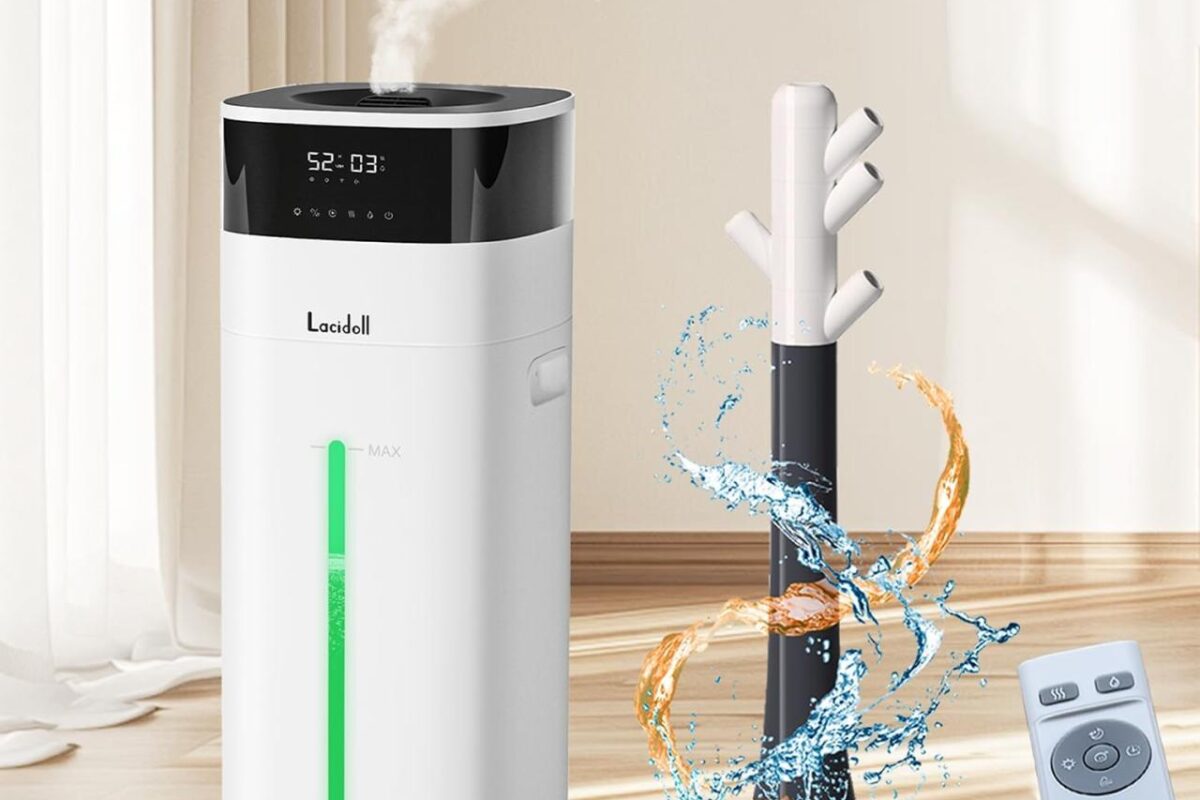
Humidifiers play a vital role in creating a comfortable and healthy living environment. By effectively adding moisture to the air, they improve indoor air quality, making our homes more inviting and beneficial for our well-being. Whether it’s fighting dry skin in winter or alleviating respiratory issues, understanding the importance and functionality of humidifiers opens up a world of comfort and health advantages.
Different models of humidifiers cater to various needs and preferences, providing a range of features that can enhance their effectiveness and efficiency. With the right choice, users can maintain optimal humidity levels, which significantly contribute to overall health and comfort. From the science behind their operation to the maintenance required for peak performance, there’s much to explore about these essential household devices.
The Importance of Humidifiers in Home Environments
Maintaining optimal humidity levels in home environments is crucial for both comfort and health. Humidifiers play a significant role in enhancing indoor air quality by adding moisture to the air, which can be particularly beneficial in dry seasons or in areas with low humidity. This discussion highlights how humidifiers contribute to a healthier indoor atmosphere and the various health benefits associated with their use.
Humidifiers help to maintain an appropriate humidity level, which is generally between 30% and 50%. This optimal range minimizes the likelihood of discomfort and health-related issues. When humidity levels are too low, the air can become dry, leading to a range of problems. Low humidity can cause dry skin, irritated sinuses, and increased susceptibility to respiratory infections. By introducing moisture to the air, humidifiers can alleviate these issues, creating a more pleasant living environment.
Health Issues Caused by Low Humidity
Low humidity can lead to several health concerns that can affect the well-being of residents. Understanding these potential issues emphasizes the importance of using humidifiers in home environments. The following points detail the health-related problems associated with low humidity:
- Dry Skin: Low humidity levels can strip moisture from the skin, leading to dryness, flakiness, and irritation. This can exacerbate conditions like eczema and psoriasis.
- Respiratory Problems: Dry air can irritate the respiratory tract, increasing the risk of allergies, asthma attacks, and infections. Humidifiers help keep mucous membranes moist, aiding in natural defense mechanisms.
- Sinus Congestion: Insufficient humidity may lead to nasal passages drying out, causing congestion and discomfort. Using a humidifier can help alleviate these symptoms and promote easier breathing.
- Static Electricity: Low humidity often results in increased static electricity, which can be annoying and damaging to electronic devices. Maintaining proper humidity levels can help reduce static shocks.
- Increased Risk of Illness: Dry air can enhance the survival of viruses and bacteria, making individuals more susceptible to colds and flu. A humidifier can help mitigate this risk by creating a less favorable environment for pathogens.
Incorporating a humidifier into your home can create a more comfortable and healthier environment, helping combat the effects of dry air and enhance overall well-being.
Different Types of Humidifiers and Their Unique Features
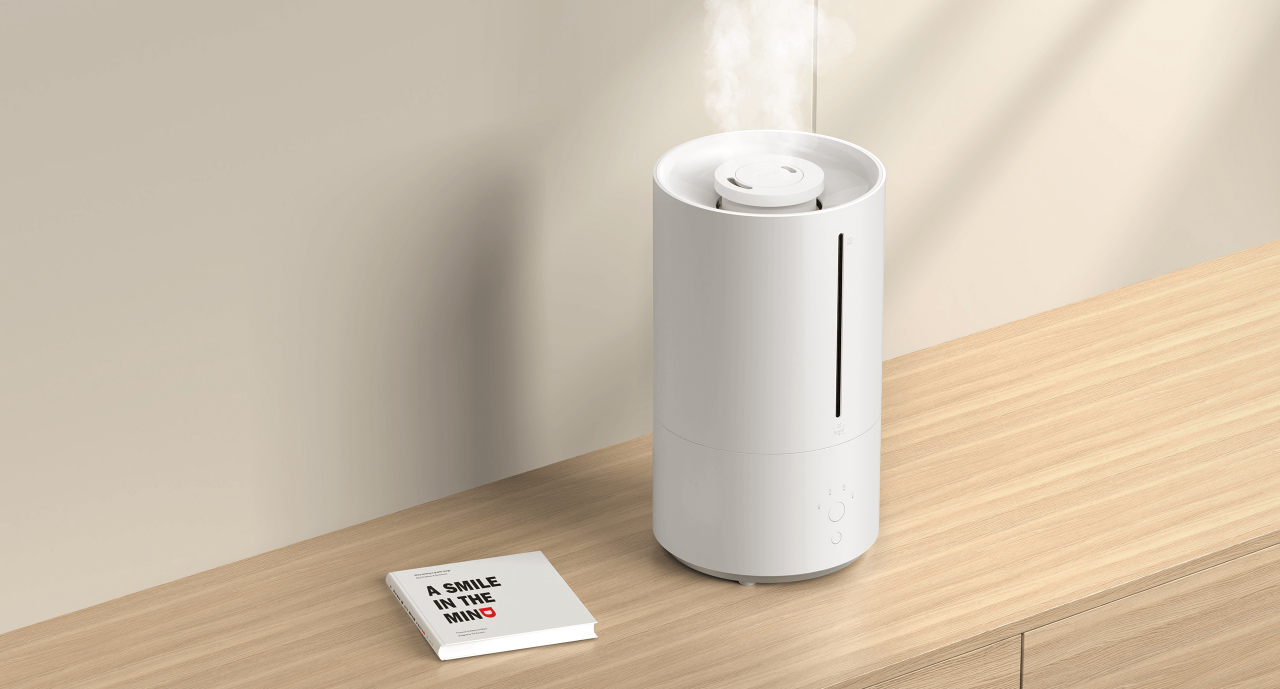
Humidifiers play a crucial role in maintaining an optimal indoor environment, especially in dry climates or during winter months. Understanding the various types of humidifiers available can help you select the right one for your needs, ensuring comfort and health benefits. Here, we explore the main types of humidifiers, their unique features, and important considerations when choosing the right model for your space.
Evaporative Humidifiers
Evaporative humidifiers are one of the most common types, utilizing a fan to draw air through a wet wick or filter. The water evaporates into the air, increasing humidity levels efficiently.
- Advantages:
- Self-regulating: As humidity levels rise, evaporation slows down, preventing over-humidification.
- Low maintenance: Generally easy to clean and refill.
- Energy-efficient: Consumes less electricity compared to other types.
- Disadvantages:
- Requires regular filter replacements, which can add to ongoing costs.
- Can be noisy due to the fan operation.
Ultrasonic Humidifiers
Ultrasonic humidifiers use high-frequency vibrations to create a fine mist, which is then released into the air. They are known for their quiet operation and energy efficiency.
- Advantages:
- Super quiet operation, ideal for bedrooms or nurseries.
- Minimal energy use compared to traditional models.
- Available in both cool and warm mist options.
- Disadvantages:
- Potential for mineral dust release if tap water is used, which can settle on surfaces.
- May require regular cleaning to prevent bacterial growth.
Steam Vaporizers
Steam vaporizers heat water to create steam, which cools before being released into the room. They are ideal for providing warm mist, which can be soothing in colder weather.
- Advantages:
- Effective at reducing symptoms of colds and allergies by adding warmth and moisture.
- Self-cleaning feature in some models, reducing maintenance efforts.
- Disadvantages:
- Higher energy consumption due to heating elements.
- Can pose a burn hazard if not used carefully, especially around children.
Features to Consider When Selecting a Humidifier
When choosing a humidifier, it’s essential to consider specific features that align with your needs. These include:
- Size and Capacity: Evaluate the area you wish to humidify. Larger rooms require models with higher output capacities.
- Humidity Control: Look for models with adjustable settings or hygrometers that monitor humidity levels and automatically adjust output.
- Maintenance Requirements: Consider how often you will need to clean or replace filters and other components.
- Noise Level: If noise is a concern, opt for quieter models like ultrasonic humidifiers.
- Safety Features: For families with children, consider models with automatic shut-off features or cool mist technologies.
“The right humidifier can enhance your indoor air quality, promoting better health and comfort.”
The Science Behind How Humidifiers Work
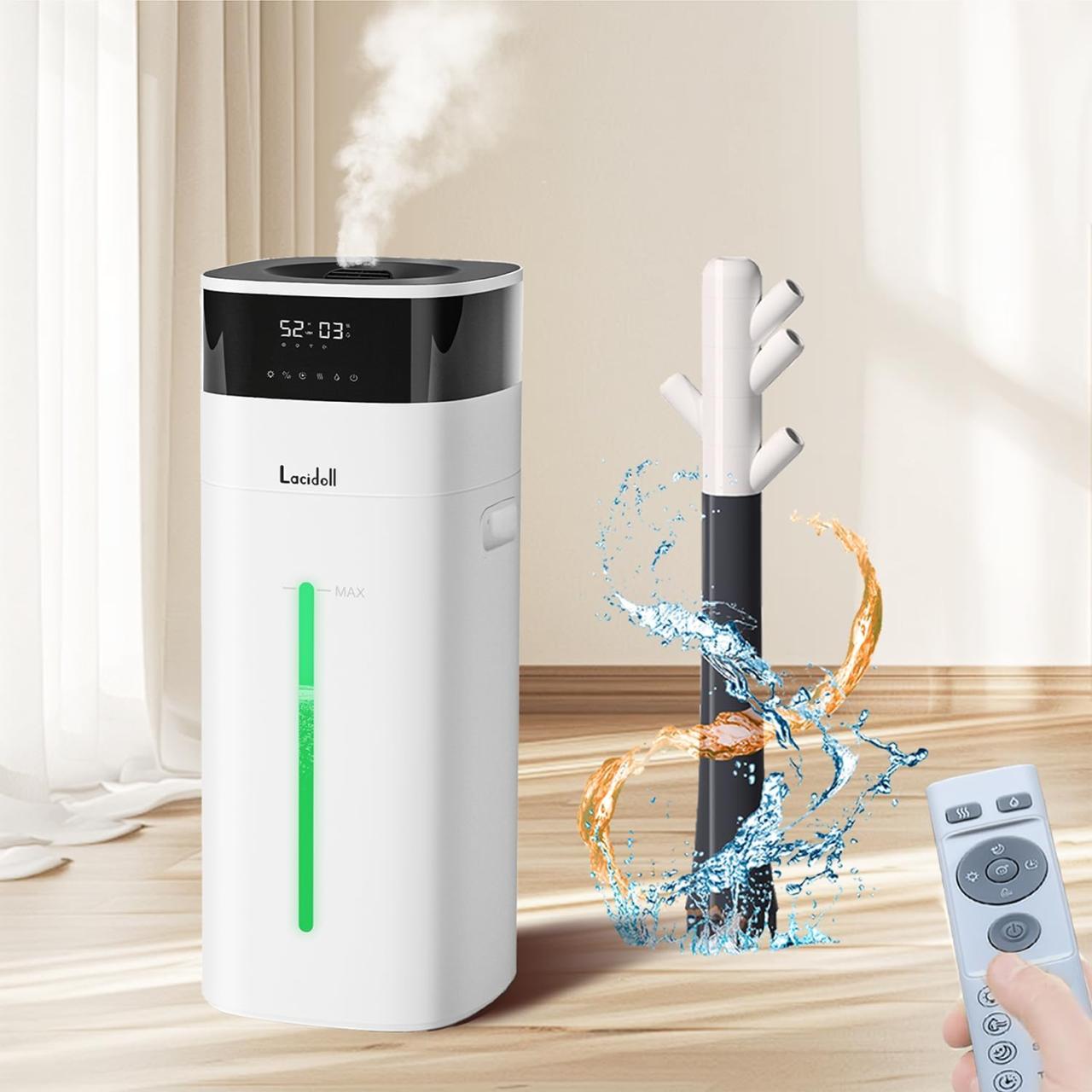
Humidifiers are essential devices that help maintain optimal humidity levels in indoor environments, especially during dry seasons. Understanding the science behind how these devices operate can enhance their effectiveness and improve overall air quality. This discussion will delve into the various technologies used in humidifiers, the role of humidity sensors, and the importance of regular maintenance for optimal performance.
Humidifying Technologies and Mechanics
Different humidifiers utilize specific technologies to produce moisture. The main types of humidifying methods include:
- Evaporative Humidifiers: These devices use a fan to blow air through a wet wick or filter. As the air passes over the moist surface, the water evaporates, adding humidity to the air. Their self-regulating nature helps prevent over-humidification.
- Steam Vaporizers: This type heats water to produce steam, which cools before being released into the air. Steam vaporizers are effective but consume more energy and may cause burns if not handled properly.
- Ultrasonic Humidifiers: Utilizing ultrasonic vibrations, these devices create a fine mist from the water. They are energy-efficient, operate quietly, and are available in various designs suitable for different spaces.
- Impeller Humidifiers: These rely on a rotating disk that flings water into a diffuser, breaking it into tiny droplets that are expelled into the air. They offer a cool mist and are generally quieter than other types.
Understanding these mechanisms helps users select the right type of humidifier for their needs while ensuring they achieve the desired humidity levels efficiently.
Role of Humidity Sensors
Modern humidifiers are often equipped with humidity sensors, which play a crucial role in their operation. These sensors measure the current humidity level in the air and adjust the humidifier’s output accordingly. Their functionality includes:
- Automatic Adjustment: The sensors enable the humidifier to self-regulate, increasing or decreasing moisture output based on real-time data. This prevents excessive humidity, which can lead to mold growth and other issues.
- Energy Efficiency: By optimizing moisture production, humidity sensors contribute to energy savings, as the device only operates as needed without constant manual adjustments.
- Performance Monitoring: Some advanced models provide feedback on humidity levels and operational status, allowing users to make informed decisions about their indoor climate management.
These features enhance the overall performance and longevity of the humidifiers, ensuring a comfortable living environment.
Importance of Maintenance and Proper Use
Regular maintenance of humidifiers is vital for their efficiency and effectiveness. Proper use and care measures include:
- Regular Cleaning: Accumulated mineral deposits and bacteria can affect performance. It is essential to clean the unit according to manufacturer instructions, usually every few days or weekly.
- Water Quality: Using distilled or demineralized water can prevent buildup and reduce the release of minerals into the air, which can irritate the respiratory system.
- Filter Replacement: Many humidifiers have filters that need to be replaced regularly to maintain optimal air quality and unit efficiency.
- Humidity Level Monitoring: Keeping an eye on indoor humidity levels helps prevent over-humidification, which can lead to mold growth and other health issues.
Ensuring proper maintenance practices enhances the performance of humidifiers and contributes to a healthier indoor environment for all occupants.
Choosing the Right Humidifier for Your Space
Selecting the right humidifier for your environment can significantly enhance your comfort and well-being. Various factors such as room size, personal preferences, and specific needs dictate the best choice. This guide provides insights into how to assess these needs and make an informed decision.
When considering a humidifier, it’s essential to understand that different types are suited for various spaces and uses. Factors like the area you want to humidify, your daily routines, and any specific health requirements play a crucial role in determining the optimal humidifier for your situation.
Assessing Room Size and Humidifier Type
Choosing the right size and type of humidifier largely depends on the dimensions of the room and the humidity levels required. Here are some key points to consider when assessing your space:
- Small Rooms (Up to 300 sq. ft.): For bedrooms or small offices, a tabletop or portable humidifier is sufficient. These units often come with features like adjustable mist levels and are easy to maintain.
- Medium Rooms (300 to 800 sq. ft.): Consider using a console humidifier, which is capable of handling larger areas while remaining energy-efficient. These tend to have larger water tanks for extended use.
- Large Rooms (Over 800 sq. ft.): Whole-house or central humidifiers are ideal for large spaces. They connect directly to your home’s HVAC system and provide consistent humidity throughout the entire area.
Understanding these types helps you choose a humidifier that fits your room’s specifications and keeps your space comfortable.
Key Features Based on User Requirements
When selecting a humidifier, specific features can cater to various needs. Here’s a breakdown of considerations that can enhance your humidification experience:
- Noise Levels: If you’re sensitive to sound, look for models labeled as “whisper-quiet” or with noise-reduction technology. This is particularly important for bedrooms or quiet environments.
- Automatic Shut-off: This feature is crucial for safety and energy efficiency. Humidifiers with automatic shut-off will turn off when the water tank is empty or when the desired humidity level is reached.
- Humidistats: Some humidifiers come with built-in humidistats that monitor humidity levels and adjust output accordingly, providing a consistent humidity level without manual intervention.
- Maintenance Ease: Consider humidifiers that are easy to clean and maintain. Look for units with removable tanks and simple designs to prevent mold and bacteria build-up.
These features can greatly enhance your experience and ensure you choose a humidifier that aligns with your lifestyle.
Purchasing Checklist for Humidifiers
To aid in your purchasing decision, here’s a checklist that can help you ensure all bases are covered:
- Room Size: Measure the square footage of the space.
- Type of Humidifier: Determine which type suits your needs (portable, console, or whole-house).
- Noise Level: Check product specifications for decibel ratings.
- Maintenance Requirements: Look for easy-to-clean designs.
- Water Tank Capacity: Ensure it meets your usage frequency.
- Additional Features: Identify any must-have features like timers or remote controls.
- Budget: Set a price range that accommodates your needs without compromising on quality.
Utilizing this checklist will provide clarity and assist you in making a comprehensive and informed decision when purchasing a humidifier.
Maintenance and Care Tips for Humidifiers
Maintaining a humidifier is essential for ensuring its longevity and optimal performance. Regular care not only prevents malfunctions but also promotes a healthier living environment by ensuring that the moisture emitted is clean and beneficial. Here are some key maintenance tips to help you take care of your humidifier effectively.
Cleaning Steps for Humidifiers
Regular cleaning is crucial for preventing mold and bacteria growth in your humidifier. Follow these steps to clean your humidifier:
1. Unplug and Disassemble: Always unplug the humidifier before cleaning. Remove the water tank and any other detachable parts.
2. Empty Water Reservoir: Pour out any remaining water from the tank and base.
3. Wash with Vinegar: Use a mixture of equal parts vinegar and water to clean the tank and base. Vinegar is effective at breaking down mineral deposits and disinfecting surfaces.
4. Scrub with a Brush: Utilize a soft brush or cloth to scrub corners and crevices. Pay special attention to areas where water accumulates.
5. Rinse Thoroughly: After cleaning, rinse all parts thoroughly with clean water to remove any vinegar residue.
6. Dry Completely: Allow all components to dry completely before reassembling the humidifier to prevent mold growth.
Importance of Changing Filters
Filters in humidifiers play a vital role in ensuring that the air released is free from impurities. Here’s why and when to change them:
– Prevention of Contaminants: Filters trap dust, allergens, and minerals from the water, preventing them from entering the air. Over time, filters can become clogged or saturated.
– Optimal Performance: A clean filter ensures that the humidifier operates efficiently, maintaining the desired humidity levels without straining the motor.
– Recommended Change Frequency: Most manufacturers suggest replacing filters every 1 to 3 months, depending on usage and water quality. Always check the manufacturer’s guidelines for specific recommendations.
Troubleshooting Common Humidifier Issues
Even with regular maintenance, humidifiers can encounter problems. Here are some common issues and solutions:
– No Mist Production: If your humidifier is not producing mist, check if the water tank is empty or if the unit is not properly assembled. Ensure the power is connected.
– Strange Noises: Unusual sounds may indicate that the humidifier needs cleaning or that the fan is obstructed. Disconnect, clean, and ensure no debris is blocking moving parts.
– Water Leaks: Leaks can occur due to improper assembly or a damaged water tank. Inspect for cracks and ensure all parts are securely fitted.
– Unpleasant Odors: If you notice a musty smell, it’s likely due to mold. Clean the unit thoroughly and consider using distilled water to reduce mineral buildup.
Regular maintenance and care of your humidifier not only enhance its efficiency but also contribute to a healthier indoor environment.
The Impact of Humidifiers on Allergies and Respiratory Health
Humidifiers play a significant role in managing allergies and respiratory conditions by maintaining optimal moisture levels in indoor environments. Proper humidity can alleviate discomfort caused by dry air, which often exacerbates symptoms related to allergies, asthma, and other respiratory issues. This section delves into how humidifiers can help ease these conditions, along with best practices for their use alongside allergy medications.
Benefits of Humidifiers for Allergies and Respiratory Conditions
The relief provided by humidifiers is particularly valuable during dry seasons or in arid climates. When humidity levels are too low, the mucous membranes in the nose and throat can become dry and irritated, leading to increased susceptibility to allergens and respiratory infections. Humidifiers can help:
- Reduce Nasal Congestion: Maintaining optimal humidity levels can keep nasal passages moist, which may reduce inflammation and allow for easier breathing.
- Ease Coughing and Sore Throats: Moist air can soothe irritation in the throat, helping to alleviate persistent coughs and discomfort.
- Minimize Allergen Levels: Humid air can help settle airborne allergens like dust and pollen, reducing their presence and impact on sensitive individuals.
“Keeping indoor humidity between 30-50% can significantly alleviate allergy symptoms and improve overall respiratory health.”
Best Practices for Using Humidifiers with Allergy Medications
When using a humidifier in conjunction with allergy medications, certain best practices can enhance their effectiveness. These include:
- Regular Maintenance: Clean the humidifier regularly to prevent the growth of mold and bacteria that can worsen respiratory issues.
- Monitor Humidity Levels: Use a hygrometer to ensure humidity levels remain within the recommended range, avoiding excess moisture that can lead to mold growth.
- Coordinate with Medications: Consult with healthcare providers about the timing of humidifier use relative to taking antihistamines or nasal sprays, as moist air can improve their effectiveness.
Real-Life Examples of Humidifier Use
Many users have reported significant relief from allergy symptoms through proper humidifier use. For instance:
- A 32-year-old woman suffering from seasonal allergies found that using a cool-mist humidifier in her bedroom improved her sleep quality and reduced her reliance on nasal sprays.
- A family of four living in a dry climate noticed that their children experienced fewer asthma attacks and respiratory infections after introducing a whole-house humidifier.
These examples illustrate how individuals can benefit from integrating humidifiers into their allergy management strategies. The right humidity levels not only enhance comfort but also support respiratory health, making humidifiers a valuable asset for many households.
Environmental Considerations and Energy Efficiency of Humidifiers
As the demand for indoor comfort increases, understanding the environmental impact and energy consumption of humidifiers becomes essential. Different types of humidifiers, ranging from evaporative to ultrasonic, exhibit varying levels of energy efficiency and ecological implications. Analyzing these factors helps consumers make informed choices that benefit both the environment and their energy bills.
Examining the environmental impact of humidifiers starts with their energy consumption. Traditional models may consume significant power, especially when operating for extended periods. Conversely, more modern designs focus on energy efficiency, often utilizing advanced technology to reduce overall energy use. For instance, evaporative humidifiers generally consume less energy than steam vaporizers, which require heating water, thus increasing electricity consumption. It is crucial for consumers to consider energy ratings and operational costs when selecting a humidifier.
Energy-Efficient Models and Their Benefits
Energy-efficient humidifiers offer numerous advantages, both economically and environmentally. These models are designed to use less energy and maintain optimal humidity levels without excessive power consumption. Effective energy-efficient humidifiers often feature programmable settings, allowing users to tailor operation times and reduce energy waste. Understanding these benefits can influence purchasing decisions positively.
Some notable advantages of energy-efficient humidifiers include:
- Lower utility bills due to reduced energy consumption.
- Minimized carbon footprint, contributing to environmental sustainability.
- Advanced technology that may include auto shut-off features and humidity sensors.
- Longer lifespan due to reduced wear and tear on components from efficient operation.
Best Practices for Sustainable Humidifier Use
Employing best practices when using humidifiers can further enhance sustainability efforts. By adopting these strategies, consumers can maximize the efficiency of their humidifiers while minimizing their environmental impact. The following practices can be implemented easily:
To ensure optimal performance and sustainability, consider the following best practices:
- Regularly clean and maintain the humidifier to prevent mold and bacteria buildup.
- Use distilled water to reduce mineral deposits and extend the life of the device.
- Monitor indoor humidity levels to avoid excessive moisture, which can lead to mold growth.
- Utilize timers or smart home technology to operate the humidifier only when needed.
- Choose models with the Energy Star label, indicating superior energy efficiency.
The thoughtful selection and operation of humidifiers significantly impact both energy consumption and environmental outcomes. By choosing energy-efficient models and following sustainable practices, consumers can contribute to a healthier planet while enjoying the benefits of improved indoor air quality.
Potential Risks and How to Mitigate Them When Using Humidifiers
Using a humidifier can greatly enhance indoor air quality, especially during dry seasons. However, improper use can lead to several potential risks that could compromise health and comfort. It’s essential to be aware of these risks and take proactive measures to avoid them.
Improper humidifier use can result in issues like mold growth, over-humidification, and even respiratory problems. When humidity levels exceed the recommended range, it creates an environment conducive to mold and dust mites, which can trigger allergies and asthma. Maintaining optimal humidity levels is crucial for a healthy living space.
Mold Growth and Over-Humidification
Mold thrives in damp environments, making it vital to monitor humidity levels carefully. Over-humidification can lead to condensation on walls, furniture, and windows, promoting mold growth. Here are some key strategies to mitigate these risks:
- Maintain Humidity Levels: The ideal indoor humidity should be between 30% and 50%. Use a hygrometer to regularly check levels.
- Regular Cleaning: Clean your humidifier regularly according to the manufacturer’s instructions to prevent bacteria and mold buildup.
- Use Distilled Water: Distilled or demineralized water can reduce the release of minerals into the air, which can contribute to dust and other particles.
- Ventilation: Ensure proper ventilation in your home to prevent moisture accumulation, especially in areas prone to humidity.
Monitoring Indoor Humidity Levels
Keeping track of indoor humidity is essential to ensure a safe environment. Here are effective ways to monitor humidity levels:
- Invest in a Hygrometer: This device accurately measures humidity, helping you to maintain a comfortable level in real-time.
- Observe Environmental Changes: If you notice condensation on windows or walls, it may indicate high humidity levels.
- Use Smart Humidifiers: Some modern humidifiers come with built-in hygrometers and can adjust humidity automatically, providing convenience and safety.
Safety Tips for Homes with Pets or Young Children
When using humidifiers in homes with pets or small children, extra caution is necessary. Here are essential safety tips:
- Positioning: Place the humidifier out of reach of children and pets to prevent accidental spills or contact with hot surfaces.
- Choose Cool Mist Models: Opt for cool mist humidifiers to reduce the risk of burns, particularly in homes with young children.
- Monitor for Allergic Reactions: Watch for any signs of allergies or respiratory issues in both children and pets, adjusting usage as necessary.
- Set Timers: Consider using a humidifier with a timer feature or an automatic shut-off function to avoid overuse.
Final Thoughts
In conclusion, the diverse benefits of humidifiers extend far beyond mere comfort; they are essential tools for improving indoor air quality and supporting health. By understanding how to choose and maintain the right humidifier, anyone can create a more pleasant living environment. With proper care and attention, these devices can make a significant difference in our daily lives, enhancing our well-being and overall quality of life.
FAQ Compilation
What is the ideal humidity level for a home?
The ideal indoor humidity level is typically between 30% and 50% for comfort and health.
Can I use essential oils in my humidifier?
It depends on the humidifier model; some are designed to use essential oils while others are not. Always check the manufacturer’s guidelines.
How often should I clean my humidifier?
It’s recommended to clean your humidifier at least once a week to prevent mold and bacteria growth.
Can using a humidifier help with snoring?
Yes, adding moisture to the air can help ease snoring by preventing throat dryness.
Is it safe to leave a humidifier on overnight?
Yes, it’s safe to leave a humidifier on overnight, but ensure it’s the correct size for the room and has an automatic shut-off feature.