
 Caroline Sarah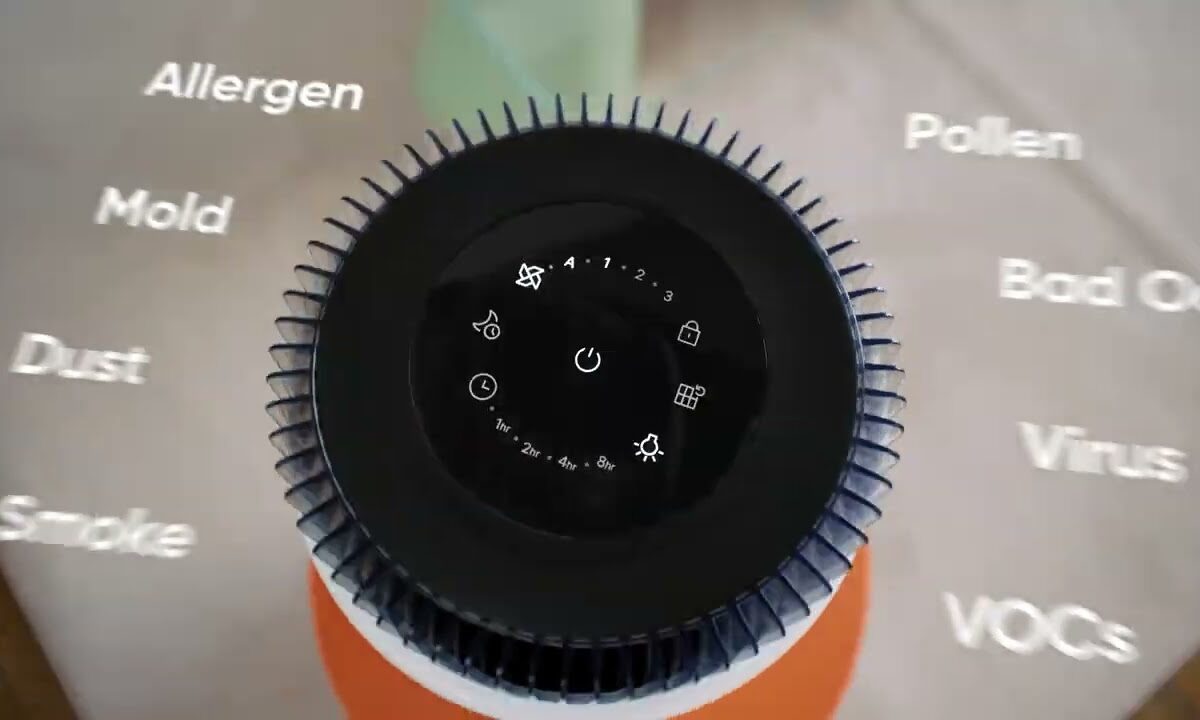
Air purifiers are becoming essential appliances in homes and offices, transforming our indoor environments into cleaner and healthier spaces. These devices are designed to remove various pollutants, allergens, and harmful particles from the air we breathe, which is crucial in today’s world where air quality often falls short of ideal standards. Imagine walking into a room and instantly noticing the freshness in the air—this is the magic of air purifiers.
From dust and pollen to pet dander and smoke, air purifiers tackle an array of contaminants, making them indispensable for allergy sufferers, families with pets, and even individuals concerned about their overall well-being. Different air purifier technologies, such as HEPA filters and activated carbon, each have unique strengths that contribute to enhancing air quality. Let’s dive deeper into how these devices work and why they should be part of your indoor space.
The role of an air purifier in improving indoor air quality
Air purifiers play a crucial role in enhancing indoor air quality in both homes and offices. As our lives become increasingly urbanized, the air we breathe indoors can often be more polluted than the air outside. Factors such as cooking, cleaning products, and outdoor pollutants infiltrating our living spaces can contribute to a range of health issues. Air purifiers act as a frontline defense against these pollutants, ensuring that the air we breathe is as clean and healthy as possible.
Air purifiers work by drawing in contaminated air, filtering out harmful particles, and circulating clean air back into the environment. They are designed to target specific pollutants and allergens that can aggravate respiratory conditions, allergies, and other health concerns. By removing these harmful substances, air purifiers create a more pleasant and safer atmosphere for everyone.
Pollutants and allergens effectively eliminated by air purifiers
Air purifiers are particularly adept at removing various pollutants and allergens from indoor air. Key contaminants include:
- Dust mites: Microscopic creatures that thrive in household dust, dust mites can trigger allergic reactions and asthma symptoms.
- Pollen: This seasonal allergen can enter homes through open windows and doors, causing issues for allergy sufferers.
- Mold spores: Mold can proliferate in damp areas of the home, releasing spores into the air that can lead to respiratory problems.
- Pet dander: Skin flakes from pets can cause allergic reactions in sensitive individuals and contribute to indoor air pollution.
- Volatile organic compounds (VOCs): These chemicals, often emitted by paints, cleaning supplies, and air fresheners, can negatively impact health when inhaled.
- Smoke particles: Smoke from cooking or tobacco can linger in the air, adding harmful particles that air purifiers can capture.
Different types of air purifiers utilize unique filtration technologies to combat these issues. For instance, HEPA (High Efficiency Particulate Air) filters are renowned for their efficacy, capable of trapping 99.97% of particles as small as 0.3 microns. Activated carbon filters excel at adsorbing odors and VOCs, while UV-C light purifiers utilize ultraviolet light to kill bacteria and viruses, providing an additional layer of protection. Ionizers, on the other hand, emit charged ions that attach to airborne particles, causing them to clump together and fall out of the air, although they may produce ozone as a byproduct.
In summary, air purifiers are indispensable tools for improving indoor air quality by targeting and eliminating a wide range of pollutants and allergens, employing various advanced technologies to create a healthier living environment.
Exploring the different types of air purifiers available on the market
Air purifiers have become essential home appliances for improving indoor air quality, especially in urban areas where pollution levels are high. With various types of air purifiers available, understanding their distinct functionalities can help you choose the right one for your specific needs. Each type of air purifier employs different technologies to eliminate pollutants, allergens, and odors, catering to diverse environments and health concerns.
HEPA Air Purifiers
HEPA (High-Efficiency Particulate Air) purifiers are renowned for their ability to trap 99.97% of particles that are 0.3 microns in size. This includes dust mites, pet dander, pollen, and even some bacteria and viruses. The effectiveness of HEPA filters makes them particularly suitable for homes with allergy sufferers or respiratory issues.
A HEPA air purifier’s filtration system consists of a dense mat of fibers that capture airborne particles as air passes through. For instance, a HEPA purifier can significantly reduce allergens in a room, providing relief for people with asthma or allergies. It’s crucial to regularly replace the filters to maintain efficiency, as clogged filters can hinder airflow and reduce the purifier’s effectiveness.
Activated Carbon Air Purifiers
Activated carbon air purifiers utilize carbon filters to adsorb gases and odors from the air. This type of purifier is particularly effective at removing volatile organic compounds (VOCs), smoke, and unpleasant odors, making them ideal for kitchens or homes with pets.
The porous nature of activated carbon allows it to capture and hold onto molecules, ensuring that harmful gases are neutralized. However, while they excel in odor removal, activated carbon filters do not effectively trap particulate matter like pollen or dust. For optimal air purification, it’s often recommended to use an activated carbon purifier in conjunction with a HEPA filter for comprehensive coverage.
UV Air Purifiers
UV (Ultraviolet) air purifiers use UV light to kill bacteria, viruses, and mold spores present in the air. They are often used in conjunction with other filtration systems, such as HEPA or activated carbon filters, to enhance germicidal effectiveness.
The UV light disrupts the DNA of microorganisms, rendering them harmless. This makes UV purifiers particularly beneficial in environments where hygiene is a priority, such as hospitals or homes with immunocompromised individuals. However, UV purifiers may not be adequate on their own to handle particulate matter or odors, thus highlighting the importance of a multi-faceted approach to air purification.
Best Air Purifier Options for Specific Environments
When selecting an air purifier, environmental factors and specific needs play a critical role. Below are recommendations based on common household situations:
– For Homes with Pets: A HEPA air purifier will efficiently capture pet dander and hair, while an activated carbon filter will help neutralize odors.
– For Allergy Sufferers: A combination of HEPA and UV filters ensures that both allergens and microorganisms are effectively managed, providing a clean breathing environment.
– For Smokers or Cooking Odors: An activated carbon air purifier is essential for eliminating strong smells, best used alongside a HEPA filter to trap particulate matter released during cooking or smoking.
In summary, choosing the right air purifier depends on your specific air quality issues and environmental context. Whether you’re dealing with allergens, odors, or the need for pathogen control, understanding these different types will help you make an informed decision for a healthier home.
The science behind how air purifiers function
Air purifiers are essential devices designed to enhance indoor air quality by removing various pollutants, allergens, and harmful particles from the air we breathe. Understanding the underlying mechanisms of these devices reveals how they contribute to a healthier living environment. Most air purifiers utilize a combination of filtration and ionization processes to clean the air effectively.
Mechanisms of Air Purification
Air purifiers primarily function through two critical mechanisms: filtration and ionization.
Filtration is the most common method used in air purifiers, employing various types of filters to capture particles and contaminants. The most effective filters, such as High-Efficiency Particulate Air (HEPA) filters, can trap 99.97% of particles that are 0.3 microns in size, including dust, pollen, smoke, and pet dander. The filter works by forcing air through a dense mat of fibers, where particles are physically trapped. It’s essential to regularly replace or clean these filters to maintain optimal performance.
On the other hand, ionization works by charging particles in the air, which causes them to clump together and either fall to the ground or stick to surfaces. This process is typically accomplished through the use of ionizers, which release negatively charged ions into the air. These ions attach to positively charged pollutants, leading to larger, heavier particles that settle out of the air. Although ionization can effectively reduce airborne particles, it may produce ozone as a byproduct, which can be harmful at high concentrations.
The effectiveness of an air purifier can be quantified using the Clean Air Delivery Rate (CADR), which measures the volume of filtered air delivered by the purifier.
Importance of CADR and Its Impact on Performance
The Clean Air Delivery Rate (CADR) is a vital metric to consider when evaluating an air purifier’s performance. CADR indicates the volume of clean air produced by the purifier per minute, measured in cubic feet per minute (CFM). Higher CADR ratings signify that the purifier can remove a larger quantity of specific pollutants, such as smoke, dust, or pollen, from the air in a given time.
Understanding CADR is crucial for consumers as it directly influences the effectiveness of an air purifier in a particular space. For instance, if an air purifier has a CADR of 300 CFM for smoke, it means that the device can effectively filter smoke particles from a room of about 1,500 square feet in size. Therefore, selecting an air purifier with an appropriate CADR for the room size ensures that it functions efficiently and meets the user’s air quality needs.
Placement of Air Purifiers for Enhanced Effectiveness
The placement of an air purifier significantly impacts its performance in a room. For optimal efficiency, consider the following factors when positioning your air purifier:
1. Room Size and Shape: Place the purifier in a central location when possible. This allows for better air circulation and more effective coverage throughout the room.
2. Obstructions: Keep the purifier away from walls, furniture, and other obstructions that can impede airflow. Ideally, there should be at least a few feet of clearance around the unit to facilitate the intake and output of air.
3. Height: Position the air purifier at an appropriate height. Units that are at floor level may not be as effective in capturing airborne particles, which tend to float at or above waist height.
4. Airflow Direction: Ensure that the air purifier’s intake and output vents are facing open areas. This maximizes airflow and enhances the purification process.
By understanding these aspects of placement, users can significantly improve the air purifier’s efficiency, ensuring a cleaner and healthier indoor environment.
Common misconceptions about air purifiers and their efficiency
Many people have a myriad of misconceptions about air purifiers that can lead to misunderstandings about their role and efficiency in improving indoor air quality. Clarifying these myths is essential for anyone considering investing in such a device. While air purifiers are designed to trap airborne particles and pollutants, various assumptions about their capabilities and features often circulate in the public domain, overshadowing their true efficiency and benefits.
One prevalent myth is that air purifiers can eliminate all types of air pollutants, including gases and odors. While some advanced models are designed with activated carbon filters that help reduce VOCs (volatile organic compounds) and odors, not all air purifiers possess this capability. Most standard HEPA filters primarily target particulate matter, such as dust, pollen, and pet dander, rather than gaseous pollutants.
Comparison of air purifiers with other air cleaning solutions
Understanding the unique advantages of air purifiers in comparison to other air cleaning solutions is crucial for making an informed choice. Various methods exist for improving indoor air quality, but air purifiers stand out for several reasons.
Air purifiers offer the following benefits over traditional methods like ventilation and houseplants:
- Targeted Filtration: Air purifiers are equipped with filters specifically designed to capture a wide range of particles and allergens, providing a level of filtration that typical ventilation systems cannot achieve.
- Real-Time Air Quality Improvement: Many air purifiers can actively clean the air continuously, ensuring that pollutants are removed as they enter the room, unlike passive solutions that rely on natural air exchange.
- Comprehensive Coverage: High-quality air purifiers can service large areas effectively, which may not be possible with other methods, such as relying solely on open windows or plants.
User testimonials and case studies provide compelling evidence of air purifiers’ effectiveness. For instance, a family in a city with high pollution levels reported a significant reduction in allergy symptoms after using an air purifier with a HEPA filter. They noted fewer sneezing episodes and improved sleep quality, attributing these changes directly to the enhanced air quality in their home.
Another case involved a person with asthma who experienced fewer attacks and a notable decrease in the need for medication after integrating an air purifier into their living space. These real-world examples emphasize the tangible benefits of air purifiers, reinforcing their reputation as valuable tools for enhancing indoor air quality.
The impact of air purifiers on health and well-being
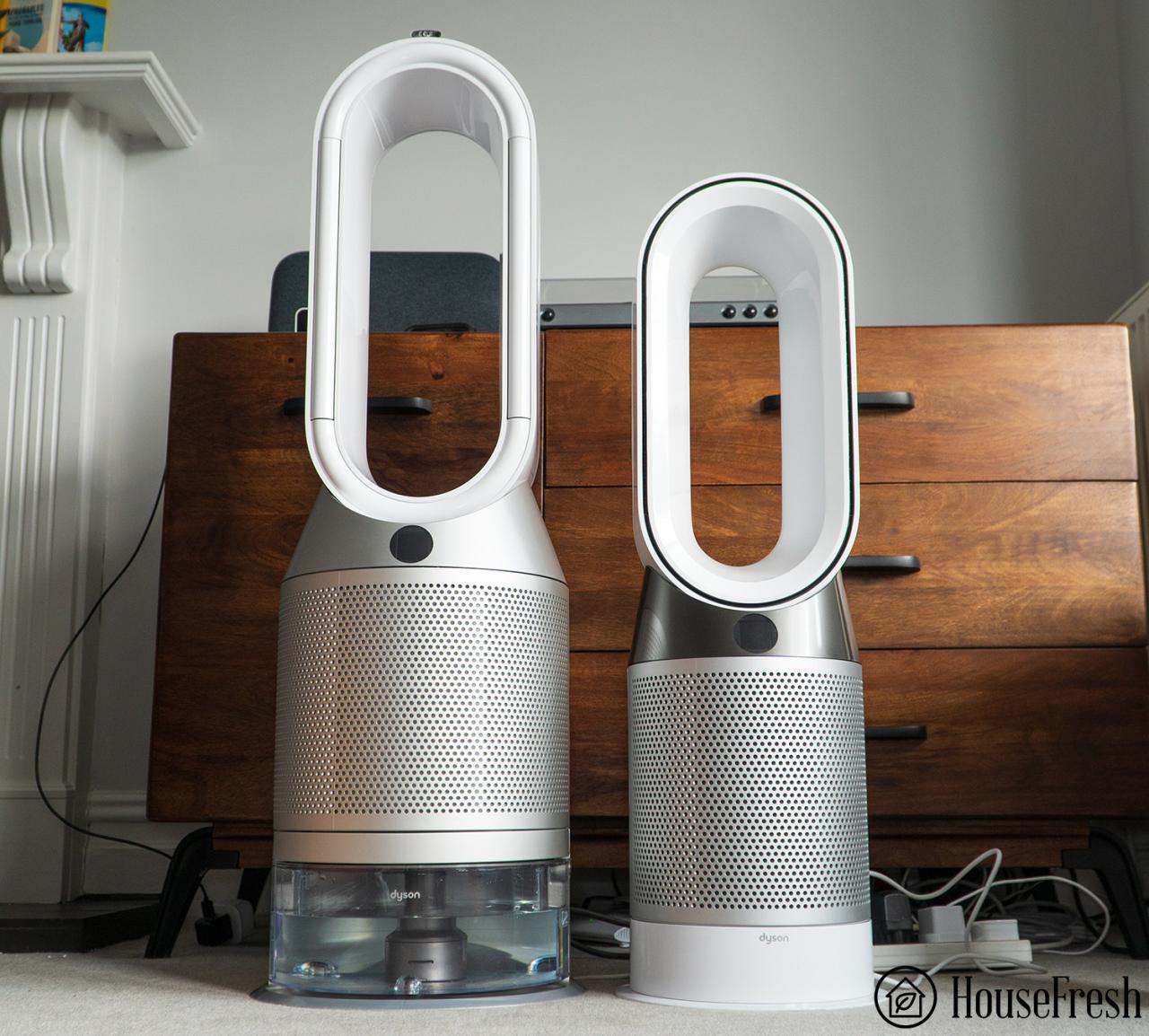
Air purifiers play a significant role in enhancing both mental and physical health by improving indoor air quality. The air we breathe indoors can often be more polluted than outdoor air, containing allergens, dust, pet dander, and various volatile organic compounds (VOCs). Research indicates that cleaner air contributes to better respiratory health, increased energy levels, and improved mental clarity.
The use of air purifiers has been linked to numerous health benefits. A study published in the Journal of Allergy and Clinical Immunology found that individuals with asthma reported fewer symptoms and fewer hospital visits when using air purifiers equipped with HEPA filters. This reduction in asthma symptoms can be attributed to the removal of airborne allergens such as pollen and pet dander. Additionally, a study from the Environmental Health Perspectives journal found that reducing indoor air pollution resulted in improved lung function and lower rates of respiratory infections among children.
Health benefits associated with cleaner indoor air
Several key health benefits arise from utilizing air purifiers effectively in homes and workplaces. These benefits help individuals maintain a higher quality of life and reduce the incidence of various health issues.
- Enhanced respiratory health: Cleaner air reduces exposure to harmful particulates and allergens, leading to fewer respiratory ailments and conditions like asthma and allergies.
- Improved cognitive function: Recent studies have shown that good air quality can enhance cognitive performance and reduce feelings of fatigue. Individuals report increased focus and better productivity levels in cleaner environments.
- Better sleep quality: Improved air quality can lead to more restful sleep by minimizing irritants that can disrupt sleep patterns, thereby promoting overall wellness.
- Reduction in mental stress: Cleaner air can alleviate anxiety and stress, creating a more tranquil living environment. This enhancement in mental well-being can lead to improved emotional health.
According to research by the American Lung Association, the presence of indoor air pollutants can exacerbate existing health issues, particularly in vulnerable populations such as children and the elderly. Therefore, reducing these pollutants is crucial for maintaining health.
When selecting an air purifier, it’s essential to consider your specific health needs. Take into account the following factors to ensure the right choice:
- Filter type: HEPA filters are highly recommended as they can capture 99.97% of particles measuring 0.3 microns or larger, making them effective for allergens and other pollutants.
- Room size: Choose an air purifier that is suitable for the size of the room where it will be used. Check the Clean Air Delivery Rate (CADR) to ensure it meets your space requirements.
- Noise level: If the purifier will be used in a bedroom or quiet space, consider the noise level, especially on lower settings.
- Additional features: Look for models with features such as air quality sensors, adjustable fan speeds, and filter replacement indicators to enhance usability.
By considering these aspects, individuals can choose air purifiers that specifically align with their health needs, ultimately leading to improved indoor air quality and overall well-being.
Maintenance tips to ensure the longevity of air purifiers
Proper maintenance of air purifiers is crucial for their efficiency and longevity. Regular upkeep helps maintain optimal air quality by ensuring that the filters and components function effectively, reducing allergens and pollutants in your home environment. Understanding how to care for your device not only extends its lifespan but also enhances the overall air quality you breathe daily.
Keeping your air purifier in top shape requires attention to its filters and regular cleaning of its components. Filters are the heart of any air purifier, and their effectiveness diminishes over time due to the accumulation of dust, pet hair, and other particulates. To maintain peak performance, it is essential to replace or clean the filters as recommended by the manufacturer. Most HEPA filters can last anywhere from 6 to 12 months, while carbon filters might require replacement more frequently, depending on usage. Cleaning the outside of the purifier is equally important; a damp cloth can remove dust from surfaces, preventing it from re-entering the air.
Filter replacement and cleaning
Regular filter maintenance is vital for ensuring the efficiency of your air purifier. To guide you, here’s a simple checklist for filter replacement and cleaning:
Follow these steps to maintain your air purifier effectively:
- Check the manufacturer’s guidelines for specific filter replacement intervals.
- Inspect filters monthly for dust accumulation; replace or clean as needed.
- For washable filters, rinse them under cool water and allow them to dry completely before reinstallation.
- Always turn off the purifier before replacing or cleaning filters to ensure safety.
- Keep a log of filter replacement dates to keep track of when maintenance is due.
In addition to filter maintenance, the surrounding area of the air purifier should be kept clean. Dust and debris can obstruct airflow and reduce efficiency. It’s advisable to vacuum or sweep around the unit regularly to ensure unobstructed air intake. The fans and vents should also be wiped down occasionally to prevent dust build-up.
“Regular maintenance not only extends the lifespan of your air purifier but also significantly impacts indoor air quality.”
Frequent maintenance will not only enhance the performance of your air purifier but also contribute to a healthier living space. Poorly maintained units can release dust and allergens back into the air, counteracting their purpose. Therefore, committing to routine checks and cleaning will ensure that you enjoy the cleanest air possible in your home.
Analyzing the cost-effectiveness of investing in an air purifier
Investing in an air purifier may initially seem like an added expense, but a deeper look reveals significant long-term financial benefits that extend beyond the upfront costs. With increasing awareness of air quality and its impact on health, many households are recognizing that the investment could ultimately lead to savings in health care costs and improved quality of life.
Air purifiers, especially those equipped with HEPA filters and advanced technology, can help reduce airborne pollutants, allergens, and pathogens. This leads to a healthier living environment, potentially decreasing the frequency and severity of respiratory issues, allergies, and other health-related problems. Over time, these benefits can translate into substantial financial savings on medical bills, prescriptions, and treatments associated with air quality-related health concerns.
Cost Comparison of Air Purifiers
When evaluating the cost-effectiveness of air purifiers, it’s essential to consider both the initial investment and ongoing operational costs. Air purifiers can range from budget-friendly models around $50 to high-end units exceeding $1,000. Here is a brief overview of various air purifier models and their associated costs:
- Budget Models: Generally priced between $50 and $200, these units may be less efficient and require more frequent filter replacements, which can add up over time.
- Mid-Range Models: Priced around $200 to $500, these purifiers often incorporate better filtration systems and energy efficiency, providing a balance between cost and performance.
- High-End Models: These units can cost over $500, featuring advanced technologies such as smart sensors and Wi-Fi connectivity, which may justify the higher price through enhanced effectiveness and lower long-term costs.
In addition to the purchase price, operational costs should be considered. The electricity consumption of air purifiers varies; most consume between 30 to 100 watts per hour, equating to $1 to $3 monthly, depending on usage. Selecting an Energy Star-certified model can further reduce energy costs, highlighting the importance of efficiency in the long-term cost equation.
Energy Savings with Modern Technologies
Modern air purifiers incorporate innovative technologies designed to enhance performance while minimizing energy usage. For instance, many contemporary models use energy-efficient motors and smart technology that adjusts the purification settings based on air quality levels, resulting in lower electricity consumption.
“Investing in an Energy Star-rated air purifier can save families up to 30% on energy bills compared to non-rated models.”
In addition to energy savings, some air purifiers come with filters that have longer lifespans, reducing the frequency of replacements. For example, HEPA filters typically last 6 to 12 months, while newer models with advanced filtration systems can maintain efficiency for 2 years or more before needing replacement. This not only cuts down on filter replacement costs but also reduces the environmental impact associated with disposing of used filters.
As awareness about air quality continues to grow, families seeking a healthier home environment will find that the initial investment in an air purifier can yield significant long-term savings on health care costs, enhanced well-being, and energy efficiency. By carefully analyzing the costs and benefits of various models, consumers can make informed decisions that align with both their budget and their health needs.
Future trends in air purification technology
As we look ahead, the air purification industry is on the brink of exciting innovations that promise to enhance indoor air quality significantly. Consumers can expect a range of advancements in technology, materials, and functionalities that cater not only to health needs but also to convenience and sustainability. With the growing awareness of air pollution and its effects on health, manufacturers are investing heavily in research and development, aiming to create products that are not only effective but also user-friendly and environmentally conscious.
One of the most noteworthy trends is the integration of smart technology into air purifiers. Consumers are increasingly looking for appliances that seamlessly connect to their smart home ecosystems. This shift towards automation is leading to the development of air purifiers equipped with IoT capabilities. These purifiers can be controlled via smartphone applications, allowing users to monitor air quality in real-time, adjust settings remotely, and receive notifications about filter changes or air quality alerts. The convenience provided by these features enhances user experience, making air purifiers more accessible and easier to use.
Impact of Environmental Concerns on Product Development
Environmental issues are profoundly influencing the design and functionality of air purification products. Manufacturers are recognizing the importance of sustainability in their production processes and the materials used. With increasing regulations and consumer demand for eco-friendly options, we can expect to see a rise in products that utilize recyclable and biodegradable materials, coupled with energy-efficient technologies.
The following points highlight how environmental concerns are shaping air purification technology:
- Eco-friendly Filters: Innovations in filter technology are leading to the creation of filters made from natural or recycled materials, which not only reduce waste but also minimize the carbon footprint associated with production.
- Energy Efficiency: Newer models are increasingly designed to consume less power while maintaining high purification standards, aligned with global efforts to reduce energy consumption.
- Sustainable Manufacturing: Companies are adopting sustainable manufacturing practices, such as using renewable energy sources and reducing water consumption, to create a lower environmental impact.
- Carbon Capture Features: Some upcoming purifiers are being designed to not only clean the air but also capture carbon dioxide and other harmful pollutants, enhancing their role in combating climate change.
As these trends continue to evolve, consumers will have access to air purifiers that are not only effective in improving indoor air quality but also contribute positively to the environment. The future of air purification technology is set to be smarter, greener, and more efficient than ever before.
Closing Notes
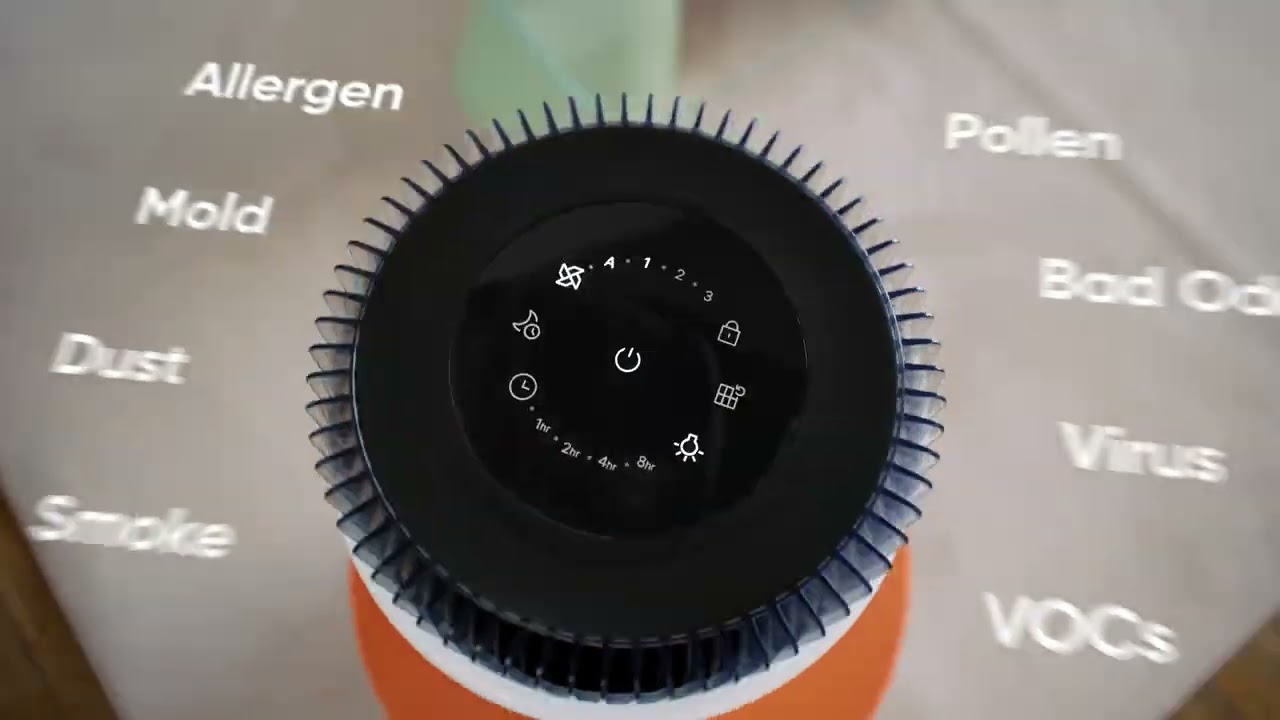
In conclusion, investing in an air purifier can significantly improve your indoor air quality and, by extension, your health and well-being. With a variety of models available, understanding their functionalities, maintenance needs, and health impacts can help you make an informed choice. As technology continues to evolve, air purifiers are becoming smarter and more efficient, promising even greater benefits for our living and working environments.
Essential Questionnaire
How often should I replace the filter in my air purifier?
Filter replacement frequency varies by model, but it’s generally recommended to change HEPA filters every 6 to 12 months, while activated carbon filters often need replacement every 3 to 6 months.
Do air purifiers eliminate viruses and bacteria?
Many air purifiers, especially those with HEPA filters or UV light technology, can effectively reduce airborne viruses and bacteria, contributing to a healthier indoor environment.
Can I use an air purifier in a large room?
Yes, but ensure the model has an adequate Clean Air Delivery Rate (CADR) for the room size to effectively purify the air.
Are air purifiers noisy?
Noise levels vary by model; however, many modern air purifiers are designed to operate quietly, making them suitable for bedrooms and offices.
Do air purifiers consume a lot of electricity?
Typically, air purifiers are energy-efficient and consume about the same amount of energy as a standard light bulb, making them cost-effective to run.