
 Caroline Sarah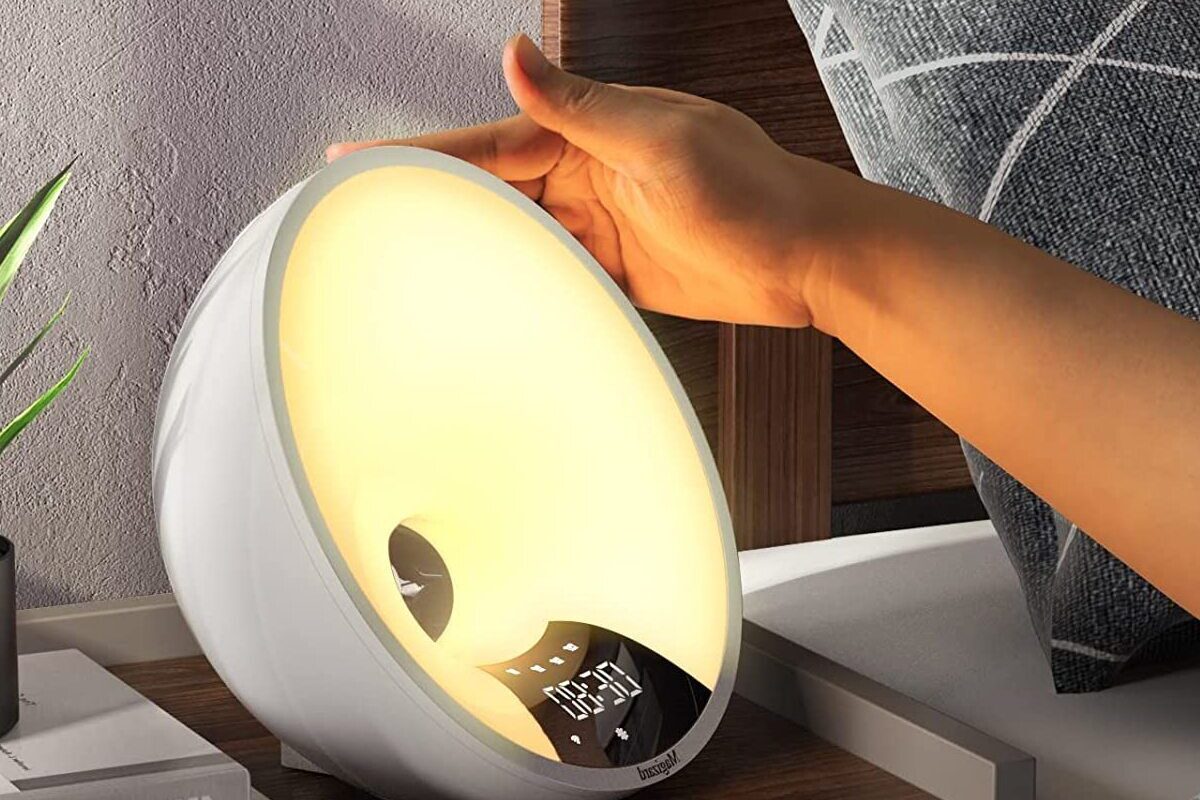
With Wake-up light at the forefront, imagine waking up gently, as if the sun itself is rising just for you. This innovative technology leverages the power of light therapy to help you transition from sleep to wakefulness in a more natural and refreshing way, avoiding the jarring sound of a traditional alarm clock.
The principle behind wake-up lights is rooted in our body’s circadian rhythms, which are significantly influenced by natural light. By simulating a sunrise, these lights can help regulate your sleep patterns and improve your overall mood and energy levels. From the impact on your physiology to personal stories of transformation, the benefits of incorporating a wake-up light into your routine are both compelling and extensive.
The Science Behind Wake-Up Lights
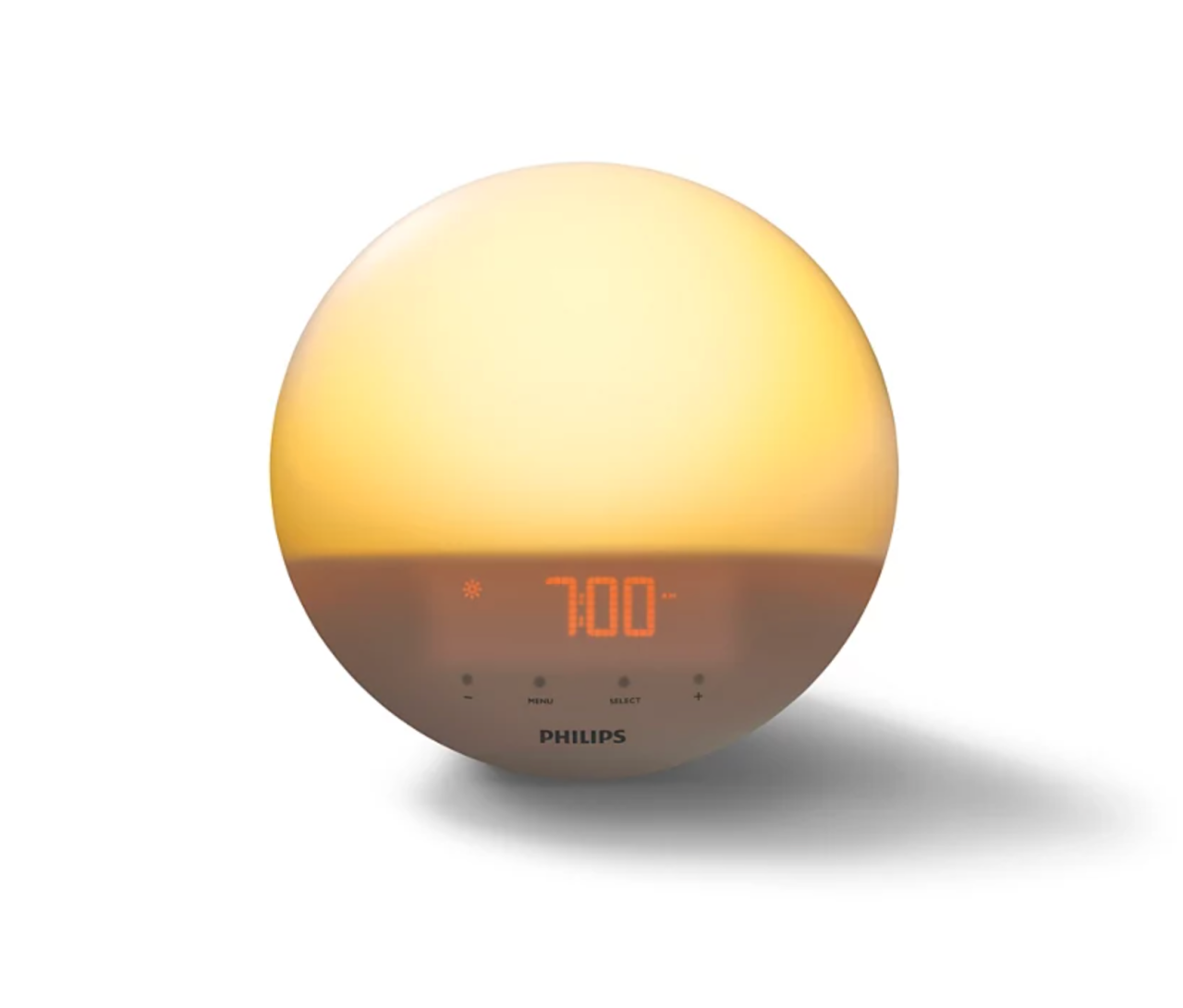
Wake-up lights utilize the principles of light therapy to help regulate our sleep patterns and improve overall well-being. By mimicking the natural sunrise, these devices gradually increase brightness, promoting a gentle awakening process. The science behind this phenomenon lies in the way our bodies respond to light, particularly in relation to our circadian rhythms.
Light therapy works by influencing our brain’s production of melatonin, the hormone that regulates sleep. Natural light exposure, especially in the morning, plays a crucial role in resetting our internal clocks and signaling the start of the day. When light enters the eyes, it is detected by specialized photoreceptors, which subsequently send signals to the brain to inhibit melatonin production, ultimately promoting alertness and wakefulness.
Impact of Natural Light on Circadian Rhythms
Circadian rhythms are roughly 24-hour cycles that govern various physiological processes, including sleep-wake cycles, hormone release, and body temperature regulation. Natural light serves as a primary cue for these rhythms, helping to align our internal biological clock with the external environment.
Several factors contribute to the synchronization of circadian rhythms with natural light:
- Light Intensity: Higher light intensity in the morning is more effective at signaling the brain to wake up and remain alert throughout the day.
- Color Temperature: Morning light has a cooler color temperature that mimics dawn, which is more stimulating compared to the warmer tones present in evening light.
- Duration of Exposure: Consistent exposure to morning light helps reinforce the sleep-wake cycle, making it easier to fall asleep at night and wake up feeling refreshed.
Physiological Effects of Morning Light Exposure
The physiological response to light exposure in the morning is multifaceted. Morning light affects various systems within the body, leading to several benefits:
- Melatonin Suppression: Exposure to bright light in the morning reduces melatonin levels, promoting alertness and energy.
- Boosted Serotonin Production: Increased light exposure enhances serotonin levels, which can improve mood and cognitive function.
- Improved Sleep Quality: Regular morning light exposure helps regulate sleep patterns, leading to deeper, more restorative sleep at night.
“Light is a powerful regulator of our biological systems, and its effects extend far beyond mere wakefulness.”
Incorporating a wake-up light into your morning routine can harness the benefits of natural light, ultimately leading to improved mood, energy levels, and overall health. The gentle transition from darkness to light enhances the waking experience, allowing for a more pleasant start to the day.
Benefits of Using a Wake-Up Light
Incorporating a wake-up light into daily routines offers a variety of advantages that can significantly enhance the quality of life. These innovative devices simulate a natural sunrise, gradually increasing light intensity to help users wake up more gently and feel more refreshed in the morning. The benefits of using a wake-up light extend beyond merely waking up; they positively impact mood, energy levels, and overall well-being.
One of the primary advantages of wake-up lights is their ability to improve mood and energy levels. A gradual increase in light mimics the natural rising sun, which signals the body to release hormones like cortisol that promote alertness and energy. This method contrasts sharply with traditional alarm clocks that often jar individuals awake, leading to feelings of grogginess and irritation.
Impact on Mood and Well-Being
Several factors contribute to how wake-up lights enhance mood and well-being. Below are key points illustrating these benefits:
- Natural Light Simulation: Wake-up lights provide a gentle introduction of light, encouraging the body’s natural circadian rhythms. This helps in regulating sleep cycles, which can reduce feelings of fatigue and irritability throughout the day.
- Reduction of Morning Stress: Many users report that waking up to a simulated sunrise is far less stressful than abrupt alarms. This transition promotes a more peaceful start to the day, leading to better emotional states.
- Improved Sleep Quality: Exposure to natural light in the morning can enhance sleep quality at night. Increased exposure to daylight helps in the production of melatonin, leading to healthier sleep patterns.
- Enhanced Productivity: As mood improves, productivity often follows. Users experience increased focus and energy levels, making tasks feel less daunting and more manageable.
“Using a wake-up light has transformed my mornings. I wake up feeling energized and ready to take on the day, rather than dreading the sound of my alarm.” – Sarah, regular user
Numerous testimonials support the effectiveness of wake-up lights in improving well-being. For instance, a case study involving a group of individuals transitioning from traditional alarm clocks to wake-up lights revealed significant improvements in mood and energy levels over a month. Participants reported feeling less groggy upon waking and were better equipped to handle daily challenges, which is substantiated by their increased productivity and overall satisfaction with their mornings.
In summary, the benefits of incorporating a wake-up light into daily routines are clear. From enhancing mood to boosting energy and improving overall well-being, these devices serve as a valuable tool for anyone looking to upgrade their morning experience and promote a healthier lifestyle.
Features to Look For in a Quality Wake-Up Light
Wake-up lights are designed to enhance your morning routine by simulating a natural sunrise, helping you wake up more gently and feel more refreshed. When choosing a quality wake-up light, it’s essential to consider various features that can significantly affect your waking experience. This guide will explore the crucial aspects to evaluate when selecting the right wake-up light for your needs.
Brightness Settings and Light Color Options
The brightness and color of the light play a pivotal role in how effectively a wake-up light can mimic a natural sunrise. Most quality models offer multiple brightness levels, allowing you to customize your experience based on your sleep environment and personal preferences. A gradual increase in brightness—ranging from dim to bright—can help gently coax you awake, making the transition from sleep to wakefulness smoother.
When it comes to color options, many wake-up lights feature a spectrum that includes warm amber tones to cooler daylight hues. Research suggests that warm light can be more soothing and conducive to relaxation, while cooler blue light can energize you. This flexibility enables users to select the most comfortable light spectrum for their waking needs.
Gradual Light Intensity and Customizable Alarm Sounds
An essential feature of a quality wake-up light is the ability to adjust the gradual increase of light intensity. This function allows the light to brighten slowly over a set period (typically 30 minutes), mimicking a natural sunrise. Such gradual exposure to light helps regulate the body’s internal clock, promoting a more natural waking process.
In addition to light intensity, customizable alarm sounds can enhance the waking experience. Options often include nature sounds, white noise, or even your favorite tunes. A personalized alarm sound can make the waking process more pleasant and less jarring, contributing positively to your overall mood.
Prioritizing Features Based on Personal Preferences and Sleep Habits
When selecting a wake-up light, it’s important to align the features with your personal sleep habits and preferences. Consider the following aspects:
- Sleep Environment: If you have a particularly dark room, a model with higher brightness settings may be more effective, while lighter sleepers might prefer softer light options.
- Sleep Schedule: For early risers or those with a consistent schedule, models with programmable settings can ensure you wake up at the same time each day.
- Sound Sensitivity: If you are a heavy sleeper, opting for a wake-up light with multiple alarm sounds or vibration features could be beneficial.
- Light Therapy: For users seeking additional benefits, some wake-up lights offer light therapy options that can assist with Seasonal Affective Disorder (SAD).
By reflecting on these factors, individuals can prioritize features that align best with their lifestyle, ensuring a more customized and effective waking experience.
How to Properly Use a Wake-Up Light for Best Results
Using a wake-up light can significantly enhance your morning routine by mimicking a natural sunrise, gradually waking you up in a gentle and soothing manner. To maximize the effectiveness of your wake-up light, it’s essential to understand its optimal placement, the duration of light exposure, and how to set it up correctly. Here’s a detailed guide to ensure you get the best results from your wake-up light.
Optimal Placement of a Wake-Up Light
The placement of your wake-up light is crucial for its effectiveness. Ideally, position the light on your bedside table or a nearby surface where it can illuminate your face. This enhances the light’s ability to stimulate your brain’s natural wake-up response. Here are a few tips for placing your wake-up light:
- Ensure it is at eye level when you are lying in bed, allowing the light to gradually enter your eyes.
- Place it approximately 1 to 3 feet away from your bed to create a soft, diffused glow without being overwhelming.
- Keep it away from reflective surfaces to prevent glare, which can disrupt your sleep cycle.
- Position it where it is easily accessible for programming and adjustments.
Recommended Duration for Light Exposure
The duration of light exposure before waking impacts how effectively your body transitions from sleep to wakefulness. A gradual increase in light can help regulate your circadian rhythm. The recommended duration for light exposure typically ranges from 20 to 60 minutes before your desired wake-up time.
“Exposing yourself to light for at least 30 minutes can lead to a more refreshed and energized start to your day.”
This timeframe allows your body to naturally produce cortisol, the hormone responsible for alertness, while reducing melatonin levels, which promote sleepiness.
Step-by-Step Guide to Setting Up and Programming a Wake-Up Light
Setting up your wake-up light can be straightforward if you follow these steps carefully. Proper programming ensures that the light functions optimally according to your sleep schedule.
1. Choose Your Wake-Up Time: Determine the time you want to wake up. This is your primary setting.
2. Select Your Light Duration: Decide how long before your wake-up time you want the light to start illuminating. Popular choices are 30 or 45 minutes.
3. Adjust Brightness Levels: Most wake-up lights allow you to choose different brightness settings. Start with a lower setting to ease into waking up.
4. Set Additional Sounds (if applicable): Some models have optional sound features, like nature sounds or gentle alarms. Choose one that you find soothing to complement the light.
5. Test the Settings: Verify your settings and test the light to ensure it functions as intended. Adjust as necessary based on your comfort level.
By following these steps, you can ensure a smooth and pleasant awakening experience every morning. A well-placed and properly programmed wake-up light can transform your mornings into a refreshing start to your day.
Potential Drawbacks and Considerations of Wake-Up Lights
While wake-up lights can provide a more gentle and pleasant way to start the day, they are not without their potential drawbacks. Understanding these considerations is essential for anyone thinking about incorporating this technology into their morning routine. Not everyone may find them beneficial, and there are factors to consider when weighing their effectiveness against traditional alarm clocks.
One of the primary concerns surrounding wake-up lights is their reliance on light to stimulate waking. For some individuals, particularly those with certain sleep disorders or those who are sensitive to light, these devices may not work effectively. Additionally, the gradual increase in brightness might not be enough to wake heavy sleepers, who may find themselves still groggy and disoriented when the light reaches its peak.
Groups That May Not Benefit from Wake-Up Lights
Certain individuals might find that wake-up lights do not provide the desired results. Understanding these groups helps to identify who might struggle with such devices:
- Heavy Sleepers: People who have difficulty waking up or tend to sleep deeply may find that a gradual light increase is insufficient to rouse them from sleep.
- Light Sensitivity: Those who are sensitive to light or have certain medical conditions may experience discomfort or disrupted sleep cycles when exposed to bright light in the morning.
- Shift Workers: Individuals with non-traditional work hours may not benefit as much from a wake-up light, especially if their sleep patterns are inconsistent.
- Sleep Disorders: People suffering from conditions like insomnia or sleep apnea may find that wake-up lights do not address their specific issues and may require other methods of waking.
Another point of consideration is the comparison between wake-up lights and traditional alarm clocks. While traditional alarm clocks provide a straightforward auditory cue to wake, they can often be jarring and lead to an abrupt start to the day. In contrast, wake-up lights aim to mimic the natural sunrise, promoting a more gradual awakening process. This can be beneficial for mood and alertness; however, it comes with a distinct set of challenges.
“The nature of the waking process can directly impact daily mood and energy levels, making the choice of wake-up method crucial.”
Traditional alarm clocks typically offer simple functionality—an alarm sound at a set time. This straightforward approach may be preferred by those who value simplicity and a more immediate cue to awaken. In environments where light exposure is inconsistent, such as in winter months or in rooms without windows, relying solely on a wake-up light may prove ineffective.
“Balancing the benefits of gentle awakening with the need for an effective wake-up method is key to starting the day on the right note.”
Popular Wake-Up Light Models and Reviews
Wake-up lights have gained popularity as effective alternatives to traditional alarm clocks, particularly for those seeking a more natural and gentle way to start their day. These devices mimic the gradual rise of the sun, helping to regulate sleep cycles and improve overall well-being. Below, we summarize some of the top-rated wake-up lights available on the market, along with detailed reviews highlighting user experiences.
Top Wake-Up Light Models
Several models stand out for their features, design, and customer satisfaction. The following models have been highly rated by users and are worth considering:
- Philips SmartSleep Wake-Up Light
Users appreciate its sunrise simulation, customizable settings, and the variety of nature sounds available.
Pros: Excellent build quality, multiple wake-up sounds, adjustable brightness levels.
Cons: Higher price point compared to competitors.
- Hatch Restore
This model combines a wake-up light with a smart speaker, allowing for extensive customization.
Pros: Integration with sleep programs, personalized lighting, and sound options.
Cons: Requires Wi-Fi for full functionality, which may not appeal to everyone.
- Lumie Bodyclock Luxe 750D
Users love the stylish design and the extensive feature set that includes a sunset simulation.
Pros: User-friendly interface, varied light colors for sunset simulation, dual alarm settings.
Cons: Some users find the sounds to be less appealing compared to other models.
- JALL Wake Up Light
This budget-friendly option doesn’t skimp on features, making it popular among cost-conscious consumers.
Pros: Affordable, multiple alarm settings, FM radio feature.
Cons: Lower build quality and fewer features than premium models.
Comparison of Features and Prices
To further assist in decision-making, here is a comparison table summarizing key features and prices of the highlighted wake-up light models.
| Model | Features | Price Range |
|---|---|---|
| Philips SmartSleep | Sunrise simulation, adjustable brightness, nature sounds | $99 – $129 |
| Hatch Restore | Smart speaker integration, sleep programs, customizable | $99 – $149 |
| Lumie Bodyclock Luxe 750D | Sunset simulation, dual alarms, stylish design | $79 – $109 |
| JALL Wake Up Light | Multiple alarms, FM radio, budget-friendly | $25 – $45 |
Tips for Enhancing the Effectiveness of Wake-Up Lights
Using a wake-up light can significantly improve your morning routine and overall well-being. However, to maximize its benefits, it’s essential to integrate additional strategies that support and enhance its effectiveness. This section explores various approaches, including the importance of sleep hygiene and lifestyle changes that can complement the use of light therapy.
Role of Sleep Hygiene
Good sleep hygiene practices are crucial for ensuring restful sleep, which in turn maximizes the benefits of wake-up lights. Sleep hygiene refers to habits and environmental factors that promote quality sleep. Here are some key practices to consider:
- Maintain a consistent sleep schedule by going to bed and waking up at the same time every day, even on weekends.
- Create a restful environment by keeping your bedroom dark, quiet, and cool.
- Avoid stimulants such as caffeine and nicotine several hours before bedtime.
- Limit screen time from electronic devices at least one hour before sleeping to reduce blue light exposure.
- Incorporate relaxation techniques, such as meditation or deep breathing, into your pre-sleep routine.
Importance of Morning Routines
A structured morning routine can enhance the effectiveness of a wake-up light by providing a positive start to your day. Consider implementing the following elements into your morning routine:
- Engage in light stretching or yoga to wake up your body and promote flexibility.
- Drink a glass of water to hydrate after a night of sleep, which can help kickstart your metabolism.
- Consider journaling or setting daily intentions to create a focused mindset for the day ahead.
- Incorporate natural light exposure, if possible, by stepping outside shortly after waking up.
Lifestyle Changes for Improved Sleep Quality
Integrating lifestyle changes can further complement the use of a wake-up light, leading to enhanced sleep quality and overall health. Here are several changes to consider:
- Adopt a balanced diet rich in fruits, vegetables, whole grains, and healthy fats to promote better sleep.
- Establish regular exercise habits, with activities like walking, cycling, or swimming at least a few times per week.
- Manage stress levels through practices such as mindfulness, regular exercise, or engaging in hobbies.
- Avoid heavy meals right before bedtime to prevent discomfort and promote better digestion during sleep.
“Enhancing your wake-up light experience is about creating a holistic approach to sleep and morning routines.”
By integrating these tips and strategies, individuals can significantly enhance the effectiveness of wake-up lights as part of their daily routines, ensuring a smoother transition from sleep to wakefulness.
Final Summary
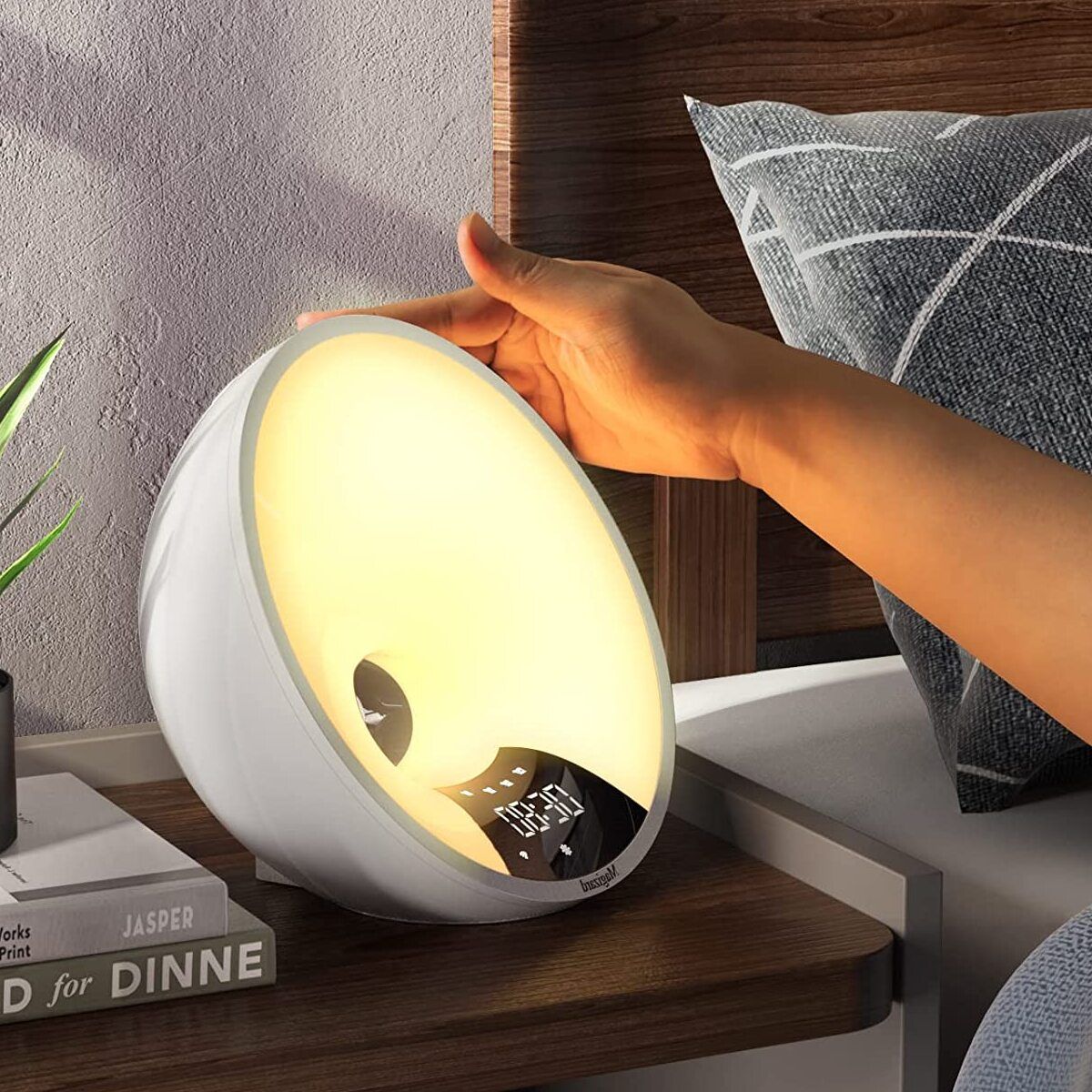
In summary, the use of a wake-up light not only enhances your morning routine but can also lead to improved mood and productivity throughout the day. Whether you’re struggling with waking up in the dark winter months or simply want a gentler start to your day, a wake-up light could be the solution you’ve been looking for. So why not give it a try and experience the difference it can make for your mornings?
Question & Answer Hub
What is a wake-up light?
A wake-up light is a device that simulates sunrise by gradually increasing light intensity to help wake you up gently.
How does a wake-up light work?
It uses light therapy principles to mimic natural sunlight, influencing circadian rhythms and promoting a more natural waking process.
Can a wake-up light help with seasonal affective disorder?
Yes, many people find that wake-up lights help alleviate symptoms of seasonal affective disorder by providing exposure to light that can boost mood.
Is it safe to use a wake-up light every day?
Yes, using a wake-up light daily is generally safe and can be beneficial for regulating sleep patterns.
Can I use a wake-up light with other alarm clocks?
Absolutely! Many people use wake-up lights in conjunction with traditional alarm clocks for added flexibility in their morning routines.