
 Caroline Sarah
How to sleep better is a quest that many embark on, often without realizing just how crucial quality sleep is to overall well-being. Sleep is not merely a time of rest; it’s a vital process that impacts our physical and mental health, enhancing our daily performance and mood. Understanding the elements that contribute to better sleep can transform not only how we feel when we wake up but also the quality of our lives.
From establishing a consistent sleep routine to creating an ideal sleep environment, there are numerous strategies that can significantly enhance our sleep quality. By addressing factors such as diet, exercise, stress management, and even technology use, we can pave the way for rejuvenating nights and energized days. The need for better sleep resonates with many, making it a universal topic worth exploring.
Understanding the Importance of Sleep Quality
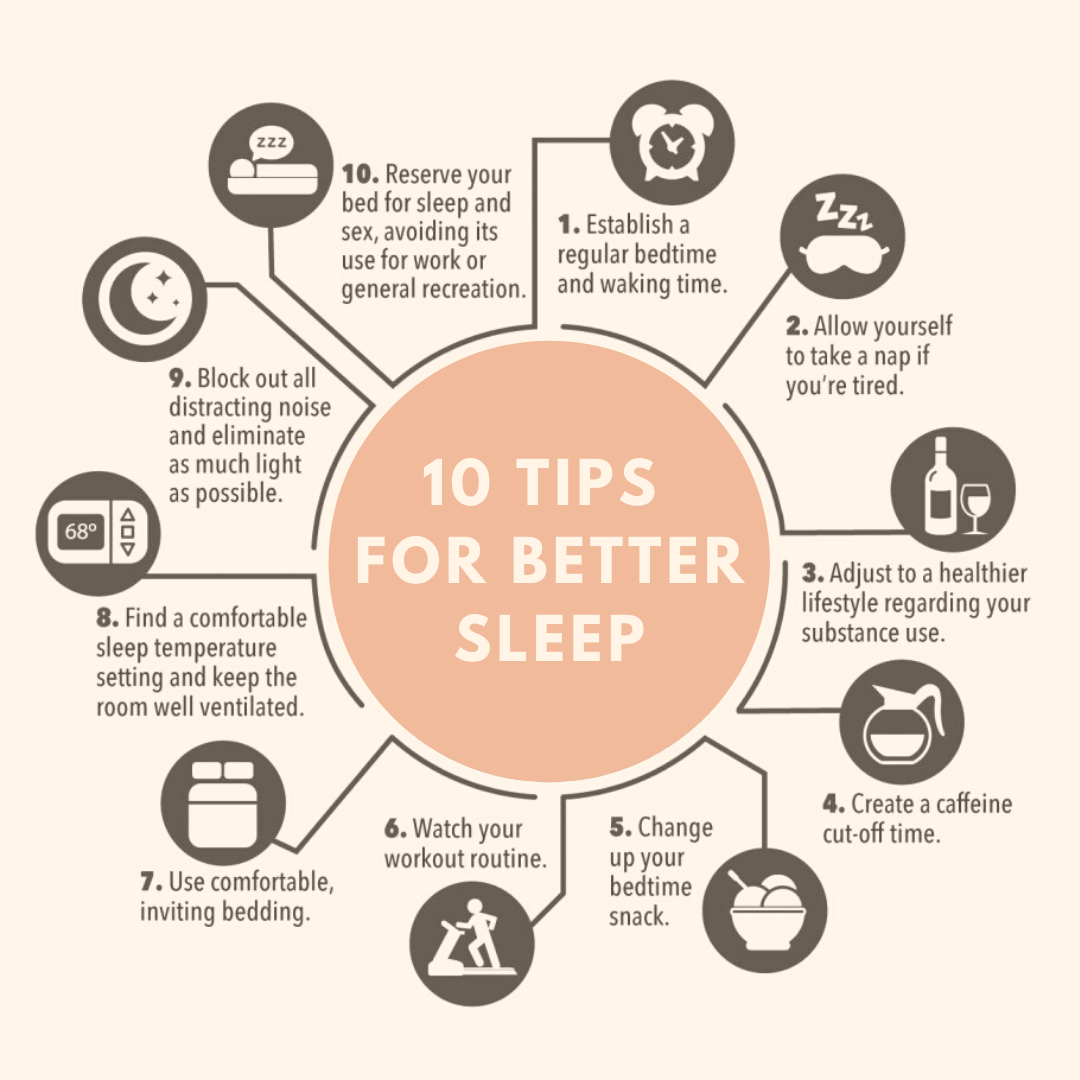
Good sleep is more than just a luxury; it’s a fundamental component of good health and well-being. As our bodies cycle through various sleep stages, they engage in essential processes that aid recovery, memory consolidation, and overall homeostasis. Understanding the physiological impact of sleep helps us appreciate why quality rest is crucial for our health.
Sleep is vital for numerous physiological processes including immune function, metabolism, and cardiovascular health. During sleep, the body undergoes various restorative processes, such as tissue growth and repair, hormone regulation, and detoxification. The body produces cytokines, a type of protein that targets infection and inflammation, during sleep, which means that poor sleep can weaken our immune response, making us more susceptible to illnesses. Furthermore, sleep is essential for metabolic health; insufficient sleep can disrupt the balance of hormones that regulate appetite, leading to weight gain and increased risk of type 2 diabetes.
Additionally, sleep plays a critical role in cardiovascular health. Studies have shown that individuals who do not get enough quality sleep are at higher risk for hypertension, heart disease, and stroke, as sleep deprivation can lead to increased heart rate and higher levels of stress hormones. Essentially, sleep acts as a protective factor for many bodily functions, ensuring both physical recuperation and mental rejuvenation, making its quality crucial for maintaining overall health.
Health Issues Linked to Poor Sleep Patterns
A variety of health issues are linked to poor sleep patterns, significantly affecting physical and mental well-being. Recognizing these issues can help individuals prioritize sleep and seek healthier habits.
One prominent health issue is obesity. Research indicates that people who consistently get insufficient sleep are more likely to gain weight and develop obesity-related complications. The regulatory hormones for hunger—ghrelin and leptin—are affected by sleep. Ghrelin levels increase, promoting hunger, while leptin, which signals fullness, decreases, leading to overeating and weight gain.
Another serious health concern is diabetes. Poor sleep quality can lead to insulin resistance, a precursor to type 2 diabetes. Studies have shown that individuals who sleep less than six hours a night have a significantly higher risk of developing this condition. The body’s ability to process glucose effectively diminishes with inadequate sleep, resulting in elevated glucose levels and potential long-term complications.
Cardiovascular diseases also have a well-established link with poor sleep. Sleep disorders such as sleep apnea are associated with an increased risk of hypertension, heart attack, and stroke. Sleep apnea leads to interrupted breathing during sleep, causing significant drops in oxygen levels and elevated stress on the heart.
Mental health issues are also prevalent among those with poor sleep. Conditions like anxiety and depression can both stem from and exacerbate sleep disturbances, creating a vicious cycle that affects overall quality of life.
Role of Sleep in Mental Health and Cognitive Function
Sleep is intricately tied to mental health and cognitive functioning, influencing how our brain processes information and regulates emotions. Quality sleep is essential for memory consolidation, emotional regulation, and problem-solving abilities, making it a cornerstone of cognitive health.
One of the primary functions of sleep is to consolidate memories. During the REM (Rapid Eye Movement) stage of sleep, the brain processes and stores new information, reinforcing learning. For students or professionals engaged in cognitively demanding tasks, a good night’s sleep can significantly enhance performance, creativity, and retention of knowledge. For instance, studies have shown that individuals who take naps or get adequate sleep before testing perform better in memory recall tasks than their sleep-deprived counterparts.
Moreover, sleep directly impacts mood regulation. Lack of sleep can lead to irritability, anxiety, and heightened emotional responses. It can also worsen pre-existing mental health conditions. For instance, individuals suffering from depression often report disrupted sleep patterns, which can exacerbate feelings of sadness and hopelessness. Conversely, good sleep hygiene can improve mood and resilience against stress and emotional turmoil.
Additionally, cognitive functions such as decision-making and critical thinking are impaired when sleep quality diminishes. For example, chronic sleep deprivation can lead to lapses in attention and slower reaction times, akin to the effects of alcohol intoxication. This impairment can affect daily activities, workplace performance, and interpersonal relationships.
Overall, establishing a healthy sleep routine not only enhances physical health but also fosters mental clarity, emotional stability, and cognitive prowess, underscoring the profound importance of quality sleep in our lives.
Establishing a Sleep Routine for Better Rest
Creating a sleep routine is vital for ensuring quality rest and overall well-being. A consistent schedule helps regulate your body’s internal clock, making it easier to fall asleep and wake up feeling refreshed. This section delves into the components of an ideal sleep schedule, methods for winding down, and the significance of consistency in sleep times.
Ideal Sleep Schedule and Its Significance
An ideal sleep schedule typically involves going to bed and waking up at the same time every day, including weekends. Most adults require about 7 to 9 hours of sleep per night. Here’s an example of what an optimal sleep schedule might look like:
- 10:00 PM – Wind down for the night: Turn off screens, dim the lights, and engage in relaxing activities.
- 10:30 PM – Bedtime: Get into bed to ensure you’re asleep by 11:00 PM.
- 11:00 PM – Sleep: Aim to fall asleep within 15 to 30 minutes.
- 6:30 AM – Wake up: Get out of bed and greet the day.
The significance of such a schedule lies in its ability to support your body’s circadian rhythm, which is the natural cycle that dictates sleepiness and alertness. When you adhere to a consistent schedule, your body becomes accustomed to these times, making it easier to fall asleep and wake up. Disruptions in this schedule can lead to sleep disorders and fatigue, affecting cognitive functions and overall health.
Methods for Winding Down Before Bed
Winding down before sleep is crucial for preparing your body and mind for rest. Engaging in calming activities helps reduce stress and promotes relaxation. Consider incorporating the following methods into your nightly routine:
- Reading: Choose light fiction or non-fiction that captivates your interest without overstimulating your mind.
- Meditation: Practicing mindfulness or deep breathing exercises can significantly reduce anxiety and promote emotional well-being.
- Gentle Yoga: Stretching and relaxing your muscles can ease physical tension, making it easier to fall asleep.
- Listening to Soothing Music or Sounds: Calming music or nature sounds can create a peaceful environment conducive to sleep.
Engaging in these activities not only helps to signal to your body that it’s time to rest but also creates a positive association with bedtime, making falling asleep easier over time.
Importance of Consistency in Sleep Times
Consistency in sleep times plays a vital role in regulating your circadian rhythm. This internal clock, influenced by light and darkness, determines your natural sleep-wake cycles. When you maintain regular sleep and wake times, your body can better manage hormones like melatonin, which regulates sleep.
Disruptions in this consistency can lead to a phenomenon known as “social jet lag,” which occurs when your sleep schedule varies significantly from your biological clock. This can lead to feelings of tiredness, irritability, and decreased performance the following day. Research indicates that people who keep consistent sleep schedules report better sleep quality and mental alertness.
By sticking to a regular schedule, you train your body to expect sleep at certain times, optimizing your ability to fall asleep and wake up refreshed. For instance, studies show that individuals who maintain regular sleep patterns tend to experience less insomnia and report higher overall satisfaction with their sleep quality. The key takeaway is that prioritizing consistent sleep times can vastly improve not only the quality of sleep but also your daily functioning and health.
Creating a Sleep-Inducing Environment
Creating the right environment for sleep is crucial for enhancing sleep quality and overall well-being. Our surroundings can significantly impact our ability to fall asleep and stay asleep throughout the night. By optimizing the bedroom conditions—like controlling light, temperature, and noise levels—we can foster a more conducive atmosphere for restful slumber.
Optimal Bedroom Conditions
The ideal sleep environment should promote relaxation and comfort. Here are the key factors to consider for optimal bedroom conditions:
1. Lighting: Dim lighting is essential as it signals the body that it’s time to wind down. Use blackout curtains to block outside light and consider using soft, warm light bulbs in your lamps. The use of blue-light blocking devices in the hours leading up to sleep is recommended, as blue light can interfere with melatonin production.
2. Temperature: The ideal bedroom temperature for sleep is typically between 60°F and 67°F (15°C – 19°C). A cooler room helps lower the body’s core temperature, signaling that it’s bedtime. Use fans or air conditioning in warmer months, and cozy blankets or electric blankets during the colder months.
3. Noise Levels: Creating a quiet space is vital for uninterrupted sleep. To mitigate unwanted noise, consider using white noise machines or calming sounds, such as rain or ocean waves. Earplugs can also be effective in blocking out sudden disturbances.
Items and Modifications to Enhance Sleep Quality
Several items and modifications can significantly improve your sleep experience. Here’s a list of practical enhancements you can implement in your bedroom:
1. Blackout Curtains: Block out unwanted light and create a dark environment for deeper sleep.
2. Comfortable Mattress: A suitable mattress offers proper support and comfort tailored to your sleeping position.
3. Quality Pillows: Choose pillows that provide adequate neck support based on your sleep style—side, back, or stomach.
4. Air Purifier: Improves air quality by reducing allergens and irritants, promoting easier breathing during sleep.
5. Essential Oil Diffuser: Aromatherapy from essential oils like lavender can promote relaxation and improve sleep quality.
6. Sound Machines: These devices can provide a consistent sound backdrop, helping to drown out disruptive noises.
Each of these modifications contributes to a more restful environment, resulting in deeper and more restorative sleep.
Choice of Bedding and Mattress
The selection of bedding and a mattress plays a pivotal role in sleep comfort. A mattress that suits your individual preferences in terms of firmness and material can significantly influence sleep quality. For instance, memory foam mattresses contour to the body, relieving pressure points and providing support. In contrast, traditional innerspring mattresses offer a bouncier feel, which some sleepers prefer.
Bedding materials also matter. Cotton sheets are breathable and comfortable, while flannel sheets can provide warmth during colder months. The right bedding can regulate body temperature and moisture, contributing to a comfortable sleep experience.
Ultimately, the combination of the right mattress and bedding creates an environment that promotes relaxation and reduces disturbances during the night, leading to improved overall sleep quality.
The Role of Diet and Exercise in Sleep Quality
Sleep quality is influenced by various factors, with diet and exercise being two critical components. The foods we consume and our level of physical activity can significantly impact our ability to fall asleep and stay asleep. Understanding how specific dietary choices and exercise routines affect sleep can help us make informed decisions that enhance our nightly rest.
Influence of Foods and Beverages on Sleep Patterns
Certain foods and beverages are known to either promote or disrupt sleep patterns. For instance, foods rich in tryptophan, such as turkey, nuts, and seeds, can enhance the production of melatonin, the hormone responsible for regulating sleep. Additionally, carbohydrates can help facilitate the entry of tryptophan into the brain, making snacks like whole-grain crackers with cheese a good choice before bedtime.
Conversely, caffeine and nicotine are stimulants that should be avoided in the evening as they can lead to insomnia and restless nights. Alcohol, while it may initially make you feel sleepy, can disrupt sleep cycles later in the night. Here’s a brief overview of some foods and beverages that affect sleep:
- Sleep-Promoting Foods: Bananas, kiwis, oats, and fatty fish like salmon.
- Sleep-Disrupting Beverages: Coffee, energy drinks, and certain herbal teas (like those with ginseng).
“A well-balanced diet rich in sleep-friendly nutrients can significantly improve sleep quality.”
Relationship Between Physical Activity and Sleep Quality
Regular physical activity is closely linked to improved sleep quality. Engaging in exercise can help reduce anxiety and stress, which are common barriers to a good night’s sleep. Studies have shown that individuals who exercise regularly report better sleep compared to those who lead a sedentary lifestyle. Aerobic exercises, such as walking, running, and swimming, are particularly beneficial as they raise your heart rate and promote deeper sleep.
Strength training exercises can also positively impact sleep by enhancing muscle recovery and reducing nighttime awakenings. It is recommended to structure workouts earlier in the day, as exercising too close to bedtime may lead to difficulty falling asleep. Here are some recommended types of exercise for better sleep:
- Aerobic Exercise: Engage in at least 150 minutes of moderate aerobic activity each week.
- Strength Training: Incorporate muscle-strengthening activities on two or more days a week.
- Mind-Body Exercises: Practices like yoga and tai chi can help reduce stress and improve relaxation.
Foods to Avoid Before Bedtime
Certain foods can negatively impact sleep quality when consumed close to bedtime. Highly processed foods, rich in sugars and unhealthy fats, can lead to discomfort and digestion issues during the night, making it harder to fall asleep. Spicy foods can cause heartburn and indigestion, while large meals may leave you feeling too full to sleep comfortably.
Here’s a summary of foods to steer clear of before hitting the sack:
- Spicy Foods: Can lead to heartburn and disrupt sleep.
- Caffeine-Rich Foods: Chocolate and certain sodas can keep you awake.
- Heavy or Rich Foods: Fatty meals can cause discomfort and indigestion.
Understanding the significant role that diet and exercise play in enhancing sleep quality can empower individuals to make healthier choices, promoting better rest and overall well-being.
Managing Stress and Anxiety for Better Sleep
Stress and anxiety can significantly impact sleep quality, leading to difficulties in falling asleep or maintaining restful slumber. Effective stress management techniques are essential for creating a peaceful environment that fosters better sleep. By integrating practical methods into daily routines, individuals can experience a marked improvement in their sleep patterns.
Techniques for Stress Management
Implementing stress management techniques can create a calming pre-sleep atmosphere. Here are some effective methods to incorporate:
- Deep Breathing Exercises: Practicing deep breathing helps activate the body’s relaxation response. Inhale deeply through the nose, expanding the abdomen, and exhale slowly through the mouth. Repeat for several minutes to ease tension.
- Progressive Muscle Relaxation: This involves tensing and relaxing different muscle groups to release physical tension. Start from the toes and work up to the head, focusing on the sensation of relaxation.
- Journaling: Writing down thoughts and worries before bed can help clear the mind. Spend a few minutes reflecting on the day or jotting down tasks for tomorrow to alleviate mental clutter.
Benefits of Mindfulness and Meditation Practices
Mindfulness and meditation have gained recognition for their profound impact on sleep quality. These practices encourage being present in the moment, which diminishes anxiety and racing thoughts that often interfere with sleep.
Engaging in mindfulness can reduce stress hormones in the body, cultivating a sense of calm and relaxation. A study published in the journal “JAMA Internal Medicine” found that mindfulness meditation not only improved sleep quality but also reduced insomnia symptoms. Meditation techniques, such as guided imagery and loving-kindness meditation, enhance emotional regulation, leading to lower anxiety levels.
Regular mindfulness practice before bedtime prepares the mind for sleep. It allows individuals to transition from a busy day to a restful night. With just ten minutes of meditation, one can experience improved sleep patterns and feel more rejuvenated upon waking.
Specific Relaxation Techniques Before Bedtime
Certain relaxation techniques are particularly effective when practiced before bedtime, promoting a smoother transition to sleep.
One notable method is the use of aromatherapy. Essential oils like lavender and chamomile can be diffused in the bedroom or added to a warm bath to create a serene atmosphere conducive to sleep. The soothing scents trigger relaxation responses, calming the mind and preparing the body for rest.
Another effective technique is reading a physical book in a low-light setting. This practice allows the mind to disengage from electronic devices, which can stimulate the brain and hinder sleep. Choose light, enjoyable reading material that doesn’t provoke intense thoughts or emotions.
Incorporating these relaxation techniques into a nightly routine can create a peaceful pre-sleep environment, ultimately improving sleep quality. By focusing on managing stress and anxiety, individuals can achieve a more restful and restorative sleep.
The Impact of Technology on Sleep
The digital age has brought with it numerous conveniences, but it also poses challenges to our sleep. The blue light emitted from screens, prevalent in smartphones, tablets, and computers, significantly disrupts our natural sleep patterns. Understanding this impact can empower individuals to take proactive steps toward better sleep hygiene.
Effects of Blue Light on Sleep Patterns
Blue light has been shown to interfere with the production of melatonin, the hormone responsible for regulating sleep-wake cycles. Exposure to blue light, particularly in the evening, can lead to delayed sleep onset and reduced sleep quality. Research suggests that individuals who use screens for extended periods before bed may experience difficulties falling asleep and lighter sleep, impacting overall health.
To mitigate the effects of blue light, consider these strategies:
- Use blue light filters on devices, which adjust screen color tones to reduce blue light emission.
- Engage in screen-free activities such as reading a physical book or practicing relaxation techniques at least an hour before bedtime.
- Invest in blue light blocking glasses, particularly useful for those who must use screens in the evening.
- Utilize night mode settings available on most devices, which automatically reduce blue light exposure during evening hours.
Taking these steps can significantly enhance sleep quality by promoting healthy melatonin production.
Role of Sleep Tracking Devices and Apps
Sleep tracking technology has become increasingly popular among individuals looking to improve their sleep habits. Devices and apps designed for sleep tracking provide invaluable insights into sleep patterns, duration, and quality. By collecting data on sleep stages, users can identify areas for improvement in their sleep routines.
The benefits of utilizing sleep tracking technology include:
- Awareness of sleep habits: Users gain insights into their sleep patterns, helping them understand how lifestyle choices affect sleep quality.
- Setting personalized goals: Many apps allow users to set sleep goals, encouraging them to prioritize rest over other activities.
- Feedback mechanisms: Continuous monitoring helps users make informed adjustments to their bedtime routines, leading to enhanced sleep quality.
As a result, sleep tracking devices and apps can serve as effective tools for fostering better sleep habits.
Guidelines for Balanced Technology Use Before Bedtime
Establishing a balanced approach to technology use before bedtime is crucial for maintaining optimal sleep quality. Excessive screen time can disrupt the body’s natural cues for sleep, leading to insomnia or poor sleep quality.
Consider implementing these guidelines:
- Aim to disconnect from screens at least one hour before sleep.
- Create a bedtime routine that incorporates calming activities, such as meditation or light stretching.
- Limit notifications and alerts during the evening to reduce distractions.
- Consider creating a dedicated tech-free zone in the bedroom to enhance relaxation.
Following these practices will help create a conducive sleep environment, promoting restorative rest.
Seeking Professional Help for Sleep Disorders

Struggling with sleep issues is common, but persistent problems may indicate underlying sleep disorders that require professional intervention. Various sleep disorders can affect the quality of life, impacting physical health, mental well-being, and daily performance. Understanding these disorders, their symptoms, and treatment options can help you make informed decisions about your sleep health.
Common Sleep Disorders, Symptoms, and Treatments
Sleep disorders can range from mild disturbances to serious medical conditions. Here are some prevalent types, along with their symptoms and treatment options:
- Insomnia: Characterized by difficulty falling asleep or staying asleep. Symptoms include fatigue, irritability, and concentration issues. Treatments often involve cognitive-behavioral therapy (CBT), lifestyle changes, and, in some cases, medication.
- Sleep Apnea: This disorder involves interruptions in breathing during sleep, which can lead to loud snoring and excessive daytime sleepiness. Treatments typically include lifestyle changes, continuous positive airway pressure (CPAP) therapy, or surgery in severe cases.
- Restless Legs Syndrome (RLS): Individuals experience an uncontrollable urge to move their legs, especially at night. Symptoms include uncomfortable sensations in the legs and disrupted sleep. Treatment may include medication, lifestyle adjustments, and leg exercises.
- Narcolepsy: This neurological condition leads to excessive daytime sleepiness and sudden sleep attacks. Symptoms also include cataplexy (sudden loss of muscle tone). Treatments may include medication and lifestyle changes to manage symptoms effectively.
Understanding these disorders and their treatments is essential for addressing the root causes of sleep problems. Seeking professional help can provide tailored solutions to improve your sleep quality.
When to Seek Professional Help for Sleep Issues
Recognizing when to seek professional help for sleep issues is crucial. It’s usually advisable to consult a healthcare provider if sleep disturbances persist for more than a few weeks, significantly affect your daily life, or are accompanied by other concerning symptoms.
The evaluation process typically begins with an initial consultation, where a healthcare professional will discuss your sleep history, lifestyle, and any underlying medical conditions. This may involve a sleep diary, questionnaires, or referral for a sleep study to monitor sleep patterns and identify any physiological issues.
During the evaluation, the provider may ask about your sleep habits, such as the bedtime routine, use of sleep aids, and any relevant family history of sleep disorders. The goal is to create a comprehensive picture of your sleep health to determine an effective treatment plan.
Cognitive-Behavioral Therapy for Insomnia
Cognitive-behavioral therapy (CBT) for insomnia is a structured program that helps individuals identify and replace thoughts and behaviors that cause or worsen sleep problems. It is often recommended as the first-line treatment for chronic insomnia and has proven effective for many individuals.
CBT addresses the cognitive aspects of insomnia by teaching patients to challenge negative thoughts about sleep and promote a healthier sleep mentality. Techniques may include stimulus control therapy, which encourages associating the bed with sleep rather than wakefulness, and sleep restriction therapy, which limits time spent in bed to increase sleep efficiency.
The effectiveness of CBT for insomnia is supported by numerous studies, which demonstrate its potential for lasting change in sleep quality. Patients often report improved sleep patterns, reduced anxiety surrounding sleep, and an overall enhancement in their quality of life. By equipping individuals with practical skills, CBT fosters better sleep hygiene and promotes sustainable sleep improvement strategies.
Ultimate Conclusion
In conclusion, embracing the principles of how to sleep better can lead to profound improvements in our health and well-being. As we’ve discussed, incorporating strategies such as a structured sleep schedule, a calming bedtime routine, and a conducive sleep environment can dramatically enhance sleep quality. By prioritizing rest and addressing factors that disrupt it, we not only improve our sleep but also our quality of life.
FAQ Section
How many hours of sleep do adults need?
Most adults require between 7 to 9 hours of sleep per night for optimal health.
Can naps help improve overall sleep quality?
Yes, short naps can enhance alertness and performance, but long naps may interfere with nighttime sleep.
What are signs of poor sleep quality?
Signs include difficulty waking up, feeling tired throughout the day, irritability, and difficulty concentrating.
Does caffeine affect sleep?
Yes, caffeine can disrupt sleep patterns, especially if consumed in the afternoon or evening.
Should I exercise before bed?
While regular exercise promotes better sleep, vigorous workouts right before bedtime may keep some people awake.