
 Caroline Sarah
Fatigue, often brushed aside as mere tiredness, envelops a complexity that deserves our attention. It manifests in various forms, affecting our physical, mental, and emotional well-being. Each type of fatigue brings its own challenges, demands different strategies for management, and can significantly impact our daily lives. By delving into the distinctions among these types, we can better understand the root causes, symptoms, and effective approaches to mitigate their effects.
This exploration sheds light on how lifestyle choices, medical conditions, and even cultural perspectives intertwine with our experience of fatigue. From dietary habits to workplace environments, understanding these connections offers valuable insights into how we can improve our energy levels and overall quality of life.
Understanding the Different Types of Fatigue
Fatigue is a complex and multifaceted condition that can manifest in various ways. Understanding the different types of fatigue—physical, mental, and emotional—is crucial for effective management and recovery. Each type has distinct characteristics, causes, and symptoms that can significantly impact an individual’s daily life and overall well-being.
Physical fatigue refers to the body’s diminished capacity to perform activities due to overexertion or lack of rest. It often results from strenuous physical activities, prolonged exertion, or inadequate sleep. Examples of situations that may lead to physical fatigue include running a marathon, lifting heavy weights at the gym, or working on a physically demanding job like construction. Common symptoms include muscle weakness, reduced stamina, and a persistent feeling of tiredness that doesn’t improve with rest.
Mental fatigue, on the other hand, relates to cognitive processes and is often experienced after prolonged periods of intense focus or mental exertion. This can be caused by activities like studying for exams, working on complex projects, or even extended screen time. The symptoms of mental fatigue include difficulty concentrating, forgetfulness, impaired decision-making, and a sense of mental fog. Individuals may find it challenging to stay engaged in tasks, leading to decreased productivity and increased frustration.
Emotional fatigue involves the depletion of emotional resources, often triggered by stress, trauma, or sustained interpersonal conflicts. Situations that may contribute to emotional fatigue include caring for a sick family member, navigating a challenging relationship, or dealing with workplace stress. Symptoms of emotional fatigue can manifest as irritability, anxiety, feelings of helplessness, and a lack of motivation. People experiencing emotional fatigue may feel overwhelmed and unable to cope with everyday challenges.
Recognizing the signs and symptoms associated with each type of fatigue is essential for addressing them effectively. Understanding the distinctions can help individuals identify the root cause of their fatigue and seek appropriate remedies, whether that involves rest, relaxation techniques, or professional support.
Types of Fatigue Explained
The following table provides a clear breakdown of the different types of fatigue, their causes, and symptoms.
| Type of Fatigue | Causes | Symptoms |
|---|---|---|
| Physical Fatigue | Overexertion, lack of sleep, prolonged physical activity | Muscle weakness, reduced stamina, persistent tiredness |
| Mental Fatigue | Prolonged focus, intense cognitive tasks, excessive screen time | Difficulties concentrating, forgetfulness, mental fog |
| Emotional Fatigue | Stress, trauma, interpersonal conflicts | Irritability, anxiety, feelings of helplessness |
The Impact of Lifestyle Choices on Fatigue Levels
Lifestyle choices play a significant role in determining fatigue levels. Elements such as diet, sleep habits, and exercise routines greatly influence how alert and energized we feel throughout the day. Poor lifestyle choices can lead to increased fatigue, while adopting healthier habits can energize and enhance overall well-being. Understanding this connection is crucial for anyone looking to manage fatigue effectively.
The relationship between diet and fatigue is quite significant. Consuming a balanced diet rich in vitamins, minerals, and adequate macronutrients can provide the necessary energy for daily activities. On the contrary, diets high in processed foods, sugars, and unhealthy fats can lead to spikes and crashes in energy levels, resulting in increased feelings of fatigue. For example, a breakfast of sugary cereals may lead to an initial energy burst, but this is often followed by a slump as blood sugar levels drop. Foods that promote sustained energy include whole grains, fruits, and vegetables, which provide slow-releasing carbohydrates. Moreover, adequate hydration is essential, as even mild dehydration can lead to increased fatigue.
Sleep Quality and Quantity
A good night’s sleep is vital for combating fatigue. The quantity and quality of sleep directly affect alertness, mood, and cognitive function. Adults typically require between 7 to 9 hours of sleep per night, and neglecting this need can lead to significant fatigue. Sleep disorders, such as sleep apnea, can further exacerbate feelings of tiredness, even if a person believes they have had enough sleep. Establishing a consistent sleep schedule, creating a restful environment, and limiting screen time before bed can aid in achieving better sleep quality.
Certain lifestyle habits can either exacerbate or alleviate fatigue. Stressful lifestyles, characterized by irregular sleep patterns, excessive caffeine consumption, and lack of physical activity, can contribute significantly to feelings of fatigue. On the other hand, integrating habits such as regular exercise, relaxation techniques, and mindful eating can help alleviate fatigue. Regular physical activity enhances overall energy levels, as it promotes better circulation and increases stamina. Incorporating routine breaks throughout the day to stretch or walk can also invigorate both body and mind.
Stress management techniques are closely tied to fatigue reduction. High-stress levels can lead to sleep disturbances and decreased motivation for physical activity, both of which can heighten feelings of fatigue. Practices such as mindfulness meditation, yoga, and deep-breathing exercises can effectively reduce stress and, in turn, alleviate fatigue. For instance, dedicating just a few minutes daily to mindfulness can improve emotional resilience, leading to better sleep quality and ultimately reducing fatigue.
In conclusion, the interplay between lifestyle choices and fatigue is intricate and significant. Establishing healthy dietary habits, prioritizing quality sleep, engaging in regular exercise, and practicing effective stress management techniques can collectively contribute to lower fatigue levels and enhance overall well-being.
Exploring the Role of Chronic Fatigue Syndrome
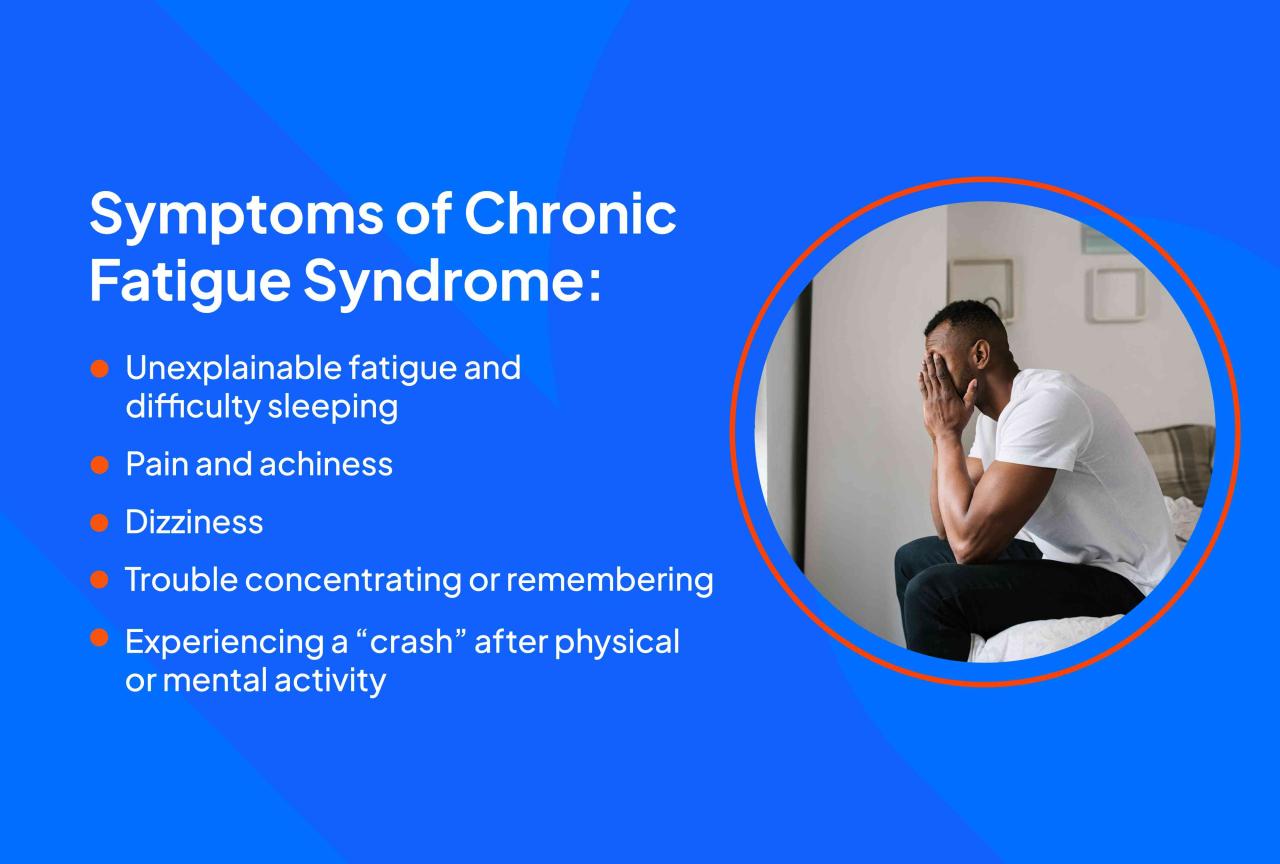
Chronic Fatigue Syndrome (CFS) is a complex disorder characterized by profound fatigue that lasts for at least six months and is not improved by rest. This fatigue significantly impairs daily functioning and is often exacerbated by physical or mental activity. While CFS is often misunderstood and sometimes dismissed, it is a serious condition that can drastically affect an individual’s quality of life. Understanding CFS involves recognizing its defining characteristics, potential triggers, and available treatment options.
Chronic Fatigue Syndrome presents a range of symptoms beyond the primary fatigue. Some of the most defining characteristics include:
- Post-exertional malaise (PEM): A hallmark of CFS, this symptom involves a worsening of symptoms following physical or mental exertion that can last for days or weeks.
- Sleep disturbances: Individuals often report unrefreshing sleep, insomnia, or altered sleep patterns, contributing to their overall fatigue.
- Cognitive impairments: Difficulty with memory, concentration, and the processing of information—often referred to as “brain fog”—is prevalent among those with CFS.
- Muscle and joint pain: Many experience widespread pain that can mimic fibromyalgia, often without inflammation or swelling.
- Orthostatic intolerance: Some individuals may experience dizziness or lightheadedness when standing, leading to additional challenges in daily activities.
The complexity of CFS is further amplified by its potential triggers and risk factors. Identifying these can aid in understanding the condition better. Common triggers include:
- Viral infections: Many patients report the onset of symptoms following a viral infection, such as Epstein-Barr virus or other illnesses.
- Stress: Both physical and emotional stress are known to potentially exacerbate symptoms.
- Genetic predisposition: Family history may play a role, suggesting a genetic component in susceptibility to CFS.
- Autoimmune disorders: Conditions like rheumatoid arthritis or lupus can co-occur with CFS, pointing to an underlying immune system dysfunction.
- Environmental factors: Exposure to certain toxins or allergens might trigger the onset or exacerbation of symptoms.
Managing Chronic Fatigue Syndrome requires a multidisciplinary approach, as there is no one-size-fits-all treatment. Treatment options typically focus on alleviating symptoms and improving quality of life. Here are some of the commonly adopted strategies:
- Medication: While there is no specific medication for CFS, certain medications can help manage symptoms. For instance, antidepressants can assist with sleep problems and pain management.
- Cognitive Behavioral Therapy (CBT): This type of therapy can help patients develop coping strategies for managing fatigue and cognitive difficulties.
- Graded Exercise Therapy (GET): A structured program of increasing physical activity, tailored to the individual’s capacity, may help improve function over time.
- Lifestyle adjustments: Incorporating balanced diets, hydration, regular sleep routines, and stress management techniques can have a positive impact on overall health.
- Support groups: Engaging with others who have CFS can provide emotional support and practical advice on coping strategies.
Effective management of Chronic Fatigue Syndrome requires a personalized approach, combining medical care, lifestyle changes, and emotional support.
Analyzing the Psychological Effects of Fatigue
Fatigue is more than just a physical sensation; it profoundly impacts mental health and emotional stability. Often underestimated, the psychological ramifications of fatigue can lead to a cascade of emotional disturbances, altering one’s ability to function effectively in daily life. When individuals are exhausted, their capacity to cope with stress diminishes, leading to a precarious balance in emotional well-being.
When fatigue persists, it can manifest as a breeding ground for mental health issues such as depression and anxiety. Studies have shown that chronic fatigue can result in cognitive impairment, characterized by difficulties in concentration, memory, and decision-making. This cognitive cloudiness can exacerbate feelings of hopelessness and helplessness, common symptoms of depression. Furthermore, as fatigue increases, so does irritability and anxiety, creating a vicious cycle where anxiety about fatigue leads to more fatigue.
Impact of Fatigue on Depression and Anxiety
The relationship between fatigue and mental health issues is significant and multifaceted. Fatigue can serve as both a symptom and a contributing factor to conditions like depression and anxiety. Individuals experiencing fatigue often report feelings of low energy, which can further complicate their ability to engage socially or pursue activities they once enjoyed, heightening depressive feelings.
Research indicates that fatigue can be a hallmark symptom in various mood disorders. For example, someone dealing with major depressive disorder often describes fatigue as a persistent companion, making it challenging to derive pleasure from activities. Similarly, people with anxiety disorders may find that fatigue amplifies their worries, leading to a heightened state of alertness that ultimately drains their mental resources.
To effectively manage the psychological effects of fatigue, various coping strategies can be employed. These strategies aim not only to alleviate fatigue but also to enhance emotional resilience. Here are some effective coping strategies:
- Regular Exercise: Engaging in physical activity can significantly boost mood and energy levels. Activities such as walking or yoga are particularly beneficial.
- Mindfulness and Meditation: Practicing mindfulness helps to reduce stress and improve focus, allowing individuals to manage their emotional responses to fatigue more effectively.
- Balanced Nutrition: Maintaining a healthy diet plays a crucial role in energy levels and mood stability. Incorporating whole foods, fruits, and vegetables can help combat fatigue.
- Quality Sleep: Prioritizing sleep hygiene—such as maintaining a consistent sleep schedule—can mitigate the effects of fatigue on mental health.
- Social Support: Connecting with friends or support groups can provide emotional relief and reduce feelings of isolation associated with fatigue.
“Fatigue can cloud judgment and emotional responsiveness, making it essential to adopt healthy coping mechanisms.”
Incorporating these strategies into daily routines can serve as a buffer against the negative psychological impacts of fatigue. By taking proactive steps to address fatigue, individuals can foster a more resilient mindset, paving the way for improved mental health outcomes.
Techniques for Managing and Reducing Fatigue
Managing fatigue is essential for maintaining productivity, mental clarity, and overall well-being. With the increasing demands of modern life, incorporating effective strategies to combat fatigue can significantly enhance quality of life. Here are several techniques that can be employed to effectively manage and reduce feelings of exhaustion.
Effective Techniques for Managing Fatigue
Implementing a variety of strategies can significantly aid in fatigue management. The following list Artikels several effective techniques that can be incorporated into daily routines:
- Prioritize Sleep: Aim for 7-9 hours of quality sleep per night to allow your body to restore and rejuvenate.
- Stay Hydrated: Drink adequate amounts of water throughout the day to maintain energy levels and prevent dehydration.
- Engage in Physical Activity: Regular exercise can boost energy levels, improve mood, and reduce feelings of fatigue.
- Practice Mindfulness and Relaxation Techniques: Activities such as meditation, yoga, and deep breathing can help reduce stress and enhance mental clarity.
- Maintain a Balanced Diet: Consuming a variety of nutrient-rich foods can provide sustained energy and help prevent fatigue.
Importance of Regular Breaks and Restorative Activities
Taking regular breaks and engaging in restorative activities is crucial for managing fatigue and enhancing overall productivity. During periods of intense work or prolonged focus, the brain and body can become overwhelmed and fatigued, leading to diminished performance and motivation. By integrating breaks into your daily routine, you can help mitigate these effects and improve your overall well-being.
Regular breaks allow individuals to step away from their tasks, providing the opportunity to recharge both mentally and physically. Research indicates that taking short breaks throughout the day can improve focus and concentration. For instance, the Pomodoro Technique, which involves working for 25 minutes followed by a 5-minute break, has been shown to enhance productivity while reducing mental fatigue.
Incorporating restorative activities, such as stretching, going for a walk, or practicing mindfulness, can further support fatigue management. These activities not only break the monotony of work but also provide a mental reset, allowing for improved creativity and problem-solving capabilities. Furthermore, engaging in hobbies or leisure activities during breaks helps reduce stress levels, contributing to a more balanced lifestyle.
“Taking the time to pause and reset is as vital as the work itself; it can lead to greater clarity and efficiency.”
Comparison of Fatigue Management Techniques
Understanding the effectiveness of various fatigue management techniques can help individuals select the best strategies for their needs. The following table summarizes different techniques and their effectiveness based on various factors:
| Technique | Effectiveness | Time Commitment | Accessibility |
|---|---|---|---|
| Prioritize Sleep | High | 8 hours/night | High |
| Stay Hydrated | Moderate | Ongoing | High |
| Engage in Physical Activity | High | 30 mins/day | Moderate |
| Practice Mindfulness | Moderate | 10-20 mins/day | High |
| Maintain a Balanced Diet | High | Ongoing | Moderate |
The Connection Between Fatigue and Medical Conditions

Fatigue is a common experience that can stem from various medical conditions, affecting individuals in different ways. Understanding the link between fatigue and these conditions is crucial, as it can inform both patients and healthcare providers about potential underlying health issues. Fatigue is not just a feeling of tiredness; it can serve as a significant symptom that warrants attention.
Several medical conditions are frequently associated with chronic fatigue. These conditions can range from autoimmune disorders to mental health issues. Recognizing the relationship between fatigue and these conditions can assist in timely diagnosis and treatment.
Common Medical Conditions Associated with Fatigue
Fatigue can signal various medical problems. Here are some notable conditions often linked to fatigue:
- Anemia: A condition characterized by a lack of healthy red blood cells to carry adequate oxygen to the body’s tissues. This deficiency can lead to persistent fatigue and weakness.
- Chronic Fatigue Syndrome (CFS): An unexplained, persistent fatigue lasting six months or longer that’s not improved by rest and worsens with physical or mental activity.
- Hypothyroidism: An underactive thyroid can lead to lower energy levels and fatigue due to the body’s metabolism slowing down.
- Diabetes: Fluctuations in blood sugar levels can result in fatigue. Both high and low blood sugar can sap energy and lead to feelings of tiredness.
- Depression and Anxiety Disorders: Mental health issues can manifest physically, often resulting in overwhelming fatigue, difficulty concentrating, and disruption of sleep patterns.
- Sleep Apnea: A serious sleep disorder where breathing repeatedly stops and starts, leading to poor sleep quality and excessive daytime fatigue.
- Heart Disease: Fatigue may arise from conditions affecting the heart’s ability to pump blood effectively, leading to reduced oxygen flow to the body.
Fatigue serves as a critical symptom for these conditions, often prompting individuals to seek medical help. Understanding when fatigue becomes a concern is vital. If fatigue persists for more than two weeks, is accompanied by other symptoms such as unexplained weight loss, fever, or changes in sleep patterns, it’s essential to consult a healthcare provider. Additionally, fatigue that interferes with daily activities or does not improve with rest should not be overlooked.
Seeking prompt medical advice can lead to early diagnosis and more effective management of underlying health conditions.
Recognizing the interplay between fatigue and various medical conditions allows for a more comprehensive approach to health and wellness. Taking proactive steps in addressing persistent fatigue can ultimately lead to improved quality of life.
The Importance of Workplace Fatigue Management
Fatigue in the workplace is a pervasive issue that significantly impacts productivity and safety. As employees often juggle multiple tasks and responsibilities, they can become physically and mentally exhausted, leading to diminished performance levels. Understanding and addressing workplace fatigue is crucial in creating a thriving work environment.
The impact of fatigue on workplace productivity and safety cannot be overstated. Research shows that fatigued employees are more prone to errors, accidents, and lapses in judgment. These occurrences can lead to costly mistakes, injuries, and even fatalities. According to the National Safety Council, drowsy workers are responsible for an estimated 328,000 accidents each year. Furthermore, fatigue can decrease cognitive function, impair decision-making abilities, and slow reaction times. This not only affects individual performance but can also ripple through teams, leading to decreased morale and collaboration. Organizations that ignore workplace fatigue may ultimately suffer from increased absenteeism, higher turnover rates, and diminished overall productivity.
To counteract fatigue, employers can implement several effective strategies aimed at reducing its prevalence and impact. A well-structured approach can foster a healthier workplace environment, which ultimately benefits both employees and the organization as a whole. Key strategies include:
- Flexible Work Schedules: Allowing employees to have flexible hours can help them manage their energy levels better. This leads to improved focus and productivity, as workers can align their tasks with their peak performance times.
- Regular Breaks: Encouraging short breaks throughout the workday can help combat fatigue. Breaks allow employees to refresh their minds and bodies, ultimately helping them return to work with increased vigor and efficiency.
- Wellness Programs: Providing access to wellness programs, such as fitness classes or mental health resources, can empower employees to take better care of themselves, reducing the risk of fatigue.
- Training and Awareness: Educating employees about the signs of fatigue and the importance of self-care can foster a culture of awareness and prevention.
- Workload Management: Regularly reviewing workloads and adjusting task assignments can help prevent overburdening employees, which is a common cause of fatigue.
Creating a supportive work environment plays a crucial role in combating fatigue. A workplace that prioritizes employee well-being fosters a sense of belonging and engagement. When employees feel supported, they are more likely to communicate their needs and challenges openly. This culture of support can lead to the implementation of better practices around work-life balance, encouraging employees to prioritize their health. For example, companies often find that incorporating comfortable break areas and flexible remote work options significantly enhances employee satisfaction, which can lead to decreased fatigue.
Promoting a healthy work environment also includes recognizing and rewarding employees’ efforts to maintain balance. By showing appreciation for their hard work, employers not only boost morale but also encourage a culture where employees are motivated to take the necessary steps to avoid burnout.
In summary, acknowledging the significance of effective fatigue management plays a vital role in ensuring a safe and productive workplace. Implementing thoughtful strategies and fostering a supportive culture can help mitigate the effects of fatigue, ultimately leading to improved outcomes for both employees and organizations.
Cultural Perspectives on Fatigue
Different cultures have unique approaches to understanding and managing fatigue, shaped by their historical, social, and environmental contexts. These perspectives influence attitudes towards rest, work, and overall well-being. While some societies prioritize productivity and equate long hours with success, others emphasize the importance of rest and recuperation as fundamental to health and happiness.
Cultural beliefs play a critical role in shaping behaviors related to fatigue. For instance, in many Western cultures, particularly the United States, the “hustle culture” glorifies overworking, often leading individuals to ignore signs of fatigue. This mindset values constant productivity, where taking breaks is often seen as a sign of weakness. Conversely, cultures such as those found in Scandinavian countries prioritize work-life balance. In these societies, policies like generous parental leave and mandated vacation days reflect a belief that regular rest is essential for both mental health and workplace efficiency.
Cultural Practices Influencing Attitudes Toward Fatigue Management
Understanding how different cultures manage fatigue reveals significant insights into their overall values and social structures. The following practices illustrate diverse attitudes toward rest and recuperation:
1. Siesta in Spanish-Speaking Countries: In countries like Spain and Mexico, the tradition of taking a midday break known as a siesta is common. This practice allows individuals to rest and recharge, recognizing fatigue as a natural part of daily life. It reflects a cultural belief in the importance of balance and personal well-being.
2. Mindfulness and Meditation in Eastern Cultures: Countries like Japan and India incorporate mindfulness practices and meditation into daily routines. These methods not only help manage fatigue but also promote mental clarity and emotional resilience. This approach emphasizes self-awareness and the recognition of fatigue as a signal for rest.
3. Collectivism in African Cultures: In many African cultures, community-oriented practices support fatigue management through collective activities, such as communal meals or shared rest periods. These practices foster social bonds and provide opportunities for individuals to recharge while connecting with others.
4. Work Ethic in East Asian Countries: In cultures like South Korea and China, there is a strong emphasis on diligence and hard work. Here, fatigue is often seen as a byproduct of dedication. However, recent trends indicate a growing recognition of the importance of mental health, leading to initiatives that encourage work-life balance and mental well-being.
“Understanding cultural perspectives on fatigue helps create a more holistic approach to health that respects and integrates diverse values.”
The differences in how cultures perceive and manage fatigue underscore the importance of context. Recognizing these diverse perspectives fosters a more inclusive understanding of health, emphasizing that there is no one-size-fits-all solution to managing fatigue.
Wrap-Up
In conclusion, fatigue is more than just a state of tiredness; it is a multifaceted issue that can stem from various sources and impact many aspects of our lives. By recognizing the different types of fatigue, understanding their causes, and adopting effective management strategies, we can enhance our overall well-being. Addressing fatigue is a vital step towards living a balanced and fulfilling life, empowering us to tackle challenges with renewed vigor.
Common Queries
What are the main symptoms of physical fatigue?
Main symptoms include persistent tiredness, decreased strength, and a lack of energy for daily activities.
How can diet influence fatigue levels?
A balanced diet rich in nutrients can boost energy levels, while poor dietary choices can lead to increased fatigue.
Can fatigue be a symptom of a serious medical condition?
Yes, fatigue can indicate various medical conditions, including anemia, thyroid disorders, and chronic fatigue syndrome.
Is it normal to feel fatigued after exercising?
Some fatigue after exercise is normal, but prolonged fatigue may indicate overtraining or inadequate recovery.
What role does hydration play in managing fatigue?
Staying hydrated is crucial; dehydration can significantly increase fatigue and reduce overall energy levels.