
 Caroline Sarah
Deeply asleep sets the stage for this enthralling narrative, offering readers a glimpse into the fascinating world of sleep, particularly the crucial stage known as deep sleep. This phase is often overlooked in discussions about rest, yet it plays a vital role in our overall health and well-being. As we journey through the intricacies of deep sleep, we will explore its scientific definition, physiological changes, and the significant distinctions between deep sleep and other sleep stages like REM sleep.
Furthermore, we will delve into why achieving quality deep sleep is essential, highlighting its benefits on physical health, mental clarity, and emotional resilience. With insights from studies and statistics, we aim to illustrate the profound impact of deep sleep on our lives and the potential risks of neglecting this critical aspect of rest.
Understanding the concept of deep sleep
Deep sleep, also known as slow-wave sleep (SWS), is a critical stage of the sleep cycle essential for physical and mental restoration. It occurs predominantly in the first half of the night and is characterized by slow brain waves, decreased body temperature, and minimal muscle activity. This stage is vital for overall health, playing a significant role in memory consolidation, cell repair, and the regulation of hormones.
Deep sleep comprises stages 3 and 4 of non-REM sleep, classified by the presence of delta waves in the brain. During these stages, the body undergoes several physiological changes. Heart rate and breathing slow down, while blood pressure drops, allowing the body to relax and recuperate. The release of growth hormone peaks during deep sleep, facilitating tissue growth and repair, essential for recovery from daily wear and tear. Moreover, the immune system strengthens, helping the body fend off illnesses.
Physiological changes during deep sleep
The physiological changes that occur during deep sleep are crucial for various bodily functions. These changes can be summarized as follows:
- Brain Activity: Characterized by delta brain waves, indicating restorative neural activity. The brain consolidates memories and processes information learned during the day.
- Hormonal Regulation: Growth hormone is released, promoting tissue growth and muscle repair. Additionally, levels of cortisol, a stress hormone, are reduced.
- Metabolic Rate: The body’s metabolism decreases, allowing for energy conservation and restoration of bodily functions.
- Physical Recovery: Muscle and tissue repair occurs, which is essential after physical exertion. The body actively restores energy levels during this time.
- Immune Function: Enhanced immune response occurs, providing the body with increased resistance to infections and diseases.
Deep sleep differs significantly from other stages of sleep, such as REM (Rapid Eye Movement) sleep. While deep sleep focuses on physical restoration, REM sleep is primarily associated with dreaming and cognitive functions. REM sleep typically occurs later in the sleep cycle and is characterized by increased brain activity, irregular breathing, and rapid eye movements. The interplay between these sleep stages is crucial for maintaining optimal health and well-being.
The importance of deep sleep for overall health
Deep sleep, often referred to as slow-wave sleep, is a crucial component of our nightly rest. It plays a vital role in various bodily functions, not just allowing us to feel refreshed the next day but also significantly impacting our physical health, mental clarity, and emotional well-being. Understanding the importance of deep sleep can lead to lifestyle changes that contribute to better health outcomes.
Deep sleep can be described as the restorative phase of the sleep cycle, where the body engages in critical processes that aid recovery and rejuvenation. During this stage, the body undergoes muscle repair, tissue growth, and protein synthesis. This physiological activity is essential as it helps to strengthen the immune system, regulate hormones, and support overall physical health. A study published in the journal *Sleep* found that individuals who consistently achieve adequate deep sleep have lower levels of inflammatory markers in their blood, suggesting a stronger immune response and reduced risk of chronic diseases.
Impact of Deep Sleep on Physical Health
The relationship between deep sleep and physical health is well-documented, with numerous studies indicating that insufficient deep sleep is closely linked to various health issues. For instance, a lack of deep sleep can lead to increased risks of cardiovascular diseases, obesity, and diabetes.
The following points illustrate how deep sleep contributes to physical health:
- Immune Function: Deep sleep enhances the production of cytokines, proteins that target infection and inflammation, thus bolstering the immune system.
- Weight Management: Research has shown that inadequate deep sleep is associated with weight gain due to hormonal imbalances that affect appetite regulation.
- Heart Health: Deep sleep is critical for regulating heart rate and blood pressure, reducing the risk of heart disease.
- Diabetes Risk: A study from the *Journal of Clinical Endocrinology & Metabolism* revealed that insufficient deep sleep can lead to insulin resistance, elevating the risk of type 2 diabetes.
Furthermore, statistics from the National Sleep Foundation indicate that adults should aim for 7 to 9 hours of sleep a night, with a significant portion of that being deep sleep. Yet, studies show that about 30% of adults report getting less than the recommended amount, which can lead to detrimental long-term health effects.
Long-term Health Risks Linked to Insufficient Deep Sleep
Chronic deprivation of deep sleep can result in severe long-term health consequences. These risks include:
- Mental Health Issues: Prolonged sleep deprivation can lead to anxiety, depression, and other mood disorders.
- Cognitive Decline: A lack of deep sleep has been associated with memory problems and impaired cognitive functions, putting individuals at risk of neurodegenerative diseases like Alzheimer’s.
- Increased Mortality Risk: Research from the University of California, Berkeley, revealed that those who consistently get less deep sleep have a higher mortality risk, linking sleep deprivation to early death.
In summary, deep sleep is not just a luxury but a necessity for maintaining optimal health. By prioritizing deep sleep, individuals can enhance their physical health, improve mental clarity, and foster emotional well-being, ultimately leading to a healthier, more balanced life.
Factors that influence deep sleep quality
Deep sleep, a crucial stage of the sleep cycle, plays a significant role in physical and mental health. Several external factors, such as environment, lifestyle choices, and dietary habits, can greatly influence the quality of deep sleep. Understanding and addressing these factors can lead to improved sleep quality and overall well-being.
Environmental Factors Affecting Deep Sleep
The sleep environment is essential for promoting deep sleep. Factors such as noise, light, and temperature can all impact the ability to enter and maintain this restorative sleep state. A quiet, dark, and cool room creates an ideal sleeping environment.
– Noise: Sudden or persistent sounds can disrupt sleep cycles. Using earplugs or white noise machines can help mitigate this issue.
– Light: Exposure to light, particularly blue light from screens, can hinder the production of melatonin, the hormone responsible for regulating sleep. Using blackout curtains and reducing screen time before bed can enhance sleep quality.
– Temperature: An overly warm or cold room can lead to discomfort. The optimal sleeping temperature is typically between 60 to 67 degrees Fahrenheit (15 to 19 degrees Celsius).
– Bedding Comfort: The quality of your mattress and pillows plays a significant role in achieving deep sleep. Investing in comfortable and supportive bedding can make a noticeable difference.
Lifestyle Choices Impacting Sleep Quality
Certain lifestyle habits can either promote or undermine deep sleep. Regular physical activity, for example, has been shown to enhance sleep quality, while late-night caffeine consumption can disrupt it.
– Exercise: Engaging in regular physical activity can help you fall asleep faster and enjoy deeper sleep. However, exercising too close to bedtime may have the opposite effect.
– Substance Use: Alcohol and caffeine can significantly interfere with sleep quality. While alcohol may initially make you feel drowsy, it can disrupt sleep cycles later in the night.
– Sleep Schedule: Maintaining a consistent sleep-wake schedule is vital. Going to bed and waking up at the same time every day helps regulate your body’s internal clock.
Diet and Its Influence on Sleep
Dietary choices also play a crucial role in sleep quality. Specific foods and eating patterns can either support or hinder deep sleep.
– Heavy Meals: Eating large meals close to bedtime can cause discomfort and indigestion, leading to poor sleep. It’s ideal to have your last meal at least two to three hours before sleep.
– Sleep-inducing Foods: Foods rich in magnesium and tryptophan, such as nuts, seeds, and turkey, can promote better sleep quality. Incorporating these into your diet may lead to more restorative sleep.
– Hydration: While staying hydrated is important, excessive fluid intake right before bed can lead to nighttime awakenings for bathroom trips.
Impact of Stress and Anxiety on Deep Sleep
Stress and anxiety are significant barriers to achieving deep sleep. High levels of stress can lead to racing thoughts and restlessness, preventing the body from fully relaxing.
– Stress Management Techniques: Practices such as mindfulness, meditation, and deep-breathing exercises can help reduce stress and promote relaxation. These methods assist in calming the mind before bedtime, making it easier to fall into deep sleep.
– Cognitive Behavioral Therapy (CBT): CBT for insomnia is an effective approach for managing anxiety-related sleep issues. It helps individuals identify and change unhelpful thoughts and behaviors that contribute to sleep disturbances.
– Journaling: Keeping a journal to express thoughts and feelings can help clear the mind before sleep. Writing down worries can lead to reduced anxiety levels and improved sleep quality.
Sleep Hygiene Practices for Better Deep Sleep
Implementing good sleep hygiene practices is fundamental for improving deep sleep quality. These habits create a conducive environment for restorative sleep.
– Establish a Routine: Create a calming bedtime routine that signals to your body it’s time to wind down. This may include reading, taking a warm bath, or practicing relaxation techniques.
– Limit Screen Time: Reduce exposure to screens at least an hour before bed to minimize blue light interference with melatonin production.
– Create a Comfortable Sleep Environment: Ensure your bedroom is dark, cool, and quiet. Consider blackout curtains, earplugs, or white noise machines if necessary.
– Limit Naps: While short naps can be beneficial, long or irregular napping can negatively affect nighttime sleep. Aim to keep naps under 30 minutes and avoid napping late in the day.
– Stay Away from Stimulants: Avoid caffeine and nicotine in the hours leading up to bedtime. These stimulants can disrupt the ability to fall asleep and stay asleep.
Techniques for improving deep sleep

Achieving high-quality deep sleep is essential for overall health and well-being. Various techniques can enhance the depth and quality of sleep, allowing the body to repair itself and the mind to recover from daily stressors. Below are several proven methods to improve deep sleep quality.
Relaxation Techniques
Engaging in relaxation techniques can significantly contribute to deeper sleep by calming the mind and reducing stress. Methods like meditation and yoga help in preparing the body for restful sleep by promoting relaxation and reducing anxiety.
- Meditation: Practicing mindfulness meditation before bed can quiet the mind, making it easier to transition to sleep. Focused breathing and visualization techniques can create a sense of calm that prepares the body for deep sleep.
- Yoga: Gentle yoga stretches performed in the evening can relieve physical tension and soothe the nervous system. Poses such as Child’s Pose or Legs-Up-The-Wall can help facilitate relaxation and promote deep sleep.
Bedtime Routines
Establishing a consistent bedtime routine signals the body that it is time to wind down. An effective routine can enhance sleep quality by creating an environment conducive to relaxation and rest.
- Consistent Sleep Schedule: Going to bed and waking up at the same time every day helps regulate the body’s internal clock, making it easier to fall into a deep sleep.
- Digital Detox: Limiting exposure to screens at least an hour before bed can reduce the interference of blue light with melatonin production, which is crucial for sleep onset.
- Warm Bath or Shower: Taking a warm bath or shower before bed can help to lower body temperature afterward, which promotes feelings of sleepiness and encourages a deeper sleep state.
- Reading or Journaling: Engaging in a calming activity such as reading a book or journaling can help shift focus away from daily stressors, allowing for a smoother transition to sleep.
Creating a bedtime routine that includes relaxation techniques and consistent habits can significantly enhance the quality of deep sleep.
The relationship between deep sleep and dreams
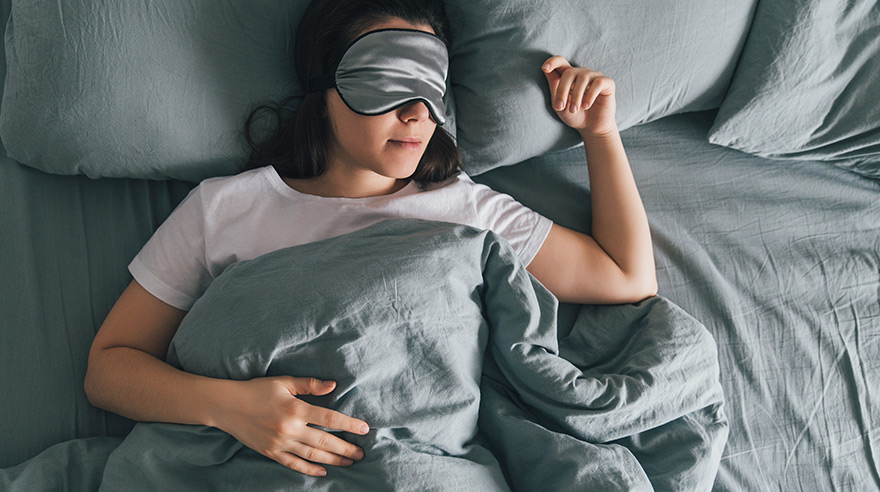
Deep sleep and dreaming sleep, often referred to as rapid eye movement (REM) sleep, are two distinct stages of the sleep cycle that play crucial roles in our overall mental and physical well-being. Understanding their differences is important for comprehending the implications of sleep on mental function and cognitive processes. Deep sleep is characterized by slow brain waves and a lack of vivid dreams, while REM sleep is where most dreaming occurs, making these stages vital to different aspects of our cognitive health.
Deep sleep, or slow-wave sleep, primarily occurs during the first half of the night and is essential for physical restoration and recovery. During this stage, the body engages in processes like muscle repair, tissue growth, and hormone regulation. In contrast, REM sleep, which occurs later in the sleep cycle, is associated with heightened brain activity and vivid dreaming. The implications of this distinction are significant for mental function; deep sleep is integral for consolidating memories and processing information, whereas REM sleep enhances creativity and emotional regulation through dream experiences.
The role of deep sleep in memory consolidation
Deep sleep plays a fundamental role in memory consolidation, a process vital for learning and cognitive development. During deep sleep, the brain actively organizes and strengthens the neural connections formed throughout the day. This is crucial as it helps in the transfer of information from short-term memory to long-term memory. The importance of deep sleep can be illustrated through the following aspects:
-
Memory consolidation primarily occurs during deep sleep, where the brain replays and integrates new information.
- Studies have shown that sleep deprivation impairs the ability to learn new tasks effectively, highlighting the necessity of deep sleep.
- Deep sleep reinforces declarative memories, such as facts and events, crucial for academic performance.
- Research indicates that individuals who get adequate deep sleep perform better on memory tasks compared to those who experience disrupted sleep patterns.
In comparison to lighter sleep stages, deep sleep provides a more restorative experience for the brain. During lighter sleep, the brain is more responsive to external stimuli, and while some memory processing occurs, it is not as profound. Lighter sleep stages are essential for transitioning into deeper sleep but do not offer the same level of cognitive benefits. The contrast between experiences in deep sleep and lighter sleep stages can be summarized as follows:
- Deep sleep is characterized by minimal brain activity and an absence of dreams, contributing to physical recovery.
- Lighter sleep includes more frequent awakenings and may involve brief dreams, lacking the comprehensive mental restoration found in deep sleep.
- While lighter sleep helps maintain a sense of alertness, deep sleep is pivotal for mental clarity and cognitive function.
The role of technology in monitoring deep sleep
As our understanding of sleep deepens, so does the integration of technology into sleep monitoring. Tracking deep sleep has become increasingly accessible through various devices and applications that offer insights into our nightly rest patterns. These advancements not only help individuals understand their sleep quality but also empower them to make informed adjustments to improve overall health.
Technology has evolved significantly in the realm of sleep monitoring, with an array of devices and applications designed to track sleep patterns, particularly focusing on deep sleep metrics. Wearable devices like fitness trackers and smartwatches utilize sensors to monitor physiological parameters such as heart rate, movement, and even blood oxygen levels during sleep. These metrics can provide a clearer picture of the duration and quality of deep sleep. Additionally, smartphone applications can use sound analysis to detect sleep stages by monitoring breathing patterns and ambient noise.
Types of Sleep Monitoring Devices and Applications
Various devices and apps serve the purpose of tracking sleep, each with distinct features and capabilities. The following list highlights the most commonly used tools in this domain:
- Wearable Devices: Smartwatches and fitness bands, such as the Fitbit and Apple Watch, offer detailed sleep tracking through movement and heart rate sensors. These devices often provide insights into sleep stages, including deep sleep duration.
- Bed Sensors: Devices like the Withings Sleep Tracking Mat are placed under the mattress to monitor sleep without any physical contact. They deliver comprehensive data about sleep cycles and environmental factors affecting sleep quality.
- Mobile Applications: Apps such as Sleep Cycle and SleepScore analyze your sleep patterns using sound and motion detection. These tools typically offer features like smart alarms and sleep tips based on the data collected.
- Smart Home Devices: Products like the Google Nest Hub and Amazon Echo Show can monitor environmental conditions such as temperature and noise levels in the bedroom, providing insights into factors that may affect sleep quality.
While using technology for sleep monitoring presents numerous benefits, there are also drawbacks to consider. One significant advantage is the ability to collect extensive data over time, allowing for the identification of sleep patterns and potential disturbances. This data can be instrumental in addressing issues like insomnia or sleep apnea. Technology can also promote accountability, encouraging healthier sleep habits through reminders and personalized recommendations.
However, drawbacks include the potential for over-reliance on these devices. Some users may become overly fixated on their sleep data, leading to anxiety or sleep disturbances rather than improvements. Additionally, certain devices may not always provide accurate readings, particularly if worn improperly or if environmental factors interfere with sensors’ effectiveness.
The interpretation of sleep data plays a crucial role in enhancing sleep health. Understanding the nuances of deep sleep metrics can empower individuals to make beneficial lifestyle changes. For instance, recognizing that a lack of deep sleep correlates with increased stress levels may encourage practices such as mindfulness or relaxation techniques before bedtime.
“Sleep is the golden chain that ties health and our bodies together.” – Thomas Dekker
By utilizing technology mindfully and interpreting the data wisely, individuals can significantly improve their sleep health, leading to better overall well-being and enhanced daily functioning.
Myths and misconceptions about deep sleep
Deep sleep plays a vital role in our overall health and well-being, yet several myths and misconceptions surround this critical stage of sleep. Understanding the truth behind these myths can significantly enhance our sleep hygiene and improve our health outcomes. Let’s explore some common misunderstandings regarding deep sleep and clarify the facts.
Common myths about deep sleep
Several myths can misguide individuals when it comes to understanding deep sleep. Here, we debunk a few of these misconceptions:
-
Myth 1: Deep sleep is the same as REM sleep.
Many assume that deep sleep and REM (Rapid Eye Movement) sleep are the same. In reality, both are distinct stages of sleep. Deep sleep is critical for physical restoration, while REM sleep is essential for cognitive functions like memory consolidation. -
Myth 2: You can “catch up” on deep sleep.
The idea that you can recover lost deep sleep by sleeping longer on weekends is misleading. While extra sleep can help, it often doesn’t fully compensate for the lack of restorative deep sleep experienced during previous nights. -
Myth 3: You need to sleep for 8 hours to get enough deep sleep.
Individual sleep needs vary. While some may need up to 8 hours to achieve adequate deep sleep, others may function well on less. It’s important to focus on sleep quality rather than just quantity. -
Myth 4: Alcohol helps you sleep better and promotes deep sleep.
Although alcohol may initially induce sleep, it disrupts the sleep cycle and reduces the amount of deep sleep obtained. In the long run, this can lead to poorer sleep quality.
Understanding these myths is crucial because misconceptions about deep sleep can lead to poor sleep habits and negative health outcomes. For example, believing that alcohol aids in sleep can result in reliance on substances that ultimately harm sleep quality. Similarly, underestimating the necessity for deep sleep might lead individuals to neglect their sleep hygiene, resulting in fatigue and cognitive impairment.
Educating oneself and others about the truth surrounding deep sleep is essential for promoting better sleep practices. One can start by reading scientifically-backed literature on sleep, attending workshops, or participating in online courses focused on sleep science. Sharing this knowledge through discussions with friends and family can create a more informed community that values the importance of quality sleep, ultimately leading to improved mental and physical health.
Final Wrap-Up
In conclusion, understanding deep sleep is not just an exploration of a sleep stage but a deep dive into the foundation of our health and quality of life. As we have examined, the importance of deep sleep cannot be overstated, influencing everything from our physical health to our emotional stability. By recognizing the factors that affect deep sleep and implementing effective techniques to enhance its quality, we can pave the way for healthier, more restorative nights. The journey to better sleep begins with knowledge, and now you are equipped to make that journey with confidence.
FAQs
What is deep sleep?
Deep sleep is a restorative phase of sleep characterized by slow brain waves, reduced heart rate, and muscle relaxation, crucial for physical recovery and memory consolidation.
How much deep sleep do I need?
Most adults require about 1.5 to 2 hours of deep sleep each night, which typically occurs in cycles throughout a full night of sleep.
Can deep sleep be tracked?
Yes, deep sleep can be tracked using various sleep monitoring devices and apps that analyze sleep patterns and stages.
What are some signs of insufficient deep sleep?
Signs include feelings of fatigue, difficulty concentrating, emotional instability, and persistent sleepiness during the day.
Are naps beneficial for deep sleep?
While short naps can enhance alertness, they do not typically allow for the same level of deep sleep as a full night’s rest does.
How does stress affect deep sleep?
Stress and anxiety can hinder the ability to enter deep sleep, often leading to lighter sleep stages and increased awakenings during the night.