
 Caroline Sarah
Healthy sleep is an essential cornerstone of well-being, often overlooked in our fast-paced lives. It plays a critical role in maintaining both our mental and physical health, serving as a reset button for our bodies and minds. In this exploration of sleep, we’ll delve into the profound impacts it has on our daily productivity, mood stability, and overall quality of life.
The significance of sleep extends beyond merely feeling rested; it influences everything from cognitive function to emotional regulation. A well-structured sleep cycle not only aids in recovery but also enhances our ability to perform and engage effectively in daily tasks. Understanding the multifaceted value of healthy sleep is the first step towards fostering a lifestyle that prioritizes restorative rest.
Understanding the Importance of Healthy Sleep

Sleep is a fundamental pillar of good health, often overshadowed by the demands of daily life. However, it holds a crucial role in both mental and physical well-being. The typical adult requires around 7-9 hours of quality sleep per night to function optimally. This restorative process not only contributes to physical health but also strongly influences cognitive functions and emotional stability. Without adequate rest, the body cannot perform its essential maintenance tasks, leading to a range of health issues.
Quality sleep is vital for several reasons, particularly its impact on mental and physical health. Sleep deprivation has been linked to a multitude of health problems, including obesity, diabetes, cardiovascular diseases, and weakened immune function. Moreover, mental health is significantly affected by sleep quality. Conditions such as anxiety and depression can be exacerbated or even triggered by poor sleep patterns. During sleep, the brain undergoes critical processes that help regulate emotions and consolidate memories, thus enhancing learning and recollection.
Impact of Sleep on Productivity Levels
The relationship between sleep and productivity is undeniable, as adequate rest translates into higher efficiency and focus during the day. A well-rested individual is more likely to tackle tasks efficiently, make better decisions, and be more creative. Conversely, sleep deprivation often leads to decreased cognitive function, which can manifest as forgetfulness, lack of concentration, and slower reaction times.
The following points illustrate the connection between sleep and productivity:
- Enhanced Focus: Quality sleep improves concentration, allowing individuals to complete tasks with greater accuracy and speed.
- Better Decision-Making: Sufficient sleep supports cognitive processes essential for making informed decisions, reducing the likelihood of errors.
- Greater Creativity: A well-rested brain is more adept at problem-solving and thinking outside the box, which are crucial for innovation.
- Increased Energy Levels: Adequate sleep replenishes energy, enabling individuals to remain active and motivated throughout the day.
- Reduced Stress: Sleep helps regulate stress hormones, leading to a calmer mindset conducive to productivity.
In summary, the importance of healthy sleep cannot be overstated. It is essential for maintaining overall health, boosting mental clarity, and facilitating productivity. Taking sleep seriously is a vital step towards achieving a balanced and fulfilling life.
The Science Behind Sleep Cycles
Sleep is a fundamental aspect of human health, impacting not only our physical but also our mental well-being. Understanding the science behind sleep cycles can help us grasp how our bodies repair and rejuvenate during the night. Sleep is not a uniform state but a dynamic process that includes multiple stages, each serving specific functions crucial for maintaining overall health and functionality.
The sleep cycle consists of several stages, including non-REM (NREM) and REM sleep. NREM sleep is further divided into three stages: N1, N2, and N3. Each stage plays a distinct role in our restorative process. N1 is the lightest stage, acting as a transition from wakefulness to sleep. It typically lasts for a few minutes and is characterized by slow eye movements and reduced muscle activity. N2 is a deeper sleep stage where heart rate slows and body temperature drops, lasting around 50% of total sleep time. N3, known as deep sleep or slow-wave sleep, is vital for physical recovery, growth, and immune function, providing the deepest restorative qualities. REM sleep, which occurs after NREM stages, is critical for cognitive functions such as memory consolidation and emotional regulation. Typically, a complete sleep cycle lasts about 90 minutes, cycling through these stages multiple times per night.
Stages of Sleep and Their Functions
Understanding the stages of sleep is essential for recognizing how each contributes to our health and well-being. The following details Artikel the stages and their respective functions:
- N1 (Light Sleep): A transitional phase occurring at the beginning of sleep, lasting several minutes. During this stage, the body begins to relax, and brain activity decreases.
- N2 (Moderate Sleep): The most significant portion of sleep, accounting for about 50% of total sleep time. This stage is crucial for memory processing and learning, contributing to cognitive functions.
- N3 (Deep Sleep): This stage is essential for physical restoration, tissue growth, and immune system strengthening. It enhances energy levels and is vital for recovery from daily exertion.
- REM Sleep: Typically occurring 90 minutes after falling asleep, REM sleep is characterized by rapid eye movement and increased brain activity. It plays a key role in emotional balance and memory consolidation, contributing to creativity and problem-solving skills.
Disruption of these sleep cycles can have significant implications for both physical and mental health. Sleep deprivation or poor-quality sleep can lead to cognitive deficits, mood disturbances, and weakened immune responses. For instance, individuals who frequently experience interrupted sleep may find it challenging to concentrate, leading to decreased productivity and higher stress levels.
Impact of Disrupted Sleep Cycles on Health
Disrupted sleep cycles can lead to a myriad of health issues, affecting various physiological and psychological aspects. Understanding these impacts emphasizes the importance of maintaining a regular sleep schedule.
- Increased Risk of Chronic Conditions: Studies have shown a correlation between poor sleep and conditions such as obesity, diabetes, and cardiovascular diseases. Chronic sleep disruption can disrupt metabolic functions and hormone regulation.
- Cognitive Impairment: Lack of sufficient REM and deep sleep can result in decreased alertness, problem-solving abilities, and memory retention. Prolonged disruptions can lead to serious cognitive decline.
- Emotional Instability: Insufficient sleep can increase irritability and anxiety levels, contributing to mood disorders. Individuals may experience heightened stress responses, which can exacerbate existing mental health issues.
- Weakened Immune System: Sleep plays a critical role in immune function. Disruption can diminish the body’s ability to respond to infections, increasing vulnerability to illness and prolonging recovery times.
“The quality of sleep is as important as its quantity. Each cycle’s restoration impacts overall health and cognitive function.”
The intricate balance of sleep stages is essential for ensuring that our bodies recover and replenish adequately. Understanding and optimizing these cycles can lead to improved health and well-being, demonstrating the indispensable role of sleep in our lives.
Common Sleep Disorders and Their Effects
Sleep disorders are prevalent conditions that can significantly impact the quality of life. They are often underdiagnosed and can lead to a cascade of health issues if not addressed. Understanding these disorders is crucial for improving overall well-being and daily functioning. Among the most common sleep disorders are insomnia and sleep apnea, both of which can disrupt normal sleep patterns and lead to a variety of health complications.
Insomnia
Insomnia is characterized by difficulty falling asleep or staying asleep, resulting in inadequate rest. This disorder can manifest in various forms, including transient, acute, and chronic insomnia. The effects of insomnia are far-reaching; individuals may experience fatigue, mood disturbances, reduced cognitive function, and impaired social interactions. The cumulative sleep deprivation can also contribute to long-term health issues such as obesity, diabetes, and cardiovascular diseases.
- Transient insomnia lasts for a few days to a week, often triggered by stress or anxiety.
- Acute insomnia may persist for several weeks and is commonly linked to significant life events.
- Chronic insomnia occurs at least three times a week for three months or longer, often requiring professional intervention.
Treatment options for insomnia typically include cognitive-behavioral therapy, lifestyle changes, and, in some cases, medication. Behavioral strategies, such as maintaining a sleep schedule and creating a restful environment, can significantly improve sleep quality. Additionally, relaxation techniques, like meditation or deep-breathing exercises, promote better sleep hygiene.
Sleep Apnea
Sleep apnea is defined by repeated interruptions in breathing during sleep, leading to fragmented sleep and reduced oxygen levels. The most common type is obstructive sleep apnea (OSA), where the throat muscles intermittently relax and block the airway during sleep. This disorder can cause excessive daytime sleepiness, irritability, and an increased risk of cardiovascular problems, including hypertension and heart disease.
The realization of sleep apnea’s severity comes from its symptoms and potential complications. Frequent loud snoring, episodes of gasping for air during sleep, and difficulty concentrating during the day are hallmark signs.
- Obstructive sleep apnea (OSA) is the most prevalent type, often associated with obesity.
- Central sleep apnea involves the brain failing to signal the muscles to breathe and is less common.
- Complex sleep apnea syndrome is a combination of both OSA and central sleep apnea.
Treatment options for sleep apnea may involve lifestyle modifications, such as weight loss and positional therapy. Continuous positive airway pressure (CPAP) therapy is the standard treatment, providing a steady stream of air to keep the airway open during sleep. Additionally, dental devices that reposition the jaw can be effective for mild cases.
“Proper management of sleep disorders like insomnia and sleep apnea is vital, as they impact not just sleep quality but overall health and daily productivity.”
Creating an Ideal Sleep Environment
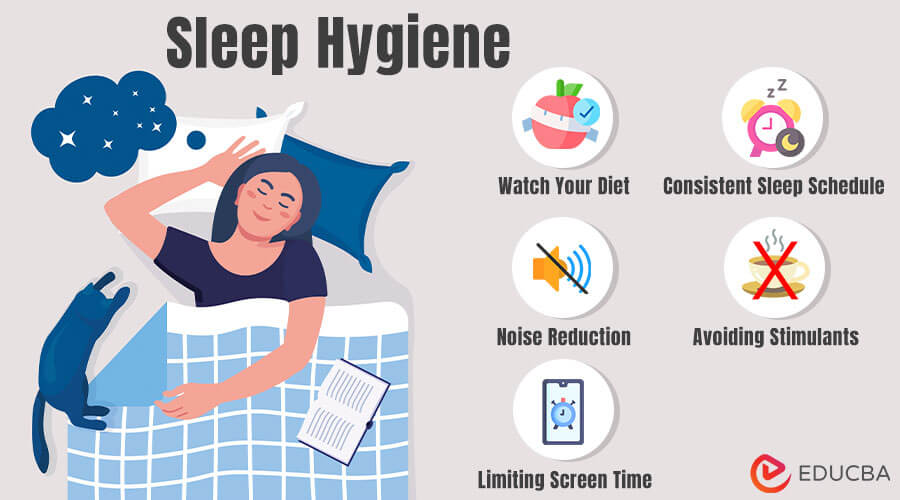
Creating a restful sleep environment is essential for achieving high-quality sleep. The bedroom should be a sanctuary free from distractions that can hinder your ability to fall and stay asleep. By focusing on various elements such as lighting, noise levels, temperature, and bedding choices, you can design a space that fosters relaxation and restorative rest.
The importance of your sleep environment cannot be overstated. Factors like lighting can influence your circadian rhythms, while excessive noise can disrupt your sleep cycles. Similarly, temperature plays a crucial role in helping your body maintain an optimal state for sleep. Here are some strategies to enhance your bedroom environment for better sleep quality.
Lighting Control
Proper lighting in your bedroom is vital for signaling to your body when it’s time to wind down. Soft, warm lights are more conducive to relaxation compared to harsh, bright lighting. Consider implementing the following tips:
- Use blackout curtains to block outside light.
- Opt for dimmable lamps that allow you to adjust brightness.
- Incorporate warm LED bulbs for a calming effect.
- Limit screen time before bed to reduce blue light exposure.
Noise Management
Noise can significantly disrupt sleep quality, making it essential to minimize disturbances. Strategies to ensure a quieter sleeping environment include:
- Use earplugs to block out unwanted sounds.
- Consider a white noise machine or fan to create a consistent background sound.
- Seal windows and doors to reduce outside noise ingress.
- Opt for soft furnishings like rugs and curtains that absorb sound.
Temperature Regulation
The temperature of your bedroom can greatly affect how well you sleep. An ideal sleep temperature usually falls between 60°F to 67°F (15°C to 19°C). Here are some tips for maintaining a comfortable temperature:
- Use a fan or air conditioner to cool down the room during warm months.
- Layer bedding so you can easily adjust your warmth.
- Take a warm shower before bed to help your body cool down naturally.
- Choose breathable materials for your bedding and pajamas, such as cotton or linen.
Choosing the Right Mattress and Bedding
A comfortable mattress and suitable bedding are fundamental for promoting healthy sleep. A well-chosen mattress can support your body in a way that alleviates pressure points. Consider the following when selecting your mattress and bedding:
- Test mattresses for firmness and support that align with your sleeping position.
- Consider memory foam or latex for contouring support.
- Use hypoallergenic bedding to minimize allergens.
- Keep your bedding clean and fresh by washing it regularly.
“Creating a sleep-friendly environment can drastically improve your overall sleep quality and well-being.”
The Role of Diet and Nutrition in Sleep Quality
Maintaining a healthy diet plays a significant role in achieving quality sleep. Certain foods and drinks can either enhance or hinder our ability to fall and stay asleep. Understanding the impact of nutrition on sleep can lead to better rest and overall health.
The relationship between diet and sleep quality is complex and influenced by various factors. Foods rich in certain nutrients can promote relaxation and drowsiness, while others may interfere with sleep-wake cycles. For instance, carbohydrates can increase the availability of tryptophan in the brain, which is necessary for the production of serotonin and melatonin—hormones that help regulate sleep. On the other hand, heavy or rich meals, especially close to bedtime, can lead to discomfort and hinder sleep quality.
Foods and Drinks That Enhance or Hinder Sleep Quality
The foods and drinks we consume have a direct impact on our sleep patterns. Here’s a look at items that can help or hurt sleep quality:
- Enhancing Foods:
Foods that can promote better sleep include:- Cherries: A natural source of melatonin.
- Bananas: Contain potassium and magnesium, which help relax muscles.
- Oatmeal: Rich in carbohydrates, promoting serotonin production.
- Fatty Fish: High in omega-3 fatty acids and vitamin D, which are linked to better sleep quality.
- Hindering Foods:
Foods that can negatively affect sleep include:- Spicy Foods: Can cause indigestion and discomfort at night.
- Heavy or Rich Meals: Can lead to sleep disruptions due to digestive issues.
- Caffeinated Beverages: Such as coffee and certain sodas can keep you awake.
- Dark Chocolate: Contains caffeine which can interfere with sleep.
The Impact of Caffeine and Alcohol on Sleep Patterns
Caffeine and alcohol are two common substances that have opposing effects on sleep. Caffeine, found in coffee, tea, and many soft drinks, is a stimulant that can remain in the body for several hours. Consuming caffeine too late in the day can delay the timing of your body clock, reducing your total sleep time.
On the other hand, while alcohol may initially make you feel sleepy, it disrupts the natural sleep cycle. It can lead to fragmented sleep and reduced REM sleep, which is essential for feeling rested. An important consideration is the timing and quantity of these substances:
“Limiting caffeine intake to the morning hours and moderating alcohol consumption can significantly improve sleep quality.”
Nutrients Essential for Promoting Better Sleep
Certain nutrients have been shown to support better sleep quality. Here’s a list of important nutrients that play a crucial role in regulating sleep:
- Magnesium: Helps relax muscles and calm the nervous system.
- Calcium: Aids in the production of melatonin.
- Tryptophan: An amino acid that increases serotonin levels.
- B Vitamins: Particularly B6, which helps convert tryptophan into serotonin.
- Zinc: Supports sleep quality and may increase the duration of sleep.
Including a variety of these nutrients in your diet can lead to improved sleep quality and overall well-being. A balanced diet that incorporates sleep-promoting foods and nutrients is essential for anyone looking to enhance their sleep experience.
The Impact of Technology on Sleep
As technology continues to evolve, its presence in our daily lives has become more pronounced, particularly during our bedtime routines. The blue light emitted from screens, whether from smartphones, tablets, or laptops, has been shown to disrupt our natural sleep patterns by inhibiting the production of melatonin, the hormone responsible for regulating sleep. This interference can lead to difficulties in falling asleep and reduced sleep quality, ultimately affecting overall health and well-being.
The effects of screen time before bed are increasingly evident, as many individuals find themselves engaged in various forms of digital stimulation in the hours leading up to sleep. Studies indicate that exposure to screens can extend the time it takes to fall asleep and lead to less restful sleep cycles. For example, a survey conducted by the National Sleep Foundation found that 90% of Americans use electronic devices in the hour before bed, which correlates with reports of sleep disturbances and reduced sleep duration.
Methods to Minimize Negative Effects of Technology on Sleep
To combat the adverse effects of technology on sleep, individuals can adopt several strategies aimed at reducing screen time and optimizing their sleep environment. By implementing these methods, one can foster a healthier relationship with technology while promoting better sleep hygiene.
- Establish a Digital Curfew: Setting a specific time to unplug from devices can help signal to your body that it is time to wind down. Aim to turn off screens at least one hour before bedtime.
- Use Blue Light Filters: Most devices now come equipped with features that reduce blue light exposure. Activating these settings in the evening can minimize the impact on melatonin levels.
- Create a Relaxing Bedtime Routine: Replace screen time with calming activities such as reading a book, practicing meditation, or enjoying light stretching exercises. These activities can help prepare your mind for restful sleep.
- Designate a Charging Station Outside the Bedroom: Keeping devices out of the bedroom reduces the temptation to check notifications or browse social media during the night.
Recommendations for Using Technology to Improve Sleep Hygiene
While technology can disrupt sleep, it also offers various tools that can support better sleep hygiene. By leveraging certain applications and devices, individuals can enhance their sleep quality and overall well-being.
- Sleep Apps: There are numerous apps available that can track sleep patterns, provide guided meditations, and offer relaxation soundscapes to enhance the sleep experience.
- Smart Sleep Devices: Products like smart mattresses and sleep trackers can provide valuable insights into sleep quality and help optimize sleep environments based on personal preferences.
- White Noise Machines: These devices can create a soothing sound environment that masks disruptive noises, promoting deeper sleep.
- Wearable Sleep Trackers: Devices that monitor sleep stages and overall restfulness can encourage healthier sleep habits by prompting users to make adjustments based on their sleep data.
Prioritizing sleep hygiene in the digital age requires a balanced approach to technology use, focusing on both limitations and enhancements.
Establishing a Healthy Sleep Routine
Developing a consistent bedtime routine is a crucial aspect of achieving restful and restorative sleep. By creating a pattern that signals your body it’s time to wind down, you can improve your sleep quality significantly. A well-structured routine not only prepares your body for sleep but also enhances your overall well-being by ensuring you get enough restorative rest.
Winding down before sleep allows your body to transition from the hustle and bustle of the day to a more relaxed state. This gradual transition can include several techniques that help calm the mind and body, ultimately leading to better sleep. Establishing a regular sleep schedule, where you go to bed and wake up at the same time every day, reinforces your body’s natural circadian rhythms, making it easier to fall asleep and wake up feeling refreshed.
Steps for Developing a Consistent Bedtime Routine
Incorporating a structured bedtime routine can greatly enhance sleep quality. Here are some essential steps to consider:
- Set a fixed bedtime and wake-up time, even on weekends, to regulate your internal clock.
- Engage in relaxing activities in the hour leading up to sleep, such as reading, meditating, or taking a warm bath.
- Avoid screens and bright lights at least 30 minutes before bed; the blue light emitted can interfere with melatonin production.
- Create a sleep-conducive environment: keep the bedroom cool, dark, and quiet.
- Limit caffeine and alcohol intake in the evening, as these can disrupt sleep patterns.
Each of these steps enhances the process of winding down and prepares your body for a restful night. The importance of a regular sleep schedule cannot be understated, as maintaining consistent sleep and wake times helps regulate your body’s natural rhythms.
Benefits of Winding Down Before Sleep
Winding down is not just about preparing for sleep; it has numerous benefits for mental and physical health. By engaging in relaxing activities, you can reduce stress levels and improve your ability to fall asleep. Techniques that can be incorporated into your winding down routine include:
- Practice deep breathing exercises to promote relaxation and reduce anxiety.
- Engage in light stretching or yoga to relieve muscle tension.
- Establish a calming pre-sleep ritual, such as dimming the lights and playing soft music.
- Journaling your thoughts or gratitude can help clear your mind of daily worries.
These techniques not only help signal to your body that it’s time to sleep but also foster a sense of peace that enhances overall health. As a result, individuals who regularly engage in winding down practices often experience better sleep quality and improved mood.
Significance of Sleep Schedules
Maintaining a consistent sleep schedule is vital for overall health. A regular sleep pattern helps stabilize your body’s internal clock, which can lead to improved sleep quality and reduced daytime sleepiness. When you wake up and go to bed at the same time each day, your body learns to expect sleep at certain times, making it easier to fall asleep and wake up without an alarm.
A study published in the journal “Sleep Health” indicated that people who have irregular sleep patterns are more likely to experience health issues, including obesity and depression. By waking up at the same time every day, you reinforce your body’s natural rhythms, which can lead to:
- Increased alertness during the day.
- Improved mood and emotional stability.
- Enhanced cognitive function and memory.
Thus, adopting a consistent sleep schedule is a simple yet powerful way to improve not only your sleep but your overall quality of life.
The Influence of Physical Activity on Sleep Health
Engaging in regular physical activity is a powerful way to enhance sleep quality and overall health. Numerous studies have shown that people who exercise regularly tend to experience deeper, more restorative sleep. This section explores how exercise contributes to improved sleep and offers practical guidelines for incorporating physical activity into your daily routine.
Regular exercise promotes better sleep quality in several ways. It helps reduce stress and anxiety, both of which are common barriers to a good night’s sleep. Exercise also increases the time spent in deep sleep, the stage of sleep that is crucial for physical recovery and mental well-being. Additionally, physical activity raises your body temperature, which can facilitate the onset of sleep as your body cools down after a workout.
Best Practices for Timing Workouts in Relation to Sleep
When it comes to optimizing your workout routine for better sleep, timing is key. Here are some best practices to consider:
– Morning Workouts: Exercising in the morning can help regulate your circadian rhythm, setting a natural sleep-wake cycle. Morning sunlight exposure during activities can also have a positive impact on sleep patterns.
– Afternoon/Evening Workouts: If mornings aren’t feasible, working out in the afternoon can also be beneficial. However, it’s essential to finish vigorous exercise at least 2-3 hours before bedtime. This allows your body to wind down and prepare for sleep.
– Relaxing Exercises Before Bed: Light exercises such as yoga or stretching can be performed in the evening. These activities promote relaxation and can help prepare your mind and body for sleep.
Types of Exercises Beneficial for Sleep
Incorporating a variety of exercises can lead to improved sleep quality. Here are some types of physical activities that are particularly effective:
– Aerobic Exercises: Activities like running, cycling, or swimming increase your heart rate and promote the release of endorphins, which can improve sleep quality. Research suggests that moderate-intensity aerobic exercise can significantly reduce the time it takes to fall asleep.
– Strength Training: Engaging in resistance training can also enhance sleep quality. Building muscle helps regulate hormones that may influence sleep patterns, ensuring that you get a more restful night.
– Flexibility and Balance Exercises: Incorporating yoga or tai chi can improve relaxation and mindfulness, reducing stress and anxiety levels, which are crucial for better sleep. These exercises promote a calm state of mind and can be particularly effective in the hours leading up to bedtime.
– Walking: A simple and accessible form of exercise, walking can also improve sleep patterns. Regular walks, especially in nature, can help alleviate stress and improve mood, contributing to a more restful night.
“Regular physical activity is not only beneficial for your body but also plays a crucial role in achieving better sleep quality.”
Stress Management Techniques for Better Sleep
Stress can significantly impact our ability to get a good night’s sleep. Identifying and managing stress effectively is crucial for improving sleep quality. When we experience high levels of stress, our bodies produce hormones like cortisol, which can lead to sleep disturbances. Implementing stress management techniques can help calm the mind and prepare the body for restful sleep.
Many effective methods exist for managing stress that may interfere with sleep. Incorporating relaxation techniques such as meditation and deep breathing exercises into your nightly routine can be particularly beneficial. These practices help to lower stress levels and create a peaceful environment conducive to sleep.
Meditation and Deep Breathing Exercises
Meditation and deep breathing exercises are powerful tools for reducing stress. They promote relaxation by slowing down the heart rate and reducing tension in the muscles, making it easier to transition into sleep. Here are some effective methods to integrate these practices into your routine:
- Guided Meditation: Using apps or online resources, guided meditation can lead you through a series of calming visualizations, helping to clear your mind of stressors.
- Mindfulness Meditation: This practice involves focusing your attention on the present moment, acknowledging any thoughts or feelings without judgment, thus reducing anxiety.
- Deep Breathing Techniques: Engage in deep breathing exercises, such as the 4-7-8 technique, where you inhale for 4 seconds, hold for 7 seconds, and exhale for 8 seconds to promote relaxation.
Establishing a calming nighttime ritual is also key to easing stress in preparation for sleep. Creating a consistent routine signals to your body that it’s time to wind down and prepare for rest.
Creating a Calming Nighttime Ritual
Developing a nighttime ritual can greatly enhance your ability to manage stress. Here are some components to consider incorporating into your evening routine for a more restful sleep experience:
- Limit Screen Time: Reduce exposure to screens at least an hour before bedtime to lower blue light exposure, which can interfere with melatonin production.
- Warm Bath or Shower: Taking a warm bath or shower helps to relax tense muscles and can signal to your body that it’s time to sleep.
- Herbal Tea: Enjoying a cup of caffeine-free herbal tea, such as chamomile or lavender, can help to soothe your mind and body.
- Journaling: Spend a few minutes writing down your thoughts and worries before bed to clear your mind and reduce anxiety.
- Gentle Stretching: Engage in gentle stretching or yoga to help release physical tension and promote relaxation.
“Creating a calming nighttime routine can be a game changer for reducing stress and improving sleep quality.”
Implementing these stress management techniques into your nightly routine can lead to more restful and restorative sleep. By prioritizing relaxation and establishing a calming environment, you can enhance your sleep experience and overall well-being.
Assessing Personal Sleep Hygiene Practices
Evaluating your sleep hygiene practices is essential for enhancing your overall sleep quality. Sleep hygiene refers to the habits and environmental factors that contribute to sound sleep. By carefully assessing your current sleep practices and surroundings, you can identify areas for improvement that can lead to more restful and restorative nights.
A thorough evaluation of your sleep habits involves looking at your daily routines, pre-bedtime activities, and bedroom environment. Understanding these aspects allows you to pinpoint what might be hindering your sleep and what could potentially boost it. Below are some effective sleep hygiene practices to consider adopting.
Checklist of Good Sleep Hygiene Practices
Implementing good sleep hygiene practices can dramatically improve your sleep quality. Here’s a checklist to guide you through the essentials:
- Maintain a consistent sleep schedule by going to bed and waking up at the same time every day, even on weekends.
- Create a relaxing bedtime routine that signals your body it’s time to wind down, such as reading, meditating, or taking a warm bath.
- Ensure your sleep environment is conducive to rest—this includes a comfortable mattress and pillows, controlling room temperature, and minimizing noise and light.
- Limit exposure to screens from phones, tablets, and televisions at least an hour before bedtime.
- Avoid large meals, caffeine, and alcohol close to bedtime, as these can disrupt sleep.
- Engage in regular physical activity during the day to help fall asleep faster, but refrain from vigorous exercise close to bedtime.
- Keep a sleep diary to track your sleep patterns, noting how long it takes to fall asleep and how often you wake up during the night.
Measuring sleep effectiveness involves tracking various factors such as sleep duration, quality, and any disturbances experienced during the night. By utilizing tools or apps designed for sleep tracking, you can gather data on your sleep patterns. This information can help you make necessary adjustments to optimize your sleep hygiene.
Measuring Sleep Effectiveness and Making Adjustments
Understanding how well you are sleeping can guide your approach to improving sleep hygiene. Here’s how to effectively assess your sleep:
- Analyze your sleep diary or tracking app data over a few weeks to identify trends in your sleep patterns.
- Evaluate how you feel during the day. Notice any correlations between your nightly habits and daytime energy levels.
- Consider implementing gradual changes to your routine, such as adjusting the time you go to bed or the activities you engage in before sleep.
- Experiment with environmental adjustments, like changing your room’s lighting or sound levels, to see how your sleep quality responds.
- Seek professional advice if sleep difficulties persist, as persistent issues could indicate sleep disorders that require medical attention.
“Good sleep is the foundation of good health.”
By regularly assessing and refining your sleep hygiene practices, you can create a more restful environment and improve your overall sleep quality. Making small, consistent changes can lead to significant improvements over time, promoting better health and well-being.
Last Point
As we conclude our journey through the realm of healthy sleep, it’s clear that prioritizing rest can transform our lives in remarkable ways. By recognizing the importance of sleep hygiene and making informed choices regarding our sleep environment, diet, and routines, we can significantly enhance our sleep quality. Embracing healthy sleep is not just a personal choice; it’s a pathway to a more energized, productive, and fulfilling life.
Answers to Common Questions
How many hours of sleep do adults need?
Most adults require 7 to 9 hours of sleep per night for optimal health and functioning.
What are some signs of poor sleep quality?
Signs include difficulty waking up, persistent fatigue during the day, mood swings, and trouble concentrating.
Can napping help improve my sleep quality?
Yes, short naps of 20-30 minutes can boost alertness and performance, but long naps may interfere with nighttime sleep.
Is it normal to wake up during the night?
It’s common to wake briefly during the night; however, if it disrupts your ability to fall back asleep, it may indicate a sleep issue.
Does age affect sleep patterns?
Yes, as people age, they may experience changes in sleep patterns, including lighter sleep and more frequent awakenings.