
 Caroline Sarah
Natural remedies have been a cornerstone of human health for centuries, weaving through the fabric of cultures around the globe. These time-honored practices often draw from the wisdom of ancient civilizations that utilized plants and herbs to treat ailments long before the advent of modern medicine. As we explore the rich history, science, and cultural significance of natural remedies, we uncover their potential benefits and the growing interest in integrating these age-old practices into contemporary healthcare.
From herbal teas that soothe the stomach to tinctures that bolster immunity, natural remedies offer a diverse array of options for those seeking alternative approaches to health. With a resurgence of interest in holistic healing, understanding how these remedies work, their safety, and their cultural contexts becomes increasingly relevant for anyone interested in enhancing their wellness journey.
The Historical Significance of Natural Remedies
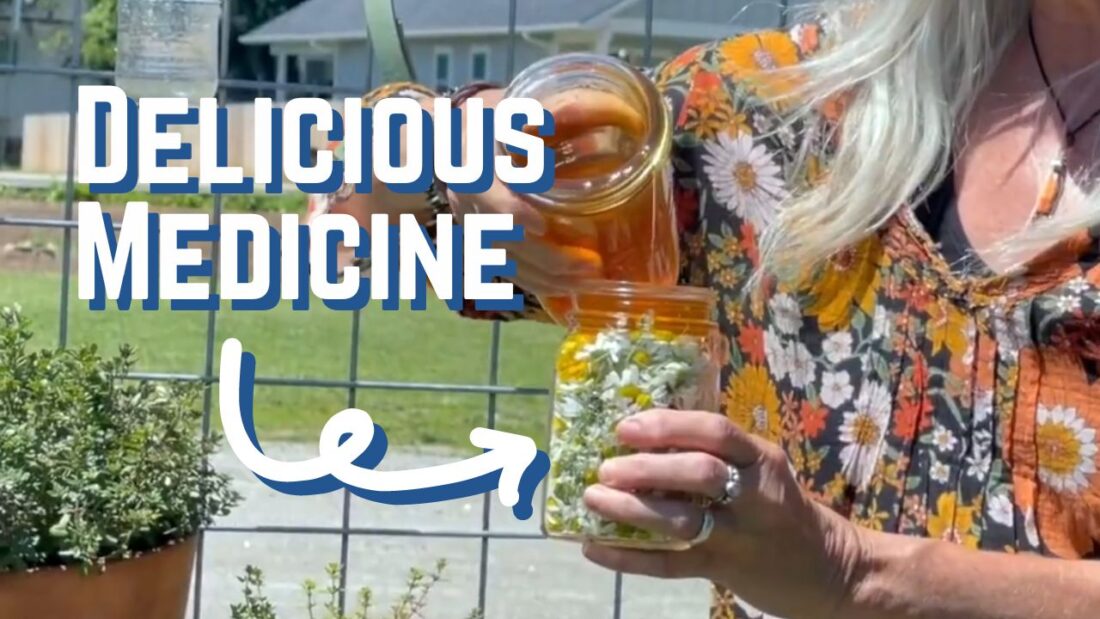
Natural remedies have been a cornerstone of healing practices across cultures for millennia, reflecting the deep-rooted relationship between humans and the natural world. From the early days of civilization, people have relied on the power of plants and other natural substances to treat ailments. The evolution of these practices showcases not only the wisdom of ancient cultures but also the enduring relevance of natural remedies in modern health discussions.
Ancient civilizations were pioneers in the use of plants for medicinal purposes, often recording their findings in texts that still influence contemporary herbal medicine. For instance, the Sumerians, one of the earliest known civilizations, utilized a range of plants for healing, as evidenced by clay tablets inscribed with medicinal recipes that date as far back as 3000 BCE. They employed plants like myrrh and garlic for their therapeutic properties, highlighting an early understanding of natural treatments.
In ancient Egypt, the Ebers Papyrus, dating back to around 1550 BCE, is one of the oldest medical texts that documented over 700 remedies. Egyptians utilized various herbs, such as aloe vera and cumin, in their healing practices, not just for physical ailments but also in mummification processes, signifying their belief in the holistic power of plants. Similarly, traditional Chinese medicine, with roots that go back at least 2,500 years, emphasized the use of herbs like ginseng and astragalus, particularly within the framework of balancing the body’s energies.
Key historical figures have played significant roles in advocating for natural healing. Hippocrates, often referred to as the Father of Medicine, emphasized the importance of diet and natural treatments in his practice. His assertion that “let food be thy medicine and medicine be thy food” underscores the integration of nutrition and herbal remedies in health. Similarly, Avicenna, a Persian scholar of the 10th century, wrote “The Canon of Medicine,” which compiled and expanded upon knowledge of natural remedies and became a reference for centuries in both the East and West. His works highlighted the importance of herbal treatments and laid a foundational understanding of pharmacology.
The historical significance of natural remedies is evident in the way these practices have been passed down and adapted through generations, forming a rich tapestry of knowledge that continues to evolve. This legacy not only informs modern herbalism but also speaks to the intrinsic human connection to nature.
Common Natural Remedies and Their Uses
Natural remedies have been utilized for centuries, offering holistic approaches to maintain health and wellness. These remedies often rely on the use of plant-based ingredients, minerals, and other natural substances. Commonly recognized for their therapeutic effects, they can support various bodily functions and help alleviate a range of ailments. This discussion will focus on a selection of popular natural remedies, outlining their health benefits, mechanisms of action within the body, and preparation methods.
Popular Natural Remedies
Understanding natural remedies and their uses is essential for anyone interested in alternative health solutions. Below is a list of some of the most popular natural remedies along with their health benefits:
- Ginger – Renowned for its anti-inflammatory properties, ginger can help alleviate nausea, improve digestion, and reduce muscle pain.
- Turmeric – Contains curcumin, which is known for its powerful anti-inflammatory and antioxidant effects, aiding in the management of conditions like arthritis and cardiovascular diseases.
- Chamomile – Often used as a mild sedative, chamomile can promote sleep and reduce anxiety, thanks to its calming properties.
- Garlic – Known for its cardiovascular benefits, garlic can help lower blood pressure and cholesterol levels, enhancing overall heart health.
- Echinacea – Commonly used to support the immune system, echinacea may help prevent colds and decrease the severity of infections.
- Lavender – Employed for its soothing aroma, lavender can help reduce stress and promote relaxation, making it a popular choice for anxiety relief.
The efficacy of these remedies lies in their active compounds, which interact with the body’s systems. For example, ginger contains gingerols and shogaols, which can suppress inflammatory responses and relieve pain by inhibiting the production of inflammatory markers. Turmeric’s curcumin works similarly, blocking certain enzymes and cytokines that lead to inflammation. Chamomile’s active ingredient, apigenin, binds to receptors in the brain, inducing a sedative effect and promoting sleep. Garlic’s organosulfur compounds help to relax blood vessels and improve blood flow, contributing to cardiovascular health. Echinacea stimulates the immune system, enhancing the body’s ability to fight infections, while lavender’s scent can trigger the limbic system, alleviating stress and anxiety.
Preparation Methods for Natural Remedies
Natural remedies can be prepared in various forms, with herbal teas and tinctures being among the most common. These methods allow for the extraction of beneficial compounds from plants, making them easier for the body to absorb.
To prepare an herbal tea:
1. Choose your herb, such as chamomile or ginger.
2. Boil water and pour it over the herbs in a steeping vessel.
3. Allow the mixture to steep for 5-15 minutes, depending on the herb’s strength desired.
4. Strain the liquid into a cup and add honey or lemon if preferred.
For tinctures, which are concentrated liquid extracts:
1. Use fresh or dried herbs and high-proof alcohol (like vodka) as the solvent.
2. Combine the herbs and alcohol in a glass jar, sealing it tightly.
3. Store in a cool, dark place, shaking it daily for 2-6 weeks.
4. Once ready, strain the mixture through cheesecloth into a dark glass bottle for storage.
These preparation methods not only preserve the herbs’ active constituents but also enhance their effectiveness when consumed. By utilizing common natural remedies and understanding their preparation, individuals can take charge of their health in a proactive, natural way.
The Science Behind Natural Remedies
Natural remedies have been used for centuries in various cultures as a means to treat ailments and promote overall health. Their resurgence in modern society coincides with a growing interest in holistic approaches to health, emphasizing the importance of understanding the biochemical mechanisms behind these natural solutions. Recent research in phytochemistry has illuminated how specific compounds in herbs and plants interact with biological systems, providing a scientific basis for their therapeutic effects.
The effectiveness of natural remedies stems from the active compounds they contain. These compounds often interact with the body’s biochemical pathways, facilitating healing processes at a cellular level. For instance, flavonoids, commonly found in plants, exhibit anti-inflammatory and antioxidant properties that can mitigate oxidative stress and boost immune responses. Another important group of compounds is alkaloids, which can modulate neurotransmitter systems, influencing sensations such as pain and mood.
Recent Studies Supporting Specific Herbs and Plants
Recent studies have significantly contributed to our understanding of the efficacy of various natural remedies. These investigations have provided insights into how specific herbs can be as effective, if not more so, than conventional pharmaceuticals for certain conditions.
One notable herb is Turmeric, particularly its active compound, curcumin. Research has demonstrated that curcumin possesses potent anti-inflammatory properties, comparable to non-steroidal anti-inflammatory drugs (NSAIDs) for conditions like arthritis. A study published in the Journal of Medicinal Food found that participants who took curcumin supplements experienced a significant reduction in pain and improved joint function compared to those receiving a placebo.
Similarly, Garlic (Allium sativum) has been shown to have cardiovascular benefits. A meta-analysis in the Journal of Nutrition revealed that garlic supplementation significantly reduced total cholesterol levels and improved blood pressure in hypertensive individuals. This evidence suggests that garlic can be a valuable adjunct to conventional treatments for heart disease.
Furthermore, the efficacy of Echinacea in preventing and treating colds has been a subject of interest. Research published in the journal Evidence-Based Complementary and Alternative Medicine found that Echinacea could reduce the incidence and duration of colds, providing a natural alternative to over-the-counter cold medications.
In comparison, while conventional medicine often relies on synthetic drugs that can have side effects, natural remedies like honey for coughs have gained recognition for their safety and effectiveness. A study in the Archives of Pediatrics & Adolescent Medicine indicated that honey was more effective than the standard cough suppressant dextromethorphan in alleviating nighttime cough in children.
Overall, the biochemical mechanisms behind natural remedies demonstrate their potential as effective alternatives or complements to conventional medicine, particularly in managing chronic conditions or mild ailments. With continuing research, the integration of these natural solutions into healthcare practices may become increasingly prominent.
Safety and Risks of Using Natural Remedies
When considering natural remedies, it is crucial to acknowledge that their usage is not always without risks. While they are often perceived as safer alternatives to conventional medications, they can still pose potential side effects and interactions with prescription drugs. Understanding these risks is essential to ensure safe and effective use of these remedies.
The importance of consulting a healthcare professional before starting any new natural remedy cannot be overstated. This is particularly important because individuals may have underlying health conditions or may be taking medications that can interact with herbal supplements and other natural products. For example, St. John’s Wort, commonly used for depression, can significantly reduce the effectiveness of certain prescription medications, including antidepressants and birth control pills. Similarly, some herbal supplements can potentiate the effects of blood thinners, leading to an increased risk of bleeding.
Healthcare professionals can provide personalized advice based on an individual’s health history, current medications, and overall wellness goals. They can help identify any potential risks and ensure that the chosen remedies do not interfere with other treatments. It is also crucial to consider that the quality and concentration of natural products can vary widely, which adds another layer of risk when self-medicating.
Safety Precautions for Natural Products
When using natural products, especially for pregnant or breastfeeding women, several safety precautions should be observed to mitigate potential risks. Pregnant women are particularly vulnerable to the effects of some herbs, which may induce contractions or pose risks to fetal development. Below are key precautions to consider:
- Always consult with a healthcare provider prior to using any natural remedy. This is essential to ensure that it is safe for both the mother and the baby.
- Research the safety profile of specific herbs or supplements, as some may be contraindicated during pregnancy or breastfeeding.
- Opt for reputable brands that provide third-party testing to ensure product purity and accurate labeling of active ingredients.
- Be cautious with dosage; natural does not always mean safe, and higher doses can lead to adverse effects.
- Monitor for any unusual symptoms when starting a new remedy and report these to a healthcare provider promptly.
“Natural remedies can be beneficial, but they require the same level of caution as conventional treatments.”
By following these safety guidelines and prioritizing professional guidance, individuals can better navigate the complexities of using natural remedies while minimizing risks to their health and well-being.
Cultural Perspectives on Natural Remedies
Natural remedies have a long and rich history across various cultures, significantly influencing healthcare practices worldwide. Each culture has developed its unique approach towards healing, often rooted in traditional beliefs and practices passed down through generations. This cultural diversity enriches the understanding and application of natural remedies, showcasing different methodologies that can complement modern medicine.
The integration of traditional and modern medicine varies across societies, reflecting distinct cultural attitudes towards health and healing. In many Indigenous cultures, natural remedies are deeply intertwined with spiritual beliefs and practices. For example, Native American tribes utilize a combination of herbal treatments and rituals to heal both the body and spirit. They often view illness as a disconnection between the individual and the natural world, making their approach holistic in nature. Similarly, in Traditional Chinese Medicine (TCM), the philosophy of yin and yang and the flow of qi (energy) guide the use of herbs, acupuncture, and dietary practices. This ancient system emphasizes balance and harmony, offering a radically different perspective from Western medicine’s focus on symptom treatment.
In societies where modern medicine predominates, there is a growing trend towards integrating natural remedies. For instance, in Germany, herbal medicine is widely accepted and often prescribed alongside conventional treatments. The country has established regulatory frameworks for herbal products, ensuring safety and efficacy. This melding of practices is also evident in India, where Ayurveda, a traditional holistic health system, is increasingly incorporated into mainstream healthcare alongside allopathic medicine. Ayurvedic practices emphasize individualized treatment plans based on one’s constitution, making it a personalized approach to health.
Inspiring stories abound of individuals who have successfully navigated their healing journeys using natural remedies. One notable example is that of a woman named Maria, who battled chronic migraines for years. After exhausting conventional treatments with little success, she turned to herbal remedies and dietary changes inspired by her grandmother’s teachings. Through the use of ginger tea and acupuncture, Maria not only reduced the frequency of her migraines but also learned to manage stress through mindfulness practices. Her journey highlights the potential of natural remedies when combined with modern therapeutic techniques.
Another remarkable story is that of an athlete, James, who faced a debilitating injury. Instead of opting solely for surgery, he explored natural remedies, including physical therapy, herbal supplements, and yoga. His commitment to a holistic recovery plan not only expedited his healing process but also transformed his overall well-being, allowing him to return to the sport he loves with renewed vigor.
These tales exemplify the value of cultural perspectives on natural remedies, emphasizing how they can coexist and enhance modern healthcare practices.
The Future of Natural Remedies in Modern Healthcare
The integration of natural remedies into mainstream healthcare is gaining momentum, reflecting a broader shift in patient preferences and medical practices. As individuals become more aware of holistic approaches to health, the synergy between traditional medicine and natural treatments is becoming increasingly apparent. This trend is not just a passing phase; it signifies a potential revolution within the medical landscape, where the efficacy of natural remedies is recognized alongside conventional treatments.
The integration of natural remedies into modern healthcare offers numerous benefits while also presenting certain challenges. On one hand, natural remedies can enhance patient outcomes, improve quality of life, and reduce reliance on pharmaceuticals. Evidence suggests that many patients seek out complementary therapies to address chronic conditions such as pain, anxiety, and digestive issues, often finding relief in herbal supplements, acupuncture, and dietary changes. On the other hand, the lack of rigorous clinical trials for many natural remedies can lead to skepticism among healthcare providers. Additionally, potential interactions with prescribed medications pose a significant concern, highlighting the need for clear communication between patients and their healthcare professionals.
Benefits and Challenges of Integrating Natural Remedies
The integration of natural remedies into mainstream healthcare can provide substantial benefits while also facing distinct challenges. Understanding these aspects is crucial for both patients and healthcare providers.
Benefits include:
- Holistic Approach: Natural remedies often address the root causes of illnesses rather than just alleviating symptoms, promoting overall wellness.
- Fewer Side Effects: Many natural treatments, when used properly, have fewer side effects compared to conventional medications, making them safer options for long-term use.
- Patient Empowerment: Incorporating natural remedies encourages patients to take an active role in their health, leading to better adherence to treatment plans.
- Cost-Effectiveness: Natural remedies can sometimes be more affordable and accessible, reducing the financial burden on patients seeking relief from chronic conditions.
Challenges include:
- Scientific Validation: Many natural remedies lack extensive scientific research, leading to skepticism from healthcare professionals regarding their efficacy.
- Regulation Issues: The natural products industry is often under-regulated, which can result in inconsistent quality and potency of remedies.
- Potential Interactions: Natural remedies can interact with conventional medications, making it essential for patients to disclose all treatments to their healthcare providers.
- Education and Awareness: There is a need for increased education among healthcare providers about the benefits and limitations of natural remedies to facilitate informed discussions with patients.
For individuals interested in incorporating natural remedies into their health regimen while working with healthcare providers, a structured approach is essential. A potential roadmap could include the following steps:
1. Research and Educate Yourself: Familiarize yourself with various natural remedies and their uses, potential benefits, and risks. Reliable sources, peer-reviewed studies, and reputable websites can help guide your education.
2. Consult Healthcare Providers: Schedule an appointment with your healthcare provider to discuss your interest in natural remedies. This conversation should be open and honest, allowing both parties to express concerns and expectations.
3. Create a Comprehensive Treatment Plan: Work together with your healthcare provider to develop a personalized plan that includes both conventional treatments and natural remedies, ensuring that they complement rather than interfere with each other.
4. Monitor and Adjust: Keep track of your progress and any side effects experienced. Regular follow-up appointments with your healthcare provider can help adjust the treatment plan as needed for optimal results.
5. Stay Informed: Continue to educate yourself about advancements in natural remedies and engage with healthcare professionals to refine your approach as new information becomes available.
This roadmap can facilitate a safe and effective integration of natural remedies into one’s health routine, paving the way for a more integrated approach to healthcare in the future.
Case Studies of Natural Remedies in Action
Natural remedies have been a cornerstone of healthcare for centuries, offering alternative solutions to various ailments. This section delves into specific case studies where natural remedies have not only been applied but also demonstrated effective outcomes. By examining these examples, we gain insights into the practical applications of these treatments, the challenges encountered, and the lessons learned from their implementation.
Case Study: Aloe Vera for Skin Healing
One notable case involved a patient with chronic eczema. Traditional treatments provided limited relief, leading the individual to explore natural remedies. Aloe vera, known for its soothing and anti-inflammatory properties, was applied topically. Over a period of six weeks, the patient documented significant improvements, including reduced itching, inflammation, and overall skin integrity.
The use of aloe vera gel was complemented by a dietary adjustment, incorporating foods rich in omega-3 fatty acids, which further enhanced skin health. This case illustrates the potential of combining natural remedies with dietary changes for improved health outcomes. However, challenges included the initial skepticism from healthcare providers and the time required to observe noticeable results.
Case Study: Turmeric for Inflammation
In another compelling example, a 45-year-old male suffering from arthritis sought natural alternatives after experiencing side effects from conventional medications. He began incorporating turmeric into his daily diet, utilizing both fresh root and powdered forms. Over three months, he reported a significant reduction in joint pain and stiffness, which he attributed to the curcumin in turmeric, known for its anti-inflammatory properties.
Despite the positive outcomes, challenges arose regarding consistency in dosage and the necessity of pairing turmeric with black pepper to enhance absorption. This case highlights the importance of understanding the right combinations and dosages when employing natural remedies for chronic conditions.
Case Study: Peppermint Oil for Digestive Issues
A young woman suffering from irritable bowel syndrome (IBS) turned to peppermint oil capsules after years of discomfort and ineffective treatments. After a trial period of eight weeks, she experienced a marked decrease in abdominal pain and bloating. Clinical studies supporting the efficacy of peppermint oil in alleviating IBS symptoms provided confidence in her choice.
However, the case also revealed challenges, such as the need to identify a high-quality product and the risk of heartburn in certain individuals. This emphasized the necessity for proper product selection and professional guidance when exploring natural remedies.
Case Study: Garlic for Cardiovascular Health
A middle-aged man with high cholesterol levels integrated garlic supplements into his daily regimen, based on research suggesting its cholesterol-lowering effects. After six months, follow-up blood tests indicated a significant reduction in LDL cholesterol levels, leading to improved cardiovascular health.
The primary challenge faced was the initial bad breath associated with garlic consumption, which prompted the need for alternative forms, such as odorless capsules. This case underscores the importance of understanding both the benefits and potential side effects of natural remedies.
These case studies collectively illustrate the efficacy of natural remedies across various health conditions, while also highlighting the importance of informed application and awareness of potential challenges. Through systematic exploration and personal testimonies, we see that natural remedies can play a pivotal role in promoting health and well-being, provided they are approached with knowledge and care.
Ultimate Conclusion

In summary, natural remedies not only hold historical significance but also present a viable complement to modern medicine. As we have seen, these remedies are rooted in centuries of tradition and are supported by emerging scientific research. By navigating the landscape of natural healing with care and respect, individuals can harness the power of nature in their pursuit of health and well-being.
FAQ Corner
What are natural remedies?
Natural remedies are treatments derived from plants, herbs, and other natural sources that aim to promote health and alleviate ailments.
Are natural remedies safe?
While many natural remedies are safe, it’s important to consult a healthcare professional to avoid potential side effects or interactions with medications.
How do I prepare herbal remedies?
Herbal remedies can be prepared in various forms, such as teas, tinctures, or capsules. Each method varies in preparation time and potency.
Can natural remedies replace conventional medicine?
Natural remedies can complement conventional medicine, but they should not replace it without professional guidance, especially for serious conditions.
How long does it take for natural remedies to work?
The effectiveness of natural remedies can vary widely depending on the individual, the condition being treated, and the specific remedy used.