
 Caroline Sarah
Ashwagandha, a revered herb in traditional medicine, has captured the attention of health enthusiasts worldwide. Known for its remarkable adaptogenic properties, this ancient plant has been utilized for centuries across various cultures, particularly in Ayurvedic practices. From its origins in India to its applications in Chinese medicine, Ashwagandha’s rich history is intertwined with folklore and ancient texts that highlight its significance in promoting wellness and balance.
As we dive deeper into the world of Ashwagandha, we will explore its active compounds, backed by scientific research, which demonstrate its potential health benefits. From reducing stress and enhancing cognitive function to improving physical performance, Ashwagandha offers a holistic approach to health that resonates with many seeking natural alternatives. Let’s uncover how this powerful herb can be integrated into our daily lives and its comparison with other adaptogens.
Explore the historical uses of Ashwagandha in traditional medicine across different cultures.
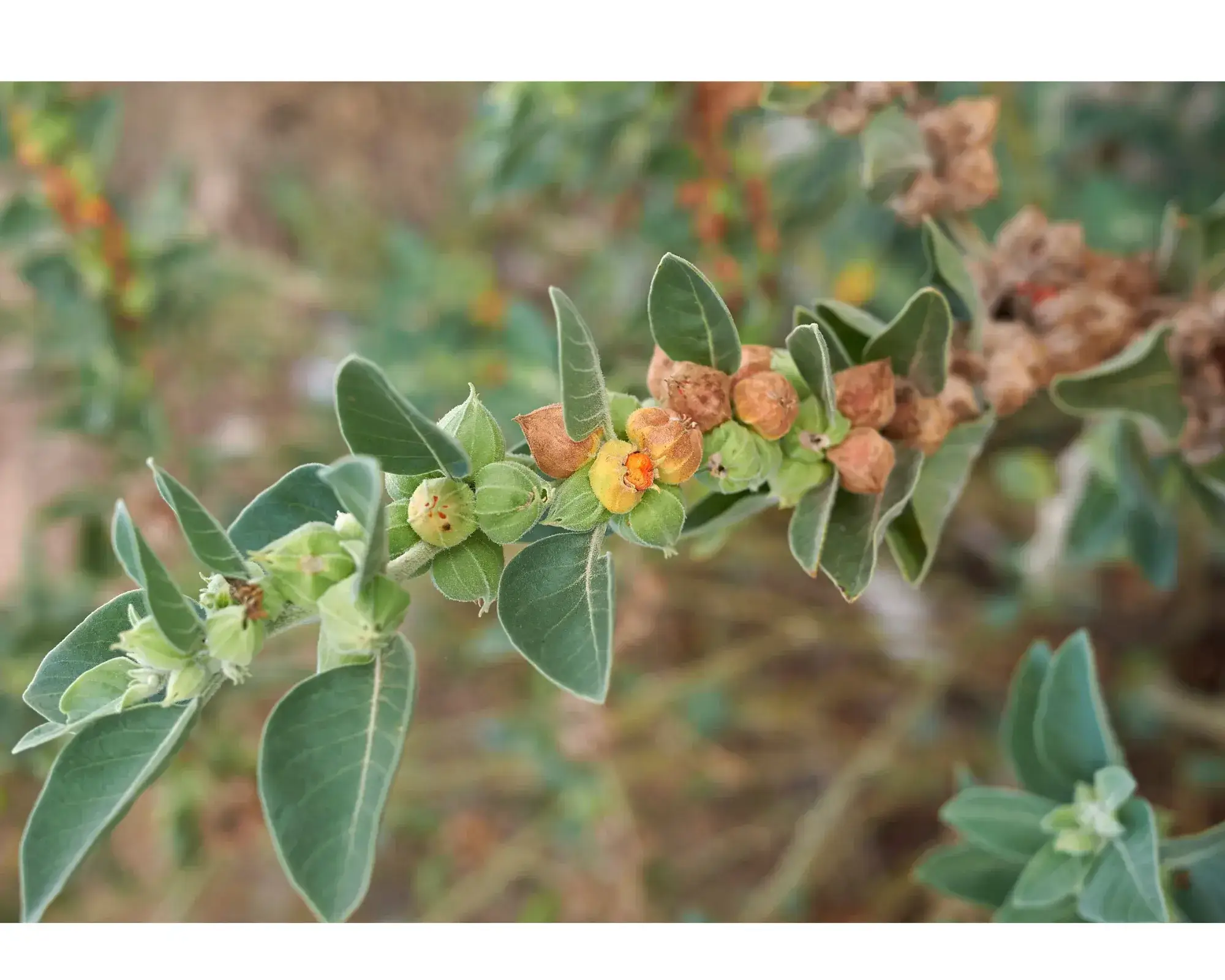
Ashwagandha, known scientifically as Withania somnifera, has a rich history steeped in traditional medicine practices across various cultures. Its utilization spans thousands of years, primarily known for its adaptogenic properties that help the body cope with stress and promote overall wellness. This ancient herb has not only been a cornerstone in Ayurvedic practices but has also found its place in other traditional systems, illustrating its broad spectrum of therapeutic benefits and cultural significance.
Origins and significance of Ashwagandha in Ayurvedic practice
In Ayurveda, Ashwagandha is revered as a powerful Rasayana, a category of herbal medicines believed to promote longevity and vitality. The term “Ashwagandha” translates to “smell of a horse,” referencing both the herb’s unique scent and its traditional association with strength and vigor. It first appeared in ancient texts such as the Charaka Samhita and Sushruta Samhita, which date back over 2,000 years. These texts highlight its multifaceted role in enhancing physical performance, improving mental clarity, and promoting emotional balance.
The significance of Ashwagandha in Ayurvedic practices is evident through various applications, including:
- Stress Relief: Ashwagandha is commonly used to alleviate stress and anxiety, helping to stabilize mood and improve overall mental health.
- Energy Boost: Known for its energizing properties, this herb is often prescribed to combat fatigue and enhance physical endurance.
- Immune Support: With its adaptogenic qualities, Ashwagandha helps in building resilience against illness by supporting the immune system.
Utilization of Ashwagandha in Traditional Chinese Medicine
While Ashwagandha is most famously associated with Ayurvedic medicine, it has made its mark in Traditional Chinese Medicine (TCM) as well. In TCM, although not as commonly used as in Ayurveda, Ashwagandha is recognized for its ability to strengthen the liver and kidneys, both vital organs in maintaining the body’s overall health. It is often included in formulations designed to restore balance and enhance Qi, the life force energy that flows through the body. Its adaptogenic properties align with TCM philosophies, where balancing the body’s energies is crucial for optimal health.
Some applications of Ashwagandha in TCM include:
- Qi Enhancement: Used to stimulate and balance Qi, particularly in individuals experiencing fatigue.
- Heat Regulation: Ashwagandha is thought to have cooling properties, assisting in managing conditions characterized by excess heat in the body.
Role of Ashwagandha in folklore and ancient texts
Ashwagandha’s presence in folklore and ancient texts extends beyond medicinal usage, often embodying cultural beliefs and practices. In various Indian traditions, it’s celebrated as a symbol of vitality and strength, and its roots are often intertwined with mythological stories that depict its significance in the natural world. For instance, it is sometimes referred to as a divine gift, fostering health and longevity for those who consume it. Ancient scholars and healers documented its benefits not just in medicinal texts but also in philosophical discussions, emphasizing its role in holistic well-being.
Notably, the herb’s mention in texts like the “Bhagavad Gita” emphasizes its importance in achieving mental clarity and focus, while other traditional narratives attribute protective qualities against ailments. Its folkloric status further reinforces its revered position, making it an integral part of both spiritual and physical health practices across cultures.
Provide a detailed overview of the active compounds found in Ashwagandha and their effects on the body.
Ashwagandha, a prominent herb in Ayurvedic medicine, is renowned for its adaptogenic properties. The active compounds within this plant play a crucial role in its health-promoting benefits. Understanding these compounds and their interactions with the body helps demystify why Ashwagandha is increasingly popular in modern wellness practices.
The key active ingredients in Ashwagandha include withanolides, alkaloids, and saponins. These compounds are primarily responsible for the herb’s therapeutic effects, which range from reducing stress and anxiety to improving physical performance. Withanolides, a group of steroidal lactones, are particularly noteworthy for their ability to modulate various physiological processes in the body.
Withanolides and Their Effects
Withanolides are the most studied active compounds in Ashwagandha, contributing significantly to its adaptogenic qualities. They interact with the body in various ways, such as:
– Anti-inflammatory Effects: Withanolides can inhibit inflammatory processes by downregulating pro-inflammatory cytokines. This action supports not only physical health but also mental well-being, as inflammation is often linked to mood disorders.
– Neuroprotective Properties: Research indicates that withanolides may promote neuronal growth and repair, offering protection against neurodegenerative diseases. They have shown potential in improving cognitive function and reducing symptoms associated with conditions like Alzheimer’s disease.
– Hormonal Balance: Withanolides can influence the endocrine system, aiding in the regulation of cortisol levels. This is particularly beneficial for individuals experiencing chronic stress, as high cortisol levels can lead to various health issues.
Alkaloids and Their Role
Alkaloids are another significant class of compounds found in Ashwagandha, contributing to its overall health benefits. These compounds demonstrate important characteristics such as:
– Stress Reduction: Alkaloids can help stabilize mood and reduce anxiety. They achieve this by modulating neurotransmitter levels, which is vital for emotional resilience.
– Energy Enhancement: Certain alkaloids in Ashwagandha can enhance energy levels and physical performance, making it a popular choice among athletes and those seeking to improve endurance and strength.
Scientific Studies Supporting Health Benefits
Numerous scientific studies have substantiated the health benefits of Ashwagandha’s active compounds. For instance:
– A randomized controlled trial published in the *Indian Journal of Psychological Medicine* found that participants taking Ashwagandha extract experienced a significant reduction in stress and anxiety levels compared to the placebo group. The study attributed these effects to the high concentrations of withanolides in the extract.
– Another study published in the *Journal of the International Society of Sports Nutrition* demonstrated that Ashwagandha supplementation improved strength and muscle mass in resistance-trained individuals, further evidencing the role of its active compounds in enhancing physical performance.
– Research published in *Phytotherapy Research* highlighted the neuroprotective effects of withanolides, showing promising results in improving memory and cognitive function in participants with mild cognitive impairment.
In conclusion, the active compounds in Ashwagandha, particularly withanolides and alkaloids, play a multifaceted role in promoting health. Their ability to interact with various bodily systems highlights the significance of this ancient herb in modern wellness practices.
Elaborate on the potential health benefits of Ashwagandha backed by scientific research.
Ashwagandha, a revered herb in Ayurvedic medicine, has been the subject of extensive scientific studies, unveiling a variety of health benefits. Its adaptogenic properties make it particularly effective in managing stress and anxiety, while its influence extends into cognitive enhancement and physical performance. Below, we explore these findings in detail.
Stress and Anxiety Reduction
Research shows that Ashwagandha can significantly reduce stress and anxiety levels. A study published in the *Indian Journal of Psychological Medicine* found that participants who consumed Ashwagandha extract exhibited a notable decrease in stress levels compared to those who received a placebo. This reduction is attributed to the herb’s ability to lower cortisol levels, the hormone primarily responsible for stress response.
“Ashwagandha has been shown to reduce cortisol levels, leading to lower stress and anxiety.”
In another clinical trial, subjects reported a 56% reduction in anxiety when supplementing with Ashwagandha for 60 days. These findings suggest that incorporating Ashwagandha into daily routines can be beneficial for individuals dealing with chronic stress or anxiety disorders.
Cognitive Function and Memory Improvement
The cognitive-enhancing effects of Ashwagandha have also been well-documented. Research indicates that it may improve memory and cognitive function in adults. A study published in *The Journal of Dietary Supplements* revealed that participants taking Ashwagandha showed significant improvements in attention, executive function, and memory, compared to a control group.
The mechanisms behind these effects may involve the herb’s neuroprotective properties, which help combat oxidative stress in the brain.
“Ashwagandha supports cognitive function by reducing oxidative stress and inflammation in neural tissues.”
Additionally, the herb is believed to promote synaptic plasticity, which is vital for learning and memory retention.
Impact on Physical Performance
Ashwagandha’s benefits extend to physical performance, particularly in enhancing endurance and muscle strength. A randomized control trial published in the *Journal of the International Society of Sports Nutrition* demonstrated that participants who supplemented with Ashwagandha showed significant improvements in strength and muscle mass compared to those in the placebo group.
This herb may also enhance aerobic capacity, allowing individuals to engage in physical activity for more extended periods without fatigue.
“Research indicates that Ashwagandha can enhance strength and endurance, making it a valuable supplement for athletes.”
Moreover, another study suggested that Ashwagandha supplementation improved cardiorespiratory endurance, which is crucial for athletes and fitness enthusiasts.
Describe the various forms of Ashwagandha available in the market and their specific uses.
Ashwagandha, a heralded adaptogenic herb, comes in multiple forms, each designed to cater to different preferences and lifestyles. Understanding the specific uses and characteristics of these forms can aid consumers in selecting the most suitable option for their needs.
Among the prevalent forms of Ashwagandha are powder, capsules, and liquid extracts. Each has its unique characteristics that affect its effectiveness, convenience, and absorption rate.
Comparison of Ashwagandha Forms
When comparing the various forms of Ashwagandha, it’s essential to consider factors such as effectiveness, dosage, and personal preference. Below is a summary of these forms and their specific attributes:
- Powder:
Ashwagandha powder is made from the root and is often mixed with water, milk, or smoothies.It is believed to provide a faster absorption rate due to its fine texture, making it an excellent choice for those seeking immediate effects.
Typical dosages range from 1 to 2 teaspoons (3 to 6 grams) per day.
- Capsules:
Capsules offer a convenient and tasteless option for those who may not enjoy the flavor of the powder.This form allows for precise dosing, typically around 300 to 500 mg per capsule, with a recommended intake of 1 to 2 capsules daily.
The encapsulated form may take slightly longer for the body to break down and absorb.
- Liquid Extracts:
Liquid extracts, such as tinctures, are concentrated forms of Ashwagandha that can be taken directly or mixed into beverages.These are often more potent and can lead to quicker effects, but the dosage can be tricky to determine accurately.
It is advised to follow product guidelines, often ranging from 1 to 2 droppers full per day.
Each form of Ashwagandha has its advantages and potential drawbacks. For instance, while powders may facilitate quicker absorption, they require preparation and may not suit those who dislike the taste. Capsules provide convenience but may take longer to show effects. Liquid extracts can be potent but may be difficult to dose accurately.
In terms of benefits and drawbacks, Ashwagandha as a supplement can provide various health advantages, including stress reduction, improved sleep quality, and enhanced cognitive function. However, some individuals may experience side effects such as digestive issues or drowsiness, particularly when taking higher doses. As with any supplement, consulting a healthcare provider before starting Ashwagandha is advisable to ensure its safety and effectiveness for individual health needs.
Discuss potential side effects and contraindications associated with Ashwagandha use.
Ashwagandha, a popular adaptogen, is renowned for its potential health benefits, including stress reduction and enhanced wellness. However, like any herbal supplement, it may not be suitable for everyone and can come with side effects. Understanding these potential adverse effects and contraindications is essential for anyone considering using Ashwagandha to ensure safe and effective supplementation.
Certain side effects have been reported among Ashwagandha users, with some being more common than others. It is important to be aware of these effects and to consult healthcare professionals if any concerns arise during supplementation.
Common Side Effects
While many individuals tolerate Ashwagandha well, some may experience side effects. It is helpful to recognize these potential issues:
- Gastrointestinal Disturbances: Some users report upset stomach, diarrhea, or nausea, particularly when taken in high doses.
- Fatigue or Drowsiness: Ashwagandha’s calming effects can lead to feelings of fatigue, which may not be suitable for those needing to remain alert.
- Potential Allergic Reactions: Though rare, some individuals may experience allergic responses, such as skin rashes or itching.
- Hormonal Effects: Ashwagandha may influence hormone levels, leading to changes in menstrual cycles or libido.
Despite its beneficial properties, certain individuals should avoid Ashwagandha due to potential contraindications.
Contraindications
Identifying who should steer clear of Ashwagandha is vital for safe use. The following groups are advised to avoid this supplement:
- Pregnant or Nursing Women: Ashwagandha may induce uterine contractions, posing risks during pregnancy.
- Individuals with Autoimmune Conditions: Those with autoimmune disorders (e.g., lupus, rheumatoid arthritis) should be cautious, as Ashwagandha can enhance immune responses.
- People with Thyroid Disorders: Ashwagandha may increase thyroid hormone levels, which is not suitable for everyone, especially those with hyperthyroidism.
- Those on Certain Medications: Individuals taking sedatives, blood thinners, or medications for anxiety should seek medical advice, as Ashwagandha can interact with these drugs.
To approach Ashwagandha supplementation safely and effectively, consider the following guidelines:
Safe Supplementation Practices
Before starting Ashwagandha, it’s crucial to ensure a responsible approach to supplementation:
- Consult a Healthcare Professional: Discuss any underlying health conditions or medications you are taking with a healthcare provider before starting Ashwagandha.
- Start with Low Doses: Begin with a lower dose to assess tolerance and gradually increase as necessary, avoiding sudden high doses.
- Monitor Your Body’s Response: Pay attention to how your body reacts to Ashwagandha, and discontinue use if any severe side effects occur.
- Choose Reputable Brands: Opt for high-quality supplements from reputable manufacturers which ensure safety and efficacy through third-party testing.
“Being informed about potential side effects and contraindications allows for a more mindful and beneficial experience with Ashwagandha.”
Create a practical guide on how to incorporate Ashwagandha into daily routines.
Ashwagandha has gained popularity not only for its health benefits but also for its versatility in daily consumption. Integrating this adaptogenic herb into your routine can be both simple and enjoyable. Below are practical suggestions for recipes, ideal timings for consumption, and tips on combining Ashwagandha with other supplements or herbs.
Recipes and Beverages Including Ashwagandha
Incorporating Ashwagandha into your meals and drinks can enhance both flavor and nutritional value. The following ideas provide a variety of delicious options to choose from:
- Ashwagandha Smoothie: Blend one banana, a cup of spinach, a tablespoon of Ashwagandha powder, a cup of almond milk, and a tablespoon of almond butter for a refreshing, nutrient-rich smoothie.
- Ashwagandha Golden Milk: Combine a cup of warmed coconut milk, a teaspoon of Ashwagandha powder, a half teaspoon of turmeric, a dash of cinnamon, and honey to taste. This soothing drink is perfect for winding down in the evening.
- Ashwagandha Chia Seed Pudding: Mix a tablespoon of chia seeds with a cup of coconut or almond milk, a teaspoon of Ashwagandha powder, and your favorite sweetener. Let it sit overnight for a nutritious breakfast or snack.
- Ashwagandha Oatmeal: Stir a teaspoon of Ashwagandha powder into your morning oatmeal, along with fruits and nuts for added texture and flavor.
Ideal Times for Consumption
To maximize the benefits of Ashwagandha, timing is essential. Taking it at the right moments can enhance its adaptogenic effects:
- Morning Boost: Consuming Ashwagandha in the morning can help improve focus and energy levels throughout the day. Adding it to your breakfast can set a positive tone.
- Pre-Workout: Taking Ashwagandha about 30-60 minutes before a workout may enhance physical performance and endurance.
- Evening Relaxation: For those looking to reduce stress and promote better sleep, taking Ashwagandha in the evening can help calm the mind and prepare the body for rest.
Combining Ashwagandha with Other Supplements or Herbs
Combining Ashwagandha with other beneficial herbs or supplements can amplify its effects. Here are some popular combinations:
- With Turmeric: Both Ashwagandha and turmeric have anti-inflammatory properties. This combination can support overall health.
- With Rhodiola: This synergistic pairing can enhance energy and reduce fatigue, making it ideal for those facing high-stress environments.
- With Magnesium: For improved relaxation and stress management, pairing Ashwagandha with magnesium can support better sleep and muscle function.
- With Vitamin C: Combining Ashwagandha with vitamin C can bolster immune support, especially during cold and flu season.
“Integrating Ashwagandha into your daily routine can transform your approach to health and wellness, making it not only beneficial but also enjoyable.”
Compare Ashwagandha with other adaptogenic herbs and their respective benefits.
Ashwagandha, known for its powerful adaptogenic properties, is often compared with other well-known herbs such as Rhodiola and Ginseng. Each of these adaptogens has unique benefits and mechanisms of action that cater to various health aspects, contributing to overall wellness. Understanding these differences and similarities can help individuals make informed choices about which adaptogen may suit their needs best.
When comparing Ashwagandha with Rhodiola and Ginseng, it’s essential to look at how each herb interacts with the body, their respective health benefits, and potential side effects. This analysis reveals not only the similarities in their adaptogenic properties but also the distinct areas they affect in human health.
Comparison of Adaptogenic Herbs
The following table highlights the benefits, uses, and potential side effects of Ashwagandha, Rhodiola, and Ginseng, providing a clear overview of how each adaptogen supports health and wellness.
| Herb | Benefits | Common Uses | Side Effects |
|---|---|---|---|
| Ashwagandha |
|
|
|
| Rhodiola |
|
|
|
| Ginseng |
|
|
|
“Adaptogens like Ashwagandha, Rhodiola, and Ginseng offer unique pathways to enhance resilience against stress and promote overall health.”
The comparative analysis indicates that while all three herbs share the common goal of supporting the body’s response to stress, they each have distinctive benefits and side effects. Ashwagandha excels in stress relief and cognitive support, Rhodiola is best known for enhancing mental performance and reducing fatigue, while Ginseng is often sought for boosting energy and maintaining overall vitality. Understanding these aspects can aid individuals in selecting the right adaptogen to support their personal wellness journey.
Design a research proposal exploring the effects of Ashwagandha on a specific health condition.
The growing interest in herbal remedies has led to increased research on the efficacy of Ashwagandha, particularly its potential benefits for managing stress and anxiety. This proposal aims to explore how Ashwagandha supplementation may influence anxiety levels in adults, providing insights into its therapeutic effects and mechanisms of action. Understanding these dynamics could pave the way for incorporating Ashwagandha into standard treatment protocols for anxiety disorders.
Objectives and Hypotheses of the Research Study
The primary objective of this research is to evaluate the impact of Ashwagandha on anxiety levels in adults diagnosed with Generalized Anxiety Disorder (GAD). The study will assess not only the efficacy of Ashwagandha as a treatment option but also its safety profile. The hypotheses guiding this research include:
- Participants receiving Ashwagandha will demonstrate a statistically significant reduction in anxiety symptoms compared to the placebo group.
- Ashwagandha will have a favorable safety profile, with minimal adverse effects reported.
Methodology for Data Gathering and Analysis
To conduct this study, a randomized, double-blind, placebo-controlled trial will be employed. Adults diagnosed with GAD will be recruited and randomly assigned to either the intervention group receiving Ashwagandha or a placebo group. Key components of the methodology include:
- Participant Recruitment: 100 adults aged 18-65 years will be recruited from local clinics and community centers.
- Intervention: The intervention group will receive 300 mg of Ashwagandha extract daily for 12 weeks, while the placebo group will receive an inert substance.
- Data Collection: Anxiety levels will be measured using standardized tools such as the Generalized Anxiety Disorder 7-item scale (GAD-7) at baseline, 6 weeks, and 12 weeks.
- Statistical Analysis: Data will be analyzed using repeated measures ANOVA to compare anxiety scores between groups over time.
Potential Budget and Timeline for the Research Process
Implementing this research will require careful budgeting and a structured timeline to ensure all phases of the study are completed effectively. Key budget items include:
| Item | Estimated Cost (USD) |
|---|---|
| Participant Recruitment | 3,000 |
| Ashwagandha Supplement and Placebo | 1,500 |
| Assessment Tools and Materials | 500 |
| Data Analysis Software | 1,000 |
| Miscellaneous Expenses | 1,000 |
| Total Estimated Budget | 7,000 |
The proposed timeline for the research process spans approximately 6 months, broken down as follows:
- Month 1: Participant recruitment and screening.
- Month 2: Randomization and baseline assessments.
- Months 3-4: Intervention period with weekly check-ins.
- Month 5: Post-intervention assessments and data collection.
- Month 6: Data analysis and report writing.
This research aims to provide valuable insights into Ashwagandha’s role in managing anxiety, potentially contributing to alternative treatment strategies for GAD.
Conclusion

In conclusion, Ashwagandha stands out as a potent ally in the journey towards improved health and well-being. Its multifaceted benefits, supported by both historical use and contemporary research, make it a valuable addition to anyone’s health regimen. As we navigate the various forms and applications of Ashwagandha, it’s crucial to approach its use mindfully, ensuring we reap the benefits while prioritizing safety. This ancient herb not only connects us to traditional wisdom but also invites us to explore its potential in our modern lives.
General Inquiries
What is Ashwagandha used for?
Ashwagandha is primarily used for reducing stress and anxiety, enhancing cognitive function, and improving physical performance.
How long does it take to feel the effects of Ashwagandha?
Most people begin to notice effects within a few days to weeks of regular consumption, but individual responses may vary.
Can Ashwagandha be taken with other medications?
It’s best to consult with a healthcare provider before combining Ashwagandha with other medications to avoid potential interactions.
Is Ashwagandha safe for everyone?
While generally safe, individuals who are pregnant, breastfeeding, or have certain health conditions should avoid Ashwagandha or consult a doctor before use.
What is the recommended dosage of Ashwagandha?
The typical dosage ranges from 300 to 600 mg of standardized extract per day, but it’s important to follow product instructions or a healthcare provider’s advice.