
 Caroline Sarah
Lavender oil has captivated humanity for centuries, weaving its charm through history, health, and culture. Renowned for its enchanting aroma and therapeutic properties, this fragrant oil has been a staple in various ancient civilizations, serving roles that extend from medicinal uses to spiritual rituals. As we embark on this journey, we will uncover the multifaceted uses of lavender oil, exploring how it has influenced our lives across different domains.
From its historical significance to its modern applications, lavender oil stands out as a versatile and valuable resource. The extraction methods, therapeutic benefits, culinary uses, and impact on skincare are just a few facets of its rich tapestry. This exploration reveals not only the oil’s unique properties but also its ecological implications and the geographical nuances that affect its quality, making it a true gem in the world of essential oils.
The historical significance of lavender oil in ancient cultures
Lavender oil has a rich and diverse history that dates back thousands of years, with its use spanning various ancient civilizations. Known for its distinctive fragrance and therapeutic properties, lavender was revered not only for its scent but also for its numerous applications ranging from medicinal purposes to religious rituals.
In ancient Egypt, lavender was utilized for both its aromatic properties and its healing capabilities. The oil derived from lavender was commonly used in the embalming process, showcasing its significance in funerary practices. Egyptians believed that the scent of lavender would help in the journey to the afterlife, thus it was often included in burial rituals. Additionally, lavender was used in cosmetics and perfumes, highlighting its popularity in personal care regimens of the time.
The Romans, too, held lavender in high esteem, using it extensively in their baths. The term “lavare,” meaning “to wash,” is the root of the name “lavender,” and it reflects the oil’s association with cleanliness and hygiene. Roman soldiers carried lavender oil with them, using it to treat wounds and to alleviate various ailments, including headaches and digestive issues, showcasing its role in traditional medicine.
Across ancient cultures in Asia, particularly in China and India, lavender was acknowledged for its calming properties, making it a staple in traditional healing practices. In Ayurveda, lavender oil was applied to balance emotions and reduce stress, while in Traditional Chinese Medicine, its soothing scent was believed to promote relaxation and mental clarity.
In the Americas, indigenous tribes recognized the value of lavender for its medicinal qualities. They utilized lavender in herbal preparations for treating respiratory complaints and skin irritations. The plant’s adaptability to various climates allowed it to flourish across different regions, further establishing its significance in the local healing practices.
The global historical significance of lavender oil highlights its multifaceted uses in ancient cultures, from spiritual and medicinal roles to personal care applications, demonstrating its enduring legacy throughout human history.
The extraction process of lavender oil and its significance
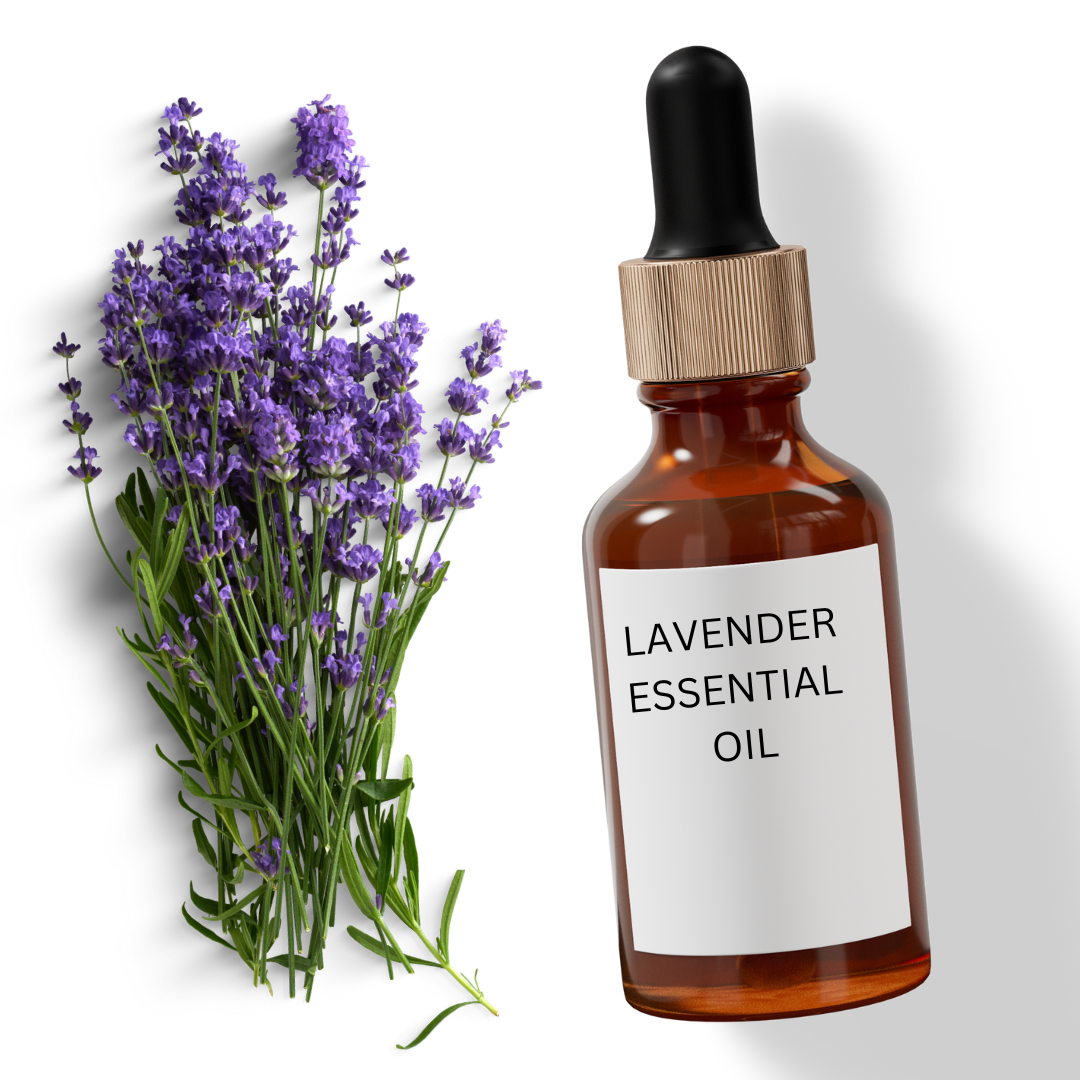
Lavender oil, renowned for its calming fragrance and therapeutic properties, is primarily obtained through specific extraction methods that preserve its purity and quality. The two most common methods used for extracting lavender oil are steam distillation and cold pressing, each offering unique advantages that contribute to the oil’s characteristics and effectiveness.
Steam distillation is the most prevalent method for extracting lavender oil. In this process, steam is applied to lavender flowers, causing the essential oil to evaporate. The steam carries the oil through a condenser, where it cools and separates from the water. This method is significant because it effectively captures the delicate compounds found in lavender, ensuring a high-quality product. The temperature used in steam distillation is carefully controlled to prevent degradation of the oil’s beneficial components.
Cold pressing, while less common for lavender, is another method that can be used. This technique involves mechanically pressing the lavender flowers to release their oil without the use of heat. Although more frequently used for citrus oils, cold pressing preserves the integrity of the oil’s chemical constituents, resulting in a pure and aromatic product. However, due to the nature of lavender plants, steam distillation remains the preferred method for optimal yield and quality.
The importance of purity and quality in the extraction process cannot be overstated. High-quality lavender oil is free from contaminants and additives, ensuring that the therapeutic properties are fully retained. The extraction method influences the purity of the oil; thus, opting for reputable producers who employ traditional methods like steam distillation is crucial. Quality control measures, such as testing for chemical composition, are essential in ensuring that the oil meets industry standards.
In contrast, synthetic lavender oils are often created using chemical compounds that mimic the scent of natural lavender. While they may be cheaper and more readily available, synthetic oils lack the therapeutic benefits associated with their natural counterparts. Natural lavender oil contains a complex array of compounds, including linalool and linalyl acetate, which contribute to its calming effects. The difference is particularly evident in aromatherapy and personal care products, where the efficacy of natural oils can significantly enhance user experience.
In summary, the extraction process of lavender oil through steam distillation and cold pressing is pivotal in determining both the quality and purity of the oil. Understanding these methods highlights the significance of choosing natural over synthetic options for those seeking the full benefits of lavender oil.
The therapeutic benefits of lavender oil in aromatherapy
Lavender oil is widely recognized for its soothing properties and has become a staple in aromatherapy practices aimed at enhancing mental health and emotional well-being. Its delicate floral scent is not only pleasant but also packs numerous therapeutic benefits that can significantly impact stress levels, anxiety, and overall mood. This essential oil has been utilized for centuries, and contemporary research continues to validate its effectiveness in promoting relaxation and emotional balance.
Impact of Lavender Oil on Mental Health
The therapeutic effects of lavender oil on mental health primarily stem from its ability to alleviate stress and anxiety. Research has shown that inhaling lavender oil can lead to lower levels of cortisol, the hormone associated with stress. In a study published in the *International Journal of Psychiatry in Clinical Practice*, participants who inhaled lavender essential oil reported a significant reduction in anxiety levels compared to those who did not. This demonstrates lavender’s potential role as a natural anxiolytic, providing a calming effect that can improve emotional resilience.
Incorporating lavender oil into aromatherapy sessions can enhance therapeutic practices significantly. A few common methods include:
- Diffusion: Utilizing an essential oil diffuser, lavender oil can fill a room with its calming aroma. This method is perfect for creating a tranquil atmosphere, especially during meditation or relaxation sessions.
- Topical Application: Lavender oil can be blended with carrier oils and applied to pulse points such as wrists or behind the ears. This direct application allows individuals to experience its calming effects close up while enjoying the soothing scent throughout the day.
- Bath Soaks: Adding a few drops of lavender oil to a warm bath can create a spa-like experience. The combination of heat and lavender can work wonders in easing tension and promoting relaxation.
The scientific backing for lavender oil’s benefits is particularly compelling. For example, a systematic review in the *Journal of Evidence-Based Complementary & Alternative Medicine* concluded that lavender aromatherapy has significant positive effects on sleep quality and anxiety reduction. Furthermore, a randomized controlled trial found that patients undergoing surgery who were exposed to lavender essential oil experienced less anxiety and required lower doses of anesthetics.
“The calming effects of lavender oil can help foster a peaceful environment conducive to mental clarity and emotional stability.”
Moreover, lavender oil is often employed in various therapeutic settings, including massage therapy and counseling. Practitioners may use it to create a calming ambiance or to aid clients in exploring and processing their emotions. The synergy between the oil’s aroma and the therapeutic dialogue can lead to transformative experiences, facilitating deeper connections between mind and body.
In summary, the therapeutic benefits of lavender oil in aromatherapy are profound and multifaceted. By integrating lavender oil into therapeutic practices, individuals can cultivate greater emotional well-being and find solace amidst life’s stresses. Whether it’s through diffusion, topical application, or soothing baths, the consistent use of lavender oil can help foster a state of relaxation and mental clarity, making it an invaluable tool in the realm of aromatherapy.
Exploring the culinary applications of lavender oil
Lavender oil, known for its aromatic qualities, also holds a unique position in the culinary world. Its distinct floral and slightly herbaceous flavor can elevate a variety of dishes, offering a sophisticated twist that is both refreshing and aromatic. Chefs and home cooks alike are increasingly turning to this essential oil to enhance their culinary creations, not only for its taste but also for its potential health benefits.
Lavender oil can be integrated into both sweet and savory dishes, adding depth and complexity to the flavor profiles. It pairs well with ingredients like citrus, honey, and chocolate, making it a versatile addition to various recipes. The key to using lavender oil in cooking is to ensure that it is food-grade and used in moderation, as its potent flavor can easily overpower a dish.
Culinary Uses and Recipes
Incorporating lavender oil into your cooking can be delightful. Here are some popular dishes that benefit from its unique flavor:
- Lavender Lemonade: A refreshing drink made by infusing lavender oil into freshly squeezed lemonade. The oil adds a floral note that balances the tartness of the lemons.
- Lavender Honey Glazed Chicken: This dish features chicken marinated with honey and lavender oil, creating a sweet and savory profile that’s perfect for grilling.
- Lavender Infused Shortbread Cookies: A delightful treat where lavender oil is added to the dough for a fragrant and buttery cookie that melts in your mouth.
- Lavender Vanilla Panna Cotta: This creamy dessert incorporates lavender oil to enhance the vanilla flavor, lending a sophisticated twist to a classic Italian dish.
Using lavender oil in culinary practices requires attention to dosage and safety. The recommended amount is typically just a few drops, as its flavor is intense. Incorporating too much can lead to a bitter taste and overwhelm the dish.
“A few drops of lavender oil can transform your meal, but remember that less is often more.”
When using lavender oil, it is critical to ensure that it is intended for culinary purposes, as not all essential oils are safe for consumption. Always source it from reputable suppliers, and consider consulting recipes specifically designed for culinary use, ensuring a delightful dining experience. Balance is key; with careful application, lavender oil can enhance the flavor of your culinary creations beautifully.
The role of lavender oil in skincare and beauty products
Lavender oil is not only renowned for its soothing scent and relaxation properties; it plays a significant role in skincare and beauty routines as well. Extracted from the flowers of the lavender plant, this essential oil is rich in antioxidants, making it a popular choice in various beauty products. Its anti-inflammatory, antimicrobial, and calming effects contribute to healthier skin and enhanced beauty rituals, making it a versatile ingredient for all skin types.
Lavender oil offers numerous benefits for skin health, which can be seamlessly integrated into daily beauty regimens. Its anti-inflammatory properties help reduce redness and irritation, making it effective for those suffering from conditions like acne, eczema, or psoriasis. The oil is also known for its ability to promote healing, as it can accelerate the regeneration of skin cells, ultimately leading to a smoother complexion. Additionally, its antimicrobial qualities can help keep skin clear and free from bacteria, which is essential for preventing breakouts.
DIY skincare recipes featuring lavender oil
Incorporating lavender oil into your skincare routine can be both enjoyable and beneficial. Here are a few DIY recipes that harness the power of this essential oil:
1. Lavender Facial Mist: Combine 1 cup of distilled water with 10 drops of lavender oil in a spray bottle. Shake well and use as a refreshing mist throughout the day to hydrate and soothe the skin.
2. Lavender Sugar Scrub: Mix 1 cup of granulated sugar, ½ cup of coconut oil, and 15 drops of lavender oil. This scrub exfoliates the skin while leaving it soft and fragrant. Use it in the shower for an invigorating experience.
3. Lavender Night Cream: Blend ¼ cup of shea butter, 2 tablespoons of almond oil, and 10 drops of lavender oil. This rich cream provides deep hydration and promotes relaxation at bedtime.
Incorporating lavender oil into daily beauty regimens is simple and effective. For oily skin types, adding a few drops of lavender oil to your regular moisturizer can help balance oil production while preventing breakouts. Those with dry or sensitive skin can benefit from lavender-infused creams or oils, which provide added moisture and soothing effects.
For mature skin, lavender oil can be mixed with facial serums to promote a youthful glow and reduce the appearance of fine lines. Additionally, lavender oil can be diffused in the air during skincare routines, enhancing relaxation and promoting a soothing atmosphere.
The calming and healing properties of lavender oil make it an essential addition to any skincare routine.
The ecological impact of lavender farming and sustainability practices
Lavender farming has seen a significant rise in popularity due to its aromatic properties and versatility in products ranging from essential oils to culinary uses. However, the ecological impact of lavender cultivation cannot be overlooked. Understanding how these practices affect the environment is crucial in promoting sustainable agriculture and preserving ecosystems.
The environmental effects of lavender cultivation include soil health, water usage, and biodiversity. Lavender is known for its resilience in various climates, but its farming can lead to soil erosion, depletion of nutrients, and altered pH levels if not managed properly. Intensive farming methods often require significant amounts of water, which can strain local water resources, especially in regions already facing drought conditions. Additionally, the monoculture practice of growing a single crop can lead to reduced biodiversity, harming local ecosystems and the wildlife that depend on a variety of plants for habitat and food.
Environmental effects of lavender cultivation
The impact of lavender farming extends beyond the immediate agricultural landscape. Here are some key environmental effects:
- Soil degradation: Continuous planting of lavender without crop rotation can lead to nutrient depletion, making the soil less fertile over time. This affects the long-term viability of the land for agricultural use.
- Water consumption: Lavender requires a moderate amount of water, but excessive irrigation can lead to groundwater depletion, particularly in arid regions where farming is prevalent.
- Impact on local fauna: The reduction of diverse plant species due to monoculture practices can negatively impact insects, birds, and other wildlife that depend on a varied habitat.
- Pesticide usage: Conventional farming often relies on chemical pesticides, which can contaminate local waterways and harm non-target species, including pollinators like bees.
In response to these environmental challenges, sustainable farming practices can be implemented in lavender production. These practices focus on minimizing environmental impacts while maintaining productivity and profitability.
Sustainable farming practices for lavender cultivation
Sustainable practices in lavender farming aim to balance economic viability with ecological responsibility. The following strategies can significantly enhance sustainability:
- Organic farming: Utilizing organic fertilizers and pest control methods can help maintain soil health and reduce chemical runoff into waterways.
- Crop rotation: Introducing rotation with other crops can help replenish soil nutrients and break pest cycles, promoting a healthier ecosystem.
- Water conservation techniques: Implementing drip irrigation systems and rainwater harvesting can reduce water consumption while ensuring that lavender receives adequate moisture.
- Biodiversity enhancement: Planting companion crops or maintaining natural vegetation around lavender fields can support local wildlife and improve ecosystem resilience.
Comparison of organic versus conventional lavender farming methods
The distinction between organic and conventional lavender farming practices is significant in terms of their ecological impact. Organic farming prioritizes environmental health through the use of natural resources, while conventional farming often emphasizes yields and cost-efficiency.
Organic lavender farming avoids synthetic pesticides and fertilizers, which can lead to healthier soil and reduced chemical exposure to local ecosystems. This method promotes biodiversity and sustainability, as it supports beneficial insect populations and soil microbial life. On the other hand, conventional methods often rely on chemical inputs that may enhance short-term crop yields but can contribute to long-term ecological damage, including soil degradation and water pollution.
“Choosing organic over conventional can significantly benefit not only the environment but also the quality of lavender products.”
Overall, the ecological impact of lavender farming is a complex issue that necessitates a careful balance between agricultural practices and environmental stewardship. Sustainable approaches, particularly organic farming, offer pathways to mitigate negative effects while promoting a thriving industry.
The unique properties of lavender oil and its chemical composition
Lavender oil, renowned for its calming aroma and therapeutic properties, is derived from the flowers of the Lavandula angustifolia plant. Its unique chemical composition contributes to its diverse applications in aromatherapy, cosmetics, and medicinal practices. Understanding the primary constituents and their effects can enhance our appreciation of lavender oil’s benefits and versatility.
The main chemical constituents of lavender oil include linalool, linalyl acetate, 1,8 cineole, camphor, and borneol. Each of these compounds plays a significant role in defining the oil’s characteristics and therapeutic effects.
– Linalool (approximately 25-38%): This terpene alcohol is well-known for its soothing and calming properties. Research indicates that linalool can reduce anxiety and promote sleep, making it a popular choice for stress relief in aromatherapy. Its floral scent also contributes significantly to the oil’s overall aroma.
– Linalyl Acetate (approximately 20-35%): This ester is responsible for the sweet, fruity notes in lavender’s fragrance. Beyond its pleasant aroma, linalyl acetate is known for its anti-inflammatory and analgesic properties. Studies suggest that it can assist in pain relief and improve mood, further enhancing lavender oil’s therapeutic profile.
– 1,8 Cineole (approximately 5-10%): This compound provides a refreshing aroma and is often associated with respiratory benefits. It can help clear airways and is commonly found in products aimed at relieving congestion.
– Camphor (less than 1%) and Borneol (less than 5%): These compounds also contribute to lavender’s distinct scent and possess their own therapeutic properties such as stimulating circulation and providing pain relief.
Significance of linalool and linalyl acetate in lavender oil’s aromatic profile
The aromatic profile of lavender oil is primarily defined by its high concentrations of linalool and linalyl acetate, which not only provide a pleasing scent but also influence its therapeutic uses. The balance between these two constituents is crucial; linalool’s floral notes together with linalyl acetate’s sweet touch create a complex aroma that is both calming and uplifting.
The significance of these compounds extends beyond fragrance. They actively contribute to lavender oil’s effectiveness in various applications:
– Aromatherapy: The calming nature of linalool, combined with the soothing qualities of linalyl acetate, makes lavender oil a staple in relaxation and stress relief practices.
– Skincare: Thanks to their anti-inflammatory properties, linalool and linalyl acetate can help soothe irritated skin, making lavender oil a common ingredient in natural skincare products.
– Sleep Aids: The sleep-enhancing effects of these compounds are widely recognized, leading to the inclusion of lavender oil in pillow sprays and sleep blends.
Overall, the chemical composition of lavender oil, featuring significant amounts of linalool and linalyl acetate, not only defines its aromatic appeal but also underpins its therapeutic benefits, making it a versatile and cherished oil in many holistic practices.
The influence of geography on lavender oil production quality
Lavender oil is renowned for its aromatic and therapeutic properties, but the quality of this essential oil can vary significantly based on where it is produced. The geographical location of lavender cultivation plays a crucial role in determining the characteristics and quality of the oil, influenced by climate, soil composition, and local farming practices. Understanding these geographical influences can provide insights into why certain regions are celebrated for their lavender oil.
The climate and soil type are pivotal in shaping the quality of lavender oil. Lavender thrives in regions with warm, dry summers and cool winters, conditions typically found in Mediterranean climates. The soil’s drainage capacity is equally important; lavender prefers alkaline, well-drained soils, often found in rocky or sandy terrains. These factors combined contribute to the oil’s aromatic profile and therapeutic effects.
Famous lavender oil-producing regions and their unique attributes
Several regions across the globe are famous for their lavender cultivation, each imparting distinctive qualities to the oil produced there. Below are some renowned areas and what makes their lavender unique:
-
Provence, France:
The quintessential lavender-producing region, Provence boasts an ideal climate and rich, limestone soils. The high altitude and warm days paired with cooler nights enhance the oil’s fragrance. The Lavandula angustifolia variety, known for its sweet and floral scent, is predominant here, making Provencal lavender oil highly sought after. -
England:
The English countryside offers a milder climate with more rainfall than Mediterranean regions. The traditional English lavender (Lavandula angustifolia) is characterized by a more herbaceous scent. Lavender farms in the Cotswolds and Norfolk are particularly noted for their artisanal approaches, creating a unique, nostalgic fragrance that reflects their lush surroundings. -
Australia:
Australian lavender, particularly from Tasmania, benefits from a temperate climate with sufficient rainfall. The Lavandula angustifolia variety is also grown here, but it is often noted for its higher camphor content, resulting in a sharper aroma. The unique environmental circumstances lead to a distinct profile that appeals to both local and international markets. -
United States (California):
California’s sunny, arid climate is perfect for lavender cultivation. The state has seen a rise in boutique lavender farms, producing oils with vibrant and varied notes. The hybrid varieties found here, such as Lavandula x intermedia, offer a robust aroma that stands out in the global market.
Understanding these geographical influences not only highlights the diversity of lavender oil available but also emphasizes the connection between the environment and the quality of the final product. Each region’s unique attributes contribute to the rich tapestry of lavender oil, making it a fascinating topic for enthusiasts and producers alike.
Final Review

In conclusion, lavender oil is much more than a fragrant addition to our lives; it embodies a deep-rooted history, diverse applications, and a unique charm that transcends time. Whether used in aromatherapy, cooking, or skincare, its benefits are both extensive and profound. As we continue to explore sustainable practices in lavender farming, we not only honor its legacy but also ensure its availability for generations to come, inviting everyone to experience the magic of lavender oil.
Top FAQs
What are the main uses of lavender oil?
Lavender oil is primarily used in aromatherapy for relaxation, in culinary applications for flavoring, and in skincare for its soothing properties.
Can lavender oil be used directly on the skin?
It is advisable to dilute lavender oil with a carrier oil before applying it directly to the skin to avoid irritation.
Is lavender oil safe for children?
Lavender oil is generally safe for children but should be used in diluted forms and with caution.
How should lavender oil be stored?
Lavender oil should be stored in a cool, dark place in an airtight container to maintain its potency and prevent degradation.
Can lavender oil help with sleep issues?
Yes, lavender oil is well-known for its calming effects and is often used to promote better sleep quality.
What is the difference between lavender oil and lavender essential oil?
Both terms refer to the same product, but ‘lavender essential oil’ emphasizes its concentrated form derived from the lavender plant.