 Caroline Sarah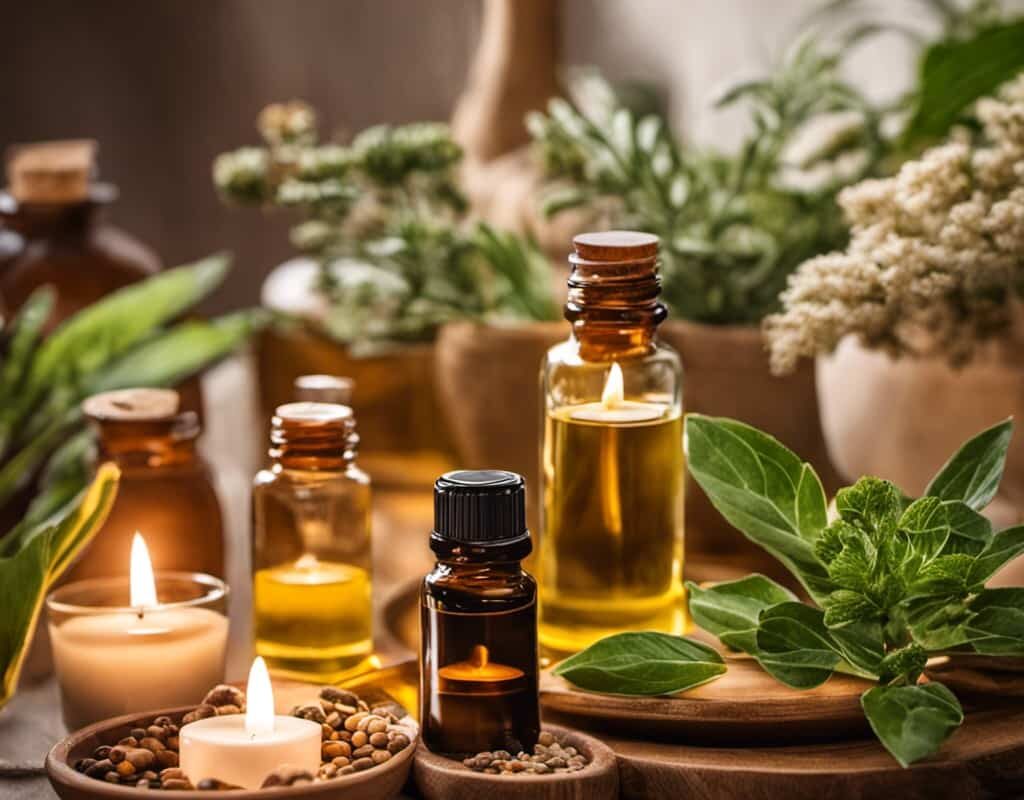
Aromatherapy has emerged as a popular holistic practice, captivating the interest of many who seek natural methods for wellness. By harnessing the power of essential oils, individuals can experience a range of therapeutic benefits that address both physical and emotional needs. This ancient practice transcends cultures and eras, revealing a rich tapestry of history and applications that continue to evolve today.
From its early use in various traditional healing systems to modern-day integrative therapies, aromatherapy is a fascinating subject that bridges the gap between nature and science. Essential oils, the cornerstone of this practice, are extracted from plants and are known for their unique properties and healing capabilities. Understanding how to utilize these oils effectively can lead to enhanced wellbeing and a deeper connection with our senses.
The History of Aromatherapy in Different Cultures
Aromatherapy, the practice of using essential oils for therapeutic benefits, has a rich history that spans across various cultures and civilizations. Its roots can be traced back thousands of years, where different societies utilized plant extracts for medicinal, religious, and beauty purposes. Understanding the historical context of aromatherapy helps us appreciate its significance and evolution in holistic healing practices today.
The origins of aromatherapy can be found in ancient civilizations such as Egypt, China, and India. In Egypt, aromatics played a central role in rituals and embalming practices. The Egyptians developed a profound knowledge of essential oils, particularly frankincense and myrrh, which were valued for their healing properties and spiritual significance. The famous Ebers Papyrus, dated around 1550 BC, contains over 800 prescriptions and remedies that highlight the use of various herbs and oils.
In ancient China, the practice of using aromatic substances is documented in texts such as the Huangdi Neijing (The Yellow Emperor’s Classic of Internal Medicine), which emphasized the importance of balancing the body’s energies through natural remedies. Similarly, Ayurveda, the traditional healing system of India, dates back over 5,000 years and incorporates essential oils derived from various plants into its therapeutic practices. These oils are integrated into massages, baths, and ritualistic ceremonies, aiming to promote physical and emotional well-being.
Significant Figures in Aromatherapy
Throughout history, several key figures have contributed to the development of aromatherapy practices. Notably, the French chemist René-Maurice Gattefossé is often referred to as the father of modern aromatherapy. His accidental discovery of lavender oil’s healing properties after treating a burn on his hand in the early 20th century sparked a renewed interest in essential oils. Gattefossé coined the term ‘aromatherapy’ in 1937, emphasizing the therapeutic potential of essential oils.
Another pivotal figure is Marguerite Maury, a French biochemist who pioneered the use of essential oils in skincare. She advocated for the internal use of oils and their incorporation into beauty treatments, further expanding the scope of aromatherapy. Her book, “L’Aromathérapie,” published in the 1960s, laid foundational principles for the integration of aromatherapy into health and beauty practices.
Essential oils have evolved significantly within traditional healing systems. Over centuries, various cultures have refined their understanding of the properties and applications of these oils. Initially perceived purely for their fragrant qualities, essential oils are now recognized for their biochemical constituents that provide therapeutic benefits. For instance, eucalyptus oil, once used primarily for its scent, is now widely acknowledged for its antiseptic and anti-inflammatory properties.
This evolution reflects a growing body of research that has validated many traditional claims surrounding essential oils. Modern scientific studies continue to explore the effects and applications of aromatherapy in mental health, pain management, and overall wellness. Consequently, aromatherapy is experiencing a resurgence as a complementary approach in contemporary healthcare, blending ancient wisdom with modern science.
Essential Oils
Essential oils are concentrated extracts derived from various parts of plants, including leaves, flowers, bark, and roots. Each type of essential oil possesses unique properties and benefits, making them popular in aromatherapy for enhancing physical and emotional well-being. This section delves into some well-known essential oils, their therapeutic advantages, and the methods used for their extraction, which can significantly affect their quality and efficacy.
Popular Essential Oils and Their Benefits
A variety of essential oils are widely used in aromatherapy, each offering distinct benefits. Understanding these oils can help individuals select the right ones for their needs. Below is a list of popular essential oils along with their unique properties:
- Lavender: Well-known for its calming effects, lavender oil is often used to alleviate stress, anxiety, and insomnia. Its soothing aroma can promote relaxation and enhance mood.
- Peppermint: Peppermint oil is invigorating and refreshing, making it effective in alleviating headaches, enhancing mental clarity, and relieving digestive issues.
- Eucalyptus: Eucalyptus oil has antiseptic and anti-inflammatory properties, making it useful for respiratory conditions and clearing sinuses.
- Tea Tree: Renowned for its antimicrobial properties, tea tree oil is commonly used to treat acne, fungal infections, and other skin issues.
- Lemon: Lemon essential oil is uplifting and purifying. It is often used to boost mood and improve concentration, as well as for its antibacterial properties.
These essential oils can provide healing benefits for various common ailments, making them valuable additions to a wellness routine. For instance, inhaling lavender oil can significantly reduce anxiety levels, while peppermint oil can offer relief from tension headaches when applied topically or diffused.
Extraction Methods of Essential Oils
The extraction of essential oils is a crucial process that influences their quality and therapeutic properties. Various methods are utilized, each impacting the oil’s characteristics in different ways. The most common extraction methods include steam distillation, cold pressing, and solvent extraction.
- Steam Distillation: This is the most widely used method. It involves passing steam through plant material, causing the essential oils to evaporate. The steam is then cooled, and the oil is collected. This method preserves the integrity of the oil and retains its aromatic qualities.
- Cold Pressing: Primarily used for citrus oils, this technique involves mechanically pressing the fruit’s peel to release the essential oils. Cold pressing results in a fresh, vibrant fragrance, making it ideal for oils like lemon and orange.
- Solvent Extraction: This method uses solvents to extract oils from delicate flowers or plant materials that cannot withstand heat. While it can yield high-quality oils, the residual solvent may affect the oil’s purity. Oils extracted this way are often labeled as “absolute.”
- CO2 Extraction: This advanced method uses carbon dioxide under high pressure to extract essential oils. It produces a pure, concentrated oil that retains the full spectrum of the plant’s aroma and therapeutic properties, although it can be more expensive.
The choice of extraction method is essential, as it can influence the oil’s potency, aroma, and overall quality. High-quality oils are typically more effective in providing the desired therapeutic effects, making it crucial for consumers to choose reputable brands that disclose their extraction methods.
The Science Behind Aromatherapy and Emotional Healing
The connection between scent and our emotional state has been a topic of scientific exploration for decades. Aromatherapy leverages this relationship by utilizing essential oils to promote emotional healing and improve mental health. The olfactory system, responsible for our sense of smell, has direct links to the brain’s limbic system, which is involved in regulating emotions. This powerful connection explains how certain scents can evoke strong emotional responses, influencing our mood and overall well-being.
Research studies have demonstrated the effectiveness of aromatherapy in enhancing emotional wellness. The limbic system’s interaction with scent is crucial; for instance, when a pleasant scent is inhaled, it can trigger the release of neurotransmitters such as serotonin and dopamine, often referred to as the “feel-good” hormones. In contrast, unpleasant odors may induce stress or discomfort, highlighting the importance of the olfactory experience in emotional health.
Scientific Studies Supporting Aromatherapy’s Impact
Several studies have investigated the therapeutic effects of aromatherapy on emotional states. One noteworthy study published in the *Journal of Alternative and Complementary Medicine* explored the effects of lavender oil on anxiety levels. Participants who inhaled lavender reported significantly reduced anxiety and improved mood compared to a control group. This study exemplifies how specific essential oils can influence emotional well-being through olfactory pathways.
Another compelling piece of research published in *Psychological Science* found that citrus scents, particularly those from bergamot and orange oils, had mood-enhancing effects on participants. The researchers noted that when subjects were exposed to these scents, they experienced a notable increase in positive feelings and a decrease in negative emotions. This supports the concept that certain fragrances can be used strategically to lift mood and alleviate stress.
A meta-analysis conducted by the University of Manchester reviewed multiple studies on the efficacy of aromatherapy in treating depression and anxiety. The analysis concluded that aromatherapy, especially when combined with other forms of therapy, can yield significant improvements in emotional health. The researchers highlighted that the scents act as a complementary approach, providing a natural way to enhance mood and mitigate the symptoms of mental health disorders.
In summary, the scientific community acknowledges the profound connection between scent and our emotional landscape. Aromatherapy emerges as a valuable tool, backed by research, to foster emotional healing. These findings encourage a broader acceptance and understanding of how essential oils can be integrated into mental health practices, providing a holistic approach to emotional well-being.
Methods of Using Aromatherapy for Everyday Wellness
Aromatherapy offers various ways to enhance daily well-being through scent. Integrating essential oils into your routine can uplift mood, reduce stress, and promote relaxation. By adopting different methods, anyone can harness the power of aromatherapy to improve physical and emotional health.
Incorporating Aromatherapy into Daily Routines
There are several effective methods to integrate aromatherapy into your lifestyle. Below is a detailed list that highlights practical ways to use essential oils for everyday wellness.
- Diffusion: Using an essential oil diffuser is a popular method. Add a few drops of your chosen oil to the diffuser, fill it with water, and let it disperse the aroma throughout the room. This method is excellent for creating a calming environment or boosting energy levels.
- Bathing: Adding essential oils to your bath can transform a regular soak into a therapeutic experience. Mix 5-10 drops of essential oils with a neutral carrier oil like coconut or jojoba before adding it to the bathwater to prevent skin irritation.
- Topical Application: Essential oils can be applied directly to the skin when diluted with a carrier oil. This method is effective for localized relief, such as using peppermint oil for headaches or lavender for relaxation.
- Inhalation: Simply inhaling essential oils directly from the bottle or through a cotton ball can quickly promote relaxation or rejuvenation. This method is perfect for on-the-go stress relief.
- Cleaning: Incorporating essential oils into your cleaning routine not only provides a pleasant scent but also adds antibacterial properties. Oils like tea tree and lemon are effective for disinfecting purposes.
Aromatherapy Blends for Specific Purposes
Creating custom blends tailored to your needs can enhance the benefits of aromatherapy. Below are two simple recipes for blends targeting relaxation and energy.
Relaxation Blend: 3 drops Lavender, 2 drops Bergamot, 1 drop Frankincense.
Mix the oils in a small roller bottle with a carrier oil for easy application on pulse points before bedtime or during stressful moments.
Energy Boost Blend: 3 drops Peppermint, 2 drops Lemon, 1 drop Rosemary.
This invigorating blend can be used in a diffuser or inhaled straight from the bottle to awaken the senses and enhance focus during the day.
Step-by-Step Guide on Using Essential Oils
Utilizing essential oils in different formats can be straightforward. Here’s a comprehensive guide to get started:
Using a Diffuser:
1. Select your essential oils based on the mood you wish to create.
2. Measure the appropriate amount of water into your diffuser.
3. Add 5-10 drops of essential oil.
4. Turn on the diffuser and enjoy the scent as it fills the room.
Taking an Aromatherapy Bath:
1. Prepare your bathwater to your preferred temperature.
2. In a small bowl, combine 5-10 drops of essential oils with a carrier oil.
3. Stir the mixture well to blend the oils.
4. Add the blend to the bath once the tub is filled, and swish the water to disperse the oils.
Topical Application:
1. Choose your preferred essential oil for your desired effect.
2. Mix 1-2 drops of essential oil with a carrier oil in your palm.
3. Apply the mixture to pulse points, such as wrists or neck, and gently massage it into your skin.
These methods allow anyone to enjoy the diverse benefits of aromatherapy in simple, everyday practices. By implementing these techniques into your routine, you can create a harmonious environment and promote overall wellness.
Safety Practices and Considerations in Aromatherapy
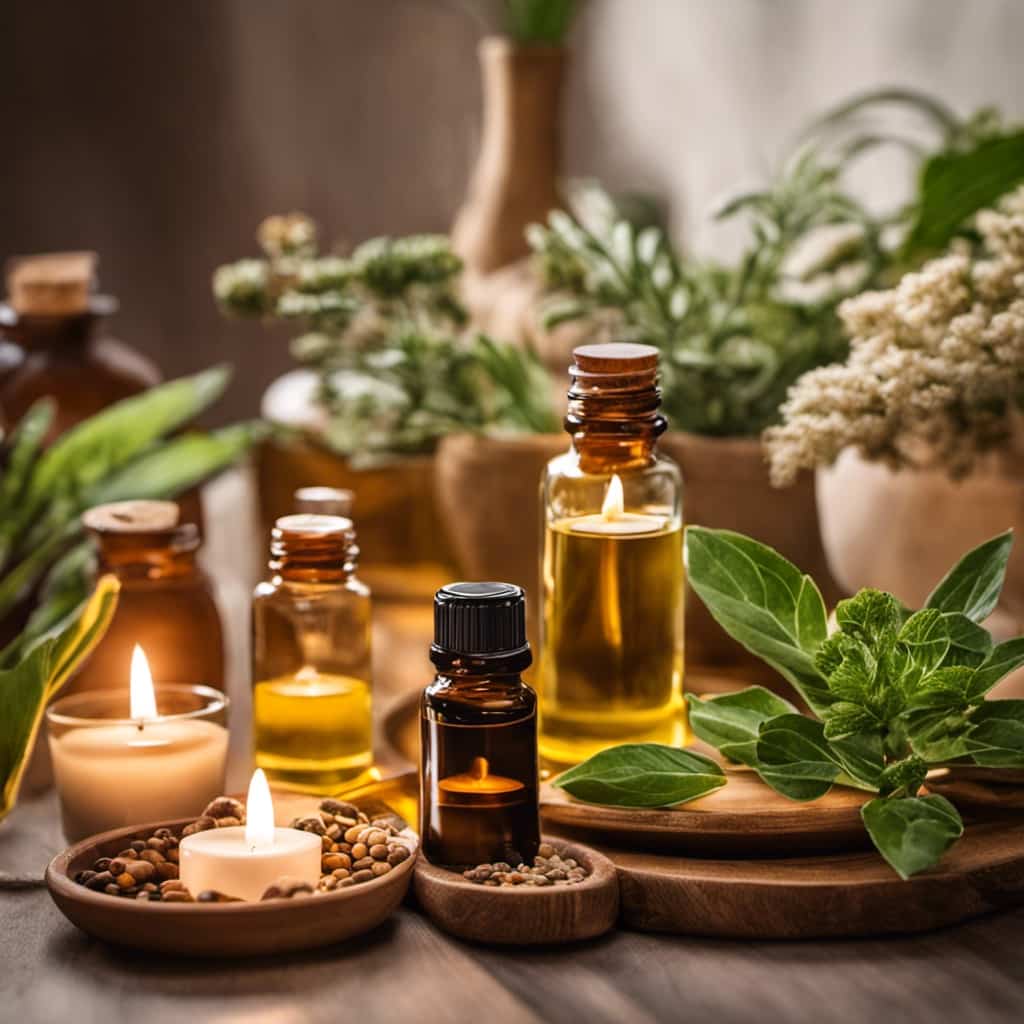
Aromatherapy is a holistic healing practice that incorporates the use of essential oils to enhance physical and emotional well-being. While the benefits can be substantial, understanding safety practices and potential risks is crucial for effective and safe use. Ensuring the proper application and sourcing of essential oils can significantly impact their therapeutic potential.
Risks and Contraindications of Essential Oils
Using essential oils can present certain risks, particularly if they are not applied correctly. Some oils may be irritating to the skin, while others can cause allergic reactions. Special caution should be taken in the following scenarios:
- Pregnancy: Certain oils, such as sage and rosemary, can stimulate uterine contractions and should be avoided during pregnancy.
- Children: Essential oils are potent and can overwhelm a child’s system. Oils such as eucalyptus and peppermint are typically not recommended for children under two.
- Health Conditions: Individuals with conditions like epilepsy, asthma, or hormone-sensitive cancers should consult a healthcare provider before using essential oils.
Understanding these risks underscores the importance of thorough research and consultation with healthcare professionals before starting any aromatherapy regimen.
Safe Dilution and Application of Essential Oils
Dilution is a key practice in aromatherapy to prevent adverse reactions. Essential oils should never be applied directly to the skin without proper dilution in a carrier oil. Carrier oils such as jojoba or sweet almond oil help to reduce the strength of essential oils, making them safer for topical use. Recommended dilution ratios vary by age group and health condition:
- For adults: A general guideline is to dilute 3-5 drops of essential oil in 1 tablespoon of carrier oil.
- For children aged 2-12: Dilute 1 drop of essential oil in 1 teaspoon of carrier oil.
- For infants under 2: It is advisable to use essential oils only in vaporization or diffused into the air, avoiding topical application unless directed by a healthcare professional.
Importance of Quality and Sourcing of Essential Oils
The quality of essential oils is paramount. Poorly sourced or adulterated oils can diminish therapeutic effects and pose health risks. When selecting essential oils, consider the following points:
- Purity: Look for oils labeled as “100% pure” with no synthetic additives.
- Sourcing: Choose oils from reputable suppliers who provide transparency about their sourcing practices. Oils should ideally be sourced from regions where the plant is native, ensuring the best quality.
- Testing: Reputable companies often conduct quality testing, such as gas chromatography and mass spectrometry, to verify the purity and composition of their oils.
“Quality and sourcing are foundational elements that ensure essential oils are safe and effective for therapeutic use.”
Understanding these safety practices, risks, and the significance of quality will empower users to utilize aromatherapy more effectively and with confidence.
Aromatherapy in Professional Settings
Aromatherapy has found a significant place in professional environments, particularly in spas and therapy centers. This holistic approach utilizes essential oils extracted from plants to enhance treatments, promote relaxation, and support overall well-being. By combining aromatherapy with various spa and therapy services, practitioners can create a more immersive and healing experience for clients.
Incorporating aromatherapy into spa treatments involves using essential oils in massages, facials, and baths, which can enhance both the physical and emotional aspects of relaxation. For instance, lavender oil is renowned for its calming properties, making it a popular choice in stress-relief massages. When clients inhale these soothing scents, it not only helps them relax during the treatment but can also linger long after the session ends, promoting a more sustained sense of calm. The benefits extend beyond mere relaxation; studies have shown that essential oils can improve mood, reduce anxiety, and even alleviate certain physical ailments when used properly.
Role of Aromatherapy in Professional Massage Therapy
In professional massage therapy, aromatherapy plays a crucial role in enhancing the overall effectiveness of the treatment. By choosing specific essential oils, therapists can tailor each massage to address individual client needs. For example, peppermint oil may be used for its invigorating properties, while chamomile oil can help soothe muscle tension and promote deeper relaxation. The combination of skilled massage techniques and the therapeutic scents of essential oils creates a holistic experience that can significantly enhance the benefits of the massage.
Aromatherapy is not just a luxury; it is an integral part of many therapeutic practices. The use of scents in massage can lead to deeper emotional healing by invoking positive memories or feelings, which can be particularly beneficial in holistic therapies. By addressing both the physical and emotional aspects of a client’s well-being, aromatherapy nurtures a more profound healing experience. This integration allows therapists to encourage clients to engage fully in their treatment, fostering an environment where relaxation and healing can occur more seamlessly.
Aromatherapy’s Complementary Role in Holistic Therapies
Aromatherapy complements various holistic therapies, enhancing their overall effectiveness and promoting an integrated approach to health. The synergy of different therapeutic practices can lead to remarkable outcomes for individuals seeking comprehensive wellness solutions. Here are several ways aromatherapy integrates with other holistic therapies:
– Yoga and Meditation: Essential oils such as sandalwood and frankincense can create an ambiance conducive to mindfulness and focus during yoga practice, enhancing the meditative experience.
– Acupuncture: The calming scents of lavender and ylang-ylang may help soothe anxiety and reduce discomfort during acupuncture sessions, thereby improving overall client comfort.
– Chiropractic Care: Using invigorating scents like eucalyptus can energize clients before treatments, while calming scents may help them unwind post-session, enhancing recovery.
– Reiki and Energy Work: Incorporating essential oils can deepen the energetic experience, allowing practitioners to focus on their healing work while clients immerse themselves in the healing aromas.
By utilizing aromatherapy in conjunction with these therapies, practitioners can create a holistic treatment plan that addresses the mind, body, and spirit. The enhanced sensory experience not only promotes relaxation but also supports the body’s natural healing processes, making it a valuable tool in professional therapeutic settings.
DIY Aromatherapy Projects for Personal Use
Creating your own aromatherapy products at home is both a delightful and therapeutic experience. It allows you to incorporate your favorite scents while ensuring that the ingredients are natural and safe. Whether you’re looking to enhance your self-care routine or craft thoughtful gifts for loved ones, DIY aromatherapy projects can be incredibly rewarding. This guide will walk you through some creative ideas for making your own aromatherapy products, designing personalized gift sets, and creating a soothing aromatherapy space in your home.
Creative Ideas for Making Aromatherapy Products
There are countless ways to integrate aromatherapy into your daily life through simple DIY projects. Here are some popular options you can try at home:
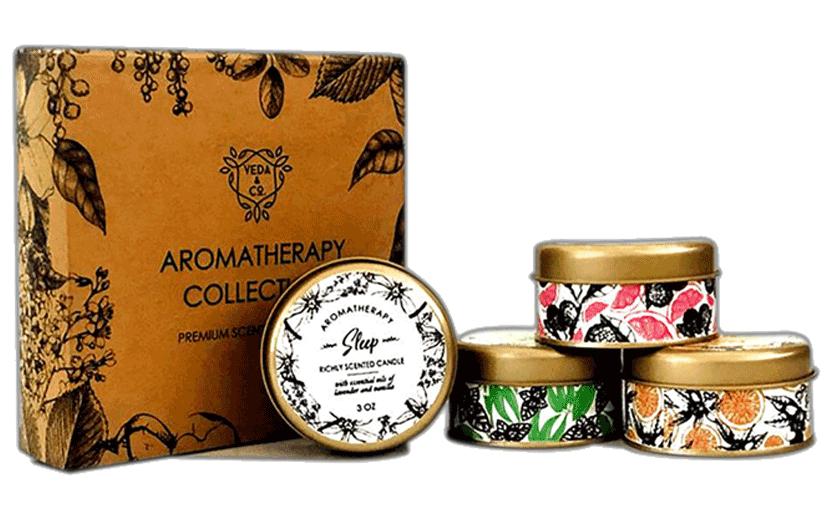
- Aromatherapy Candles: Making your own scented candles allows you to customize the fragrance blend. Start with soy wax or beeswax, which are natural and burn cleanly. Melt the wax, add essential oils like lavender for relaxation or citrus for energy, and pour into a container with a wick. Let it set, and enjoy your personalized candle.
- Bath Bombs: These fizzy, fragrant additions to your bath can be tailored to your preferences. Combine baking soda, citric acid, Epsom salt, and essential oils in a bowl. For added benefits, mix in dried flowers or herbs. Mold the mixture into shapes and allow them to dry for a couple of days before using them in your baths.
- Essential Oil Roll-Ons: Create convenient roll-ons for on-the-go aromatherapy. Use a small glass roll-on bottle and fill it with a carrier oil like jojoba or sweet almond oil. Add essential oils according to your mood; for instance, peppermint for focus or chamomile for relaxation. These are perfect to carry in your bag for quick scent boosts.
Personalized Aromatherapy Gift Sets
Crafting personalized aromatherapy gift sets is a thoughtful way to share the benefits of essential oils with friends and family. Consider the recipient’s preferences and needs when designing these sets. A well-rounded gift set might include a mix of products tailored to create a complete aromatherapy experience.
To create a gift set, consider the following items:
- Customized Essential Oil Blends: You can mix different essential oils to create unique blends that cater to specific moods or needs.
- Handmade Candles and Bath Products: As mentioned earlier, including your DIY candles or bath bombs can make the gift more personal and heartfelt.
- Diffuser and Essential Oils: A small diffuser paired with a selection of essential oils can introduce the recipient to the world of aromatherapy.
Each item can be beautifully packaged in a box or basket with decorative tissue paper and a personalized note explaining the benefits of each product. Not only will this gift be appreciated, but it will also show your effort and thoughtfulness.
Creating a Home Aromatherapy Space
Designing a dedicated aromatherapy space in your home can enhance relaxation and well-being. This area should be a sanctuary where you can unwind and enjoy the sensory experience of essential oils. Here’s how you can set up your own aromatherapy corner:
Begin by selecting a quiet spot in your home, such as a cozy corner in the living room or a serene area of your bedroom. Make sure the space is clean and clutter-free, allowing for a peaceful atmosphere.
- Choose a Diffuser: Invest in a quality diffuser that suits your style and needs. An ultrasonic diffuser not only disperses essential oils but also adds humidity to the air, which is beneficial for skin and respiratory health.
- Select Your Scents: Stock your space with a range of essential oils. Lavender, eucalyptus, and chamomile are excellent choices for relaxation, while citrus oils can energize the space. Consider adding a few personal favorites to make it truly yours.
- Add Comfortable Decor: Incorporate soft pillows, soothing colors, and perhaps a small water fountain or plant to enhance the tranquility of your space.
By creating a dedicated aromatherapy space, you not only invite relaxation into your home but also establish a routine for self-care. Utilize this area for meditation, yoga, or simply enjoying a moment of peace with your favorite scents enveloping you.
End of Discussion
In conclusion, aromatherapy offers a unique approach to wellness that encourages individuals to explore the interaction between scent, emotion, and healing. The diverse applications of essential oils not only promote relaxation and rejuvenation but also provide practical solutions for everyday challenges. As we embrace the ancient wisdom of aromatherapy, we open ourselves to a world filled with potential for personal growth and emotional balance.
Question Bank
What are essential oils?
Essential oils are concentrated plant extracts that capture the natural scent and beneficial properties of their source.
Can aromatherapy help with anxiety?
Yes, many essential oils, such as lavender and bergamot, are known to reduce anxiety and promote a sense of calm.
How do I choose the right essential oil for me?
Consider your specific needs and preferences; some oils may help with relaxation, while others can boost energy or focus.
Are there any side effects of using essential oils?
Yes, some essential oils can cause skin irritation or allergic reactions, so it’s important to do a patch test and use them safely.
How can I incorporate aromatherapy into my daily routine?
You can use essential oils in diffusers, baths, or topical applications, and even create personal aromatherapy blends.