
 Caroline Sarah
Melatonin gummy has emerged as a popular natural remedy for those struggling with sleep issues. These little gummies are not just sweet treats; they pack a punch with ingredients designed to help regulate our sleep cycles effectively. From busy professionals to students burning the midnight oil, melatonin gummies offer a convenient solution to enhance sleep quality without the groggy side effects often associated with traditional sleep medications.
Melatonin, a hormone produced by the pineal gland, plays a critical role in our sleep-wake cycles. As our natural light exposure changes throughout the day, our bodies rely on melatonin to signal when it’s time to wind down. This alignment with our biological clock makes melatonin gummies an appealing option for various demographics, from children to the elderly. In this article, we will explore their ingredients, benefits, usage, and the science behind their effectiveness, shedding light on how they can fit into a holistic approach to sleep health.
Melatonin gummy ingredients and their benefits
Melatonin gummies are increasingly popular as a natural sleep aid, but their effectiveness often hinges on the specific ingredients integrated into their formulation. Understanding these components not only helps consumers make informed choices but also highlights the unique benefits each ingredient offers in promoting better sleep quality and overall wellbeing.
The primary ingredient in melatonin gummies is, unsurprisingly, melatonin itself. Melatonin is a hormone produced by the pineal gland in the brain, playing a crucial role in regulating the sleep-wake cycle. Supplementing with melatonin can help facilitate the onset of sleep, especially for those dealing with insomnia or jet lag. Besides melatonin, many gummies include a range of other beneficial ingredients. For instance, chamomile extract is commonly found in these products due to its calming effects, which can further support relaxation and help individuals fall asleep more easily. Valerian root is another popular additive that has long been used in herbal remedies for its sedative properties, potentially enhancing sleep quality.
In addition to herbal extracts, essential vitamins and minerals may be present in these gummies. Vitamin B6, for instance, plays a vital role in melatonin production, while magnesium is known for its muscle-relaxing properties, contributing to a more restful sleep. Zinc may also be included, renowned for its role in enhancing immune function and potentially mitigating sleep disturbances.
Natural versus synthetic ingredients
The distinction between natural and synthetic ingredients can significantly affect the efficacy of melatonin gummies. Natural melatonin is derived from sources like animal pineal glands or synthesized from plant compounds, while synthetic versions are typically produced in laboratories.
Natural forms of melatonin may offer benefits due to their bioavailability and the presence of additional co-factors that can aid absorption in the body. For example, studies suggest that natural melatonin can help regulate circadian rhythms more effectively than its synthetic counterpart. On the other hand, synthetic melatonin can be more consistent in dosing and is widely available at lower costs, making it a convenient option for many.
The perception of efficacy can also be influenced by how individuals react to these ingredients. Some may find that natural options provide a gentler, more harmonious experience, while others might prefer the potency of synthetic melatonin, especially in higher doses.
Choosing between natural and synthetic forms of melatonin can greatly influence how effectively sleep aids function for individual users.
Understanding the nuances and benefits of both natural and synthetic ingredients empowers consumers to make choices that align with their sleep needs and preferences.
The science behind melatonin and sleep cycles
Melatonin is a hormone that plays a pivotal role in regulating sleep-wake cycles, also known as circadian rhythms. Produced by the pineal gland in the brain, melatonin levels fluctuate throughout the day, influenced primarily by light exposure. Understanding the science behind melatonin’s influence on sleep can help shed light on its effectiveness in treating various sleep disorders, including insomnia and jet lag.
Melatonin’s influence on the sleep-wake cycle is primarily tied to its ability to signal the body that it is time to sleep. As darkness falls, the pineal gland increases melatonin production, leading to increased feelings of sleepiness. Conversely, exposure to light, particularly blue light from screens, suppresses melatonin production, signaling the body to stay awake. This natural ebb and flow of melatonin is crucial for maintaining a healthy sleep cycle, which is often disrupted in individuals with sleep disorders.
Biological mechanisms of melatonin
The effectiveness of melatonin in promoting sleep can be attributed to several biological mechanisms. Melatonin exerts its effects by binding to specific receptors in the brain, namely the MT1 and MT2 receptors. These receptors are primarily located in the suprachiasmatic nucleus (SCN) of the hypothalamus, the brain’s master clock that regulates circadian rhythms. When melatonin binds to these receptors, it induces a series of neuronal changes that promote drowsiness and reduce alertness.
In addition to receptor binding, melatonin also influences the production of other neurotransmitters and hormones that play a role in sleep. For instance, it helps regulate serotonin levels, a precursor to melatonin, which further promotes relaxation. The hormone also exhibits antioxidant properties, which can help protect the brain from oxidative stress during sleep.
Melatonin production is markedly different during the day and night. During daylight hours, melatonin levels are typically low, which is conducive to wakefulness. In contrast, as night approaches and darkness sets in, melatonin secretion begins to rise, generally peaking in the early hours of the night. The following key points highlight the differences in melatonin production between day and night:
- During the daytime, light exposure inhibits melatonin synthesis, keeping levels low.
- The onset of darkness triggers the pineal gland to increase melatonin production, signaling the body that it’s time to sleep.
- Melatonin levels typically peak between 2 AM and 4 AM, contributing to restorative sleep during this time.
- In the early morning, exposure to light causes melatonin levels to drop sharply, promoting wakefulness.
The intricate balance of melatonin production is vital for maintaining a stable sleep-wake cycle. Disruptions to this natural rhythm can lead to various sleep disorders, emphasizing the importance of understanding melatonin’s role in our biological clock.
Target demographics for melatonin gummies
Melatonin gummies have gained popularity as a sleep aid and are especially appealing due to their ease of use and pleasant taste. Various demographic groups may find these supplements beneficial, but it’s crucial to understand who they are and the specific considerations involved in their use.
Demographic Groups Benefiting from Melatonin Gummies
Melatonin gummies can be advantageous for several groups, including children, adults, and the elderly. Each of these demographics has unique sleep challenges that melatonin may help address.
- Children: Many parents use melatonin gummies for their children who struggle with sleep issues, such as insomnia or difficulty falling asleep. Pediatric use should be approached cautiously, and it is essential to consult a pediatrician to determine appropriate dosage and timing.
- Adults: Adults, particularly those facing stress, work-related insomnia, or irregular sleep schedules, can benefit from melatonin supplementation. It’s a popular choice among shift workers and those experiencing jet lag.
- Elderly: Older adults often experience changes in sleep patterns and may benefit from melatonin to improve sleep quality. However, they should be aware of potential interactions with other medications they may be taking.
The use of melatonin gummies can depend on several factors, including age restrictions and health conditions. There may be age recommendations on product labels, with some brands specifying that their gummies are suitable only for adults or children over a certain age. Health conditions such as autoimmune disorders, depression, or hormonal issues can also affect an individual’s ability to use melatonin safely.
The importance of consulting healthcare professionals before starting any supplement routine cannot be overstated.
Individuals should always check with their healthcare provider, particularly if they are pregnant, nursing, or have existing health concerns. Healthcare professionals can provide personalized guidance based on individual health needs and help to avoid any potential adverse effects. They may also recommend appropriate dosages and timing to ensure optimal benefits. Overall, ensuring safe use of melatonin gummies requires a comprehensive understanding of personal health situations and the potential implications of adding supplements to one’s routine.
Comparing melatonin gummies with other sleep aids
Melatonin gummies have surged in popularity as a go-to option for individuals seeking better sleep. In this discussion, we will compare melatonin gummies with other sleep aids, such as prescription medications and herbal alternatives, to understand their unique benefits and potential downsides.
When comparing melatonin gummies to prescription sleep medications, it’s essential to consider the differences in their composition and effects. Prescription medications, like benzodiazepines or non-benzodiazepine sleep aids, often lead to quicker sleep onset but can come with significant side effects, including dependency and tolerance issues. In contrast, melatonin gummies are generally regarded as safer, with fewer side effects, mainly because they mimic the natural hormone that regulates sleep-wake cycles. However, prescription options may be more effective for severe insomnia cases where immediate intervention is necessary.
In terms of herbal alternatives, ingredients like valerian root and chamomile are frequently used for their calming effects. While these options can be beneficial, their effectiveness may vary significantly between individuals. Melatonin gummies, on the other hand, provide a standardized dose of melatonin, making it easier for users to control their intake.
Pros and Cons of Melatonin Gummies versus Other Forms of Melatonin Supplements
Each form of melatonin has its own set of advantages and disadvantages. Understanding these differences can assist users in selecting the right option for their needs.
The pros of melatonin gummies include:
- Convenient and enjoyable to consume, which encourages adherence.
- Usually lower doses, reducing the likelihood of side effects.
- No need for water or additional preparation, making them travel-friendly.
On the flip side, the cons of melatonin gummies may involve:
- Added sugars and artificial flavors, which might be unappealing to health-conscious users.
- Potentially slower absorption compared to pills or liquids.
- Less precise dosing, as gummies may vary in melatonin content.
User experiences can differ based on the chosen sleep aid. For example, individuals using melatonin gummies often report a gentle transition into sleep without the grogginess associated with some prescription drugs. In contrast, those relying on pills or liquids may notice a faster effect but could also experience side effects like dizziness or daytime drowsiness. Many users of herbal alternatives share mixed feelings, citing varying effectiveness and a longer time to feel the calming effects.
The choice between melatonin gummies, pills, liquids, or other sleep aids ultimately depends on individual preferences and specific sleep issues, emphasizing the importance of consulting with healthcare professionals when needed.
Dosage recommendations and usage guidelines
Melatonin gummies are a popular choice for those seeking a natural remedy for sleep issues. Understanding the proper dosage and usage guidelines is essential for maximizing their effectiveness and minimizing potential side effects. This section Artikels recommended dosages for different demographics, factors influencing these recommendations, appropriate consumption timing, and methods for optimal results.
Recommended Dosages for Different Demographics
Determining the correct dosage of melatonin can vary significantly based on age, health conditions, and individual sensitivity to the hormone. The following are general recommendations:
- Adults: A typical dosage ranges from 1 to 5 mg taken 30 to 60 minutes before bedtime. Some individuals may find success with higher doses, up to 10 mg, but this should be approached with caution.
- Children: For children, a lower dosage of 0.5 to 3 mg is advisable, ideally starting with the lowest effective dose. Consultation with a pediatrician is recommended before administration.
- Older Adults: Seniors may require a lower dosage, often around 1 to 3 mg, as their sensitivity to melatonin can be higher, and the metabolism of the supplement may be slower.
- Shift Workers: Individuals working irregular hours might benefit from doses of 5 mg taken before a scheduled sleep time to help reset the circadian rhythm.
Individual factors such as body weight, overall health, and existing medical conditions can influence these guidelines. It is crucial to consider personal needs and consult a healthcare professional when unsure.
Timing and Method of Consumption
For optimal effectiveness, timing and method of consumption are critical. Melatonin should be taken approximately 30 to 60 minutes before bedtime, allowing ample time for the body to absorb the supplement and promote sleepiness. It is best consumed on an empty stomach, as food can interfere with its absorption and effectiveness.
A consistent routine in taking melatonin can also enhance its benefits. Establishing a regular sleep schedule supports the body’s natural circadian rhythm and can make falling asleep easier over time.
Potential Side Effects of Improper Usage
Improper usage of melatonin gummies can lead to several adverse side effects that may impact daily functioning and overall well-being. Common side effects include:
- Drowsiness: Overdosing on melatonin can result in excessive drowsiness, particularly if taken during the day or when not needing sleep.
- Headaches: High doses have been associated with headaches upon waking or during the day, disrupting normal activities.
- Gastrointestinal Issues: Some users may experience nausea, diarrhea, or stomach cramps, which can be uncomfortable and disruptive.
- Hormonal Effects: Long-term use or high doses may affect hormone levels, potentially leading to changes in mood, irritability, or even menstrual cycle irregularities in women.
- Sleep Disturbances: Ironically, too much melatonin can cause disruptions in sleep patterns, leading to difficulty falling or staying asleep.
It’s essential to adhere to recommended dosages and consult with a healthcare professional if side effects are experienced. Developing a comprehensive understanding of these factors ensures safe and effective use of melatonin gummies.
Consumer choices and product ratings for melatonin gummies
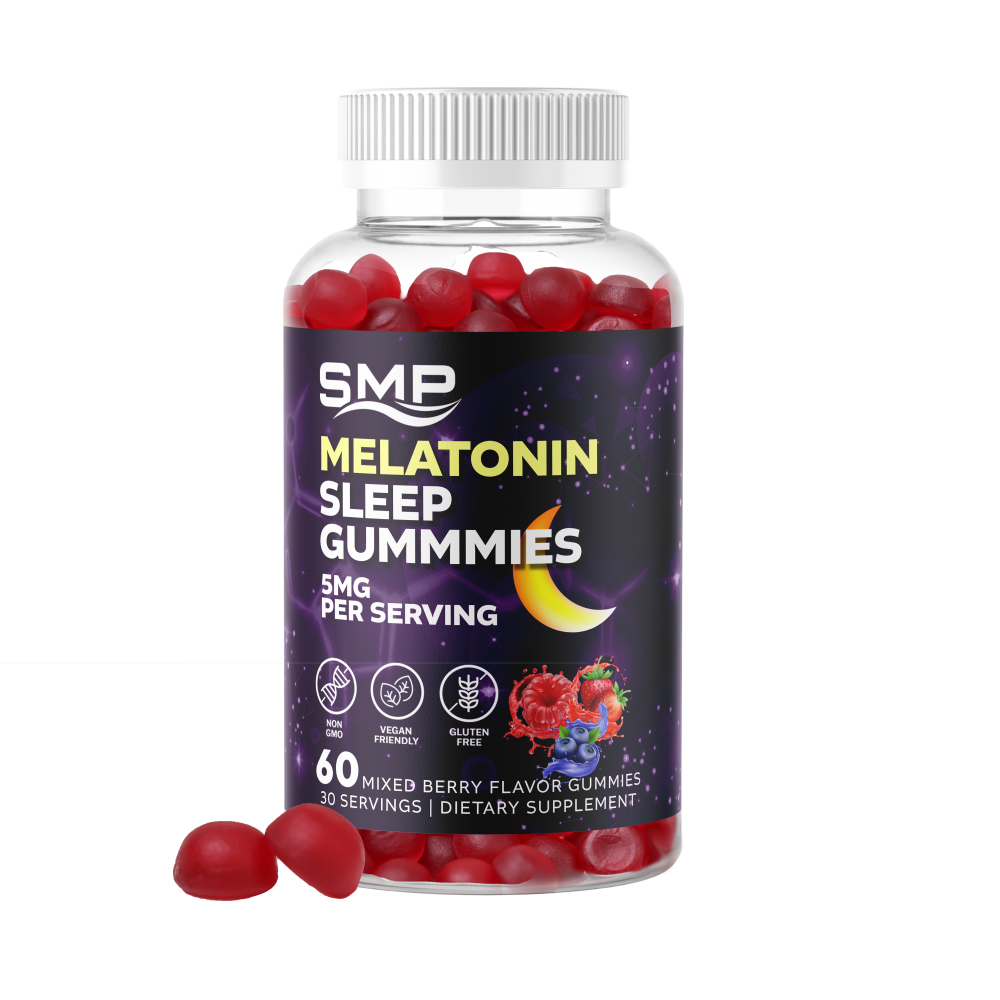
Melatonin gummies have surged in popularity as a natural sleep aid, leading consumers to explore various brands and their offerings. With a plethora of options on the market, it’s crucial to evaluate these products based on unique attributes and consumer feedback. In this segment, we take a closer look at popular melatonin gummy brands, assess their effectiveness through ratings, and discuss how packaging and marketing influence consumer choices.
Popular melatonin gummy brands and their unique attributes
Numerous melatonin gummy brands have emerged, each boasting distinctive features that cater to different consumer preferences. Understanding these attributes can help consumers make informed choices.
- Olly Sleep: Known for their blend of melatonin, L-theanine, and botanicals, Olly Sleep gummies focus on promoting relaxation and better sleep quality.
- Nature Made: These gummies stand out for their USP verification, ensuring quality and potency. They offer a straightforward melatonin formulation, making them a reliable option.
- Goli Nutrition: Infused with vitamins B12 and apple cider vinegar, Goli’s melatonin gummies appeal to health-conscious consumers looking for added nutritional benefits.
- Vitafusion: With a range of flavors and an emphasis on taste, Vitafusion melatonin gummies are popular for their palatable options, catering to those who prioritize flavor in their supplements.
- Zahler Melatonin: These gummies are notable for their all-natural ingredients and organic certification, appealing to consumers who prefer cleaner label products.
Consumer ratings and reviews reveal significant trends in the effectiveness and taste preferences of melatonin gummies. Many users commend the ease of use and enjoyable flavors, with taste often being a deciding factor in repeat purchases. Effectiveness ratings indicate that brands like Olly Sleep and Nature Made frequently receive higher approval for their sleep-enhancing properties, while taste-focused brands like Vitafusion garner feedback centered on flavor satisfaction.
Consumer choices in the melatonin gummy market are also heavily influenced by packaging and marketing strategies. Packaging plays a vital role in attracting buyers, as visually appealing designs and informative labels can distinguish one product from another on crowded shelves. Effective marketing campaigns often highlight the natural origins of the ingredients, emphasizing the health benefits of melatonin in a relatable manner. Eye-catching colors, eco-friendly packaging, and clear messaging about sleep benefits resonate well with wellness-oriented consumers.
Moreover, brands that engage users through social media platforms and influencer partnerships often see enhanced consumer trust and brand loyalty. Testimonials and educational content shared online can significantly impact purchasing decisions, as consumers tend to favor products that are backed by positive experiences from others. In a market saturated with options, the combination of effective packaging, relatable marketing, and genuine consumer feedback is crucial in guiding purchasing behaviors around melatonin gummies.
The role of lifestyle factors in melatonin effectiveness
Lifestyle factors play a significant role in the effectiveness of melatonin supplementation, especially in the form of gummies. While these supplements can be beneficial for improving sleep, their impact can vary based on an individual’s daily habits. Understanding how factors like diet, exercise, and screen time influence melatonin can help individuals optimize their sleep health effectively.
One of the most critical aspects to consider is how these lifestyle habits can either enhance or diminish the benefits of melatonin gummies. For instance, a diet rich in carbohydrates and high in sugars may not promote restful sleep, as these foods can lead to fluctuations in blood sugar levels, thereby affecting melatonin production. Conversely, a balanced diet that includes foods high in magnesium, such as leafy greens and nuts, can support better sleep quality. Furthermore, regular physical activity is known to promote sleep, as exercise helps reduce stress and anxiety levels, which can otherwise interfere with melatonin’s effectiveness.
Influence of lifestyle changes on melatonin
Several lifestyle changes can significantly impact how well melatonin works for you. Here are some key factors to consider:
- Screen Time: Exposure to blue light from screens can inhibit melatonin production. Limiting screen time at least one hour before bed can enhance the supplement’s effectiveness.
- Diet: Incorporating sleep-promoting foods, such as cherries, bananas, and oats, can aid melatonin production, making gummies more effective.
- Exercise: Regular physical activity, especially if done earlier in the day, can help regulate your sleep-wake cycle and improve the overall efficacy of melatonin.
- Sleep Environment: A relaxing bedtime environment, including a cool, dark room and comfortable bedding, can help you make the most out of melatonin supplementation.
- Stress Management: High stress can disrupt sleep patterns. Practices such as yoga, meditation, or deep-breathing exercises can improve sleep quality alongside melatonin use.
The importance of a holistic approach to sleep health cannot be overstated. While melatonin gummies can provide a helpful boost, relying solely on supplements without addressing lifestyle factors can lead to suboptimal results. A well-rounded approach, focusing on diet, exercise, and mental health, is essential for long-term sleep health. Holistic practices encourage the body to naturally regulate its sleep cycles, allowing melatonin to work more effectively when needed. By integrating these lifestyle changes, individuals can significantly improve their overall sleep quality, leading to better health and well-being.
“True sleep health is achieved not just through supplementation, but through a balanced lifestyle that nurtures the body and mind.”
Regulatory considerations and safety in melatonin gummy production

The production and marketing of dietary supplements, including melatonin gummies, are subject to strict regulatory frameworks aimed at ensuring consumer safety and product efficacy. Regulatory bodies such as the U.S. Food and Drug Administration (FDA) and the European Food Safety Authority (EFSA) oversee the compliance of dietary supplements with specific guidelines. These regulations play a crucial role in establishing safety standards, labeling requirements, and good manufacturing practices (GMP).
Manufacturers of melatonin gummies must adhere to various safety measures to ensure that their products meet required quality and effectiveness standards. This includes rigorous testing for purity and potency, as well as contamination controls to prevent harmful substances from entering the final product. It is also vital for manufacturers to maintain comprehensive records of their production processes, ingredient sourcing, and quality control measures. These practices not only protect consumers but also enhance the credibility and reliability of the product.
Identification of trustworthy brands based on labeling and certifications
When purchasing melatonin gummies, consumers can benefit from understanding how to identify trustworthy brands. The labeling and certifications on the packaging provide crucial information regarding the product’s quality and safety. Recognizing key elements can guide consumers towards making informed choices.
One of the primary factors to consider is the presence of third-party certifications. These certifications, such as NSF International, USP (United States Pharmacopeia), or Non-GMO Project Verified, indicate that an independent organization has tested the product for quality and safety.
Additionally, a thorough ingredient list is essential. Trustworthy brands will transparently list all ingredients, including any added flavors or sweeteners. Consumers should look for brands that avoid artificial additives and allergens, ensuring that the product aligns with their dietary preferences and needs.
Another significant aspect is the presence of clear dosage information on the label. Reputable brands provide guidance on how much melatonin is contained in each gummy, along with suggested serving sizes. This empowers consumers to use the product safely and effectively, minimizing the risk of overdose or adverse effects.
Furthermore, reading customer reviews and seeking brands with a history of positive feedback can provide insights into product efficacy and customer satisfaction.
In summary, consumers can enhance their purchasing decisions by being vigilant about certifications, ingredient transparency, dosage information, and customer feedback, all of which contribute to identifying trustworthy melatonin gummy brands.
Last Recap
In conclusion, melatonin gummies present a compelling option for those seeking a natural sleep aid tailored to modern lifestyles. By understanding the ingredients, effective dosages, and the science behind melatonin, individuals can make informed choices that promote better sleep. It’s essential to consider personal health conditions and consult healthcare professionals when incorporating supplements into your routine. With the right approach, melatonin gummies can be a valuable addition to your nightly ritual, helping you achieve a restful and restorative night’s sleep.
FAQs
Can children take melatonin gummies?
Yes, but it’s crucial to consult a pediatrician for appropriate dosages and recommendations.
Are melatonin gummies safe for long-term use?
While generally considered safe for short-term use, long-term safety is still under research, so it’s best to consult a healthcare professional.
Do melatonin gummies have any side effects?
Some users may experience drowsiness, headache, or digestive issues; however, these vary by individual.
How long before bedtime should I take melatonin gummies?
It’s typically recommended to take them 30 minutes to an hour before bedtime for optimal effectiveness.
Can I take melatonin gummies with other medications?
Always consult with a healthcare provider before combining melatonin with other medications to avoid potential interactions.