
 Caroline Sarah
Sleep patches are becoming a popular solution for those seeking a better night’s rest. As modern life puts increasing pressure on our sleep quality, these innovative products offer a unique way to enhance our slumber experience. With a blend of various ingredients and scientific backing, sleep patches promise not just a full night’s sleep but also improved overall well-being.
Incorporating ingredients like melatonin, valerian root, and essential oils, sleep patches work by gradually releasing these compounds into the body as you sleep. Understanding how these components interact and their potential side effects can help users make informed choices and maximize their sleep quality.
Sleep patches and their components play a crucial role in promoting better rest.
Sleep patches are innovative wellness products designed to enhance the quality of sleep through the transdermal delivery of various ingredients. By applying these patches to the skin, individuals can benefit from a blend of natural components that work synergistically to improve their nightly rest. Understanding the specific ingredients in these patches and how they function is essential for anyone looking to optimize their sleep experience.
The common ingredients found in sleep patches include melatonin, valerian root, chamomile extract, and magnesium. Each of these components plays a vital role in fostering a tranquil sleep environment. For instance, melatonin is a naturally occurring hormone that regulates the sleep-wake cycle, while valerian root is known for its calming effects, often used to alleviate insomnia. Chamomile extract has soothing properties that can reduce anxiety and promote relaxation, and magnesium assists in muscle relaxation and helps to regulate neurotransmitters related to sleep.
Common Ingredients Found in Sleep Patches
The effectiveness of sleep patches largely depends on the combination of ingredients they contain. Here are the major components and their respective functions:
- Melatonin: This hormone helps signal the body that it is time to sleep, effectively resetting the internal clock for a more regular sleep pattern.
- Valerian Root: Often used in herbal medicine, valerian root is famous for its sedative qualities, helping to reduce the time taken to fall asleep.
- Chamomile Extract: Known for its calming effects, chamomile can ease anxiety and foster a sense of tranquility prior to sleep.
- Magnesium: This essential mineral promotes relaxation by regulating neurotransmitter functions and reducing muscle tension.
The interaction between these ingredients creates a holistic effect on sleep quality. For example, melatonin sets the stage for sleep onset, while valerian root and chamomile work to calm the mind and body, making it easier to drift into slumber. Magnesium complements this process by relaxing the muscles and supporting overall nervous system function.
While these ingredients are generally considered safe, some individuals may experience side effects or allergic reactions. Common side effects of melatonin can include dizziness, daytime drowsiness, and headaches. Valerian root might cause gastrointestinal upset or a feeling of mild sedation during the day. People with allergies to plants in the Asteraceae family may react adversely to chamomile. Magnesium can lead to diarrhea or stomach cramps if consumed in excessive amounts. Understanding these potential reactions is crucial for individuals to make informed decisions regarding sleep patches.
It is essential to consult with a healthcare provider before starting any new sleep aid regimen, especially for those with pre-existing health conditions or those taking medications.
The science behind sleep patches reveals their effectiveness and how they work.
Sleep patches have gained popularity as a convenient solution for those struggling with sleep disturbances. Their design allows for the transdermal delivery of active ingredients, which can have a significant impact on sleep quality. Understanding the mechanisms behind sleep patches can illuminate their effectiveness and how they can help in regulating sleep patterns.
The mechanisms of action for sleep patches involve the absorption of specific compounds through the skin into the bloodstream. Common ingredients found in these patches include melatonin, valerian root, and magnesium—all known for their calming effects. Melatonin, in particular, is a hormone that regulates the sleep-wake cycle. By delivering melatonin in a controlled manner, sleep patches can help signal to the body that it is time to sleep. The gradual release of these compounds can lead to a more stable and restorative sleep, as opposed to the sudden effects often experienced with oral supplements.
Research supporting the efficacy of sleep patches
Numerous studies have explored the effectiveness of sleep patches and their ingredients. For instance, a randomized controlled trial published in the Journal of Clinical Sleep Medicine found that participants using melatonin patches experienced significant improvements in sleep onset and quality compared to those using a placebo. Another study in the journal Sleep Health indicated that valerian root, when administered transdermally, led to a measurable increase in total sleep time and a decrease in nighttime awakenings.
Physiologically, when using sleep patches, several processes occur that enhance sleep quality. As the active ingredients are absorbed, they interact with various neurotransmitters and hormones in the brain. For example, melatonin helps to lower core body temperature and promote drowsiness, while magnesium can help reduce cortisol levels, a hormone associated with stress. This combination aids in transitioning the body into a state conducive to sleep, allowing for deeper and more restful slumber.
Moreover, sleep patches offer a unique advantage by providing a steady release of active compounds throughout the night. This sustained delivery can help maintain optimal levels of sleep-inducing substances in the body, as opposed to the fluctuations often experienced with other forms of supplementation. The result is a more balanced approach to achieving restful sleep, making sleep patches an appealing option for many individuals seeking to improve their sleep hygiene.
Different types of sleep patches are available on the market, each with unique features.
Sleep patches have emerged as a popular solution for those seeking improved sleep quality without the need for traditional medications. These innovative products offer a variety of formulations and delivery methods, catering to diverse consumer needs. Understanding the differences between various sleep patches can empower consumers to make informed choices that best suit their individual preferences and sleep challenges.
The market is filled with an array of sleep patches, each boasting unique ingredients and benefits. Some patches focus on natural ingredients, while others incorporate more advanced formulations that target specific sleep-related issues such as anxiety or insomnia. This section delves into a comparison of various sleep patch brands, highlighting their specific claims and how they cater to different sleep needs.
Comparison of Sleep Patch Brands
When evaluating sleep patches, it’s essential to consider their ingredients, effectiveness, and consumer reviews. Below is a comparison of several popular brands in the market, detailing their unique features and claims.
| Brand | Key Ingredients | Claims | Pros | Cons |
|---|---|---|---|---|
| SleepEase | Melatonin, Lavender | Promotes relaxation and helps regulate sleep cycles | Natural ingredients, easy to use | May cause drowsiness next day |
| DreamPatch | CBD, Chamomile | Reduces anxiety and improves sleep quality | Non-habit forming, soothing effects | Higher price point |
| NightRest | Valerian Root, Passionflower | Helps to fall asleep faster and stay asleep longer | Good for chronic insomniacs | Strong herbal smell |
| Restful Sleep | Magnesium, Vitamin B6 | Supports deeper sleep and muscle relaxation | Multi-functional benefits | May not be effective for everyone |
Consumers looking to choose the right sleep patch for their needs should consider several factors. The first is the specific sleep issue they are facing, whether it be difficulty falling asleep, staying asleep, or overall sleep quality. Ingredients play a significant role in this selection process, so reviewing the active components and their intended effects is crucial. Additionally, reading customer reviews can provide insights into the effectiveness of a particular brand, as personal experiences often reveal the nuances of how these patches work in real-life situations.
The right sleep patch can enhance your nightly rest and improve overall well-being.
In summary, by examining the unique features of each sleep patch brand, consumers can tailor their choices to align with their specific needs and preferences. This thoughtful selection process can lead to improved sleep experiences, ultimately contributing to better health and quality of life.
Using sleep patches requires a specific methodology to maximize their benefits.
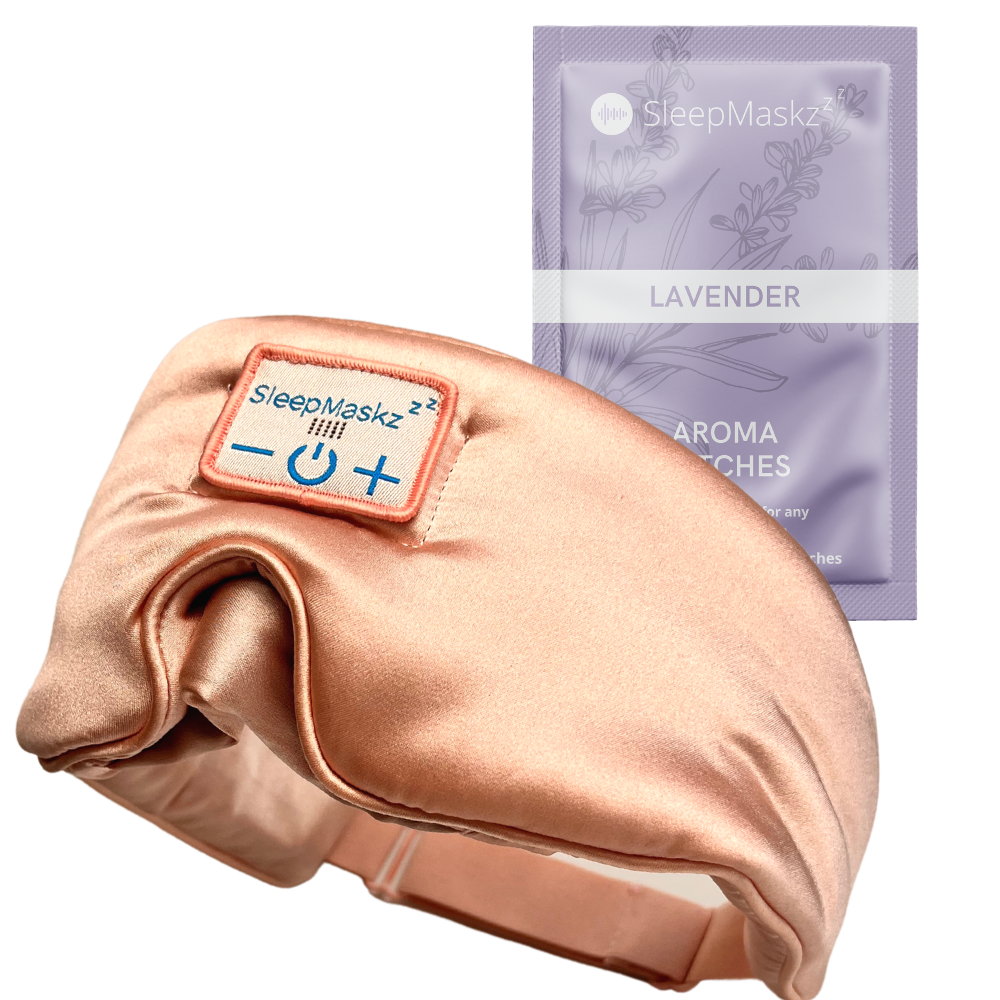
Sleep patches offer a convenient alternative for promoting better sleep through transdermal delivery of ingredients. However, to fully harness their potential, a specific application technique is essential. Understanding the proper methodology can enhance the effectiveness of these patches, leading to improved sleep quality and overall well-being.
Applying sleep patches correctly is crucial for ensuring the active ingredients are absorbed efficiently. Following a structured approach can help users maximize the benefits of their sleep patches. Below is a guide designed for first-time users to effectively apply sleep patches.
Recommended application techniques for optimal results
It is important to adhere to specific steps when applying sleep patches to ensure maximum absorption and effectiveness. Here’s a step-by-step guide:
- Choose the right time: Apply the patch approximately 30 minutes before bedtime for the best results. This allows the ingredients to start working as you prepare for sleep.
- Select a clean area: Choose a hairless, dry, and clean area of skin for application, such as the upper arm, wrist, or back. This ensures that the patch adheres well and the active ingredients can penetrate the skin effectively.
- Prepare the skin: Clean the selected area with soap and water to remove any oils or lotions. Pat it dry before applying the patch.
- Applying the patch: Remove the patch from its packaging and peel off the protective backing. Adhere the patch firmly to the skin, smoothing it out to avoid air bubbles.
- Leave it on: Keep the patch on for the recommended duration, usually 6-8 hours, to allow for optimal absorption of ingredients.
- Remove and dispose: After the specified time, gently remove the patch and dispose of it appropriately. Avoid reusing patches.
Common mistakes to avoid when using sleep patches
Awareness of common pitfalls can significantly improve the effectiveness of sleep patches. Here are some mistakes to avoid:
Always apply sleep patches to clean, dry skin to enhance adhesion and absorption.
Each of the following points highlights common errors users should be mindful of:
- Applying to wet or oily skin, which can hinder adhesion and absorption.
- Not allowing enough time for the patch to take effect before bedtime, leading to potential sleep disturbances.
- Using the patch on areas with hair, as this can prevent proper contact with the skin.
- Attempting to reuse patches, which can reduce their effectiveness and lead to skin irritation.
- Ignoring the recommended duration for wearing the patch, which may affect the desired benefits.
The relationship between sleep patches and lifestyle factors can significantly impact sleep quality.
The quality of sleep is not solely determined by the products we use, such as sleep patches. Various lifestyle factors play a crucial role in enhancing or diminishing the effectiveness of these patches. By understanding these relationships, individuals can create a comprehensive approach to improving their sleep quality.
Lifestyle changes can play a pivotal role in complementing the use of sleep patches for better sleep outcomes. Factors like diet, physical activity, and stress management can significantly interact with the effectiveness of sleep patches. By integrating healthy habits into daily routines, users can optimize their sleep environment and experience better rest.
Dietary Considerations That Enhance Sleep Patch Effectiveness
What we consume can dramatically influence our sleep patterns. A well-balanced diet rich in sleep-promoting nutrients can enhance the effectiveness of sleep patches. Certain foods are known to improve sleep quality by providing essential vitamins and minerals that support relaxation and overall health. These dietary elements can create a synergistic effect when used alongside sleep patches.
- Foods rich in magnesium, such as leafy greens, nuts, and seeds, help relax muscles and calm the nervous system.
- Tryptophan-containing foods like turkey, bananas, and dairy products can support melatonin production, promoting better sleep.
- Complex carbohydrates from whole grains can help increase the availability of tryptophan, enhancing sleep quality.
- Avoiding caffeine and heavy meals close to bedtime ensures that the body is not overstimulated, allowing the patches to work more effectively.
Stress Management Techniques That Support Sleep Quality
Stress is a significant factor that can hinder sleep quality, making effective stress management essential for maximizing the benefits of sleep patches. Techniques that lower stress levels can enhance relaxation, making it easier for individuals to fall asleep and stay asleep throughout the night.
Integrating practices that promote mental well-being can be very effective. These may include mindfulness, meditation, or regular exercise. Here are a few methods to consider:
- Regular physical activity can alleviate stress and promote better sleep by reducing anxiety levels.
- Mindfulness meditation or deep breathing exercises can help calm the mind before bedtime.
- Establishing a consistent bedtime routine signals the body that it is time to wind down, enhancing the effectiveness of sleep patches.
- Creating a sleep-friendly environment that is cool, dark, and quiet can further complement the use of sleep patches.
Practical Tips for Integrating Sleep Patches into a Holistic Sleep Improvement Plan
Incorporating sleep patches into a broader sleep improvement strategy can yield substantial benefits. Here are some practical tips to ensure a cohesive approach:
- Use sleep patches consistently as part of a nightly routine, ensuring they are applied at the same time each night.
- Maintain a regular sleep schedule, going to bed and waking up at the same times daily to stabilize the body’s internal clock.
- Limit screen time before bed, as blue light from devices can interfere with melatonin production.
- Consider journaling or reading as relaxing pre-sleep activities to prepare the mind for rest.
Integrating sleep patches with healthy lifestyle choices creates a comprehensive approach to improving sleep quality.
Natural alternatives to sleep patches can also be explored for better sleep enhancement.
Exploring natural alternatives to sleep patches offers a range of options for improving sleep quality. These approaches not only provide various methods for sleep enhancement but also often align with a more holistic view of wellness. Individuals seeking to avoid synthetic solutions may find comfort in these alternatives.
Herbal remedies and techniques have gained popularity for their potential to promote better sleep. This section delves into the various natural options available, highlighting their benefits and limitations when compared to traditional sleep patches.
Herbal Remedies and Techniques
There are numerous herbal remedies and techniques known for their sleep-enhancing properties. Understanding these can assist individuals in selecting the most suitable option for their needs. Below is a list of effective remedies:
- Chamomile: Known for its calming effects, chamomile tea is often consumed before bedtime to help relax the mind and body.
- Lavender: This fragrant herb can be used in essential oil form, promoting relaxation when diffused in the bedroom or applied to the skin.
- Valerian Root: Commonly used as a natural sedative, valerian root may help reduce the time it takes to fall asleep.
- Passionflower: Often made into tea, passionflower may enhance sleep quality and reduce anxiety.
- Melatonin Supplements: Although not a herb, melatonin is a hormone that regulates sleep-wake cycles, and supplements can help those with sleep disorders.
The utilization of these natural remedies can significantly enhance sleep quality, but it is essential to be aware of their limitations. For instance, while herbs like chamomile and lavender are generally safe for most individuals, they may not produce immediate results for everyone. Furthermore, potential allergies or interactions with other medications should be considered.
Comparison of Effectiveness and Safety
Creating a comparison chart provides clarity on the effectiveness and safety of sleep patches versus natural remedies. The following table illustrates the key differences:
| Criteria | Sleep Patches | Natural Remedies |
|---|---|---|
| Effectiveness | Fast-acting; designed for immediate relief | May vary; gradual improvement in sleep quality |
| Safety | Possible side effects; not suitable for all | Generally safe; risk of allergies or interactions |
| Ease of Use | Simple application; convenient for travel | Varies; may require preparation (e.g., teas) |
| Long-term Use | Not recommended for extended periods | Can be used long-term; promotes overall wellness |
The comparison highlights that while sleep patches offer quick solutions, natural remedies may provide a safer and more sustainable approach to enhancing sleep quality over time. The choice ultimately depends on individual preferences and health considerations.
Consumer experiences and testimonials about sleep patches can provide valuable insights.

The effectiveness of sleep patches often varies from person to person, making user testimonials a crucial aspect of understanding their impact. By examining real-life experiences, we can gather insights into the overall satisfaction levels, identifying common trends in usage and effectiveness. This anecdotal evidence serves not only to highlight personal stories but also to guide prospective users towards informed decisions when considering sleep patches.
Individual preferences and expectations play a significant role in how users perceive the effectiveness of sleep patches. Some may look for immediate results, while others might prioritize longer-term benefits. Different lifestyles and sleep environments also contribute to varying outcomes, making it essential to consider these factors when analyzing user feedback.
Anecdotal evidence from users regarding their experiences with different sleep patches
Many users have shared their personal experiences with sleep patches, revealing a range of responses. These anecdotal accounts can be categorized into various themes based on the users’ feelings and perceptions.
| Category | Praises | Criticisms |
|---|---|---|
| Effectiveness | “I felt more relaxed and fell asleep faster after using the patch.” – User A | “It didn’t work for me at all; I still woke up multiple times.” – User B |
| Ease of Use | “Applying the patch was simple and mess-free.” – User C | “I found it a bit uncomfortable to sleep with on.” – User D |
| Side Effects | “I experienced no side effects, which was a relief.” – User E | “I had some mild skin irritation after using it.” – User F |
| Value for Money | “I think it’s worth the investment for better sleep.” – User G | “I expected more for the price I paid.” – User H |
The experiences summarized in this table demonstrate a mix of satisfaction and dissatisfaction among users. While some individuals report significant improvements in sleep quality and ease of use, others express frustration over their lack of efficacy or uncomfortable side effects. Such varied feedback emphasizes the importance of individual preferences and highlights the necessity for potential users to align their expectations with realistic outcomes.
“User experiences are invaluable in understanding the true effectiveness of sleep patches.”
Last Recap
In summary, sleep patches present a compelling option for individuals looking to elevate their sleep quality through a convenient and targeted approach. By considering the various types available, understanding their application methods, and integrating them into a holistic lifestyle, users can unlock the potential for deeper, more restorative sleep. Exploring both sleep patches and natural alternatives gives consumers the best chance to find what truly works for them.
FAQs
What are sleep patches made of?
Sleep patches typically contain ingredients like melatonin, herbs, and essential oils designed to promote relaxation and sleep.
How long does it take for sleep patches to work?
Many users report feeling effects within 30 minutes to an hour after application, but results can vary.
Can I use sleep patches every night?
While many people use them nightly, it’s best to consult with a healthcare professional for long-term use advice.
Are there any contraindications for using sleep patches?
People with specific allergies or those taking certain medications should consult a doctor before use.
Do sleep patches cause drowsiness the next day?
Some users may experience residual drowsiness, so it’s advisable to see how your body reacts before planning activities that require alertness.