
 Caroline Sarah
Natural sleep aids have gained popularity as more individuals seek alternatives to traditional sleeping pills. These remedies, derived from nature, promise a gentler approach to promoting restful sleep without the side effects often associated with pharmaceuticals. As sleep-related issues become increasingly prevalent in our fast-paced lives, understanding the nuances of natural sleep aids can be both enlightening and beneficial.
From herbal supplements to lifestyle adjustments, the journey toward improved sleep quality is multifaceted. Delving into the science behind these aids, we uncover the biological mechanisms that govern sleep and how natural remedies can play a significant role in our overall well-being. Join us as we explore the various types of natural sleep aids, their effectiveness, and the lifestyle changes that can enhance their benefits.
Understanding the Concept of Natural Sleep Aids
Natural sleep aids are substances that help promote sleep and improve overall sleep quality without the reliance on synthetic medications. Often derived from natural sources, these aids can include herbs, dietary supplements, and specific lifestyle practices aimed at enhancing relaxation and sleep onset. Unlike traditional sleeping pills, which may contain chemicals designed to induce sleep through sedative effects, natural sleep aids typically work by addressing the root causes of sleep disturbances, such as anxiety, stress, or hormonal imbalances. This distinction is crucial for individuals seeking healthier approaches to managing their sleep issues.
Various definitions of natural sleep aids encompass a wide range of products and practices. Herbal remedies like valerian root and chamomile are classic examples, celebrated for their calming properties. In contrast, traditional sleeping pills such as benzodiazepines and non-benzodiazepine sleep medications are often associated with side effects, dependency risks, and a potential for withdrawal symptoms. Natural sleep aids, on the other hand, tend to have fewer adverse effects and are often perceived as safer alternatives for individuals who may be sensitive to pharmaceutical interventions.
Commonly Used Natural Sleep Aids
Natural sleep aids can vary significantly in their origins and methods of use. Here are some widely recognized examples:
- Melatonin: A hormone produced by the pineal gland, melatonin regulates the sleep-wake cycle. Supplementation can be beneficial for those experiencing jet lag or shift work sleep disorder.
- Valerian Root: Derived from the Valeriana officinalis plant, this herbal remedy has been used for centuries to alleviate insomnia and anxiety. It is known for its sedative properties, which can help individuals fall asleep faster.
- Chamomile: Commonly consumed as a tea, chamomile is renowned for its relaxing effects. Its active compound, apigenin, binds to receptors in the brain, promoting a sense of calmness.
- L-theanine: An amino acid found in green tea, L-theanine can enhance relaxation without causing drowsiness. It is often used to reduce stress and improve sleep quality.
- Lavender: The essential oil extracted from lavender flowers is widely used in aromatherapy. Its scent is known to promote relaxation and has been shown to improve sleep quality in various studies.
The importance of natural sleep aids becomes increasingly evident in today’s fast-paced world, where modern sleep issues prevail. Stressful lifestyles, increased screen time, and anxiety have contributed to a widespread prevalence of sleep disorders. Natural sleep aids provide an alternative approach, allowing individuals to manage their sleep challenges without the risks associated with pharmaceutical interventions. As awareness grows about the potential side effects of traditional sleeping pills, many are turning to these natural alternatives to foster healthier sleep habits. This trend aligns with a broader societal shift towards holistic health and wellness, emphasizing the need for sustainable solutions to sleep-related problems while promoting overall well-being.
The Science Behind Natural Sleep Aids

Natural sleep aids have gained popularity as an alternative to traditional pharmaceuticals for promoting better sleep. The biological mechanisms through which these aids operate are both intricate and fascinating, often involving various neurotransmitters and hormones that play a critical role in regulating our sleep-wake cycles.
Understanding the biological basis of sleep aids requires delving into the complex interplay of neurotransmitters like gamma-aminobutyric acid (GABA), serotonin, and melatonin. GABA is known for its calming effects on the brain, acting as an inhibitory neurotransmitter that helps reduce neuronal excitability. This reduction in brain activity fosters relaxation and encourages sleep onset. Additionally, serotonin, which is converted into melatonin in the presence of darkness, is crucial for maintaining circadian rhythms. Melatonin serves as a signaling hormone that communicates to the body when it is time to sleep, effectively regulating sleep cycles.
Neurotransmitters and Hormones in Sleep Regulation
The regulation of sleep is a complex process influenced by numerous factors, including neurotransmitters and hormones that interact in the body. Key elements in this regulatory system include:
- Gamma-aminobutyric acid (GABA): Known as the primary inhibitory neurotransmitter, GABA reduces neuronal activity, helping promote relaxation and induce sleep.
- Serotonin: A precursor to melatonin, serotonin levels influence mood and sleep patterns. Higher serotonin levels often correlate with better sleep quality.
- Melatonin: This hormone is secreted by the pineal gland and is crucial for regulating sleep-wake cycles. Its production is stimulated by darkness and inhibited by light.
- Cortisol: Often referred to as the stress hormone, elevated cortisol levels can disrupt sleep, making its regulation important for overall sleep health.
In terms of effectiveness, herbal supplements such as valerian root, chamomile, and passionflower have been traditionally used for their sedative properties. Studies suggest that these natural alternatives can improve sleep quality with fewer side effects compared to synthetic sleep aids like benzodiazepines or non-benzodiazepine sleep medications. However, while herbal remedies may provide relief, their effects can vary significantly among individuals, often depending on dosage and personal body chemistry. Synthetic alternatives, while effective for immediate sleep induction, may come with risks of dependency and adverse effects, highlighting the importance of a personalized approach to sleep management.
Natural sleep aids can enhance relaxation and support the body’s natural sleep processes, often with fewer side effects than their synthetic counterparts.
Popular Types of Natural Sleep Aids and Their Effects
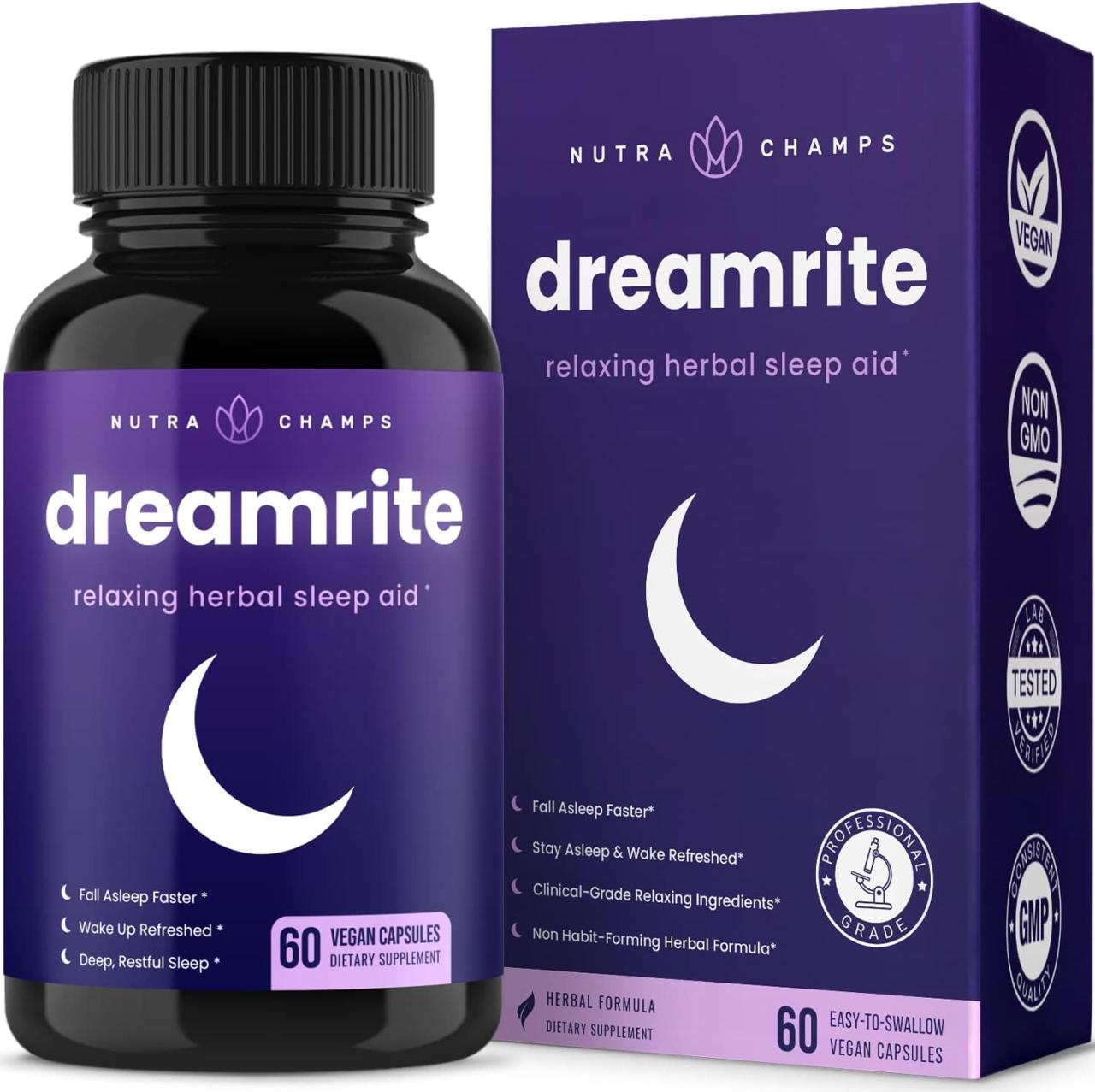
Natural sleep aids are becoming increasingly popular as individuals seek alternatives to pharmaceutical solutions for sleep disturbances. These aids tend to be derived from plants, herbs, or other natural sources and can provide a gentle approach to improving sleep quality. Understanding the benefits and drawbacks of various natural sleep aids can help individuals make informed choices about their sleep health.
Melatonin
Melatonin is a hormone that regulates the sleep-wake cycle and is one of the most widely used natural sleep aids. Its benefits include helping to reset the internal clock, making it particularly useful for those dealing with jet lag or shift work. However, melatonin may not be suitable for everyone, as it can cause side effects such as dizziness, daytime sleepiness, and vivid dreams. The effectiveness of melatonin can vary based on the dosage and timing of its use.
Valerian Root
Valerian root is an herbal remedy known for its sedative properties. It may help to reduce the time it takes to fall asleep and improve overall sleep quality. While valerian root is generally considered safe, some individuals may experience side effects like headaches or stomach upset. Its effectiveness can vary significantly among users, with some finding it highly beneficial while others see little to no change in their sleep patterns.
Chamomile
Chamomile is commonly consumed as a tea and has mild sedative effects that can help induce sleep. It is often praised for its calming properties and is particularly favored by those seeking a natural remedy. Chamomile is typically well-tolerated, but there is a risk of allergic reactions in individuals sensitive to plants in the daisy family. Its efficacy is supported by studies showing improved sleep quality, though results can vary from person to person.
| Sleep Aid | Efficacy Level (Based on Studies) | Common Side Effects |
|---|---|---|
| Melatonin | Moderate to High | Dizziness, daytime sleepiness, vivid dreams |
| Valerian Root | Moderate | Headaches, stomach upset |
| Chamomile | Low to Moderate | Allergic reactions (in sensitive individuals) |
Lifestyle Changes to Enhance Sleep Quality
To achieve optimal sleep quality, incorporating lifestyle changes can significantly complement the use of natural sleep aids. While these aids can help promote relaxation and support the body’s natural sleep cycle, adjusting daily habits can create a more conducive environment for restful sleep. Focusing on elements like diet, exercise, and sleep hygiene plays a critical role in enhancing overall sleep quality, ensuring that each night’s rest is both restorative and rejuvenating.
The influence of diet on sleep quality cannot be overstated. Consuming a well-balanced diet rich in whole foods, such as fruits, vegetables, lean proteins, and whole grains, can help regulate sleep patterns. Avoiding heavy meals, caffeine, and alcohol before bedtime is essential, as these can disrupt the natural sleep cycle. Exercise is another fundamental element that contributes to better sleep. Regular physical activity helps alleviate stress and anxiety while promoting the body’s natural ability to sleep. It is recommended to engage in at least 30 minutes of moderate exercise most days, but timing matters; exercising too close to bedtime may have the opposite effect on sleep quality. Lastly, practicing good sleep hygiene—such as keeping a consistent sleep schedule, creating a comfortable sleep environment, and limiting screen time before bed—can significantly impact how quickly one falls asleep and the overall quality of sleep.
Practical Tips for Implementing Lifestyle Changes
Making lifestyle changes can seem daunting, but implementing small, manageable adjustments can lead to significant improvements in sleep quality. Here are some practical tips to help you enhance your sleep through changes in diet, exercise, and sleep hygiene:
– Establish a Consistent Sleep Schedule: Go to bed and wake up at the same time each day, even on weekends, to regulate your body’s internal clock.
– Create a Relaxing Bedtime Routine: Engage in calming activities such as reading, taking a warm bath, or practicing meditation to signal to your body that it’s time to wind down.
– Limit Blue Light Exposure: Reduce screen time from phones, tablets, and computers at least an hour before bedtime to help your brain prepare for sleep.
– Mind Your Diet: Incorporate sleep-promoting foods like cherries, almonds, and fatty fish while limiting caffeine and sugar intake in the afternoon and evening.
– Stay Active: Aim for regular physical activity, such as walking, yoga, or swimming, but avoid vigorous exercise within a few hours of bedtime.
– Optimize Your Sleep Environment: Keep your bedroom dark, cool, and quiet. Consider using blackout curtains, white noise machines, or earplugs to enhance comfort.
– Monitor Your Fluid Intake: Avoid excessive drinking before bed to minimize nighttime awakenings for bathroom trips.
– Limit Naps: If you find it hard to fall asleep at night, consider limiting naps during the day to 20-30 minutes and avoid napping late in the afternoon.
By incorporating these lifestyle changes, one can significantly enhance sleep quality, making natural sleep aids even more effective. Adopting a holistic approach to sleep ensures that not only the body but also the mind is prepared for a restful night.
The Role of Mindfulness and Relaxation Techniques
Integrating mindfulness and relaxation techniques into your nightly routine can significantly amplify the benefits of natural sleep aids. As our minds often race during the evening, taking some time to focus on the present can help ease the body into a restful state. Mindfulness practices not only enhance the effectiveness of these aids but also create a peaceful environment conducive to sleep.
Mindfulness encourages a state of awareness and presence, which can reduce anxiety and racing thoughts that often interfere with sleep. By practicing mindfulness, individuals can transition their minds away from stress and into a state of calm. This approach can be particularly effective when paired with natural sleep aids such as herbal teas, essential oils, or supplements like melatonin. When the body is relaxed and the mind is at peace, these aids can work more effectively to promote sleep.
Relaxation Techniques Promoting Better Sleep
There are several relaxation techniques that can be adopted to enhance sleep quality. These techniques can be easily integrated with natural sleep aids to foster a more holistic approach to restful nights. Here are some effective methods:
- Deep Breathing: This technique involves inhaling deeply through the nose and exhaling slowly through the mouth. It can help lower heart rate and promote relaxation.
- Progressive Muscle Relaxation: This involves tensing and then relaxing each muscle group in the body, which can alleviate physical tension and stress.
- Guided Imagery: Visualizing a serene place or scenario can distract the mind from stress and facilitate relaxation. This can easily accompany the use of calming scents from essential oils.
- Gentle Yoga or Stretching: Engaging in light stretching or yoga routines can help release tension built up throughout the day, paving the way for restful sleep.
- Mindfulness Meditation: Sitting in silence and focusing on the breath, while gently bringing attention back when the mind wanders, can center your thoughts, preparing you for sleep.
Incorporating mindfulness exercises before bedtime can set the stage for a good night’s rest. Here are specific exercises to consider:
- Body Scan Meditation: Lying down comfortably, focus on each part of the body, starting from the toes and moving to the head, noticing sensations without judgment.
- Gratitude Journaling: Spend a few minutes writing down things you are grateful for that day. This can shift focus from stress to positivity, promoting relaxation.
- Mindful Breathing: Take a few moments to observe your breath, paying attention to the inhalation and exhalation process, creating a rhythm that encourages calm.
By adopting these techniques in conjunction with natural sleep aids, individuals can foster deeper relaxation and improve their overall sleep quality. The combination of mindfulness and relaxation serves to create a holistic approach to achieving restful nights.
Safety and Precautions When Using Natural Sleep Aids
When considering natural sleep aids to enhance your sleep quality, it’s essential to prioritize safety. While these remedies can offer significant benefits, they aren’t devoid of risks. Understanding the potential safety concerns and taking proper precautions can help you use these aids effectively while minimizing adverse effects.
Natural sleep aids, such as melatonin, valerian root, and chamomile, are often perceived as safe due to their herbal origins. However, this perception can be misleading. One major concern is their interaction with other medications. Many natural sleep aids can interact with prescription drugs, leading to either increased sedation or decreased effectiveness of the medication. For example, melatonin may interfere with blood thinners or immune suppressants, while valerian root can amplify the sedating effects of anti-anxiety medications. Additionally, those with underlying health conditions such as liver disease, kidney problems, or mood disorders should exercise caution, as these conditions can alter how the body metabolizes these aids, leading to unexpected effects.
Checklist for Safe Usage of Natural Sleep Aids
To ensure a safe experience while using natural sleep aids, consider the following checklist. It will guide you in evaluating your individual situation and making informed decisions about your sleep health.
- Consult with a healthcare provider: Always talk to a doctor or pharmacist before starting a new supplement, especially if you are already on medication or have existing health conditions.
- Understand potential side effects: Familiarize yourself with the possible side effects of the sleep aid you plan to use, including allergic reactions and digestive issues.
- Monitor dosage carefully: Stick to recommended dosages, as taking more than the advised amount can increase the risk of side effects.
- Consider timing of intake: Pay attention to when you take the sleep aid. Some might work better when taken 30-60 minutes before bedtime, while others could have different recommendations.
- Avoid alcohol and other depressants: Mixing natural sleep aids with alcohol or other sedatives can enhance drowsiness and might pose safety hazards.
- Track your sleep quality: Keep a sleep diary to monitor how effective the aid is and note any side effects. This can help you and your healthcare provider assess its efficacy.
- Be cautious with long-term use: Many natural sleep aids are intended for short-term use. Prolonged usage can lead to dependency or diminished effectiveness.
“Awareness of potential interactions and underlying health conditions is vital for anyone considering natural sleep aids.”
Personal Testimonials and Case Studies
Many individuals struggle with sleep issues, and the journey to finding a suitable natural sleep aid can often be transformative. Personal testimonials provide insight into how different people have navigated their sleep challenges and the positive impacts natural remedies have had on their lives. These stories reveal the profound difference that tailored approaches can make in achieving restful sleep.
Understanding the motivations and experiences behind these testimonials allows us to recognize common themes among users of natural sleep aids. Such insights can assist others in making informed decisions that cater to their unique sleep patterns and preferences.
Real-Life Testimonials
The experiences shared by users of natural sleep aids highlight a spectrum of reasons for their choices and the diverse outcomes they have achieved. Below are condensed accounts from various individuals:
1. Sarah, 32: Struggling with anxiety-induced insomnia, Sarah turned to valerian root after hearing about its calming properties. She reported, “After a week of taking valerian, I noticed I could finally relax before bed. I was sleeping longer and waking up refreshed.” This emphasizes the role of herbal remedies in addressing underlying stressors.
2. James, 45: A busy executive, James found himself tossing and turning due to his hectic schedule. He tried magnesium supplements based on a friend’s suggestion. He stated, “Adding magnesium to my nightly routine has been a game changer. I fall asleep faster and stay asleep longer.” His experience underlines the importance of including supplements that support bodily functions.
3. Emily, 28: After experimenting with melatonin, Emily discovered that a lower dose worked better for her. “I initially took too much and felt groggy the next day. When I reduced the dose, I found the right balance and now have restful nights.” This illustrates the significance of personalizing dosages based on individual responses.
4. Michael, 53: An advocate for holistic health, Michael shared his success with a blend of chamomile tea and CBD oil. “Combining these made a noticeable difference. I feel calm and can drift off without racing thoughts.” His testimonial highlights the potential of synergistic effects from combining natural aids.
5. Laura, 37: Having tried various over-the-counter sleep aids with little success, Laura found relief with essential oils. “Lavender oil before bed has become my ritual. It signals my body that it’s time to wind down, and I sleep deeply.” This demonstrates how sensory experiences can enhance sleep quality.
The testimonials reveal several common themes:
– The importance of addressing underlying issues such as anxiety and stress.
– The effectiveness of herbal and dietary supplements in improving sleep quality.
– The necessity of personalizing sleep aid choices, as different individuals respond uniquely to various substances.
– The incorporation of holistic approaches, combining different natural remedies for better results.
These narratives underscore not only the effectiveness of natural sleep aids but also the critical need for individuals to experiment and discover what works best for them. Personalization is key to achieving the best outcomes, as each person’s sleep journey is unique.
Future Trends in Natural Sleep Aids
As the demand for more holistic and natural health solutions continues to rise, the landscape of sleep aids is evolving significantly. Consumers are increasingly turning to natural alternatives over synthetic medications, seeking solutions that promote overall well-being rather than merely addressing symptoms. This shift is driven by a growing awareness of the potential side effects associated with conventional sleep medications and a desire for products rooted in nature.
Recent innovations in the field of natural sleep aids reveal a fascinating convergence of tradition and technology. Traditional methods, such as herbal remedies and lifestyle adjustments, have long been used to enhance sleep quality. However, new research is paving the way for more effective formulations and delivery systems. For instance, the integration of technology in sleep aids is becoming prominent, with products now harnessing data-driven insights to tailor solutions to individual needs.
Emerging Innovations in Sleep Solutions
Many companies are exploring how natural sleep aids can be enhanced through scientific research and modern technology. The following trends highlight the exciting advancements in this area:
1. Personalized Sleep Aids: Advances in technology are enabling the customization of sleep aids. Wearable devices monitor sleep patterns, allowing companies to create personalized supplement blends that target specific sleep issues based on individual data.
2. Plant-Based Formulations: There’s a surge in products utilizing adaptogenic herbs, such as ashwagandha and holy basil, known for their stress-reducing properties. Companies are formulating sleep aids that combine these herbs with other natural ingredients like melatonin, offering a multi-faceted approach to sleep improvement.
3. CBD and Cannabinoids: Cannabidiol (CBD) has gained popularity as a natural remedy for various ailments, including sleep disturbances. Research is exploring the efficacy of CBD in promoting relaxation and improving sleep duration, leading to an array of products designed to capitalize on these benefits.
4. Sleep-Enhancing Technology: Innovations such as light therapy masks and sound machines that incorporate nature sounds are becoming mainstream. These products aim to create an optimal sleep environment, using scientifically backed methods to enhance sleep quality naturally.
5. Functional Foods: The rise of functional foods, such as sleep-promoting teas and snacks infused with calming ingredients, reflects the trend towards ingestible solutions that support restfulness. These products often feature combinations of ingredients like chamomile, valerian root, and magnesium.
The shift in consumer preferences towards these innovative solutions indicates a growing yearning for natural and effective sleep aids. This evolution illustrates a broader trend where individuals are not just looking for short-term fixes but are embracing a lifestyle that prioritizes long-term health benefits derived from natural sources. As this sector continues to expand, the interaction between traditional knowledge and modern science will play a crucial role in shaping the future of sleep health.
Last Word
In conclusion, natural sleep aids offer a promising solution for those grappling with sleep disturbances. By combining these aids with mindful practices and healthy lifestyle choices, individuals can foster a more restorative sleep environment. As we continue to explore the innovations within this field, it’s essential to remain informed and make choices tailored to our unique needs, ensuring a peaceful night’s rest.
User Queries
What are natural sleep aids?
Natural sleep aids are remedies derived from plants or other natural sources that promote relaxation and improve sleep quality without the side effects of traditional medications.
Are natural sleep aids safe for everyone?
While many natural sleep aids are safe, it’s important to consult with a healthcare professional, especially for those with pre-existing conditions or who are taking other medications.
How long does it take for natural sleep aids to work?
The onset of action can vary; some may take effect within 30 minutes, while others might require consistent use over several days to notice significant benefits.
Can I use natural sleep aids with alcohol?
It is generally advised to avoid combining natural sleep aids with alcohol, as this can enhance sedative effects and lead to adverse reactions.
Are there any side effects of natural sleep aids?
While generally considered safe, some individuals may experience mild side effects such as drowsiness, digestive upset, or allergic reactions, depending on the specific aid used.