
 Caroline Sarah
Lavender scent has captured the hearts and minds of people throughout history, weaving its way into rituals, remedies, and relaxation techniques across cultures. This enchanting aroma not only evokes feelings of tranquility but also carries deep historical roots, connecting us to ancient civilizations that revered lavender for its medicinal properties and spiritual significance.
From the fragrant fields of Provence to the aromatic shelves of modern homes, lavender has transformed from a sacred plant to a staple in beauty, wellness, and culinary experiences. Its unique chemical composition and therapeutic benefits have solidified its place in various practices, making lavender scent a fascinating topic of exploration.
The Historical Significance of Lavender Scent in Different Cultures
Lavender, with its soothing aroma and vibrant purple hue, has played a vital role in various cultures throughout history. Revered for its multifaceted uses, this fragrant herb has transcended time and geography, becoming intertwined with traditions, medicinal practices, and spirituality. Its historical significance can be traced back to ancient civilizations, where lavender was not only valued for its scent but also for its medicinal properties and ceremonial applications.
In ancient Egypt, lavender was used in the mummification process, as its scent was believed to assist the deceased in their journey to the afterlife. The Egyptians often blended lavender oil with other essential oils for embalming, showcasing its importance in rituals surrounding death and the afterlife. Similarly, ancient Romans utilized lavender in their baths, promoting relaxation and hygiene, while also incorporating it into their cooking for flavoring dishes and even enhancing fragrances in their homes. The Romans are credited with popularizing lavender across Europe, establishing its cultivation and use in various aspects of daily life.
Lavender in Rituals and Traditions
Lavender’s presence in rituals and traditions spans a wide array of cultures, highlighting its significance in spiritual and medicinal practices.
1. Meditation and Spiritual Ceremonies: In many cultures, lavender is utilized in meditation practices due to its calming effects. For instance, in certain Native American traditions, lavender is burned as a smudge stick to cleanse spaces and promote tranquility during spiritual ceremonies.
2. Weddings and Blessings: Lavender has long been associated with love and purity. In various cultures, it is traditionally included in wedding bouquets or scattered at wedding venues, symbolizing devotion and fidelity. The aroma is believed to bring harmony and happiness to newlyweds.
3. Medicinal Uses: Historically, lavender has been infused in herbal medicine, recognized for its calming properties. It was commonly used in teas and tinctures to alleviate anxiety, headaches, and sleep disorders. The ancient Greeks and Romans noted its healing qualities, and it remains a popular remedy today.
4. Cultural Festivals: In regions where lavender is cultivated, such as France, festivals celebrate its harvest. The Lavender Festival in Provence attracts thousands, showcasing fields of blooming lavender and traditional practices, reinforcing the herb’s cultural significance and its role in community bonding.
5. Aromatherapy and Wellness: In various cultures, lavender essential oil is essential in aromatherapy for its stress-relieving properties. It is incorporated into massage therapies and wellness routines, particularly in Mediterranean and Asian cultures, where holistic health approaches thrive.
“Lavender is the fragrance of calmness, the scent of serenity.”
The Chemical Composition of Lavender and Its Aromatic Properties
Lavender is cherished not only for its beautiful appearance but also for its complex and delightful scent. The aromatic properties of lavender are primarily derived from its rich chemical composition, which consists of a diverse array of compounds. Understanding these compounds and their interactions with our sensory systems helps illuminate why lavender is so widely used in perfumery, aromatherapy, and wellness practices.
The main chemical compounds in lavender include linalool, linalyl acetate, camphor, and 1,8-cineole. Each of these components contributes significantly to the overall fragrance profile. Linalool, a terpene alcohol, is responsible for lavender’s sweet, floral notes. Linalyl acetate adds a fresh, fruity undertone, while camphor introduces a slightly spicy and woody scent. 1,8-cineole, with its cooling and minty aroma, balances the sweetness of the other compounds, creating a harmonious and soothing fragrance.
Interaction with Olfactory Receptors
The interaction of lavender’s chemical compounds with human olfactory receptors is essential for creating its distinct scent. When lavender is inhaled, the volatile compounds bind to olfactory receptors in the nasal cavity. This binding process triggers a cascade of neural responses that send signals to the brain, specifically the limbic system, which is responsible for emotions and memory. This connection to the limbic system explains why lavender can evoke feelings of calmness and relaxation.
The unique fragrance of lavender is crafted through the synergy of its various compounds. The balance between the sweet floral notes of linalool and linalyl acetate and the sharper, more herbal notes of camphor and 1,8-cineole creates a multifaceted scent profile that is both comforting and uplifting.
Health Benefits of Lavender Inhalation
Inhalation of lavender scent has been associated with numerous health benefits, making it a popular choice in aromatherapy. The calming effects of lavender can aid in reducing anxiety and promoting relaxation. Scientific studies suggest that exposure to lavender aroma can lead to decreased cortisol levels, the hormone associated with stress.
The potential health benefits of lavender inhalation include:
- Reduction of anxiety and stress levels, promoting a sense of tranquility.
- Improvement in sleep quality, often used as a natural remedy for insomnia.
- Relief from headaches and migraines, often alleviating discomfort quickly.
- Enhancement of mood, contributing to an overall sense of well-being.
Incorporating lavender into daily routines can provide a natural alternative for managing stress and promoting relaxation. Its unique scent not only pleases the olfactory senses but also offers tangible mental and physical health benefits.
The Therapeutic Uses of Lavender Scent in Aromatherapy Practices
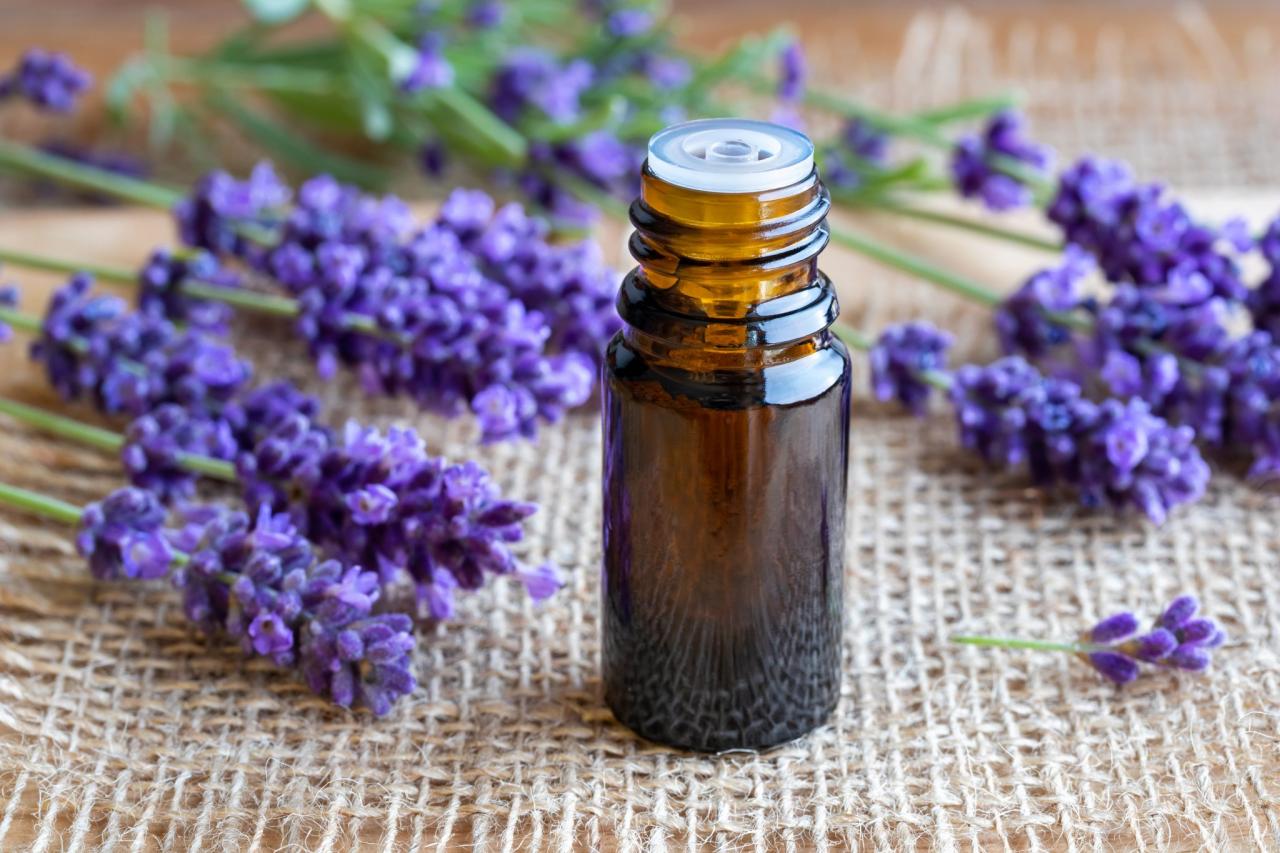
Lavender scent has long been celebrated for its calming and therapeutic properties, making it a staple in aromatherapy practices worldwide. This essential oil, derived from the Lavandula angustifolia plant, is renowned for its ability to promote relaxation, reduce anxiety, and support overall well-being. Its soothing aroma not only uplifts the mood but also contributes to a peaceful environment, making it a popular choice in various therapeutic settings.
Lavender can be utilized in numerous ways within aromatherapy, each method tailored to meet specific needs and preferences. The versatility of lavender essential oil allows for a range of applications, from simple inhalation to more complex diffusion techniques. The following sections explore the key methods of applying lavender scent and the scientific support for its therapeutic benefits.
Methods of Application
Understanding the different methods of applying lavender essential oil is essential for maximizing its benefits. Here are some of the most common techniques used in aromatherapy:
- Diffusing: Using a diffuser to disperse lavender oil into the air is one of the most popular methods. This technique allows for the gentle release of the aroma throughout a space, creating a calming atmosphere. Diffusing lavender can help in reducing stress levels and promoting relaxation, especially in high-anxiety environments such as workplaces or during study sessions.
- Topical Use: Lavender oil can be diluted with a carrier oil and applied directly to the skin. This method is particularly effective for addressing skin irritations, muscle soreness, and promoting restful sleep. For example, a few drops of lavender oil mixed with coconut or jojoba oil can be massaged onto the temples or wrists for an instant calming effect.
- Inhalation Techniques: Inhaling lavender oil directly from the bottle or through a cotton ball can provide immediate stress relief. This method is especially useful during stressful circumstances, such as before public speaking or in moments of anxiety. The inhalation of lavender vapors has been shown to lower heart rates and decrease levels of cortisol, the stress hormone.
Scientific Research Supporting Therapeutic Claims
Numerous studies have been conducted to support the therapeutic claims associated with lavender scent in aromatherapy. Research indicates that lavender can significantly impact mental health and well-being.
In a study published in the Journal of Alternative and Complementary Medicine, participants exposed to lavender aroma reported reduced anxiety and improved sleep quality compared to those not exposed.
Other research has demonstrated the oil’s ability to decrease pain perception and enhance mood. For instance, a systematic review in the journal Pain Management Nursing highlighted that lavender aromatherapy reduced postoperative pain and anxiety in patients recovering from surgery.
Moreover, a randomized controlled trial published in the Journal of Clinical Psychology found that lavender essential oil was effective in decreasing symptoms of generalized anxiety disorder when diffused or inhaled by participants over a fixed period.
Overall, the therapeutic uses of lavender scent in aromatherapy are well-supported by scientific research, highlighting its potential for promoting relaxation and enhancing mental well-being. As more individuals turn to natural remedies for stress relief, lavender continues to be a trusted ally in creating a serene atmosphere.
The Influence of Lavender Scent in the Beauty and Skincare Industry
The integration of lavender scent within the beauty and skincare industry has grown in popularity due to its multifaceted benefits. Known for its calming aroma and therapeutic properties, lavender is more than just a pleasant fragrance; it plays a crucial role in enhancing skin health. As consumers become more conscious of the ingredients in their skincare, lavender stands out for its natural qualities and effectiveness in various formulations.
Lavender has been incorporated into numerous beauty products, leveraging its soothing properties and potential to improve skin conditions. This herb contains antioxidants that help combat free radicals, promoting healthier and more radiant skin. Additionally, lavender is known for its anti-inflammatory characteristics, making it a coveted ingredient for products designed to alleviate skin irritation and redness. Its antimicrobial properties also contribute to clearer skin, making it beneficial for those prone to acne.
Popular Lavender-Infused Skincare Routines and Their Benefits
Lavender-infused skincare routines have become increasingly popular, offering a holistic approach to beauty that addresses both physical and emotional well-being. Incorporating lavender into daily rituals can enhance relaxation and reduce stress, which can directly impact the skin’s appearance. Here are some common lavender-infused skincare steps:
– Cleansing: Lavender-infused facial cleansers gently remove impurities while providing soothing benefits to the skin. The calming aroma can help reduce stress during the cleansing process.
– Toning: Lavender toners help balance the skin’s pH levels and can reduce redness and irritation, leaving the skin feeling refreshed and calm.
– Moisturizing: Lavender-infused moisturizers hydrate the skin while simultaneously promoting relaxation, perfect for nighttime routines.
– Masks: Lavender masks offer deep nourishment and can help alleviate skin issues while providing a sensory experience that calms the mind.
The soothing effects of lavender extend beyond just skin health; the aroma can promote tranquility, further enhancing the overall experience of skincare routines.
Comparative List of Lavender-Infused Products and Their Unique Selling Points
A variety of products in the market feature lavender as a key ingredient, each offering distinct benefits and selling points. Here’s a comparative overview of some popular lavender-infused products:
| Product | Unique Selling Points |
|---|---|
| Lavender Essential Oil |
|
| Lavender Facial Mist |
|
| Lavender Body Lotion |
|
| Lavender Face Mask |
|
| Lavender Bath Salt |
|
These products not only emphasize the benefits of lavender for the skin but also highlight its role in enhancing relaxation and well-being. As the beauty industry continues to evolve, the demand for natural and effective ingredients like lavender is likely to grow, cementing its place in skincare routines worldwide.
The Role of Lavender Scent in Home Fragrance and Interior Design
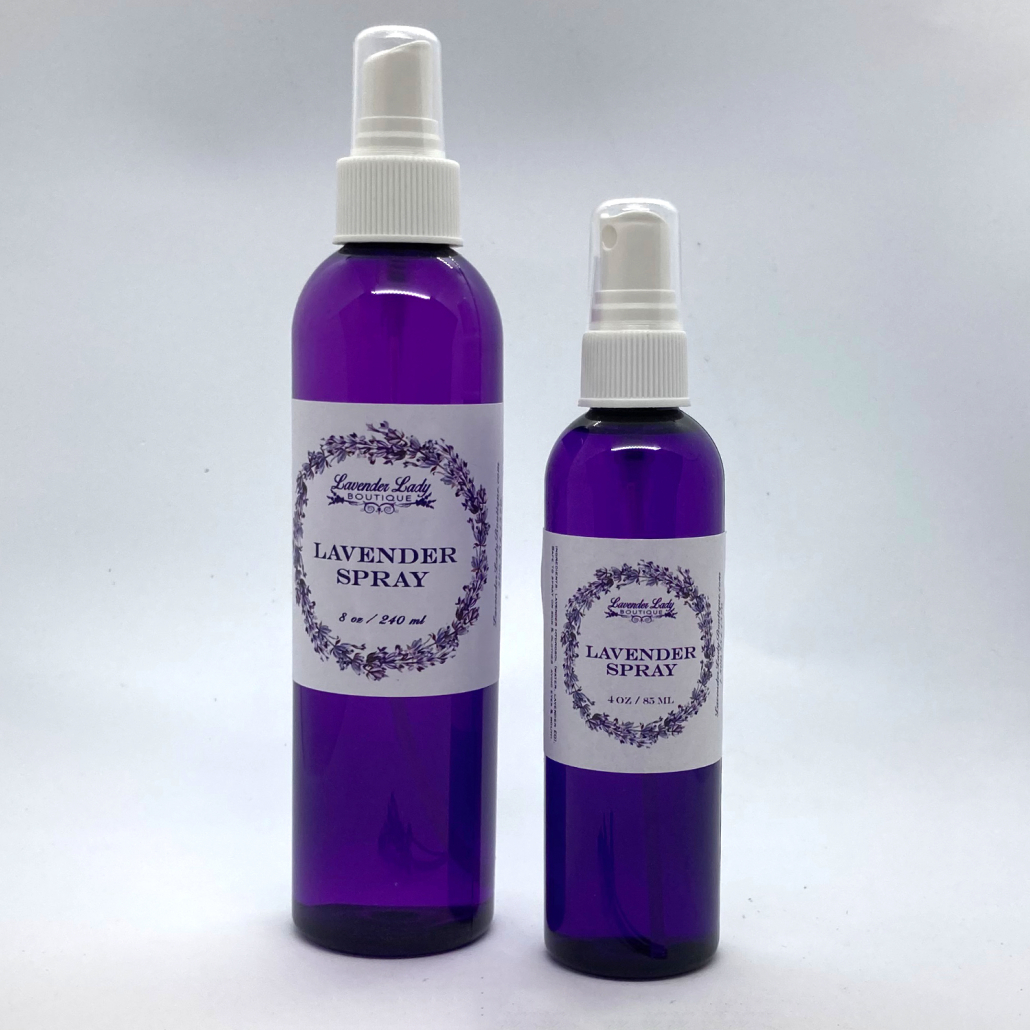
The use of lavender scent in home fragrance solutions has gained significant traction in recent years. With its calming properties and aromatic appeal, lavender has become a preferred choice for candles, essential oils, and other home fragrance products. This trend is not only about creating pleasant aromas but also about enhancing the overall ambiance of living spaces, making them more inviting and relaxing.
Lavender scent plays a pivotal role in shaping the atmosphere of a space. It is well-known for its ability to reduce stress and promote relaxation, making it an ideal choice for bedrooms, living rooms, and even home offices. When infused in candles or diffusers, lavender can help create a serene environment, encouraging a sense of tranquility and well-being. The scent is also associated with sleep improvement and anxiety reduction, providing a multi-faceted approach to enhancing home life.
Creating a Lavender-Themed Ambiance in Home Décor
Establishing a lavender-themed ambiance involves thoughtful integration of the scent with visual elements in interior design. The following guide Artikels essential components to consider when aiming for a calming lavender atmosphere in your home:
– Color Palette: Utilize soft purples, whites, and greens in your décor. These colors complement the lavender scent and evoke a sense of calm.
– Textiles: Incorporate lavender-scented pillows, throws, or curtains. Textiles can enhance both the olfactory and visual appeal of a space.
– Candles and Diffusers: Use lavender-scented candles or essential oil diffusers strategically placed around your home. Not only will they provide fragrance, but also serve as decorative elements.
– Floral Arrangements: Consider using dried lavender in vases or as part of floral arrangements. This adds a rustic charm while furthering the lavender fragrance.
– Artwork and Accents: Choose artwork that reflects floral themes or tranquil landscapes in lavender tones. These pieces can subtly tie the lavender theme together.
Incorporating these elements into your home décor creates a cohesive lavender-themed ambiance that enhances both aesthetic appeal and sensory experience.
“Lavender not only beautifies a space visually but also soothes the mind and spirit.”
The Environmental Impact of Lavender Farming and Sustainability Practices
Lavender farming has gained popularity not only for its aromatic properties but also for its potential to contribute positively to the environment. However, like any agricultural practice, it comes with its own set of environmental implications that need to be carefully managed to ensure sustainability.
The cultivation of lavender is generally considered to be environmentally friendly due to its low water requirements and the fact that it can thrive in poor soils. Lavender plants are drought-resistant, which minimizes the need for irrigation and reduces the strain on water resources. However, intensive farming practices can lead to soil degradation and loss of biodiversity. The use of chemical fertilizers and pesticides, while effective in boosting yield, can have detrimental effects on nearby ecosystems and water sources. Therefore, understanding and implementing sustainable farming practices is crucial for mitigating these impacts.
Sustainable Farming Practices in Lavender Production
To promote sustainability in lavender farming, farmers can adopt several eco-friendly practices. These methods not only enhance the quality of the lavender but also protect the surrounding environment. Here are some practices that are instrumental in sustainable lavender farming:
- Organic Farming: Employing organic farming methods reduces the reliance on synthetic fertilizers and pesticides, promoting healthier soil and biodiversity.
- Crop Rotation: Rotating lavender with other crops can help maintain soil fertility and reduce pest and disease buildup.
- Integrated Pest Management (IPM): Utilizing biological control methods and natural predators helps manage pest populations without harmful chemicals.
- Water Conservation Techniques: Implementing drip irrigation or rainwater harvesting can significantly reduce water usage.
- Soil Conservation Practices: Techniques such as cover cropping and mulching help prevent soil erosion and maintain soil health.
Farmers face various challenges in their pursuit of sustainable lavender farming. These include climate change, market pressures, and the increasing demands for certified organic products. Finding solutions to these challenges is vital for enhancing sustainability in lavender cultivation.
Challenges and Solutions in Lavender Farming
Lavender farmers encounter several hurdles that can impact their ability to practice sustainable farming effectively. Addressing these challenges requires innovative solutions that align with environmental goals and economic viability. Below are some common challenges along with potential solutions:
- Climate Variability: The unpredictability of weather patterns can affect lavender yields. Adapting to climate change through variety selection and altered planting schedules can help manage these effects.
- Economic Pressure: The high cost of organic certification can deter farmers from transitioning to sustainable practices. Financial incentives and grants from governments or NGOs can support farmers in making this shift.
- Pest Resistance: Over-reliance on specific pest control methods can lead to resistance. Diversifying pest management strategies and using native plant borders can enhance resilience against pests.
By implementing these sustainable practices and addressing the challenges faced, lavender farming can contribute to environmental health while sustaining the economic viability of farmers. The balance between productivity and sustainability is essential for the future of lavender cultivation.
The Popularity of Lavender Scent in Culinary Uses
Lavender is not only a beloved fragrance but has also gained significant traction in the culinary world. Its unique flavor profile brings a refreshing and aromatic twist to various dishes, making it a popular choice among chefs and home cooks alike. The culinary uses of lavender extend beyond mere decoration, as it infuses meals with a distinct taste that pairs beautifully with an array of ingredients.
Lavender is used in cooking and baking around the globe, showcasing its versatility across different cuisines. From France to the United States, chefs incorporate this delightful herb in both sweet and savory dishes. Here are some notable uses of lavender in the culinary sphere:
Culinary Applications of Lavender
Lavender’s floral and slightly herbaceous flavor makes it an ideal addition to various culinary creations. Here are some ways lavender is commonly utilized:
- Flavoring Oils and Vinegars: Lavender can be infused into oils and vinegars to create fragrant dressings and marinades.
- Baking: Lavender is often used in baked goods such as cookies, cakes, and bread, where its flavor can brighten up traditional recipes.
- Herbal Teas: Dried lavender flowers are steeped in hot water to create soothing herbal teas, often mixed with other herbs for added depth.
- Savory Dishes: Chefs incorporate lavender into dishes like roasted meats and vegetable medleys, where its flavor complements other herbs like thyme and rosemary.
- Ice Cream and Sorbet: Lavender-infused ice creams and sorbets provide a unique and refreshing dessert option.
When using lavender in cooking, it is essential to balance its potent flavor with other ingredients. The following recipes highlight lavender as a key ingredient while providing preparation methods to showcase its versatility:
Featured Lavender Recipes
Here are two delightful recipes that emphasize the culinary use of lavender, perfect for experimenting in the kitchen:
Lavender Lemonade
Ingredients:
- 1 cup fresh lemon juice
- 1 cup granulated sugar
- 4 cups water
- 2 tablespoons dried culinary lavender
- Ice cubes
- Lemon slices for garnish
Preparation:
To make lavender lemonade, start by steeping the dried lavender in 2 cups of boiling water for about 15 minutes. Strain the water to remove the lavender buds, then combine the infused water with lemon juice and sugar. Stir until the sugar fully dissolves, then mix with the remaining 2 cups of cold water. Serve over ice and garnish with lemon slices.
Lavender Shortbread Cookies
Ingredients:
- 1 cup unsalted butter, softened
- 1/2 cup powdered sugar
- 2 cups all-purpose flour
- 1 tablespoon dried culinary lavender
- 1/4 teaspoon salt
- 1 teaspoon vanilla extract
Preparation:
For lavender shortbread cookies, cream the butter and powdered sugar together until light and fluffy. Gradually mix in the flour, lavender, salt, and vanilla extract to form a dough. Roll the dough into logs, chill until firm, and then slice into rounds. Bake at 350°F for about 12-15 minutes until edges are lightly golden.
The flavor profile of lavender is both floral and aromatic, with notes of mint and rosemary that can enhance both sweet and savory dishes. When paired with ingredients like honey, citrus, or butter, lavender can elevate the overall flavor, creating a unique culinary experience. Its ability to complement diverse flavors makes it a cherished ingredient in kitchens around the world, inspiring creativity and culinary exploration.
Final Thoughts
As we conclude this fragrant exploration of lavender scent, it’s clear that its influence spans far beyond mere aroma. From its rich historical significance to its diverse applications in wellness and beauty, lavender remains a cherished gift of nature that continues to enrich our lives. Embracing its soothing properties can enhance not only our spaces but also our overall well-being.
Popular Questions
What are the key benefits of lavender scent?
Lavender scent helps promote relaxation, reduce anxiety, improve sleep quality, and can even alleviate headaches.
Can lavender scent be used for cooking?
Yes, lavender can be used in cooking and baking, adding a floral flavor to dishes like desserts and teas.
Is lavender safe for children?
Generally, lavender is safe for children; however, it’s best to consult a healthcare provider before use, especially in young children.
How can I incorporate lavender scent into my home?
You can use lavender essential oils in diffusers, create lavender sachets, or light lavender-scented candles to enhance your home atmosphere.
Does lavender scent have any side effects?
While rare, some individuals may experience allergic reactions or skin irritations; it’s advisable to do a patch test before topical application.