
 Caroline Sarah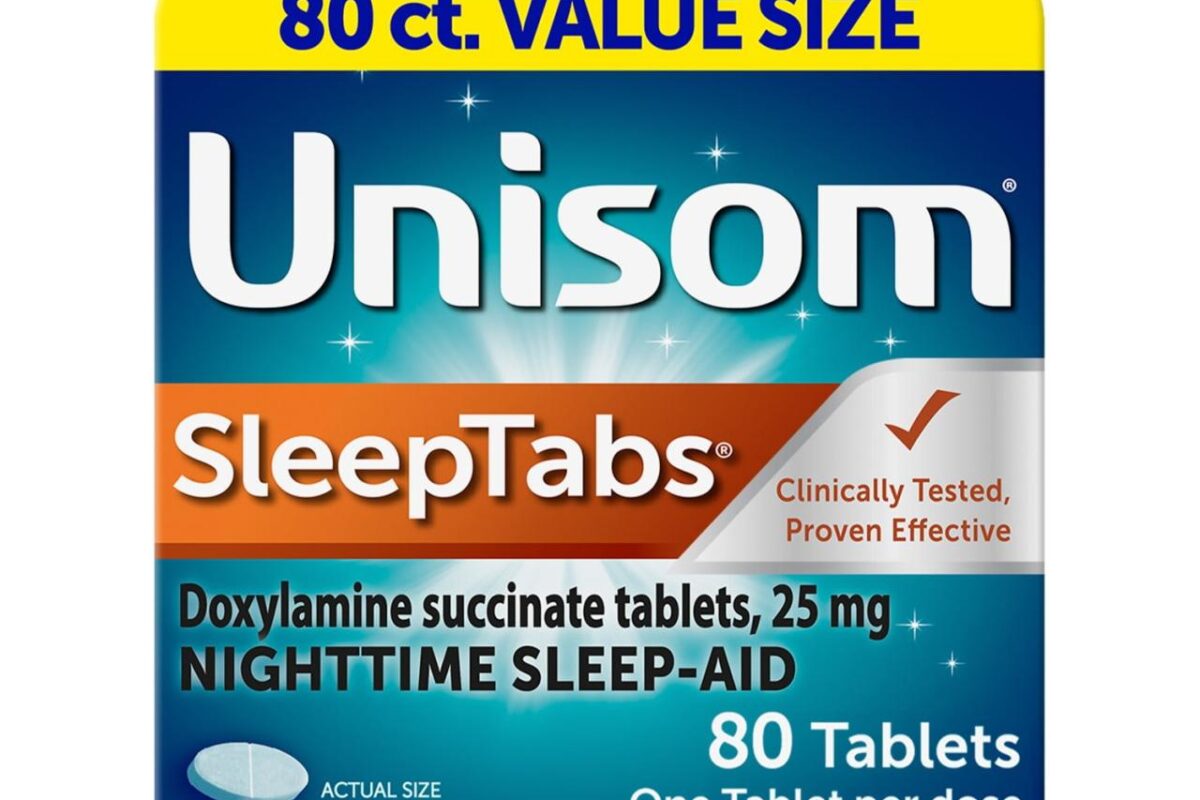
OTC sleep medication offers a convenient solution for those struggling with sleepless nights. These over-the-counter remedies provide alternatives to prescription drugs, making them easily accessible for individuals seeking relief from insomnia or disrupted sleeping patterns. With a range of options available, understanding how these medications work, their effectiveness, and the potential risks involved is crucial for making informed choices.
From antihistamines to melatonin-based products, each type of OTC sleep medication interacts differently with the body to promote sleep. As we delve into their mechanisms, effectiveness compared to prescription alternatives, and user experiences, we aim to equip readers with a comprehensive understanding of how to navigate the world of sleep aids safely.
OTC sleep medication types available in the market today
Over-the-counter (OTC) sleep medications have gained popularity as a convenient solution for those struggling with sleep issues. These medications vary in their active ingredients and mechanisms of action, catering to different sleep-related needs. Understanding the various types helps consumers make informed choices when it comes to managing their sleep patterns effectively.
OTC sleep medications can be broadly categorized into antihistamines, melatonin supplements, and herbal products. Each category works differently to facilitate sleep, and they contain various active ingredients that impact sleep duration and quality.
Common Categories and Active Ingredients
The most prevalent categories of OTC sleep medications include:
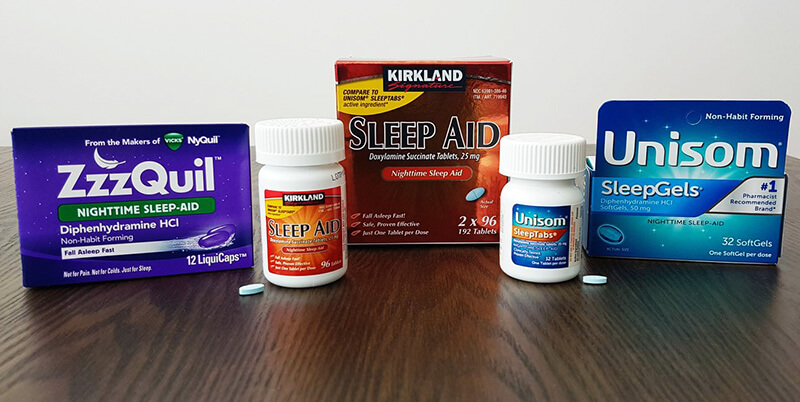
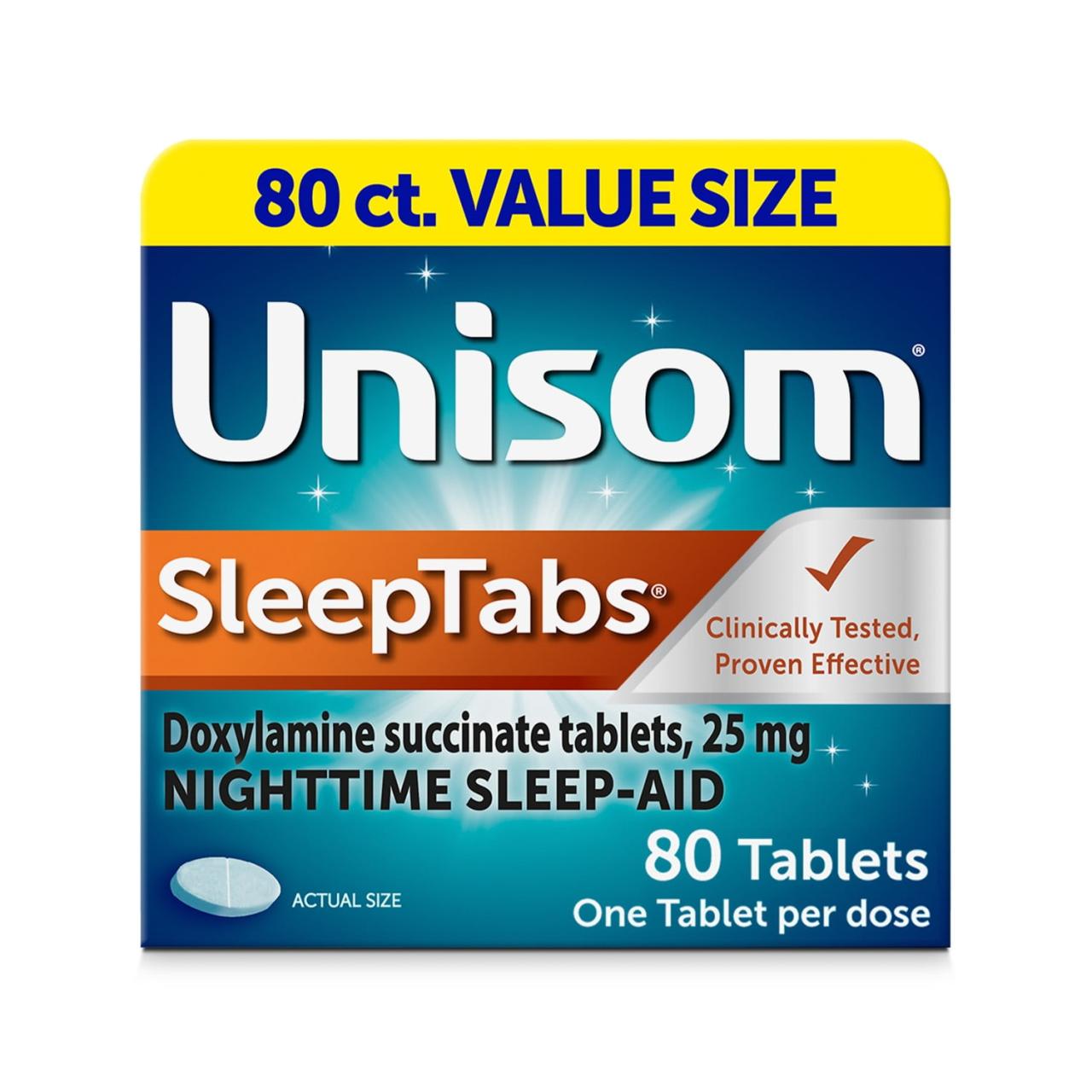
1. Antihistamines: These medications are primarily used for allergy relief but have sedative effects that can promote sleep. The most common active ingredients found in these medications include diphenhydramine and doxylamine. Antihistamines block histamine receptors in the brain, leading to drowsiness. They can be effective for short-term use but are not intended for chronic sleep issues due to potential side effects such as dry mouth or dizziness.
2. Melatonin Supplements: Melatonin is a hormone that regulates the sleep-wake cycle. OTC melatonin supplements are popular for those experiencing jet lag or shift work sleep disorder. They work by mimicking the natural hormone, signaling to the body that it’s time to sleep. Doses can vary, but most products offer between 1 to 10 mg. Melatonin can help improve sleep onset time and overall sleep quality, although users may experience differences in effectiveness.
3. Herbal Products: Various herbal remedies also exist within the OTC space, including valerian root, chamomile, and passionflower. These natural options are often used for their calming properties. For example, valerian root is believed to increase GABA levels, a neurotransmitter that promotes relaxation. The effectiveness of herbal sleep aids can vary significantly among individuals, and they may take longer to work compared to synthetic options.
To illustrate the variety in formulations and brands, here are some commonly available OTC sleep medications:
– Benadryl (diphenhydramine): This antihistamine is widely used for its sedative effects and is often recommended for occasional sleeplessness.
– ZzzQuil (diphenhydramine): A specific sleep aid from the makers of NyQuil, this formulation targets sleep without the cold symptom relief.
– Sleep Melatonin (various brands): Many brands provide melatonin supplements, including Natrol, Nature’s Bounty, and others, all offering different strengths and additional ingredients, such as vitamin B6.
– Valerian Root Supplements (various brands): Available in liquid extracts, capsules, or tea forms, brands like NOW Foods and Gaia Herbs provide different ways to consume valerian for those seeking a natural remedy.
Understanding these options allows for a tailored approach to managing sleep difficulties. While OTC sleep medications can provide immediate relief, it is essential to consider individual health needs and consult with a healthcare professional if sleep issues persist.
The effectiveness of OTC sleep medications compared to prescription alternatives
Over-the-counter (OTC) sleep medications are widely used as a first-line approach for individuals experiencing occasional insomnia or sleep disturbances. These products, often containing antihistamines or natural ingredients, are easily accessible without a prescription. However, their effectiveness compared to prescription sleep aids—like benzodiazepines and non-benzodiazepine sleep medications—can vary significantly based on individual needs and circumstances.
Prescription sleep aids have been shown to be more effective in treating chronic insomnia and sleep disorders, as they typically target specific neurotransmitters in the brain that regulate sleep. Clinical studies have demonstrated that prescription medications tend to provide a more profound sedative effect, which can lead to improved sleep quality and duration. While OTC options can help with sleep onset, they may not address issues like sleep maintenance or deeper sleep stages as effectively as prescription alternatives.
Efficacy of OTC vs. Prescription Sleep Aids
Understanding the nuances between OTC and prescription sleep aids is essential for making informed choices. Each type of medication has its unique benefits and drawbacks, which can influence their effectiveness in different scenarios. Below are the key differences to consider:
- Efficacy: Prescription medications often show higher efficacy in clinical trials, particularly for individuals with diagnosed sleep disorders. For example, research indicates that medications like zolpidem can reduce sleep onset time significantly more than diphenhydramine, a common OTC ingredient.
- Onset and Duration: Prescription sleep aids generally have a faster onset and longer duration of action, making them suitable for those who struggle to both fall asleep and stay asleep throughout the night.
- Side Effects: OTC medications commonly lead to side effects such as drowsiness the next day, dry mouth, and dizziness, whereas prescription medications may pose risks such as dependency, withdrawal symptoms, or increased tolerance over time.
- Accessibility: OTC medications are easier to obtain and may be preferred by those who wish to avoid healthcare visits or who have mild, transient sleep issues.
- Cost: Typically, OTC sleep aids are less expensive than prescription options, which can be a significant factor for individuals without insurance coverage.
When considering OTC options, it is important to recognize that while they can be effective for occasional sleeplessness, they may not be suitable for long-term use. Over time, some users may find that they require higher doses to achieve the same effects, leading to a cycle of increased consumption without the desired outcomes. Therefore, while OTC sleep aids can provide immediate relief, prescription alternatives may be the better choice for those dealing with chronic or severe sleep issues, especially when guided by a healthcare provider.
Side effects and risks associated with OTC sleep medications
The use of over-the-counter (OTC) sleep medications has become increasingly popular as a quick fix for occasional sleeplessness. While these medications can provide immediate relief, it is essential to be aware of their potential side effects and risks to ensure safe usage. Understanding both common and severe side effects can help users make informed choices regarding their sleep health.
Common side effects experienced by users
OTC sleep medications often come with a range of side effects that can impact daily life. It’s crucial for users to recognize these and monitor how they feel after taking these medications. Common side effects include drowsiness, dizziness, and dry mouth. These effects can affect not only sleep quality but also the ability to perform daily tasks safely.
Moreover, some users may experience gastrointestinal issues, such as nausea or constipation. Individuals may also encounter more severe side effects, including confusion, especially in older adults, which can lead to an increased risk of falls and injuries. The sedative effects of these medications can linger into the next day, impacting cognitive functions and overall alertness.
Potential drug interactions and contraindications
When considering OTC sleep medications, users should remain aware of potential interactions with other medications. Certain combinations can lead to increased sedation or other adverse effects. For instance, mixing OTC sleep aids with alcohol, antidepressants, or anti-anxiety medications can amplify sedation, leading to dangerous levels of drowsiness or respiratory depression.
Additionally, individuals with pre-existing health conditions, particularly respiratory issues, liver disease, or a history of substance abuse, should proceed with caution. These conditions may exacerbate the side effects of sleep medications or lead to dangerous situations. It is recommended that users consult with a healthcare provider before starting any new medication, especially if they are already taking other prescriptions or have chronic health conditions.
Long-term risks of dependency or tolerance
Long-term use of OTC sleep medications can lead to significant risks, including dependency and tolerance. As individuals continue to use these medications for sleep, their bodies may become accustomed to the sedative effects, requiring higher doses to achieve the same level of sleep induction. This can create a cycle where users feel compelled to increase their dosage over time, ultimately leading to a reliance on these medications for sleep.
Dependency on sleep aids can disrupt natural sleep patterns, making it challenging for individuals to fall asleep without the aid of medication. Furthermore, withdrawal symptoms may occur when attempting to discontinue use, including rebound insomnia, heightened anxiety, and irritability.
The psychological aspect of relying on a substance for sleep can also be troubling. Users may develop anxiety related to sleep, fearing they cannot achieve restful sleep without medication. This condition can spiral into broader mental health issues, such as chronic anxiety or depression, as individuals become trapped in a cycle of dependency.
In summary, while OTC sleep medications can offer short-term relief, the potential for side effects, drug interactions, and long-term risks should not be overlooked. Users should approach these medications with caution and prioritize natural sleep hygiene practices when possible.
Guidelines for safe usage of OTC sleep medications
Over-the-counter (OTC) sleep medications can offer relief for those battling occasional sleeplessness. However, their safe usage is crucial to avoid unwanted side effects and potential dependency. Understanding the best practices and recognizing when to seek professional advice can enhance the effectiveness of these medications while minimizing risks.
Best practices for first-time users
First-time users of OTC sleep medications should follow specific guidelines to ensure a safe and effective experience. It is essential to read the product label carefully, paying close attention to active ingredients, recommended dosages, and potential side effects. Starting with the lowest effective dose can help gauge individual tolerance and response. Avoid mixing sleep medications with alcohol or other sedatives, as this can increase the risk of adverse effects. Additionally, ensuring a comfortable sleep environment—dark, cool, and quiet—can enhance the medication’s effectiveness.
Signs that indicate a need to consult a healthcare provider
Recognizing when to seek professional advice is crucial for safe medication use. Here are some signs that indicate a need to consult a healthcare provider:
- Persistent insomnia lasting more than two weeks despite medication use.
- Experiencing severe side effects, such as dizziness, confusion, or unusual behavior.
- Allergic reactions, including rash, itching, or swelling.
- Using OTC sleep medications regularly for more than a few weeks.
- Existing medical conditions that could be worsened by sleep medications, such as respiratory issues or heart conditions.
Dosages and timing for maximum effectiveness
Proper dosages and timing play a significant role in the effectiveness of OTC sleep medications. Typically, the recommended dosage for most OTC sleep aids ranges from 25 mg to 50 mg taken 30 minutes before bedtime. However, individual response can vary based on factors such as age, weight, and overall health.
Key recommendations include:
– Start with the lowest effective dose, particularly for first-time users, to minimize side effects.
– For medications containing diphenhydramine or doxylamine, taking them no later than 30 minutes before intended sleep can help enhance sleep onset.
– Limit usage to 2-3 times per week to avoid tolerance and dependency, ensuring that the body does not become accustomed to the medication’s effects.
– Maintain consistent sleep schedules by going to bed and waking at the same time each day, which can promote natural sleep cycles.
“Using OTC sleep medications should be a short-term solution, ideally coupled with lifestyle changes to improve sleep quality.”
By adhering to these guidelines and recommendations, users can better navigate their approach to OTC sleep medications, ensuring a safer and more effective experience.
Alternative natural remedies for sleep improvement beyond OTC options
In the quest for better sleep, many individuals are exploring natural remedies that go beyond conventional over-the-counter (OTC) medications. These alternatives often promise fewer side effects and a more holistic approach to sleep enhancement. This discussion delves into various herbal supplements and lifestyle changes that can aid in improving sleep quality, along with a comparison of their effectiveness against OTC options based on available research.
Natural remedies for sleep improvement can be both effective and safe, depending on the individual and the specific remedy used. Research indicates that various herbal supplements and simple lifestyle modifications can significantly enhance sleep quality. In this segment, we will cover an array of natural alternatives, detailing their benefits and how they stack up against OTC medications.
Herbal Supplements and Their Benefits
Several herbal supplements have gained popularity for their potential to promote sleep. The following are noteworthy options:
- Valerian Root: This herb has been used for centuries to treat insomnia and anxiety. Research suggests that valerian root may shorten the time it takes to fall asleep and improve sleep quality.
- Chamomile: Known for its calming effects, chamomile can be consumed as a tea or in supplement form. Studies indicate that chamomile may help improve sleep quality and reduce insomnia symptoms.
- Lavender: Aromatherapy with lavender essential oil has been shown to reduce anxiety and improve sleep quality. A study revealed that participants who inhaled lavender oil before bedtime experienced deeper sleep.
- Passionflower: This herb may help alleviate anxiety and improve sleep quality. Research has shown that passionflower can increase levels of gamma-aminobutyric acid (GABA) in the brain, leading to a more relaxed state.
- Melatonin: A hormone that regulates the sleep-wake cycle, melatonin supplements can help those with disrupted sleep patterns. Numerous studies have found that melatonin can reduce the time it takes to fall asleep and increase overall sleep duration.
Lifestyle Changes to Enhance Sleep
In addition to herbal supplements, adopting certain lifestyle changes can profoundly impact sleep quality. Implementing these strategies can create a conducive environment for better rest:
- Establishing a Sleep Schedule: Going to bed and waking up at the same time every day can help regulate your body’s internal clock, making it easier to fall asleep and wake up.
- Creating a Relaxing Bedtime Routine: Engaging in calming activities before bed, such as reading or meditating, can signal to your body that it’s time to wind down.
- Limiting Screen Time: Reducing exposure to screens an hour before bed can help increase melatonin production, making it easier to fall asleep.
- Optimizing Sleep Environment: Keeping the bedroom dark, quiet, and cool can significantly enhance sleep quality. Using blackout curtains and white noise machines can be beneficial.
- Regular Physical Activity: Engaging in regular exercise during the day can improve sleep quality. However, it is advisable to avoid vigorous workouts close to bedtime.
According to research, these natural remedies and lifestyle modifications often result in fewer side effects compared to OTC medications. While OTC options may offer immediate relief, they can lead to dependency or unwanted side effects over time. In contrast, many natural remedies provide a gentler approach, allowing for gradual improvement in sleep patterns without harsh repercussions.
“Natural remedies can be a powerful ally in the quest for good sleep, often combined with lifestyle adjustments for optimal results.”
The role of lifestyle factors in sleep quality and the use of OTC medications
Lifestyle factors play a significant role in determining sleep quality, often influencing the necessity for over-the-counter (OTC) sleep medications. Understanding these factors can empower individuals to adopt healthier habits, ultimately leading to improved sleep patterns and a reduced reliance on sleep aids. Elements such as diet, exercise, and screen time are pivotal in shaping one’s sleep experience and can either contribute to or detract from restful nights.
Influential Lifestyle Habits
Several lifestyle habits can have a profound impact on sleep quality. These habits include dietary choices, physical activity levels, and the amount of screen time encountered daily.
A balanced diet rich in essential nutrients can significantly affect sleep patterns. Foods high in carbohydrates, for example, can enhance sleep onset, while those rich in caffeine or sugar can disrupt it. Incorporating sleep-promoting foods like almonds, cherries, and fatty fish into one’s diet can foster better sleep health.
Exercise is another vital factor. Engaging in regular physical activity enhances sleep quality by reducing stress and anxiety levels. Studies have indicated that moderate aerobic activities, such as walking or cycling, can lead to deeper sleep cycles. However, timing is crucial; exercising too close to bedtime may have the opposite effect, energizing the body rather than relaxing it.
Screen time, particularly before bed, has become a modern-day challenge for many. The blue light emitted from smartphones and computers interferes with the body’s natural circadian rhythms, inhibiting the production of melatonin—a hormone essential for sleep. Limiting screen exposure at least an hour before bedtime can promote healthier sleep habits and reduce the likelihood of insomnia.
Addressing these lifestyle factors can lead to a marked improvement in sleep quality, potentially minimizing the need for OTC sleep medications. By making small adjustments—such as establishing a regular exercise routine, curbing caffeine intake in the afternoon, and creating a tech-free wind-down period before bed—individuals can cultivate a more restful sleep environment.
Creating a sleep-friendly environment is crucial for enhancing sleep quality. This includes optimizing factors such as light, temperature, and noise levels. A dark, quiet room at a comfortable temperature can significantly improve the ability to fall asleep and stay asleep. Comfortable bedding and a clutter-free space also contribute to a more inviting sleep atmosphere. Recognizing these elements and adjusting them accordingly can lead to more restorative sleep, further decreasing reliance on OTC medications.
Consumer perceptions and misconceptions about OTC sleep medications
Consumer perceptions and misconceptions surrounding over-the-counter (OTC) sleep medications play a significant role in how individuals approach their sleep issues. Many consumers turn to these medications with the hope of achieving a restful night, believing in their effectiveness and safety. However, misinformation can lead to unrealistic expectations and misuse, impacting overall health and sleep quality.
The public often associates OTC sleep medications with a sense of safety due to their availability without a prescription, contributing to the myth that they are harmless. Many people believe that because these drugs are easily accessible, they can be used regularly without risk, leading to potential over-reliance. This misconception can foster a psychological dependency where users feel they cannot sleep without the medication, creating a cycle that might exacerbate sleep problems in the long term.
Role of advertising in shaping consumer beliefs
Advertising significantly influences consumer beliefs about OTC sleep medications. Marketing campaigns frequently present these products as quick fixes, highlighting their effectiveness in promoting sleep and often downplaying potential side effects. Advertisements portray individuals who achieve restful sleep after taking these medications, reinforcing the notion that they are a reliable solution.
Moreover, the persuasive language used in these ads can lead to misconceptions regarding the safety and necessity of such medications. For instance, phrases like “doctor-recommended” or “clinically proven” create an illusion of endorsement that may not reflect the whole truth. While these medications can be effective for short-term use, the long-term implications are rarely discussed, leaving consumers unaware of the possible risks.
The impact of such marketing extends beyond individual choices; it shapes societal norms around sleep health. People may perceive insomnia as a condition that can be effectively managed with a pill rather than addressing underlying issues such as stress, lifestyle choices, or poor sleep hygiene. This mindset can prevent individuals from seeking holistic or alternative solutions to their sleep challenges.
Overall, the advertising strategies employed can inadvertently promote misconceptions, leading to a cycle of dependency on OTC sleep medications rather than fostering informed decision-making.
Conclusion
In conclusion, while OTC sleep medication can offer a helpful solution for occasional sleeplessness, it’s essential to consider their effectiveness, potential side effects, and the importance of a healthy sleep environment. By combining these aids with lifestyle adjustments and natural remedies, individuals can enhance their sleep quality holistically. Understanding your options and staying informed empowers you to make choices that lead to better rest and overall well-being.
FAQ Explained
What is the main ingredient in most OTC sleep medications?
Most OTC sleep medications primarily contain diphenhydramine or doxylamine, which are antihistamines that promote drowsiness.
Are OTC sleep medications safe for long-term use?
Generally, OTC sleep medications are not recommended for long-term use due to risks of dependency and tolerance.
Can I combine OTC sleep medication with alcohol?
No, combining OTC sleep medications with alcohol can increase sedative effects and lead to dangerous side effects.
What are some common side effects of OTC sleep medications?
Common side effects include drowsiness, dizziness, dry mouth, and potential cognitive impairment the next day.
Is melatonin safe for everyone?
While melatonin is generally considered safe for short-term use, it may not be suitable for individuals with certain medical conditions or those taking specific medications.